Equipment and Repairs Exist, But Attitude Is Key

In 2025, the Novosibirsk Region completed a major phase of healthcare system modernization: outpatient clinics were renovated, new polyclinics were built, and hundreds of vehicles were purchased for doctors.
At an expanded meeting of the Ministry of Health board, it was reported that the region«s medical care demonstrates its viability across most key indicators.
What Has Changed for Patients
The main focus of regional healthcare today is the accessibility of medical care, said regional Health Minister Rostislav Zablotsky. In 2025, the first stage of the federal project to modernize primary care was completed. More than 2.2 billion rubles ($22 million at current rates) were allocated for this.
Thanks to this, 339 medical transport vehicles were delivered to primary care facilities. This means doctors can respond more quickly to calls in rural areas. More than 483 million rubles ($4.83 million) were spent on purchasing the vehicles.
For polyclinics, feldsher-midwife stations (FAPs), and hospitals in villages and small towns, 1,442 units of medical equipment worth 1.6 billion rubles ($16 million) were purchased. This enables local diagnosis and treatment without travel to the regional center.
In addition, major repairs were carried out at the medical outpatient clinic at Lesnaya Polyana station and the FAP in the village of Tsvetnik. Construction was completed on a children«s polyclinic in Barabinsk and another 17 feldsher-midwife stations across the region.
It«s Not Just About Buildings and Equipment
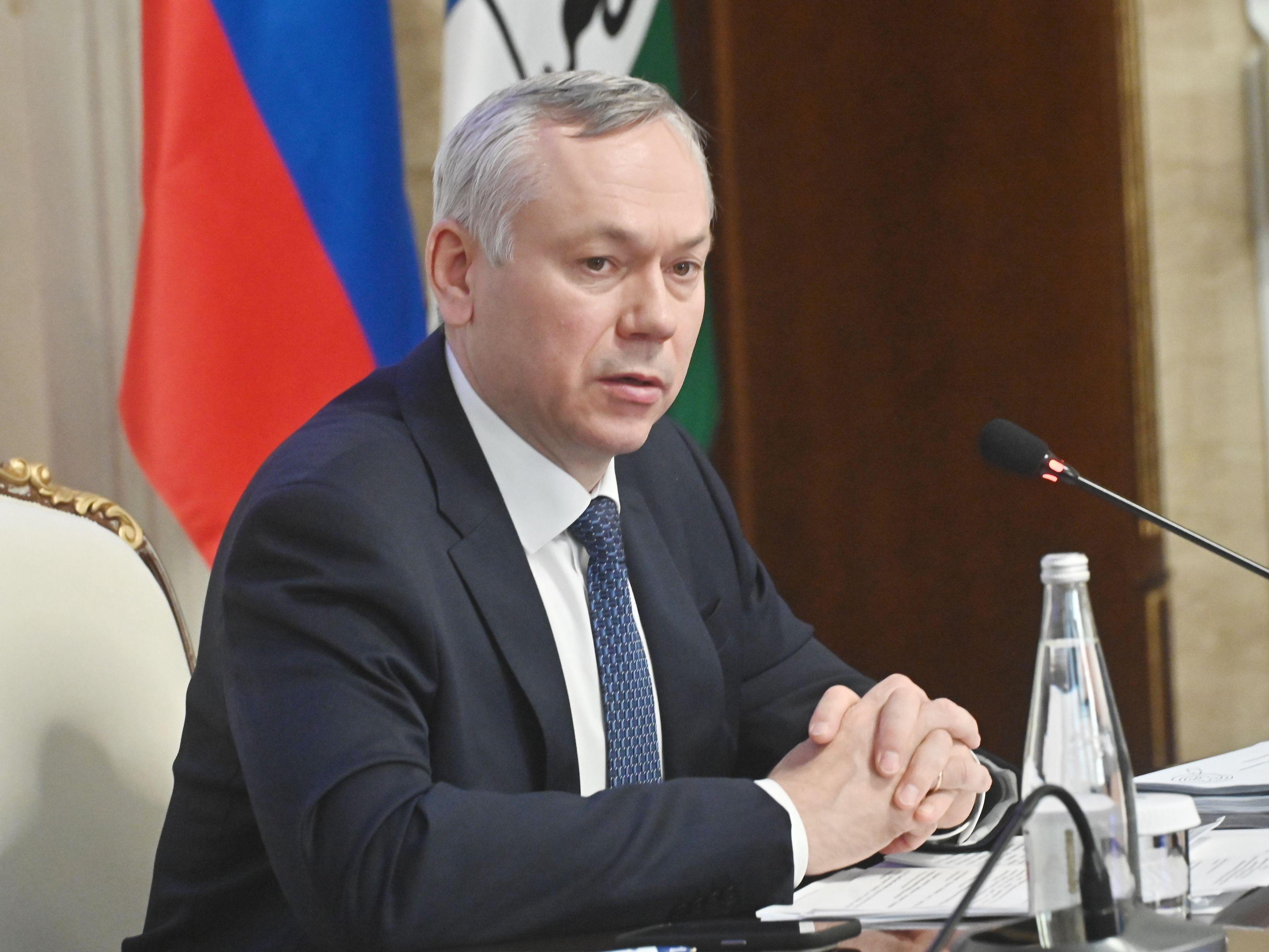
Governor Andrei Travnikov emphasized that repairs and purchases of modern equipment alone are not enough. According to him, patient assessments often depend not on the appearance of the polyclinic or the amount of equipment, but on the attitude toward the person. Even in new, well-equipped medical facilities, people sometimes do not receive the quality of care they expected. And this problem, as the head of the region emphasized, requires constant attention from the ministry and medical teams.
The authorities intend to work more actively with feedback, including through trade unions and public organizations.
Support for Special Military Operation (SVO) Participants and New Forms of Assistance
A separate block of the healthcare system«s work is assistance to participants of the special military operation (SVO) and their family members, noted the regional government. This area remains in focus along with personnel policy and the development of telemedicine, which allows consultations with specialists without traveling to large centers.
What«s Next: Plans Through 2030
In 2025, the region began implementing new national projects — «Long and Active Life» and «Family». They replace the «Healthcare» national project and are designed for a longer-term effect.
The next stage of primary care modernization for 2026–2030 is already planned: the region intends to build polyclinics in Karasuk, Berdsk, and Tatarsk. The total investment will be about 6 billion rubles ($60 million at current rates).
In addition, major repairs worth almost 1.5 billion rubles ($15 million) are planned. They will be carried out at the polyclinic departments of Kargat and Toguchin Central District Hospitals (CRHs), the treatment buildings of Linevskaya and Vengerovskaya CRHs, and the infectious disease departments of Tatarsk and Karasuk CRHs.