Voronezh garden communities endure years of power outages
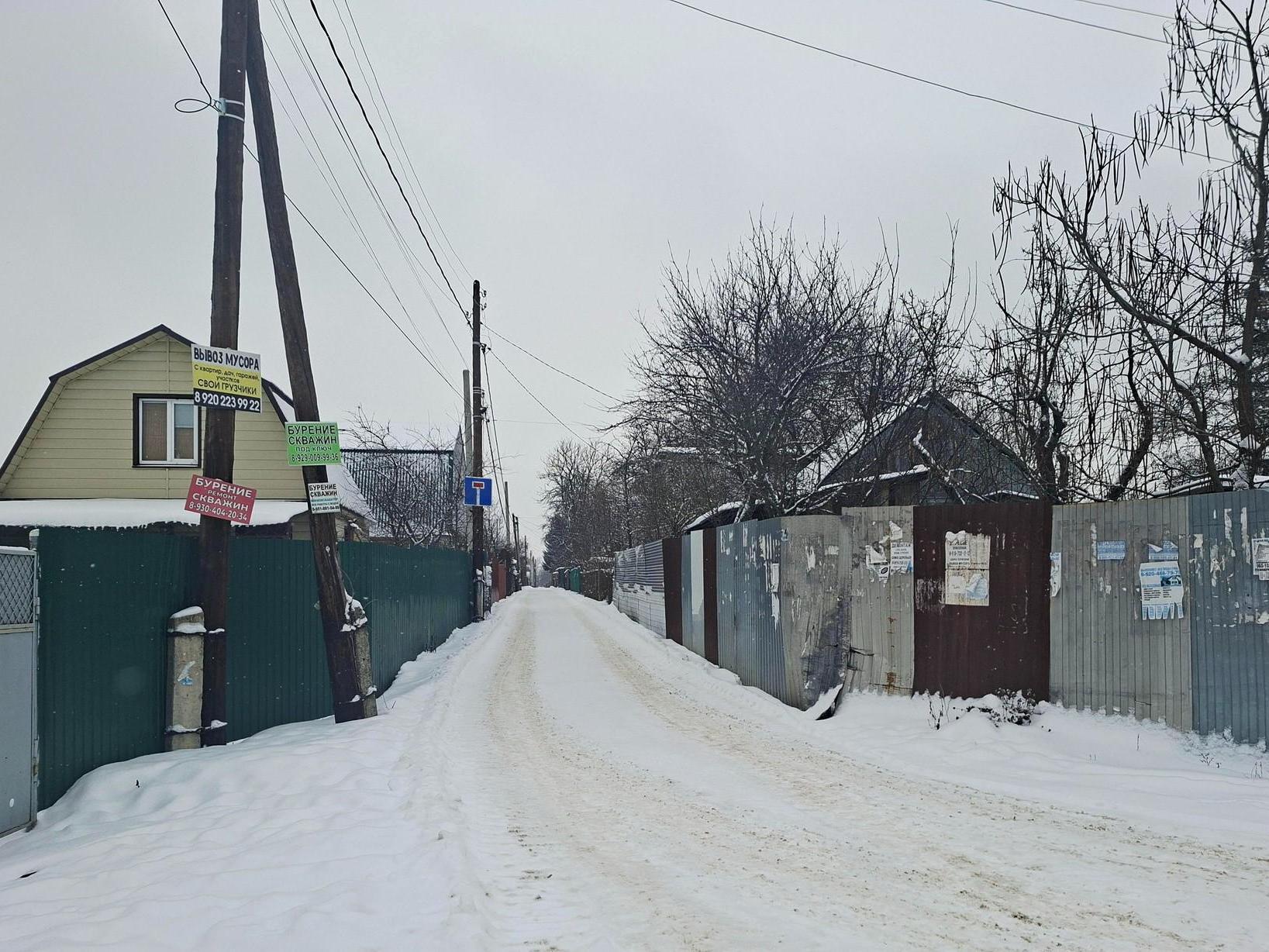

The Blizhniye and Dalniye Sadovy in Voronezh is a large area between the main part of the Sovetsky District and the Shilovo neighborhood. Dozens of garden non-commercial partnerships (SNT) are nestled here: “Zheleznodorozhnik”, “Put Michurina”, “Sadovod-Lyubitel”, “Kirovets”, “Radist”… There are 25 in total, with over nine thousand plots.
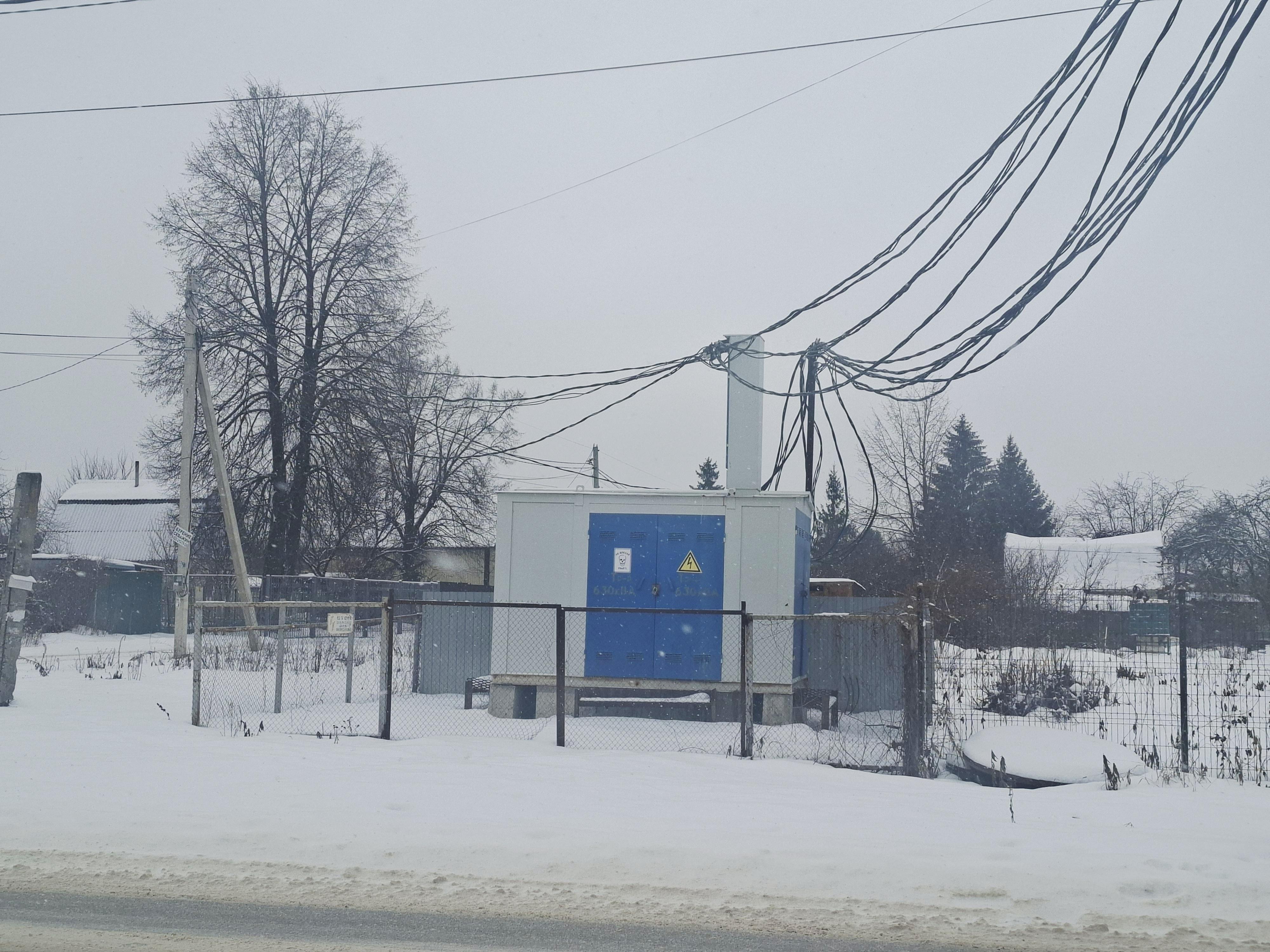
And the residents of most of these plots have to endure electricity problems year after year. The power in the Gardens is cut off both in winter and summer, but the longest periods of outage occur during extreme heat and bitter frosts. The last time, literally sending residents back to the Middle Ages, was in early January: in 20-degree frosts (-4°F), their power was cut off twice in three days, once for almost a full day.
A correspondent from Voronezh1.ru spoke with residents of the Gardens to find out how they cope with such outages and tried to determine who should be held responsible for depriving people of basic civilized amenities.
Candles and flashlights
The territory of the gardens, which seems small on a map of Voronezh, is actually huge. This isn«t some cottage community or private sector with a few streets, but rather a whole town inside a big city. The houses here are one or two stories. There are modern, almost mansion-like homes behind tall fences, with dogs barking from behind them. And there are old houses with wooden windows, crooked thresholds, and vegetable gardens enclosed by wooden picket fences.
There aren«t many people around during the day on a weekday. On the central street—it»s called Dalniye Sady—a few locals hurry to “Ozon” and grocery stores. There are several of the latter on this street. It takes about 10 minutes to walk from one to another. On their doors is the schedule for the bus going to the SNT. In an hour, it passed by once.
“A store can«t work without power here, it»s cold inside, and how can you even trade,” shares Tatyana Ivanovna, a saleswoman at one of the shops. “Power cuts are constant here. In winter, there were outages on December 14, December 22. In January, we had no power for several days. In summer—constantly, even more often than in winter. It«s hard, of course. All the food spoils. I have a lot of animals at home—even they look at me with surprise when the power goes out again. It»s all very hard and unpleasant. I«ve already asked my neighbor to buy me candles, some people buy flashlights.”
Tatyana Ivanovna heats her house with a stove (her SNT is not connected to gas), so at least she doesn«t have to freeze. But her neighbors weren»t so lucky: their electric boiler froze up, and they had to dismantle the entire heating system.
“The power goes out for various reasons. The cable burned out a couple of times, sometimes there«s something with the high-voltage lines. They don»t really explain anything to us, they just say, «wait»,” says the woman. “I live in Blizhniye Sady, in our SNT we have direct contracts for electricity. We pay at the city rate, although in theory we shouldn«t. Well, since we are a full-fledged part of the city and have city registration, maybe the city won»t forget about us? But the bills come from «TNS Energo», and they constantly disavow responsibility too, saying they are just suppliers and don«t answer for the networks here.”
“Only God knows how much food people have thrown out from their fridges”
Yekaterina, a resident of the SNT “Kominternovets-1” in Blizhniye Sady, couldn«t stay home during the January power outages—she has a small son, and her husband was away on a business trip. Being alone without electricity in a private house is unmanageable, so the woman temporarily moved to her older daughter»s place in the city.
“Because of the first outage, we had to drain the entire heating system and leave. … We abandoned the house, my little son had a fever, because after the first outage, when we came home, we slept all night in an unheated house under two blankets,” Yekaterina recounted. “This happens constantly. We sit without power in summer too. And in summer it«s longer—sometimes there»s no power for two or three days. There was a case when there was no power for 8 days. Only God knows how much food people have thrown out from their fridges. We«ve only been living here for our third winter, but my mom has been here permanently for about 18 years. There have always been constant emergency outages. The cable, the repairmen say, looks like dust.”
According to Yekaterina, in January the residents of the Gardens were asked to chip in for cable replacement—laid in the 1950s, it can no longer handle the load. The proposal was met differently: some are already ready to pay whatever is required, others say they don«t need it.
“Collecting these funds could drag on for a year, two, or more. And there«s no guarantee that when we collect the money and give it to »Kvartal«, they won»t disappear with our cash.”
The situation is absurd, of course: we have to collect money, give it to «Kvartal», so that «Kvartal» then also takes money from us for maintaining the cable, which we bought with our own funds.
The proposal to collect money for a new cable for «Kvartal» also causes bewilderment for our previous interviewee, Tatyana Ivanovna.
“A large sum is needed. How will it be organized? Transfer to the company«s accounts? Impossible, they have debts, everything would be written off from their account immediately. In cash? That»s just unthinkable, illegal. And again, it turns out we would be sponsors for «Kvartal», and then what do we need them for?”
“Kvartal”
So what is this mysterious «Kvartal» that causes so much indignation among SNT residents? It is a company that has officially been maintaining the networks in Dalniye and Blizhniye Sady in recent years. The SNTs are supplied with electricity from a substation belonging to KBKhA.
According to data from “Kontur.Fokus”, in 2019 and 2020 «Kvartal» incurred losses. In 2021 it managed to make a small profit (1.2 million rubles, approx. $13,300 at current rates), and there is no more recent data on the company«s financial condition.
Last year, «TNS Energo» tried to bankrupt «Kvartal» due to the latter«s accumulated debts—it didn»t work out: the debts were still paid off. But apparently, not in full. Currently, «Kvartal» has debts totaling 13.4 million rubles (approx. $148,900 at current rates), over 7 million of which are for payments for gas, heat, and electricity. «Kvartal» itself, by the way, is trying to recover almost half a billion rubles from PJSC “Rossety Center” and “TNS energo Voronezh”.
Another interesting nuance: until 2023, «Kvartal» was a territorial grid company, but then lost that status for non-compliance with requirements. In theory, the company was supposed to merge with a larger resource-supplying organization or lease out its grid equipment. However, «Kvartal» still remains the owner of the networks in Blizhniye and Dalniye Sady. The mayor«s office tried to buy out the networks, but, as Voronezh Mayor Sergey Petrin recently reported, »Kvartal« refused the deal.
The Voronezh1.ru correspondent was unable to contact the company for comment on the state of the networks in Blizhniye and Dalniye Sady. However, we will continue trying.
Who«s to blame
Despite the rather strange situation with the owner of the old and long-needing overhaul networks in the SNT, the authorities have already determined who should be responsible for the rotten 1950s cables. It turns out—the residents of the Gardens themselves.
The Ministry of Housing and Communal Services of the Voronezh Region gave an explanation back on January 16. They stated the following: electrical grid facilities that supply garden plots are considered the common property of the SNTs themselves. That is, formally, the responsibility for the maintenance, repair, and modernization of the networks lies with the members of the partnerships themselves—the plot owners.
“Balance sheet ownership is demarcated along the line dividing the networks based on ownership or other legal possession. The members of the SNTs «Dalniye Sady» and «Blizhniye Sady» in Voronezh are not deprived of the opportunity to independently decide on the future fate of the common electrical grid property,” the Ministry of Housing and Communal Services said in a comment.
The ministry even explained how to transfer the networks to a territorial grid organization, albeit without offering specific organization options.
“To transfer electrical grid property into the ownership of a territorial grid organization (TGO), it is necessary to pass a decision at a general meeting of SNT members and subsequently send an application to the TGO for the transfer of property with a package of documents attached. Based on this application, the TGO conducts an inspection of the technical condition of the electrical grids, based on the results of which it decides on the possibility of transferring the property into the TGO«s ownership,” the officials explained.
What the Ministry of Housing and Communal Services did not say is who should be dealing with the repair of the constantly breaking cables right now. Meanwhile, 20-degree frosts (-4°F) are again approaching Voronezh, which will lead to increased energy consumption in the SNTs and certainly new outages.
Speaking of increased energy consumption: here, too, it«s not without the responsibility of the Gardens» residents themselves. This was stated by the Minister of Housing, Communal Services, and Energy of the Voronezh Region, Yevgeny Bazhanov.
“The key problem here is the mass and systematic exceeding of the permitted electricity consumption capacity in the SNTs, leading to emergency shutdowns and risks of damage to the networks. This is related to non-design consumption modes and is exacerbated by the fact that new households are constantly being connected to the load on the old grid. Often they consume far more than one kilowatt, and the existing cable lines are not designed for such loads. There are 18 SNTs in focus, where actual loads exceed contractual ones by 2–3 times. This leads to overheating and damage to cables, and outages. Chaotic development and illegal connection of objects to SNT networks are noted.”
There are no comments from the authorities on who allows the chaotic development in the large SNTs.
Criminal case
In mid-January, residents of Blizhniye and Dalniye Sady, finally exhausted by constant power outages, recorded an appeal to the head of the Russian Investigative Committee, Alexander Bastrykin. Soon after, the regional investigative committee reported: a criminal case had been opened under Article 238 of the Criminal Code of the Russian Federation—provision of services that do not meet safety requirements.
Alexander Bastrykin has already requested a report on the progress of the investigation. The editorial office of Voronezh1.ru will continue to monitor the situation with the SNTs« electricity supply—look for materials on this on our website in the near future.