Sochi Residents Dispute Official Salary Reports
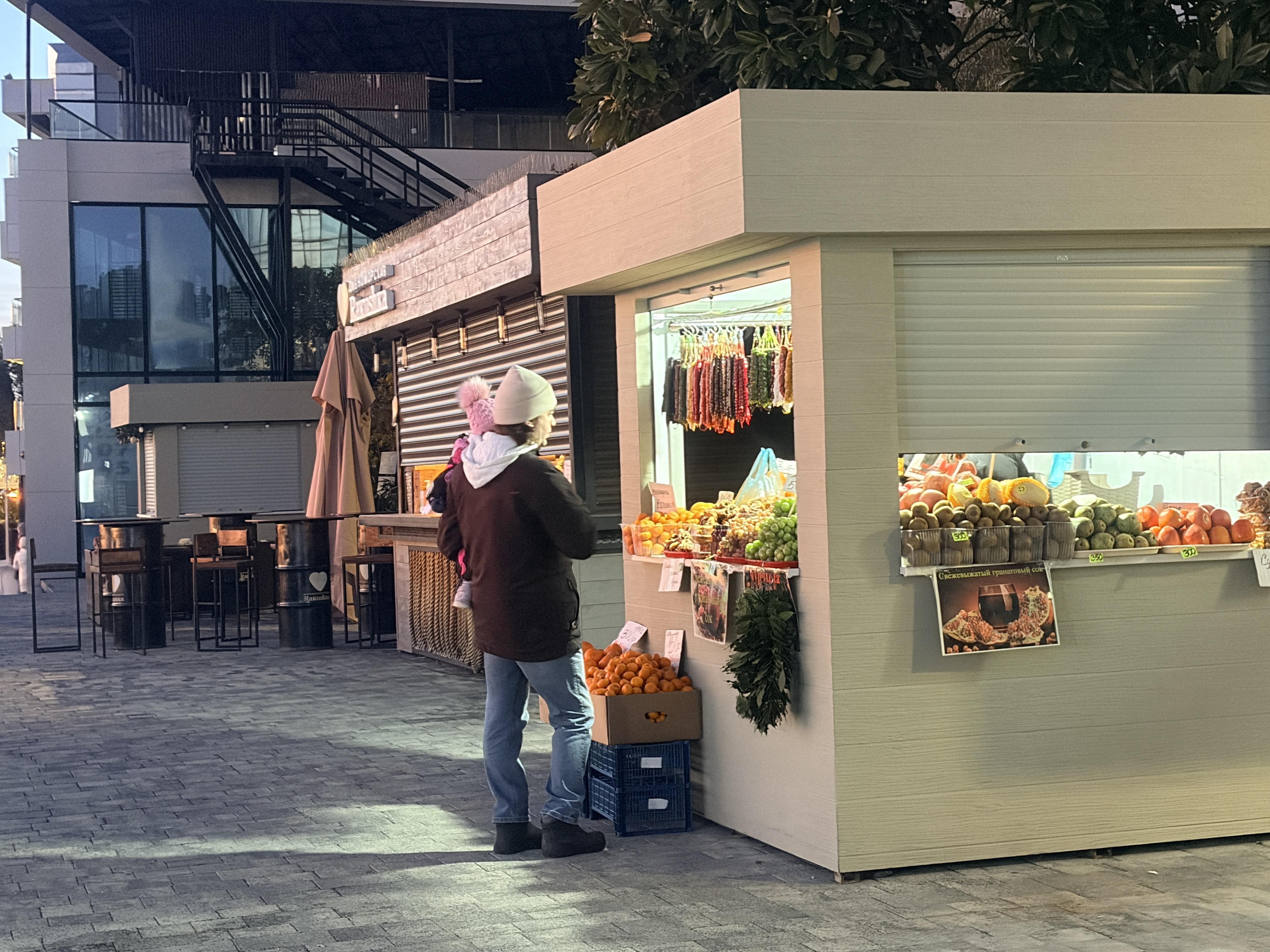

The Sochi administration reported that by year-end the average monthly wage in the city rose by 12 percent — to 87,700 rubles (approximately $974 at current rates), which is almost 7% higher than the regional average. The unemployment rate in Sochi remains one of the lowest in the country — 0.2%. These are great numbers, but they have nothing to do with reality, Sochi residents believe. Our readers even had fun in the comments. Here are some of them.
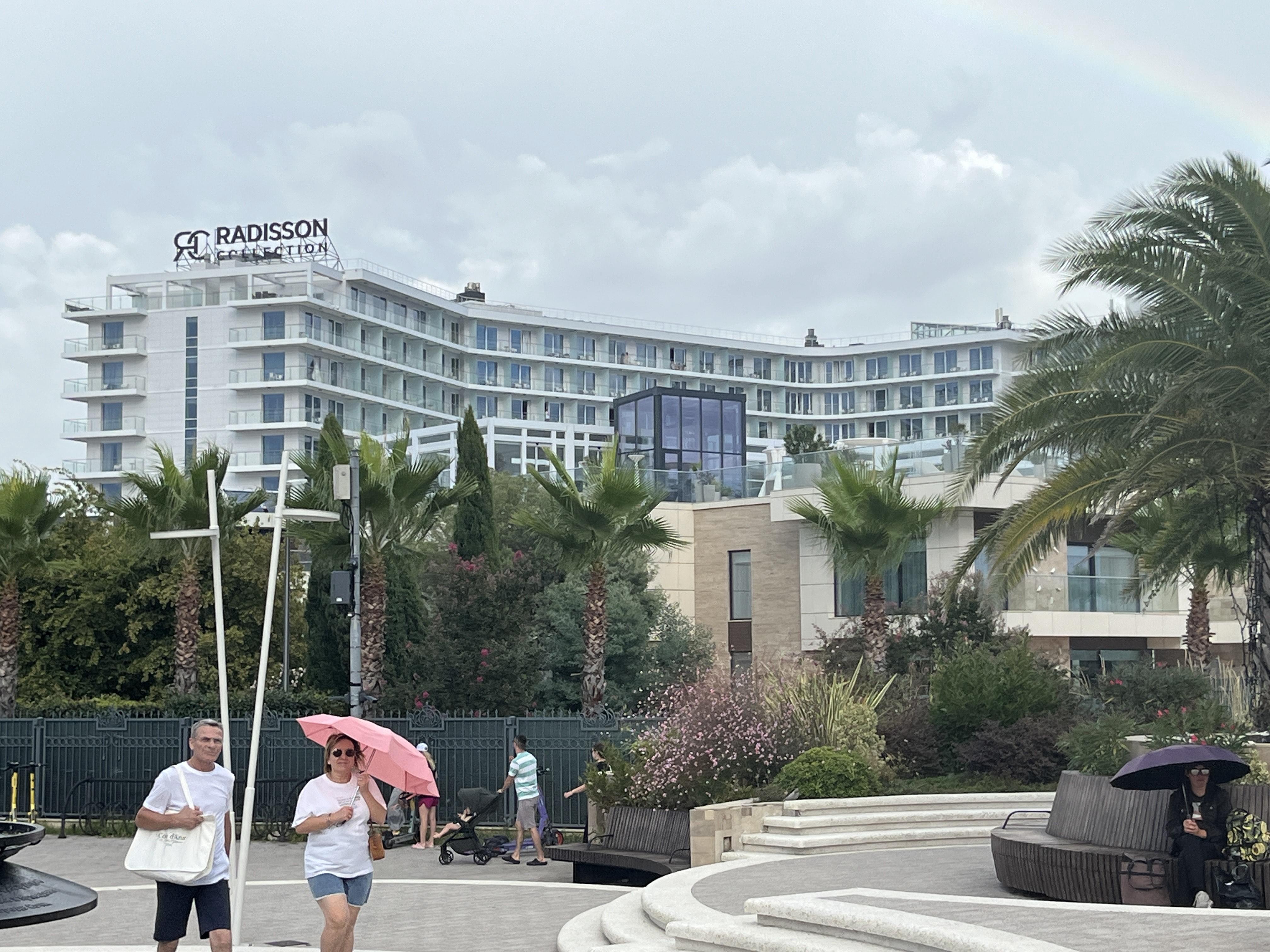
— 87,000 average salary in Sochi (about $967)? Is this for real, are my eyes deceiving me? And — Ha-ha-ha. It«s just a laugh riot. Who and where these numbers come from is unknown, but they sure are amusing.
— Maybe only those who deliver food on scooters? Specialists.
— Why is there no link to the calculation methodology or research? Or did they average from the cleaner to the mayor in the administration and got sweet honey in the reports. Same with business. You can even visually see how small businesses are closing thanks to the wise moon-faced indispensable leaders and their taxes and fees «for development». Only for the development of poverty.
— I«m a blogger from Tyumen, I want to move to you to get the average Sochi salary. Tell me, where do I need to get a job to do nothing?
Job Listings from Ads
Judging by popular advertisement websites, in Sochi things aren«t so bad. We looked at popular vacancies. For example, a transport company operator is offered from 55,000 rubles (about $611). Duties: calling clients, working with cash, documents, and more.
A driver — loader for a furniture store is offered 85,000 rubles (approximately $944) per month. You need to work 6 days a week with one day off.
But a night stocker, who will arrange goods in a supermarket from 9:00 PM to 9:00 AM, is offered 2,000 rubles (about $22) per shift.
Cleaning services in a SPA are valued at 45,000 rubles (around $500) — work schedule 2/2. A SPA administrator receives 2,500 rubles (approximately $28) per shift.
A waiter in a hotel restaurant is willing to pay 3,000 rubles (about $33) per shift. And a cashier in a meat store gets 800 rubles more.
A federal network of laboratories is looking for a procedural nurse and offers a salary of 60,000-70,000 rubles (approximately $667-$778).
A fitness club administrator is promised from 90,000 to 140,000 rubles (about $1,000-$1,600). A credit manager in a bank — 60,000 rubles (around $667) per month. A concrete worker is offered from 120,000 rubles (approximately $1,300), and an order picker at VkusVill (a grocery chain) — from 54,000 to 75,000 rubles (about $600-$833). A marketplace delivery person is promised up to 160,000 rubles (around $1,800).
There is also a Russian Railways (RZD) vacancy among the ads — a contact network electrician is needed. Such a specialist is offered from 55,000 to 67,000 rubles (approximately $611-$744) per month.
Traditionally, the highest salaries in Sochi are offered by large real estate companies — from 120,000 rubles (about $1,300). A taxi driver is promised from 60,000 to 140,000 rubles (around $667-$1,600) per month and provided with a car. And a passenger bus driver up to 160,000 rubles (approximately $1,800).
There are also many doctor vacancies. And only a general practitioner is willing to pay 87,000 rubles (about $967), but, of course, not in a polyclinic. But in the Dagomys health complex. Doctors in Sochi survive precisely on combining jobs. They flee from polyclinics to paid medical centers and sanatoriums.
And How Is It Really?
We asked Sochi residents how much they actually earn and whether it«s possible to survive on this money at the country»s main resort.
— I just want to ask the government representatives who publish the average salary: have you read too many ads? Most vacancies in Sochi are fake. Same with apartment sales. I don«t know what it»s connected with, but I looked for a job for a year and a half until I opened my small business. I knew all the ads by heart, called, went to interviews. Useless. I was openly told that they would only hire through connections. I don«t understand why then post ads and waste time on interviews, — says Sochi resident Veronika Syrtsova.
She was registered with the employment service, where she was offered a job as a librarian for 27,000 rubles (about $300) for a full day, or a seamstress in a small workshop. There the salary is a bit higher, a whole 30,000 rubles (approximately $333). In early 2025, Veronika opened her atelier in the center of Adler (in Sochi), and has a fashion designer diploma. She worked for less than a year and closed her enterprise in December, despite having already gained regular clients.
— A small room in the basement of a residential building cost me 35,000 rubles (about $389), plus utilities. From January 1, the rent was raised to 40,000 rubles (approximately $444). I would simply be working at a loss. Now I«m looking for work again. I look at ads in my field, vacancies for 100,000 rubles and above. In reality, no more than 40,000 rubles (about $444) and even then you can»t get hired, — asserts Veronika.
English teacher Marina Dorogova retrained as a hotel administrator. Now her salary is about 70,000 rubles (around $778). In school, to get such money, she had to work two shifts, take on class leadership, and in the evenings and on weekends work as a tutor.
— In school, you«re just in slavery. You live there. Young people don»t go because of low salaries. Especially, there is a shortage of language teachers. Requirements are strict, money is small, children are difficult. Now I also work a lot, but at least my eye has stopped twitching, — says Marina.
Kindergarten workers in Sochi receive 35,000-45,000 rubles (approximately $389-$500). And they are heavily loaded, since there is a shortage of teachers.
— In Sochi kindergartens, there have long been no nannies or teacher assistants. Everything falls on the shoulders of teachers. I have 25 years of experience and a salary of 45,000 rubles (about $500). I don«t have a second teacher. They can»t find one, they send someone from time to time for substitution so I can go on vacation. We need to be cherished, we«re essentially working on enthusiasm. Young people don»t come. All our teachers are elderly. We«ll die, and with such a salary it»s no wonder, who will raise the children? — says teacher Lyudmila. She says that the salary is only enough for utilities and other payments, and a couple of trips to the store. Lyudmila believes that at her age it«s too late to change jobs, her husband works two jobs, and that»s how they survive.
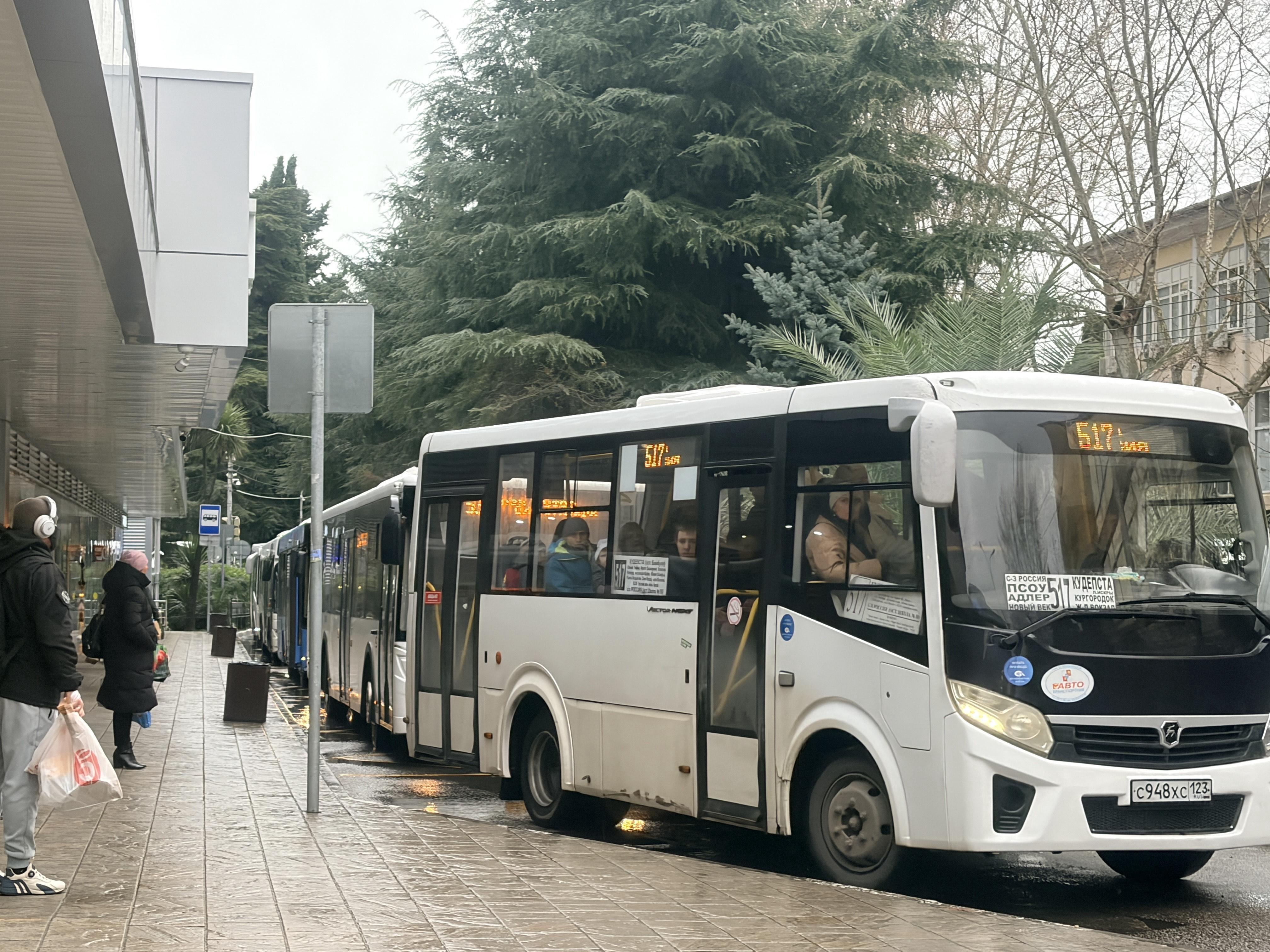
Bus drivers say that there is no one to work in Sochi. They promise one salary, but pay completely different amounts.
— If the salaries were as in the ads, then people would work. But we have constant turnover. Now they even train bus drivers for free, just to get them to come. My personal salary is 55,000 rubles (about $611). The work is nerve-wracking, people are angry, traffic jams are endless, especially in summer, — said city bus driver Viktor.
We also asked Sochi salespeople about their earnings. It all depends on where you work. If in a grocery store, then from 2,000 rubles (about $22) per shift. In clothing stores, there is mostly no fixed pay, only a percentage of sales, which are now problematic. People have stopped buying clothes in stores, ordering everything through marketplaces.
Journalists in local Sochi media also live modestly. A salary of 45,000-50,000 rubles (approximately $500-$556) is considered quite normal.