Inside Stalin's Secret Bunker in Samara

This year marks 35 years since Stalin«s bunker in Samara opened to visitors. To mark the occasion, journalists from 63.RU decided to revisit the bomb shelter, see it with fresh eyes, and show how this long-secret facility »lives« today.
The bunker was built from February to November 1942. Construction was so secret that even residents of the nearby streets claimed they saw no work. The facility remained classified until 1990. The first tours took place in 1991.
The bunker is located at 167 Frunze Street. It is not visible from the main streets. The entrance can be seen (and even then not immediately) only by entering the courtyard of the Samara Institute of Culture.
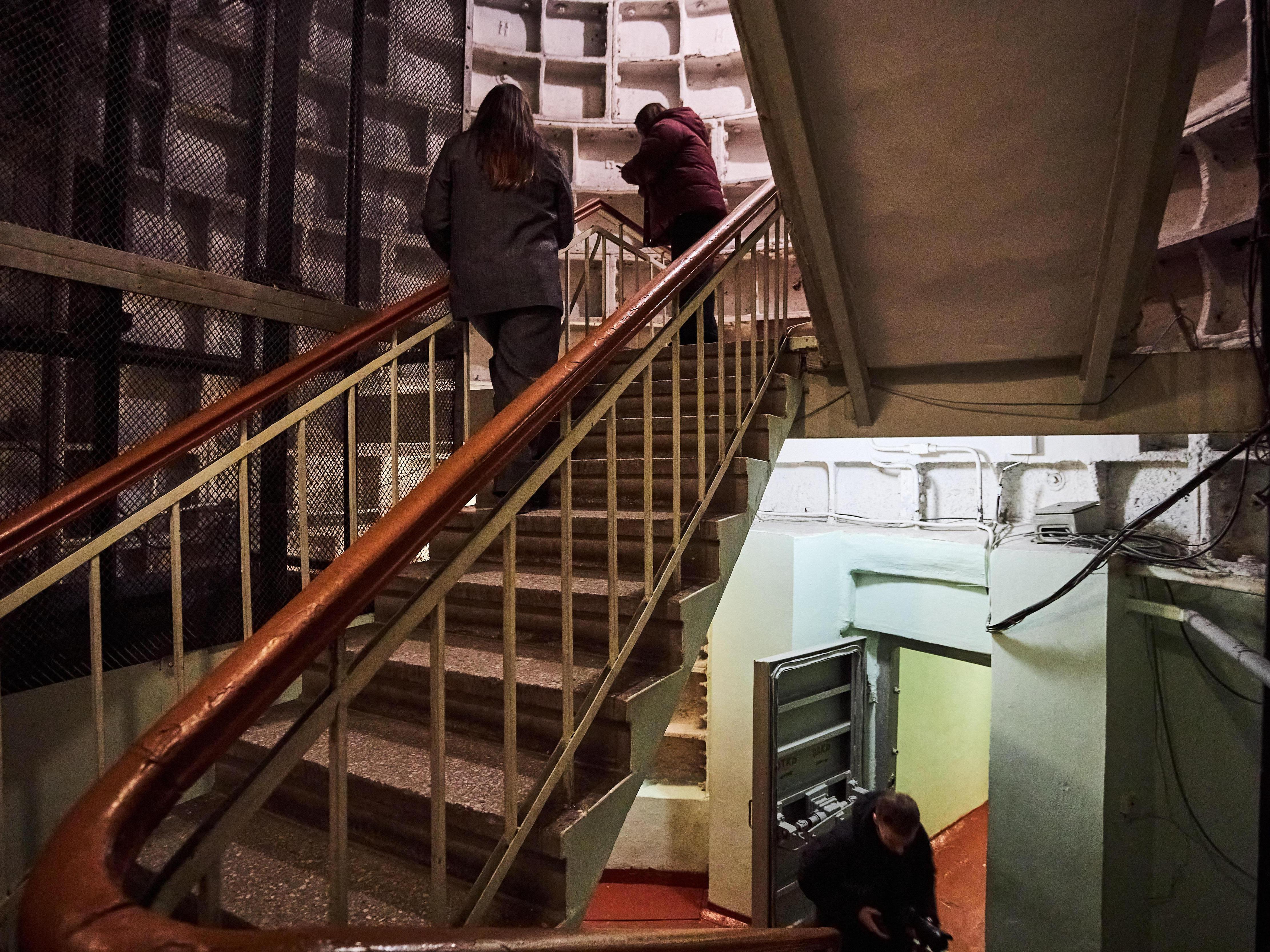
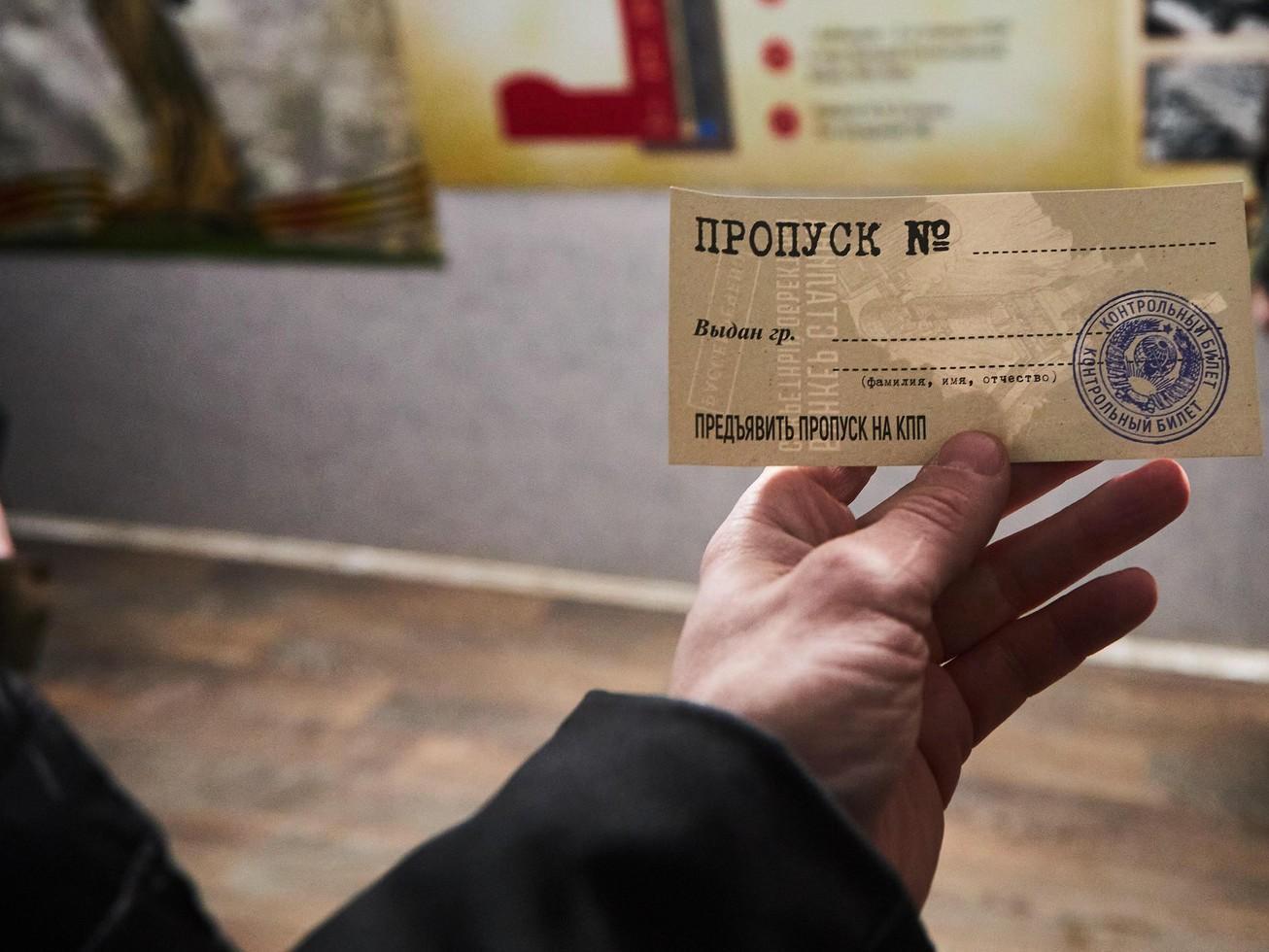
Be prepared for strict rules: video and audio recording are prohibited. You cannot photograph the guide or the checkpoint. Upon entering the bunker, you will be asked to turn off your phone and open your bag. Backpacks must be removed and left in storage lockers.
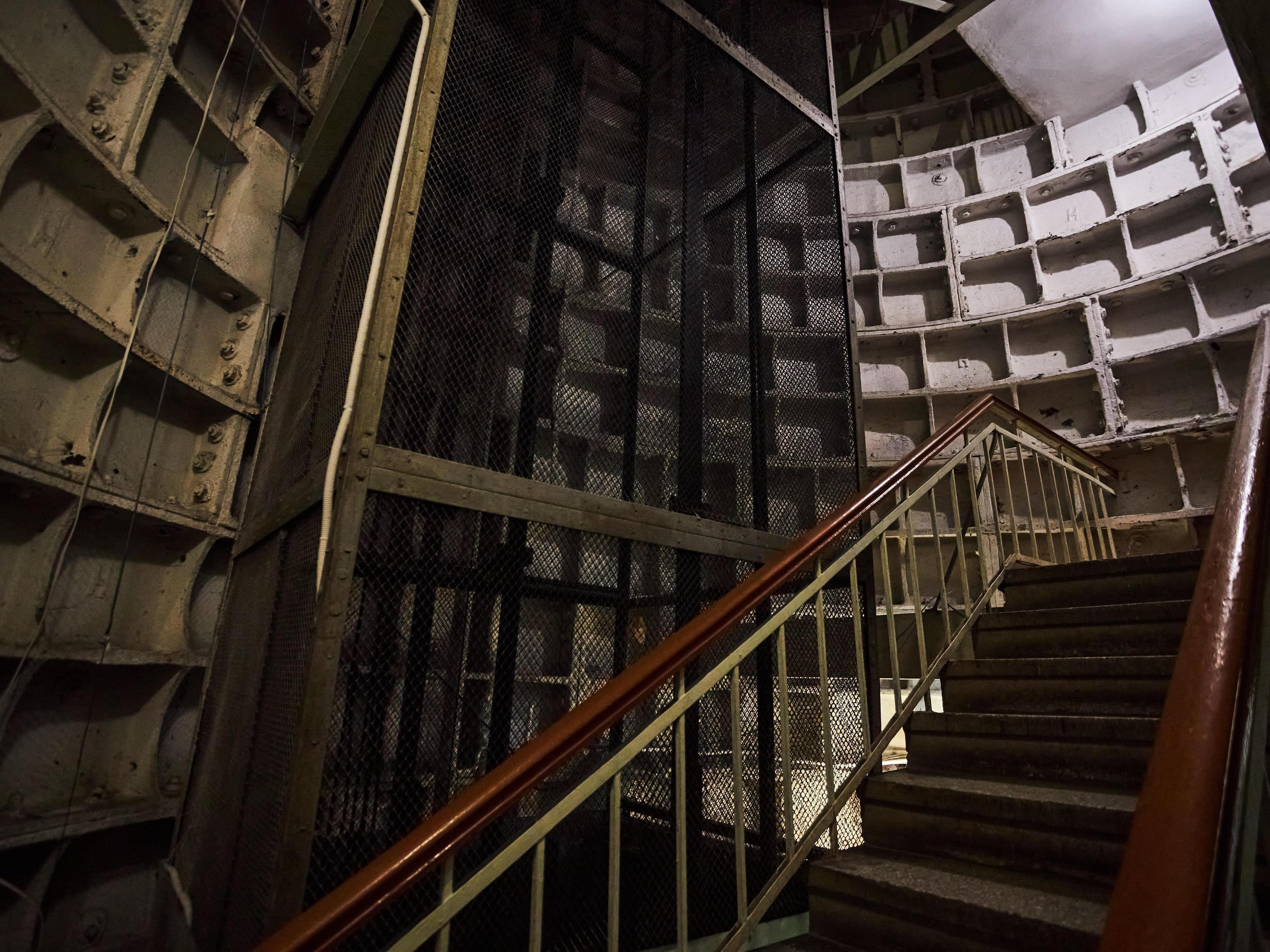
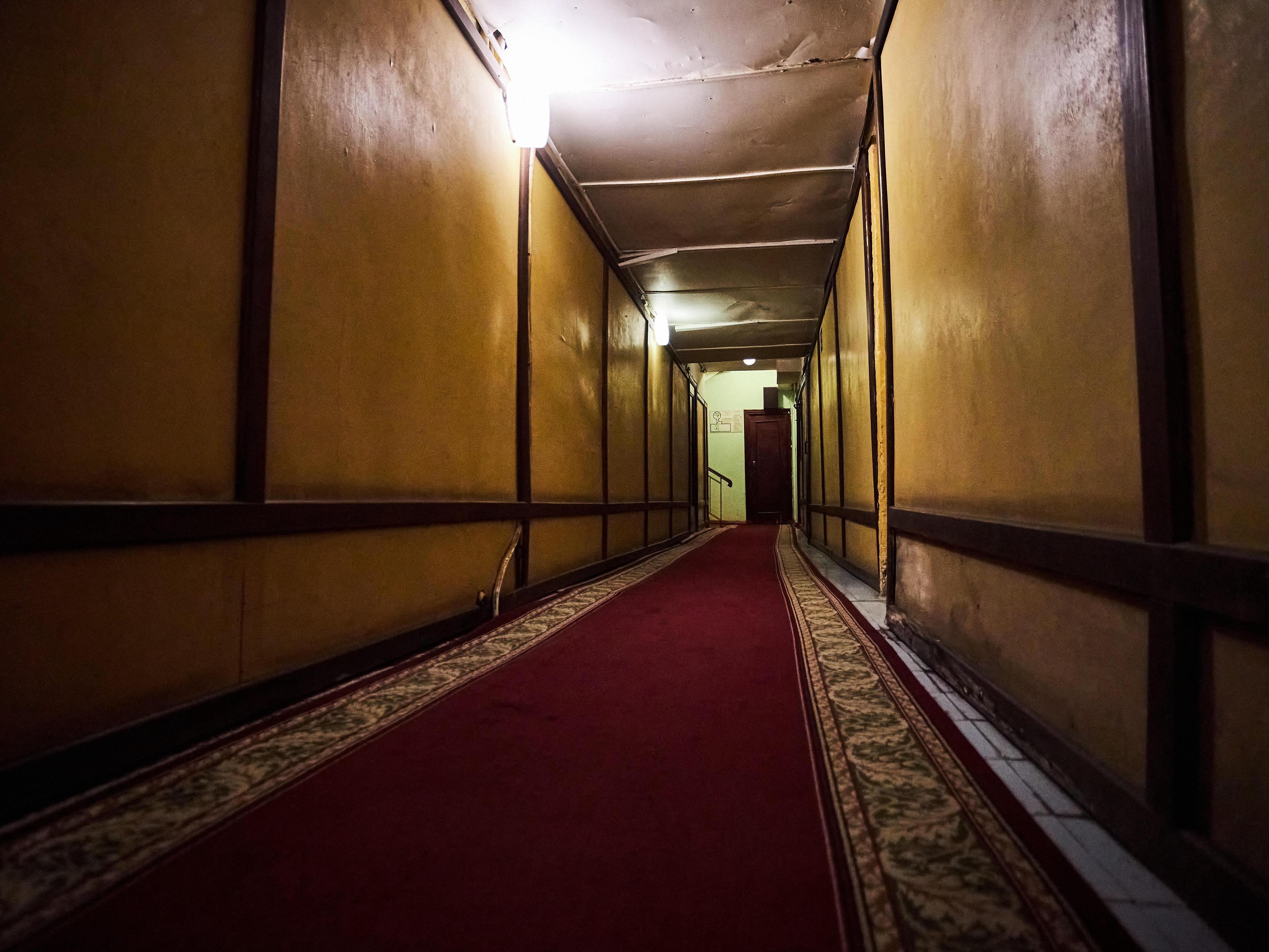
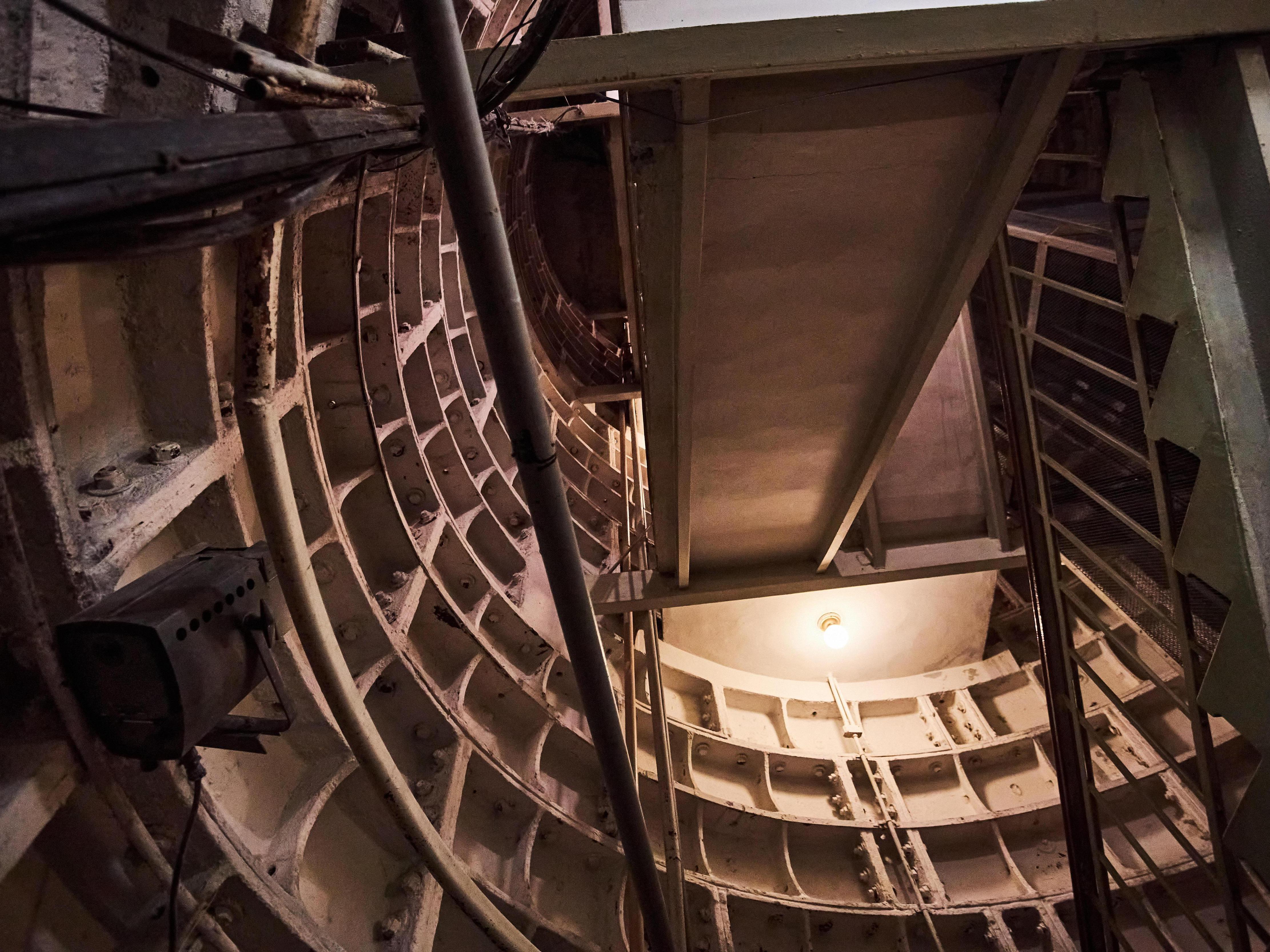
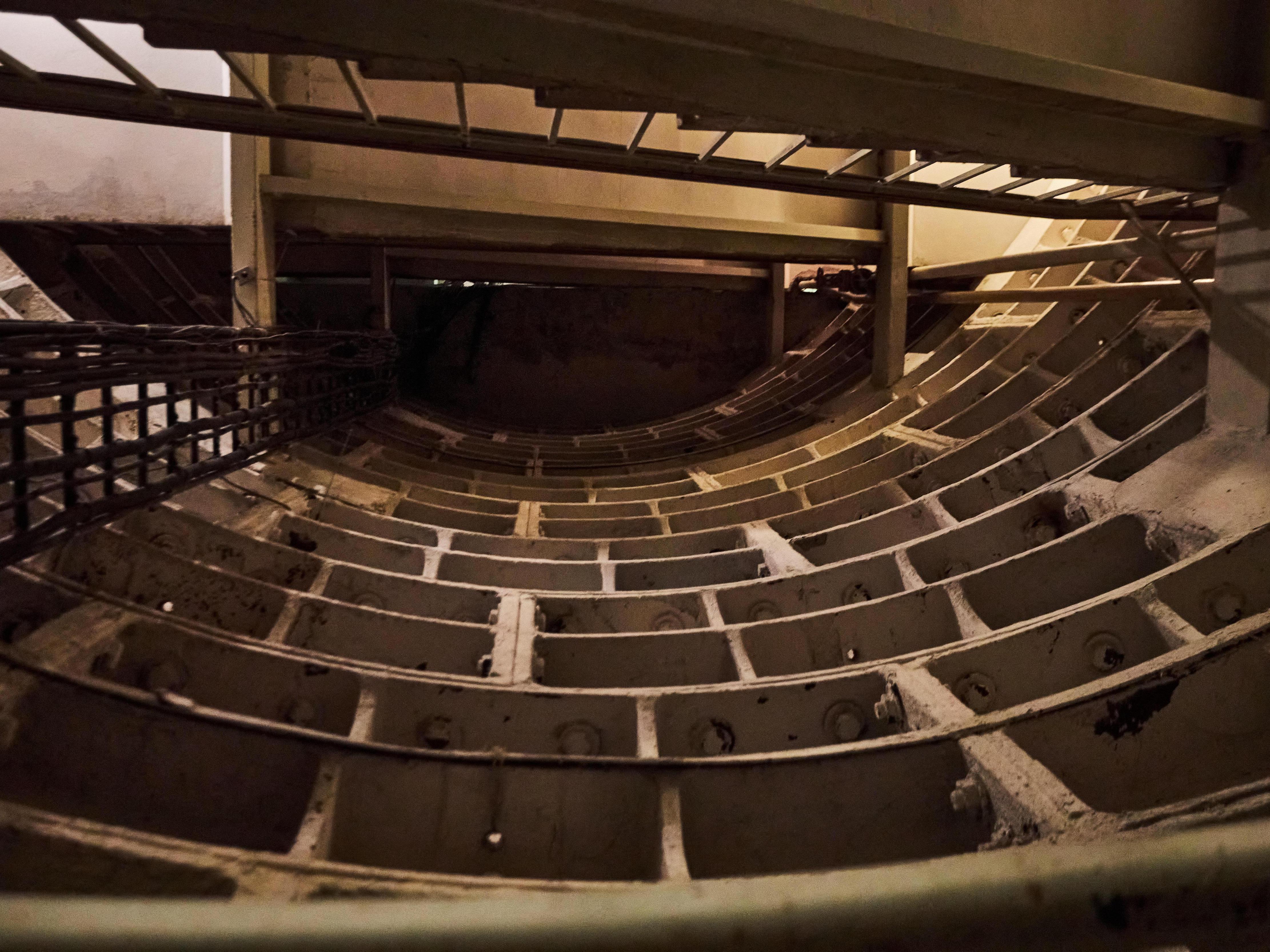
And so, after everything was checked, shown, left behind, and a strict briefing heard, we descend 12 floors. The walls are one meter thick or more. The realization of this power begins to press in, but only slightly. All walls are armored. According to the bunker«s website, at this stage they are made of bolted armored sheets with a lead layer.
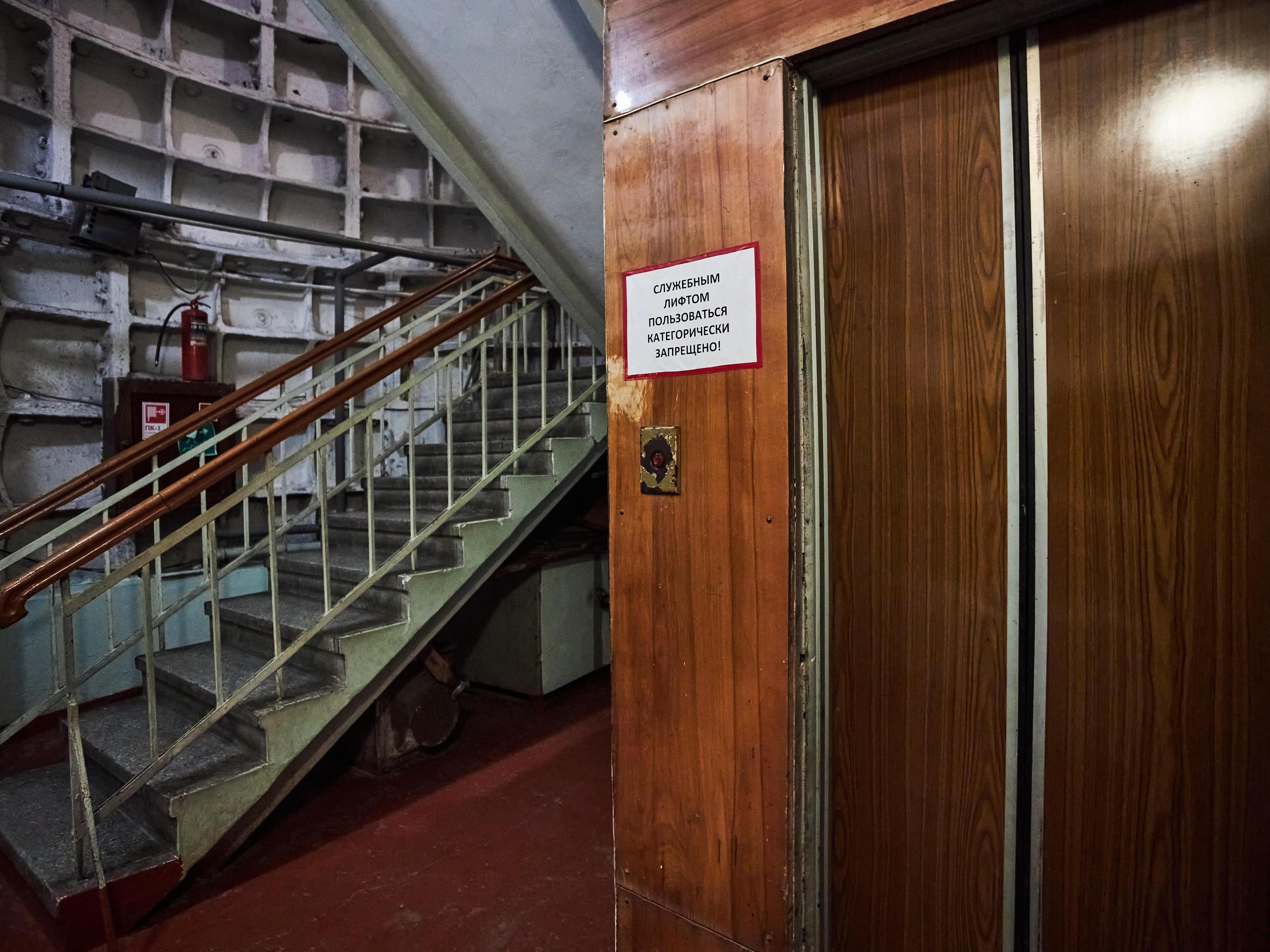
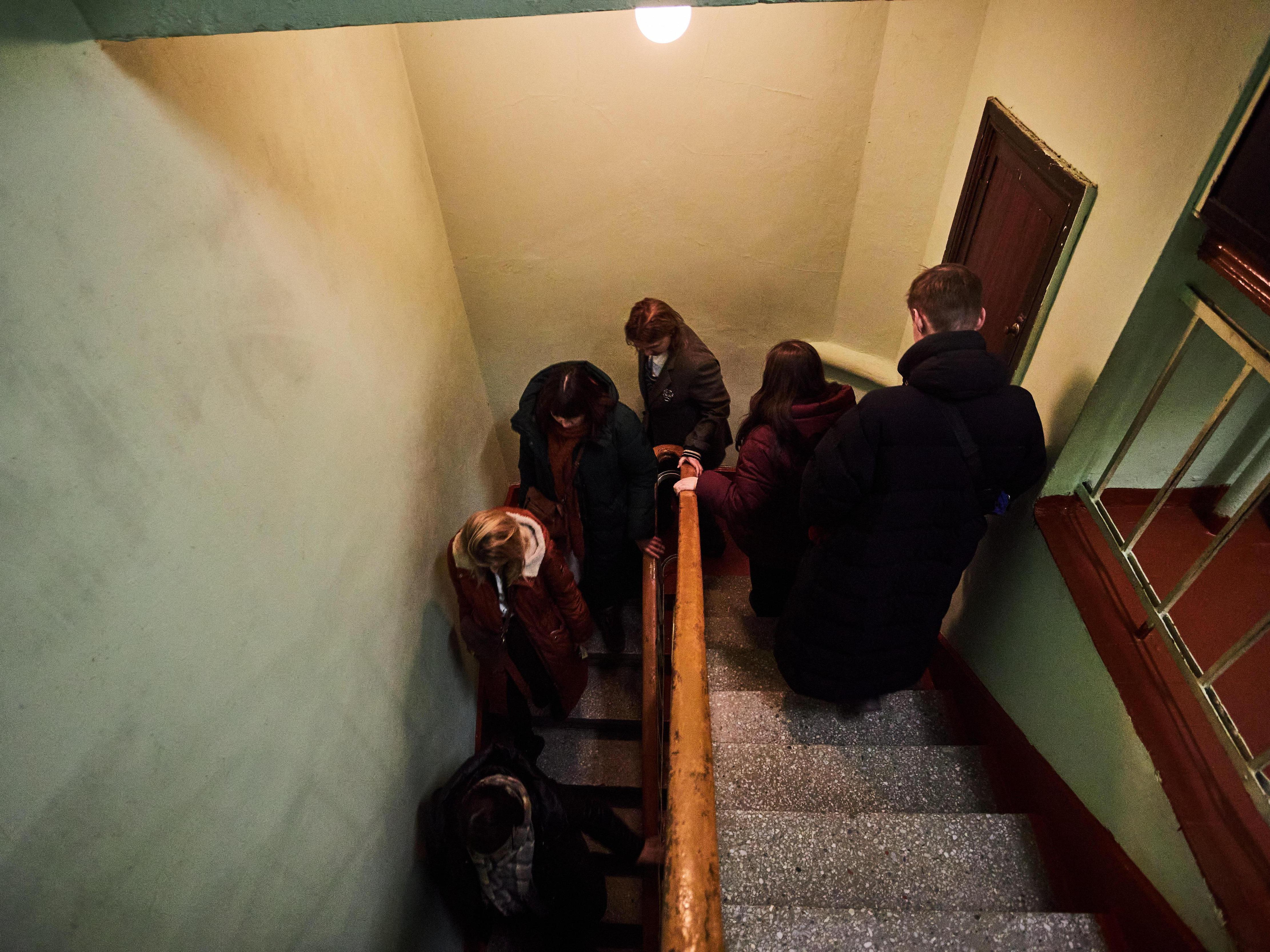
The first part of the journey goes through a fairly spacious shaft down a wide staircase. The guide insists on holding the railing. But so far it«s not really needed. The descent of four floors is easy and cheerful.
We move from the side shaft to the central one. On this seventh floor are all life support systems. In an emergency, the bomb shelter can still be used for its intended purpose.
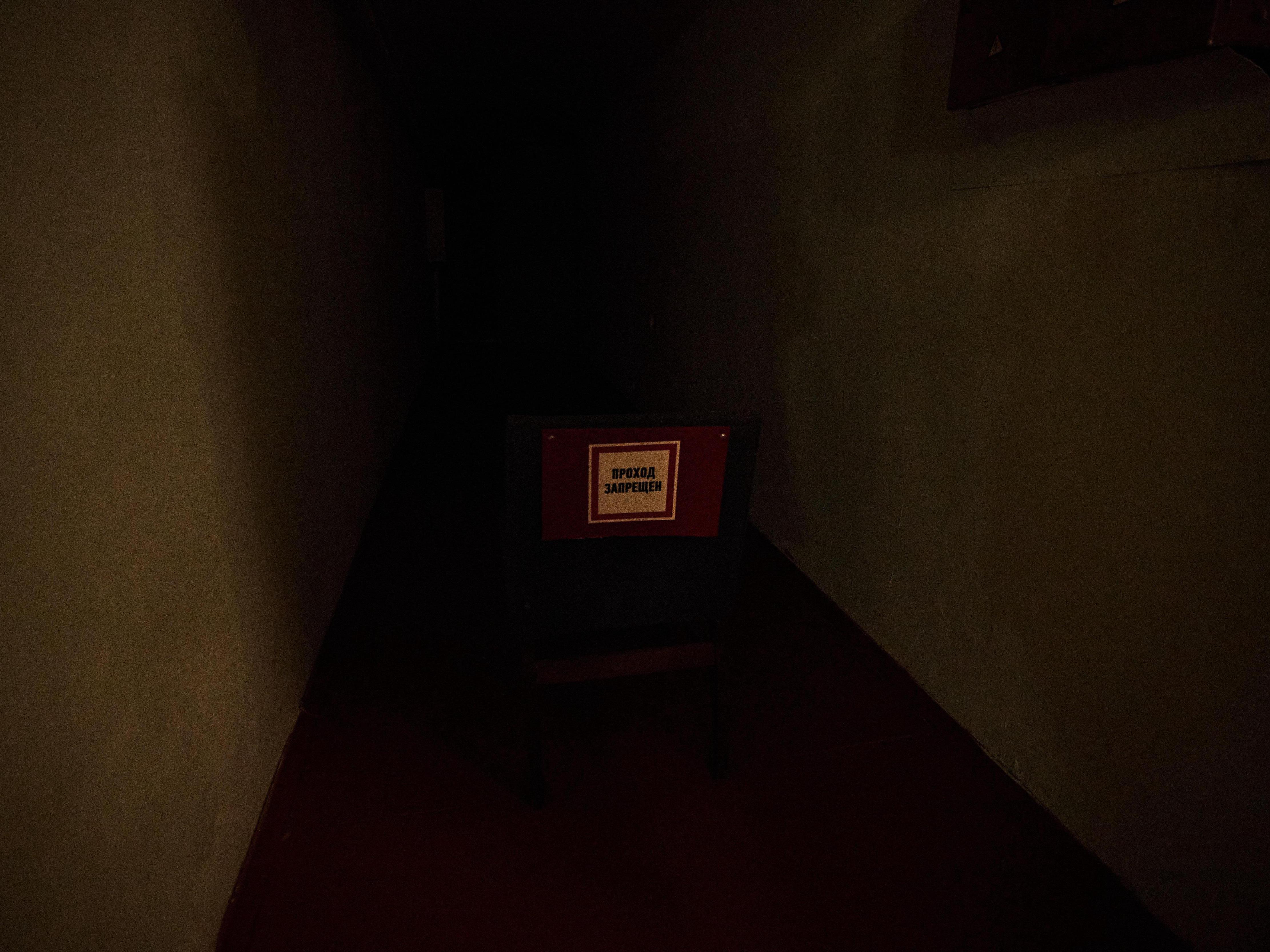
And again a descent. But now through narrower flights — a staircase the width of one person and turns, many turns. This is where the real test begins for those who suffer from claustrophobia. And even for those who thought they didn«t. Yes, air is supplied to the bunker, but sometimes there is a feeling that it is a bit lacking.
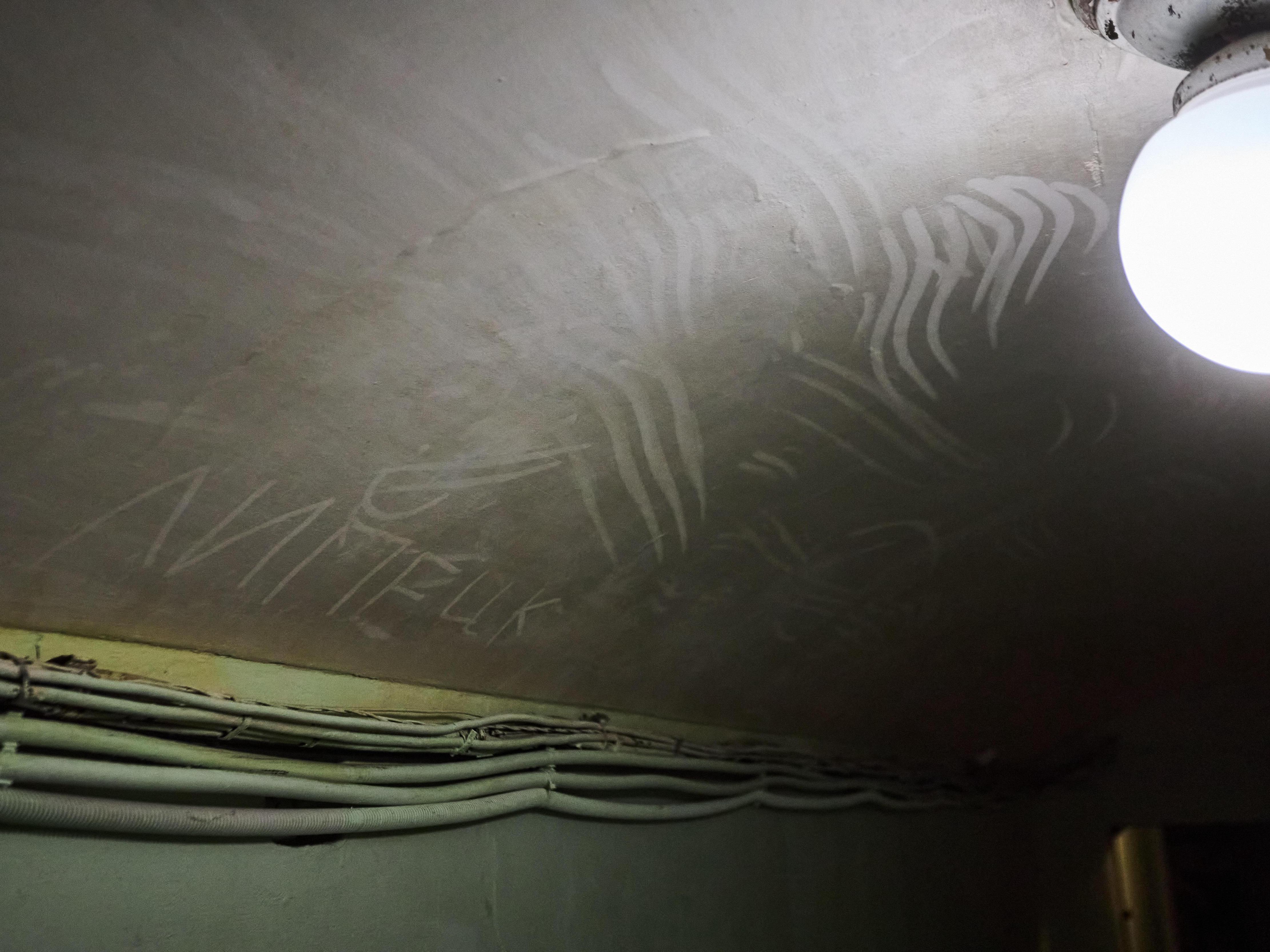
There is an elevator in the bunker, but it was not in use during our visit. Possibly not only that day. So before descending, you need to seriously assess your abilities and health.
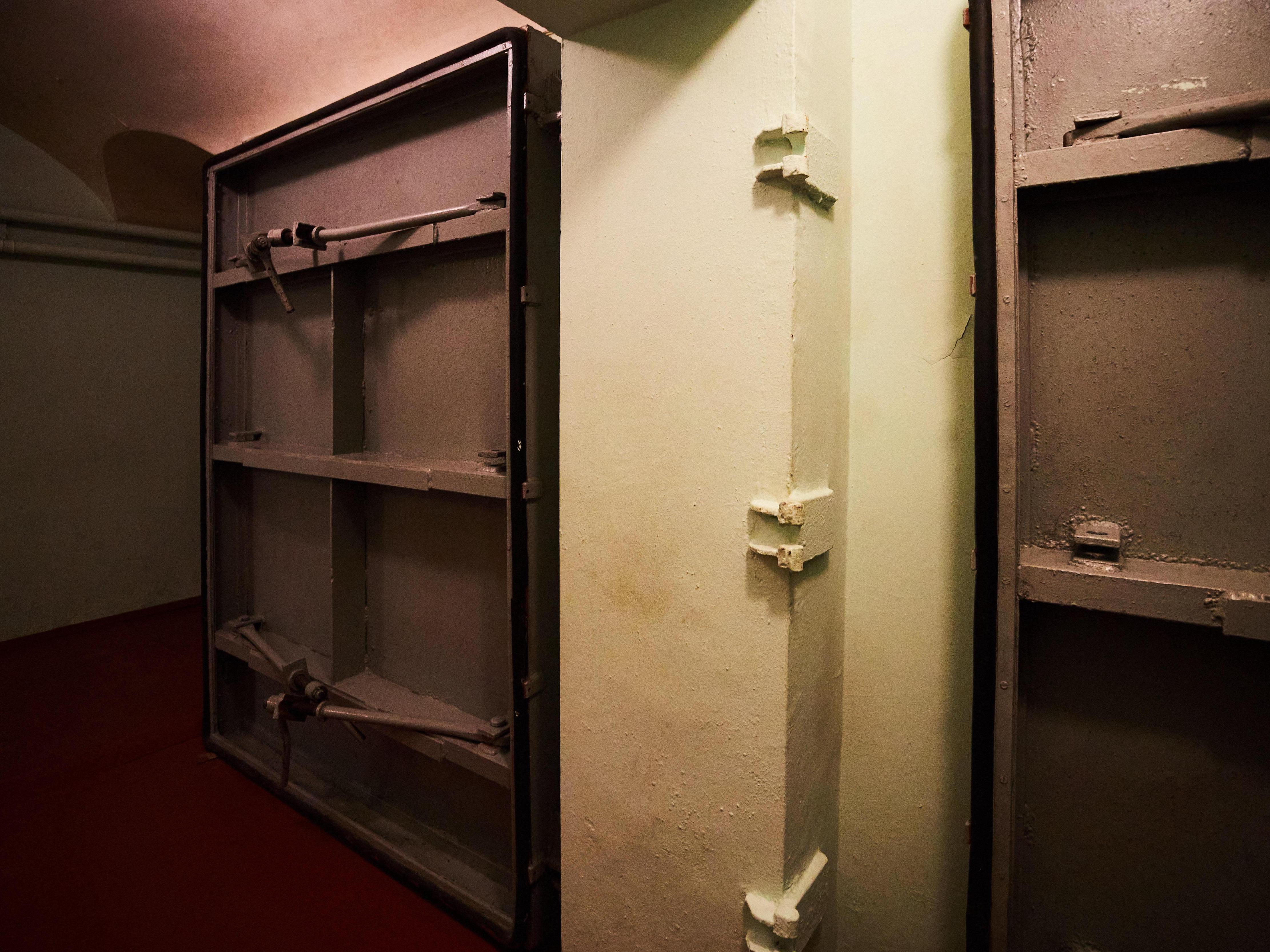
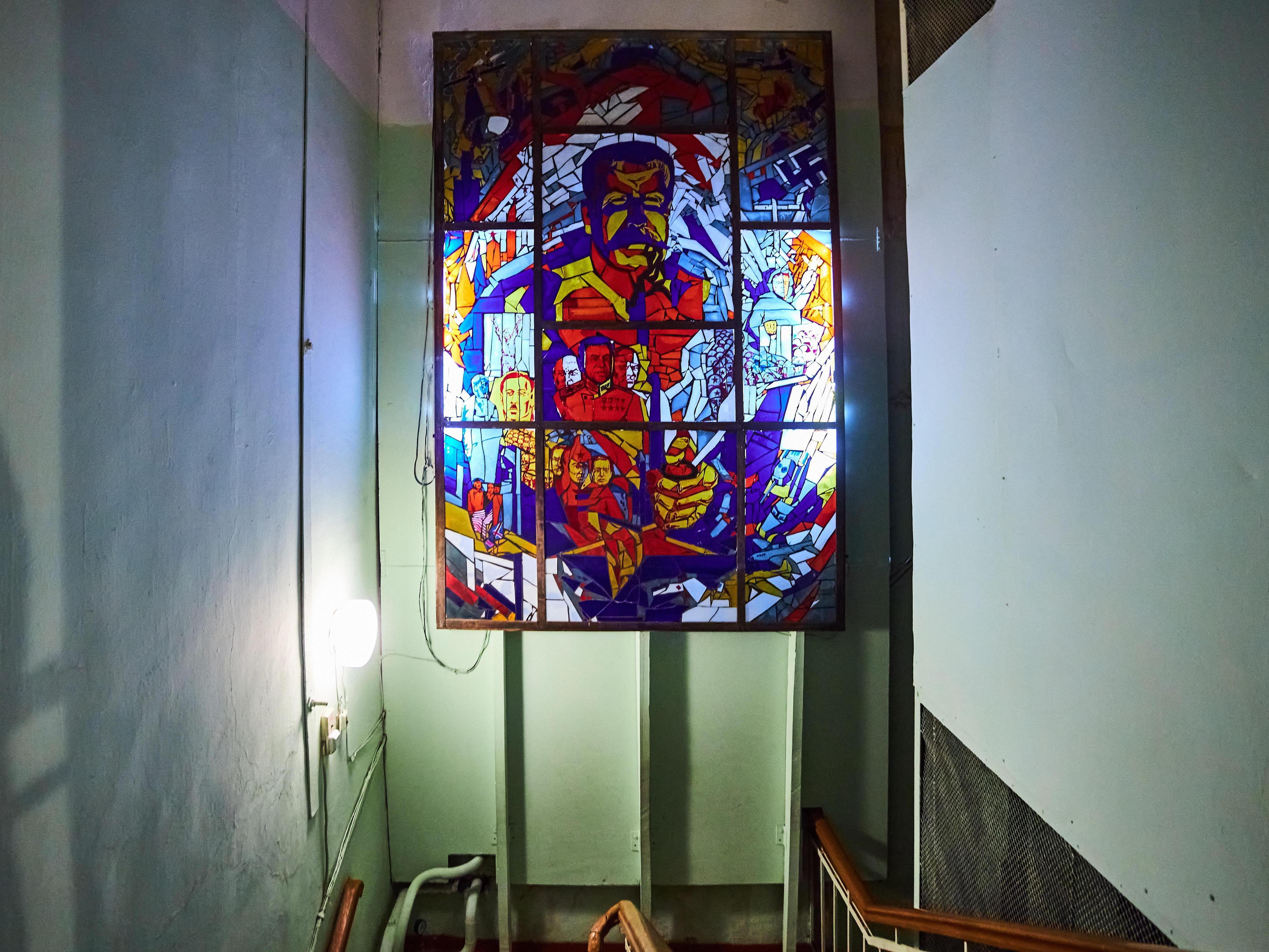
Descending the central shaft, you can see that some floors are operational. There are rooms for the Ministry of Emergency Situations (EMERCOM) and civil defense.
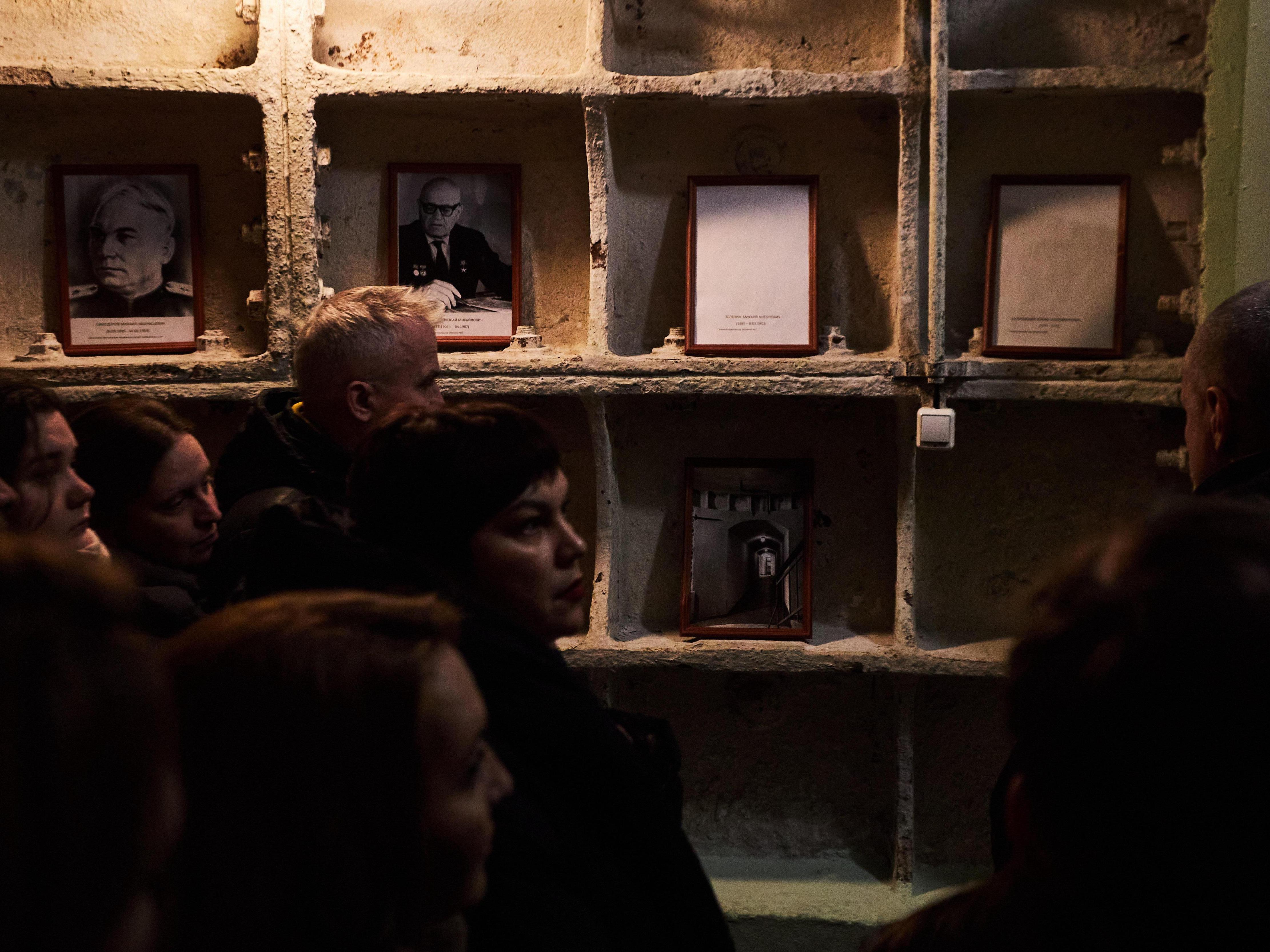
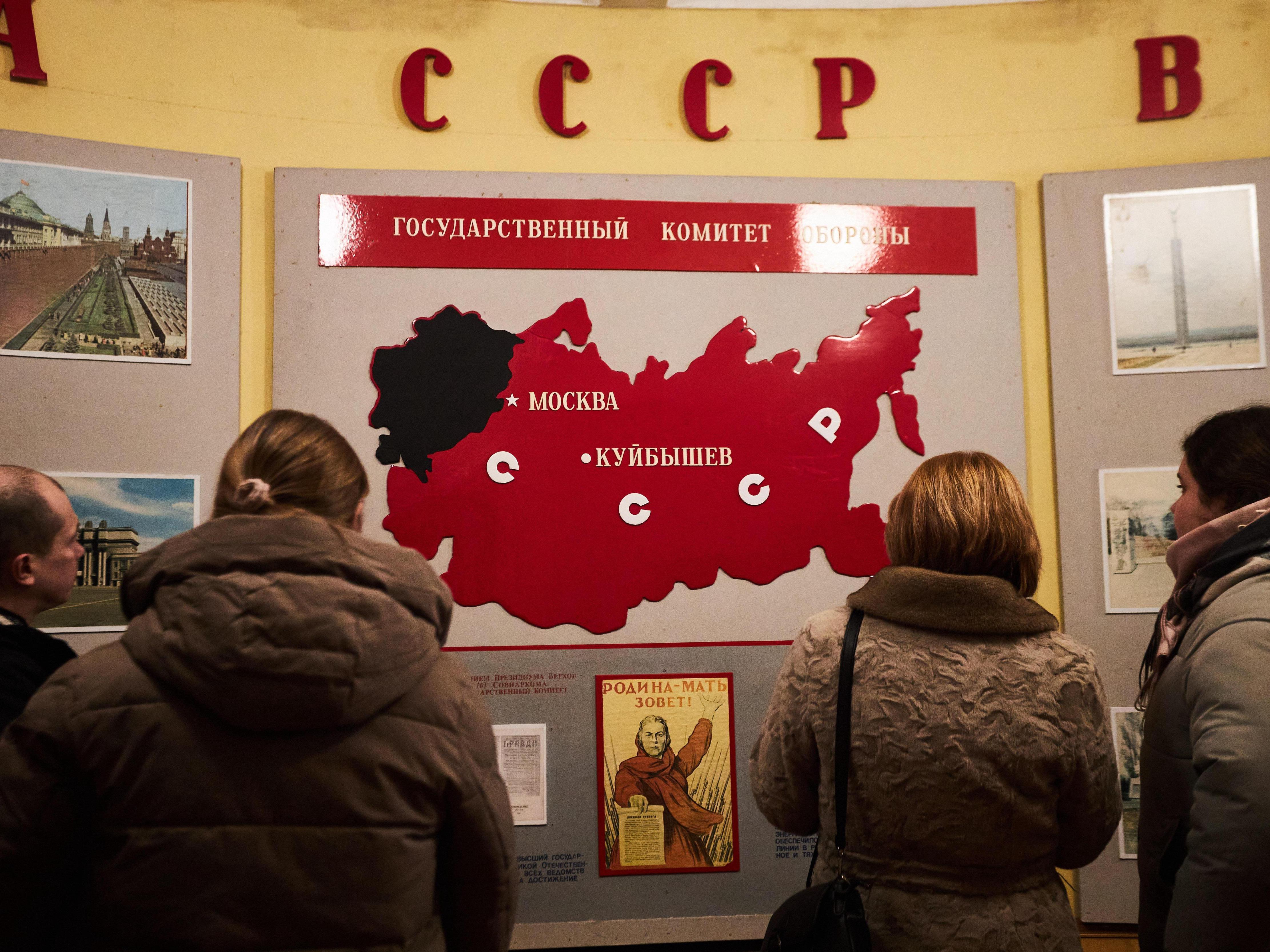
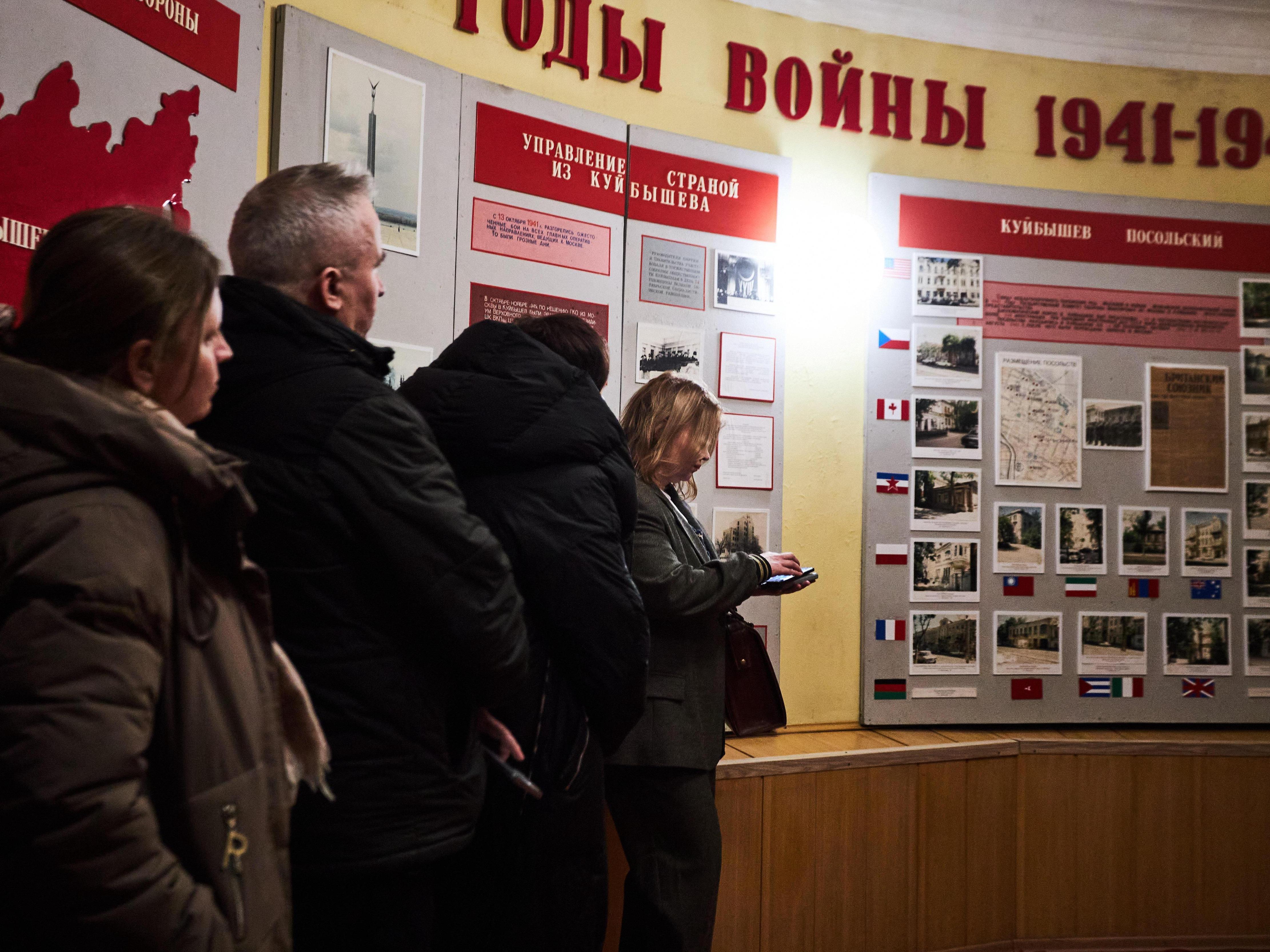
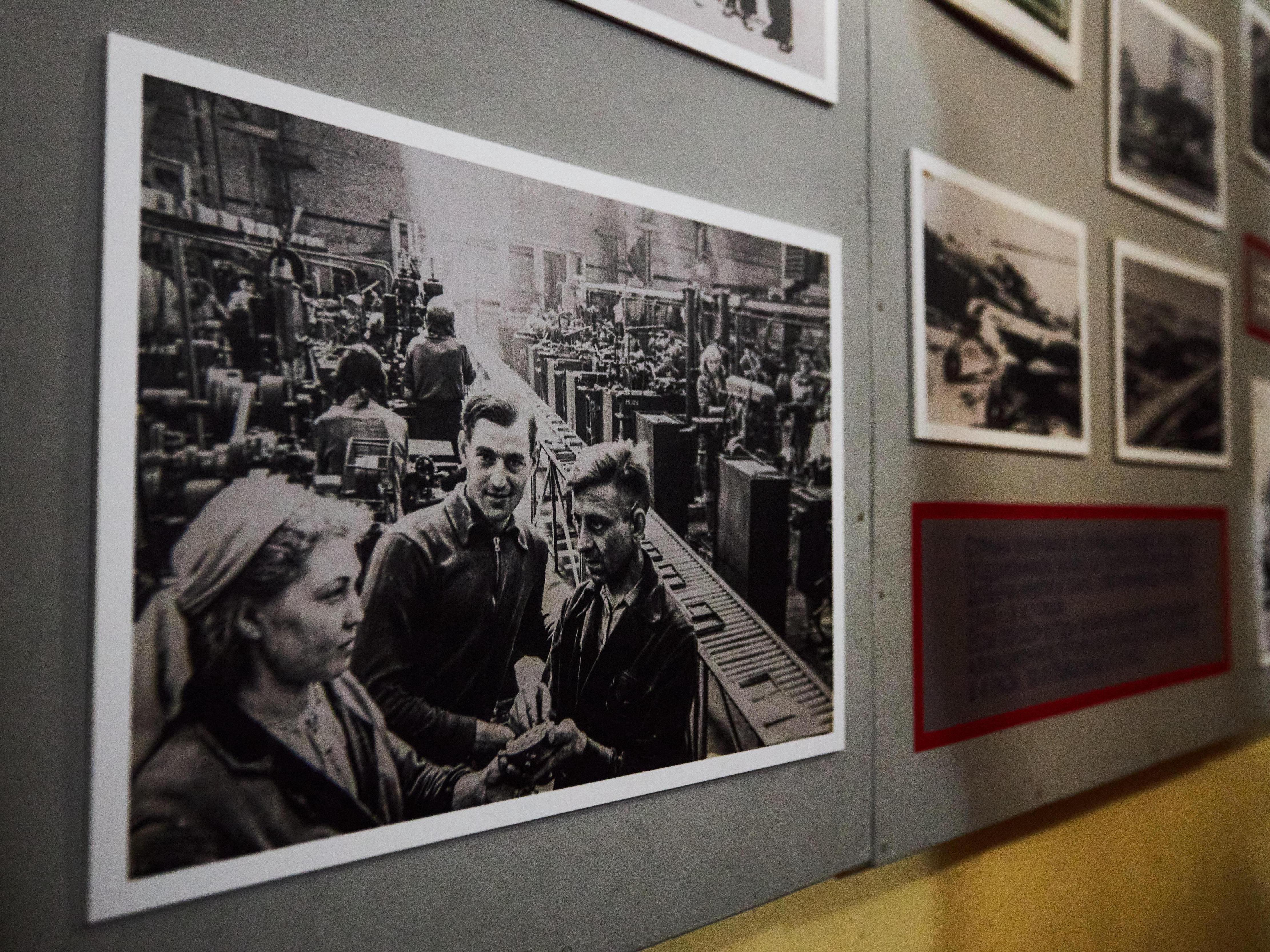
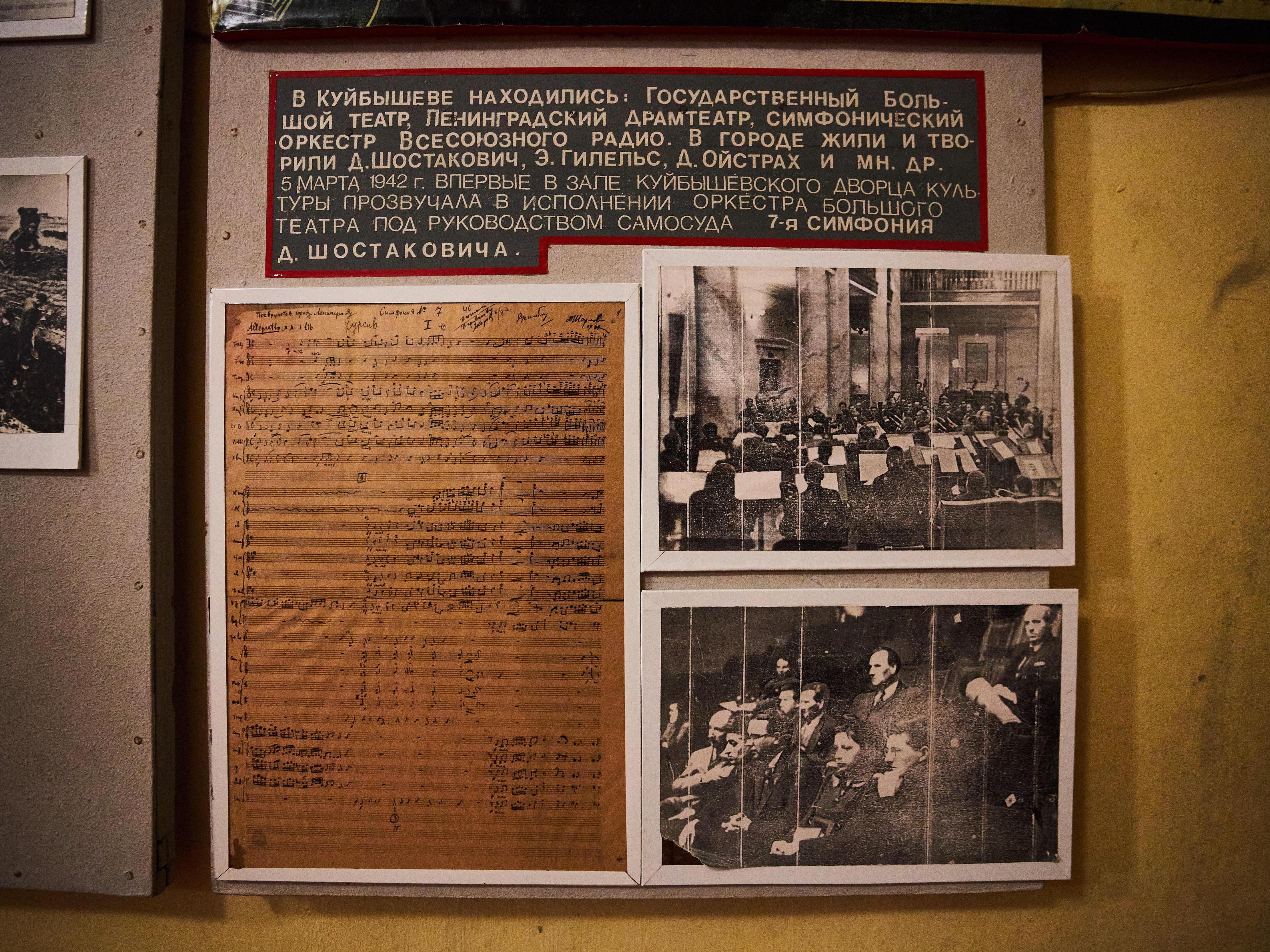
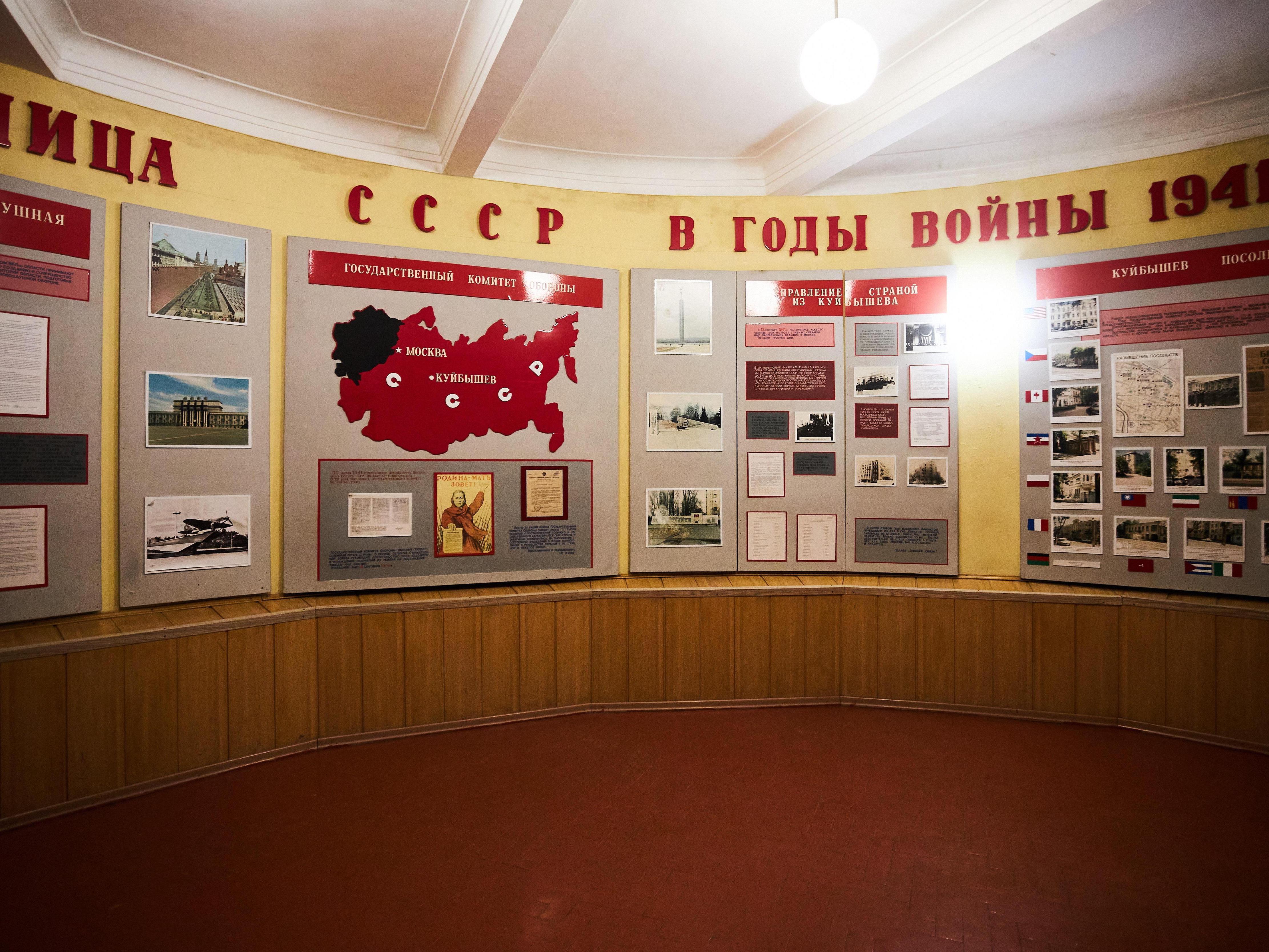
On the second floor there is a photo exhibition titled «Kuybyshev — the Second Capital of the USSR during the War 1941–1945.» We stopped here. The guide talked about the events in the photos. It was quite interesting. But since audio recording was not allowed, we will not quote the guide.
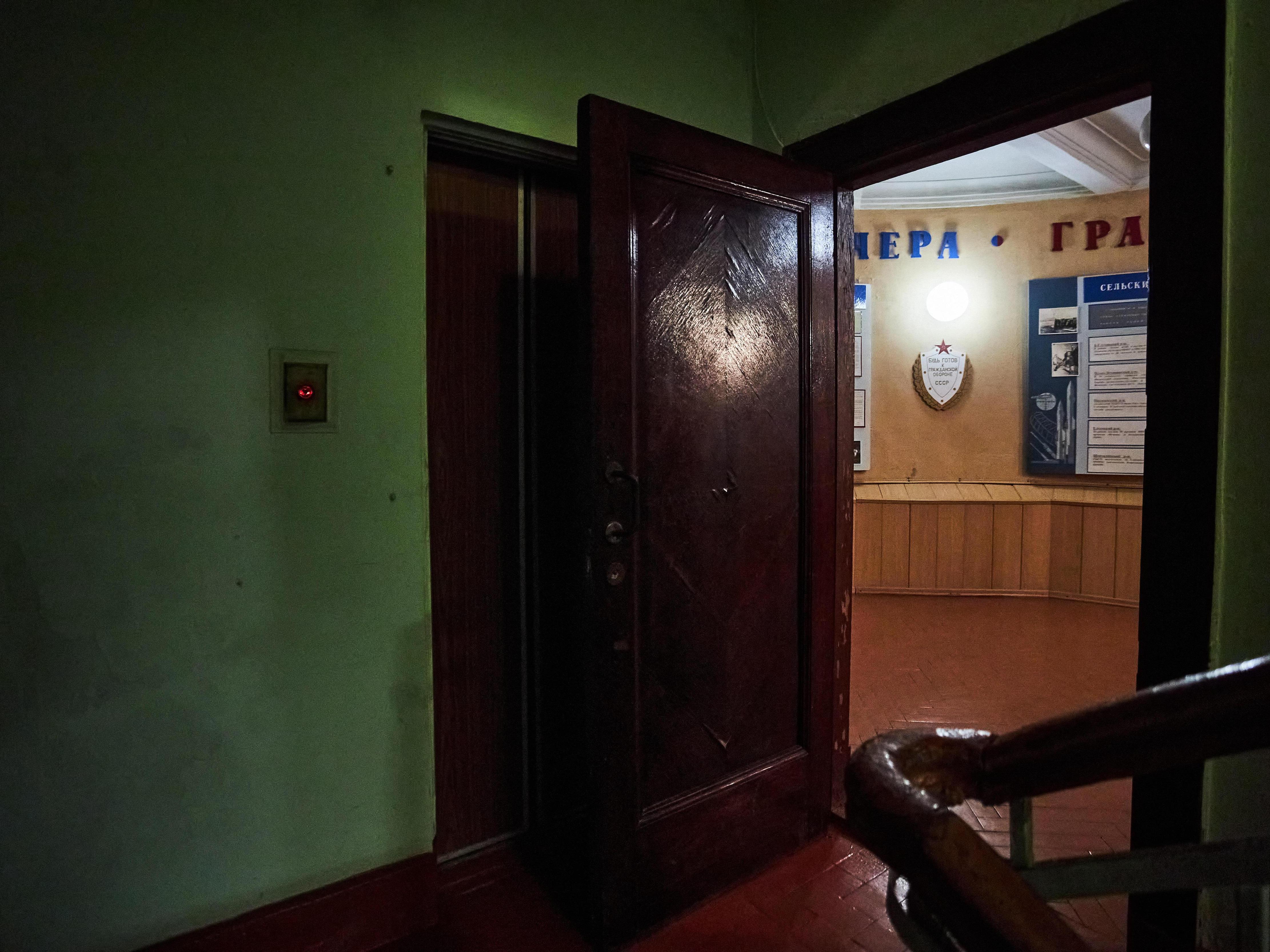
In mid-October 1941, the State Defense Committee (GKO) approved a resolution «On the evacuation of the capital to the city of Kuybyshev.» The second point of the document addressed Stalin«s fate — the leader was to be evacuated only as a last resort. A week later, a new decree »On the creation of a bomb shelter in Kuybyshev« was issued. The secret shelter project was developed at an accelerated pace by architect Julian Ostrovsky. 600 metro builders from Moscow were dispatched to the Volga. Stalin»s bunker in Samara is the deepest shelter of a leader from a country that participated in World War II. Hitler«s bunker in Berlin reached a depth of 16 meters, while Churchill»s and Roosevelt«s shelters were two stories each. Source: bunker-stalina-samara.ru.
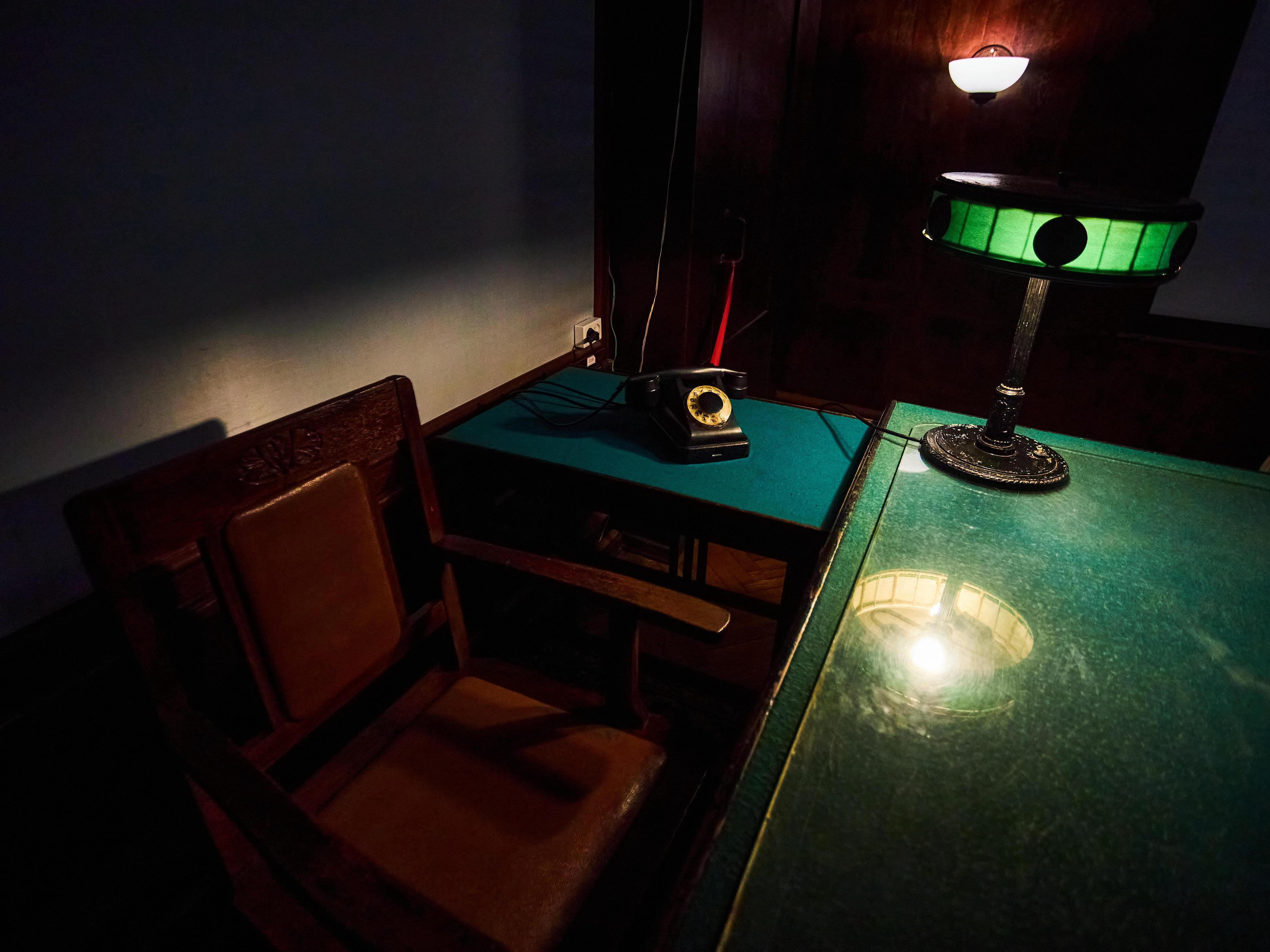
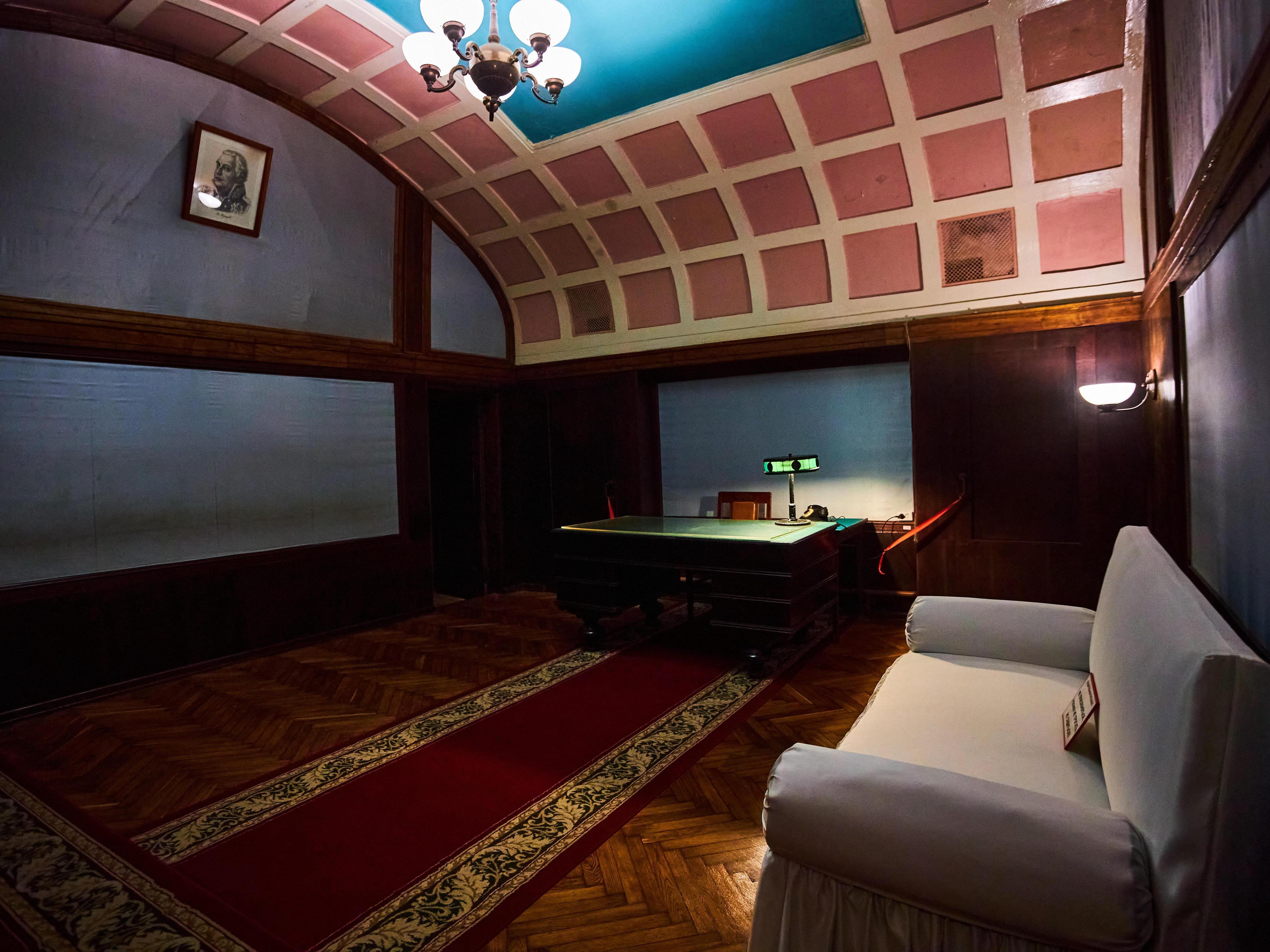
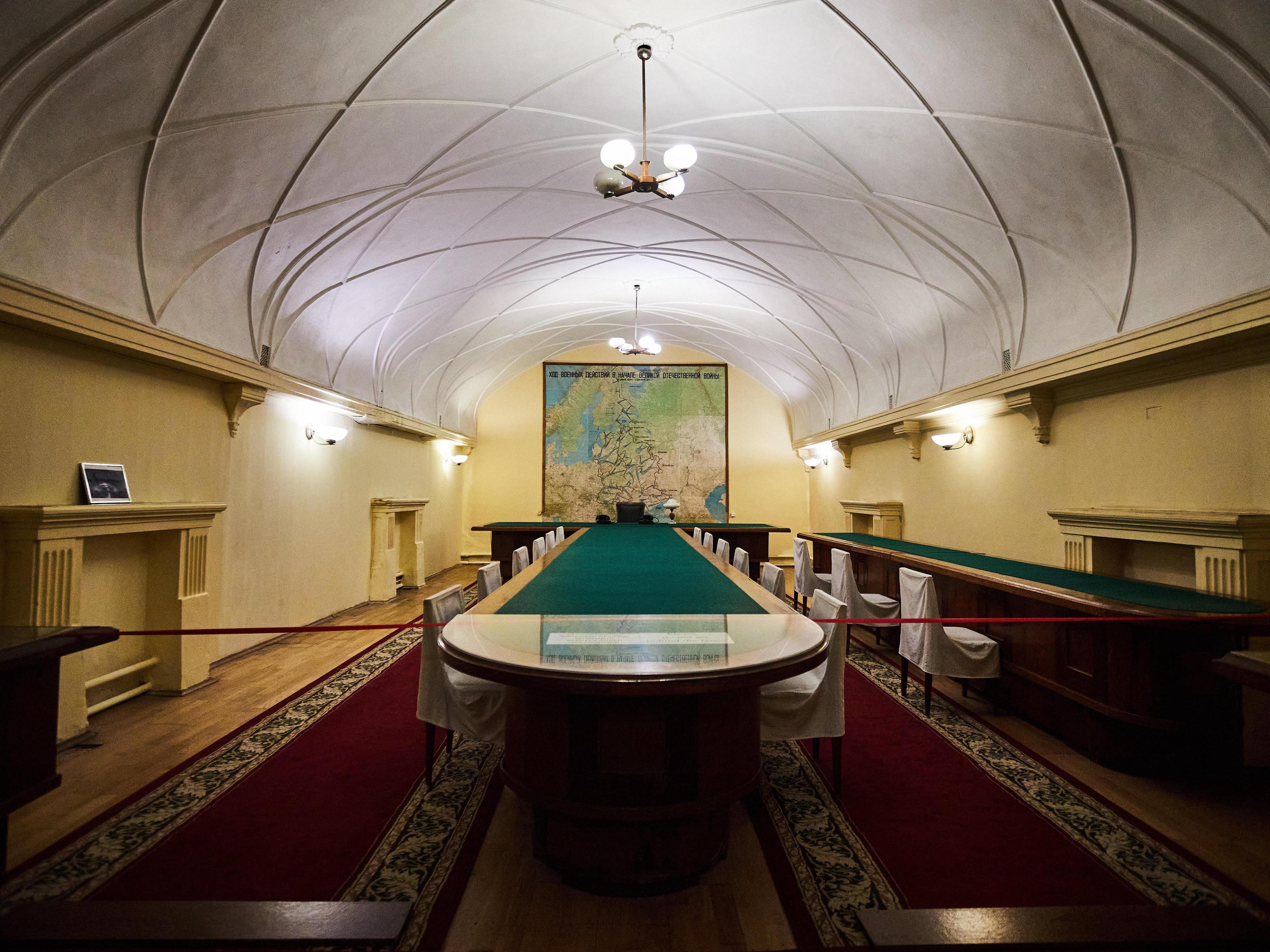
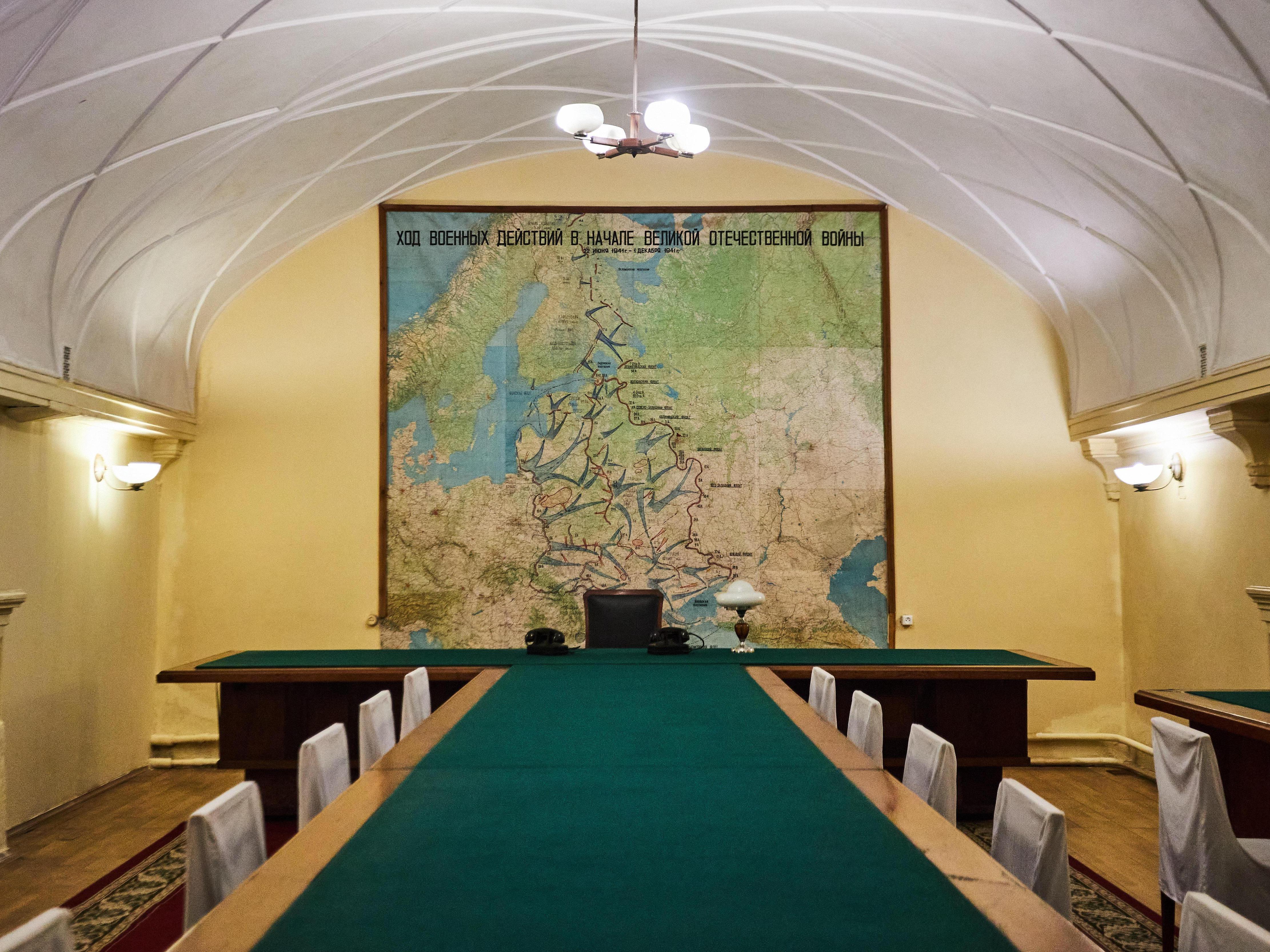
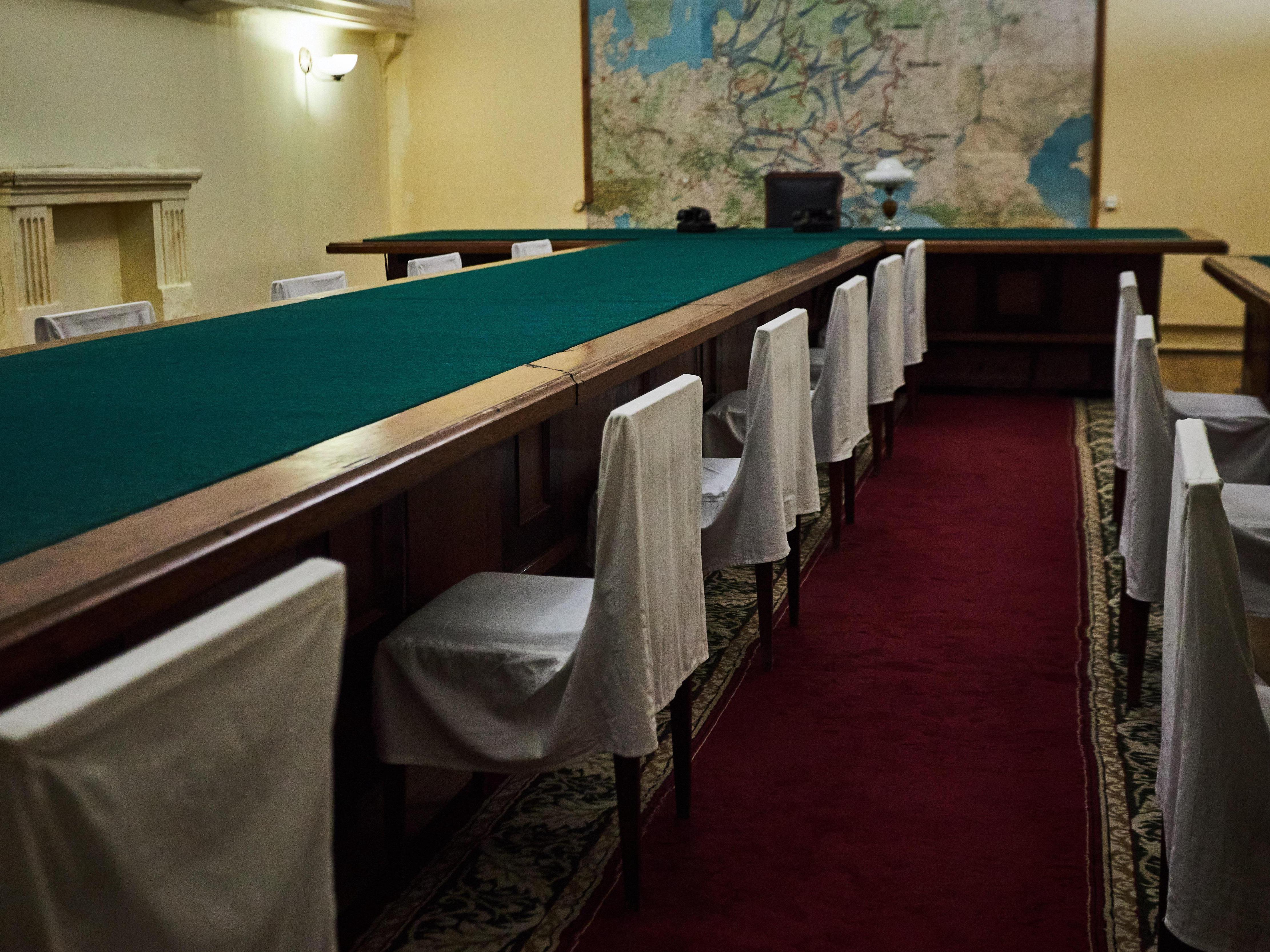
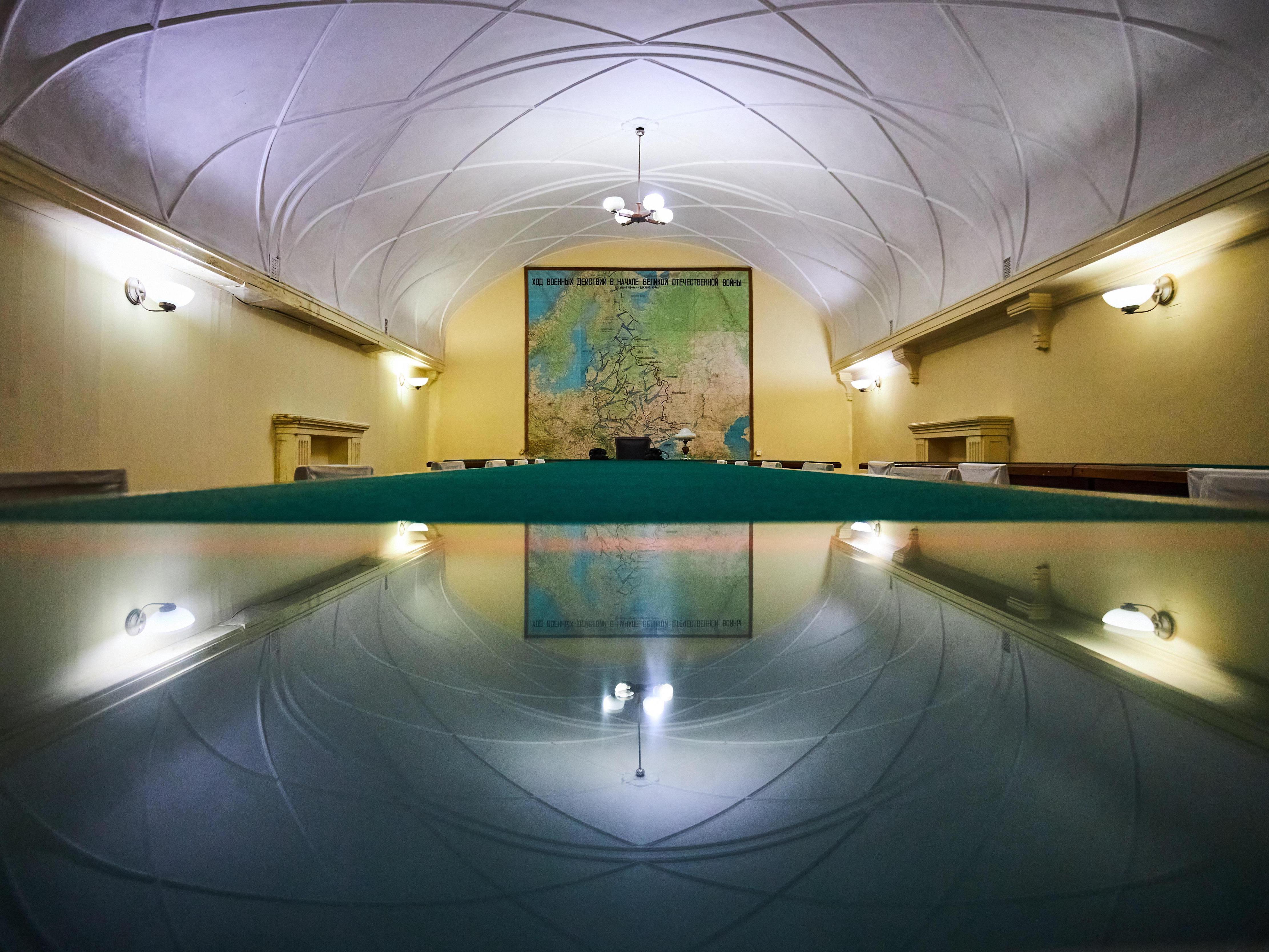
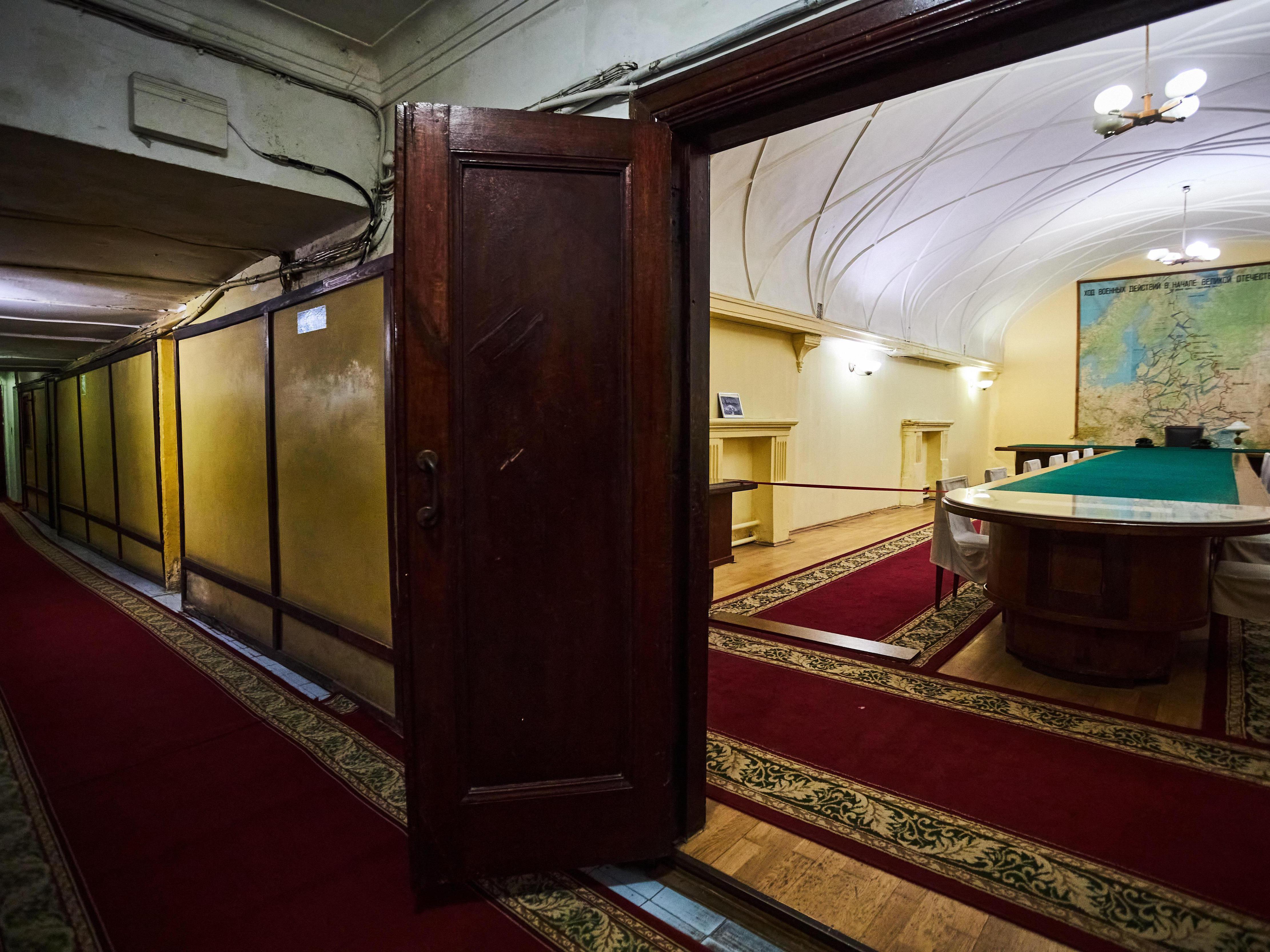
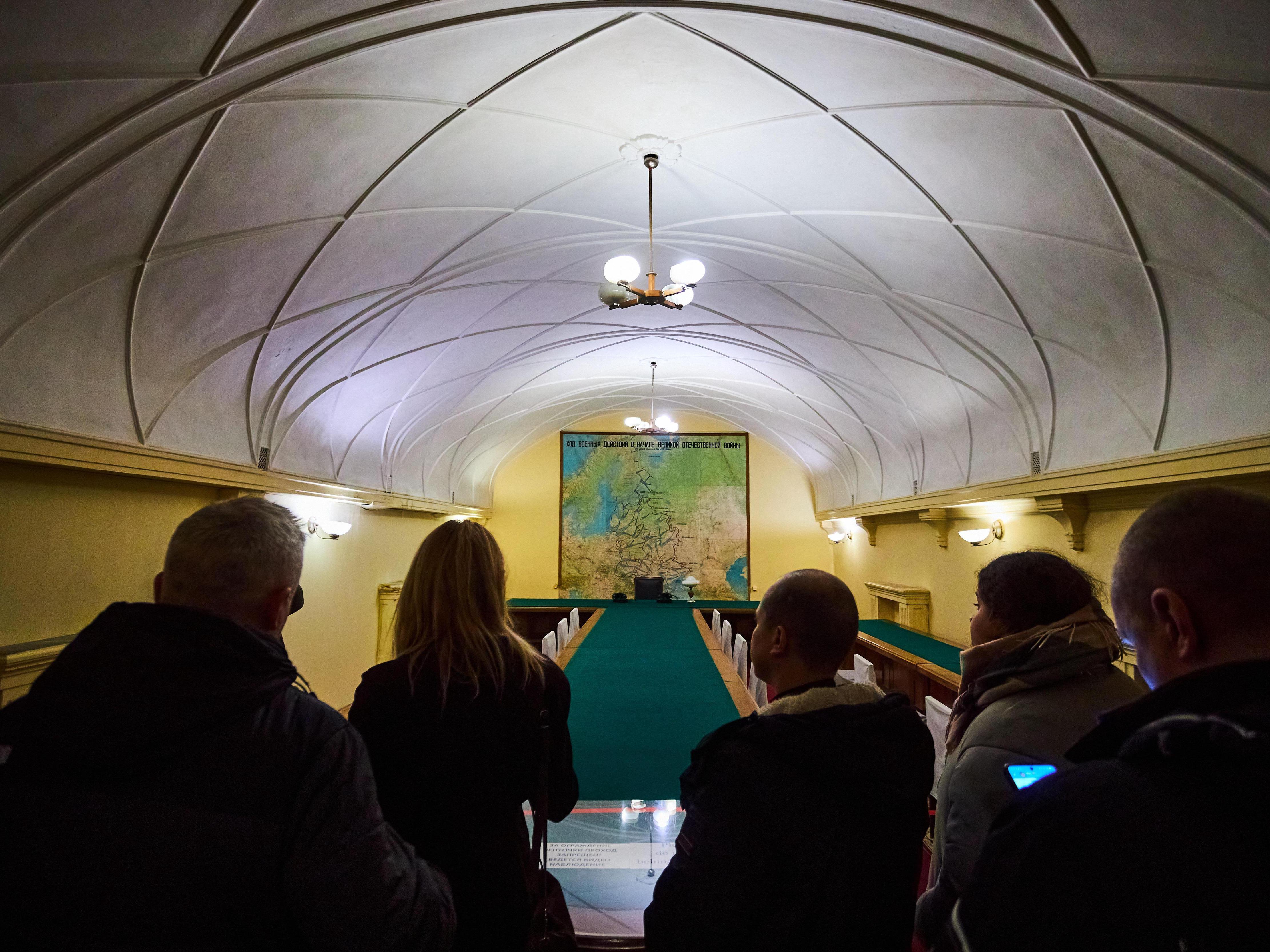
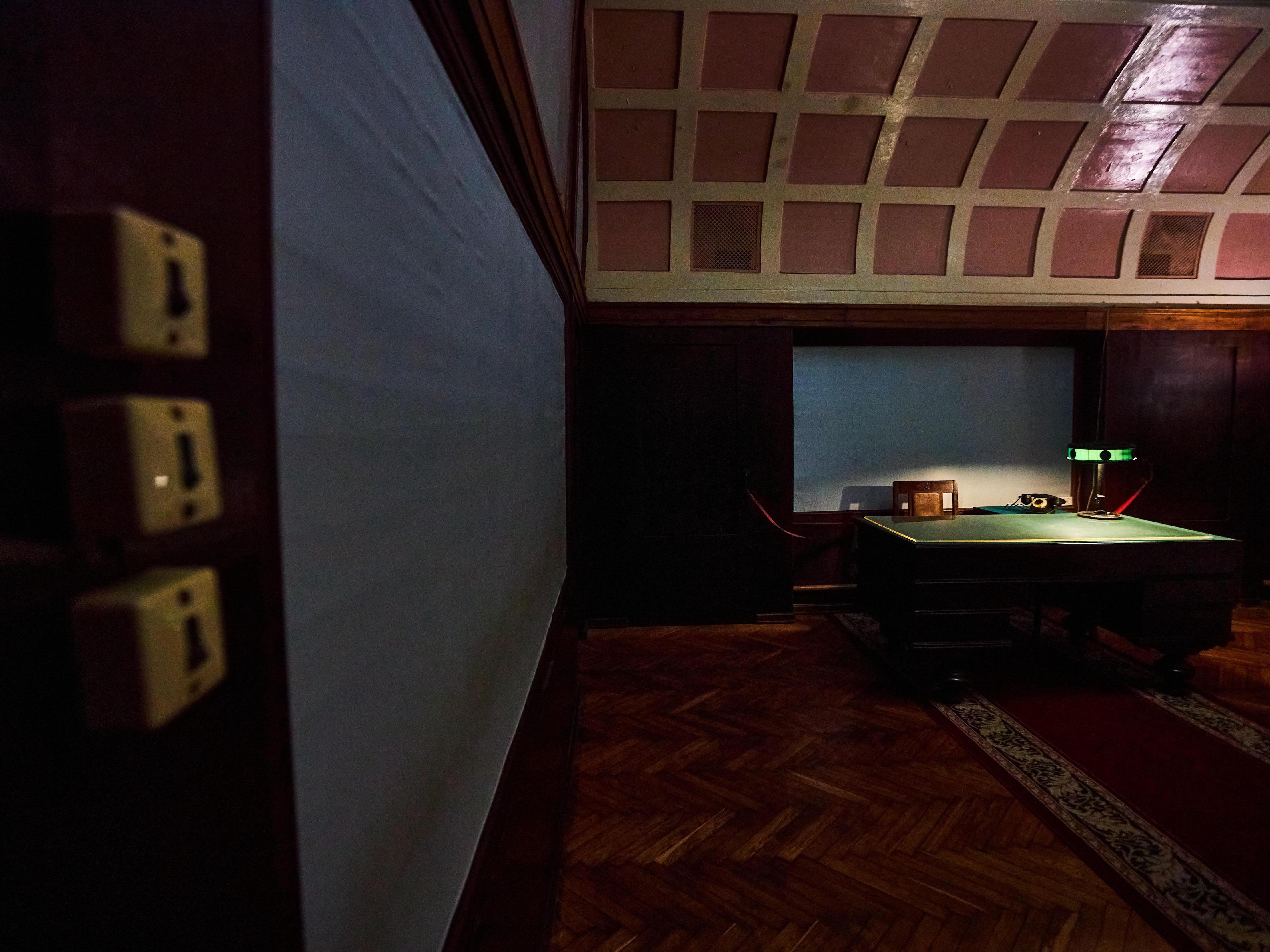
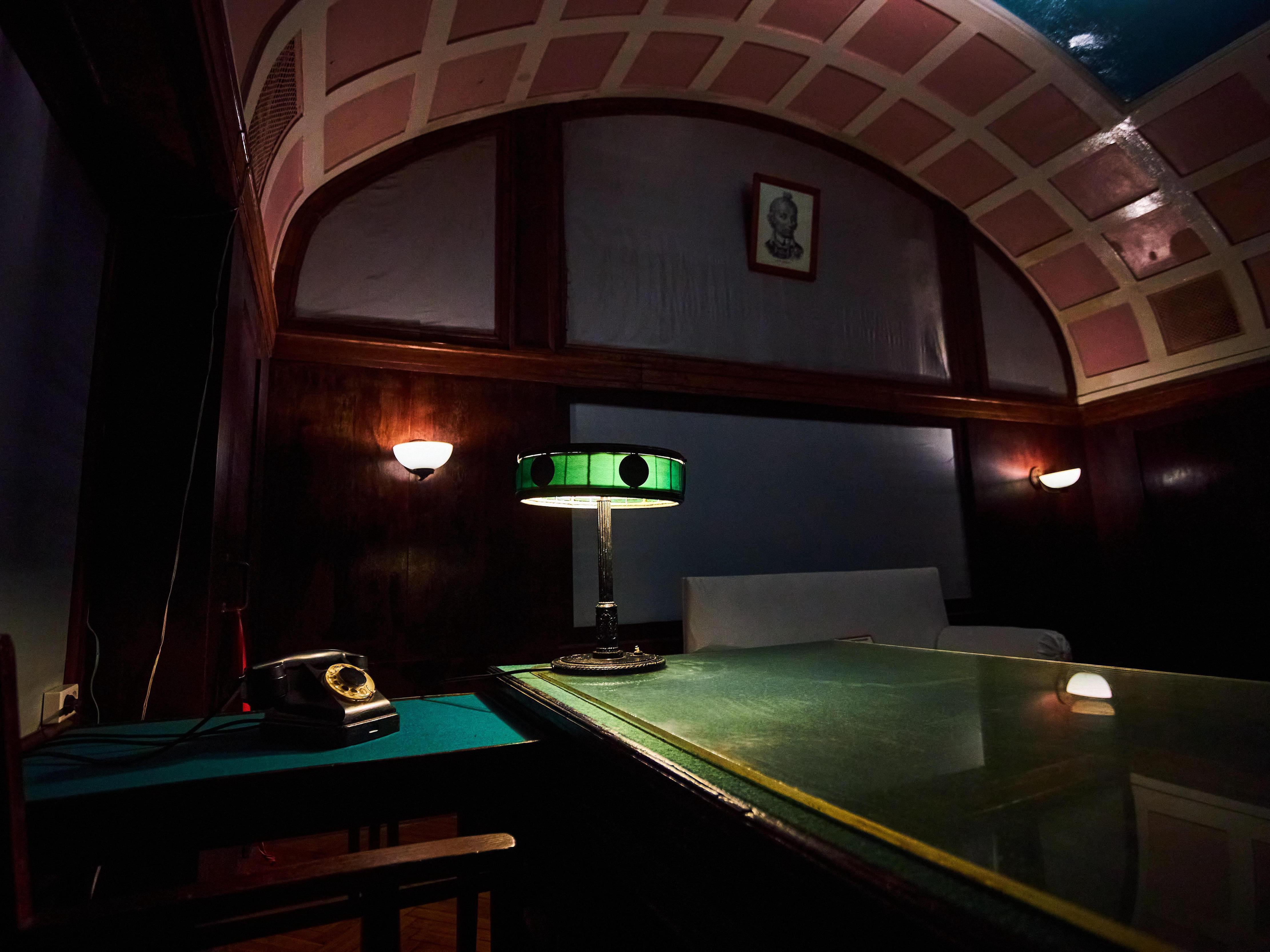
The final push — descent one more floor — and here they are: Stalin«s office and the meeting hall. The reason historians and ordinary people from all over Russia (and beyond) come down here.
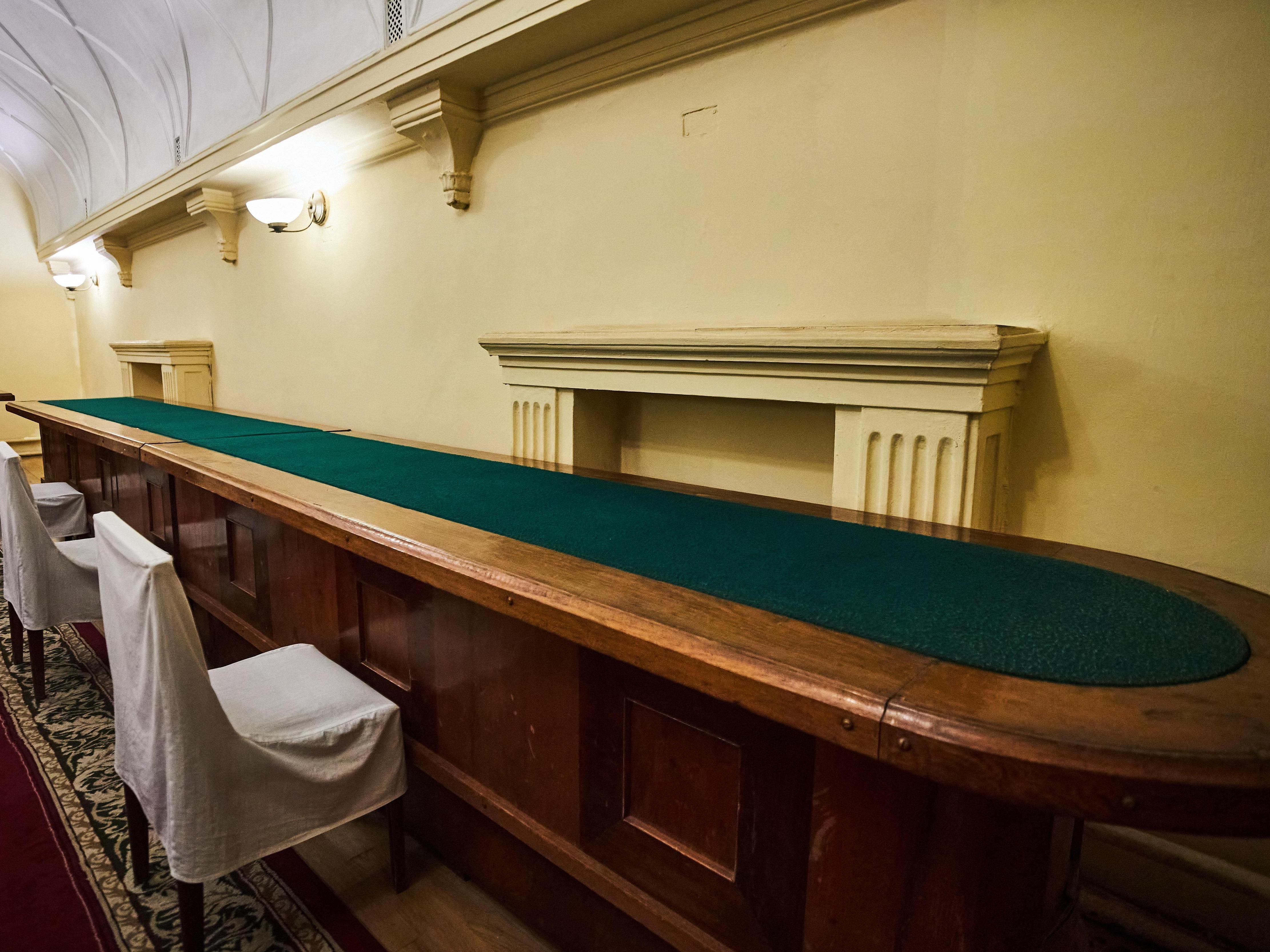
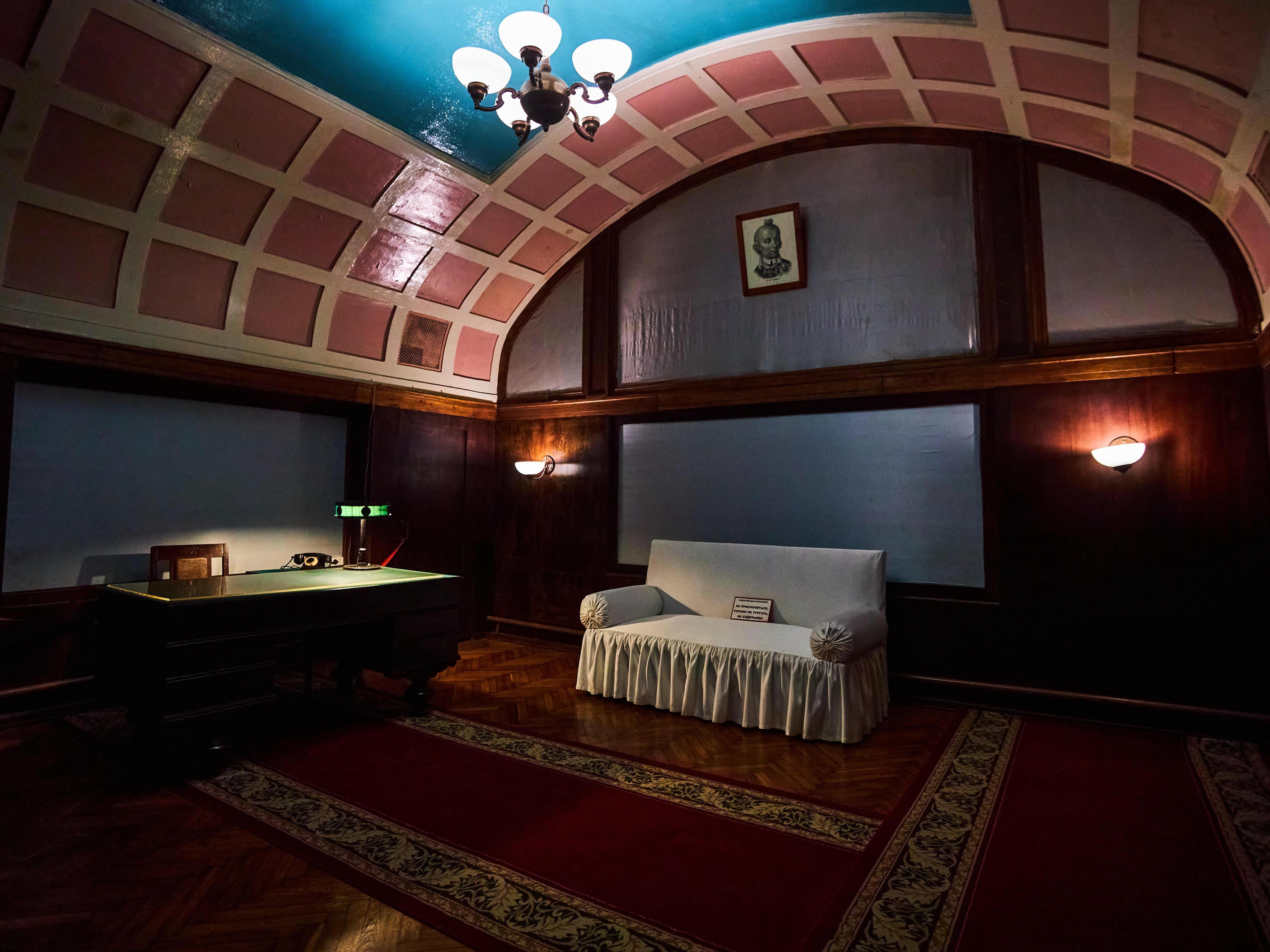
The rooms are at a depth of 37 meters. Yet there, the depth is not felt. «Claustrophobia doesn»t live here,« the guide noted. And she was right. Thanks to high, bright ceilings, false doors (in Stalin»s office) and false fireplaces (in the meeting hall), an illusion of extra space is created, and the walls do not press on visitors.
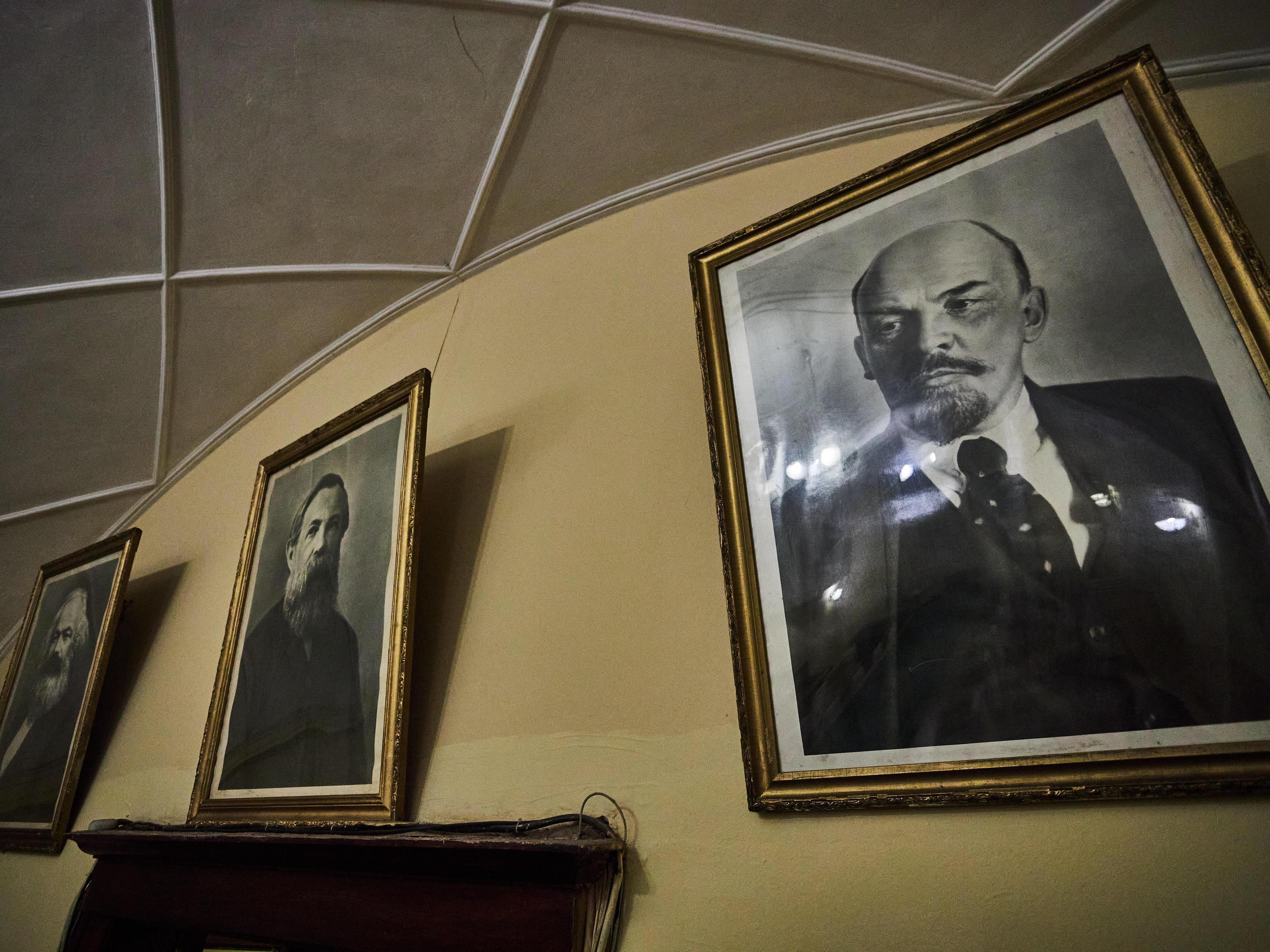
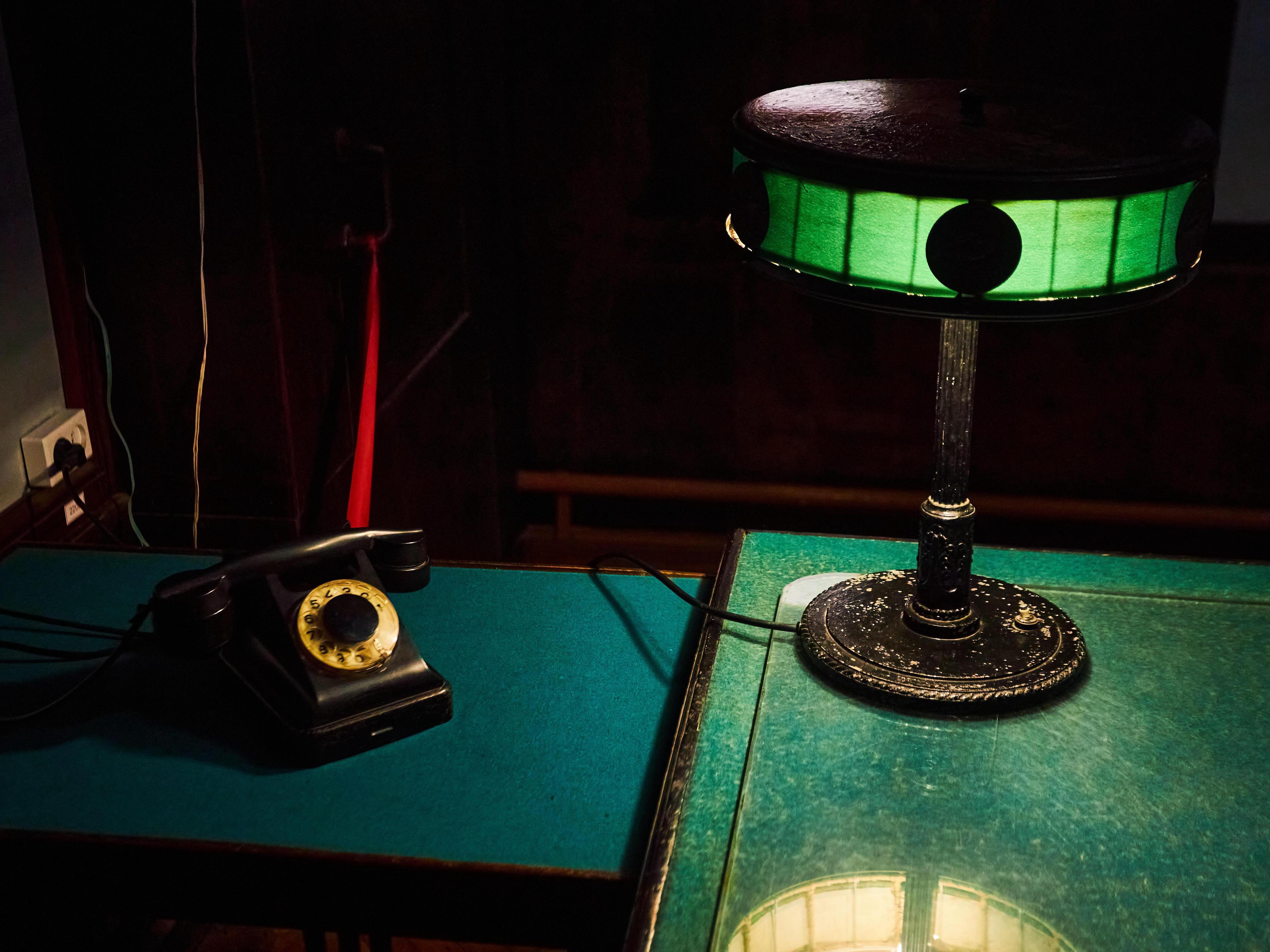
Photos from Joseph Vissarionovich«s office. Look at it from all sides.
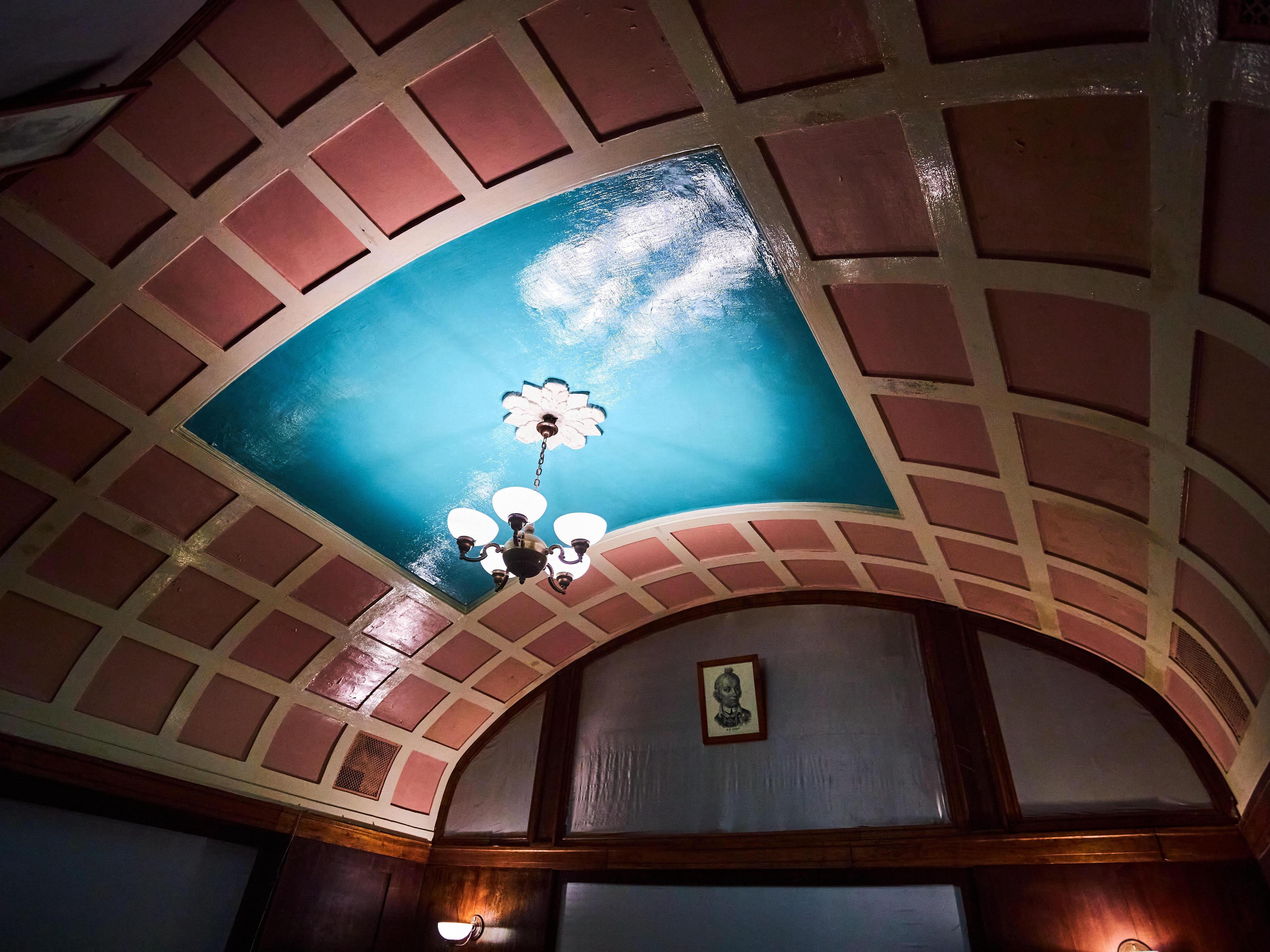
Stalin«s office is 32 square meters, the meeting hall is 70 square meters. The ceiling in the hall resembles the ceiling of the Moscow metro station »Aeroport.« The ceiling decor looks like parachute straps.
And here is a series of photos of the meeting hall.
Touching furniture, sitting on chairs, leaning on tables, and picking up telephone handsets are not allowed (though you really want to). You can only take photos near them, which all visitors try to do.
And then the ascent. Again narrow winding stairs. But strangely enough, climbing them turned out to be not as difficult as expected.
The guide said the stairs were made specifically for Stalin«s stride and are considered the most comfortable in the city. She seems right.
According to the website bunker-stalina-samara.ru, tours of the bunker run Monday through Friday. The first group enters at 11 am. From 1 to 2 pm there is a lunch break. The museum closes at 3 pm. Admission for adults is 500 rubles ($5 at current rates), for children 300 rubles ($3). Private tours are available. It is not recommended for children under 10.
The main question all visitors have: was Stalin himself in the bunker? According to official sources, Joseph Vissarionovich was not in the bunker. But earlier 63.RU wrote about a resident of the regional capital who recalled that Stalin was in Kuybyshev several times during the war — and she cut his hair.