Abroad Won't Help: Drug Prices Soar in Russia – Experts Explain Why
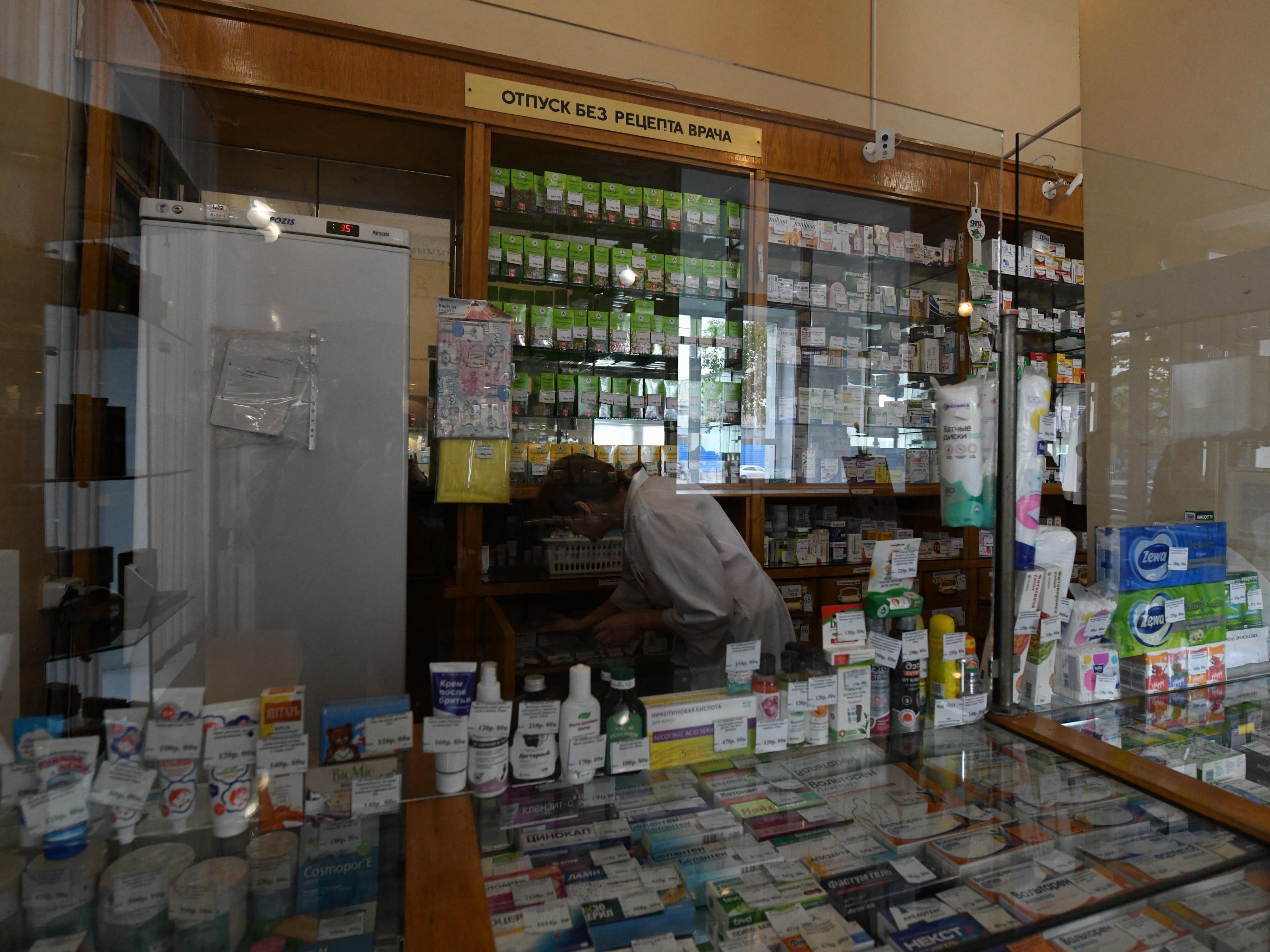

Drugs rapidly rose in price in 2025.
What«s frightening in Russian pharmacies is not the queues or shortages, but the prices. According to Rosstat, medicines became record-breakers in price growth in 2025: they became more expensive faster than anything else. We looked at which drugs jumped the most. Spoiler: some medicines even became cheaper.
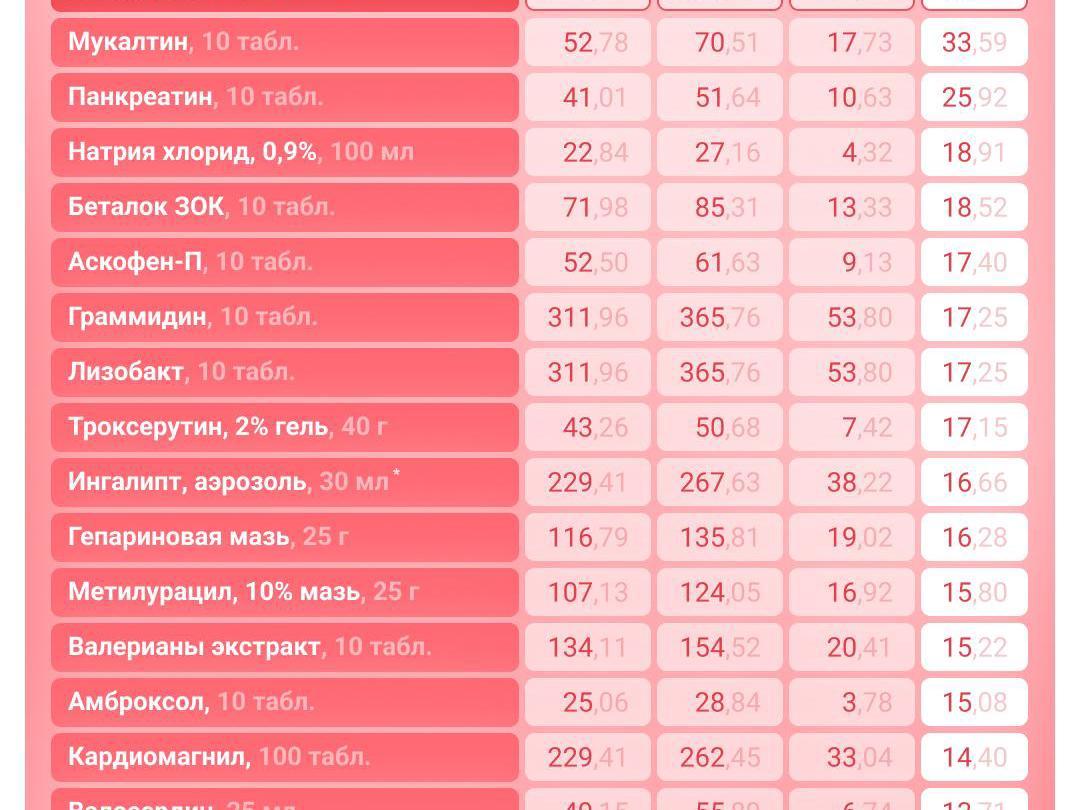
These drugs saw the biggest price increases over the year.
Growth — Over 50%
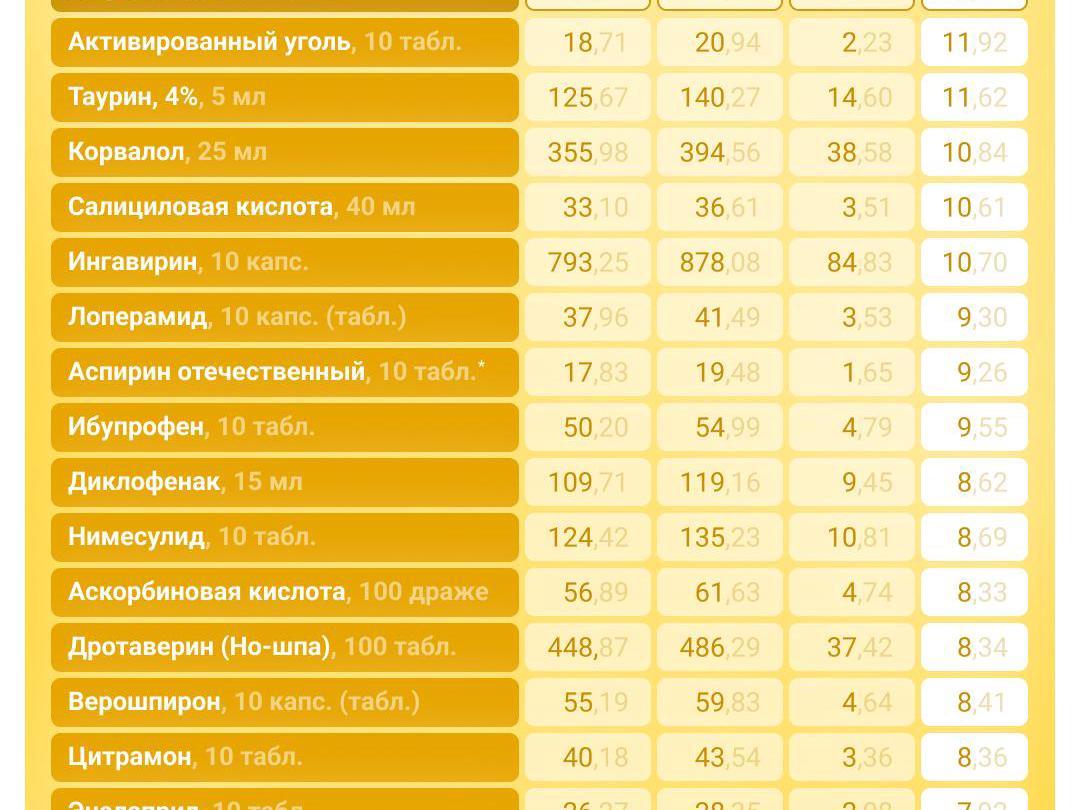
For these pharmaceuticals, price growth was moderate.
A trip to the pharmacy has become noticeably more expensive, and this is visible even in Rosstat«s averaged figures. Even inexpensive drugs have increased so much that you notice the difference at the checkout.
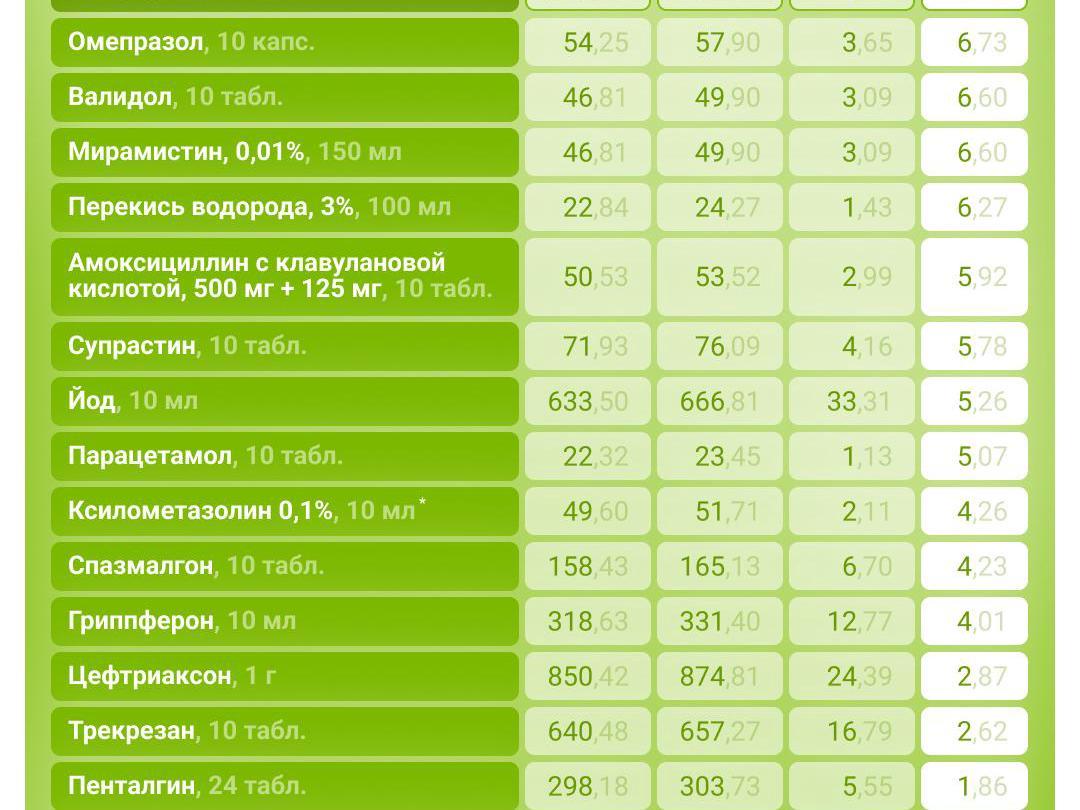
These drugs increased in price very insignificantly.
The most expensive increase was for Levomekol: if in January a tube cost about 175 rubles (about $2 at current rates), by December the price had risen 1.5 times. For one of the most commonly used remedies, this is a noticeable jump.
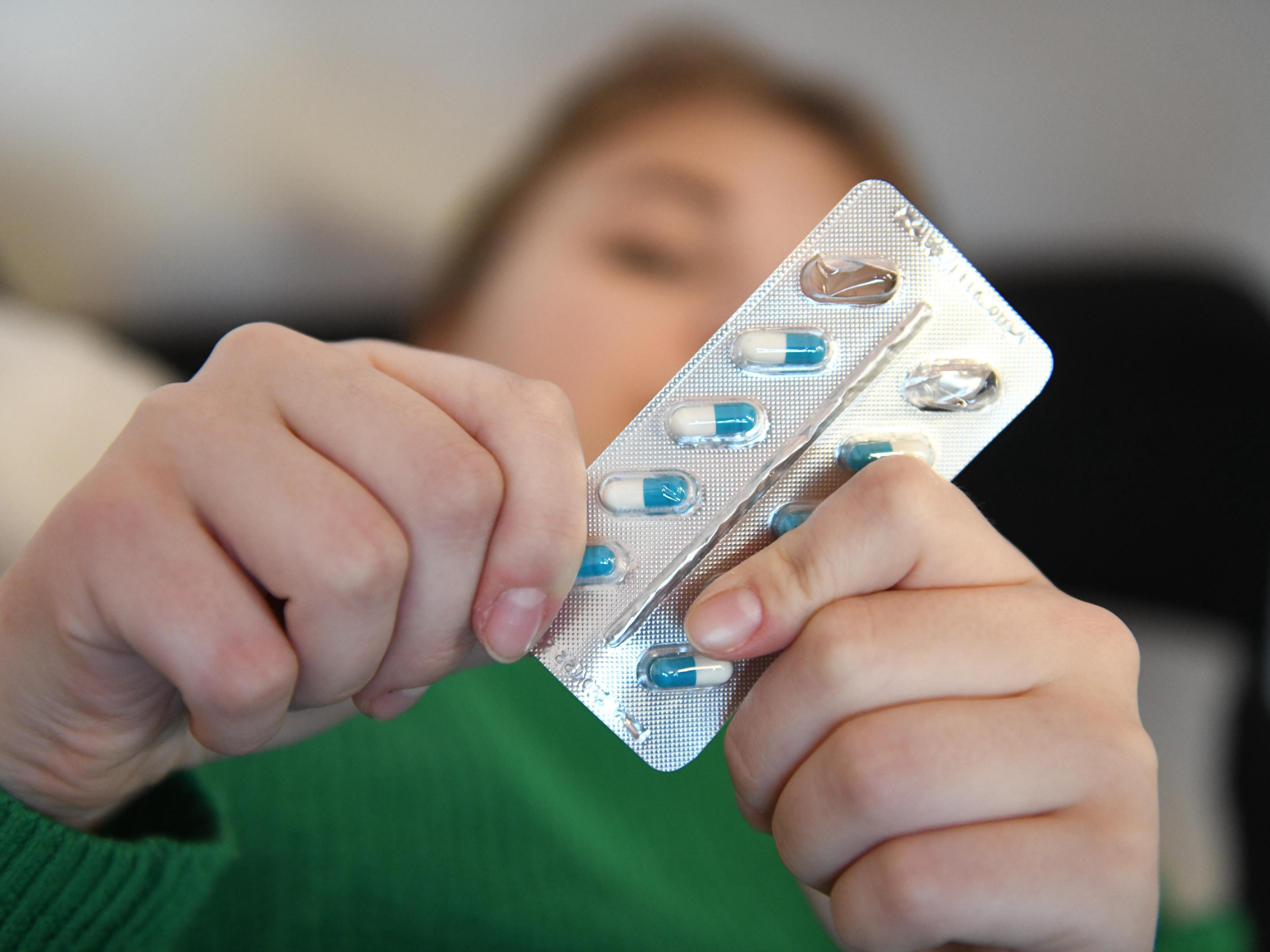
In winter and transitional periods, demand for pharmaceuticals only grows.
Daily-use drugs also increased noticeably. A pack of Mucaltin rose by almost 18 rubles (less than $1) to 71 rubles (about $1), and Pancreatin rose to 52 rubles (about $1). Even saline solution became more expensive: plus 4 rubles (less than $1) per bottle.
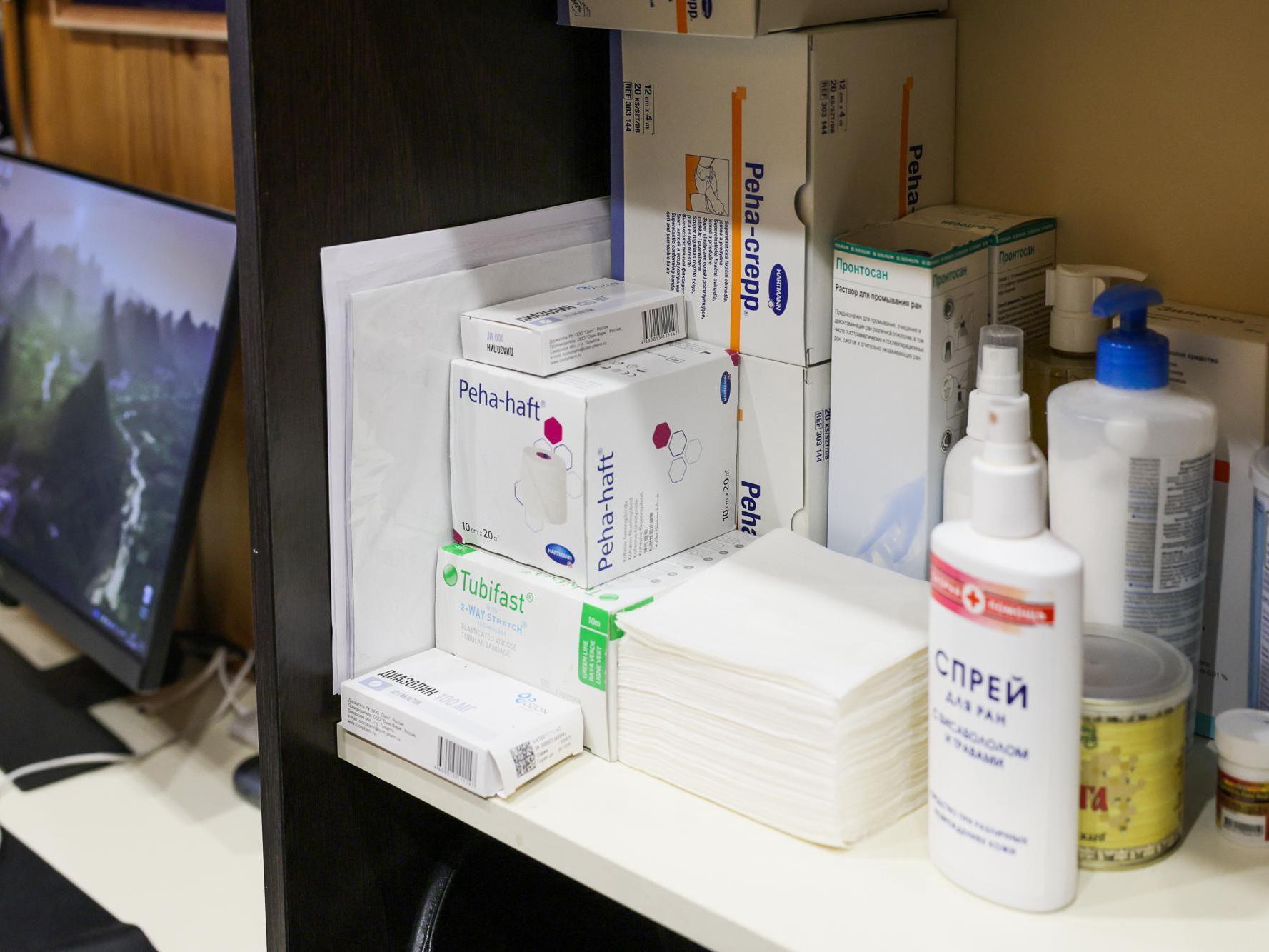
The state curbs prices on vital drugs, but they too add to costs.
Prices also rose for more expensive drugs. For example, Grammidin and Lyzobact increased by more than 50 rubles (about $1) each. Ingalipt added over 38 rubles (less than $1), and a pack of Cardiomagnyl added over 33 rubles (less than $1).
However, there are drugs that remained stable throughout the year. For example, a pack of Cetrin rose by only 1 ruble (less than $1), and Bisoprolol added even less — about 90 kopecks (less than $1). And Canephron N actually became cheaper — though only symbolically: the price dropped by only 7 kopecks (negligible).
«Demand Inevitably Pulls Up Prices»
In 2025, drugs in Russia rose noticeably faster than overall inflation. For those who take them daily, this hits the wallet hard. However, the price increase in pharmacies was uneven.
«Preparations from the list of Vital and Essential Drugs increased by about 4%, which is below the inflation rate,» explains MSK1.RU oncologist, chief physician and founder of the «Ledi» Clinic, Candidate of Medical Sciences, and co-author of Russian national oncology standards Evgeny Ledin. «This result is largely ensured by state price regulation, which makes it possible to restrain the cost of socially significant drugs and protect the most vulnerable patient groups.»
The main price increases affected drugs not on the vital list. Several factors immediately affect their price.
«First is the VAT increase, and it is built into the final price the buyer sees in the pharmacy,» lists financial expert Tatyana Volkova. «The second factor is the increase in social benefits: pensions, minimum wage, and others. At first glance, the link may seem unobvious, but in practice it exists. When socially sensitive categories of the population have more money, they begin to buy essential goods more actively, including medicines. As a result, demand rises, and with it inevitably comes a price increase.»
The price of drugs consists of many steps. First, you need to purchase raw materials, bring them to the factory, insure the cargo and risks. Then the drug is certified, labels are printed, containers are prepared, and packaging is done on special equipment.
Every year, costs for salaries, electricity, and rent for warehouse, office, and production facilities increase. All this is inevitably reflected in the price of the drug. Sometimes the total is such that it is cheaper to shut down production than to find ways to sell an expensive drug.
«Many manufacturers who do not want to deal with drug registration produce them as biologically active food additives,» says MSK1.RU general practitioner, gastroenterologist, geriatrician Yelena Pavlova. «To bypass competitors, they conduct additional studies, which then also affects the price of the drug. Not long ago, the «Chestny Znak» system was introduced in Russia, registration with which also requires additional investments.»
On the other hand, according to the Research Institute of the Ministry of Finance, labeling costs amount to less than 1% of the product«s prime cost.
«According to Roszdravnadzor, since its introduction, the share of counterfeits on the market has decreased to 0.01%, and the revenue of legal producers, according to Rosstat, has more than doubled,» MSK1.RU was told at «Chestny Znak». «The system was created as a tool to protect the market from illegal products, not as an additional bureaucratic burden. Labeling of drugs started in Russia on June 1, 2020, and labeling of dietary supplements started on September 1, 2023. Currently, labeling of cardboard packaging for dietary supplements or drugs is identical in cost.»
In addition, some foreign companies have reduced or completely stopped deliveries of their drugs to Russia. The reduction in competition in the market also leads to higher prices.
«Buyers Insignificantly Affect the Overall Picture»
In recent years, due to the cessation of supplies, some drugs have disappeared from shelves. As an echo of the 2000s, when shopping tours for fur coats were popular, Russians are now traveling for pills to Turkey, Egypt, Thailand, Vietnam and other countries. Those who cannot go themselves ask acquaintances. And if there are none, so-called buyers come to the rescue, who deliver scarce drugs to Russia — of course, not for free.
«There may be advantages in the activities of buyers: a drug with a «purer» formula, since many E-components used in drug manufacturing are banned in the US and Europe, but may be used in Russia during production,» explains Yelena Pavlova. «But there are risks that during transportation the «cold chain», storage conditions, and expiration dates may be violated. This leads to a direct threat to life and health, and no one bears responsibility for this.»
In practice, the «shadow» drug market consists of single deliveries. Most often, these are original drugs that are no longer registered in Russia, or new drugs that have not yet officially appeared in our country.
«The unofficial market does not significantly affect the overall price picture. Buyers who import drugs from abroad work in a rather narrow segment and most often with highly specialized drugs,» emphasizes Tatyana Volkova.
What Will Happen to Drug Prices in 2026
Experts are confident: drug prices in Russia will continue to rise. Moreover, the increase will be uneven: some drugs will rise significantly, while others will increase very little.
«Given the dependence of part of the drug market on imports, currency fluctuations, and persistent costs, there is no expectation of price decreases in the near future. Most likely, drugs will continue to become more expensive, especially outside the VED list,» believes Evgeny Ledin.
«Most likely, we will see a systematic price increase throughout the year. We are not talking about sharp jumps, but on average we can expect an increase in the range of 5–10%. Moreover, the growth will be uneven: some categories will rise more, others less, depending on demand and specific items,» adds Tatyana Volkova.
Of course, sharp price jumps should not be expected, but a gradual increase in drug prices is almost inevitable. At the same time, market stability is influenced not only by demand and specific items.
«It may take 3–5 years to stabilize the situation on the market,» says MSK1.RU Yelena Pavlova. «During this period, perhaps Russia will learn to produce key drug substances and raw materials for additives, since projects in this direction exist, but time and people are needed for further development. Possibly, logistics chains for importing drugs and payments will form, the inflation rate and exchange rate will stabilize, but there are risks that investments in localizing production in the country will not pay off and demand may decline, which creates new price fluctuations.»
In Russia last year, everything became more expensive: both buckwheat, and chicken, and butter, and milk, and meat, and for bad habits you will soon have to pay much more. We asked experts what will happen to food prices this year. We also reported on whether to expect a new pension reform in 2026.