Nuclear Treaty Between Russia and US Expires
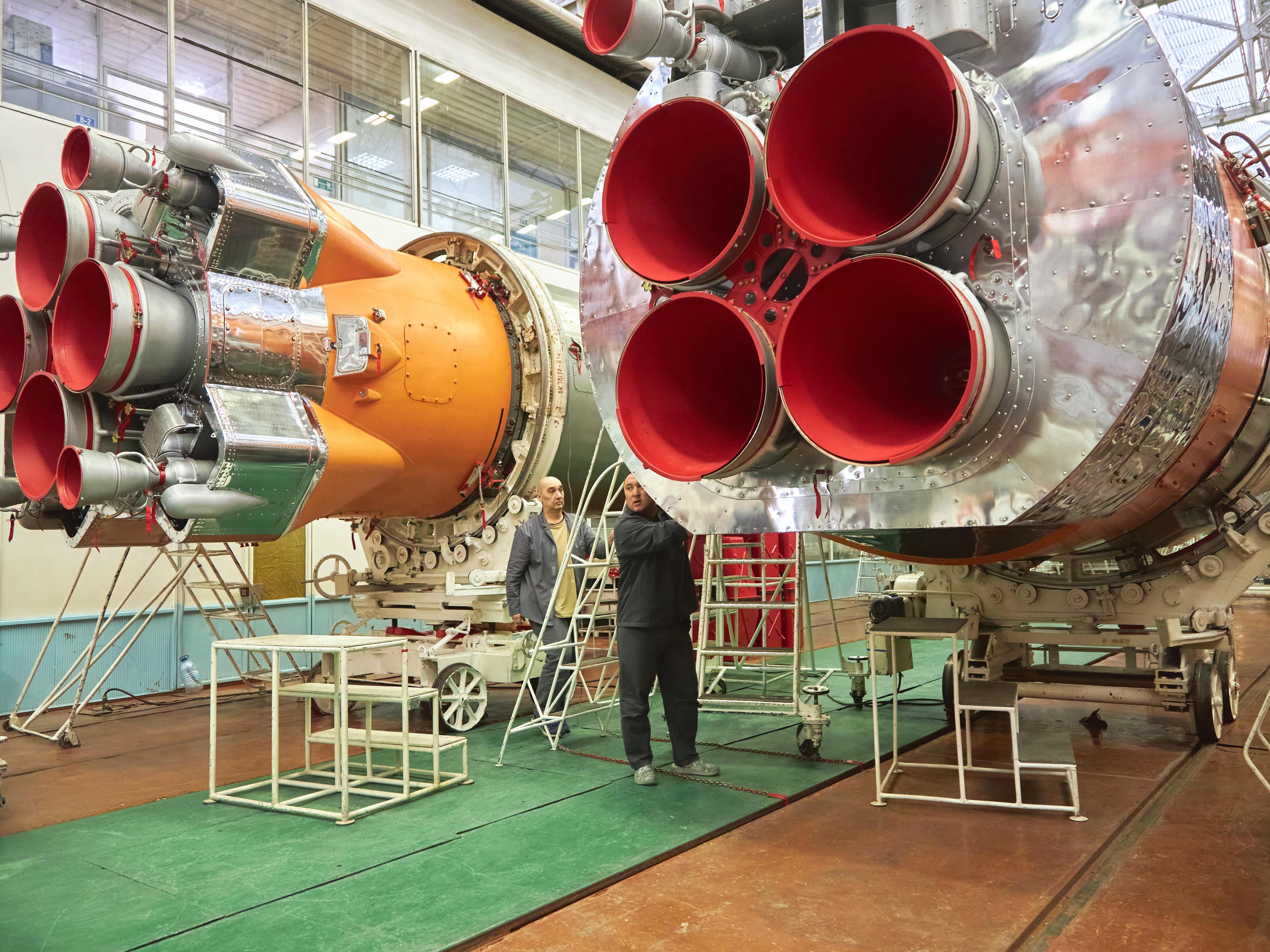

Today, 5 February 2026, the Russian-American Treaty on Measures for Further Reduction and Limitation of Strategic Offensive Arms (DSNV, SNV-III, commonly known as New START) expired. From this moment, the two largest nuclear powers have been left without active agreements limiting their strategic arsenals for the first time in 54 years. This report explains what this means and what threats it poses.
A Brief History and Essence of New START
New START is an agreement between Russia and the US designed to reduce the risk of nuclear war by strictly limiting both countries« arsenals. The document is needed to maintain strategic balance (so neither side gains a decisive advantage) and to reduce the risk of a surprise attack.
New START is the seventh treaty between Moscow and Washington on limiting strategic nuclear arms.
The treaty introduced strict limits:
up to 700 deployed intercontinental ballistic missiles (ICBMs), submarine-launched ballistic missiles (SLBMs), and heavy bombers;
up to 800 deployed and non-deployed launchers for ICBMs, SLBMs, and bombers;
up to 1,550 nuclear warheads on deployed strategic delivery vehicles.
The parties also agreed on mutual inspections, exchange of information on nuclear weapons, a notification system for movements and status of arsenals, and a ban on deploying strategic weapons on the territories of other states.
Then-sitting Presidents Dmitry Medvedev and Barack Obama signed the treaty for a term of 10 years with the possibility of extending it for another five.
When Donald Trump became US president (2017–2021), Russia and America tried to negotiate an extension without any additional conditions. But difficulties arose:
The US wanted to include China in the treaty. However, the Chinese refused: they were ready to join only if the US reduced its nuclear arsenal to China«s level, that is, by a factor of 20.
America also insisted on including Russian non-strategic weapons in the treaty.
In the end, the treaty was only extended under President Joe Biden — just two days before its original term expired.
It was planned that over the next five years, the countries would develop a new format for nuclear arms control. In July 2021, shortly after the Putin-Biden meeting in Geneva, consultations on strategic stability began. Two rounds of talks took place that year, in July and September.
However, in February 2022, after the start of hostilities in Ukraine, all talks were suspended. That same month, Putin put Russia«s nuclear forces on «special combat duty» status, and in 2023 Moscow announced a «suspension» of its participation in the treaty, stressing that it was not fully withdrawing. In May 2024, the US State Department noted that Russia continued to comply with the nuclear limits despite the «suspension».
Is There a Chance for Extension?
As of today, extending New START or concluding a new agreement looks unlikely.
In September 2025, during a meeting of the Russian Security Council, Vladimir Putin outlined Moscow«s position on the future of the treaty. The president stated that Russia is ready to extend the treaty»s restrictions for at least another year after its official expiration, i.e., until 5 February 2027.
However, according to Putin, this requires two key conditions to be met:
Reciprocity from the US: American authorities must assume similar obligations to comply with the limits for the same period.
Maintaining strategic balance: Washington must not take actions that could undermine or disrupt the existing correlation of deterrence capabilities. In particular, this concerns the inadmissibility of building up a missile defense system (MDS) that could change the existing strategic parity.
Dmitry Peskov confirmed in January 2026 that Moscow«s proposal remains in effect.
At the same time, Donald Trump, in a January interview with The New York Times, reacted cautiously to Putin«s initiative: «When the term expires, it will expire.» At the same time, he did not rule out the possibility of concluding a «more favorable agreement». The White House said that the US wants to maintain limits on nuclear weapons and involve China in negotiations.
What Next
So far, neither side has proposed a realistic plan for maintaining control over nuclear arsenals. According to Kremlin spokesman Dmitry Peskov, without a treaty, the world finds itself «in a more dangerous position than before».
«For the first time, the United States and the Russian Federation — the two countries that possess the world«s largest nuclear arsenals — will remain without a fundamental document that would limit and control these arsenals. We think this is very bad,» said Kremlin spokesman Dmitry Peskov on 3 February (quote from TASS).
A few hours before the treaty expired, the Russian Foreign Ministry issued a statement expressing disappointment that Washington had not responded to Moscow«s proposals.
«In essence, we are talking about our ideas being deliberately left unanswered. Such an approach seems misguided and regrettable,» the Russian foreign ministry stated.
The statement noted that under the current circumstances, the parties are no longer bound by the obligations and mutual declarations under New START, including its key provisions. This effectively gives the treaty participants freedom in choosing further actions.
At the same time, the Foreign Ministry emphasized that Russia intends to act prudently and responsibly. Its course in the field of strategic offensive arms will be determined based on a detailed analysis of US military policy and the overall situation in the strategic sphere.
The Foreign Ministry also stated that Russia is ready to take decisive military-technical measures to neutralize possible threats to national security. In addition, the statement said that Russia is open to proposals on arms control.
«Our country remains open to seeking political-diplomatic ways to comprehensively stabilize the strategic situation on the basis of equal and mutually beneficial dialog solutions if the proper conditions for such interaction are formed,» the Foreign Ministry stated.