Mother faces enforcement of overturned court ruling
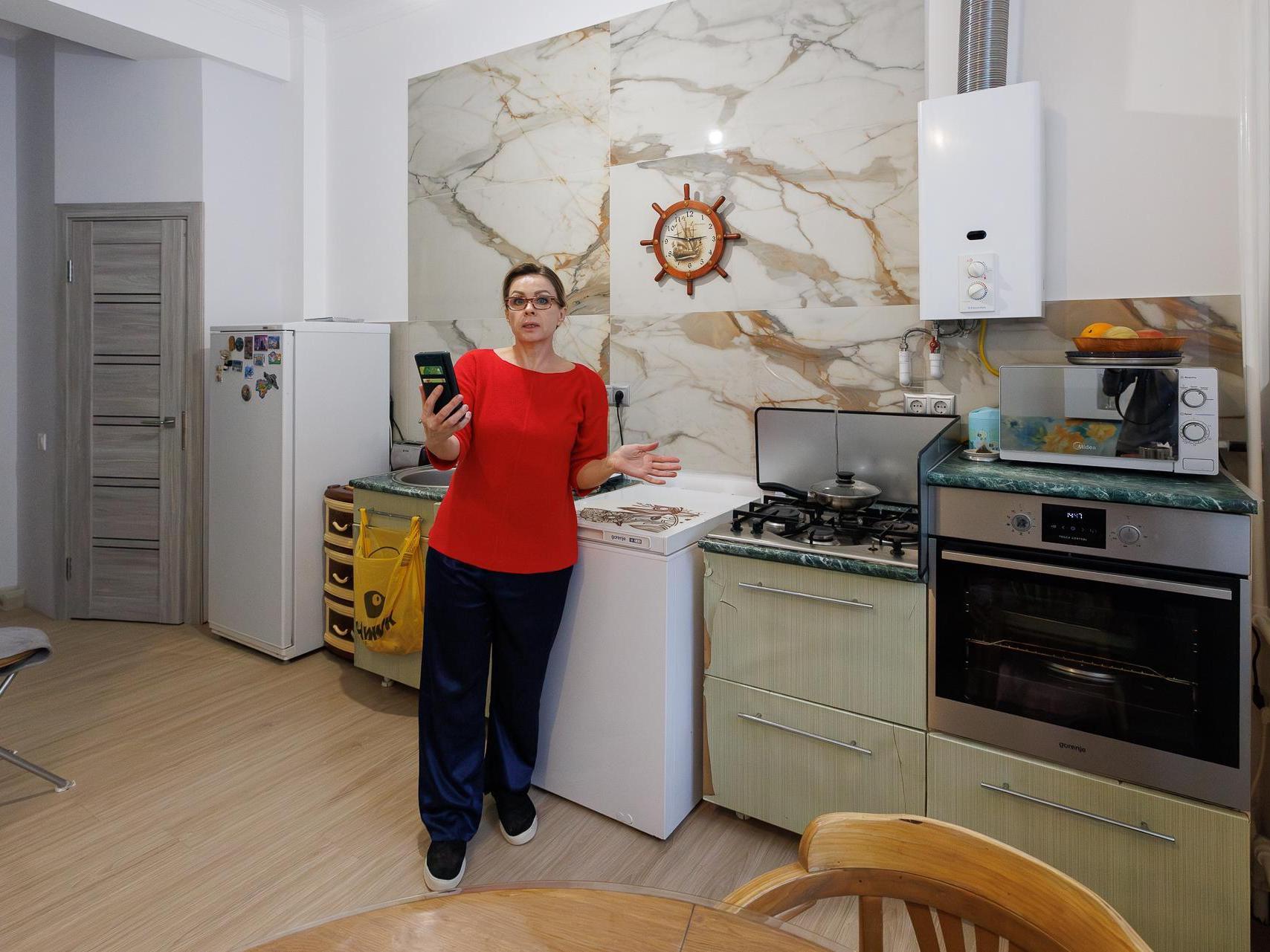

The court ruled all changes made by the woman in the apartment as legal.
Volgograd resident Yelena Pysina, who bought a three-room apartment from the municipality in a building on Kachintsev Street, was quite surprised to receive a notice from bailiffs demanding she return the premises to its original state within five days. She had lost a lawsuit seeking to legalize the redevelopment of the apartment. On the surface, the municipal officials« demands appear lawful, except for one small detail: she lost the case in the district court but won it on appeal in the regional court. That, however, did not prevent officials from obtaining an enforcement order and demanding its execution.
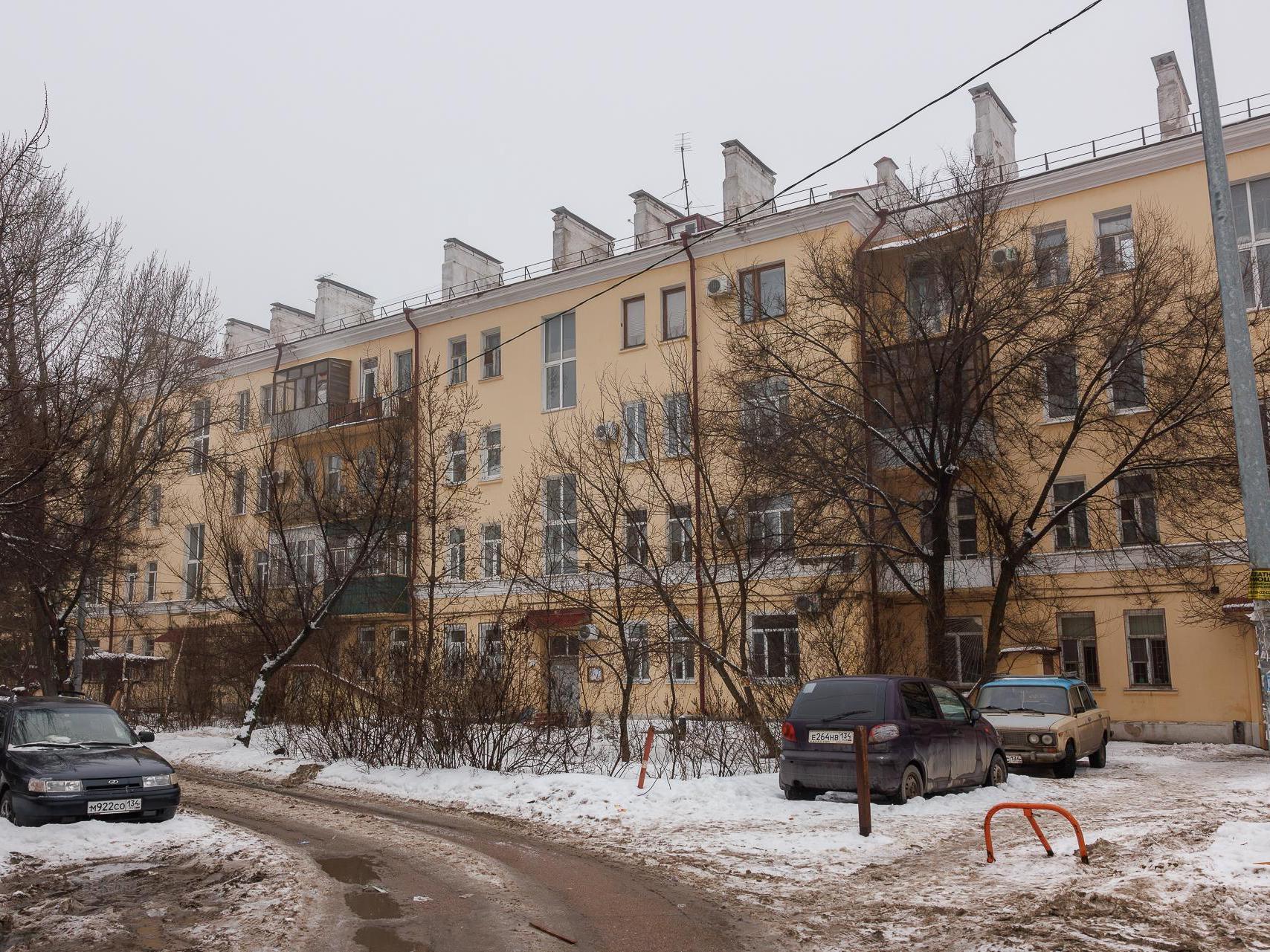
The apartment was once a hotel for officers of the Ministry of Defense.
— I am a displaced person from dilapidated and emergency housing, a mother of many children, — Yelena Pysina said. — I won all the court cases against the administration and eventually received money to buy housing. I bought an apartment in the Dzerzhinsky District on Kachintsev Street, where no one had lived for 13 years. Under the terms of the deal, I was given three months to move in. Of course, it needed repairs. Architect Aleksandr Bryk designed the project; we applied to the administration for a permit to remodel, but it was denied. We proceeded with floors, walls, and documentation. The city hall went to court demanding that our actions be declared illegal and the apartment restored to its original state.

This is what the apartment looked like when Yelena first moved in.
According to Yelena Pysina, they lost in the district court.
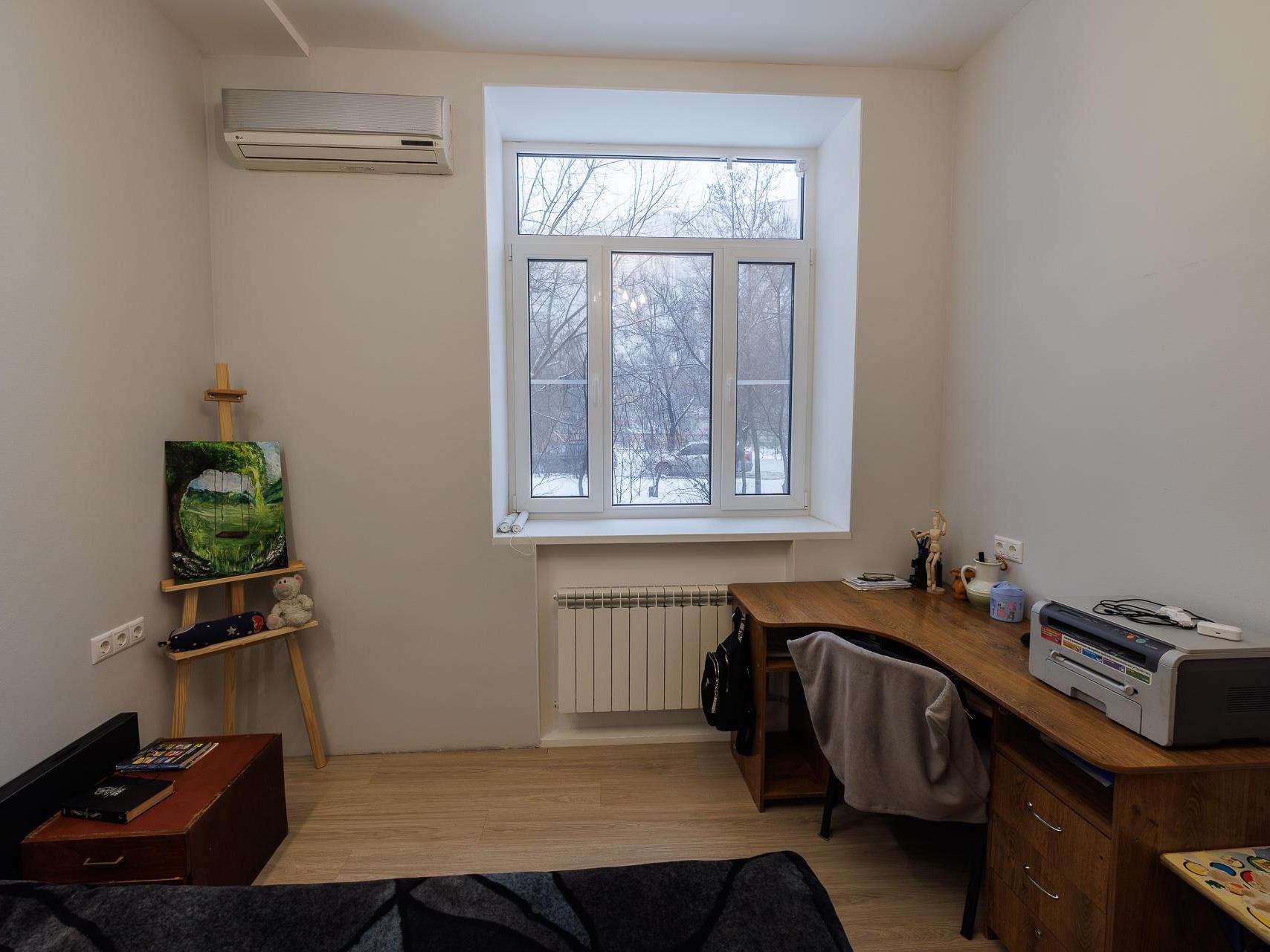
Renovations in the apartment had to be done at a frantic pace.
— The judge kept silencing the architect, preventing him from proving there were no violations in the remodeling. We appealed, and the regional court ruled to reject the Volgograd administration«s claims, — she says. — Based on that ruling, we are recovering 100,000 rubles ($1,000) in legal costs from the Volgograd administration. But on December 12, I suddenly received a document initiating enforcement proceedings against me. I went to the bailiffs and found out that the Volgograd administration had obtained an enforcement order based on the overturned court ruling and demanded that I restore the apartment to its original state within five days. I went to the bailiffs, showed them the court ruling and the case number, and explained that the ruling on which the enforcement proceedings were based had not entered into force.

A single photo shows what the apartment looked like before and after.
According to the case materials, Yelena Pysina combined the bathroom and toilet, partitioned off a storage area in the kitchen, reduced the existing door opening in the living room, and dismantled the window unit with the sill part of the wall leading to the loggia. Based on this, officials of the Dzerzhinsky District Administration concluded that the renovation had resulted in changes to the common property of the building, including utility networks, without a general meeting of owners and the required consent. They also believed that the work had altered the load-bearing elements of the building, thus requiring calculations and approvals from supervisory authorities and the management company.

The conversion of a separate bathroom into a combined one was one of the officials« complaints.
— This apartment once belonged to the Russian Ministry of Defense and was used as a hotel for officers of the Kachinskoye military school, — says Yelena Pysina«s lawyer, Valery Golovanov. — Then it was transferred to the housing stock, sold… When the renovation began, the administration received a report from the management company that remodeling was underway and went to court. In court, we filed a counterclaim arguing that the administration was not the proper plaintiff in the case and that to file a lawsuit, a conclusion from an interdepartmental commission was required, which includes the Municipal Property Department, the Urban Planning and Architecture Committee, the BTI (Bureau of Technical Inventory), the State Construction Supervision Authority, and others. None of that was done; the administration jumped the gun and went to court.
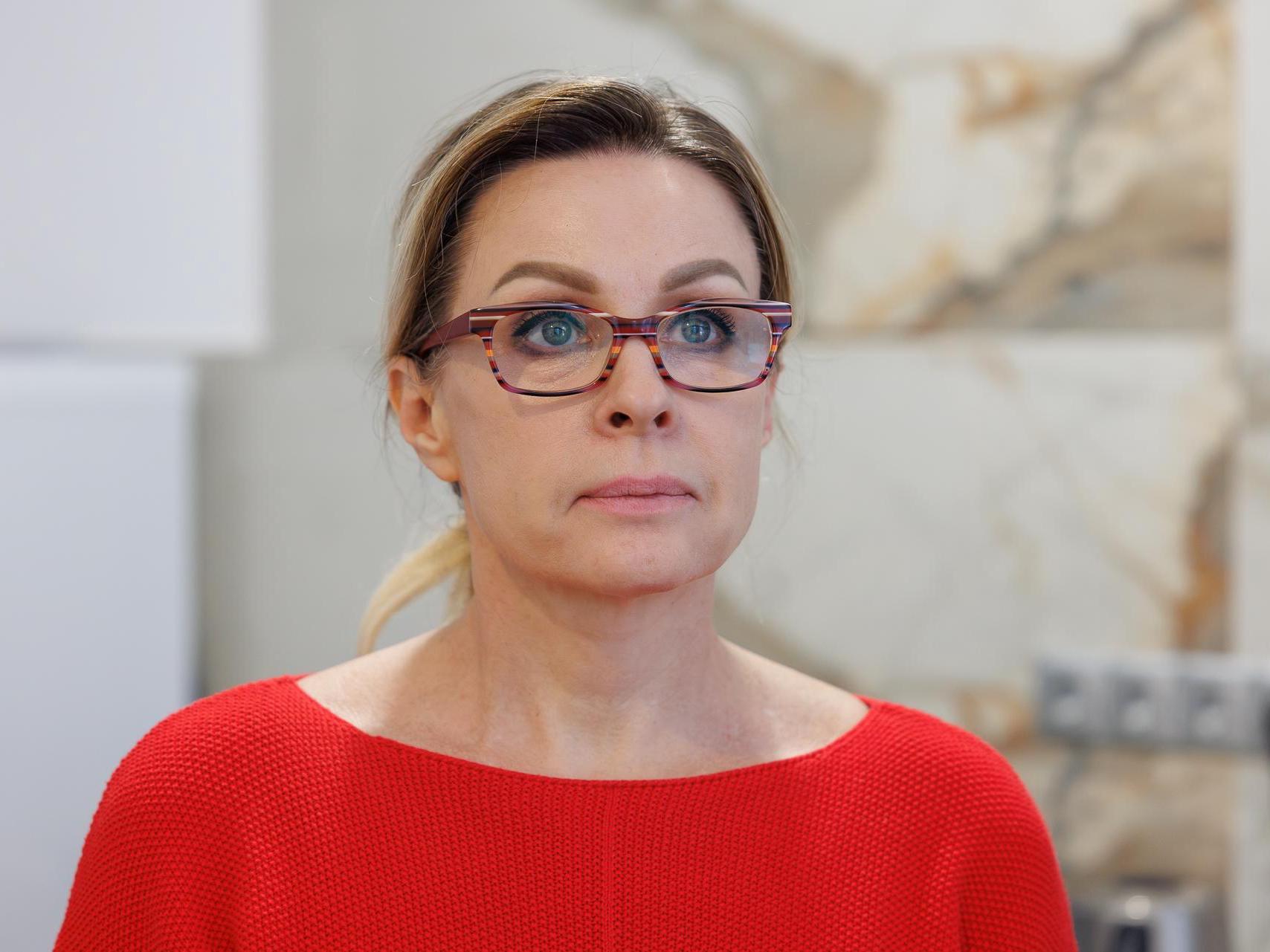
The initiation of enforcement proceedings came as a real shock to Yelena.
Let us turn to the chronology of the cases. The first-instance court ruling on the administration«s claim against Yelena Pysina was issued on 21 November 2024. On 26 December of the same year, an appeal was filed, which the court considered on 16 July 2025. The appellate ruling stated that it takes effect from the moment of its adoption and can be appealed within three months in the Fourth Appellate Court of General Jurisdiction. No information about filing a cassation appeal to the court in Krasnodar is indicated on the Dzerzhinsky District Court»s website. However, it does indicate that the Volgograd Regional Court rejected the Dzerzhinsky District Administration«s claims while partially granting Yelena Pysina»s counterclaim. The court upheld the right to the remodeling, recovering from Yelena the cost of the expert examination. Additionally, there is a court ruling for the recovery of legal costs from the administration, according to which the Volgograd administration must pay Yelena 30,000 rubles ($300) for legal services, 668.5 rubles ($7) for postage, 6,000 rubles ($60) in state fees, and 68,000 rubles ($680) for the cost of the court-ordered expert examination. The ruling was announced on 9 December 2025.
Two months after the Dzerzhinsky Court ruling was announced, on 27 October 2025, the Dzerzhinsky District Court issued an enforcement order to the administration for execution of the court ruling. On 12 December, the claimant received another enforcement order. Based on it, on 26 January 2026, enforcement proceedings were initiated aimed at executing the Dzerzhinsky District Court ruling that had been overturned on appeal.
— I advised my client to go get the enforcement order and see on what basis the writ was issued, — explains lawyer Valery Golovanov, representing the woman. — Why were enforcement orders issued if the court ruling was not in favor of the administration? How could that happen at all? There is a clear court ruling rejecting the city hall«s claims; it has entered into force, so the previous ruling in the case has been overturned. That is explicitly stated in the new document.
The Joint Press Service of Courts of General Jurisdiction clarified that to get an answer to the question of how an enforcement order was issued for an overturned ruling, one must contact directly the court of first instance where the case was heard.
— A person only needs to submit an appeal to the court and ask for an explanation of how such a thing could happen, — they explained at the press service. — They will receive the fullest possible explanation there.
V1.RU sent a request to the Volgograd administration asking it to comment on the claims against the woman and to explain how it managed to obtain an enforcement order for an invalid court ruling. As of the time of publication, no response to the request had been received.