What Are the Million-Dollar NFTs Worth Now?


The digital token of Twitter founder Jack Dorsey«s first tweet, sold in 2021 for $2.9 million, is now valued at about $10. This story has become a symbol of the collapse of the speculative bubble around non-fungible tokens (NFTs). The NFT technology has not disappeared, but its use has narrowed to niche areas such as digital art and collecting.

In March 2021, crypto entrepreneur Sina Estavi purchased a tokenized version of the tweet «just setting up my twttr» for $2.9 million. A year later, he hoped to fetch $48 million for it, but the highest bid was only $6,800. In 2023, bids dropped to 1 Ether (about $1,900 at the time).
«First, a new technology emerges, then expectations are attached that «it will change everything,» then speculative capital floods the market, prices skyrocket, and after that comes a painful but inevitable sobering. That«s exactly what happened with NFTs,» said Kirill Pistsov, head of product development at Finam Group. According to him, buying the tweet was acquiring a meme, not an asset, and after the hype subsided, the price returned to a logical minimum.
The Fate of the First Collections
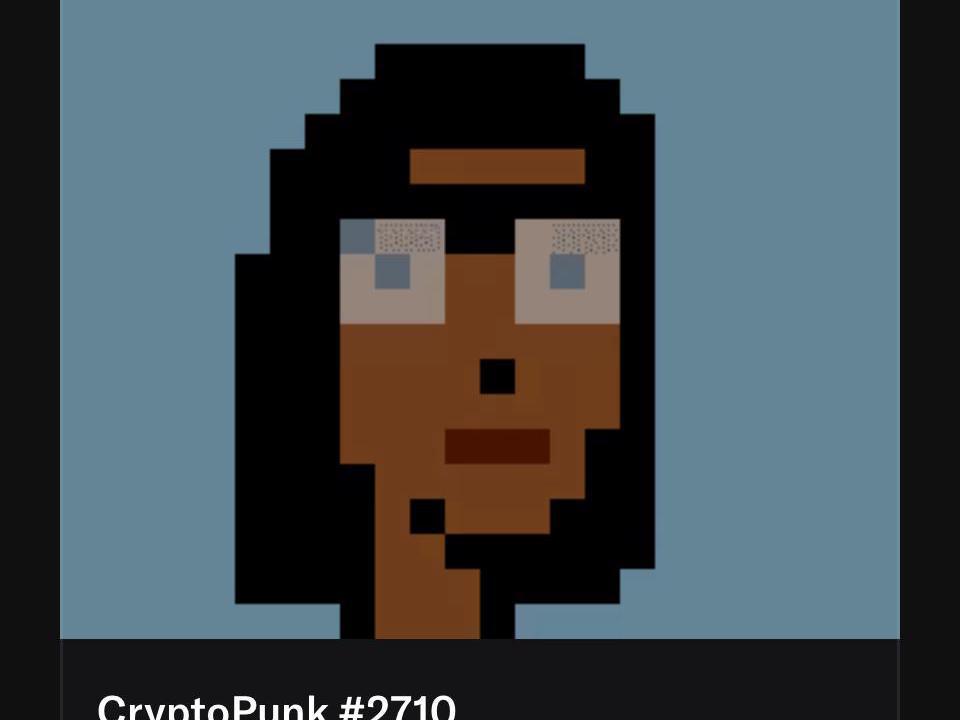
The CryptoPunks collection, created in 2017, consists of 10,000 pixel images. In 2021, some pieces sold for millions. For example, token #3100 (an alien with a headband) went for $7.58 million. In March 2024, it was bought for $16 million, and a year later sold for $6.06 million, a drop of 2.6 times in dollar terms.
The minimum price for the cheapest «cryptopunk» is now 27.5 Ether (about $69,700). The total market capitalization of the collection is estimated at $578.98 million.
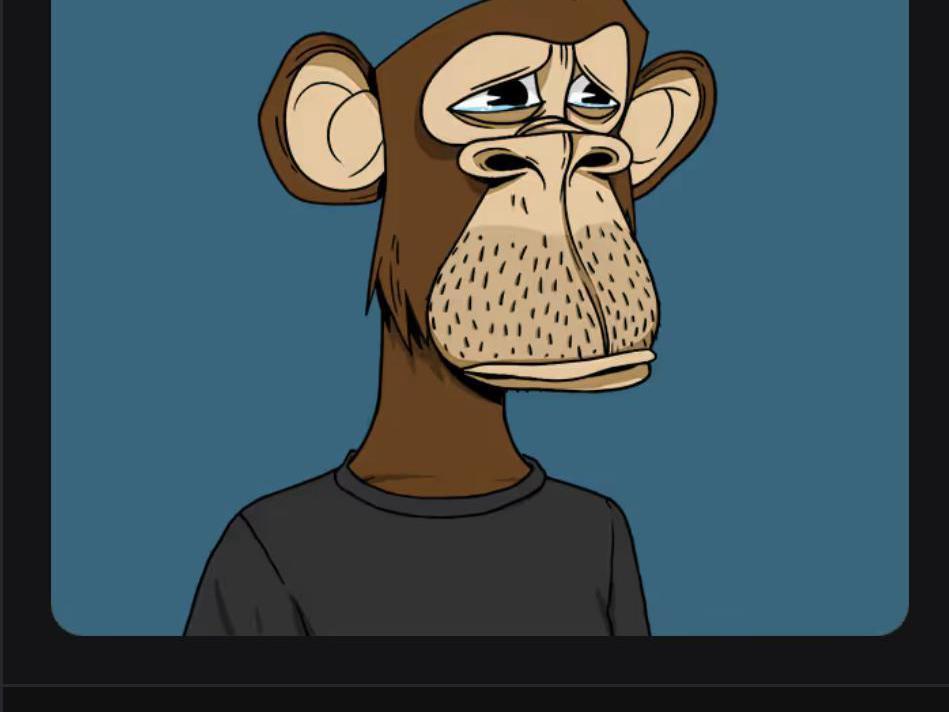
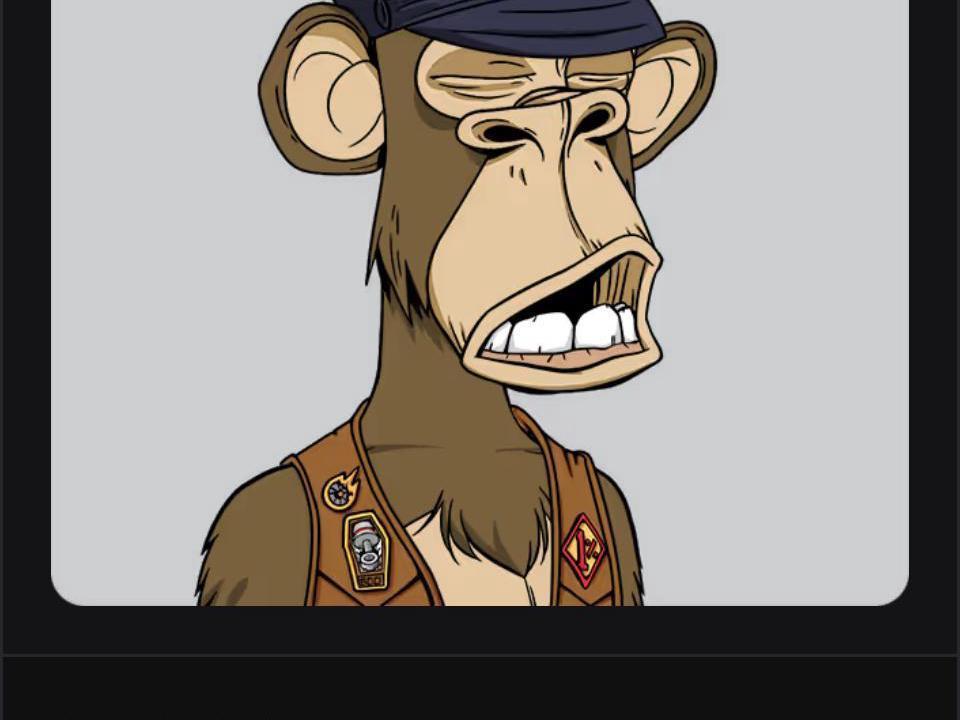
Another well-known collection is Bored Ape Yacht Club. In January 2022, Justin Bieber bought one of the «bored apes» for $1.31 million. By July 2023, its value had fallen to $57,000. Now the minimum price of a token from this collection is about $11,500, and the total capitalization is $111.4 million.
The Pudgy Penguins project (8,888 penguin images) managed to survive by going offline. A related memecoin, PENGU, was launched, along with plush toys and animated videos. The most expensive token in the collection is valued at $28.4 million, and the cheapest at about $9,160. The market capitalization is $78.4 million.
Reasons for the Market Crash
- The market was initially speculative, and many assets, like Dorsey«s tweet, had no utilitarian value.
- The vast majority of collections were characterized by a lack of real value, which became apparent after cheap liquidity left the market.
- Fraud and wash trading undermined the trust of retail investors.
«As a result, the market cleared out hype and junk; «blue chips» survived — for example, CryptoPunks and Pudgy Penguins, which essentially turned into cultural brands,» explained Valery Petrov, vice president of Mera Capital Group.
NFT in Russia and New Applications
In 2025, the word «NFT» became the most popular in the Russian-speaking internet, largely due to the integration of tokens in Telegram. Pavel Durov, for example, spent $52,500 on an NFT gift for a friend.
Today, NFTs find practical application worldwide as a tool for recording rights to real assets (real estate, luxury goods), in supply chain management, and digital patronage. In Russia, Sberbank issues NFTs for customer engagement, and the State Hermitage Museum tokenizes art masterpieces to raise funds for restoration.
«In games and metaverses, NFTs are used to record ownership of in-game items. In music and creative industries, NFTs have become a tool for engaging with fans,» added Kirill Pistsov.
Investment Prospects
Experts agree that NFTs have ceased to be an object of mass speculative interest. «The mass idea of «buy an NFT and make money» is dead. What remains is a targeted, venture approach,» believes Pistsov.
«The investment potential of NFTs remains, but it has become niche and wave-like. This is a market for those who understand the risks,» stressed Igor Zakharov, manager of DIBIX.
The technology will likely continue to exist as part of the digital infrastructure for confirming rights and ownership, moving out of the public spotlight but remaining a useful tool.