Poisonous Beauty: Top Houseplants for Horse Year

From year to year, trends in clothing, interior design, and travel change, and there is also a fashion for houseplants. And many people focus not only on aesthetics and care requirements but also on the stars. We asked an astrologer which plants to get in the Year of the Horse and a gardener how to care for them.
Astrologer Anastasia Pershina explained that symbols greatly influence how the trend for houseplants changes from year to year.
“It can be viewed from an astrological perspective. 2026 is the Year of the Horse, which falls under the element of Fire. Accordingly, houseplants that are bright and lush in bloom will be in trend. Priority will be given to flowers of red and yellow (gold) color — they will symbolize energy, success, financial growth, and health,” said astrologer and astropsychologist Anastasia Pershina.
The Horse symbolizes strength, power, freedom, and forward momentum. Therefore, houseplants should be lively, actively growing, resilient, and responsive to care.
“By combining the element of the year and the symbol of the year, you can understand which houseplants will be trending this year and will not only decorate your home but also share their energy, making the home a place of strength, growth, and freedom,” the expert emphasized.
Unbending Will and Aspiration
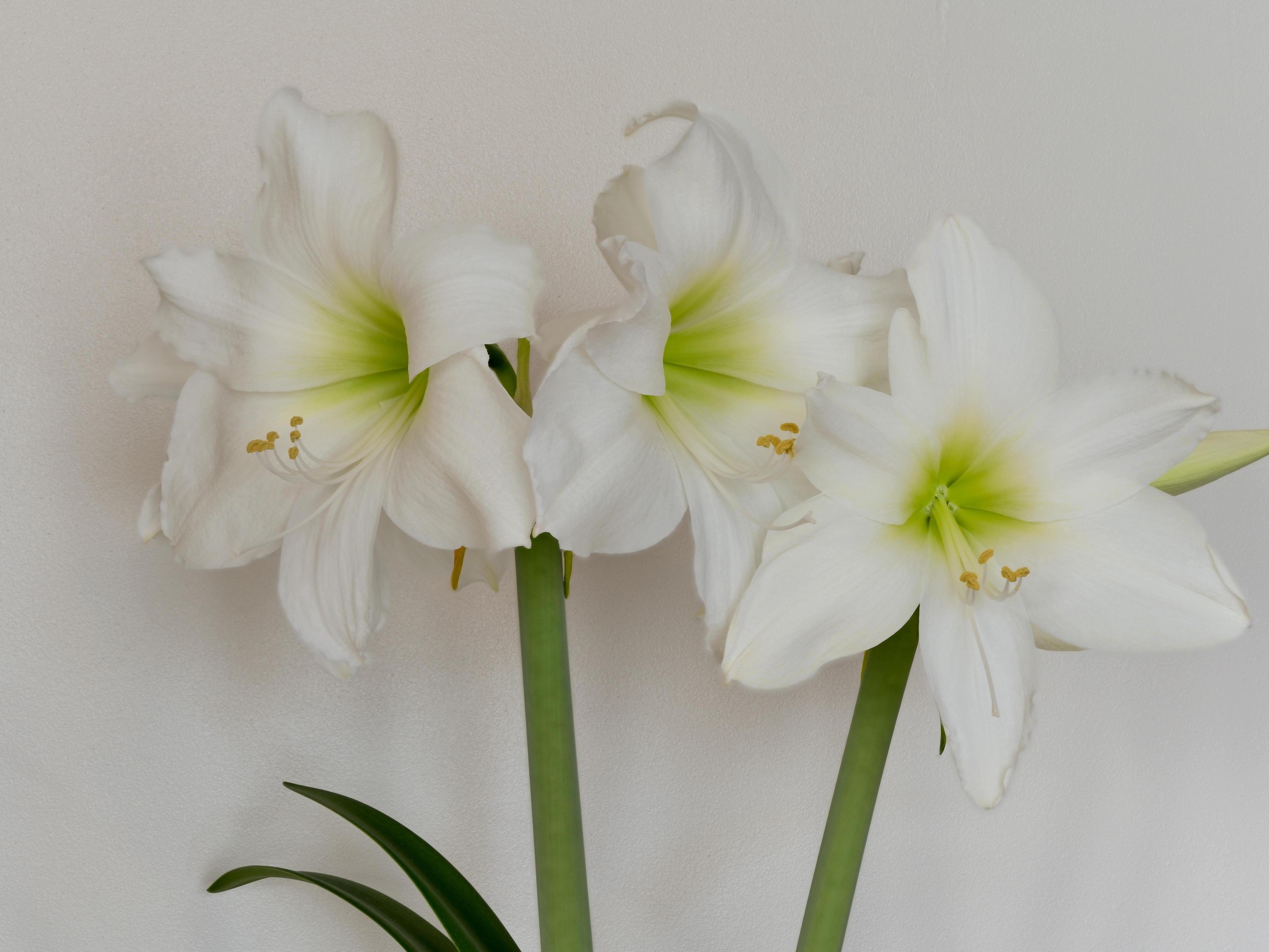
The astrologer named amaryllis and hippeastrum as the top houseplants of 2026. They are often confused, with people assuming they are the same flower, but they are actually different plants.
True amaryllis is a bulbous plant from South Africa, with only one species in its genus: Amaryllis belladonna, or belladonna lily. Hippeastrum, on the other hand, grows in South and Central America, belongs to the amaryllis family, and includes about 90 species. These are the ones most often grown by gardeners and dacha owners.
“The flowers have a tall, thick stem that symbolizes unbending will and upward aspiration. The huge, bright trumpet-shaped flowers look like bursts of flame,” described Anastasia Pershina.
Under indoor conditions, hippeastrums bloom in February–March. It is worth remembering that both amaryllis and hippeastrum are poisonous flowers.
“All parts contain the alkaloid lycorine, which, if ingested, can cause poisoning of varying severity. The plant can trigger allergies and cause unpleasant symptoms: inflammation of mucous membranes, skin irritation and redness, and itching,” warned Rosselkhoztsentr (Russian Agricultural Center).
When working with the flower, gloves must be used. Growing bulbous plants at home is quite simple: you need a deep pot, drainage at the bottom, and loose soil. Water as the soil dries.
Stable Ficus and Flexible Dracaena
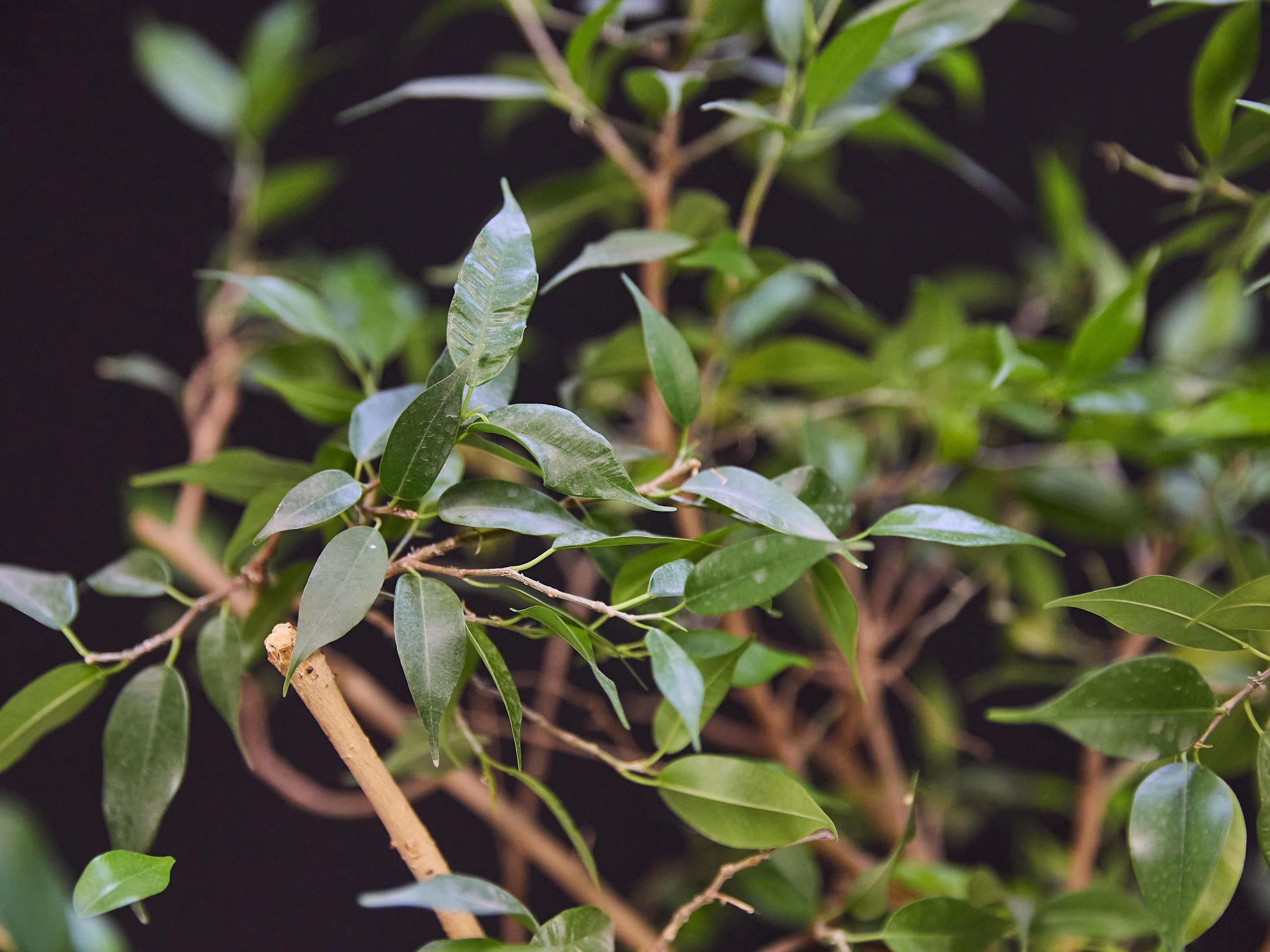
Two low-maintenance plants will surely please the symbol of 2026: ficus and dracaena. They look good in interiors and do not require much time for care.
“Ficus symbolizes stability, reliability, and inner core, helping to maintain balance between activity and stability. Dracaena is a symbol of rapid growth and flexibility. It fits perfectly into any interior, suits the energy of the year, and is associated with moving forward,” the astrologer assured.
When caring for a ficus, it is important not to move the plant and to choose a spot for it right away. If the pot needs to be moved, all actions should be spoken aloud.
“It does not like moving from place to place; it starts growing poorly because of that. The ficus loves sun but can also grow in partial shade. The brightness of the foliage will depend on the lighting,” explained Tatyana Chernova, a practicing landscape designer.
Citrus and Ferns
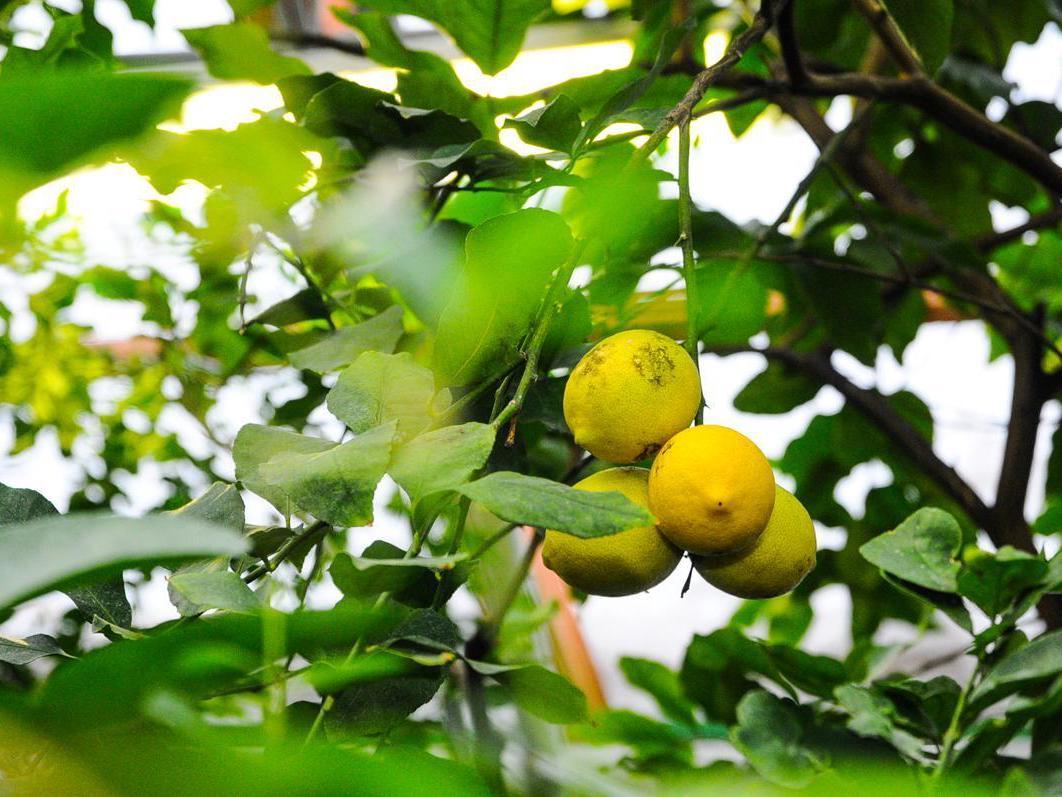
Among exotic plants, it is worth paying attention to citrus and ferns — they look impressive and are not too demanding in care. The most important condition for keeping them: regular watering and maintaining optimal humidity.
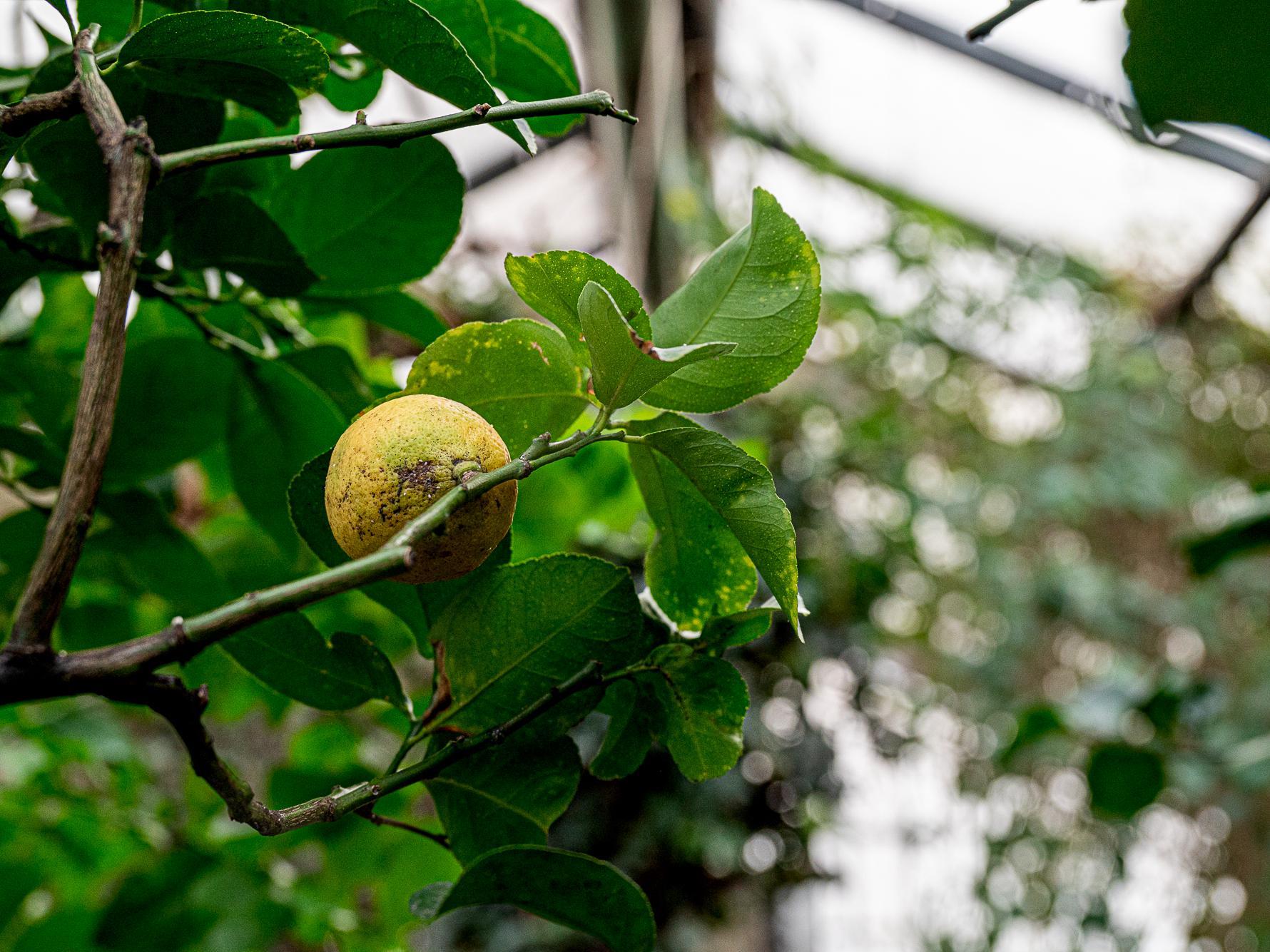
“Citrus plants (lemon, dwarf tangerine) have bright fruits that resemble the sun, energize and bring joy. Ferns and chlorophytum symbolize freedom and effortless movement. These plants will give a feeling of lightness and connection with nature, helping to maintain contact with oneself,” noted Anastasia Pershina.
Citrus plants need to be watered abundantly with settled water at room temperature and regularly misted.
“The soil should be non-acidic and loose so that citrus plants grow and develop well. After the first fruits appear, replant no more than once every three to four years,” emphasized Tatyana Chernova.
Indoor ferns also require high humidity and do not tolerate direct sunlight. In their case, the soil must not be allowed to dry out, and to maintain humidity above 50%, the fern must be misted daily, otherwise the leaves will start to dry out.
Interesting Facts About Houseplants
Which houseplants are best to get for luck and well-being: a list for each zodiac sign.
“Arsenic in the leaves”: how to care for a money tree at home and how it can be harmful.
Philodendron care at home — it can help relieve stress.