Chief Physician Explains New Cancer Appointment Deadlines
Starting January 1, 2026, new rules require an oncologist appointment within three business days for suspected cancer, while diagnostics and treatment have seven-day deadlines.
Apr 27, 2026 0
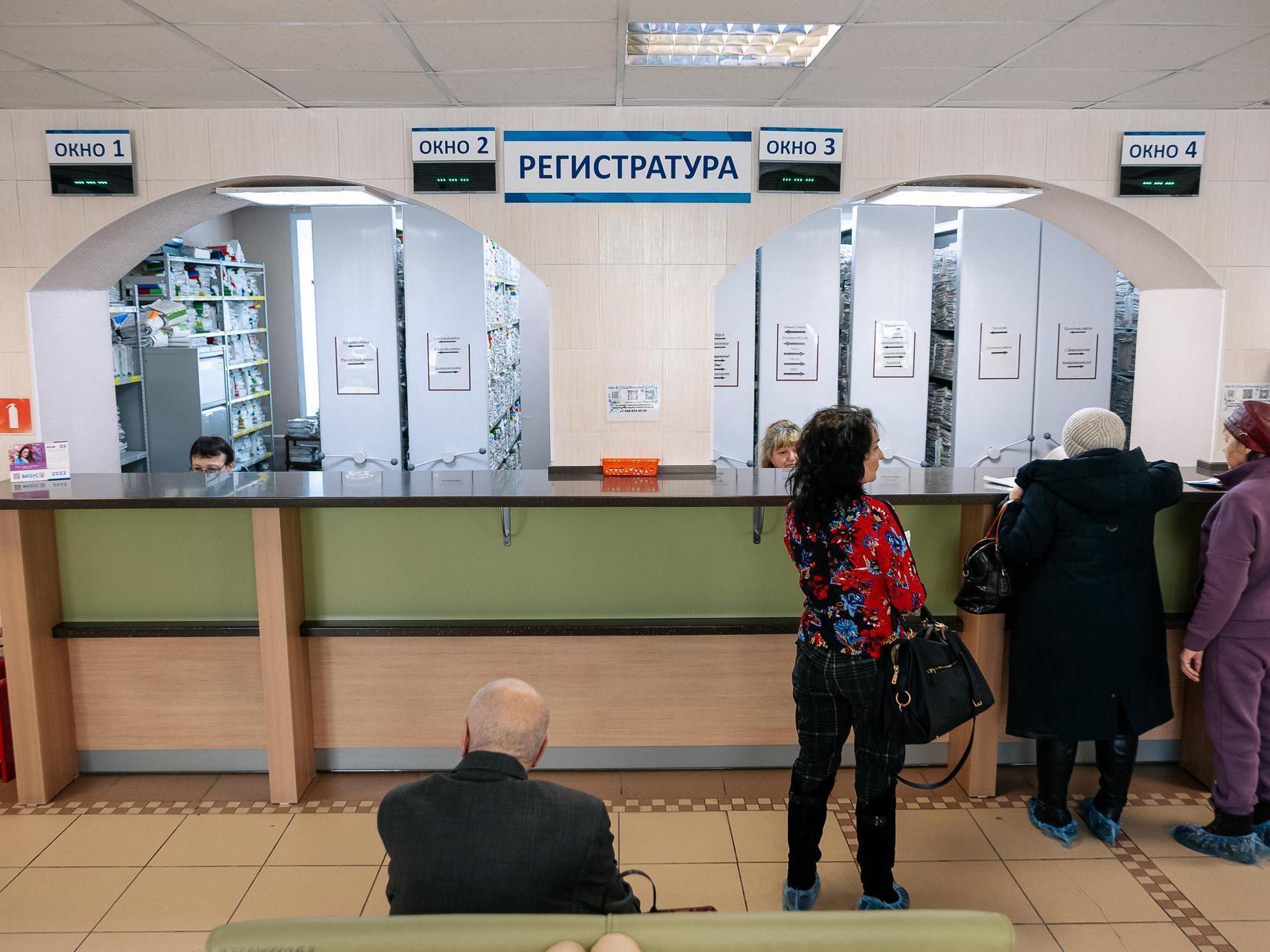

The chief physician of the oncology dispensary explained the algorithm for doctors when cancer is suspected and the statutory deadlines.
Source:
In Russia, updated rules will take effect on January 1, 2026, requiring an oncologist to see a patient within three business days if cancer is suspected. However, as Yevgeny Kiselyov, chief physician of the Sverdlovsk Regional Oncology Dispensary, noted, similar standards have been in place since 2022.
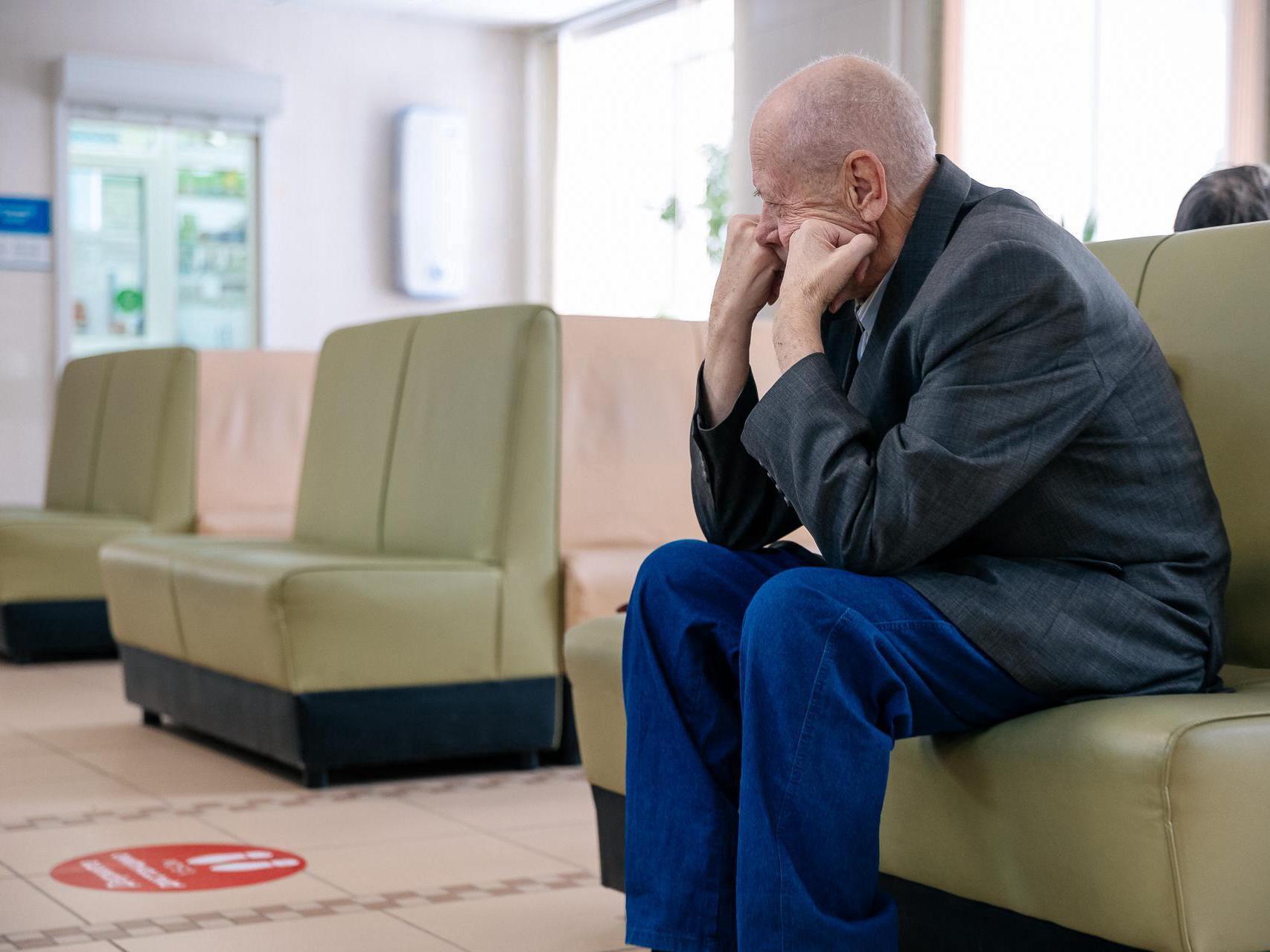
For suspected cancer, an oncologist appointment must occur within three days, and diagnosis within seven business days.
Source:
At a press conference at TASS-Ural, journalists asked how the region would comply with these deadlines given that appointments with a general practitioner (GP) often take weeks. Without a GP referral, one cannot see an oncologist, and treatment requires test results and examinations, which also have queues.
Kiselyov clarified that the three-day requirement for an initial oncologist appointment is not new. Under the state guarantees program, adopted annually, the following timeframes have been in effect since 2022:
- No more than three business days for an oncologist appointment when cancer is suspected;
- Seven business days to perform all necessary examinations from the moment they are prescribed;
- Seven business days until treatment begins after diagnosis is established.
“The coverage of oncologists in residential areas is about 70%, so there is no major problem getting to a district oncologist. The whole issue is when the doctor suspects a malignant disease and how quickly the GP can refer the patient to an oncologist after further examination. The emphasis should be on screening methods—they speed up all these procedures,” the chief physician said.
For example, if a fecal occult blood test is positive, the patient is referred for a colonoscopy within two weeks. If signs of cancer are found, subsequent steps are strictly regulated by time.
When signs of cancer are detected in a patient«s tests, they are referred to one of 19 centers of ambulatory oncological care in Sverdlovsk Oblast for advanced diagnostics.
“There, patients undergo virtually all available diagnostic methods—endoscopy, biopsy, CT, MRI, almost everything except rare tests such as fibrobronchoscopy and positron emission tomography. The examination should take seven business days, after which the documents are sent to the oncology dispensary, and within two to three days we call the patient for an appointment to determine treatment strategy,” Kiselyov added.
Positron emission tomography (PET) is a high-tech nuclear medicine method for imaging functional and metabolic processes in tissues. Fibrobronchoscopy (FBS) is an endoscopic examination of the trachea and bronchi using a flexible probe with a video camera to diagnose lung diseases.
In situations where a district oncologist is unavailable—for example, on vacation or the position is vacant—the GP or a paramedic can request a telemedicine consultation at the Sverdlovsk Regional Oncology Dispensary. According to Kiselyov, such requests are processed within two days.
For self-assessment of risks, there are special tests developed by medical experts. It is also important to know the symptoms of cancer, such as breast cancer, in order to consult a doctor in time.
Read more