Deputy paratrooper reveals Ryazan VDV cadet customs
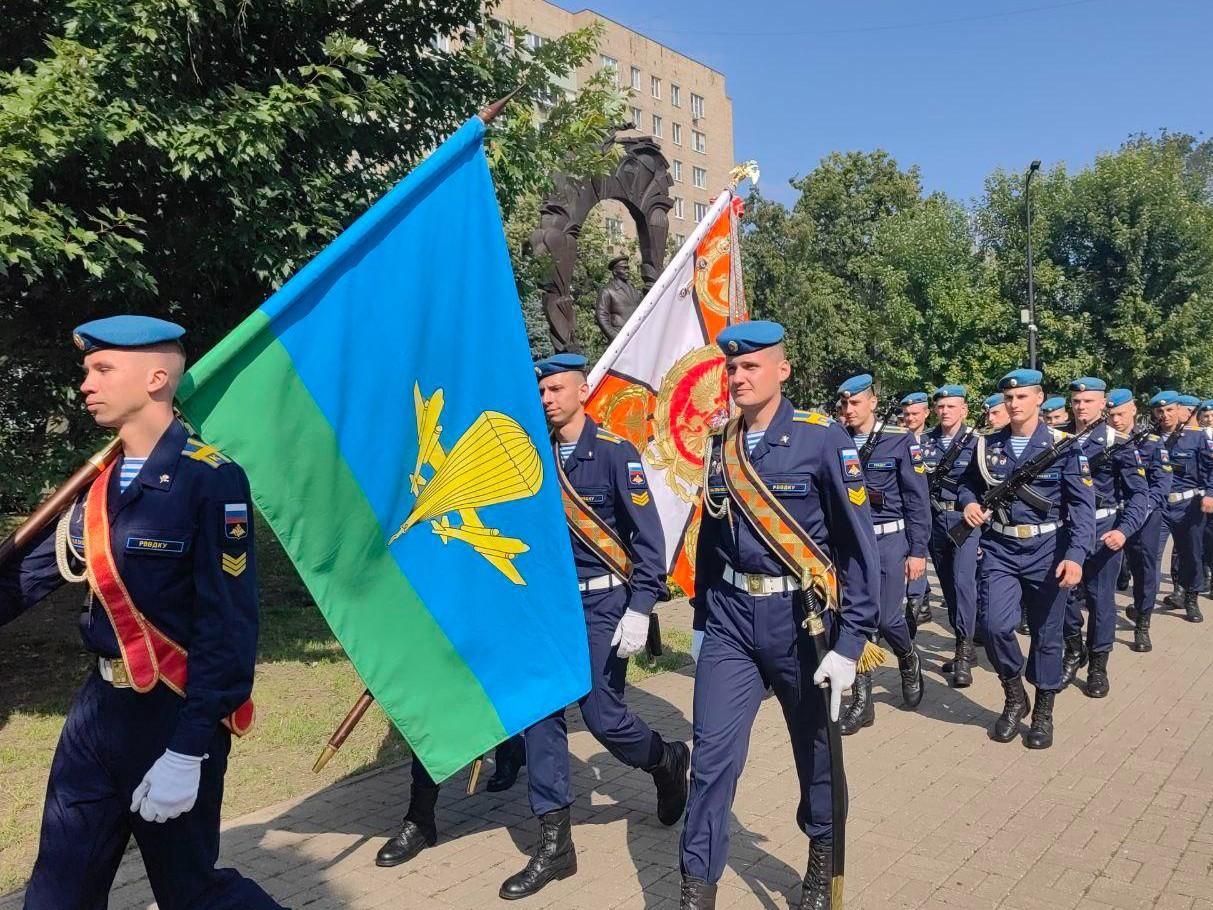

The main tradition of cadets and graduates of the Ryazan Guards Higher Airborne Command School (Ryazan VDV School) is the famous airborne brotherhood and regular reunions. The tradition forms during studies and stays with graduates for life, said Sergey Lukyanov, a deputy of the Ryazan Regional Duma and a 1992 graduate, in an interview with YA62.RU.
“We gather for alumni reunions every five years. Some have five years after graduation, some ten, twenty, thirty, forty. Some are already generals, colonels, majors; each has their own service, and our graduates live all over the country. And at these meetings, we all line up just as before, march, and sing songs. It doesn’t matter which year someone graduated. What unites us? It is, of course, the special spirit of the airborne troops, the element of the sky. We all used to enroll after watching the Soviet film ‘In the Zone of Special Attention’ (a war drama about airborne troops). And after the film was released, there was a queue for admissions. When I applied, there were 29 applicants for one spot. And, of course, the VDV has always been considered the elite,” Lukyanov recalls.
Cadets always have their own songs. Common to all are “Ryazan – Capital of the VDV,” “Red Banner Airborne,” but each course has its own selected compositions. “We, for example, also sing ‘mother-in-law’: ‘Listen, mother-in-law, dear friend, help us.’ And now they even stand in formation on the parade ground and sing Shaman’s song ‘We Will Stand,’” says Sergey Lukyanov.
In the VDV, there are no superstitions or omens, but there is strict discipline. “I have almost 9,000 parachute jumps during my service. But for someone to meditate before a jump, I never noticed anyone doing that. Everyone knows that parachutes must be packed properly. Be confident in your technique. When you are confident in your technique, everything is always fine. Now we read the news about how someone tied their lines together, and we can’t imagine how that is possible; in our time, no one would even think of such a thing. It is a disgrace for the VDV,” says Lukyanov.
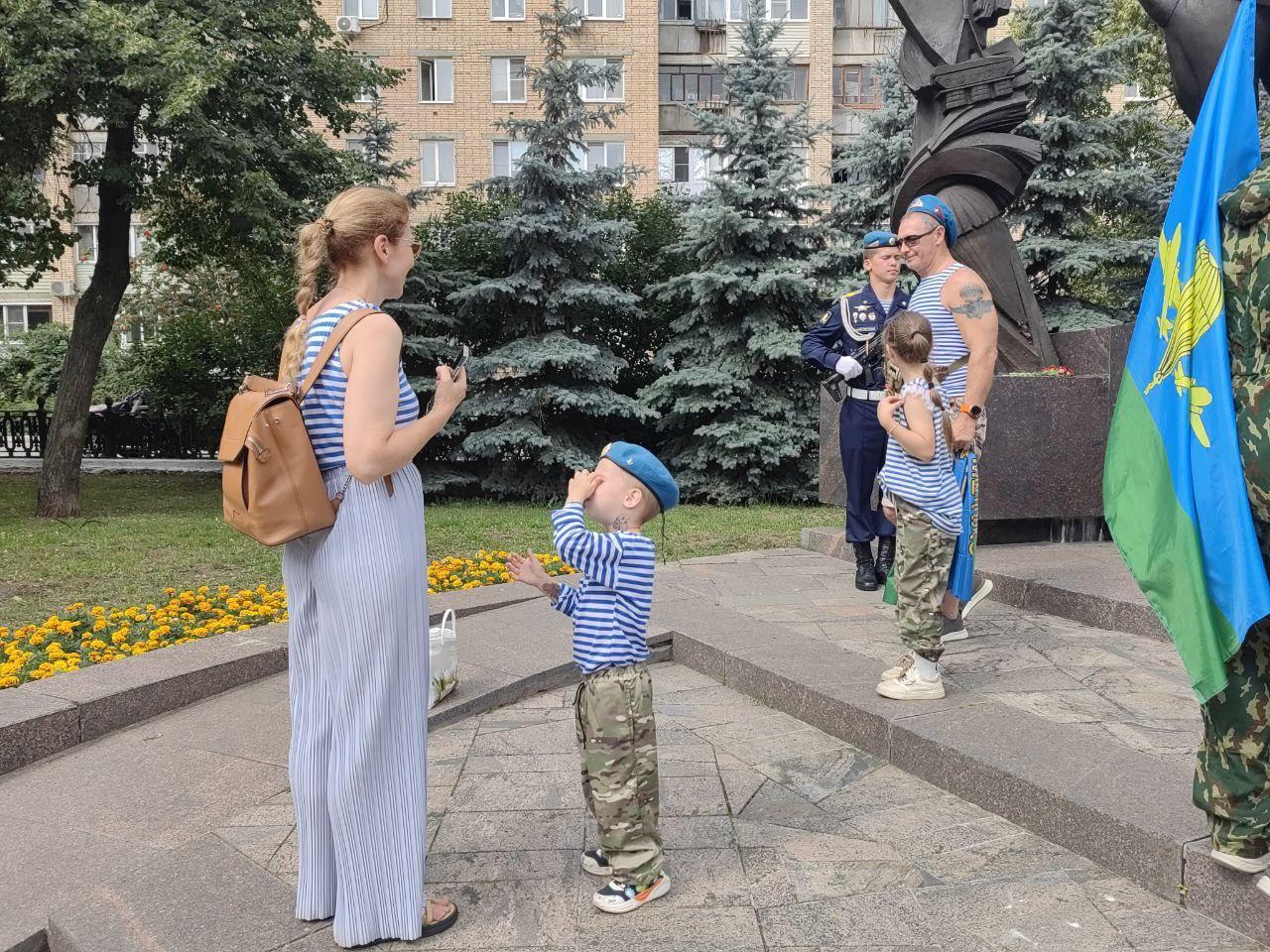
Among the mandatory traditions is celebrating holidays significant to the airborne troops. This is primarily Margelov’s birthday on 27 December, 2 August, and 23 February. On these days, it is customary to commemorate fallen comrades, bring flowers to their graves, and lay flowers at Margelov’s monument.
“And, naturally, on holidays we can sit down for a heartfelt talk. We have a common alumni chat, we communicate daily. Some are from Vladivostok, some from Moscow. And if someone has a sorrow, if someone has been buried, we help. There we also arrange meetings. This year, I had 50 people at my dacha. And we brought our teachers, who are already in their 80s, from the school by car, sang military and airborne songs at the table outside, danced, grilled shashlik. Many came with their families, with wives. At such meetings, we discuss all topics: what is happening in the world, how the modernization of the VDV is going,” says the deputy.
Also, Ryazan cadets held in high esteem the idea of staying to serve in Ryazan; many tried to settle here, put down roots, and marry local girls. “Our Ryazan 137th Regiment was always considered privileged, it was called the ‘mother-in-law’s’ regiment, everyone wanted to stay here,” says Lukyanov.
For more on the traditions of cadets and students of Ryazan universities — in our detailed material.