‘Rich pilot pays for fast’: champion on simulators
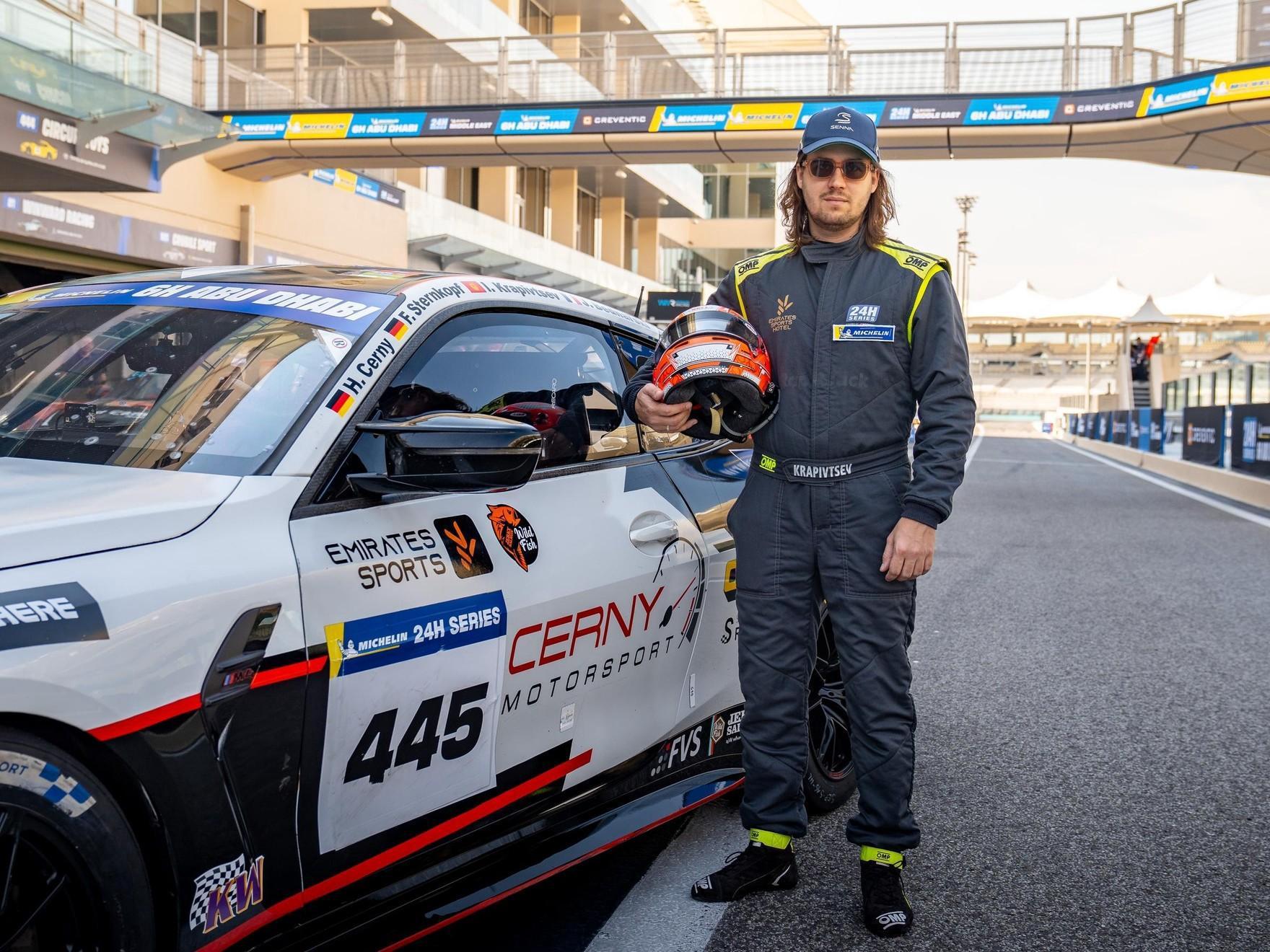

Ivan Krapivtsev won the 24H Series Middle East GT4 championship in January.
27-year-old Novosibirsk native Ivan Krapivtsev recently became world champion in auto racing at the prestigious 24H Series Middle East tournament in the GT4 class, held in the UAE. This is his second title in this iconic motorsport series. Meanwhile, the racer lives in Novosibirsk, where there is no suitable racetrack or appropriate cars. The Siberian trains on racing simulators and gets behind a real steering wheel literally a few days before the race, already at the start location. Ivan Krapivtsev told NGS.RU about how to build a racing career in Siberia, whether one can earn a living from it, and whether this experience helps on Novosibirsk roads.
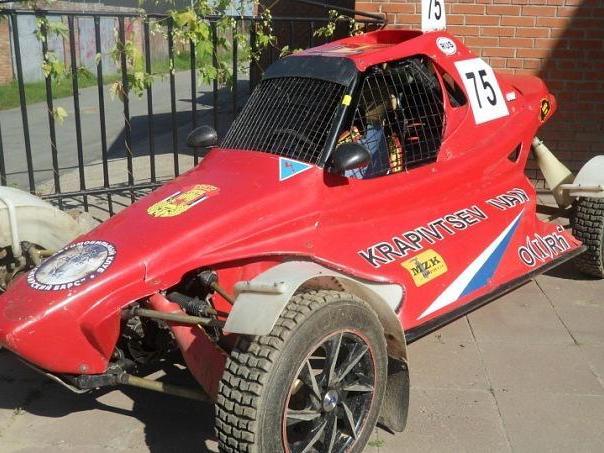
Ivan competed in the Russian Autocross Championship before starting school.
24H Series Middle East is one of the most challenging and spectacular endurance racing series in the world. Its stages take place on modern tracks in the Middle East, such as the Dubai Autodrome. The main feature is a team race where a crew of several drivers take turns behind the wheel of a single car for 24 hours non-stop, day and night. In the GT4 class, production sports cars close to road versions compete. The fight is always very close and equal, where the pilot«s skill plays a decisive role.
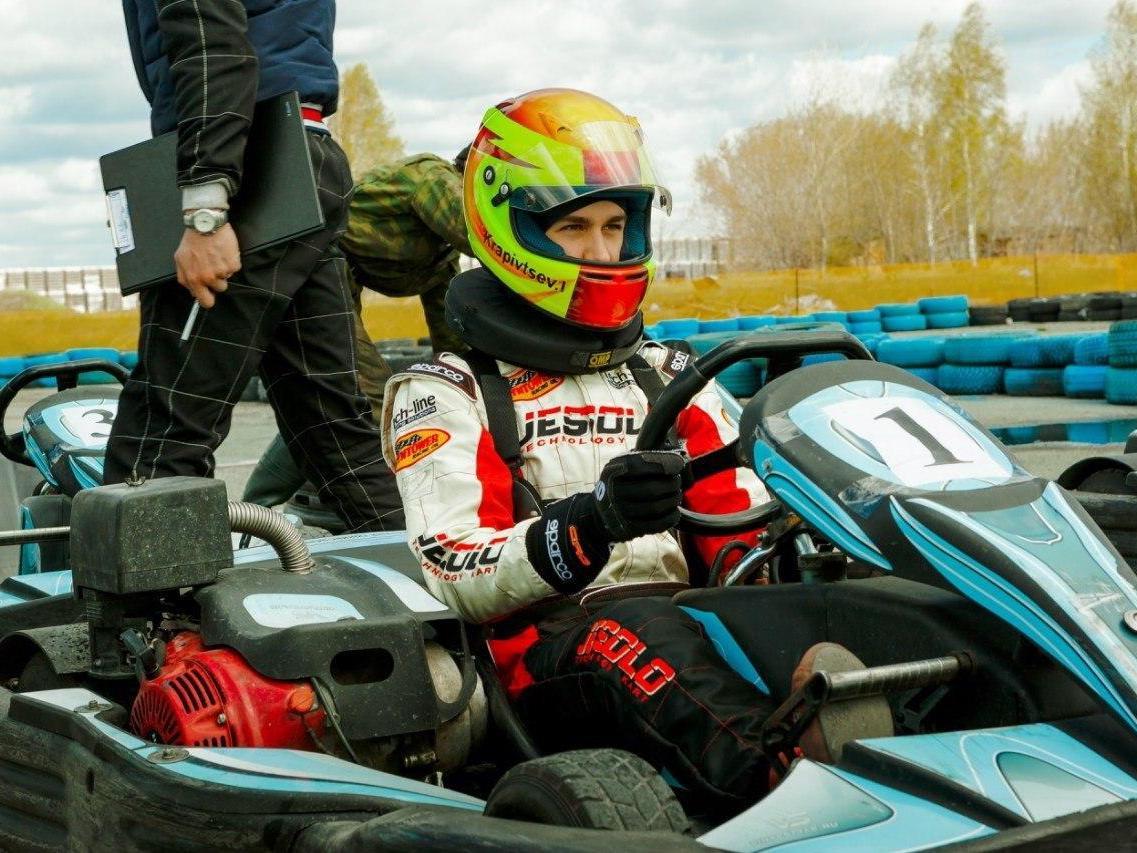
Karting is a serious discipline despite the toy-like appearance of the cars.
Formula of a champion
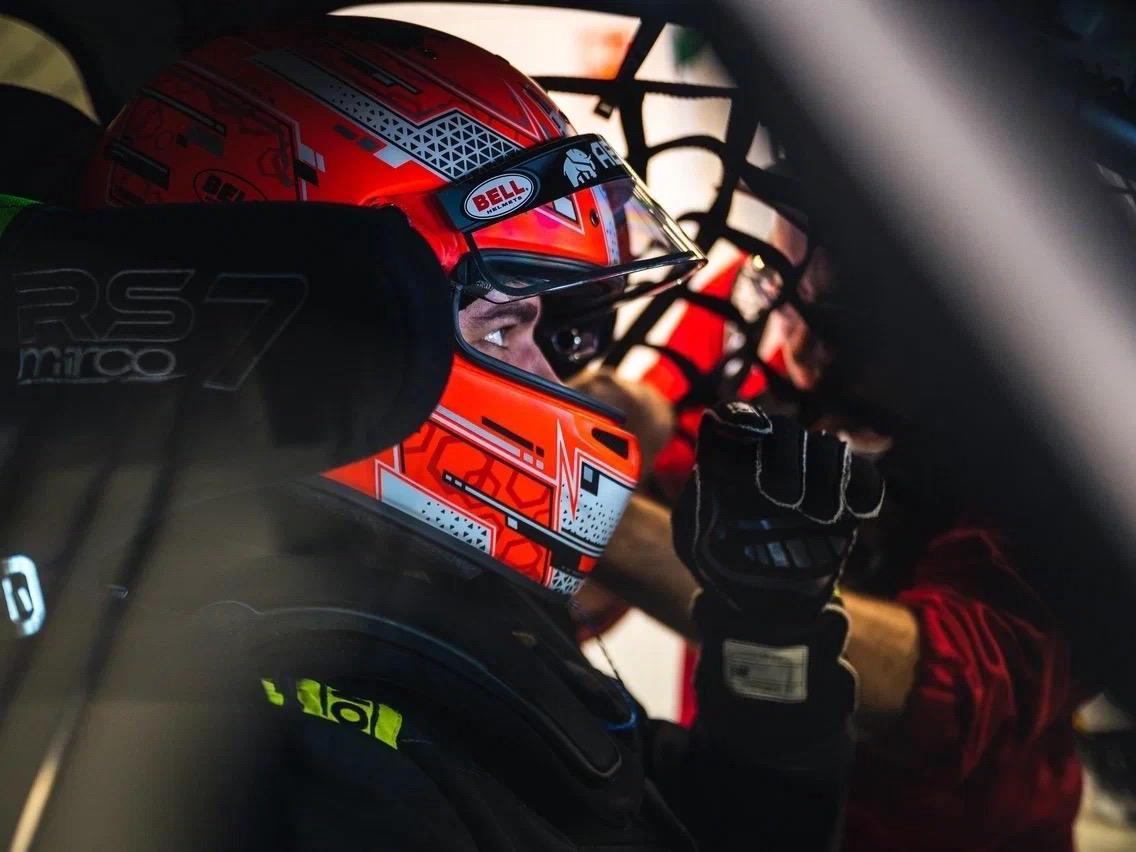
In the 24H Series Middle East GT4 race, Ivan was the team«s favorite and secured victory.
Motorsport is not a Novosibirsk story. Winter drifting maintains some level of popularity, but speed racing is not represented in the region at all. There is no racetrack, no equipment. Boys who dream of racing fast cars can either do autocross in buggies or go karting. But few grow into true professionals whose name later resonates at major international races.
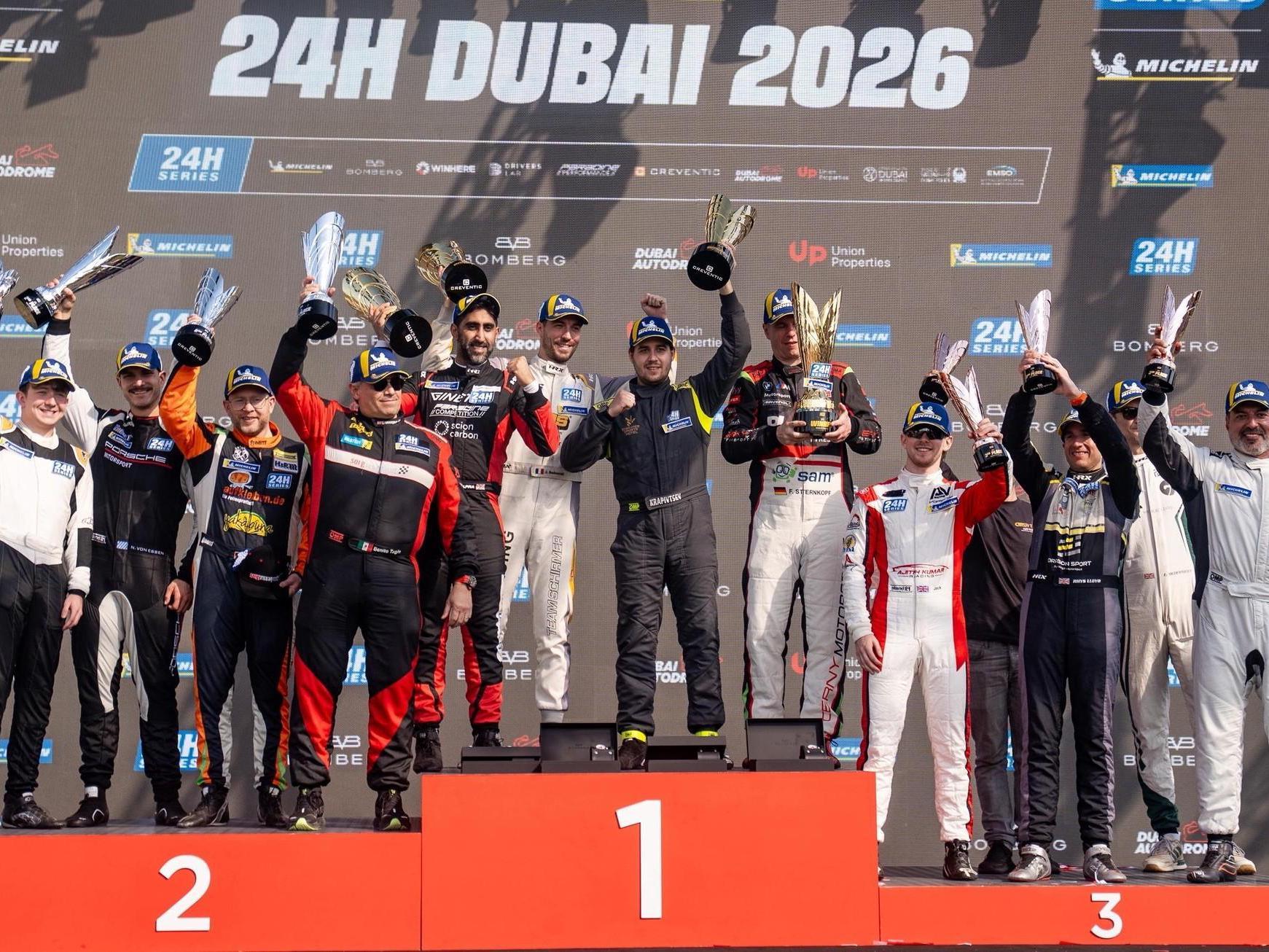
Racers compete for prestige not prize money; only a few earn a living.
Ivan Krapivtsev entered motorsport at the age of six; his parents brought him to the section, and he learned to drive a buggy. Since then, the Siberian has not parted with the steering wheel. He is now 27, and in January he became a two-time champion of the 24H Series Middle East in the GT4 class; Ivan won his first title in 2024.
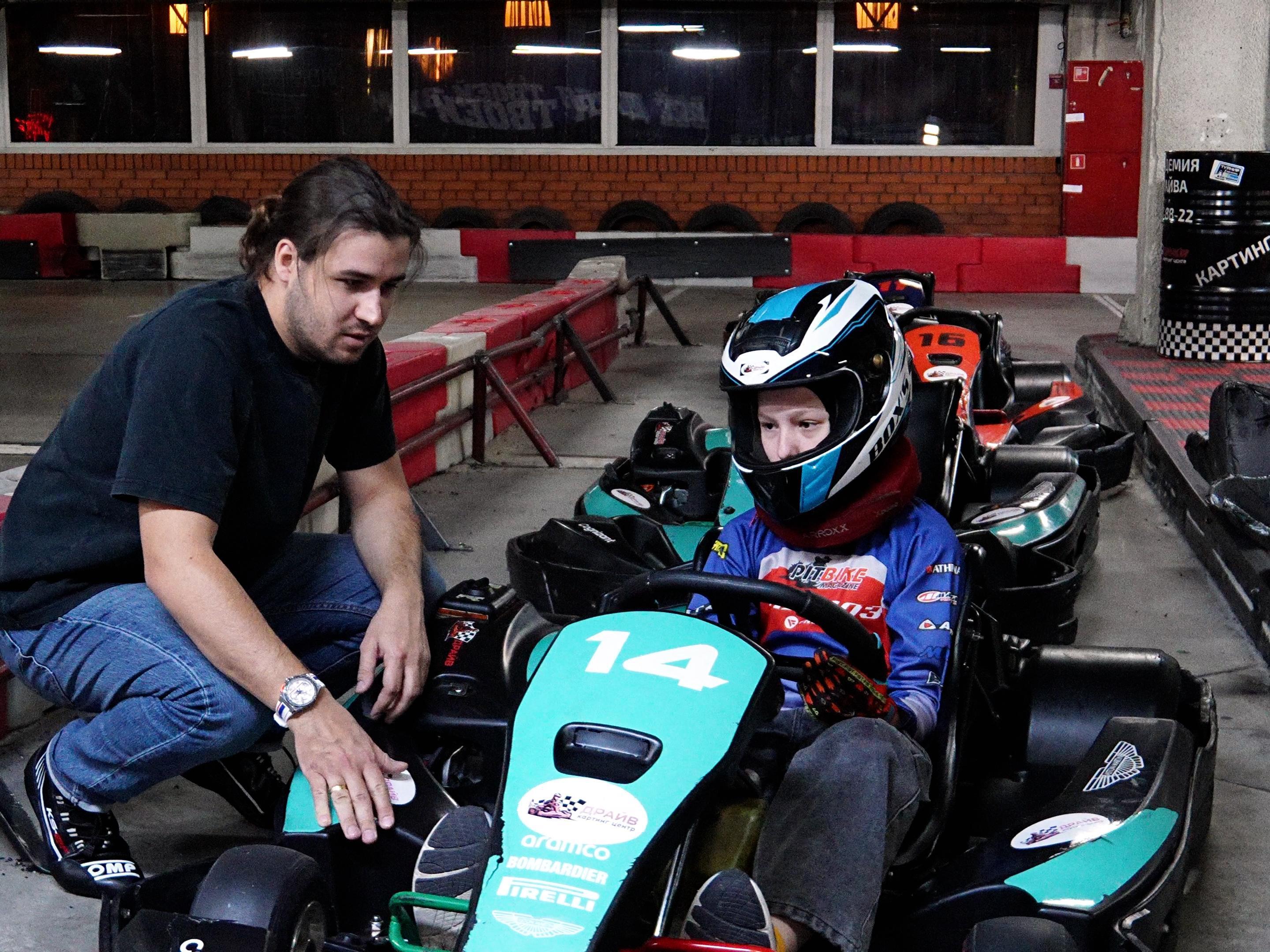
In Novosibirsk, Ivan Krapivtsev holds master classes for boys dreaming of becoming racers.
Ivan reached this level after a long journey that required not only constant training but also serious investments.
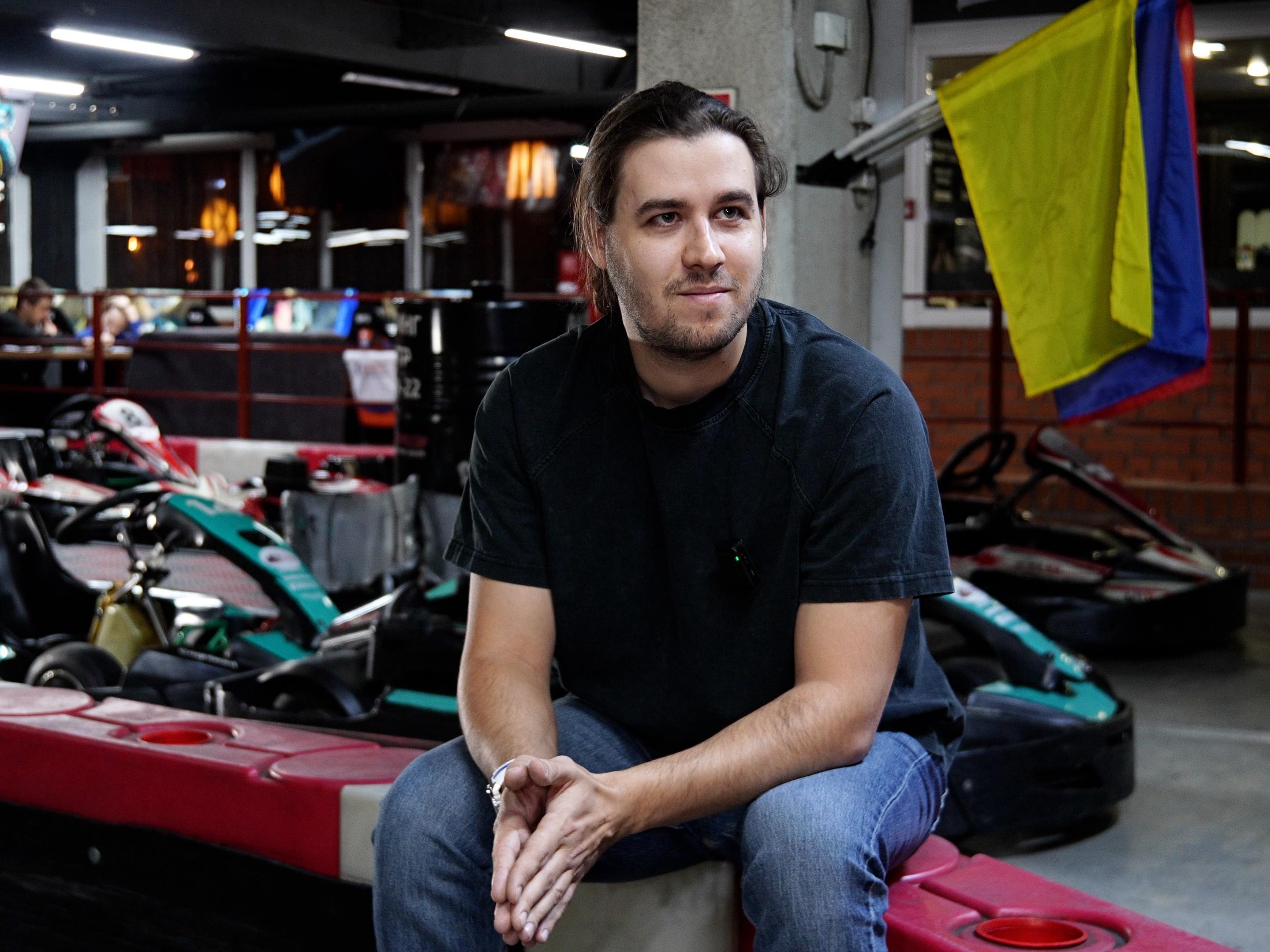
A racer«s experience, including traffic awareness, is useful on Novosibirsk roads.
«At the age of six, I was taken to a mini-buggy section; it was winter. Already that summer we went to the Russian Autocross Championship. And until about age nine, I competed there every year, was a prize-winner of the Russian Championship several times and won the Russian Cup,» Ivan Krapivtsev said about his start in motorsport.
The Novosibirsk native trains on simulators and wins prestigious international racing tournaments.
«Only a few earn a living»
Over the years, the classes changed: Ivan moved from mini-buggies to karting. Contrary to stereotypes about small cars, karting is a serious adult sport where the pilot«s skill is no less important than in Formula 1, and the risks on the track are no less real than in off-road buggy racing. It was in karting that Ivan broke ribs and a leg.
Over time, growth in motorsport began to require serious investments: the race was for prestige, not prize bonuses. While a student at Narkhoz (Novosibirsk State University of Economics and Management), Ivan realized that to develop he needed to earn money. At first, family and friends helped, but the guy started looking for sponsors — just like in professional motorsport. Sponsors usually finance the budget, barter, hotels, cars.
«Professionally is when you do only this and earn money. In racing, it«s a complicated story; only a few pilots actually earn, not that many. You spend more,» Ivan admitted. «Closer to 17–18 years old, I started actively looking for sponsors. I began choosing championships that would bring the greatest status in the world of motorsport.»
Today, Ivan Krapivtsev has an impressive list of victories. In addition to the titles already mentioned from the last two races, he is also the Russian Autocross Championship winner, multiple prize-winner of the Russian Karting Championship, prize-winner of the Russian Endurance Challenge, winner of 6H Abu Dhabi and 24H Dubai.
«Entry fee — 40 thousand euros»
The champion«s trophy of the 24H Series Middle East in the GT4 class is the most prestigious trophy. But also the most expensive — literally. The victory brought no prize bonuses, quite the opposite: to be able to compete, one had to pay. Such is the world of auto racing.
«About 40 thousand euros cost to participate in this race. Part was sponsor money, but most of it I had to put in my own funds this time. You can only earn if you raise more sponsor budget than the cost of your participation — then you come out ahead. And for the win we got a cup, a title, and they gave us watches for each race,» the Novosibirsk native revealed the tournament«s economics.
Entry fees provide the athlete with a technical team, car, and equipment. All this is an expensive pleasure, but if a pilot has an impressive track record, titles and status, he can participate on more flexible terms. After all, he brings the team more chances of victory.
«The team understands that they have a minimum budget they must raise. But at the same time, they want to both raise money and win the race. Accordingly, they look for pilots,» Ivan explained. «As a champion, I can come to a team and say: «Guys, I don»t have the entire amount you«re asking for, but I will help you become champions this year. So find someone slower who will bring the rest of the money for me, and let»s go.« This is absolutely normal practice when a slower but richer pilot covers the budgets for a fast pilot.»
The only way to train
The 24H Series Middle East race took place in January, and Ivan indeed helped the team become champions. The racers drove powerful BMW M4s, pounding the racetrack non-stop for 24 hours. Most of the time, the driving was entrusted to Ivan, as he was the most experienced, offered effective strategic maneuvers, and earned points and seconds for the team. His partners on the track were a German, a Frenchman, and a Briton.
Europeans have the opportunity for full-fledged training on tracks, behind the wheel of cars of the corresponding class. But Siberian Ivan had a different approach to preparation.
«In Novosibirsk, there is a problem with live training in real cars. In Siberia, we have no GT class racing cars at all. They are in Moscow, St. Petersburg, Kazan — where there are racetracks. So the only training base in Novosibirsk is a simulator,» the champion said. «No matter how much it may seem like some toy, something unserious, it«s a thing you train on, and then you get into a real car and you drive exactly as needed right away.»
GT4 is an international class of racing cars in the Grand Touring category. GT4 cars are as close as possible to production sports cars, with limited modifications and a balance of performance (BoP). The class is aimed at private teams and gentleman drivers, but has high status and is featured in leading world championships as a starting step into professional GT racing.
Before the trip to the last tournament, Ivan spent hours on the simulator on the exact track where he later became champion. In simulators, pilots are provided with 100 percent identity of both the car they will compete in and the features of the track, down to bumps. The car«s parameters and behavior are recorded and digitized using special sensors.
«In races we rarely park»
In addition to preparing for races, the Novosibirsk native holds master classes for children: he teaches them the skill of driving a kart, the same one he once trained on. Contrary to expectations, experience driving racing cars did not help Ivan easily get a driver«s license. After all, a race track and a real road are different elements.
«At 16, I went to driving school so that by 18 I would already have a license. Passed theory, the practice area, then I come to take the city driving test — and this story lasted about a year, I took it five times. I failed on all sorts of nonsense, it felt like they were just «failing» me. Mainly problems with parking. In races we rarely park, we mostly drive,» Ivan laughed.
However, a racer«s experience and instincts are sometimes really useful on city roads. The class in which Ivan competes implies precisely dense traffic (hello, rush hour on Novosibirsk roads!). The skill to navigate such a flow, to use mirrors for maximum visibility, to feel distance and speed — all this gives the racer an advantage. Ivan says that, in principle, he always finds solutions for optimal movement through the city. But without recklessness.
The Siberian earns his living by renting out an office space. This is enough to support his family and save for the substantial fees for his expensive hobby.
«I try not to economize on my wife so that there are no questions about the races,» the two-time world champion said with a smile.
A year ago, the Novosibirsk racer had a daughter; he laughs: «I«ll wait for a boy» — to pass on experience.
Although motorsport is not the most popular direction for Siberians, there are people for whom this hobby runs as a leitmotif through their entire lives. For example, in our city lives a local Kulibin (inventor) who built racing cars for his son and now builds unique trikes.