Gold Mining Near Sikhote-Alin Needs Government Help
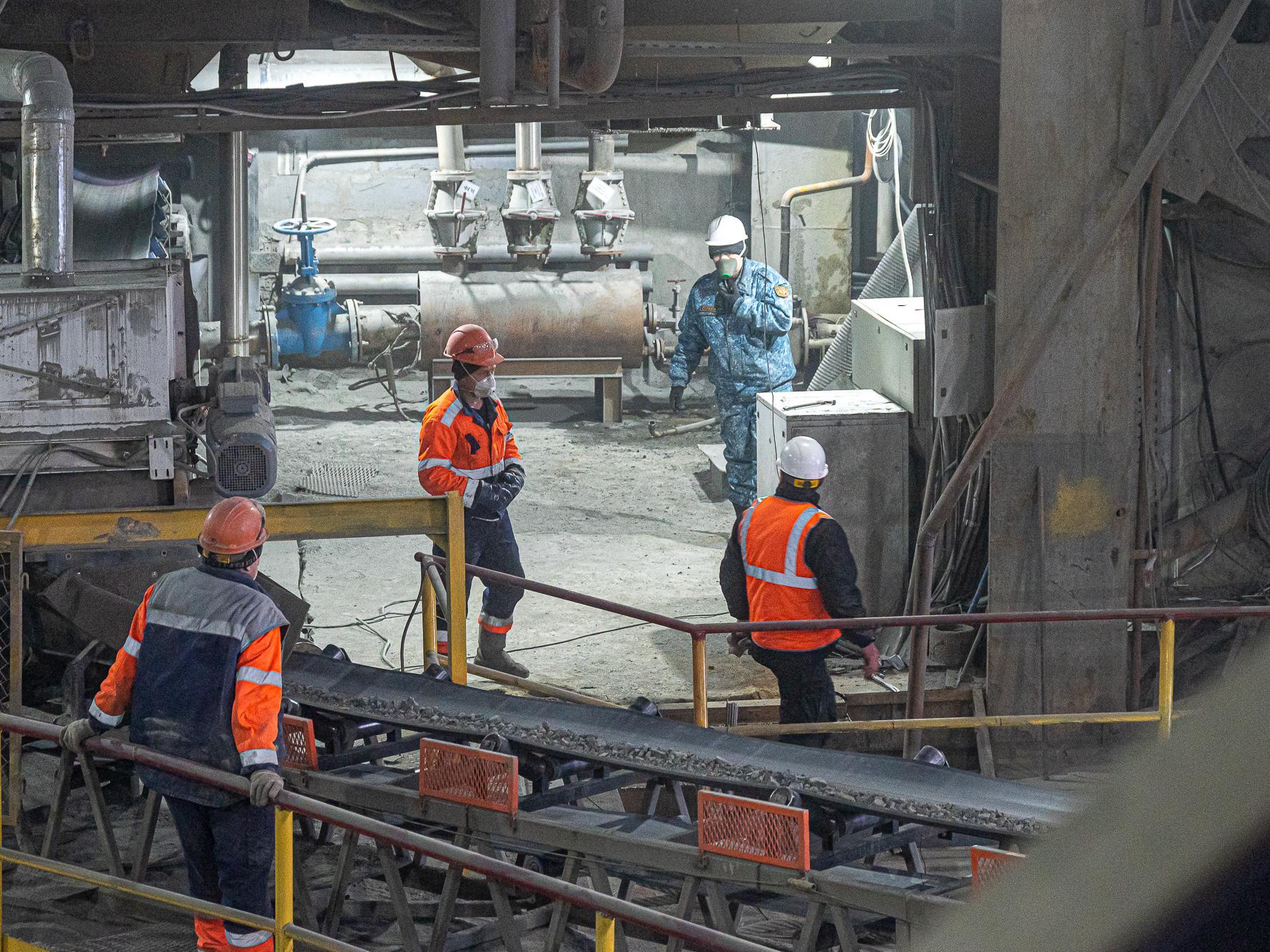

The gold mining project near the Sikhote-Alin Nature Reserve is planned to be implemented by 2030. It includes seven stages, for which the reserve«s boundaries will have to be moved and changes made to the Regulations on the Protected Zone, according to project materials from LLC ZRK Glukhoye.
LLC ZRK Glukhoye has existed since 2021 and is based in Yekaterinburg. The company«s general director is Sergei Semin. The ultimate owner is Irina Savelyeva, who owns several enterprises in Sverdlovsk Oblast. In 2024, the organization incurred losses of 455,000 rubles (about $5,100 at current rates).
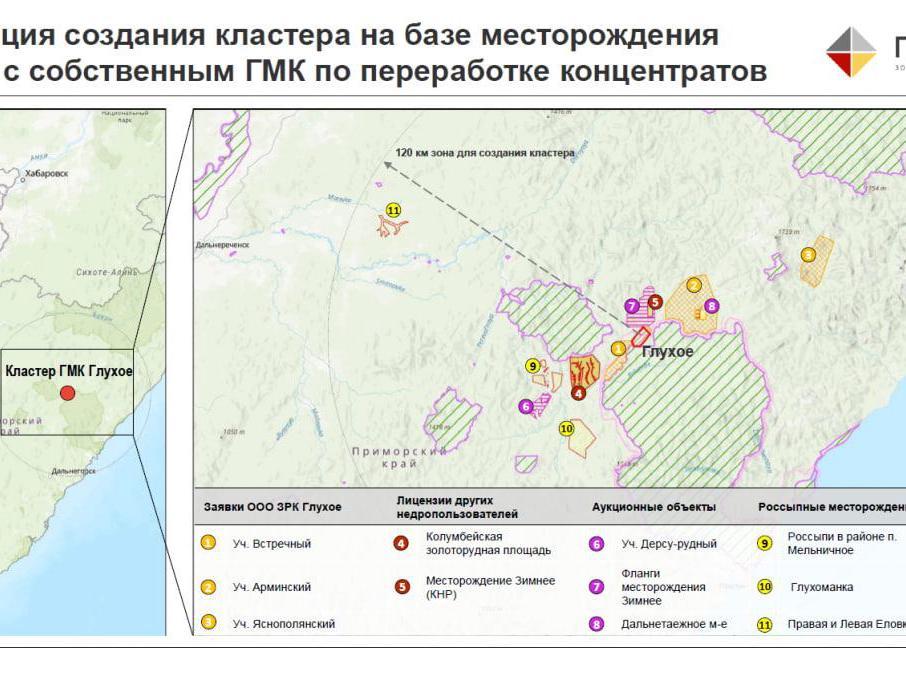
Currently, the company is moving its legal address from Yekaterinburg to Vladivostok; project participants will work either in Vladivostok or in the Krasnoarmeysky Municipal District. Initially, in 2022, a geological exploration license was obtained by Vostok Invest, which in 2024 was acquired by LLC UVM Recycling (now UVM Invest). As a result, Vostok Invest was renamed LLC ZRK Glukhoye.
The reserve itself noted that this would greatly affect the entire ecosystem, including the loss of habitat for rare animals and disruption of natural animal movement routes. Especially for those that need continuous migration routes formed over generations of the species.
According to the materials published on a special page on the reserve«s website, work is being carried out at the Glukhoye deposit; geological exploration is currently underway and at this stage is legal.
«The current geological exploration work has minimal impact on the environment, as the company uses existing forest infrastructure left by previous subsoil users. Subsequent work on the deposit will also be carried out in strict accordance with current environmental legislation,» said Deputy CEO Igor Svistunov, as cited in an RBC report.
The project includes:
construction of a mining and processing complex with a gold recovery plant;
creation of production and energy infrastructure (power lines up to 100 km long, substations);
construction and reconstruction of access roads;
formation of a gold ore cluster using shared infrastructure;
creation of about 600 jobs;
capital investment volume of approximately 46–48 billion rubles (about $511–$533 million at current rates);
projected tax revenues to budgets at all levels of up to 80 billion rubles (about $889 million at current rates) over the entire project implementation period.
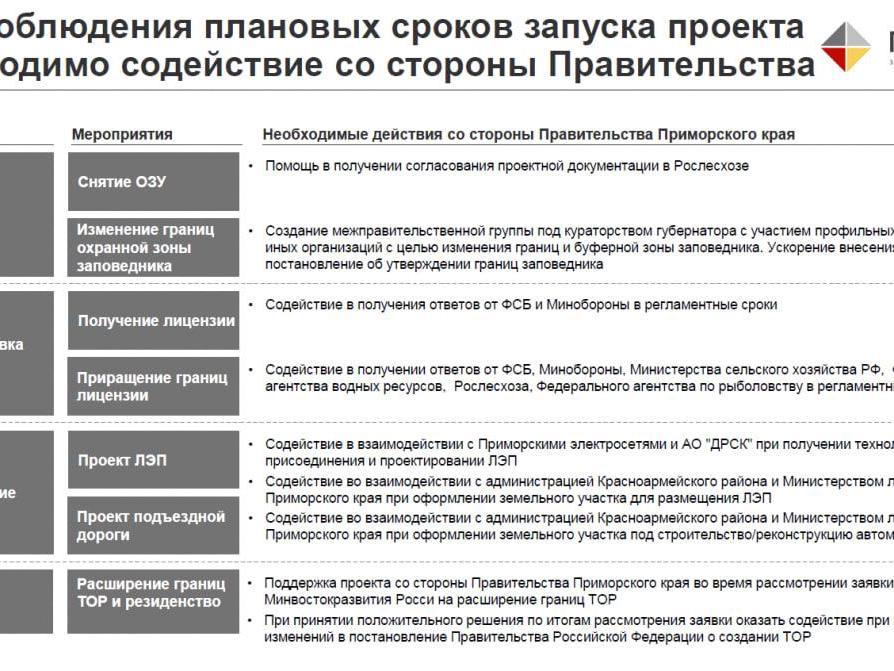
The first gold production, according to the project roadmap, is planned for Q2 2030. Capital expenditures are preliminarily estimated at 46 billion rubles (about $511 million), while tax revenues are twice as high at 80 billion rubles (about $889 million). The project needs the assistance of the Primorye government, for example, help in obtaining approval of project documentation from the regional Rosselkhoz, the Ministry of Defense, coordination of the project with DRSK (Far Eastern Distribution Grid Company) networks, and even with the Ministry for the Development of the Russian Far East (Minvostokrazvitiya) to expand the boundaries of the TOR (Territory of Advanced Development).
The area for creating such a cluster extends approximately 120 kilometers into the reserve zone.
«Until now, the work has been carried out within the framework of current legislation. However, the project for its further development causes us serious concern,» clarified reserve director Svetlana Suturina.
She emphasized that for further work on the project, changes to the boundaries of the protected zone and permission for types of activities previously prohibited by the special protection regime are being considered. Specialists are also concerned that the work will affect the upper reaches of the Kolumbe River tributaries, one of the key water arteries of the reserve.
Experts believe that construction could harm Amur tigers and other large animals that live in a special migration corridor.
The Sikhote-Alin Nature Reserve is an important part of the UNESCO World Heritage site located in Primorsky Krai. It is the only natural UNESCO site in the region.
Suturina says that all proposals should be discussed with independent experts who will provide an objective assessment. Sergei Aramilev, director of the Amur Tiger Center, also doubts this decision. He says that gold mining often pollutes rivers, degrades the environment, and harms the health of local residents.
Aramilev believes that when making a decision, the interests of people living downstream of the rivers should be taken into account. Rivers are important for fishing, including sport fishing, and forests are a habitat for rare animals.