After Putin Tasted Pies, Bakery Faces Tax Spike
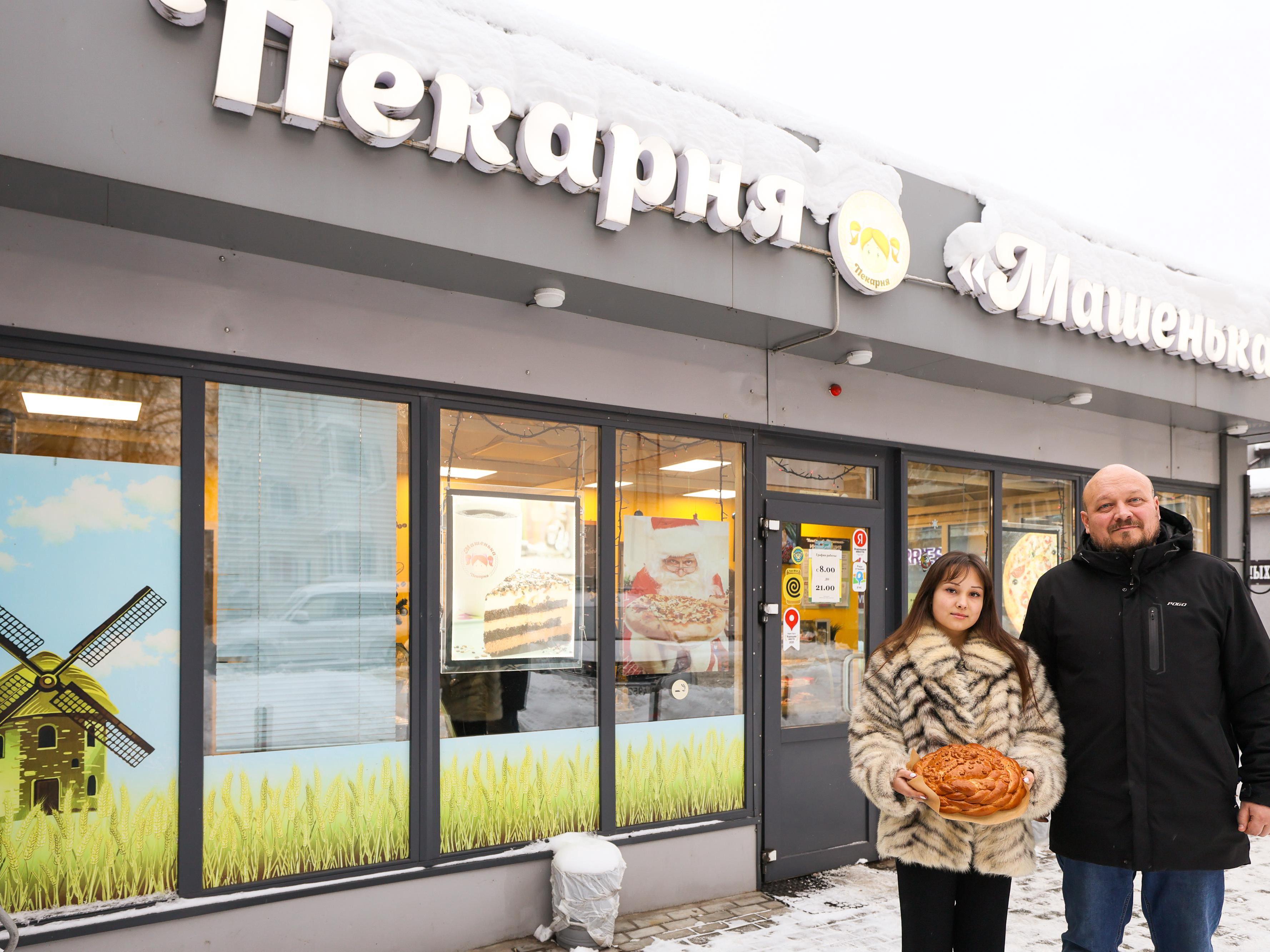

A month after the direct line, the bakery owner says the tax increase threatens his business’s survival.
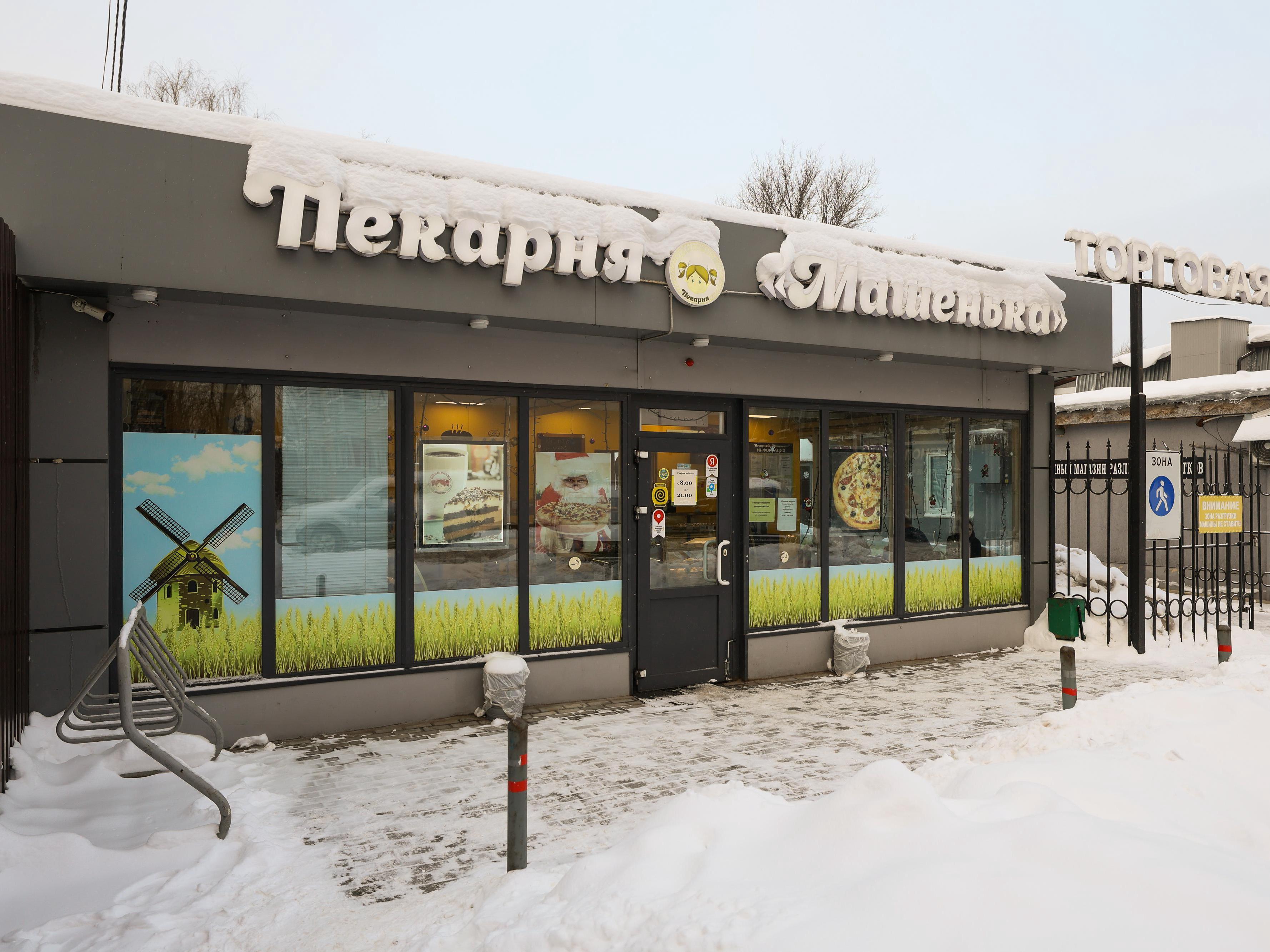
A month and a half ago, all of Russia saw the president ask for pies from the owner of a modest Moscow-region bakery, Maschenka, in the settlement of Kráskovo (Lyubertsy district, Moscow Oblast). Speaking on behalf of all small businesses, entrepreneur Denis Maksimov asked a question about tax increases. After the president’s attention, the governor of the Moscow region and the head of Lyubertsy visited Maschenka.
Denis Maksimov received a return gift from President Putin: a basket with wine, jam, honey, and an icon.
It seemed Denis Maksimov had received a “ golden ticket” — the highest attention and patronage. Journalists from MSK1.RU visited the settlement to find out what that attention actually changed. Did the businessman receive real help or did he become merely the hero of a glitzy PR stunt, while the tax screws are tightened on all small businesses?
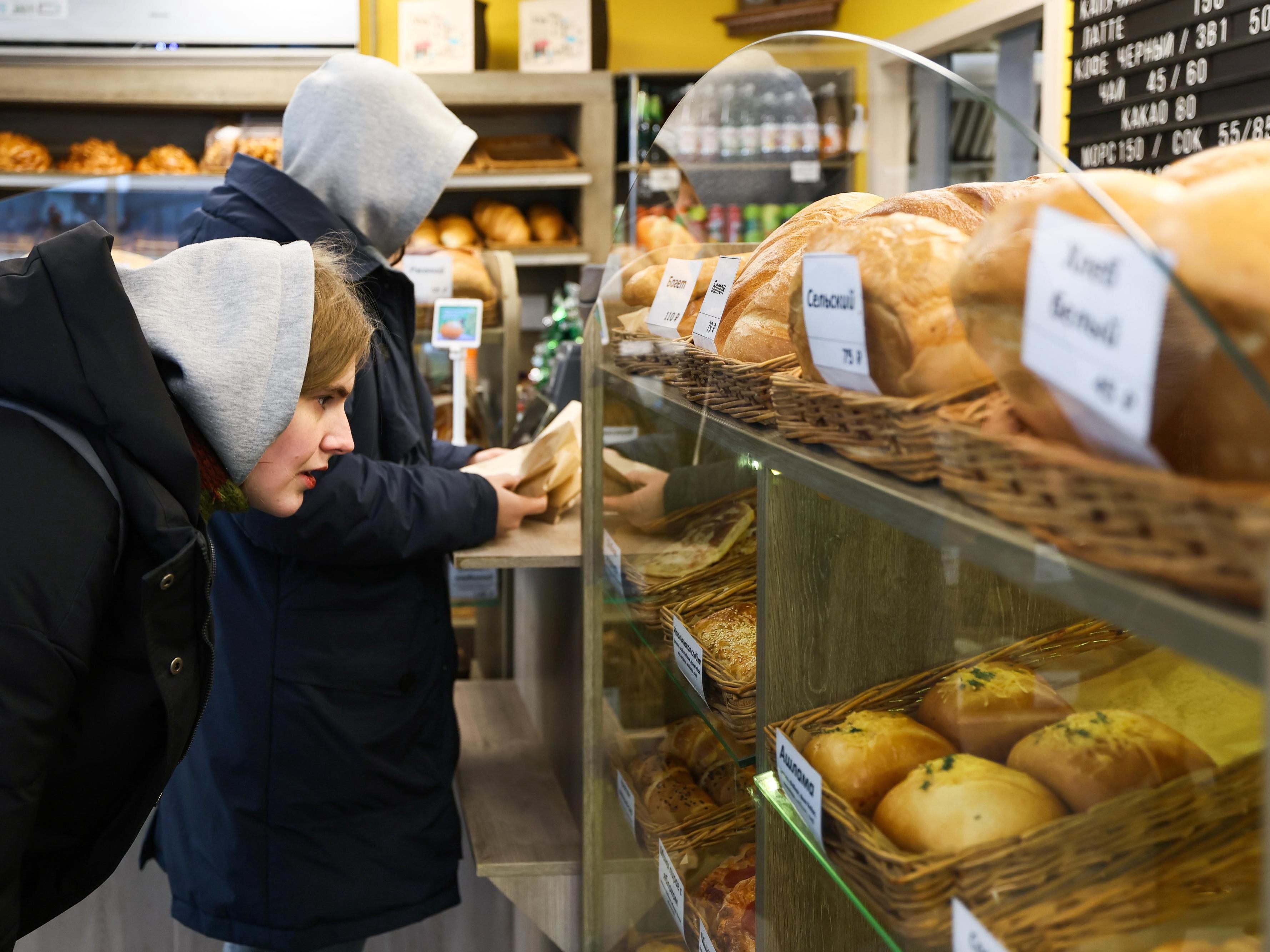
The bakery offers a wide range of baked goods, from pies to cinnamon rolls.
“ 99% of people asked what pies we sent to the president”
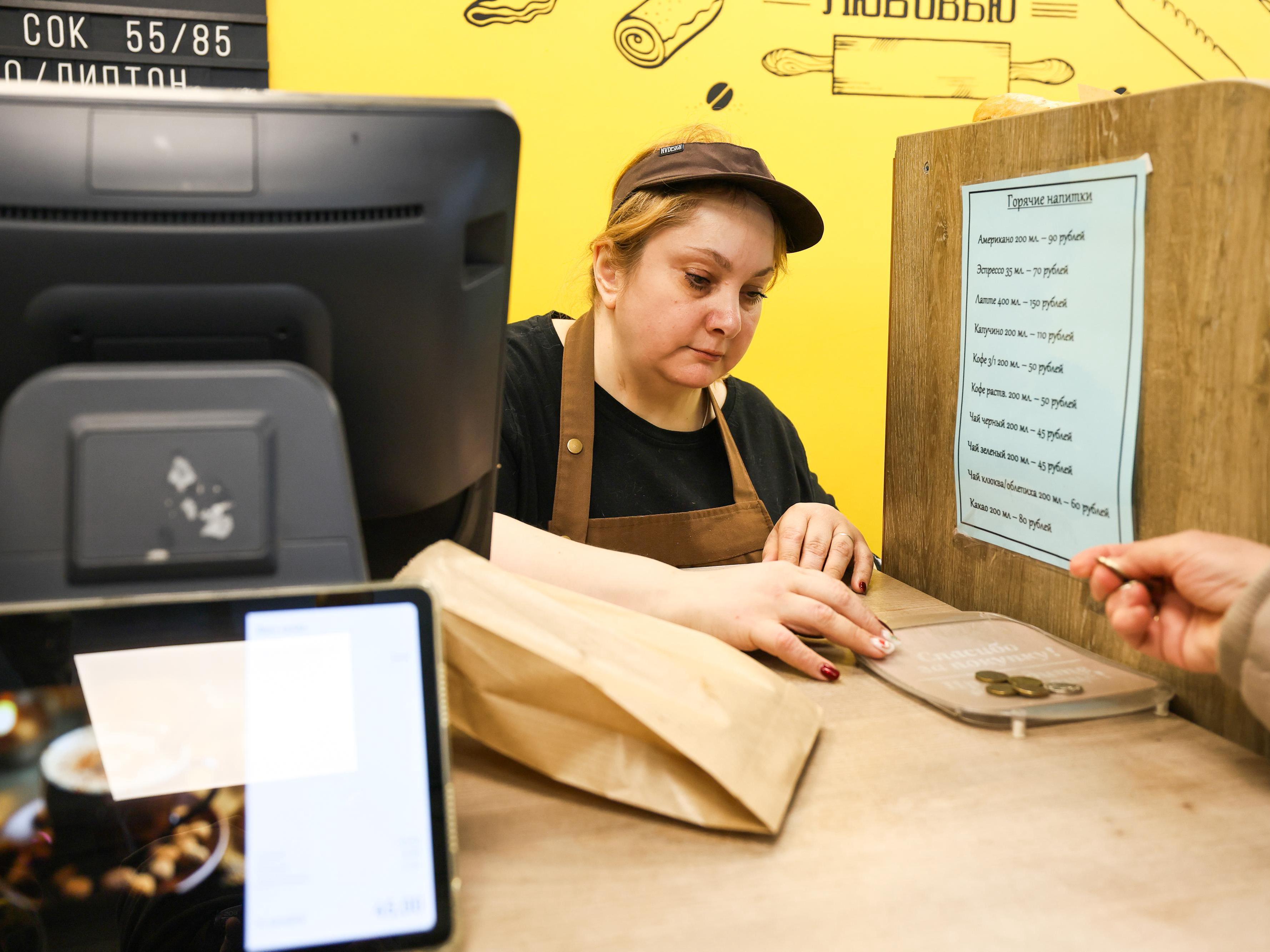
Despite a slight revenue boost, the entrepreneur fears the tax hike will close the bakery.
After the “ presidential” advertisement — which many compared to the story of Vyatsky Kvas (a famous kvass brand) — chaos erupted. On the day of the broadcast, the shelves were completely cleared, delivery orders had to be frozen, and a wave of calls hit Denis’s phone. As he jokes, he answered the first 300 calls but didn’t get to the next 500.
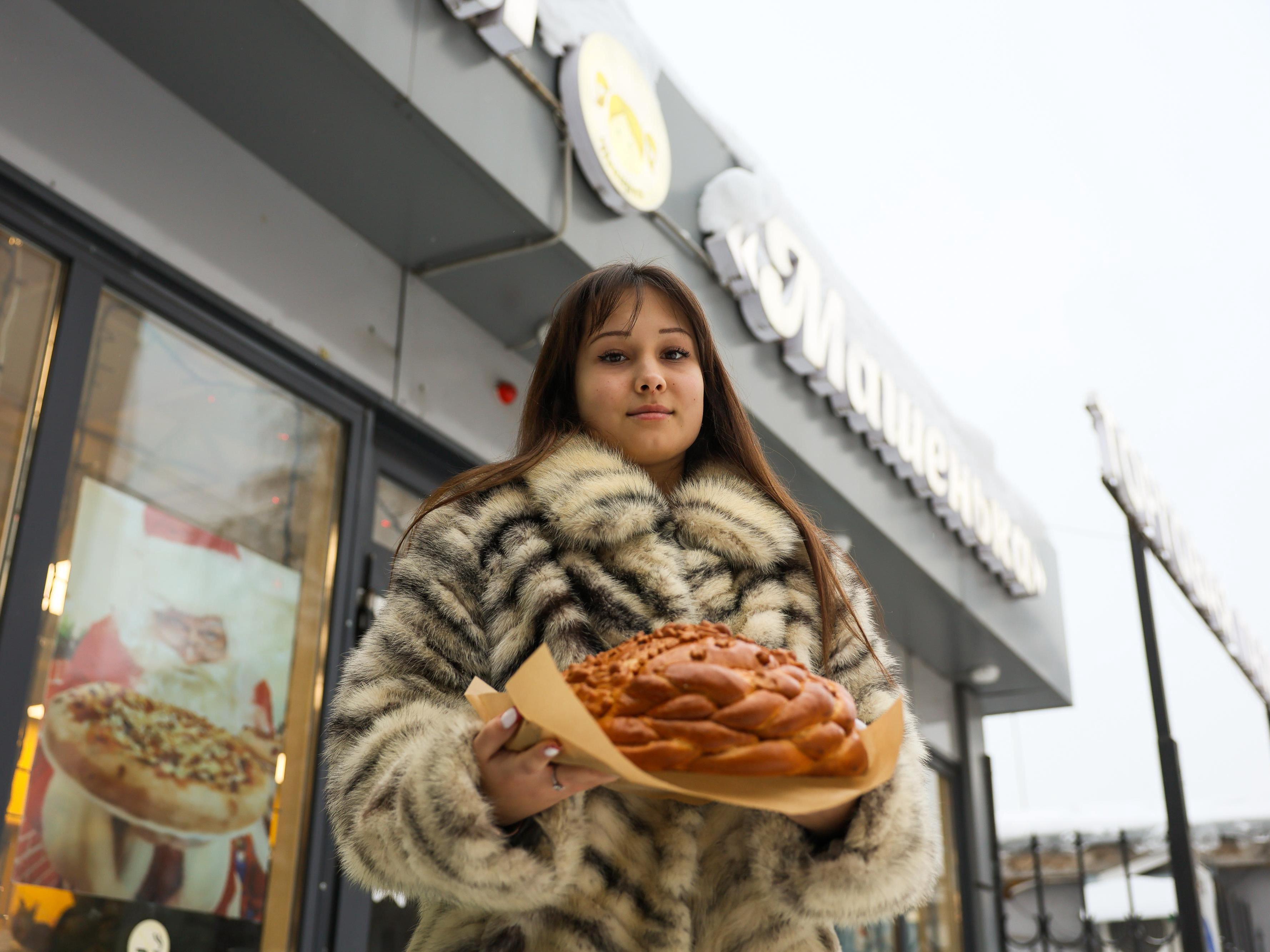
Even with excellent grades, Masha’s future is uncertain because the family bakery may not survive.
“ The wave was insane. 99% of people asked what pies we sent to the president,” says Denis Maksimov. The answer, by the way, is simple: with potato, with cabbage, and with apple.
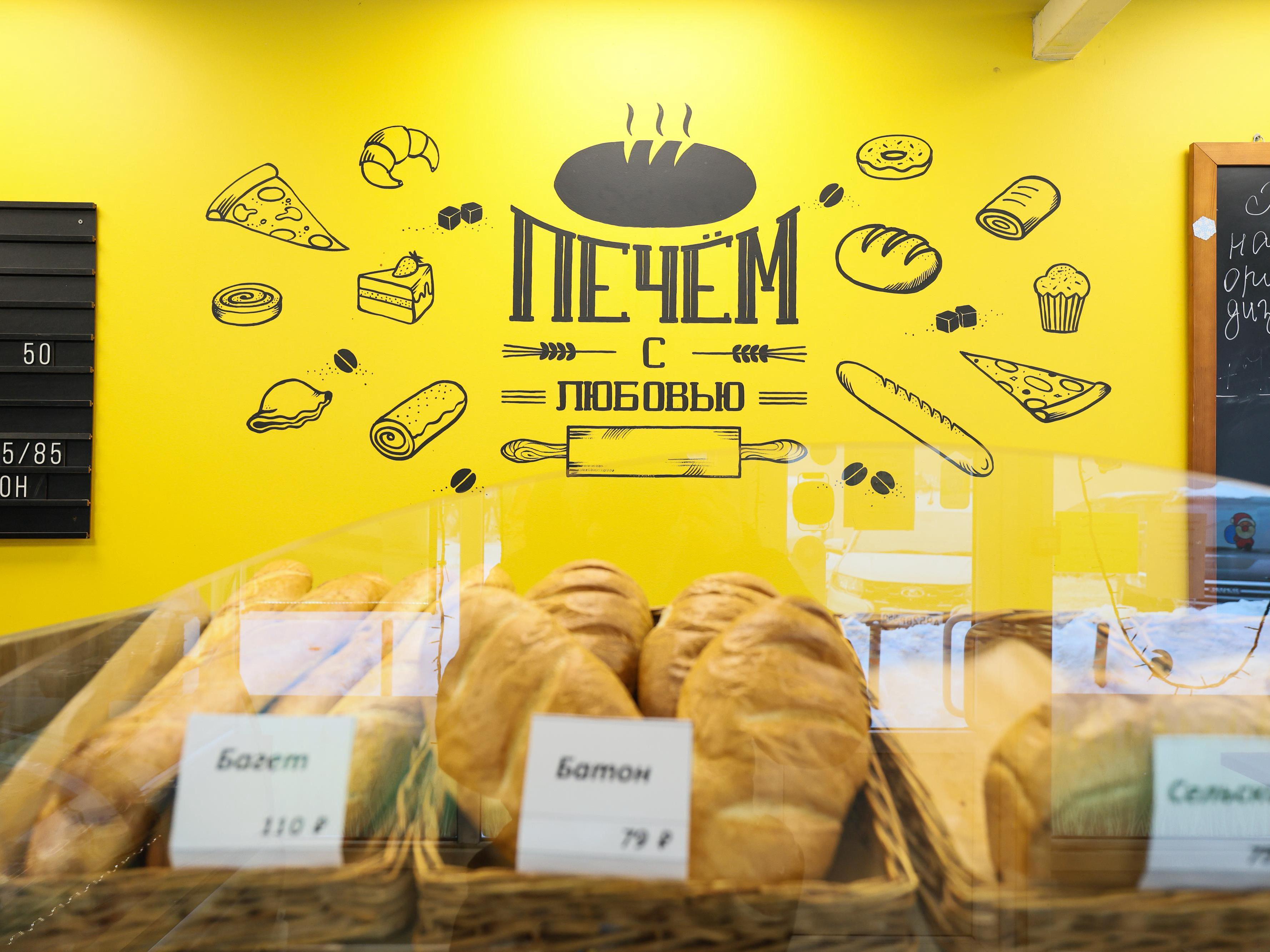
The only pie shop in the settlement, Maschenka faces an uncertain future due to the tax reform.
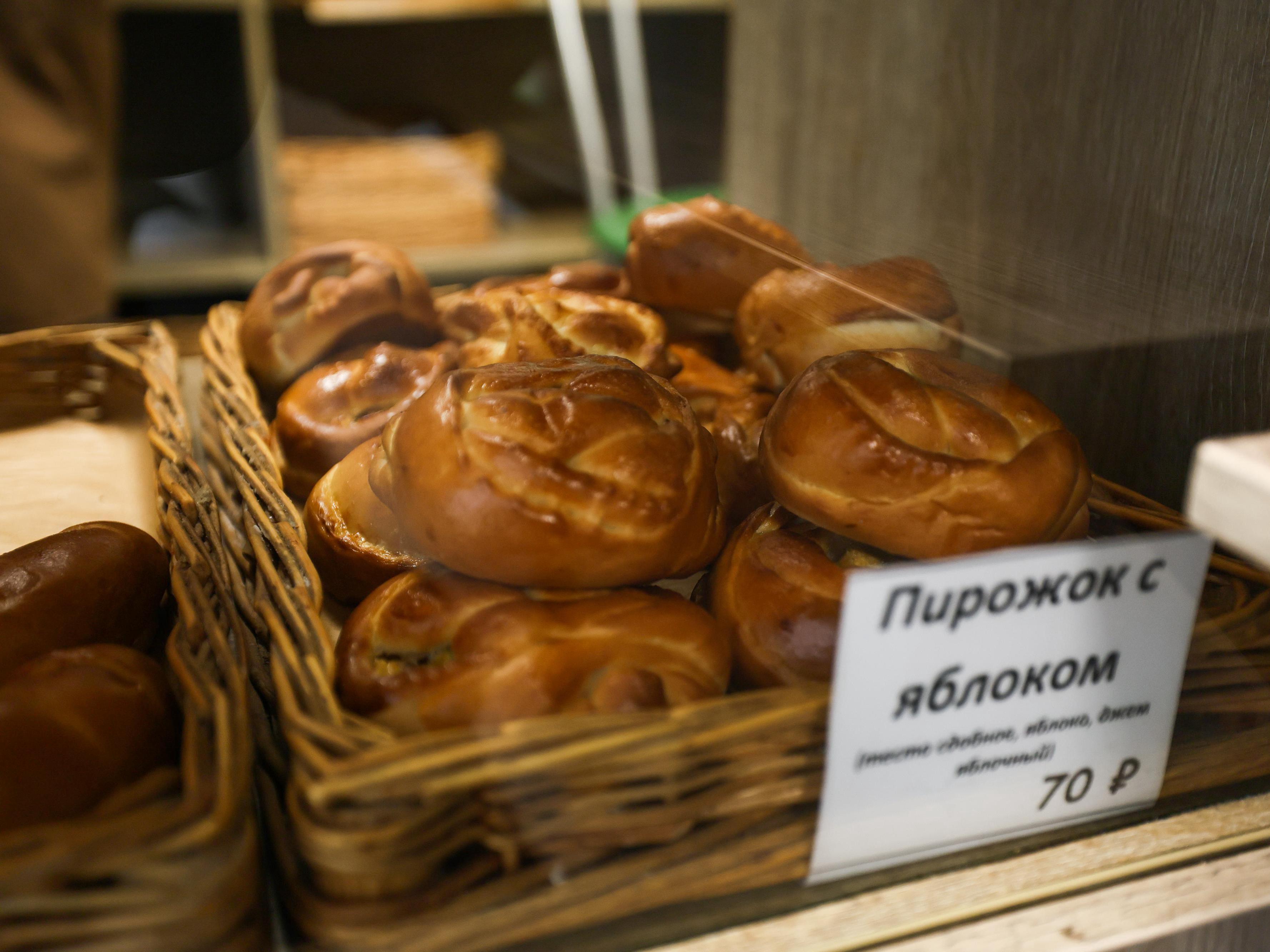
The assortment at Maschenka is classic but diverse: besides standard pies, there are loaves, belyashi (fried pies with meat), large pies, pigs in a blanket, cinnamon-glazed cinnamon rolls, sweet pastries, sandwiches, pizza, bread, and confectionery items.

Denis Maksimov and his wife are raising four children while running the bakery.
All products are made on-site in the larger bakery, and part is taken to another outlet. Denis jokingly calls himself a “ monopolist”: there are no other pie shops in the settlement. All of Kráskovo comes here for fresh baked goods. In the morning, pensioners stop by; during the day, children from nearby schools run in during breaks; in the evening, workers from Moscow and Lyubertsy arrive.
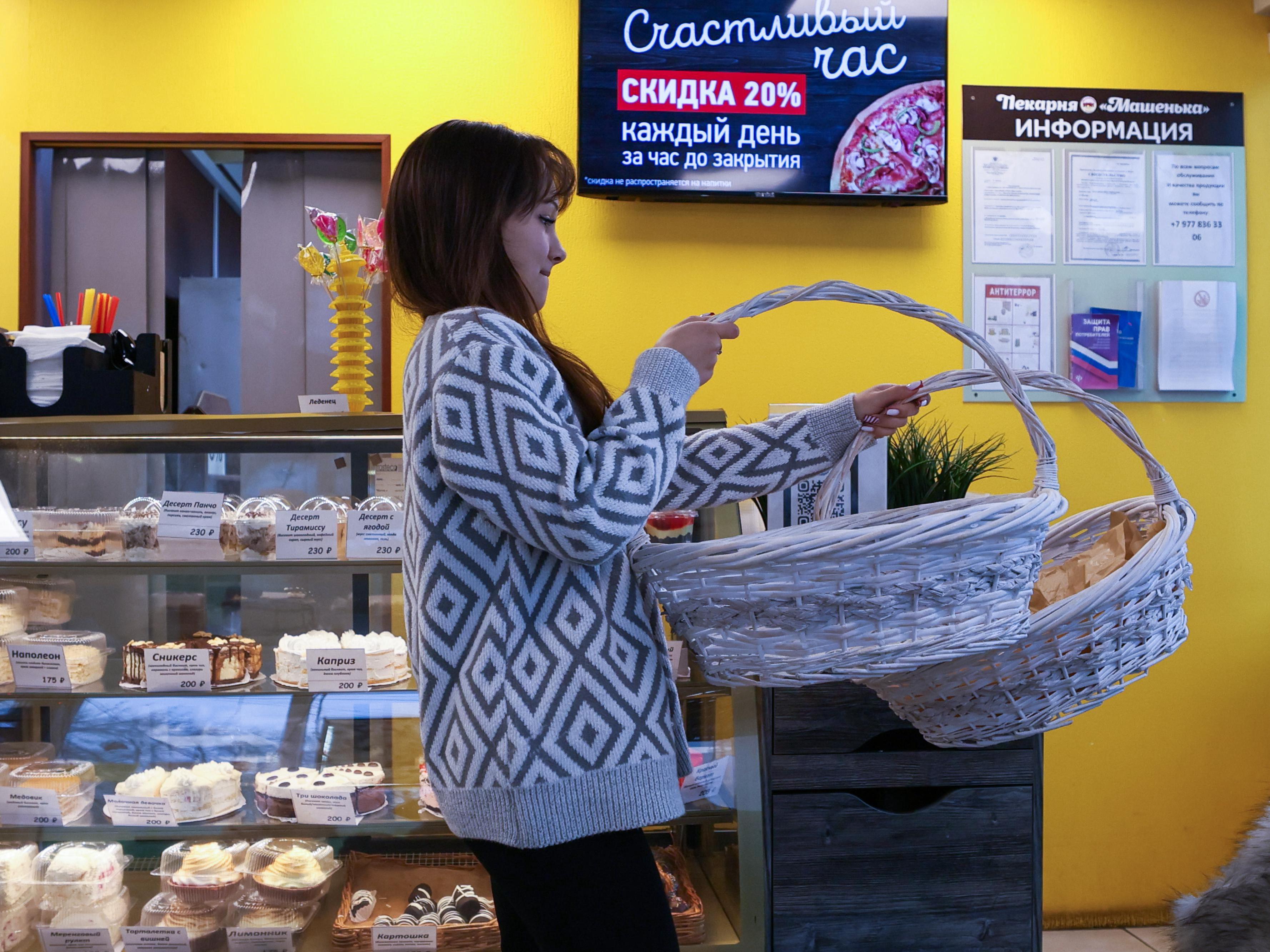
Daughter Maria, the bakery’s namesake, joyfully helps her father with the business.
After the Putin story, people came specially from Lyubertsy and Noginsk, but the core clientele are local residents. Denis opened two bakeries in Kráskovo six years ago, sensing potential, even though formal traffic calculations were against it. They operated at a loss for six months but survived.
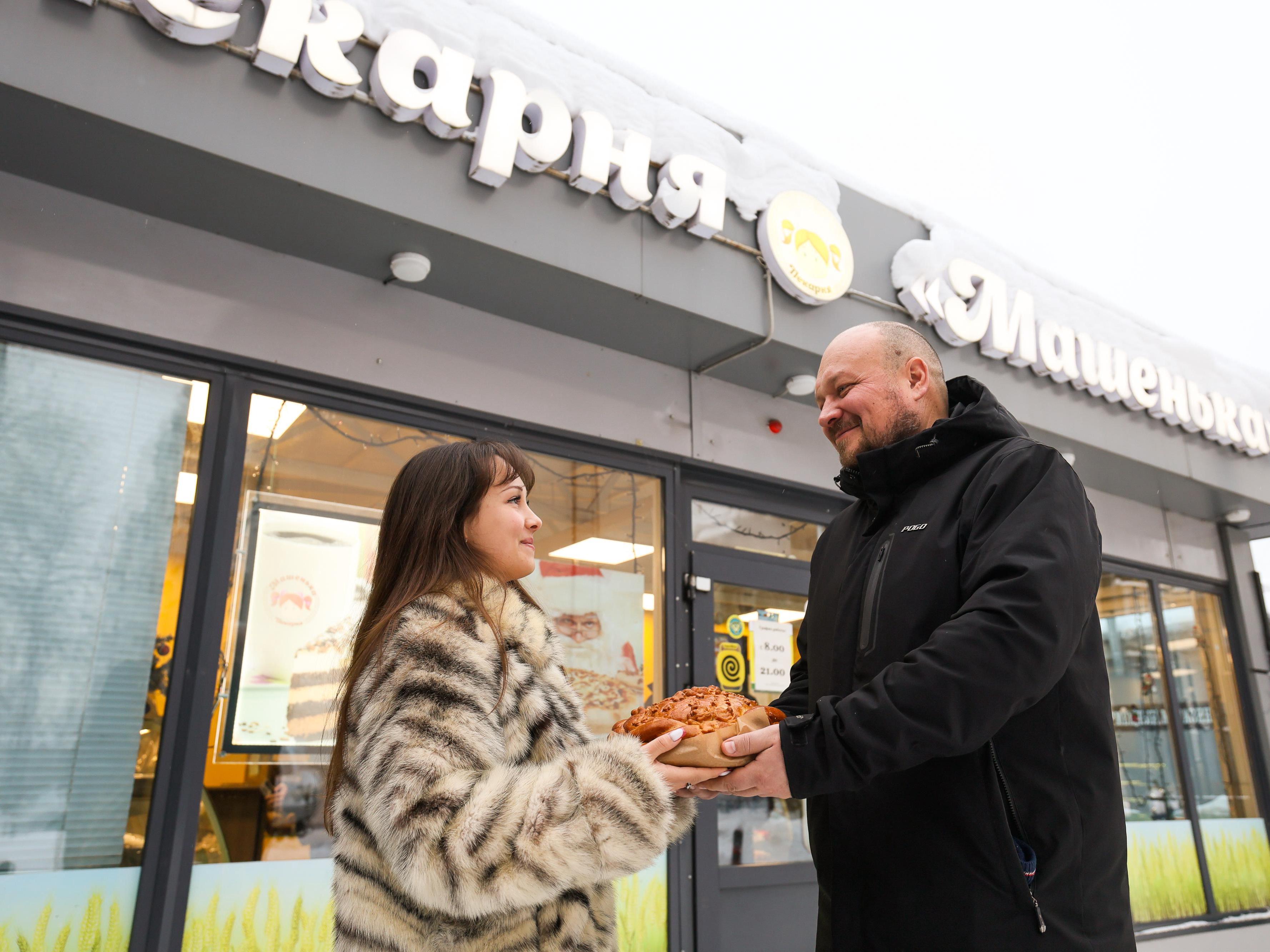
Masha is passionate about the family business but worries it may not survive the tax changes.
Guests from Lyubertsy, including the district head, were not the only consequence of the broadcast. Since December 19, Denis and his daughter Maria have been recognized on the streets. Sometimes people just pointed and whispered, sometimes they approached and took photos. At school, Masha was once asked for an autograph. Meanwhile, customers sometimes call not only the daughter but also Denis Maksimov himself “ Maschenka.”
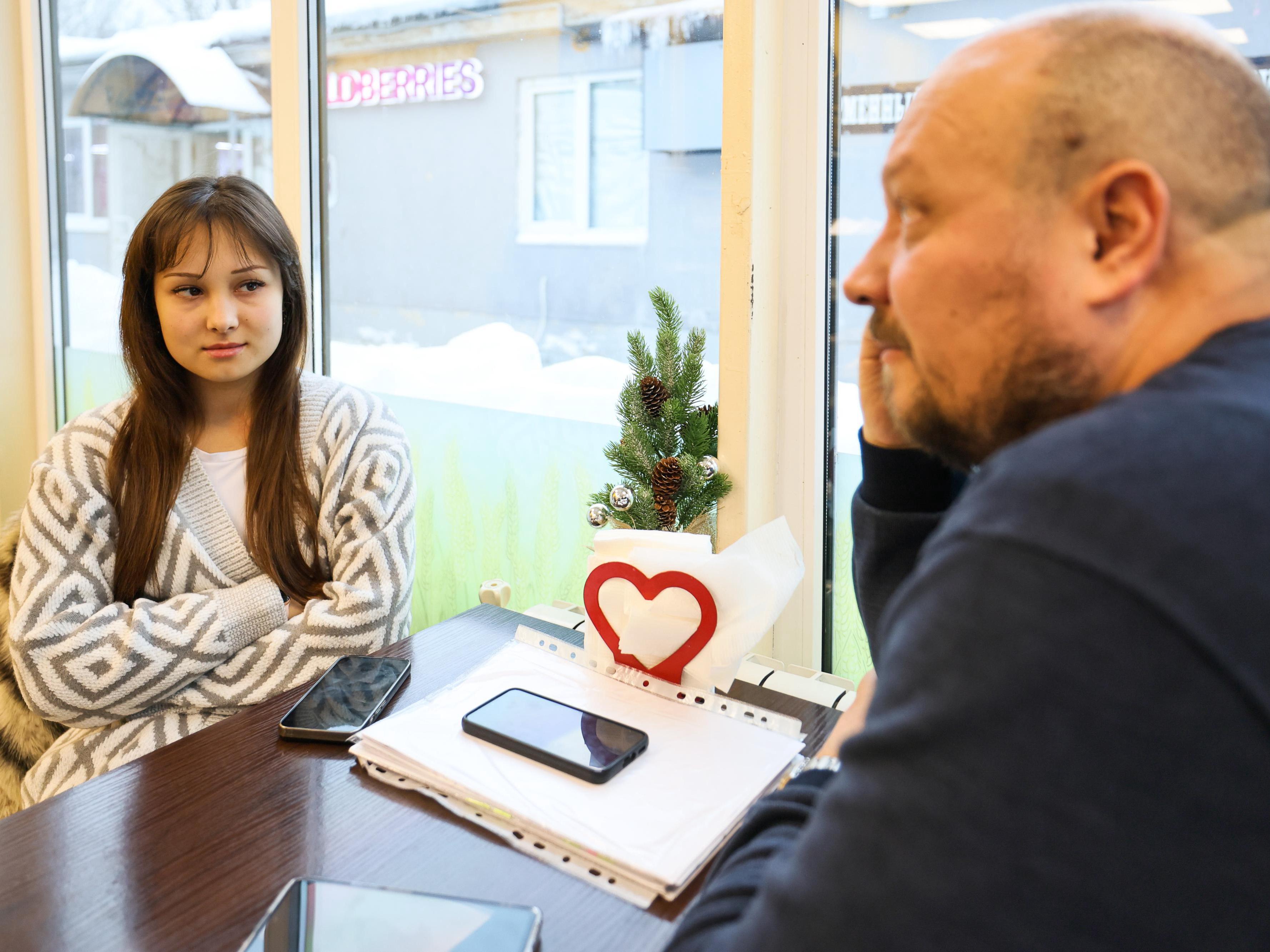
After the direct line, Maria gained local fame as the namesake of the bakery.
“ Right before the New Year, on December 30 and 31, delivery costs were insane,” says Denis Maksimov. “ We usually order couriers; around Kráskovo, it’s 250, 400 rubles (about $3–$4.50) max. But here I had an order for 2,000 rubles ($22) and delivery was 1,200 rubles ($13). No point in bothering a courier, I drove myself and delivered orders. Then an order comes from Lyubertsy. We meet near a shopping center, a dashing guy in uniform pulls up...”
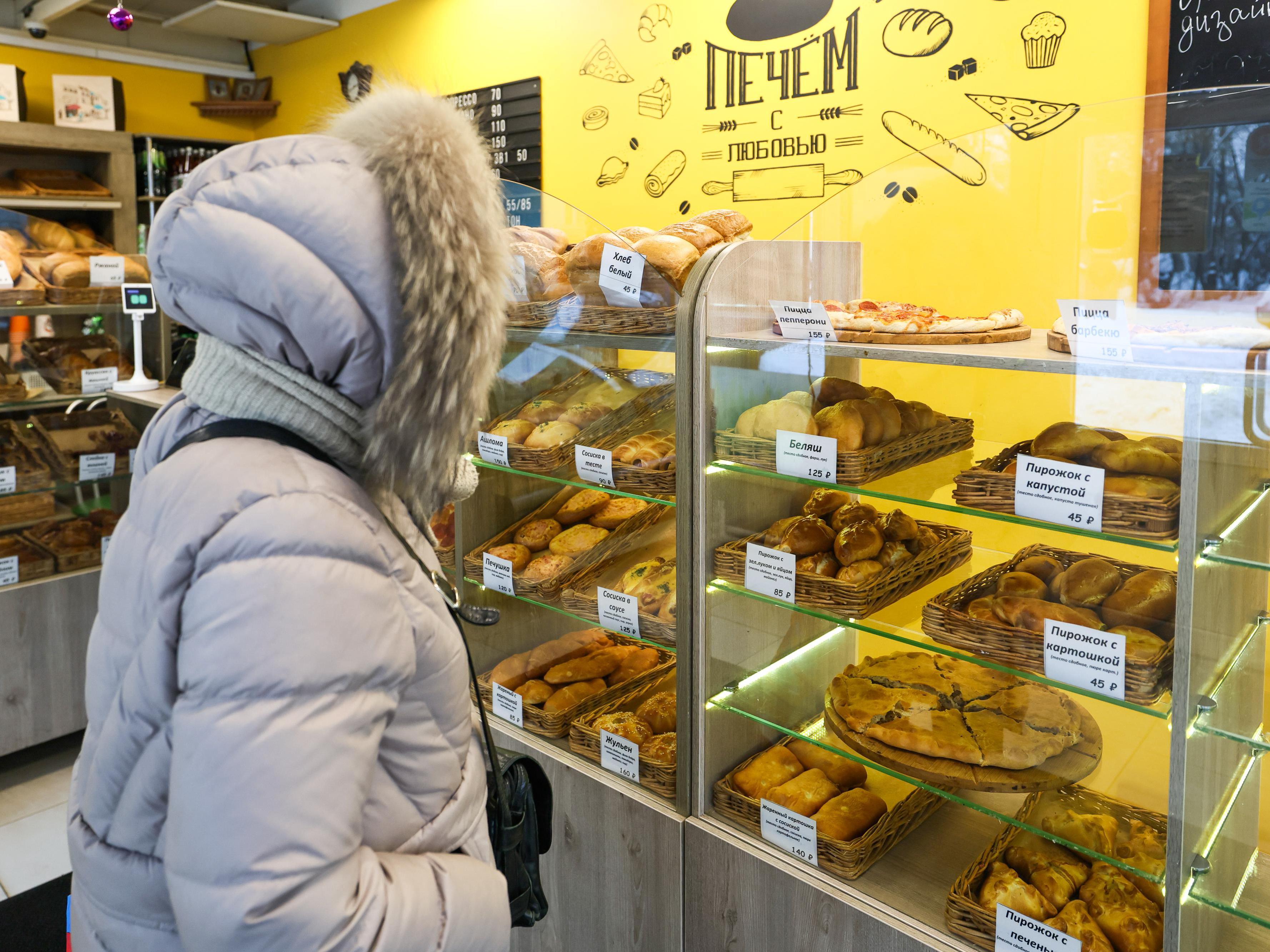
Despite being the go-to bakery for the whole settlement, the owner fears closure due to taxes.
The influx of customers after the direct line with the president was certainly pleasant. The excitement has subsided now, but the average check and customer flow remain above normal. The attention from officials was also tangible. In addition to business cards from officials, Denis received a return gift from the president — a basket with jam, honey, a set of wines for the New Year, and an icon, which Denis is saving for his grandchildren.
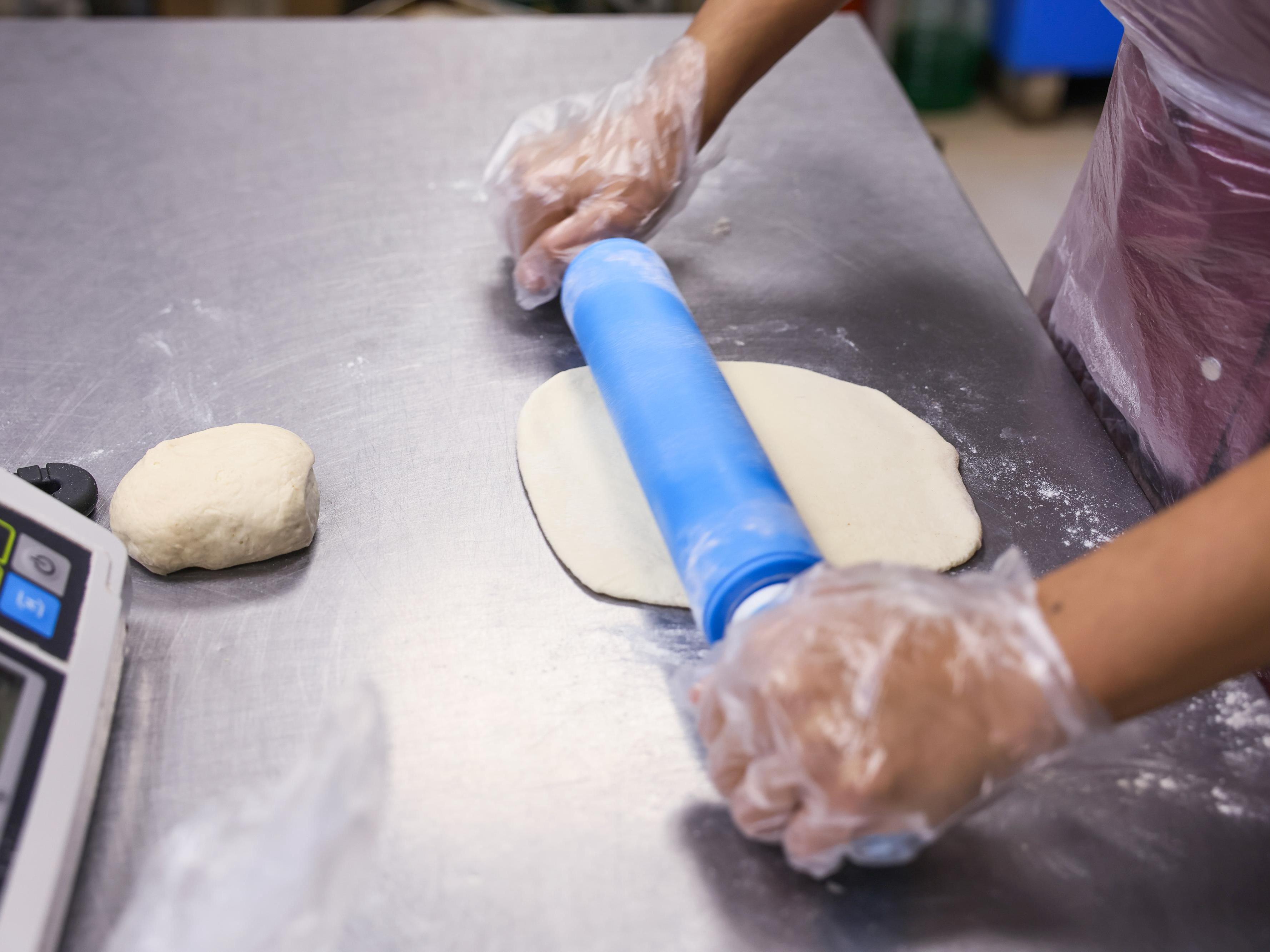
Customers ask about expansion to Moscow, but the owner doubts the bakery will survive current taxes.
A Banker Who Bakes Pies in His Hometown
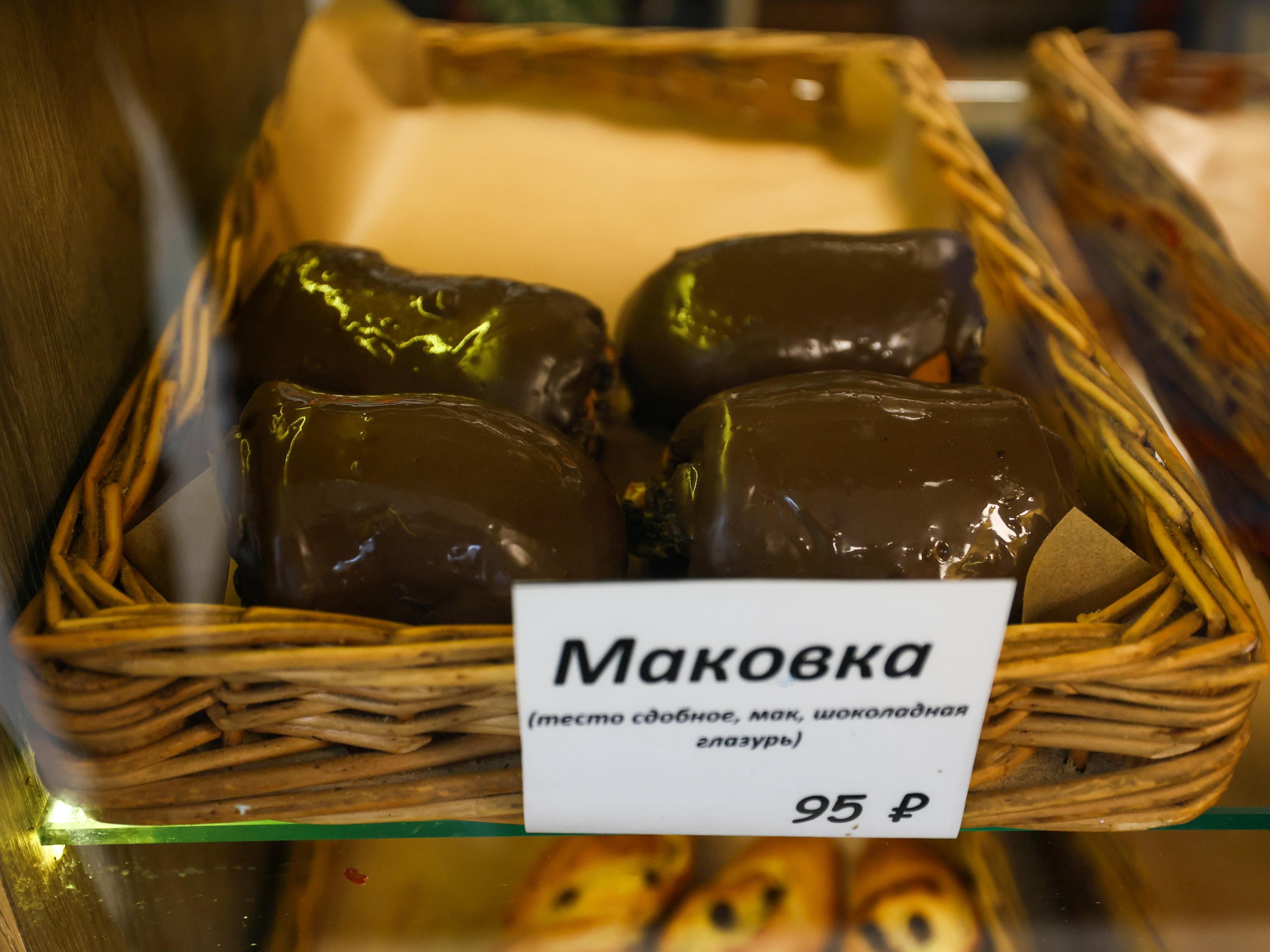
Besides pies and buns, customers order a variety of baked goods and snacks.
Denis Maksimov worked in the banking sector for two decades. Eight years ago, he dramatically changed his life. He traded financial reports for dough and the heat of the oven. He started with a franchise of “ Makovka” in Zhukovsky, Moscow Oblast. He recalls the first day of work with warmth.
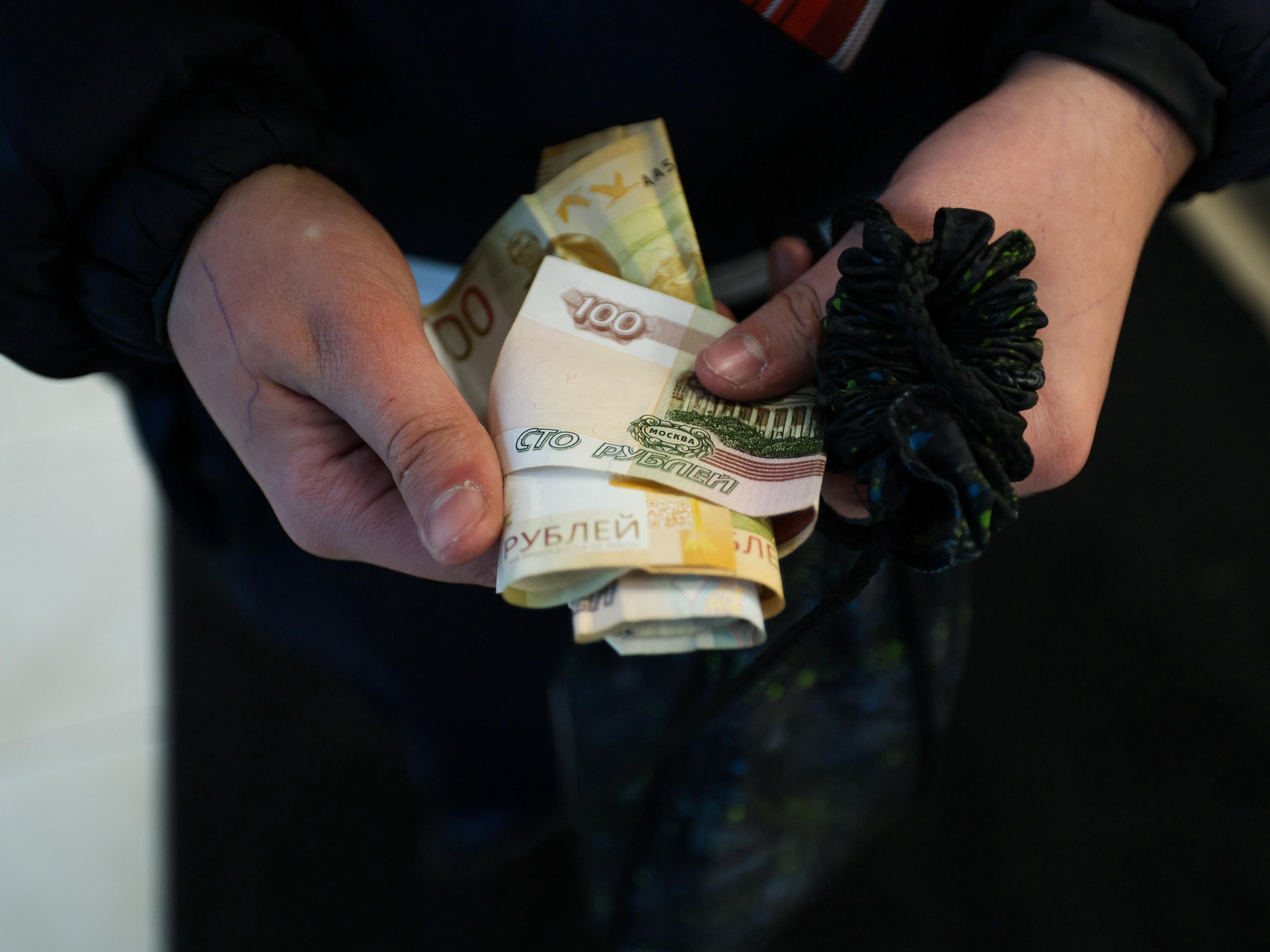
Monthly taxes jumped from about $100 to between $5,000 and $6,700 under the new law.
“ In the evening we sat down to count the cash: this goes here, and this? This is what we earned, it turns out. It was the first time I didn’t get an SMS with a salary, but when I earned my own money myself. I immediately took it. And how old was I then, Masha? I was already 40,” Denis says with a smile. He could hardly have imagined then that a few years later, the president would taste his pies.
The entrepreneur sold his car to keep the bakery afloat until March, fearing eventual closure.
We are sitting in Denis’s bakery. In his hands, he holds a stack of papers with calculations for revenue, purchases, and taxes. Next to him sits his beautiful daughter, Maria Denisovna — the very Maschenka. She is 17 years old; during vacations, she often helps the family: sometimes standing at the register, sometimes accepting delivery baskets. Outside the window, snowdrifts line the narrow road, but the area at the entrance and the path to it are carefully cleared.
About 80% of KrasKovo residents commute to Moscow, leaving few to support local businesses.
When the franchise agreement ended, Denis and his wife renamed the outlet “ Maschenka” — after their eldest daughter. Then they opened two more bakeries of the same name in Kráskovo, Lyubertsy district, the settlement where he grew up.
The future of small businesses like this one lies beyond the owner’s control.
“ My wife tried to dissuade me: ‘ Don’t do it, everyone knows us here.’ Now even more so! I walk down the street, every 30 meters someone greets me. Because we stood at the register ourselves at first. We basically lived at the register until we found a salesperson,” Denis recounts.
An interview with the Maschenka bakery owner one month after his call with President Putin.
Denis has four children: two daughters and two sons. His wife, who is the official individual entrepreneur, is currently caring for the youngest. The children are involved in the family business: the older son can work in the kitchen in his spare time, the younger daughter, an artist, enjoys making design layouts for advertising. But the most passionate about her father’s business is, of course, Maschenka herself. She helps her father and learns the basics of business.
Despite excellent grades, she is not confident about the future: admission scores keep rising, the number of preferential places increases, but “ regular” state-funded places are only getting fewer. She plans to apply for management, but says: “ God willing, just to get in somewhere.” She does not consider paid tuition: it is too expensive.
In an “ ideal world” where the bakery is doing well, Masha wants to continue the family business.
Tax Screws
Until January 1, 2026, Denis’s tax burden was predictable and manageable. Working under a patent, the entrepreneur paid about 110,000–115,000 rubles (about $1,200–$1,300) per year plus personal income tax for employees. If you divide that by 12 months, it comes to 9,000–9,600 rubles (about $100–$107) per month.
With revenue (before all expenses. — Editor’s note) from three bakeries of about 40 million rubles (about $444,000) per year, Denis no longer falls below the VAT exemption threshold. In January 2026, according to the entrepreneur’s forecasts, he will have to pay about 450,000 rubles (about $5,000). The tax burden has increased 50-fold.
After the direct line, Denis was asked when Maschenka would open in Moscow, but he is not ready for such audacity: due to the new taxes, it is unknown whether the bakery will exist at all.
450,000 rubles in taxes per month is not the limit: if revenue increases next month, payments to the budget will grow accordingly. And that is on top of having to hire a professional accountant and incur additional costs. Rent and ingredients are also not getting cheaper.
For comparison: before, after deducting all costs, the entrepreneur was left with about 300,000 rubles (about $3,300). Each month, as Denis Maksimov says, he managed to save some amount. In January of this year, the businessman could count on at least 150,000 rubles (about $1,700). Is that a lot for a family of six?
“ I’ll be hit with 450,000–600,000 rubles ($5,000–$6,700) in taxes per month. I’m sitting here now, looking... I can show you my account in SberBusiness; I think there’s about 400,000 rubles ($4,400) odd in there right now.”
There are, of course, some movements in resolving the issue. Denis Maksimov was at the government of the Moscow region back in December and recently spoke by phone with the Minister of Economic Development, Maxim Reshetnikov. Official bodies also respond to the businessman’s inquiries without delay.
“ There are calls from high-ranking people trying to solve the issue, apparently because they received such an assignment. But since these are the same people who made the decision [to increase taxes], which put us in this position, I don’t expect any miracles,” says the entrepreneur from Kráskovo.
But Denis Maksimov is not giving up yet. He has chosen to fight for a reduction in the tax burden for production businesses — the very kind that, according to the president, should not suffer.
Together with other entrepreneurs, he prepared a memo with proposals for the government. According to Maksimov’s idea, the tax burden can be alleviated through a zero-rate simplified taxation system (USN) at the regional level.
“ The proposal is absolutely not fantastic. We realistically assess the situation; we understand that no one will roll back VAT, but there are some maneuvers at the regional and federal levels that we hope the authorities will take,” assures Denis Maksimov.
Maksimov and other bakery owners are asking to include “ activities of providing food and beverages” in the list of priority industries at the local level — that way they can defend the “ zero” USN for themselves and other entrepreneurs in this field.
He also checked what benefits and support measures for small businesses are now available to him.
“ They are offering me to buy equipment with a ‘ 50% discount’ through subsidies from the Moscow region. I thought about it. But let me give an analogy...”
“ It would indeed be nice to upgrade the equipment. I would gladly participate in this program. But I need to understand that I will simply exist. Last month I sold my car; I have a small stash. I’ll stretch it until March, adding my own money to the business. And that’s it. No options. We’ll tumble and see,” Denis shares his bleak plans.
Sometimes Denis, tired of running the business, tells his wife: “ Okay, if worst comes to worst, we’ll close everything, keep one [bakery], and we’ll bake ourselves. You’ll stand at the register, and I’ll bake pies. And that’s it. And, God willing, we’ll stay within 10 million rubles (about $111,000) [to avoid paying VAT].”
“ I Don’t Want to Go into the Shadows. I’d Rather Close Down”
The entrepreneur believes the injustice lies not in the tax increase itself, but in the suddenness of the announcement.
“ Have you seen the film ‘ Likvidatsia’ (a popular Russian crime drama)? Mashkov plays the chief militia officer there. He walks into his office, and his colleague is interrogating a criminal. The criminal sits contentedly. He says: ‘ Well, Senya, are you happy?’ — ‘ Yeah, the boss promised me a ten-spot.’ Not life, but ten years. He replies: ‘ Yes, there was such an agreement. But now the agreement is changing.’ That’s exactly what happened to us. The agreement changes in an instant,” says the entrepreneur.
Denis Maksimov expected a tax increase but hoped they would “ shear” the “ big guys.” Although even to the increase in his own tax burden, Denis was prepared; he just did not expect it to be so lightning-fast.
“ I understand everything perfectly. There are ‘ big guys’ that we are probably in the way of. I admit it. Times are tough, I know. If the president says: ‘ Okay, guys, we are closing all your sole proprietorships, and you, Denis Vladimirovich, must transfer your bakery to the Lyubertsy bread factory.’ No questions! Give me a position, I’ll work for a salary. I understand everything. But to change everything like that: without explanation, a month before New Year’s... it’s rather unpleasant,” Denis reflects.
In the entrepreneur’s view, the VAT threshold should have been lowered gradually, with monitoring and adjustments based on results. Then businesses could have adapted. Because of the sudden and sharp tax increase, many simply closed down.
“ So what kind of market economy is this? Out of habit, I always look at rental listings. So many listings appeared after the New Year! So everyone closed down. The market did not adapt. Apparently, not everything was thought through. But how could they not have thought it through? I sit here thinking. What didn’t they think through — how people would live after the new measures?”