Scientists Discover Oil-Cleaning Microbes in Lake Baikal's Depths
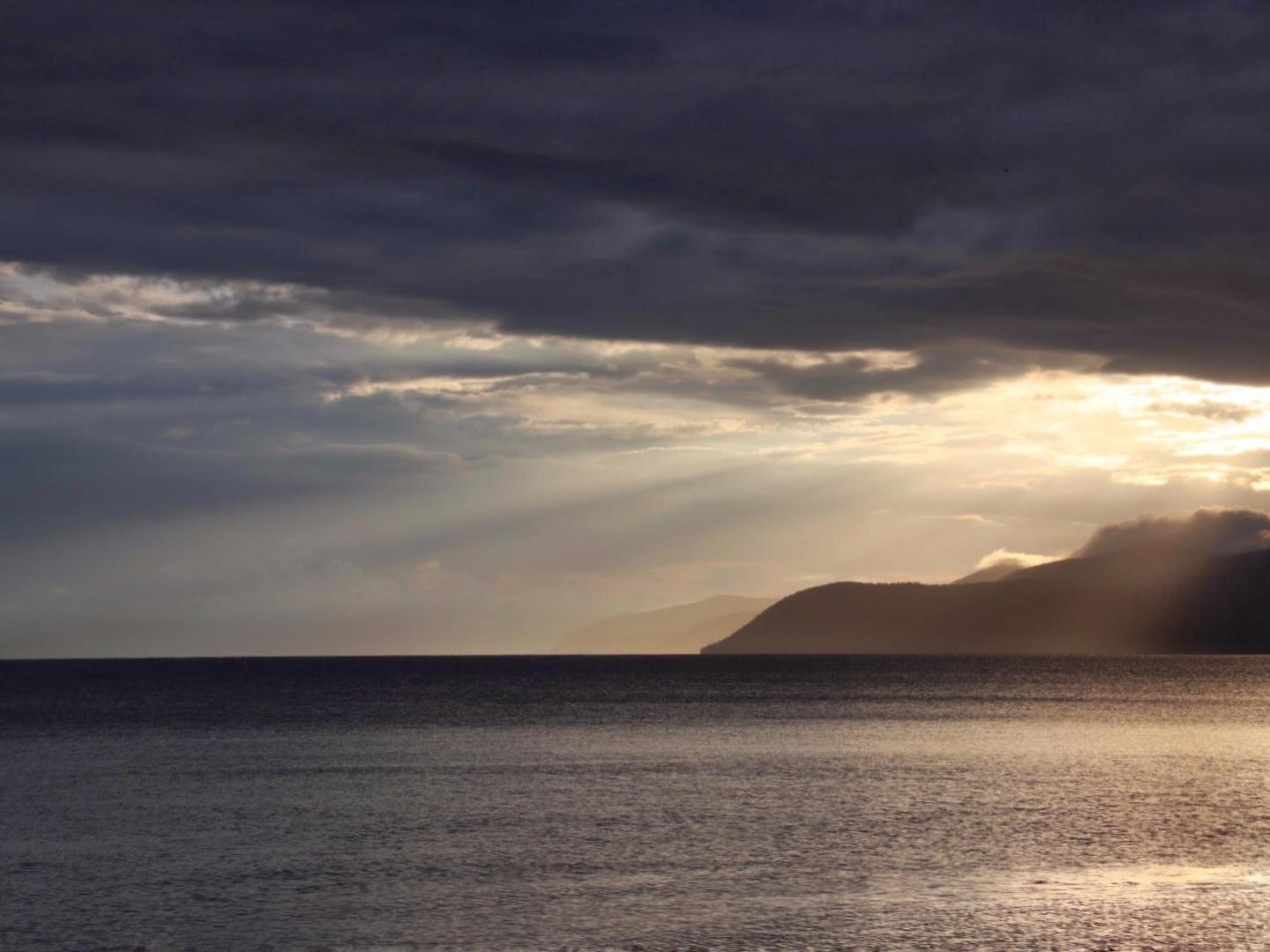

At sites of natural oil and gas seeps on the bottom of Lake Baikal, a powerful natural self-cleaning system is at work. Scientists from the Limnological Institute of the Siberian Branch of the Russian Academy of Sciences have discovered and identified unique communities of thermophilic microorganisms that with astonishing efficiency break down oil hydrocarbons in the oxygen-free conditions of deep-water sediments. This is reported in the Telegram channel «Krugobaikalskaya Nauka».
Researchers took samples of bottom sediments from an oil-methane seep and recreated the conditions of deep layers in the laboratory (temperature 60°C (140°F), absence of oxygen). Over six months, microbial communities from deep horizons showed high activity.
«The decomposition of n-alkanes (light fraction of oil) reached 90%, and polycyclic aromatic hydrocarbons (heavy and often highly toxic components) — up to 95%. The efficiency was significantly higher than under the »cold« (psychrophilic) regime characteristic of the upper layers of the lake,» the message notes.
The analysis showed that a complex consortium is involved in this process. Key roles are played not only by expected participants but also by other microorganisms. It is these groups that gain a selective advantage in the hot depths of Baikal, the publication states.
«This work changes the understanding of biogeochemical cycles in the ancient lake. First, it indicates that the deep biosphere of Baikal serves as a natural barrier against pollution from natural oil seeps. Second, the isolated strains and communities represent significant biotechnological interest for developing new bioremediation (cleaning) methods for oil-contaminated soils and grounds in conditions where traditional mesophilic cultures do not work,» the message says.