Anapa fuel oil spill anniversary: cleanup delays, blame game

On 15 December 2024, in the Black Sea waters near the Kerch Strait, two tankers simultaneously sank: the Volgoneft-212 and Volgoneft-239. Both vessels split in half. It would later become known that they should not have been at sea at all: they were river vessels carrying over 8,500 tons of fuel oil.
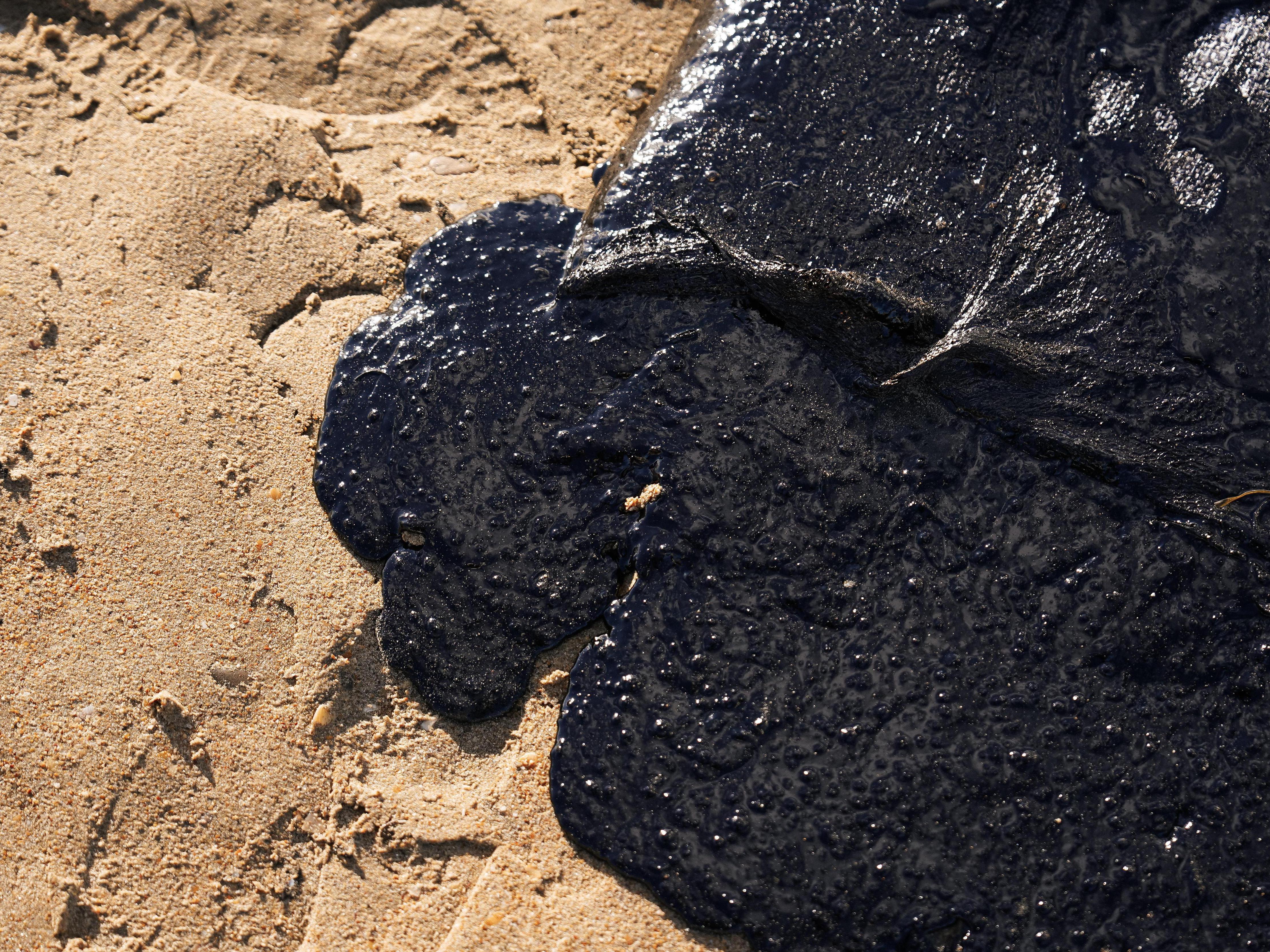
According to official data from the Russian Ministry of Transport, about 2,400 tons of heavy fuel oil M100 leaked into the sea after the sinking. A year ago, on 17 December 2024, fuel oil began washing up on the beaches of Anapa and the Temryuk district. A year has passed since the start of the ecological catastrophe. The tankers« wreckage continues to lie on the seabed, and new spills periodically occur on the coast.
The portal 93.RU has compiled the key milestones of the fuel oil catastrophe.
Turning Point
On 15 December 2024, a seven-force storm rages in the sea in the southern part of the Kerch Strait. Wave heights reach four meters. The first alarming news begins to appear in the media and social networks—two tankers are sinking in the Black Sea waters near the Kerch Strait. And then—video footage shot from the deck of one of them. The frames show half of the ship«s deck, filmed from the superstructure, the wheelhouse. The other half is sinking to the bottom.
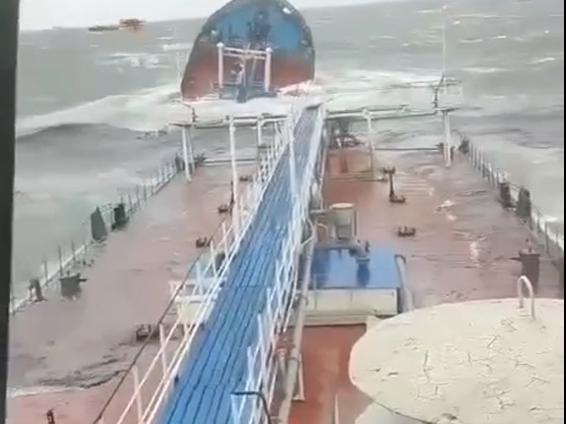
This is what the sinking of the tankers Volgoneft-212 and Volgoneft-239 looked like from a first-person perspective. Both vessels broke in half and began to sink. The person who shot this footage survived but suffered hypothermia.
The Volgoneft-212 sank to the bottom, while the Volgoneft-239, missing the front part of its hull, was managed to be beached near Cape Panagia. The sailors (12 people from the Volgoneft-212 and 14 from the Volgoneft-239) were rescued. But one person died during the operation. This was 23-year-old watch sailor Danil Sablin from the Volgoneft-212. He was performing the duties of a motorman and standing watch as an assistant mechanic.
Context. The Volgoneft-212 belongs to the Perm-based company KamaTransOil, with KamA Shipping as the charterer. On the day of the sinking, the tanker was 55 years old. The Volgoneft-239 has been in operation since 1973 and belongs to the Moscow-based closed joint-stock company Volgatransneft.
Why Did This Happen?
The Volgoneft-212 and Volgoneft-239 effectively had no right to be at sea. The vessels were not included in the license for transporting dangerous goods by inland water and sea transport. Moreover, both ships violated seasonal navigation restrictions in the waters.
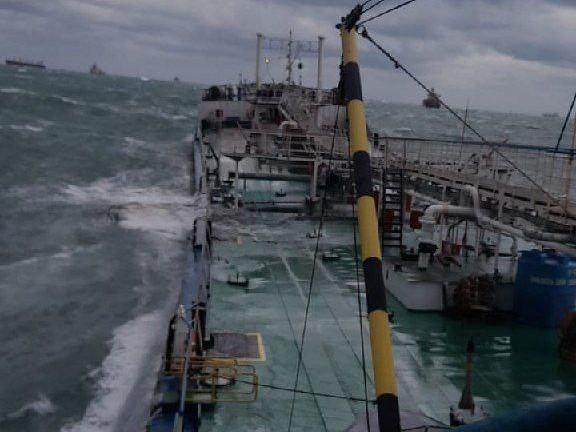
The tankers were designed as river vessels with the ability to go to sea in warm seasons. Structurally, they could withstand waves up to two meters. At the time of the sinking, wave heights reached four meters.
Two days after the catastrophe, a similar incident occurred. Another Volgatransneft tanker sent a distress signal, but this time in the Sea of Azov. The fourth cargo tank of the Volgoneft-109 had a leak, causing fuel oil to leak into the ballast tank. However, no oil products entered the water.
How Did the Tankers End Up in the Black Sea?
The vessels were transporting fuel oil, owned by Rosneft, from Saratov along the Don River through the Kerch Strait to the storage vessel FIRN in the Black Sea, south of the strait.
It was planned that unloading would be completed by 25 November. The tankers« permits were expiring, which already excluded the possibility of the vessels being in the Sea of Azov and the Kerch Strait.
In early December, both tankers crossed the strait under the guidance of the vessel traffic service of the Port Kavkaz and anchored waiting for their turn to approach the storage vessel near the village of Volna in the Temryuk district. Although the ships were carrying Rosneft«s cargo, the company, according to the captain of the Volgoneft-212, prioritized unloading its own vessels first, and then tankers from other companies. According to a document from Rostransnadzor (the Federal Service for Supervision of Transport), the order of approach and unloading was determined in part by the charterer of the storage vessel FIRN, taking into account the instructions of the cargo owner.
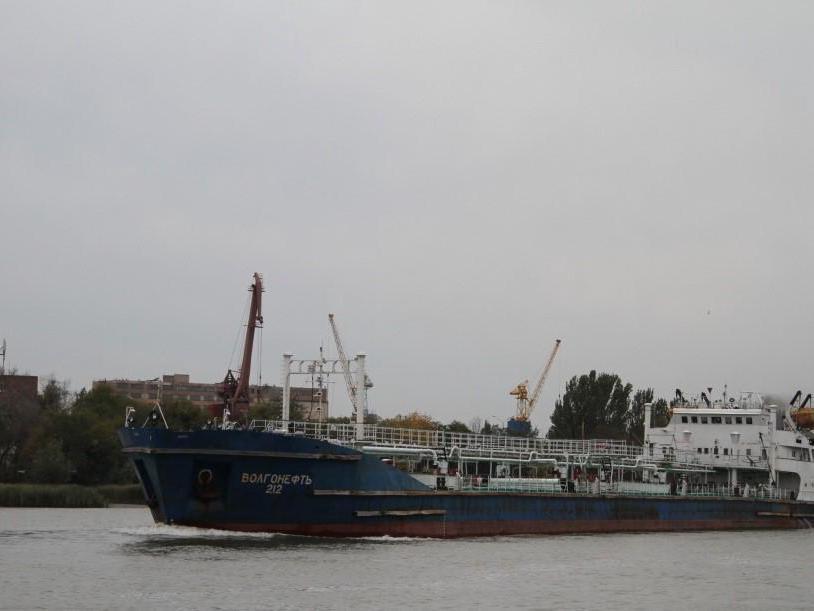
«We were surprised because, according to our seasonal navigation area, we were not allowed to move in port waters, let alone be at sea. But at the same time, more than two dozen vessels of the same class were with us; we followed the dispatchers« orders. In seaports, the captaincy»s orders are mandatory. Then the storage vessel said to wait for a call. So we stood until 12 December,»— RBC-Perm quotes the words of senior mechanic Alexei Tatarinov, who was on the Volgoneft-212 at the time of the sinking.
On 14 December, after a storm warning of strengthening winds, by agreement, the vessel headed to the area of the village of Zavetnoye—this is already the Crimean coast, opposite the Temryuk district. On 15 December, the wind and sea roughness intensified.
Who Is to Blame for the Ecological Catastrophe?
The closed joint-stock company Volgatransneft placed responsibility for the sinking on Port Kavkaz in the Temryuk district of Krasnodar Krai. The shipowner claims that both tankers were in the locations where the accident occurred at the port«s order, and in storm conditions, they had no opportunity to move to a safe place.
Also, according to the shipowners« version, the unloading of fuel oil was delayed at Port Kavkaz—they wanted to do it back in late November, while the parking permit was still valid. However, due to the priority of Rosneft»s tankers, this was not possible.
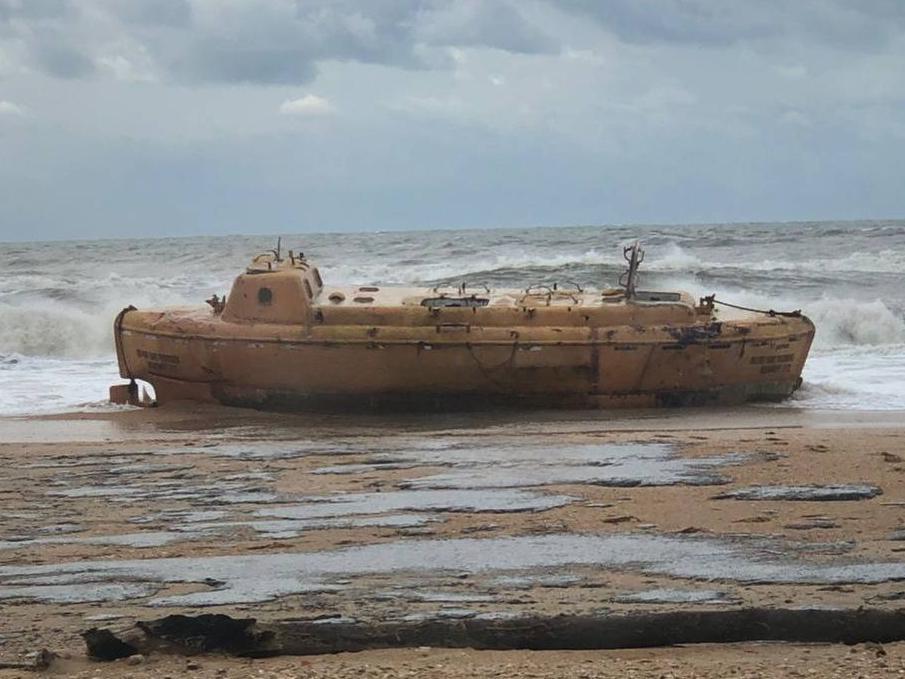
The Ministry of Transport insists that the cause of the ecological catastrophe lies in «the failure of the ships« captains and shipowners to comply with restrictions on the seasonal navigation of vessels in the sea waters of the Sea of Azov and the Kerch Strait.»
According to Rostekhnadzor (the Federal Service for Environmental, Technological, and Nuclear Supervision), the ships« crews were not fully staffed. The vessels lacked navigators; in fact, the crew did not correspond to the ship»s role and safety requirements. And the hull strength of the ships could have significant wear.
Thus, according to the agency«s conclusions, the accident was caused by:
ignoring seasonal restrictions;
non-compliance of the crew with mandatory crewing requirements;
insufficient control from the shipowner and supervisory authorities.
And the rescue operation was complicated by: lack of crew preparation for emergency situations and deficiencies in the equipping of life-saving means.
Currently, the captain of the tanker Volgoneft-212 is in a pre-trial detention center, and the captain of the Volgoneft-239 is under house arrest.
Fuel Oil Spills and Authorities« Reaction
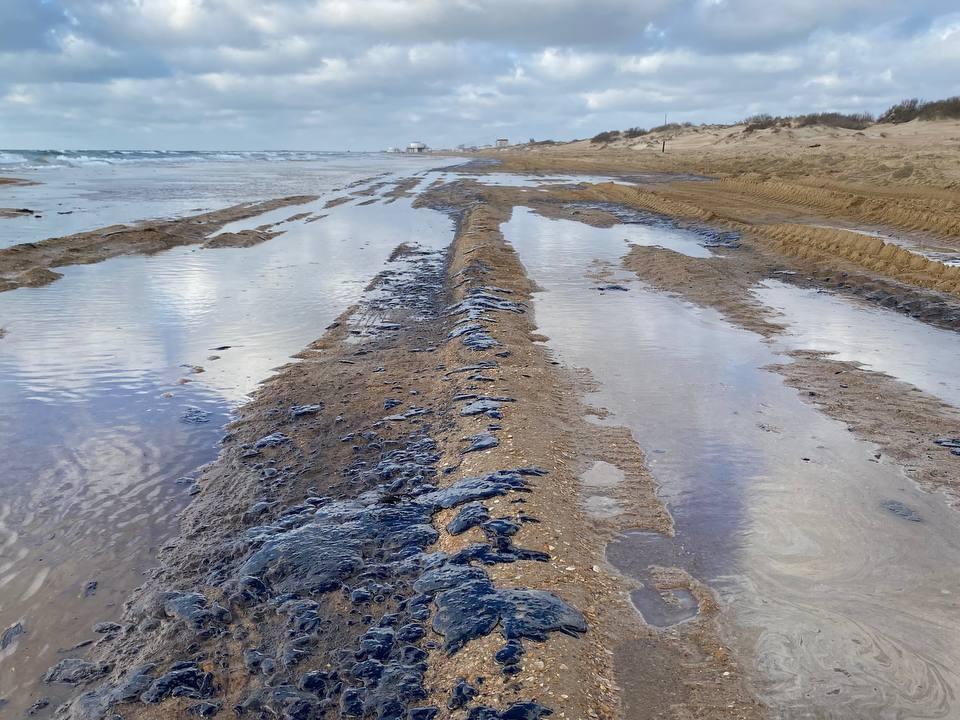
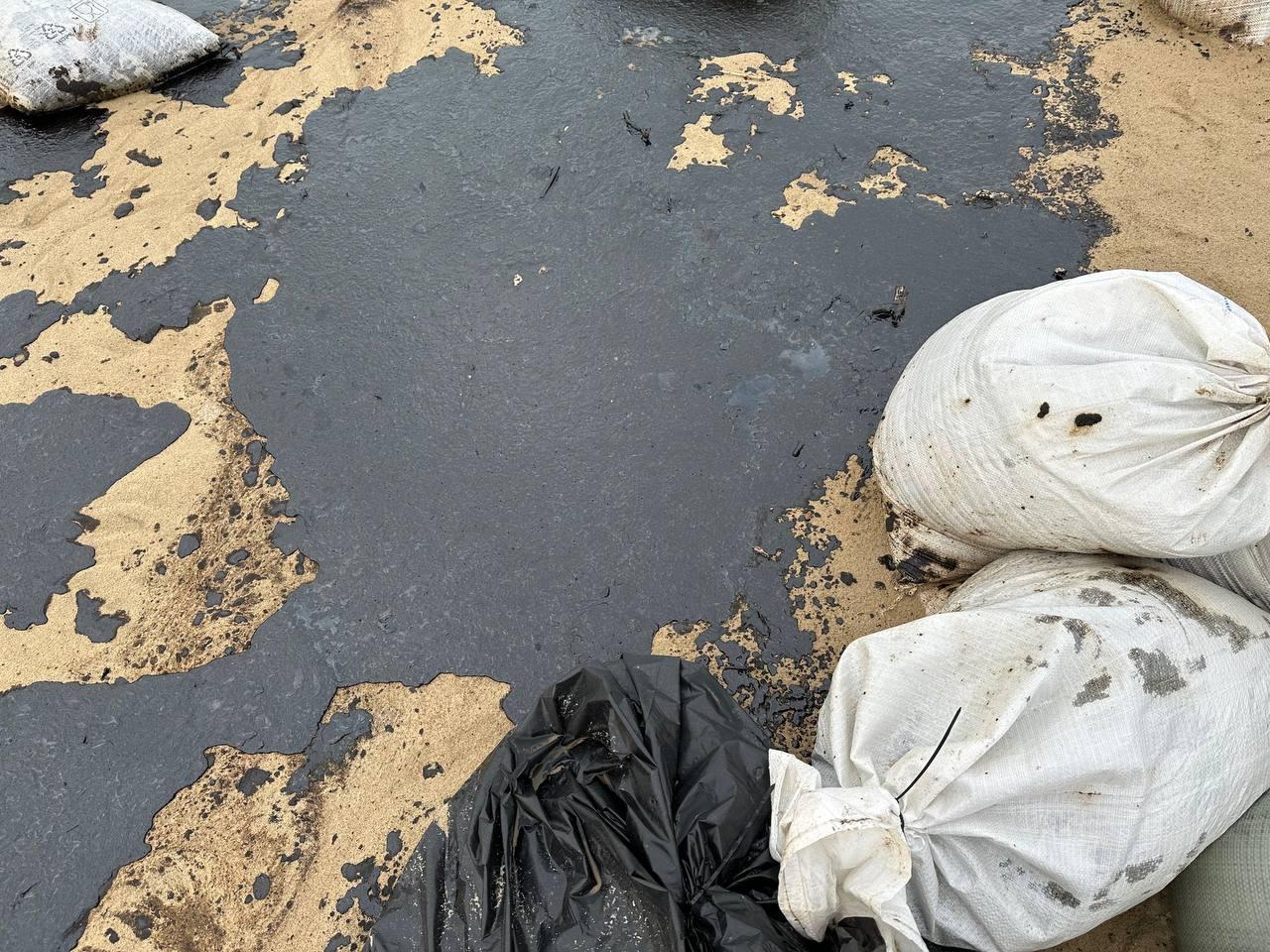
On 17 December 2024, M100 grade fuel oil appeared on the beaches of Anapa and the Temryuk district. It becomes liquid at high temperatures and solidifies at low temperatures, consequently sinking to the bottom. In the tankers, it was transported heated for further unloading, which occurs at temperatures above 40 degrees Celsius (104°F).
Two days after the incident in the Kerch Strait, it became clear that Krasnodar Krai was facing an ecological catastrophe. Fuel oil stains began to be found on the Black Sea coast in the Temryuk district and in Anapa itself. At that time, the pollution area was about 50 kilometers.
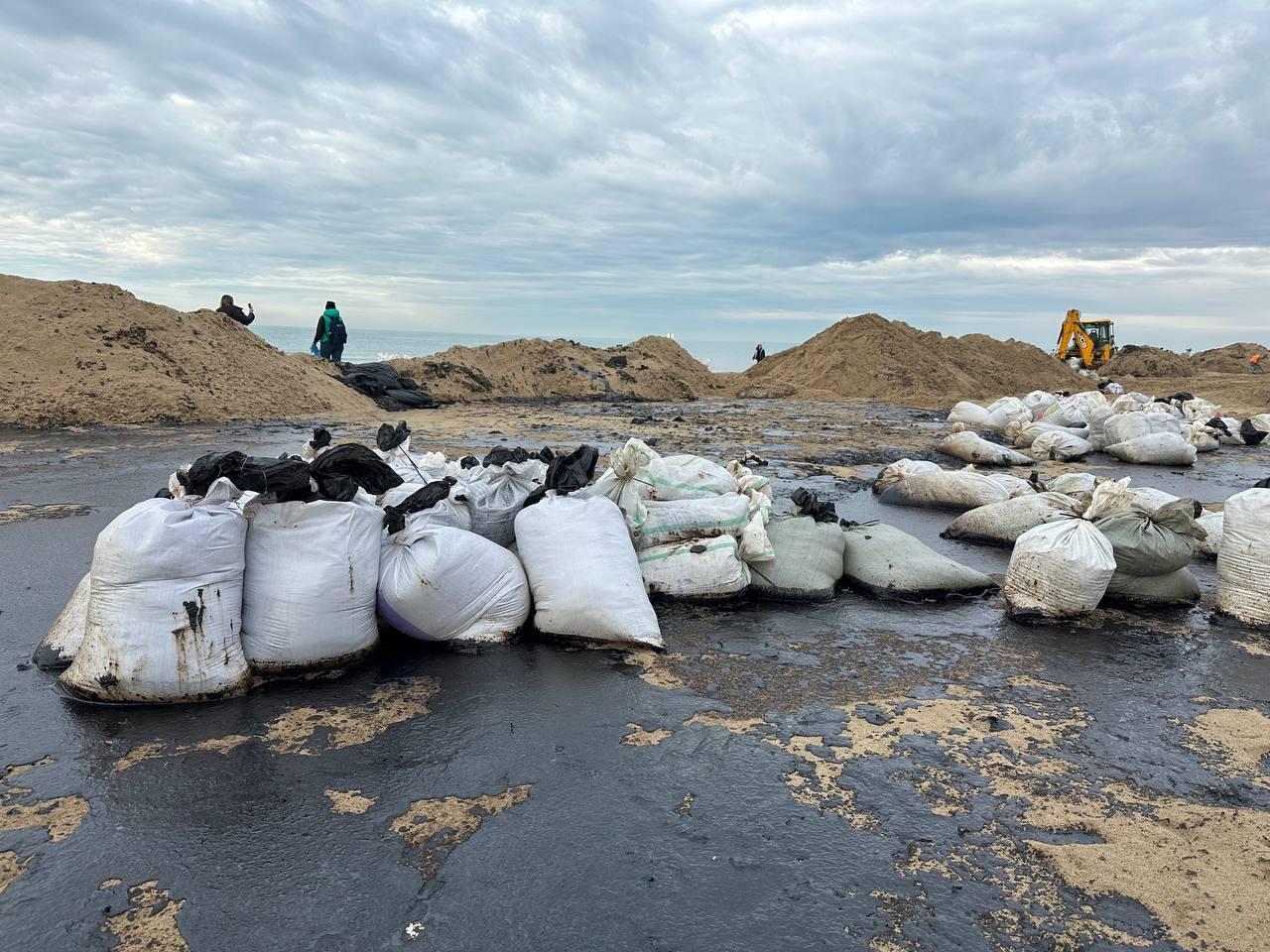
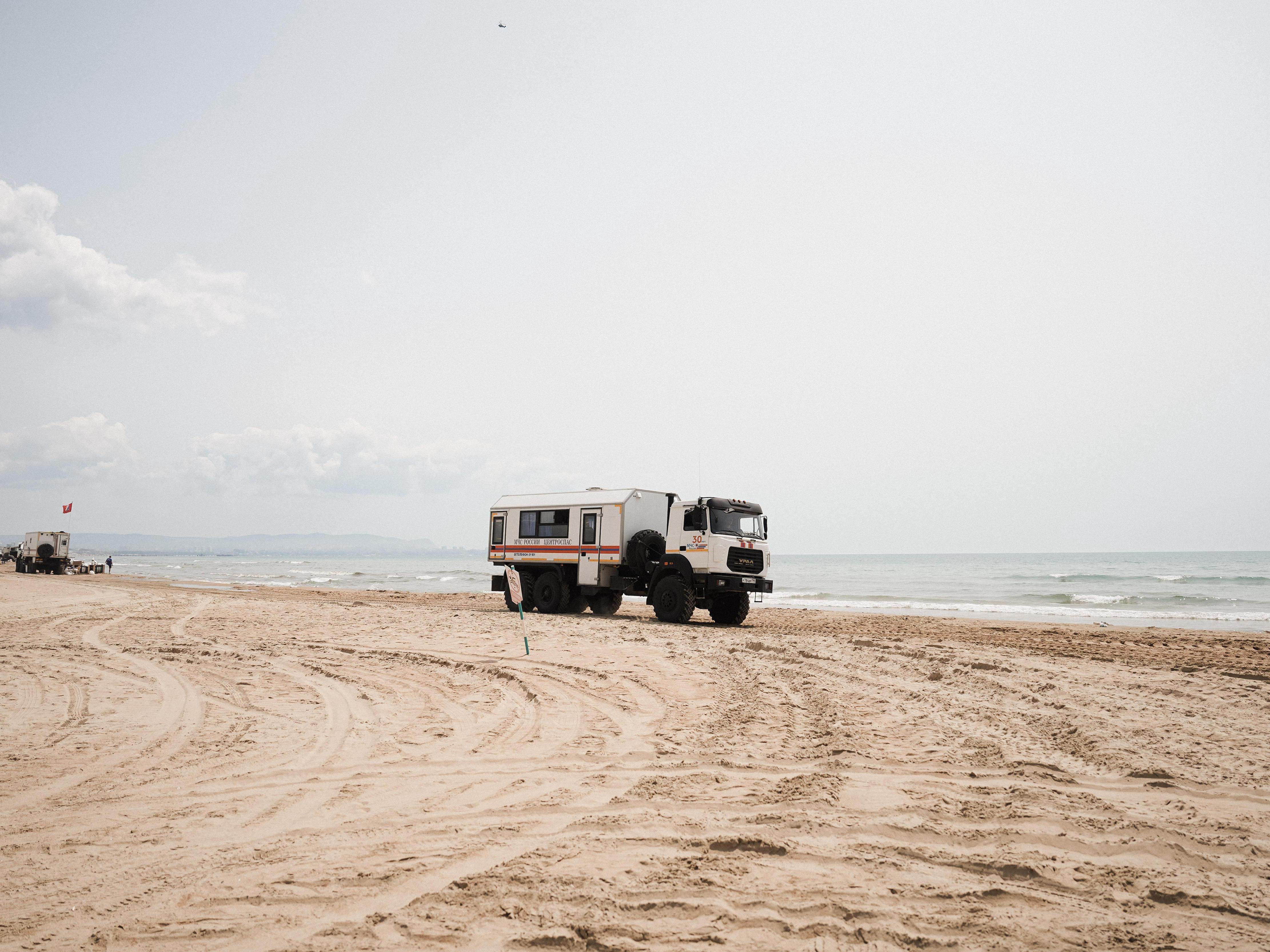
The regional authorities immediately announced the organization of an operational headquarters and hundreds of specialists working on site. But later it turned out that there were not enough people and equipment to eliminate consequences of such scale.
Residents of Anapa and volunteers cleaning fuel oil from the beach recorded a video appeal to the president.
— Local authorities do not possess professional resources and technical special means to neutralize the consequences of such a large-scale catastrophe and are forced to compensate for the shortage by attracting manpower—volunteers with shovels. We all need to realize that we have been struck by a disaster of international scale. The main issues of its elimination cannot be placed solely on local authorities,— the appeal states.
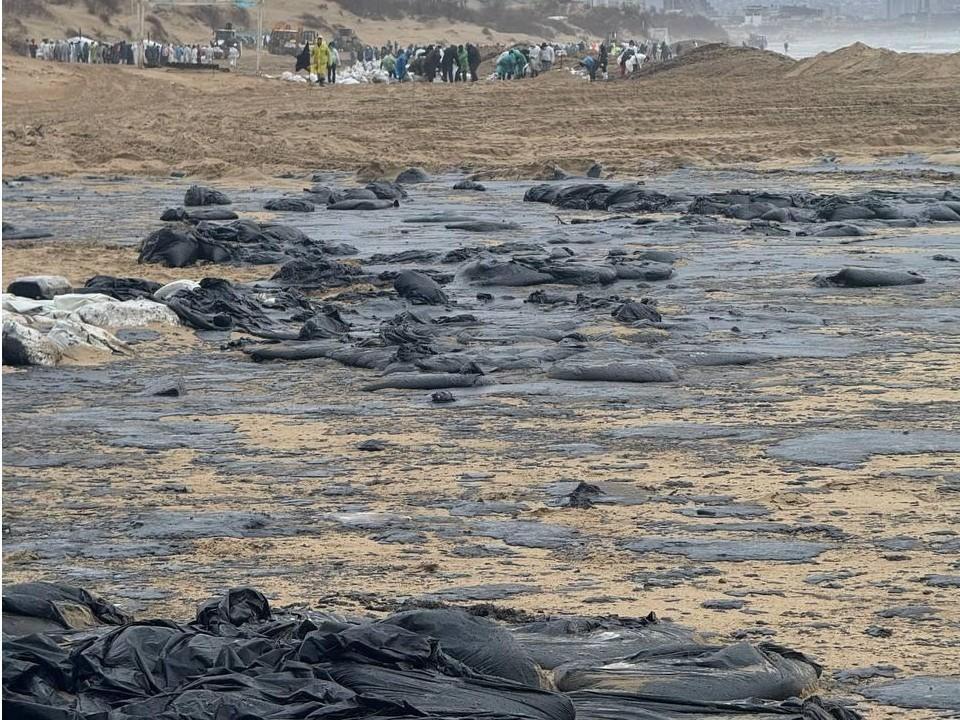
People came out demanding the assembly of teams of professional rescuers, the involvement of research institutes to neutralize toxic substances, appeals to other countries for technological help, and the engagement of veterinary services.
Scientific Director of the Institute of Water Problems of the Russian Academy of Sciences Viktor Danilov-Danilyan, in a conversation with RBC, said that the reaction of the Krasnodar Krai authorities was very delayed.
«For a week, besides the volunteers who appeared literally on the third day, there was no one there. For a week, no one woke up there at all, neither in the administration of Krasnodar Krai nor in the Ministry of Emergency Situations. This is surprising. On the fifth day, we held a press conference at TASS. This was the first public event at all. And as for the people who were there by duty, not by the call of the heart, to work systematically, then at best, very sluggishly, with completely insufficient forces, this happened only around the ninth or tenth day,»— said Viktor Danilov-Danilyan.
On 19 December, during a direct line, President Vladimir Putin commented on what happened, calling the fuel oil spill on the coast «an ecological disaster». Putin also noted that he had spoken with the governor of Krasnodar Krai, who assured him that at this stage, help was not needed and the region was coping.
A federal state of emergency in Krasnodar Krai was introduced only 10 days after the tanker catastrophe. The governor admitted that regional authorities could not handle such an ecological catastrophe on their own.
And on 9 January, the president criticized the progress of the ecological catastrophe cleanup, calling the measures taken by the authorities insufficient.
«I Can Assure You»
The authorities of Krasnodar Krai repeatedly publicly stated unrealistic deadlines for beach restoration. On 18 December, the day after fuel oil appeared on the coast, Governor Veniamin Kondratyev said on a federal TV channel that the fuel oil would be removed from the region«s beaches by the start of the 2025 resort season.
On 21 December 2024, six days after the sinking of two tankers in the Kerch Strait area, Kondratyev named the deadlines for eliminating the consequences of the ecological catastrophe: «Approximately a month, no more.» The head of the region told this to the TV channel Zvezda. On 23 December, Kondratyev adjusted the deadlines, promising to remove the fuel oil «by 1 February, at the latest by 1 March.»
Then the time shifted to 13 May. But closer to the summer season, Rospotrebnadzor (the Federal Service for Surveillance on Consumer Rights Protection and Human Wellbeing) still called the beaches of Anapa and the Temryuk district unsuitable for swimming, and the resort season never happened.
A year later, on 5 December 2025, Kondratyev during a direct line once again set new deadlines for eliminating the fuel oil catastrophe: «by the start of the season (by summer 2026), or maybe by the end of [this] winter.»
And Who Cleaned Up the Fuel Oil?
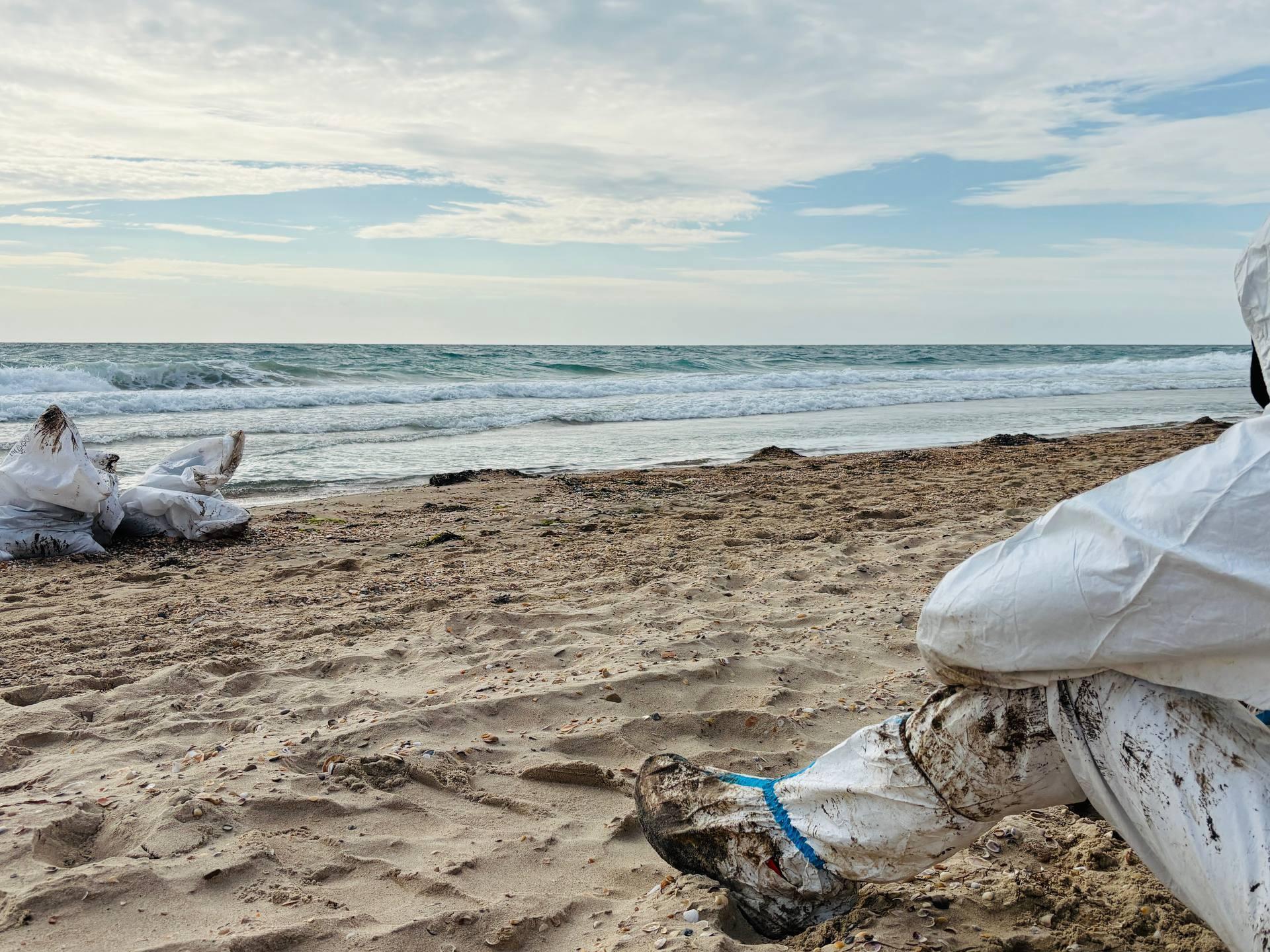
While officials made plans to eliminate the consequences and inspected beaches blackened by fuel oil, these very beaches were cleaned mostly by volunteers—thousands of people who came from other regions on their own initiative, as well as rescuers and employees of the Ministry of Emergency Situations. Full-scale beach cleanup by regional forces began only on 3 January, when they started bringing in public sector workers: teachers, leaders and members of creative groups, librarians, art school teachers, specialists from the Anapa city hall«s culture department, cultural centers and clubs, as well as technical staff of institutions and accounting workers.
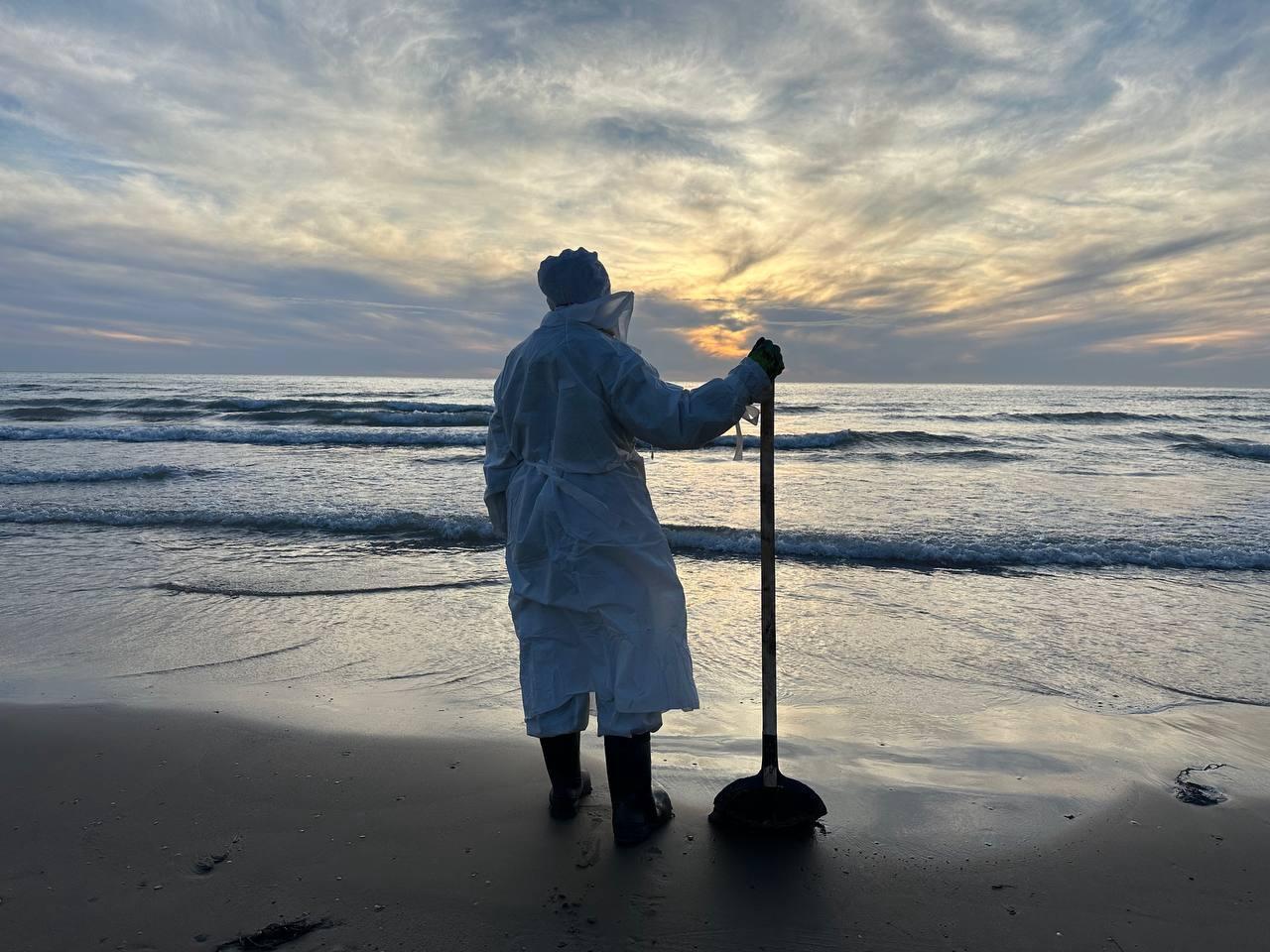
The administrations of Krasnodar Krai districts, which allocated people for the work, began reporting on the cleanup of another section of the coast.
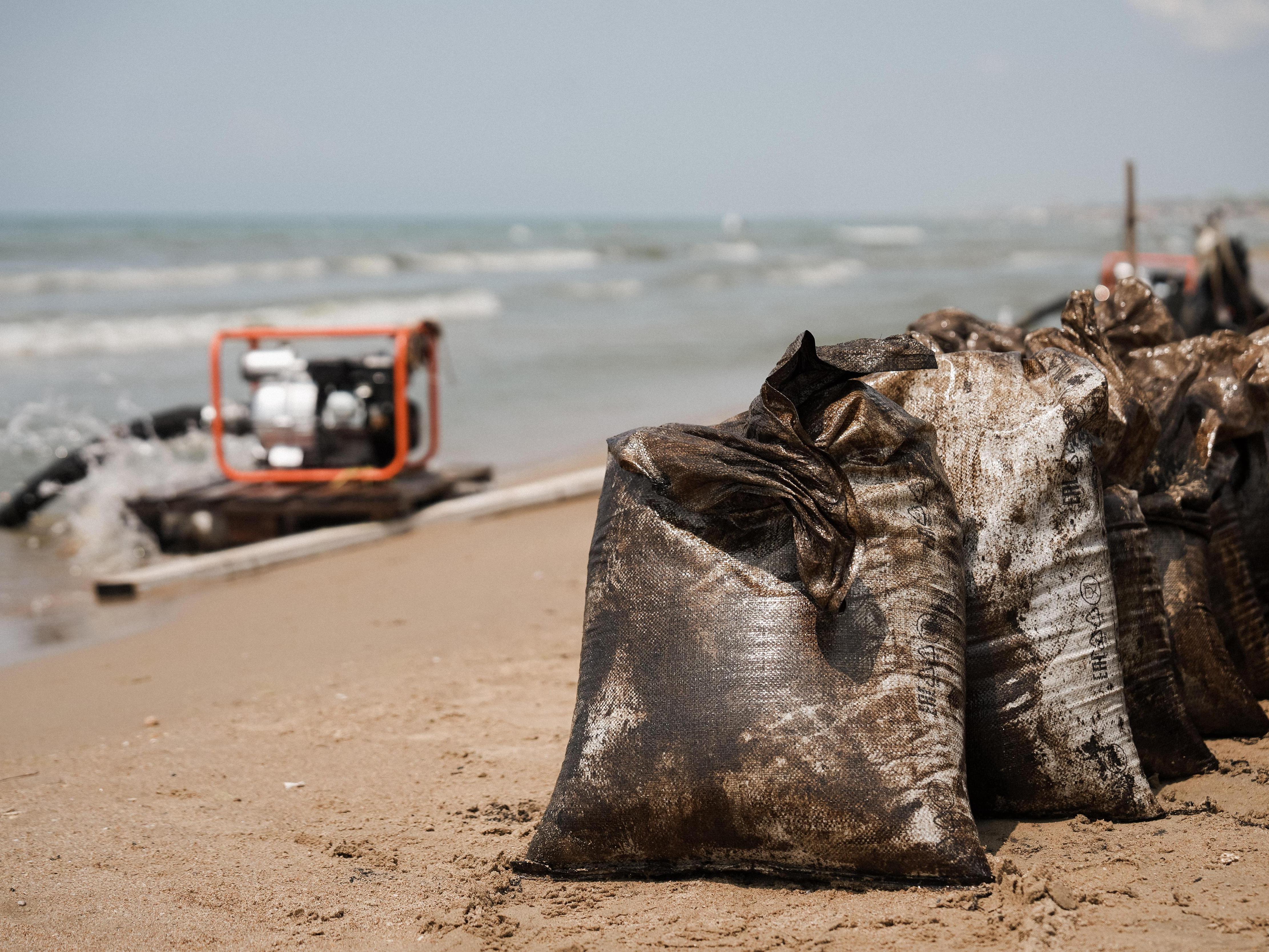
Moreover, a problem arose with the removal of fuel-oil-contaminated sand. The governor of Krasnodar Krai earlier admitted that landfills could not handle such a quantity of bags.
The administration of Krasnodar Krai even planned to transport the fuel oil to neighboring regions, but after protests from local residents, they refused to accept it.
As a result, the contaminated soil continued to be brought to the khutor (hamlet) of Voskresensky near Anapa right next to the private sector at a «temporary site.» Officials repeatedly set deadlines for cleaning this site of sand. And then repeatedly postponed them. First, they promised to remove the contaminated soil by 1 April, then— by 15 April, then— by the end of May. The last time, the deadline was set by mid-July. But then new and new fuel-oil-contaminated soil was brought to the site. Fuel oil spills continued.
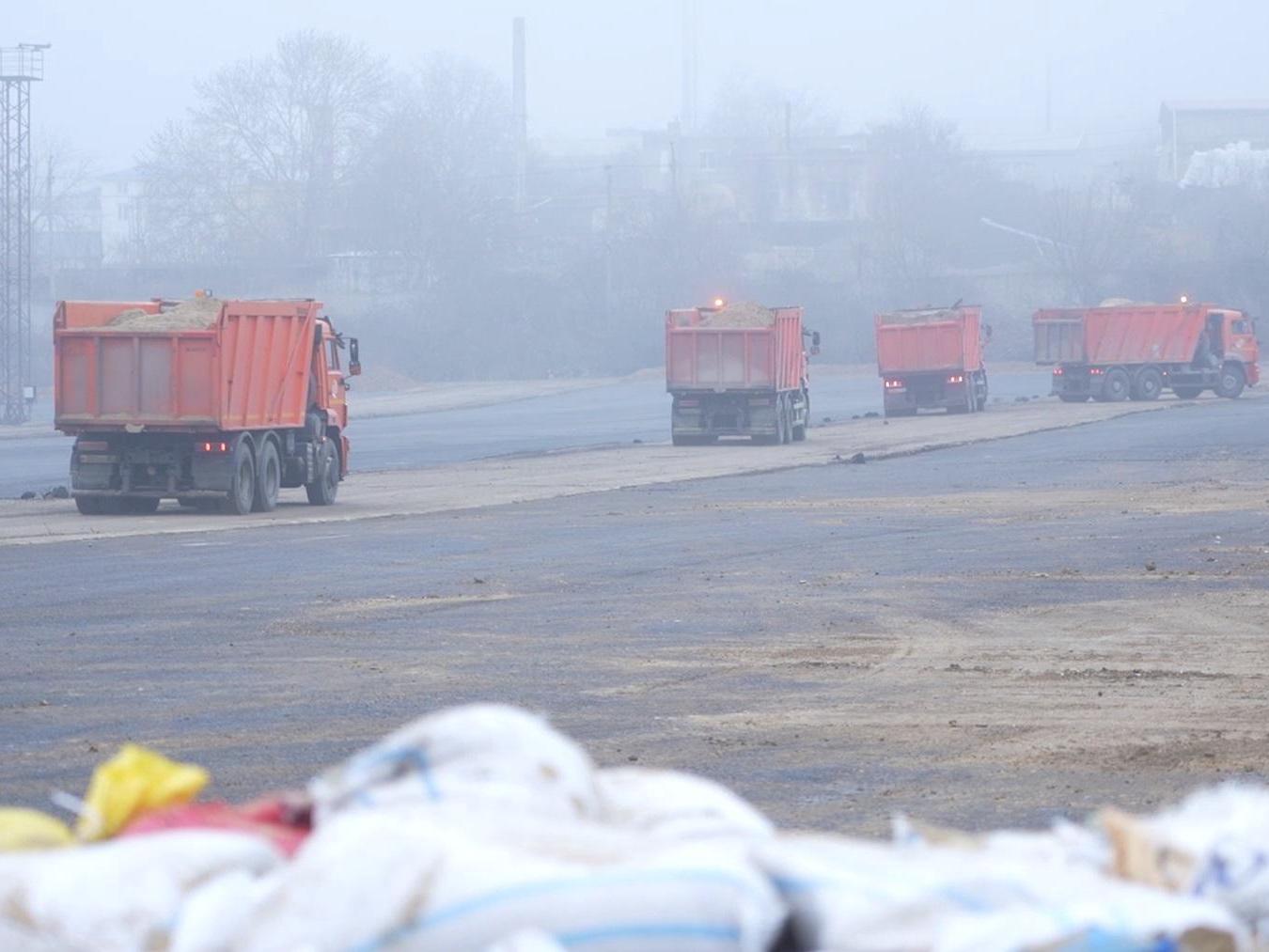
Residents of the khutor of Voskresensky repeatedly spoke out against its existence. The fact is that the oil products are stored 500 meters from residential houses and a local kindergarten. And mountains of dirty sand are visible from the windows of an apartment building. The authorities, however, claimed that the site was safe.
By the end of 2025, over 185,000 tons of fuel-oil-contaminated soil had been collected in Krasnodar Krai, with most of it, according to the authorities, disposed of.
The sand is cleaned of large fractions. Soil with minimal oil product content is sent to the landfill of Terra-N LLC in Novorossiysk for use as inert materials. With maximum content—it is taken for disposal to the landfills of companies Biopotential and Mercury Safety.
Everyone Has a New Year, but We Have a Catastrophe
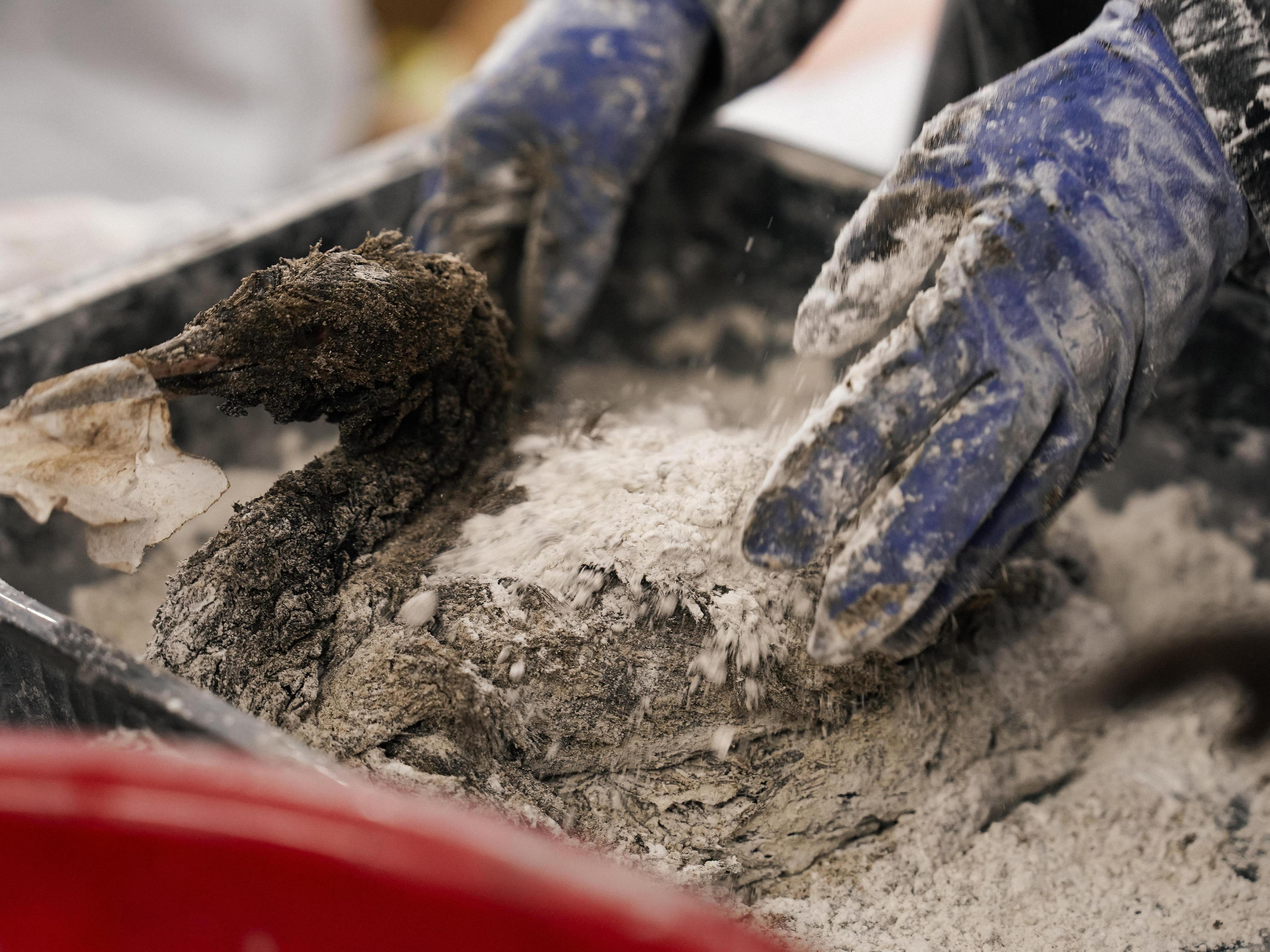
The first to feel the consequences of the catastrophe were not people, but animals. These are tens of thousands of birds, including endangered species. Some volunteers collected them around the clock in the limans (estuaries) and beaches, while others—washed them at a local car wash under very difficult conditions and almost without rest.
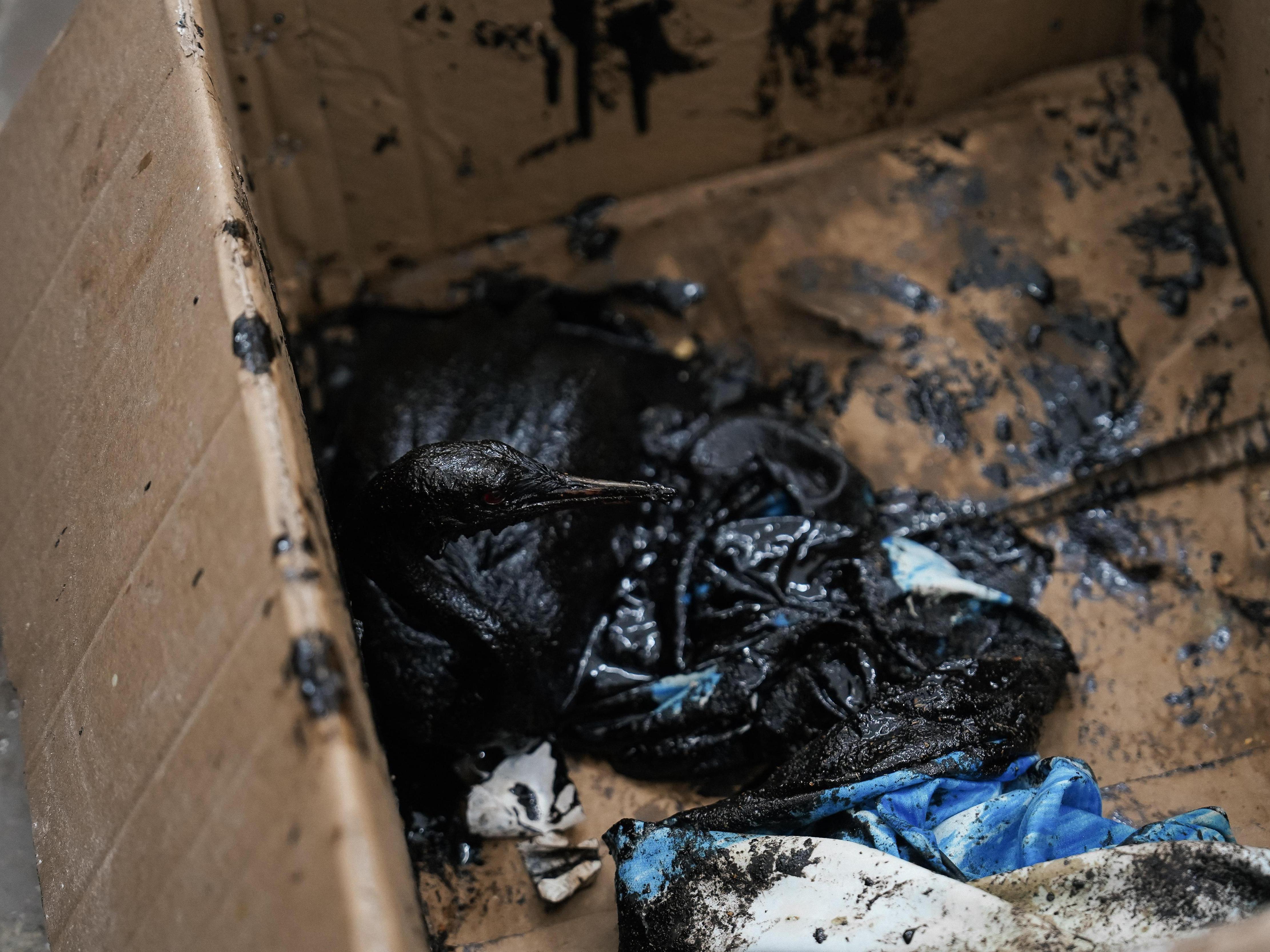
Volunteers constantly complained about the lack of people and space for washing birds. But the process did not stop even on New Year«s Eve. Birds were also sent for rehabilitation to private organizations in Krasnodar and Stavropol Krai almost without the involvement of authorities.
Only after the New Year, a center for rescuing birds was opened in Anapa on the basis of the Polar Dawns sanatorium with additional space and organization of meals for volunteers. Before that, people washed birds in unheated car wash premises and in an old barn in Anapa«s industrial zone.
A journalist from the portal 93.RU spent New Year in both these centers and told from a first-person perspective how the bird cleaning proceeded.
The exact number of birds that ultimately died due to the catastrophe is unknown. Animals died during cleaning, transportation, rehabilitation, and also after release—from intoxication, stress, natural causes. The number of dead individuals is roughly estimated at about six thousand.
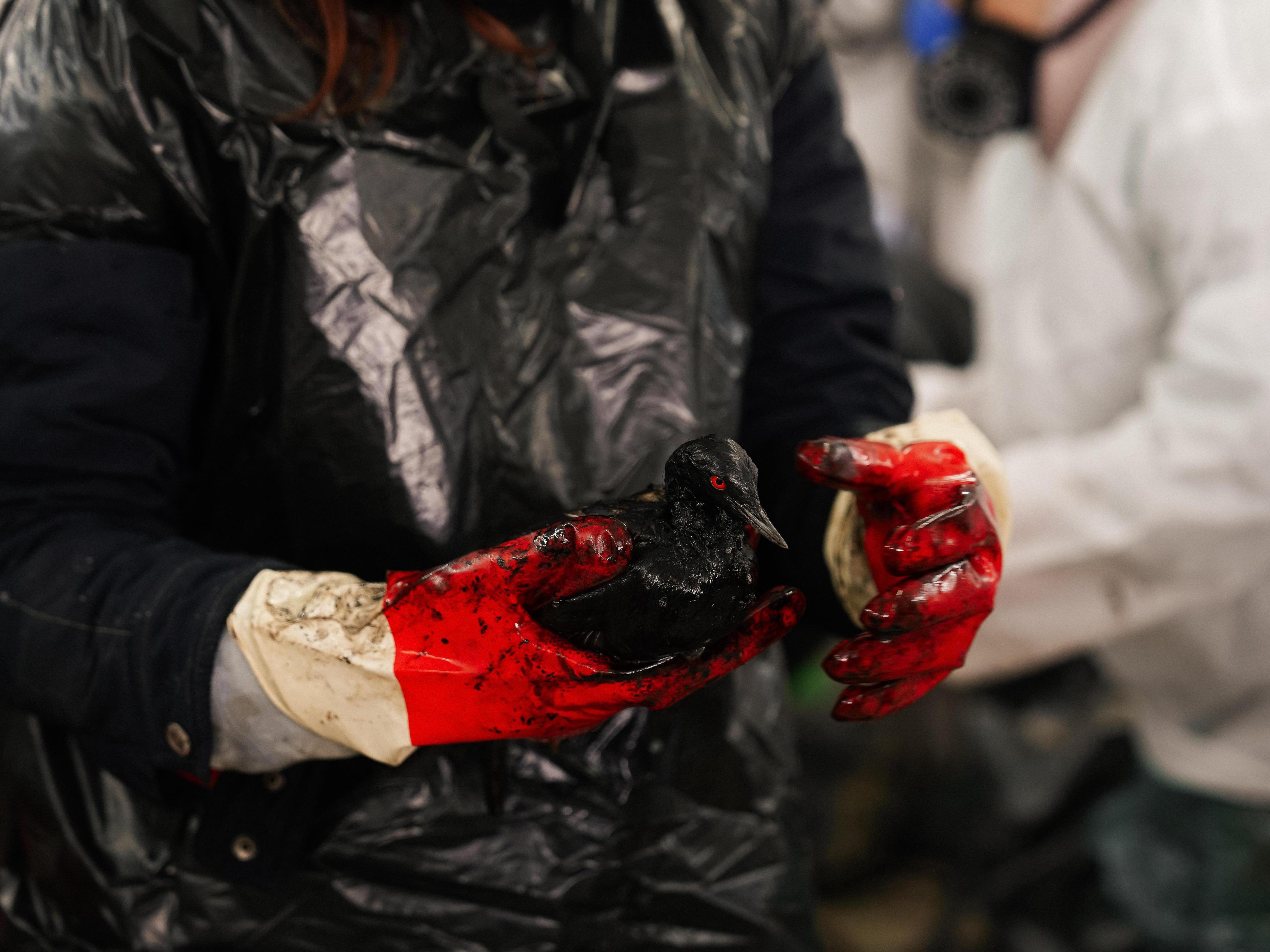
On 4 January, the authorities of Krasnodar Krai first reported on the release of birds that had undergone rehabilitation after being cleaned of fuel oil. On the afternoon of 5 January, volunteers reported finding over 10 dead birds at the release site.
Black Year for Anapa
Even before the start of the resort season, despite the authorities« promises to remove all the fuel oil, it was clear: there would be no full season in Anapa and the Temryuk district. And so it happened. Rospotrebnadzor did not allow the beaches to be opened due to a significant excess of pollutants in the soil. However, some tourists still swam. They were chased out of the water by Anapa administration employees and police.
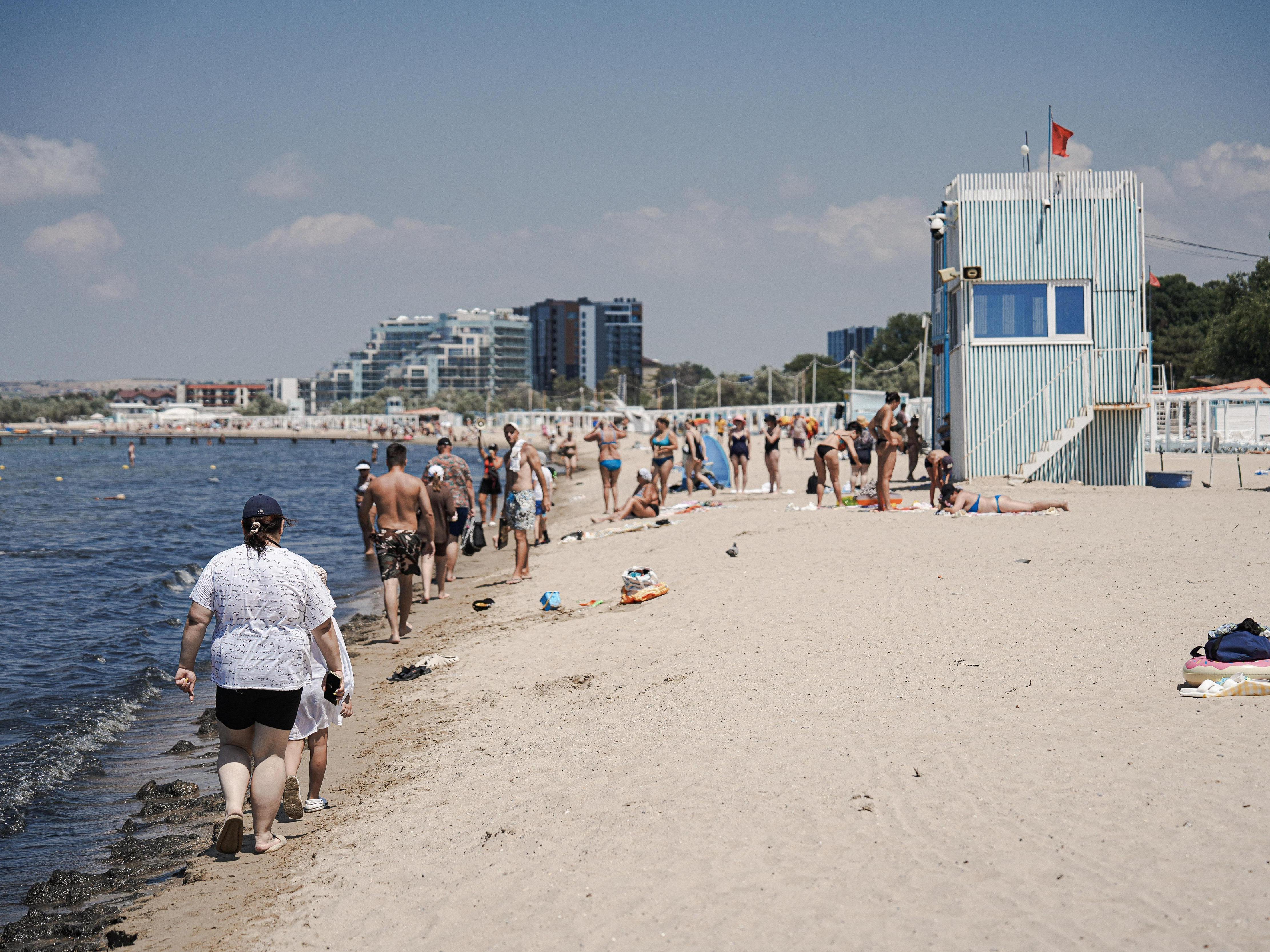
The resort itself at the beginning of summer looked abandoned: empty beaches, closed hotels. Small businesses, which the city had lived on before, suffered huge losses. Tourists who came to the resort, in a conversation with journalists from 93.RU said that «it«s unusual to see Anapa so empty.»
What Is Happening in the Sea Now?
The wreckage of the two tankers a year later continues to be on the bottom of the Black Sea—two parts of the tanker Volgoneft-212 and the bow part of the tanker Volgoneft-239. The stern of the latter was managed to be beached. It was cut up on 7 March of this year.
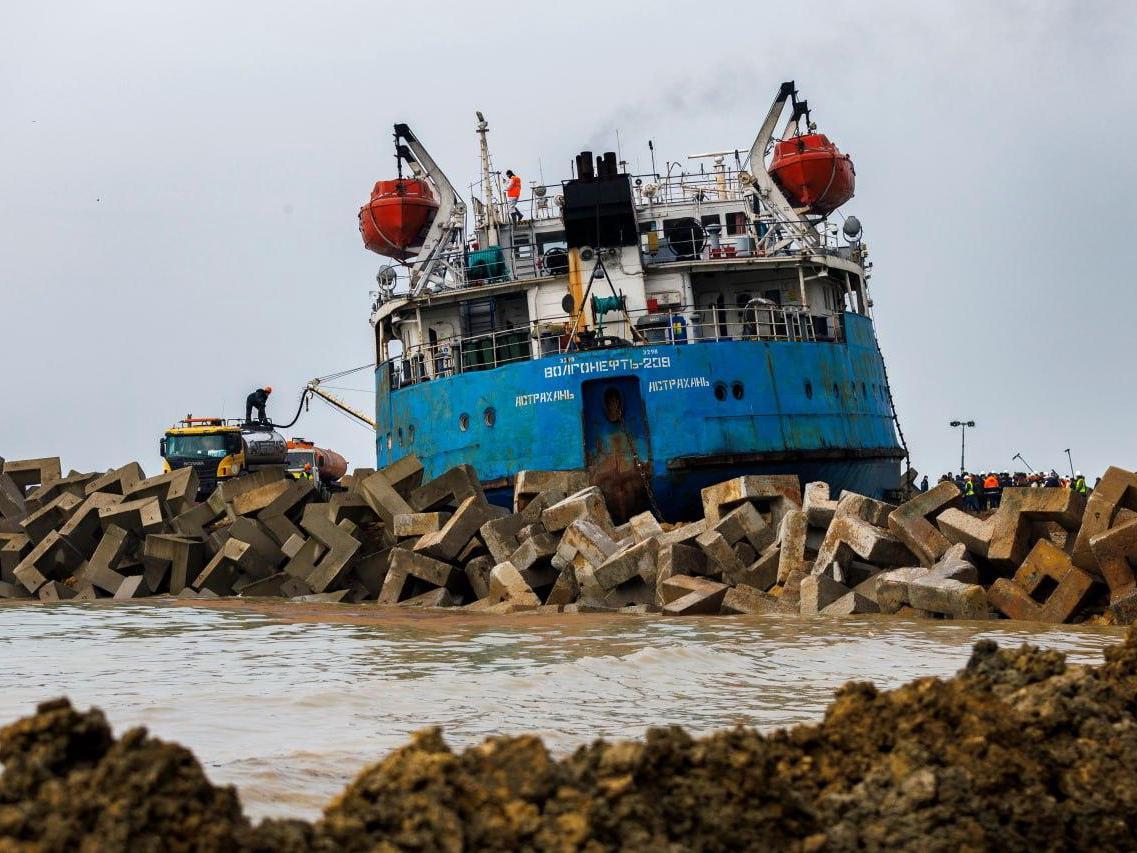
On 21 March 2024, the Ministry of Transport stated that the disposal of the sunken tankers would be phased. First, protruding structural elements would be cut off and raised to the surface. Then the sunken fragments would be covered with protective cofferdams at depths up to 20 meters—these are kind of sarcophagi to prevent further fuel oil spills. Federal authorities reported that these works should be completed by 30 October 2025.
On 12 December, at a government commission, it was stated that only one cofferdam had been installed, with work on the second and third continuing.
After removing the fuel oil, the cofferdams and remaining parts of the ships are planned to be fully disposed of in 2026.
How Much Did the Fuel Oil Catastrophe Cost?
According to approximate estimates, over 10 billion rubles (about $100 million at current rates) were allocated from the federal budget to eliminate the consequences of the catastrophe. According to Rosprirodnadzor«s (the Federal Service for Supervision of Natural Resource Usage) assessment, the total damage from the catastrophe amounted to almost 85 billion rubles (about $850 million). This is the amount being sought through the court from the owners and charterers of the tankers, the companies KamaTransOil, which owns the Volgoneft-212, Kama Shipping, the charterer of the tanker, and Volgatransneft—the owner and charterer of the Volgoneft-239.
They also want to recover the costs of eliminating the consequences from the companies.
As a result of the emergency, at least two people died—this is 23-year-old sailor Danil Sablin from the Volgoneft-212 (he died during the rescue operation on 15 December 2024). And on 28 February 2025, during the cleanup of the waters in Anapa, diver and first-class rescuer Semyon Lugovoy could not surface. He left behind a wife and two children.
A New Catastrophe That Didn«t Happen
At the end of October, the governor of Kuban stated that «900 tons of fuel oil» was approaching the coast. For comparison: in the winter of 2024, about 2.4 tons of fuel oil spilled in the waters.
At the same time, he repeated several times the thesis that «there is no need to find the guilty.» What is needed, he says, is «simply to clean up» and, probably, additional funds from the reserve fund of Krasnodar Krai will have to be used. However, where this «huge scale fuel oil slick» came from in the sea—not a word. According to official statements, there have been no leaks from the tankers recently.
And whether there was actually a slick is unclear. Because from satellite images, it was not possible to establish whether an oily film or actually fuel oil was drifting in the Black Sea waters.
Moreover, in the days following the governor«s statement, no major spills occurred. And on 15 December 2025, the governor of Kuban already announced plans to open the resort season in 2026.
What Is the Outcome?
Now scientists agree that nature«s recovery after the catastrophe may take 5–6 years. Moreover, some features of Anapa and biodiversity may be lost forever.
«The sand contains grains of citrine quartz. It is they that give this signature color. Such sand with such grains, of such roundness, is practically impossible to find in a quarry… The grains will be of a different shape, it will either dust or be washed out to sea. It will need to be brought in several times. This is a lengthy and expensive process,»— hydrogeologist Zhora Kavanosyan said in a conversation with the resource BFM.
The second threat—to the local population of crested cormorants, of which there are only about 100 nesting pairs in the krai. Several dozen birds were affected, and the region may lose them. Population recovery, if ecology allows, will take more than a decade.
The most serious concern—the fate of Black Sea dolphins (Azov dolphins, white-sided dolphins, bottlenose dolphins), all species of which are listed in the Red Book.
Also, he continues, the conclusion suggests itself that the country was not ready for the emergency financially and organizationally. The accident at the end of the budget year caught all levels of authority off guard. An effective and key proposal from the ecologist is to reform tanker fleet insurance on the principle of compulsory motor third-party liability insurance (OSAGO), where insurance for old vessels would be significantly more expensive, stimulating fleet renewal and creating a financial pool for instant response.
Also necessary is preparedness infrastructure: training centers for volunteers and strategic reserves of sorbents, special clothing, and equipment on all key beaches of the Black Sea coast. The expert states: over the year, no common, state-approved rules for responding to such emergencies have been developed.