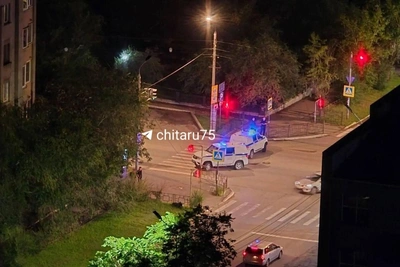
Voronez Faces Winter Whiplash: Heavy Snow Then Bitter Frosts
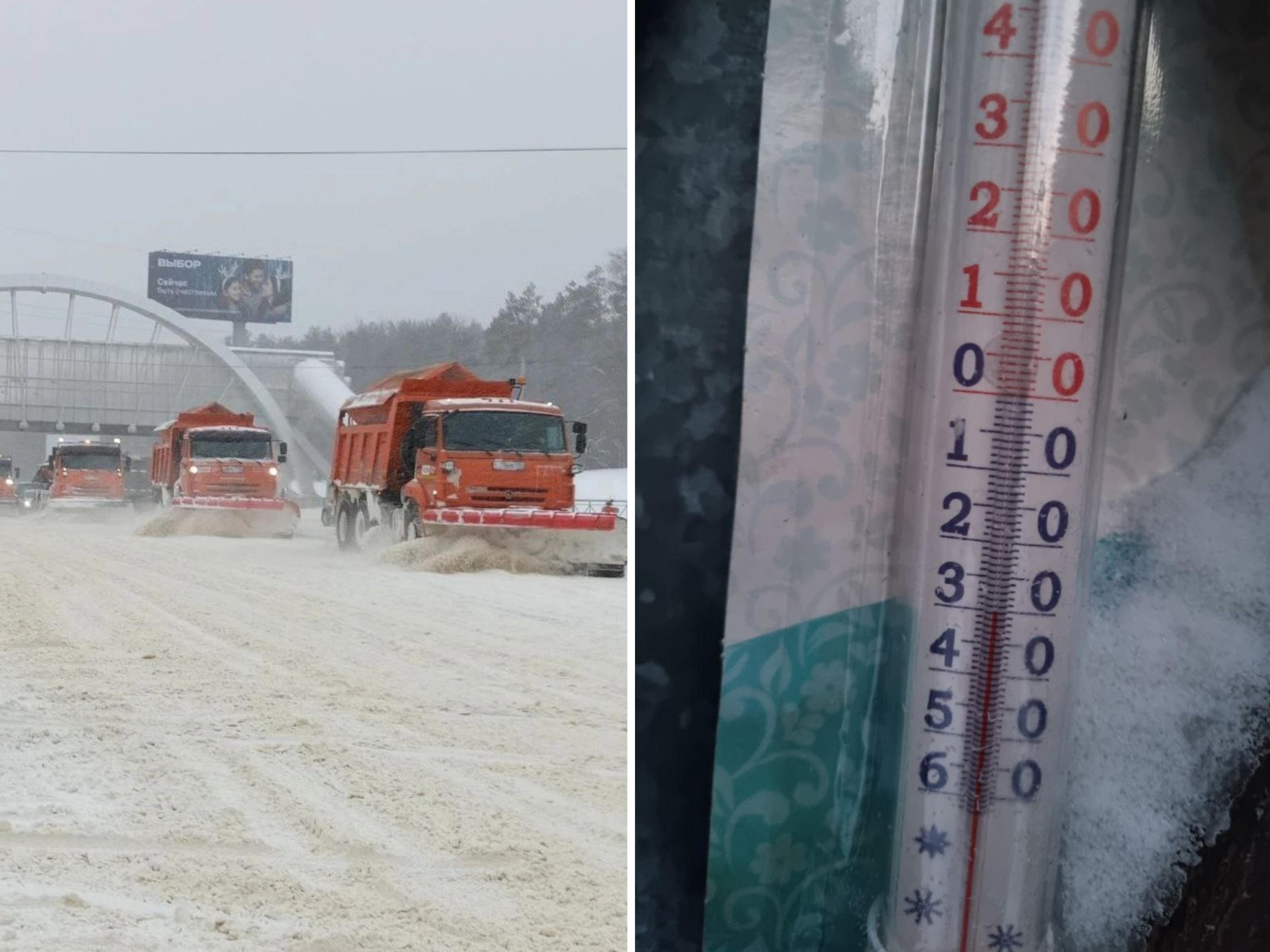

Winter in Voronez this year has brought one surprise after another. Early January saw 20-degree below zero frosts (-4°F), which then gave way to above-freezing temperatures. That proved to be just the calm before the storm. On January 30 and 31, Voronez was hit by heavy snowfall, followed on February 1 by even more severe frosts than those a couple of weeks earlier.
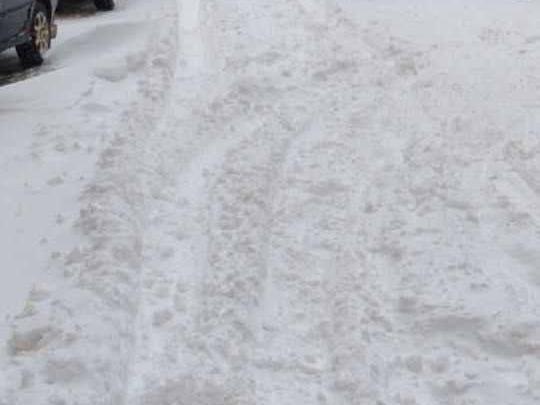
Here«s a look at the last few days in the city and how local authorities handled the severe weather.
Dozens of Car Crashes and Taxis for 1,300 Rubles (approx. $14 at current rates)
The snowfall began in Voronez at the end of the workday on Friday, January 30. By 5 p.m., the city was gridlocked with 8-point traffic jams. Online maps showed more than 10 traffic accidents in the city, but in reality there were many more: driving through the streets, one could see crashed cars with hazard lights on literally every 500 meters.
The traffic jams and slush on the roads immediately affected taxi prices: during rush hour, a trip could cost over 1,000 rubles (approx. $11 at current rates), and for some routes, you had to pay up to 1,300 rubles (approx. $14 at current rates).
Even at the very beginning of the blizzard, Voronez Region Governor Alexander Gusev reported that he held a meeting on preparing the region for the severe weather.
«One of the top priorities for road services is to prevent transport collapse and snow blockades of settlements. The necessary equipment is available. On days of critical temperatures, it will be warmed up around the clock to keep it operational. Carriers must also monitor public transport to ensure buses do not go off routes,» the head of the region wrote.
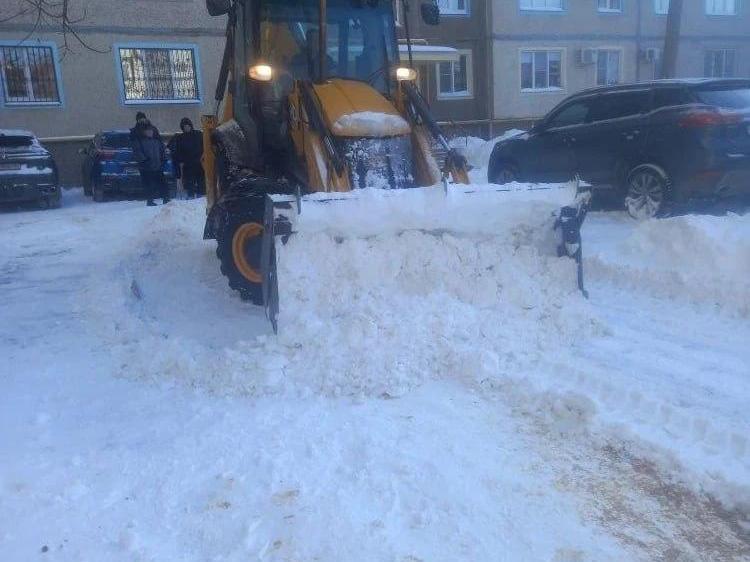
Meanwhile, the mayor«s office reported on the start of cleanup — posts about this appeared both from the administration itself and from district administrations. Mayor Sergey Petrin asked Voronez residents not to leave cars on the roadside to avoid complicating cleanup, and also warned about possible school cancellations.
The blizzard«s second day and the first blackout
On Saturday, January 31, the snowfall continued — the blizzard did not end until evening.
The mayor«s office reported: overnight, more than 4,100 cubic meters of snow were removed from the city, and during the day — more than 2,500 cubic meters, with cleanup continuing around the clock. However, that was for roads and sidewalks. The situation in courtyards was worse. While the State Housing Inspectorate (GZHI) published reports on cleaning areas near building entrances, Voronez»s largest regional solid waste management operator, «Ekotekhnologii», warned: special equipment could not reach container sites due to snowdrifts, meaning garbage could not be removed on time.
Residents of some apartment buildings that day decided not to wait for the management company or city authorities to remember them. Following the recommendation of city council deputy Alexander Sysoev, they went out to clean the courtyards themselves.
Meanwhile, the worst situation was for residents of the gardening non-profit partnerships (SNT) in the Blizhnie and Dalnie Sady areas: on January 31 the electricity went out. Power was restored for a few hours, but at night it went out again. And that was only the beginning of the blackout.
Abnormal frosts and remote learning for primary school
By February 1, the city had more or less been cleared of snow, though not completely. The main highways in the city boasted visible asphalt, and more than 12,200 cubic meters of snow had been removed from the streets.
However, in some places — for example, on the parking lot at the regional hospital — snowdrifts remained. Many courtyards also remained uncleared.
But by midday Sunday, snow ceased to be the main problem for Voronez residents. The temperature in the city began to plummet — thermometers were heading toward -20°C (-4°F) and below. In the Blizhnie and Dalnie Sady areas, there was still no electricity, and locals were informed about the introduction of an electricity supply schedule. And even in less troubled districts of Voronez, there were utility problems: for example, heating was cut off on two streets right in the center.
Since the frost forecasts were frightening — forecasters promised down to -30°C (-22°F) — it was decided in Voronez to send students in grades 1-4 to remote learning. And the regional Ministry of Education published recommendations for the entire region on sending other schoolchildren to remote learning when temperatures drop to certain levels.
By evening, it became known that carriers were preparing buses in advance to go out on routes on Monday. The vehicles were warmed up both at night and early in the morning — so that they could simply start and be able to operate.
What«s next?
The new work week did not bring weather improvements: so far, forecasters predict that 25 to 30-degree below zero frosts (-13 to -22°F) will persist in Voronez at least until Friday, February 6. And later within the month, the city could be hit by more snowfalls.
This is particularly bad news for residents of the gardening non-profit partnerships (SNT) — there, the idea of a schedule for turning on the electricity failed due to a new breakdown in the power grids. Voronez residents from Blizhnie and Dalnie Sady are in despair and ready to write to the president and the human rights ombudsman — they no longer hope for help from local authorities.
Meanwhile, not only elementary school students but also some university students were sent to remote learning due to the frosts. This measure was taken at Voronez State University (VSU) and Voronez State Forestry Engineering Academy (VGLTA).
The buses promised by the mayor«s office, which were warmed up all night, mostly went out on routes — authorities reported 740 vehicles operating on routes. This, of course, is not the full fleet that ideally should serve the entire city, but still, Voronez residents were not left completely without public transport, as happened in previous severe winters.
For all news on how Voronez will continue to cope with winter weather anomalies, visit our website Voronezh1.ru.