VkusVill Releases Handbook on Food Additives


In Russia, the use of over 300 food additives is legally permitted. However, the VkusVill chain sets stricter internal standards. Only a few of these substances are allowed in products that make it to its shelves, and in some product categories, preservatives and artificial colors are completely excluded.
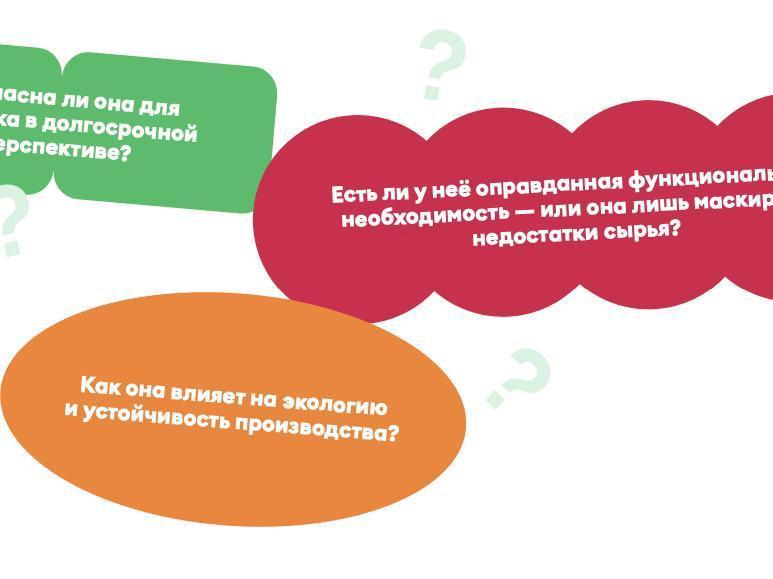
Several years ago, the company realized that existing Russian and international additive registries were insufficient, as they often contradict each other and are rarely updated. As a result, VkusVill established a specialized department where experts systematically collect up-to-date scientific data, conduct audits of compositions, and seek alternative solutions.
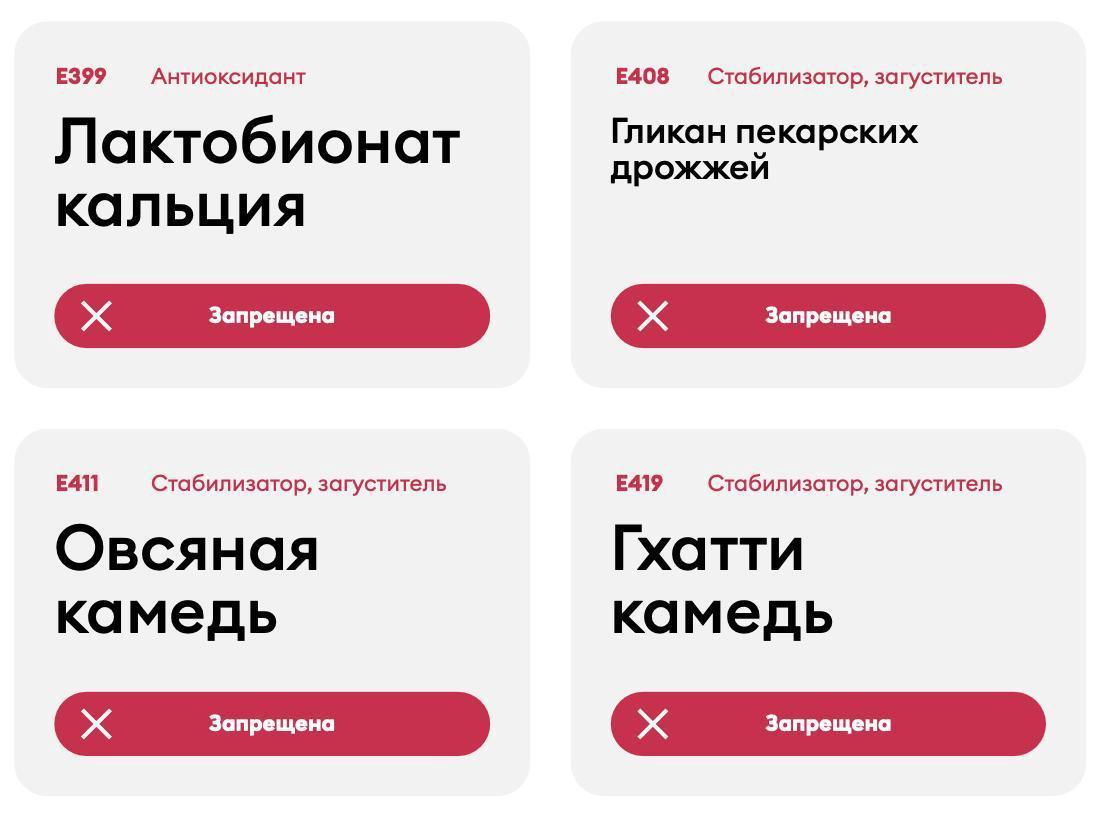
The approach is based on its own assessment methodology. For each additive, a scientific dossier is compiled, and it is checked against more than ten parameters. After analysis, each is assigned points, and ultimately it receives a status of «prohibited», «permitted», or «permitted with restrictions».
The handbook is the result of years of work by specialists. To date, over 600 food additives and ingredients have been studied. At the initial stage, the guide presents additives with detailed explanations of their functions, safety levels, and status at VkusVill.
«We often hear questions from customers: »What is carrageenan?«, »Is there really no hexane in your oil?«, »Why don’t you use this colorant if it’s permitted by law?«» says Yulia Makovetskaya, head of concept development and testing at VkusVill. «Our answer is always the same: we don’t just follow the law, we go further. If an ingredient is in a product, it means it is safe, technologically necessary, and does not mask the shortcomings of the raw materials.»
VkusVill evaluates each additive according to three key criteria:
- Dose and context: even a legally permitted additive can be prohibited if its use is unjustified or potentially risky with long-term consumption.
- Protection of vulnerable groups: in categories such as baby food and dietary products, enhanced restrictions apply even for substances allowed for other consumers.
- Technological necessity: an additive must perform a specific function (preservation, stabilization, texture improvement), and that function must be justified in the particular product. If it can be done without, it is not used.
Examples of decisions:
- Synthetic colors (E102, E110, etc.) are completely prohibited. Instead, natural alternatives are used: curcumin, annatto.
- Preservatives (E200, E202) are allowed only in exceptional cases (for example, in fish delicacies) where safety cannot be ensured without them.
- Aspartame (E951) was initially excluded from recipes — even before the WHO recognized it as a possible carcinogen in 2023.
- Emulsifier E471 is prohibited at VkusVill even in baked goods, despite being permitted in Russia, because it is not needed with high-quality raw materials.
The handbook is intended for customers who want to understand what they are eating. For producers collaborating with VkusVill, it is a transparent standard of requirements, and for the entire industry — a contribution to the culture of conscious consumption.
The document will be regularly updated as new additives are researched, scientific data emerges, and the assortment expands. It can be viewed on the VkusVill website, as well as on an interactive page that details the principles of working with additives.