Shelter director exposes problems with Ural labor houses

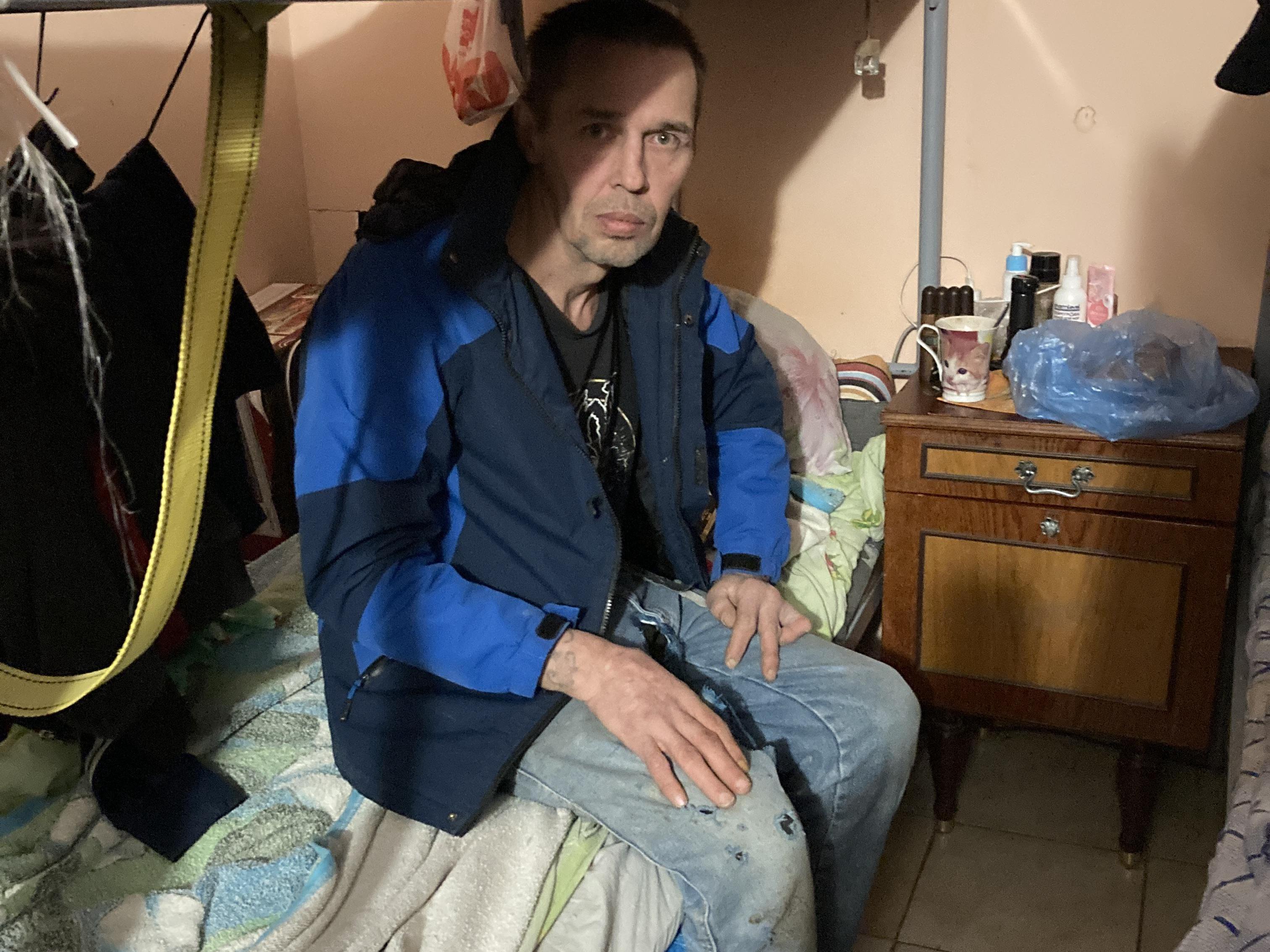
Yesterday we told the story of 53-year-old Andrei Shchukin: he was offered help in a difficult situation, he agreed and lost his home. For a year, he lived in a labor house (less commonly called a workhouse) at Vtorchermet. He worked on construction sites and at a bread factory — despite having had tuberculosis. Of course, according to the Yekaterinburg resident, he was cured and removed from the register, but he didn«t undergo fluorography, and the labor house owner forged his medical record. The same owner, Andrei claims, fraudulently deprived him of his apartment.
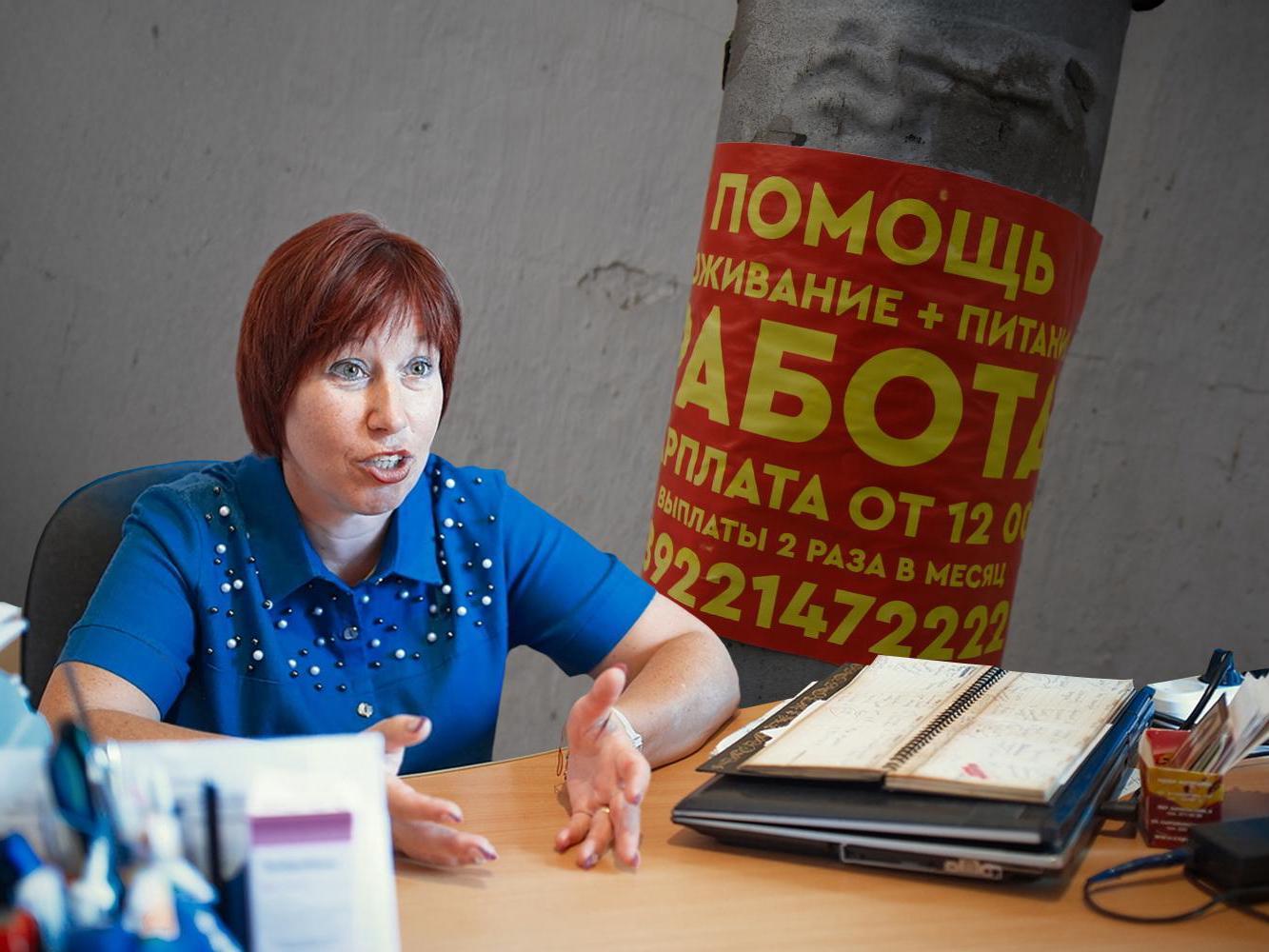
Olga Bakhitina, director of the social shelter «Dari Dobro» (Give Good), discusses what«s wrong with labor houses that masquerade as charity and help for people. What follows — in first person.
Stopped bringing profit — got rid of him
Somehow, a resident was dumped on me. There«s no other way to put it, he was literally dumped, like a kitten or a puppy. They dropped the man off from a car near the shelter and drove away. The man was 60 years old. Possibly, he had a stroke on his feet, he had impairments in speech, thinking, and motor skills. He was a resident of a labor house.
Apparently, he was picked up from the street. He worked, and when he stopped bringing profit, they got rid of him. At least they didn«t leave him on the street. This man was eventually taken by relatives: it turned out they were looking for him.
Among my residents, there are former inhabitants of labor houses. However, they came on their own when they could no longer work. The labor there is physically very hard, exhausting. They go there out of desperation. Nowhere to live, no relatives or they don«t want to communicate due to a previous asocial lifestyle.
They are picked up by recruiters on the streets. They offer work, a roof over their head, help to overcome alcohol or drug addiction. Probably, even the most hopeless person has a glimmer of hope to get out from the bottom. However, some are cynically offered a hangover cure and taken away, and then forced to work it off.
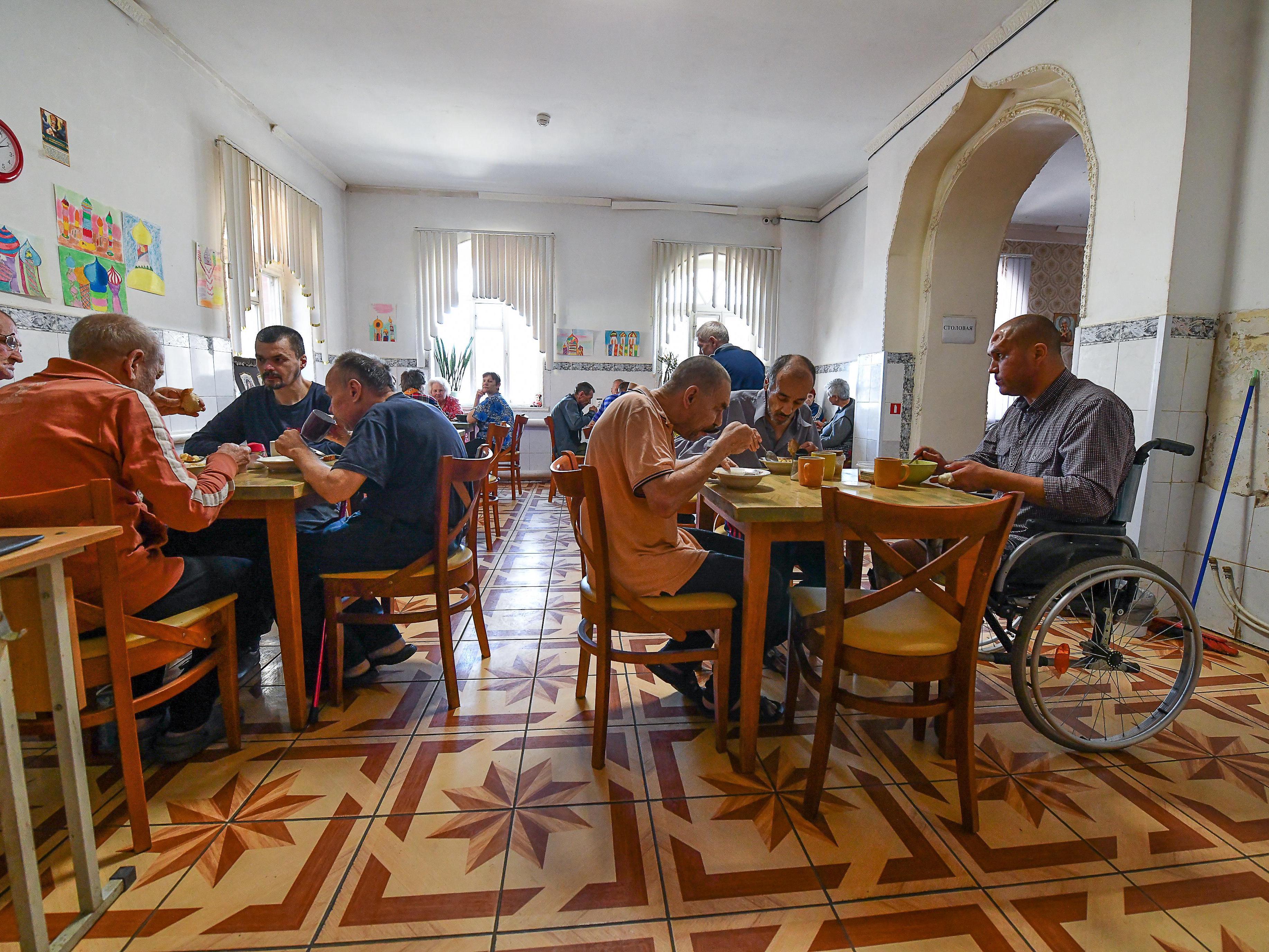
And what next? Suppose a person is 60 years old, can no longer work on a construction site. Such a person comes, for example, to my shelter. My living conditions are the same as in a state institution: the fee for living is 75% of any pension.
We go to the social fund, and the former laborer has no pension points, no work record. Social pension for men is only at age 70. What is he to live on if he has no relatives or housing? Where to go — to the street, to steal? And this person worked for many years, but only for the enrichment of the owners. If possible, of course, we arrange disability, which can take a year. I can«t take every such person.
Struggle for the homeless
But while a person can work, there is a real struggle for him. Labor houses compete with each other, and there is a hunt for the homeless, but only for those who can and are willing to work. As if they are not vagrants with a difficult past, but high-class specialists.
I have a resident Sergey, 48 years old, disabled of the third group, mentally retarded, can«t read or write, can»t live independently, not socialized at all: he grew up in a very dysfunctional family. Several convictions for theft. He was brought to me by social protection from the region two years ago.
When we went with him to restore his passport, he was detained. He turned out to be wanted: he didn«t report after release to the supervision inspector, and social protection didn»t even know about it. He just forgot or didn«t understand why he needed to. Given his characteristics, it»s not surprising. And for this, he almost ended up in prison again.
I then spoke in court in his defense, explained everything about what kind of person he is, vouched for him, restored his pension. He was left with me in the shelter. He turned out to be quite compliant, can help with household chores, doesn«t steal — he obeys. And on City Day, he went for a walk and disappeared, didn»t come back to sleep, doesn«t answer calls, and I have to take him to the supervision inspector to report. The place of residence by court order is with me, I am responsible for him.
Through acquaintances (in the sphere of helping the homeless) I found out that he was taken directly from the street to a labor house, they said which one. It turned out he had lived and worked with them before. I got in touch with some their comrade, like a senior in the house. This senior tells me: «He doesn»t want to live with you, it«s none of your business, don»t interfere. We«ll sort it out ourselves with everyone, with the police and all inspectors.» I say: «If he tells me this personally in private, do what you want, sort it out yourselves.» I heard: «He will only talk in my presence.»
Later I found out that these houses have an owner with the nickname Beard. Among those behind them, there are many with nicknames. This is also food for thought about who runs this business. These guys really tried to negotiate with the supervision inspector, that is, to pay [a bribe] and «close the issue» about the place of residence.
The inspector asked this «fixer» to leave the office, called me, and left Sergey with her. In the end, Sergey returned to the shelter. He said that he lived for several days in some unclear house where the roof was leaking, they were taken to work, phones were taken away.
Masquerading as charity
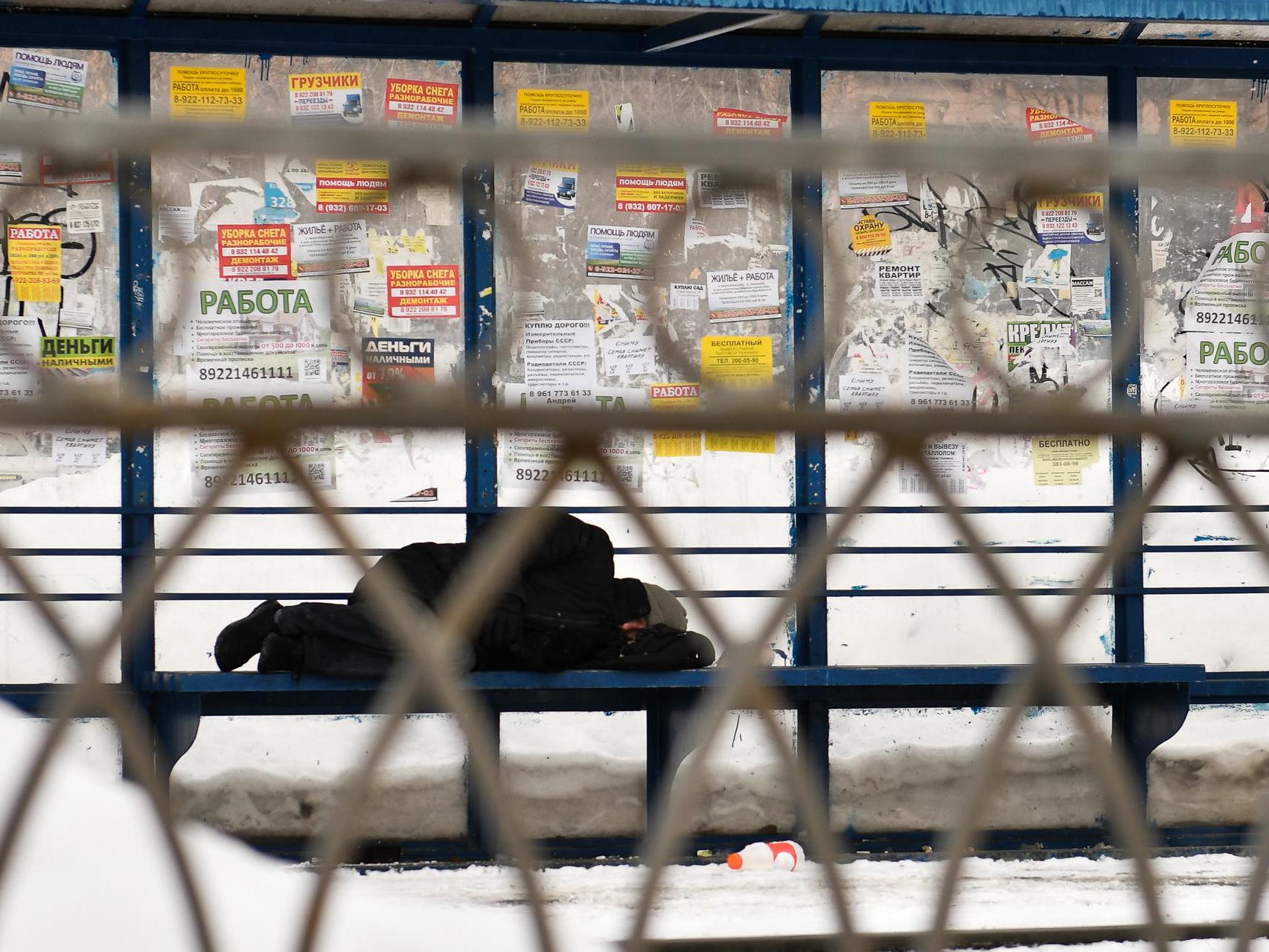
There are many such labor houses in Yekaterinburg: in apartments of residential buildings, in cottages. You walk around the city, everything is covered with advertisements: «We»ll help in trouble, arrange, pay.« In some houses, they still pay 500 rubles (approximately $5 at current rates).
Meanwhile, the market rate for a shift of a laborer, as those in the know told me, is 4,500 rubles (approximately $45 at current rates). People go for this because they have no way out, and the owners enrich themselves, essentially, on slave labor, buy themselves expensive cars. Someone might object: well, it«s a business. But these houses masquerade as charity — they create autonomous non-commercial organizations.
Why it«s unprofitable when people leave
I understand: if we close or suppress all labor houses with inspections now, it will be a catastrophe. People will end up on the street, someone will go back to crime. But that doesn«t mean we should wash our hands of it.
I think the indicator of work for such a non-commercial organization is the residents who were able to return to normal life, able to live independently. Let there be few of them, but they should exist.
For those who use slave labor, on the contrary, it«s unprofitable for people to leave them. If someone asks me if I have such people, I»m calm. I do. Right now, one of the residents is leaving, he was brought without legs. An intelligent, educated man, but he abused alcohol, so he froze his legs.
I took him to doctors, they made good prostheses, each costing 400,000 rubles (approximately $4,000 at current rates). Now he«s leaving for his homeland, there are relatives, grandchildren. He says he will work, it»s possible with prostheses. I really want it to work out, although I worry, of course: so much effort was put into him.
That«s how these houses should be set up: to support, socialize. Not like a person came to you for help with housing (it was such a saving anchor!), and left with nothing. Instead of guiding: live, save money, pay off debts — they just seized it (if that»s really how it was). In this situation, of course, investigators should look into it.
The first thing to check in such houses is whether the workers have fluorography. I don«t take anyone into my shelter without it: I can»t risk the health of myself and 50 residents because of one person. Not only do your people work on public sites, even on food-related ones, this is our safety. But here the managers risk not only the health of others but their own too. Think about yourself and your family.
The state should control this sphere
Of course, there are worthy organizations that help, not make slaves out of people. There is «Nika» (charitable fund), «Dari Dobro» (this autonomous non-commercial organization has the same name as our shelter, it«s often used).
I named two that I know well, there are other normal ones. They are well-known, work openly, constantly in motion: they help large families and the poor. They really engage in charity, not everything into their own pocket. And they, by the way, have examples when residents leave them to live independently, that is, they become socialized.
Of course, requirements and standards for labor houses could be introduced, but the problem is that no one controls this sphere. Maybe the Ministry of Justice should check those who register such ANOs? I don«t have an exact answer to the question »what to do«. They will open quietly, rent apartments. I would appeal to law enforcement agencies, personally to Bastrykin, so that he puts the situation with labor houses under control. The state should control this sphere.
Read the story of Yekaterinburg resident Andrei Shchukin — his account of life in a labor house.