Seven Stalingrad Victory Facts Often Overlooked
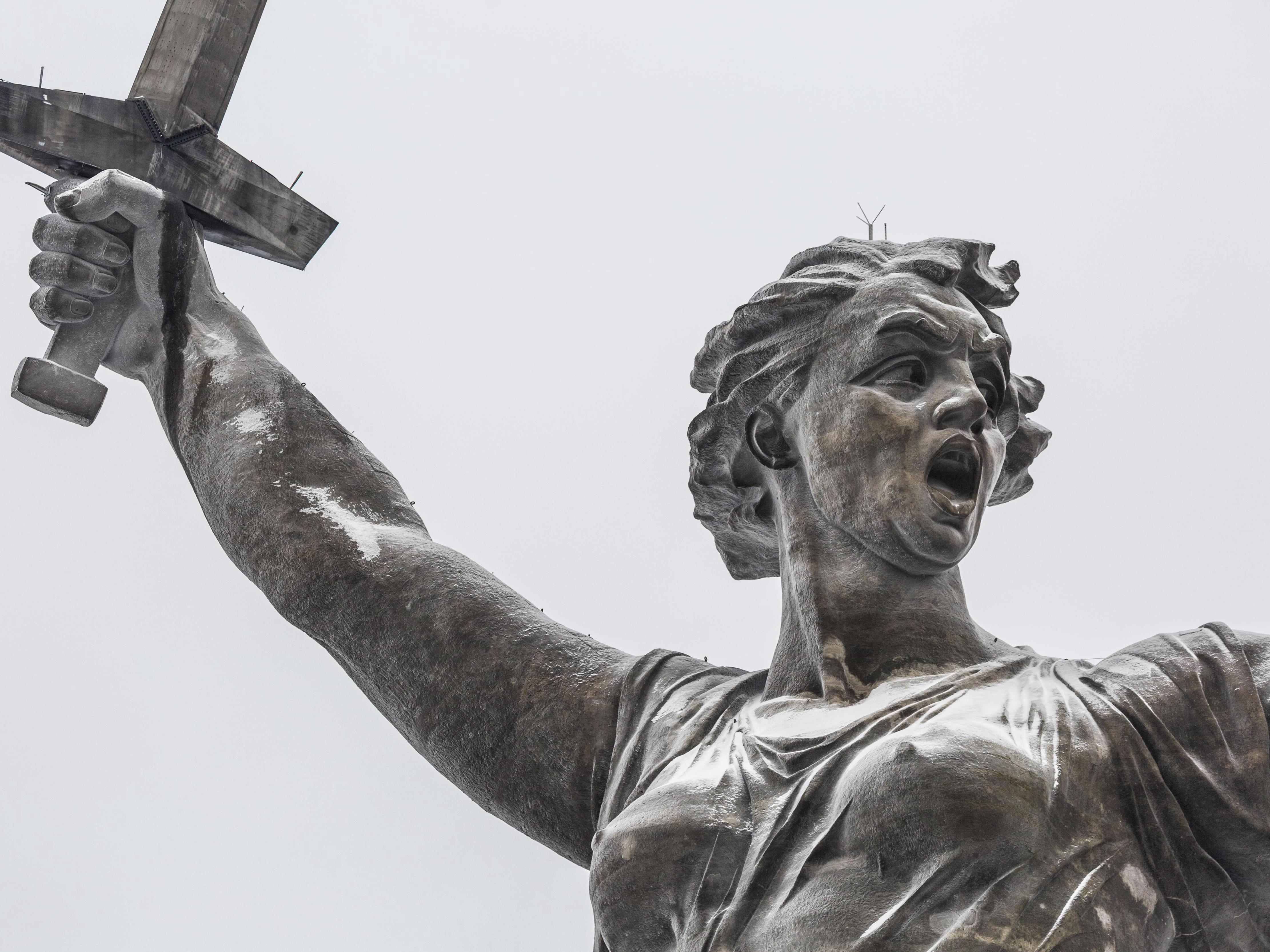

Today, February 2, as the entire country marks Russia«s Day of Military Glory — the 83rd anniversary of the complete defeat of German-fascist forces by Soviet troops in the Battle of Stalingrad, prominent political analyst Dmitry Fetisov reminded us of seven facts that either the general public is unaware of or that even many Volgograd residents forget:
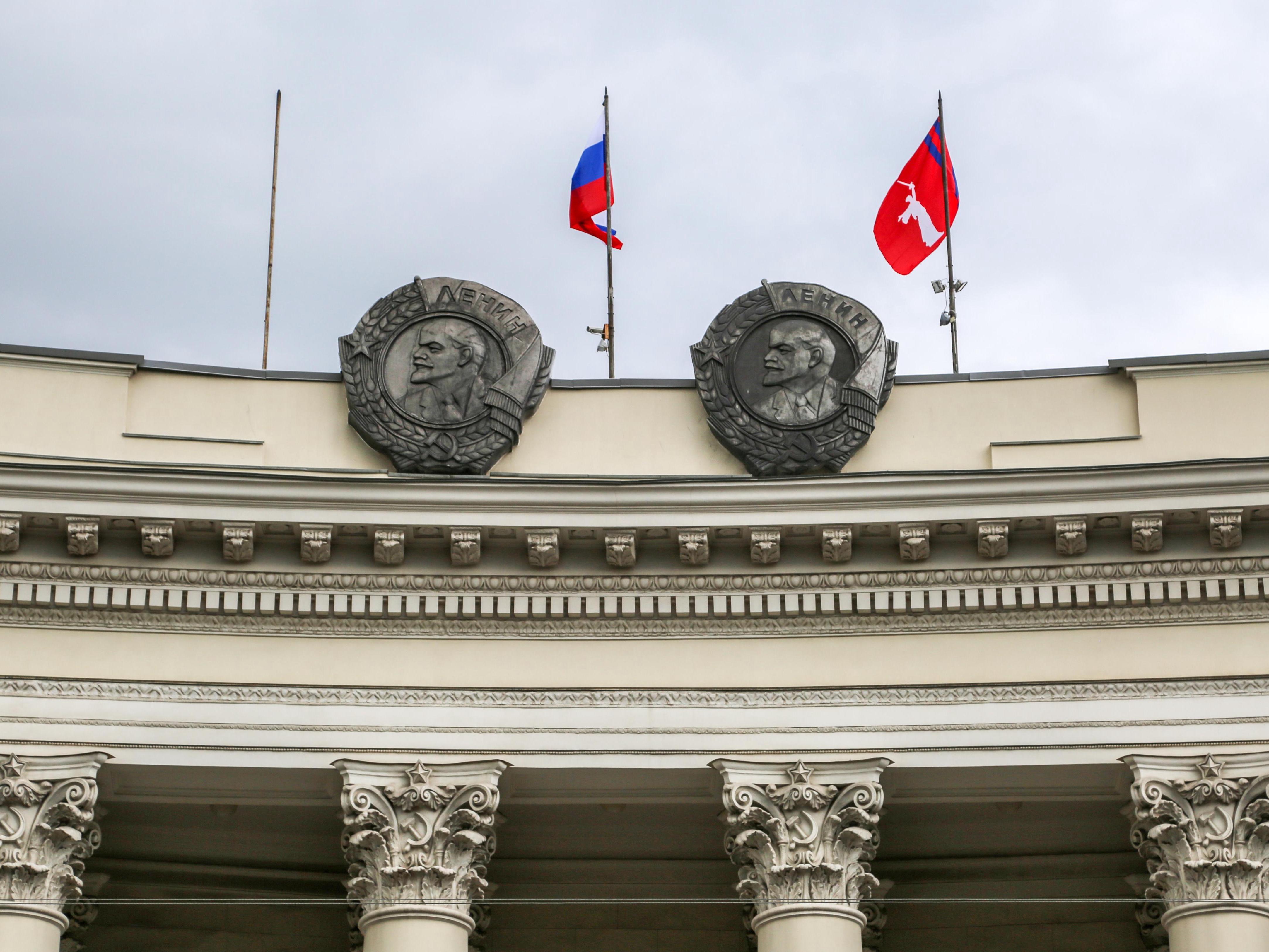
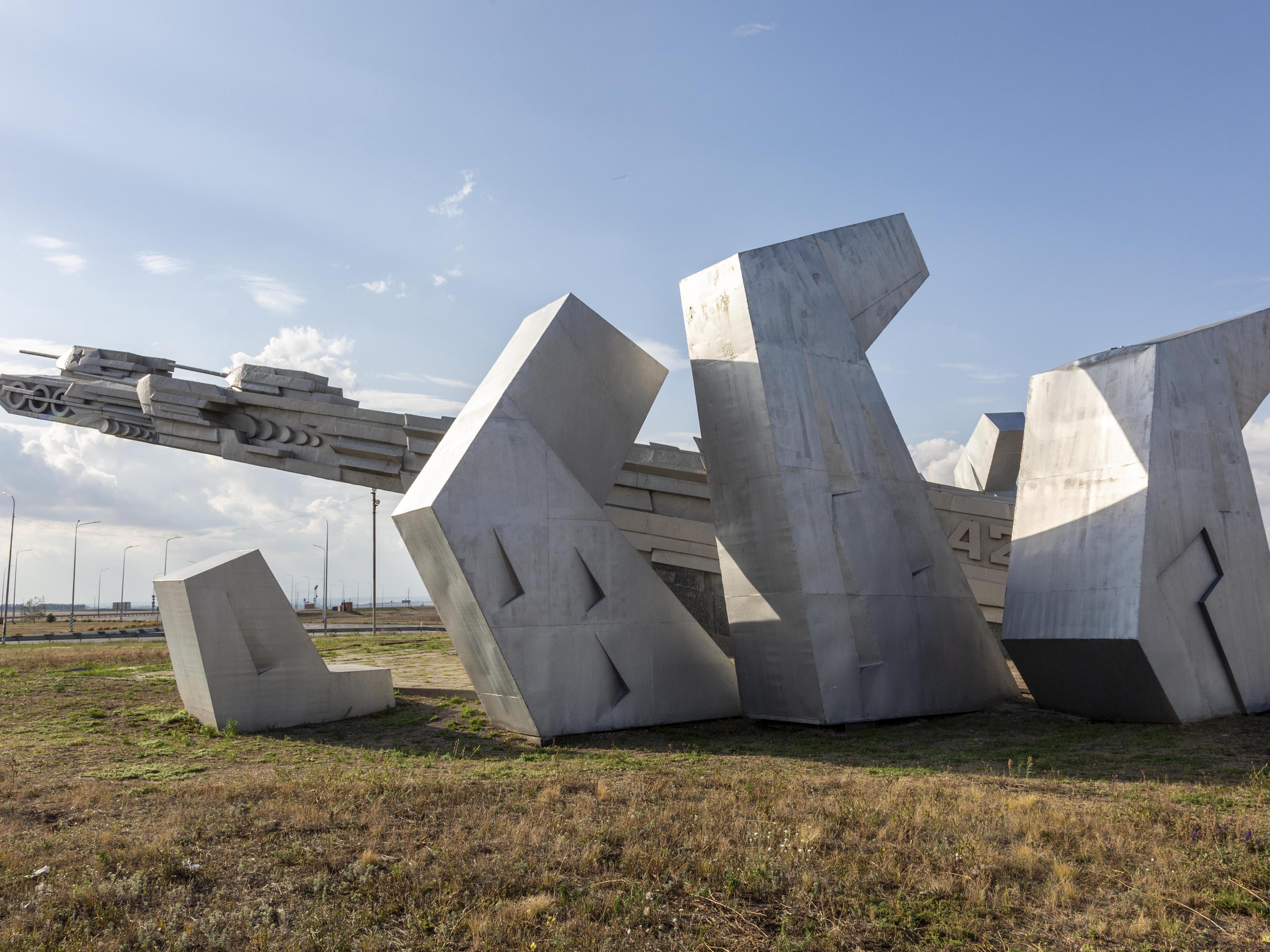
Volgograd is not only one of the thirteen Hero Cities of the USSR (including the Brest Fortress), but also holds other prestigious awards — the Order of Lenin, the Order of the Red Banner, the Honorary Revolutionary Red Banner. It is the only city in Russia to possess the French Legion of Honour.
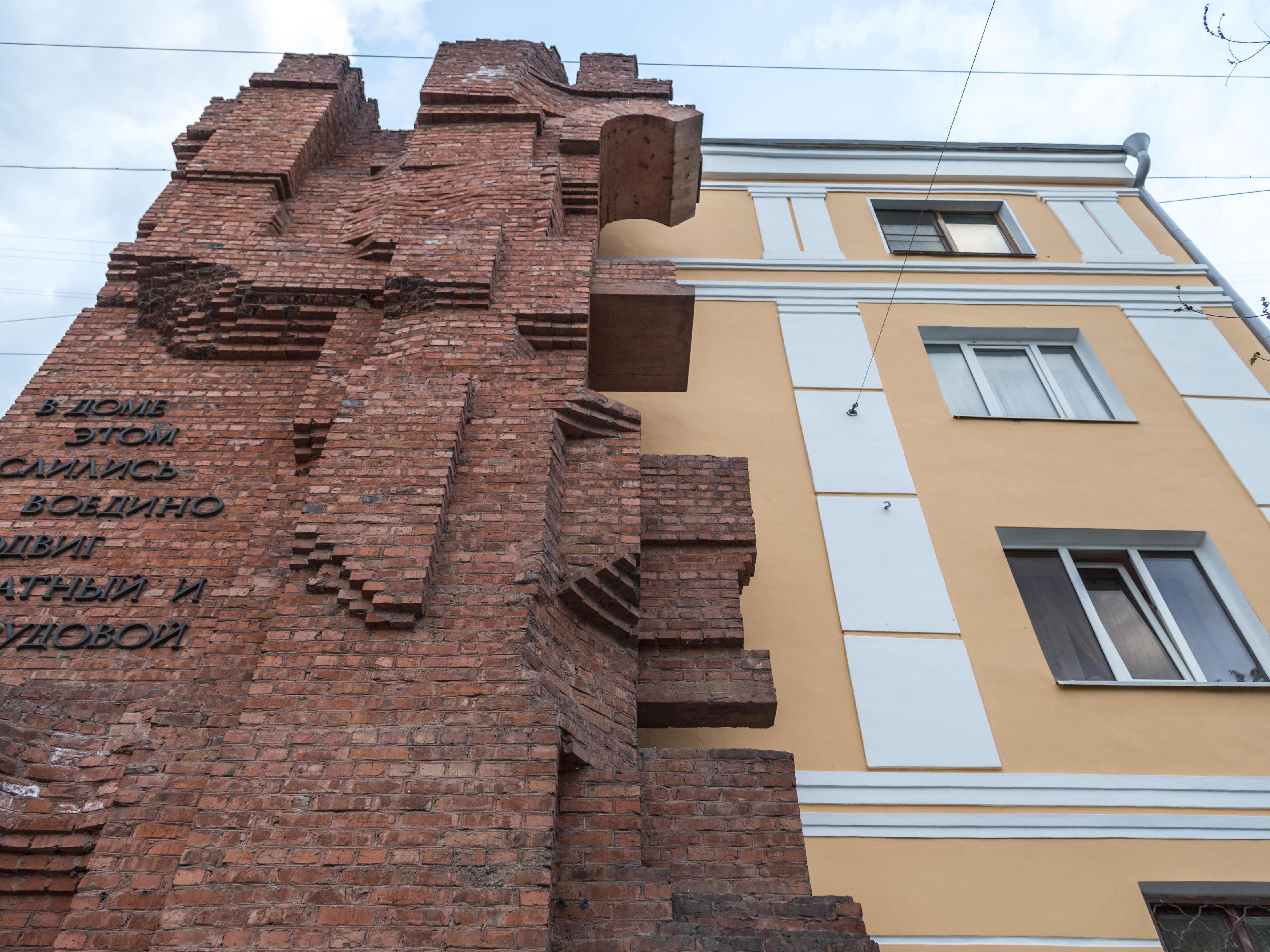
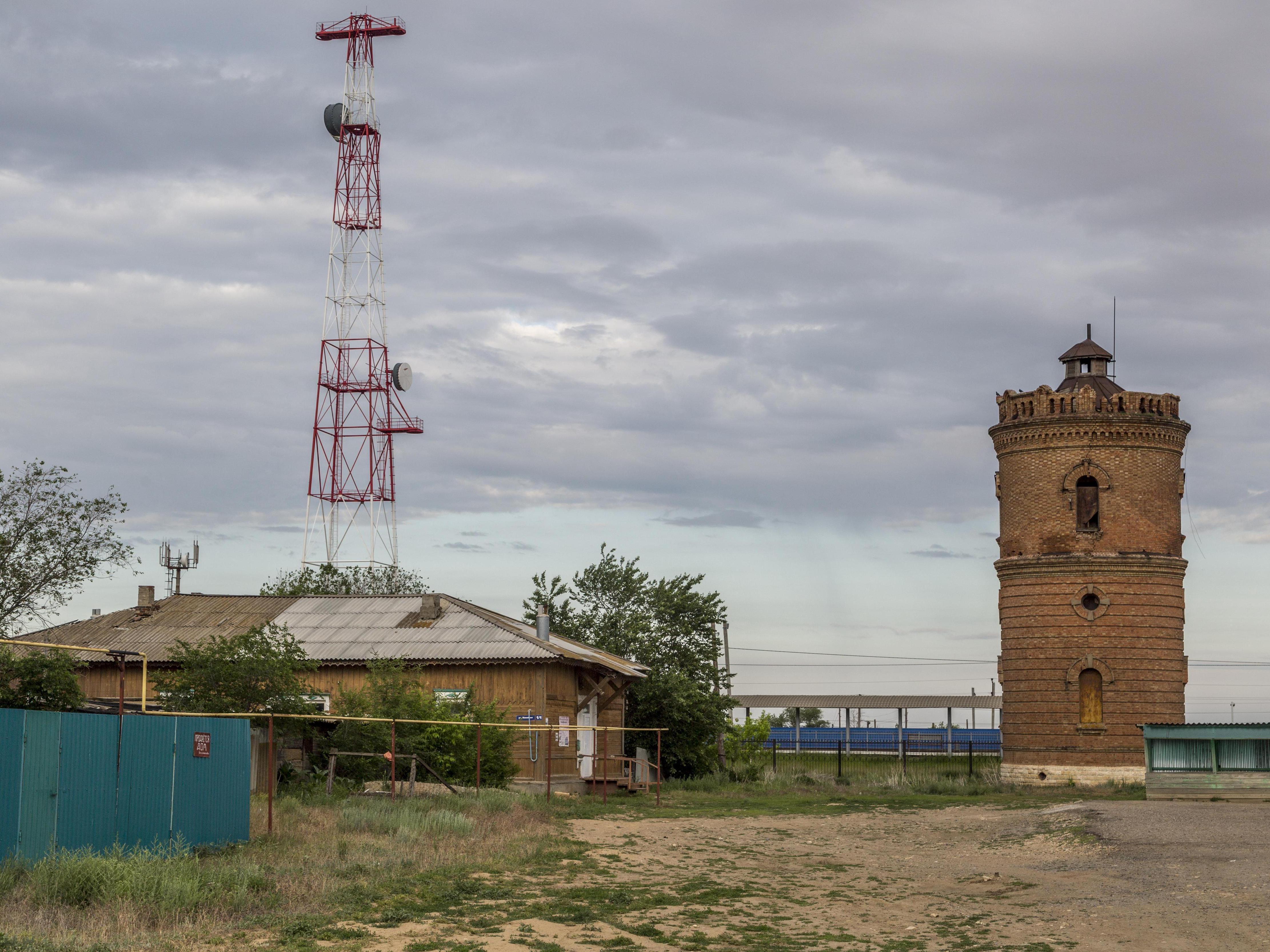
The Battle of Stalingrad is not only the fighting in Stalingrad itself. The city, having endured the bloodiest battle in human history, became a symbol of victory and the resilience of the human spirit. But we must not forget the heroism of dozens of other settlements in the territory of the Stalingrad, Rostov, and modern Astrakhan (at that time part of Stalingrad Oblast) regions, and Kalmykia. Both the heavy fighting in the Don steppes during our army«s retreat to Stalingrad, and the fierce battles during Operation Ring — these are incomparable to Stalingrad, but they are part of the Battle of Stalingrad, they are the deaths and heroism of hundreds of thousands of people, and they deserve memory and respect.
The heroism of Stalingrad and, however unpalatable it may be to many, of Stalin personally, lies not only in the victory in the Battle of Stalingrad but also in the city«s reconstruction. While world leaders and leading global architects unanimously told Stalin that Stalingrad could not be rebuilt, he persisted and built a modern, beautiful, comfortable, developed city right on the ruins, on the site of the burned and destroyed one. The people of Stalingrad themselves played a significant role in the city»s recovery, and the Cherkasov movement (a volunteer labor initiative), which emerged in postwar Stalingrad, became an example for the entire postwar USSR.
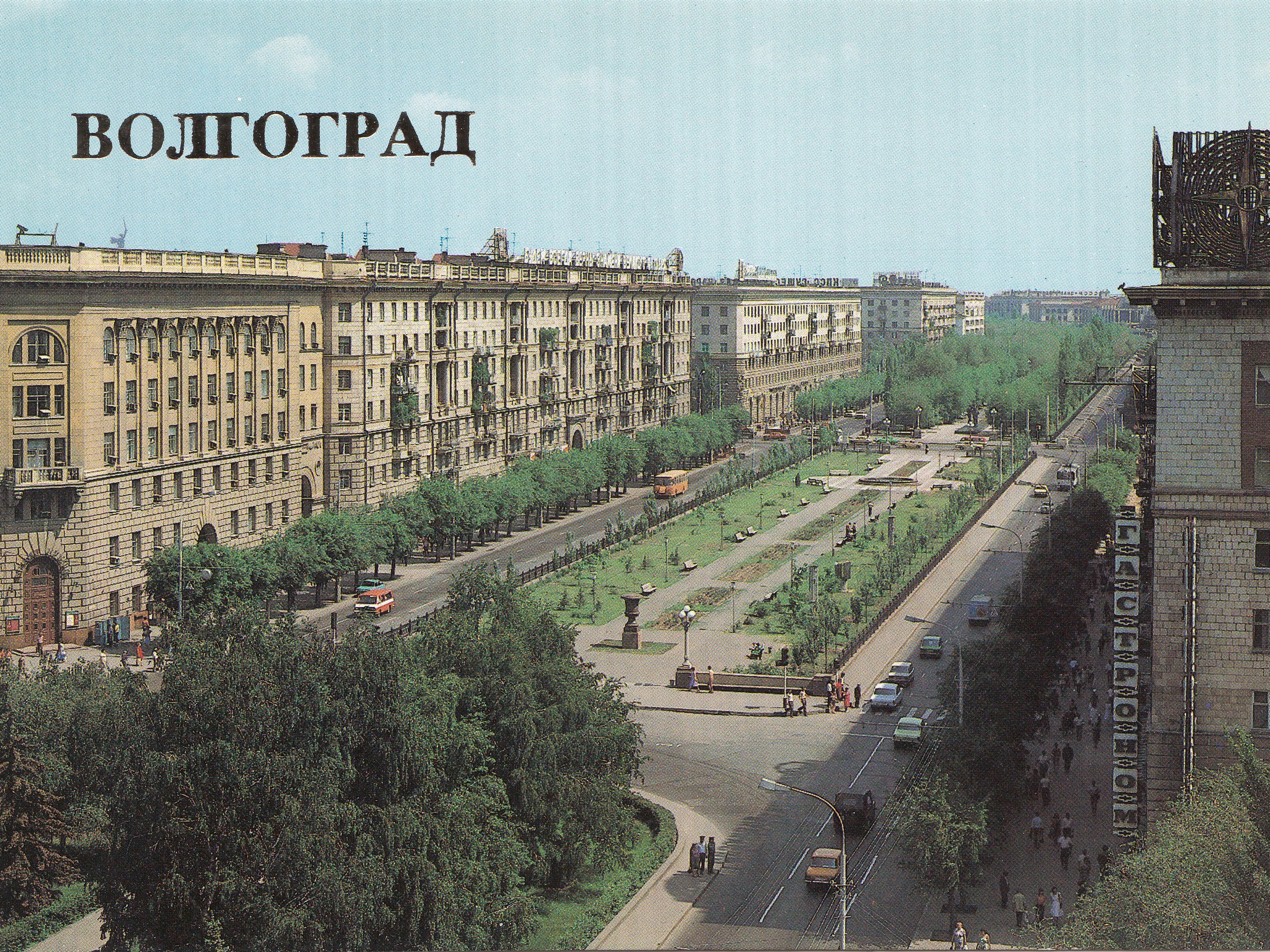
Stalingrad, lying in ruins, was transformed within a few years. Where very recently there had been only piles of broken concrete, protruding rebar, and crushed gravel, beautiful residential buildings and magnificent public structures rose. And it was then that the iconic, historical image of the new modern city was formed, which has been scarcely marred even by spot development and architectural tastelessness over the last couple of decades. See how the new Volgograd, which is no more, was born.
The victory in the Battle of Stalingrad and the fantastic labor feat of rebuilding the city formed what can be called the «spirit of Stalingrad». The environment, where everything reminded of this, contributed to an anomalous number of passionate, driven individuals being born in Stalingrad (and later Volgograd). This, in turn, led to the city becoming one of the main industrial, cultural, and sports centers in the entire USSR by the 1970s. And it was largely thanks to this that it managed to survive the difficult era of the 1990s for the country relatively well. This phenomenon deserves careful study by sociologists, and ways to scale it to other regions should be found.
The small village of Elton in the Volga region of Volgograd Oblast (southern Russia) is considered a remote backwater even within Volgograd Oblast itself. But it was there, after Stalingrad was cut off from the Don side, that army trains and supplies arrived. From there, reserves moved to the banks of the Volga and, under German fire, were ferried across to Stalingrad to join the battle. And it was to Elton that the wounded from the fighting and those civilian residents of Stalingrad who managed to survive and escape the burning city were evacuated. The significance of Elton in the history of the Battle of Stalingrad is clearly underestimated.
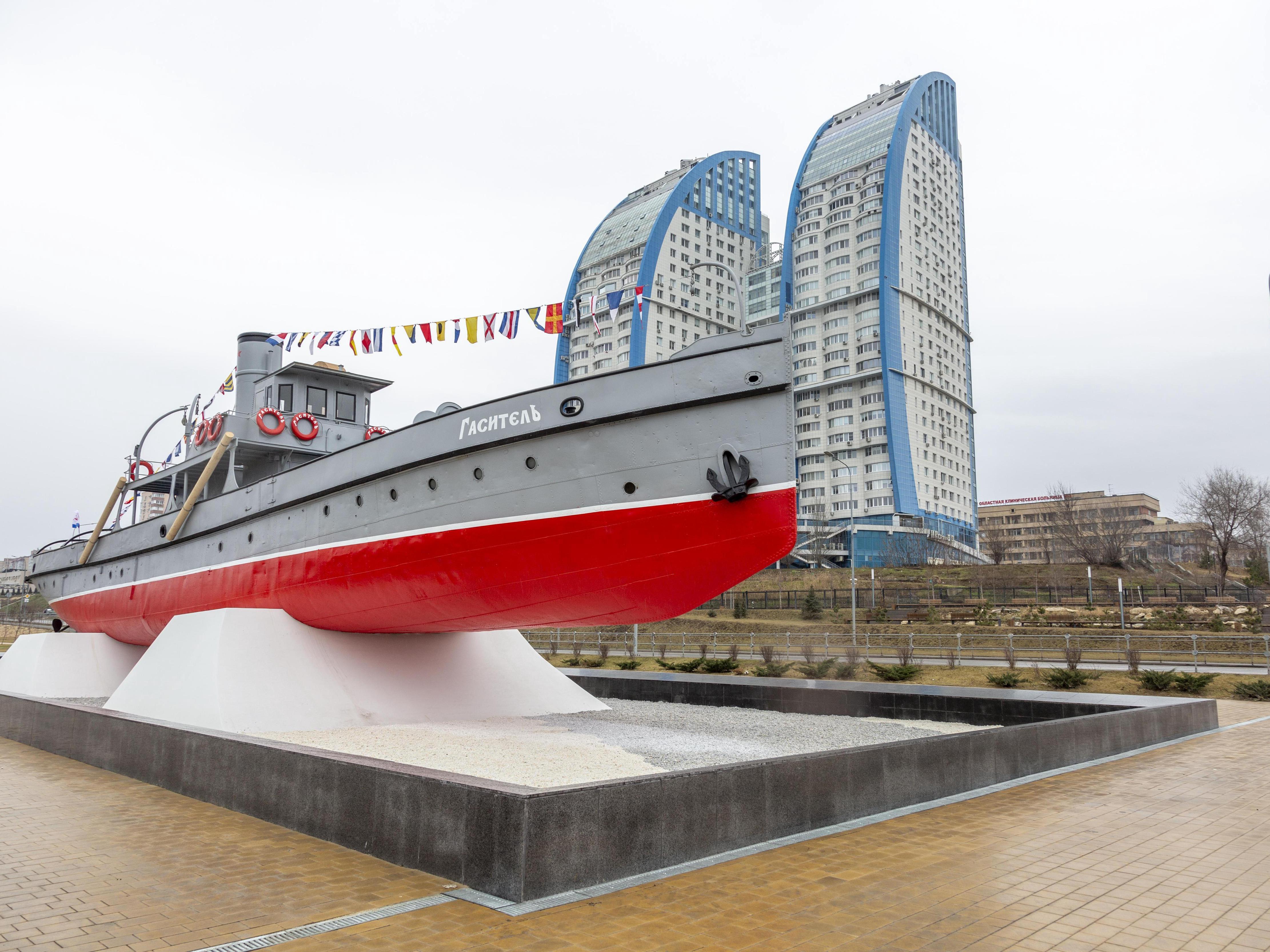
Learn the history of the famous boat-monument permanently moored in the floodplain of the Tsaritsa River.
Similarly underestimated is the significance of the small boat «Gasitel». The little boat performed real miracles, handling supply and firefighting tasks during the Battle of Stalingrad (and also during the defense of Tsaritsyn), was completely riddled with holes and sunk several times in its history. But the boat and its crew always fought and performed feats on a daily basis. Now it deservedly stands on a pedestal, but for many years it was undeservedly not even brought into proper condition, and few pay attention to its story.
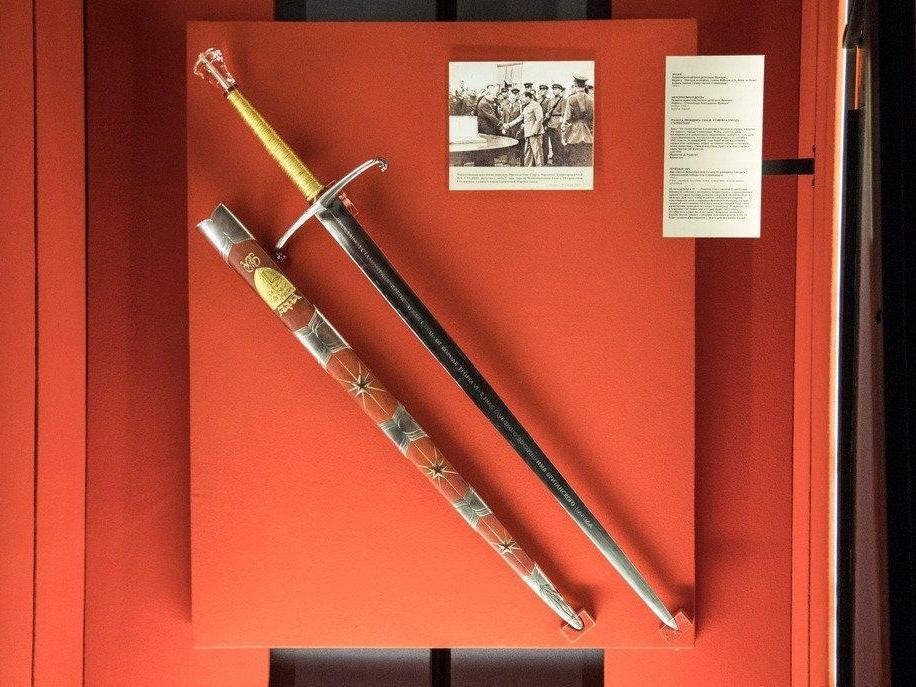
«The Sword of Stalingrad», kept in Volgograd, is not just a gift from the British king and government to the city. This sword is considered one of the most legendary blades in the world and also holds political significance. How many instances do we know of when our centuries-old geopolitical rival Britain expressed open admiration for the heroism of our people?
The ceremonial sword with an inscription in Russian and English: «To the steel-hearted citizens of Stalingrad, a gift from King George VI as a token of the homage of the British people» was presented by British Prime Minister Winston Churchill at the Tehran Conference in November 1943 to the Chairman of the Council of People«s Commissars, J.V. Stalin, in recognition of the deeds of the city»s defenders. According to historians, Stalin kissed the sword«s scabbard, and at that moment Roosevelt said, »Truly, they have hearts of steel.«