Politologist highlights seven obscure facts about Battle of Stalingrad victory
On the 83rd anniversary of the defeat of Nazi German forces at Stalingrad, political scientist Dmitry Fetisov highlighted seven important but little-known aspects of this battle and its consequences.
Apr 19, 2026 0
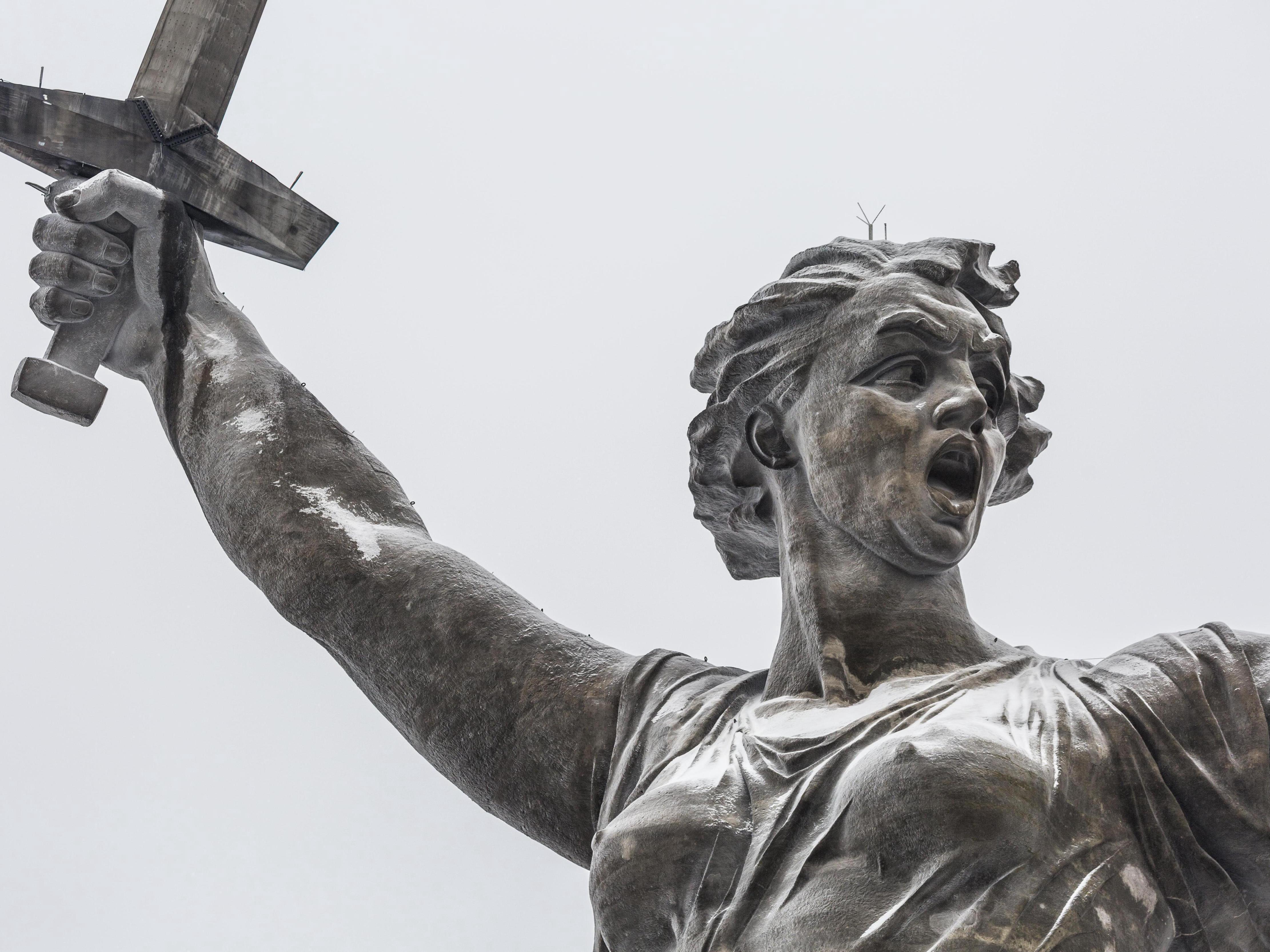

Events are taking place in Volgograd in honor of the 83rd anniversary of the victory in the Battle of Stalingrad.
Source:
On February 2, Russia marks the Day of Military Glory — the anniversary of the complete defeat of Nazi German forces by Soviet troops in the Battle of Stalingrad. On the occasion of the 83rd anniversary of this event, political scientist Dmitry Fetisov listed seven facts that often remain overlooked even for residents of Volgograd.
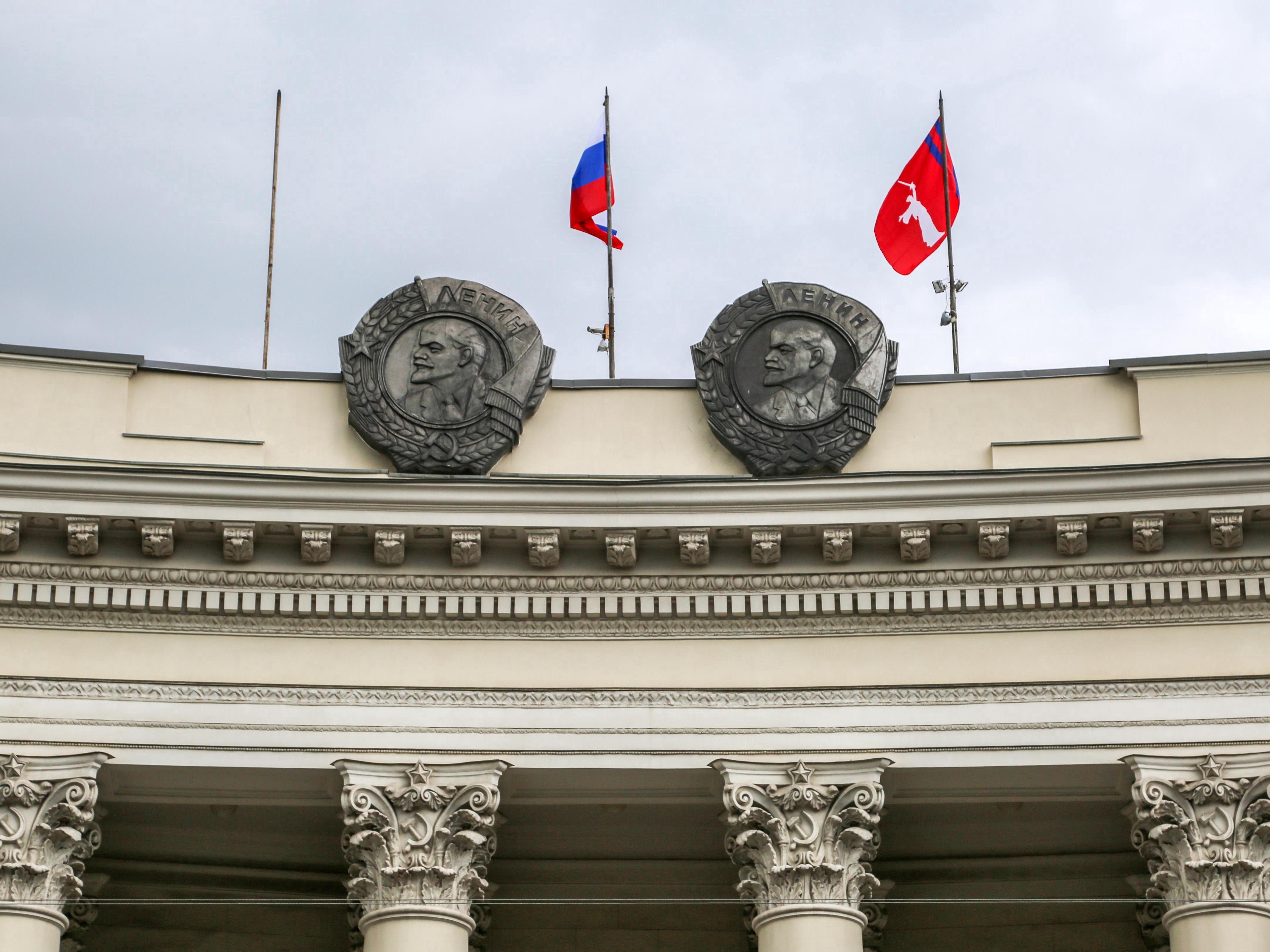
Two Orders of Lenin, awarded to the city and region, are depicted on the building of the Volgograd Regional Administration.
Source:
- Volgograd is not just a hero city. It has also been awarded the Order of Lenin, the Order of the Red Banner, and the Honorary Revolutionary Red Banner. Moreover, it is the only city in Russia to have been honored with the French Legion of Honour.
- The Battle of Stalingrad was not limited to fighting in the city itself. Dozens of settlements in the territories of modern Volgograd, Rostov, Astrakhan regions, and Kalmykia were involved in the battle. The fighting in the Don steppes and during Operation Ring are part of the overall battle, the memory of which is also important.
- The feat of Stalingrad includes not only the military victory but also the unprecedented restoration of the city. Despite the opinion of the world community that this was impossible, Joseph Stalin initiated the construction of a new city on the ruins. The key role in this was played by the residents themselves, and the Cherkasov movement (a volunteer labor initiative) that originated here became an example for the entire postwar USSR.
- The victory and subsequent restoration formed a special «spirit of Stalingrad.» This atmosphere contributed to the birth of many active and talented people — passionate individuals. Thanks to this, by the 1970s, Volgograd had become one of the leading industrial, cultural, and sports centers of the country, which helped it survive the difficult 1990s.
- The little-known settlement of Elton in the Volgograd Trans-Volga region played a strategic role in the battle. After the routes from the Don were blocked, it was here that supplies and reserves arrived, and from here the evacuation of the wounded and civilians from the besieged city was carried out.
- The feat of the boat «Gasitel» is also underappreciated. This vessel performed supply and firefighting tasks both during the Battle of Stalingrad and earlier, in the defense of Tsaritsyn. Despite multiple damages, its crew continued to serve. Now the boat stands on eternal mooring as a monument.
- The «Sword of Stalingrad,» kept in Volgograd, is not just a gift from the British crown. This ceremonial blade, presented by Winston Churchill to Joseph Stalin at the Tehran Conference in 1943, is a unique symbol of the highest international recognition of the feat of the city«s defenders. On the blade is engraved: »To the citizens of Stalingrad, strong as steel, from King George VI as a token of the deep admiration of the British people.«
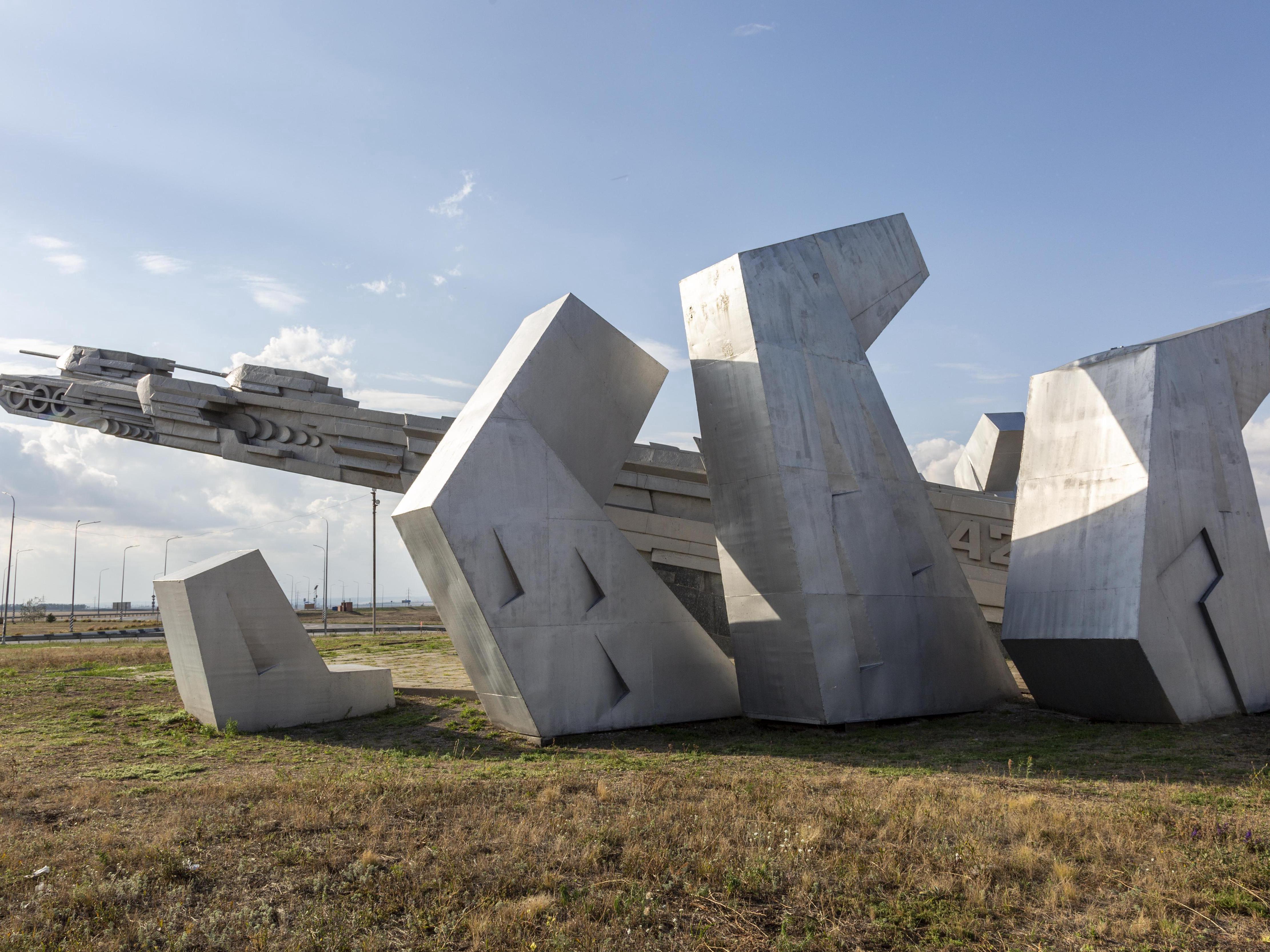
The raid by Soviet tanks on the airfield in Tatsinskaya is also part of the history of the Battle of Stalingrad.
Source:
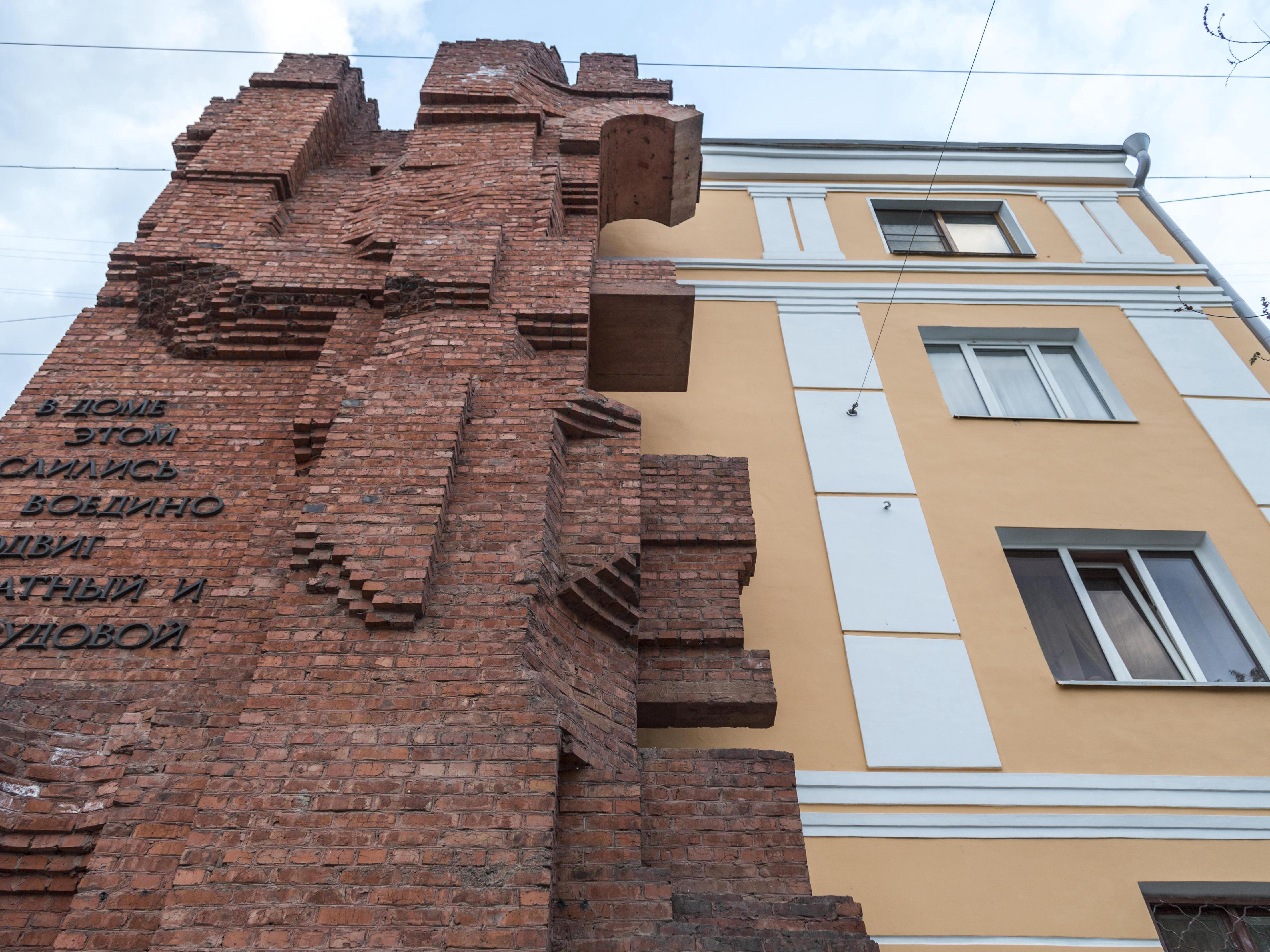
Joseph Stalin insisted on the restoration of Stalingrad, contrary to opinions that it was impossible.
Source:
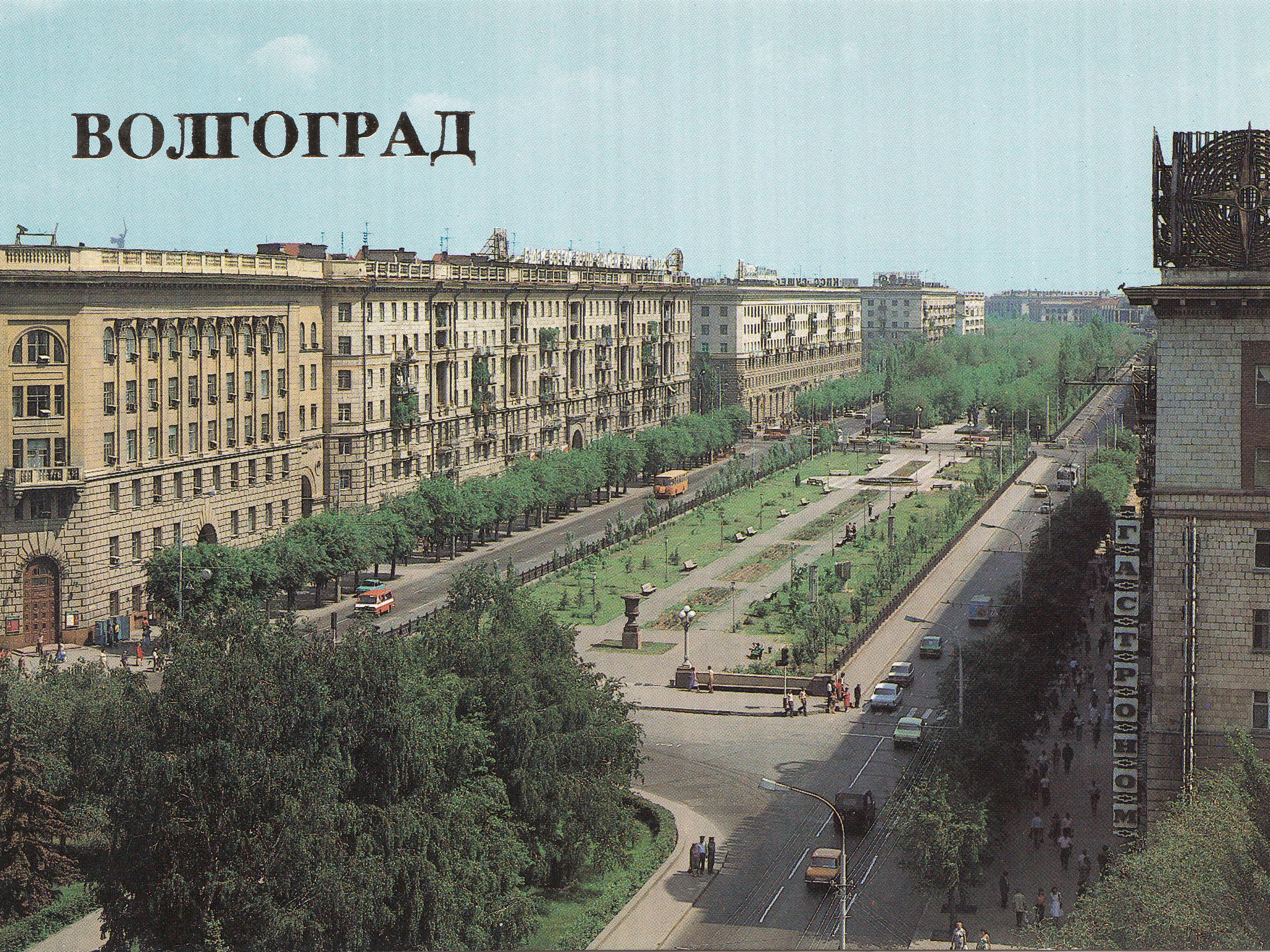
By the 1970s, Volgograd had become a major industrial, cultural, and sports center of the USSR.
Source:
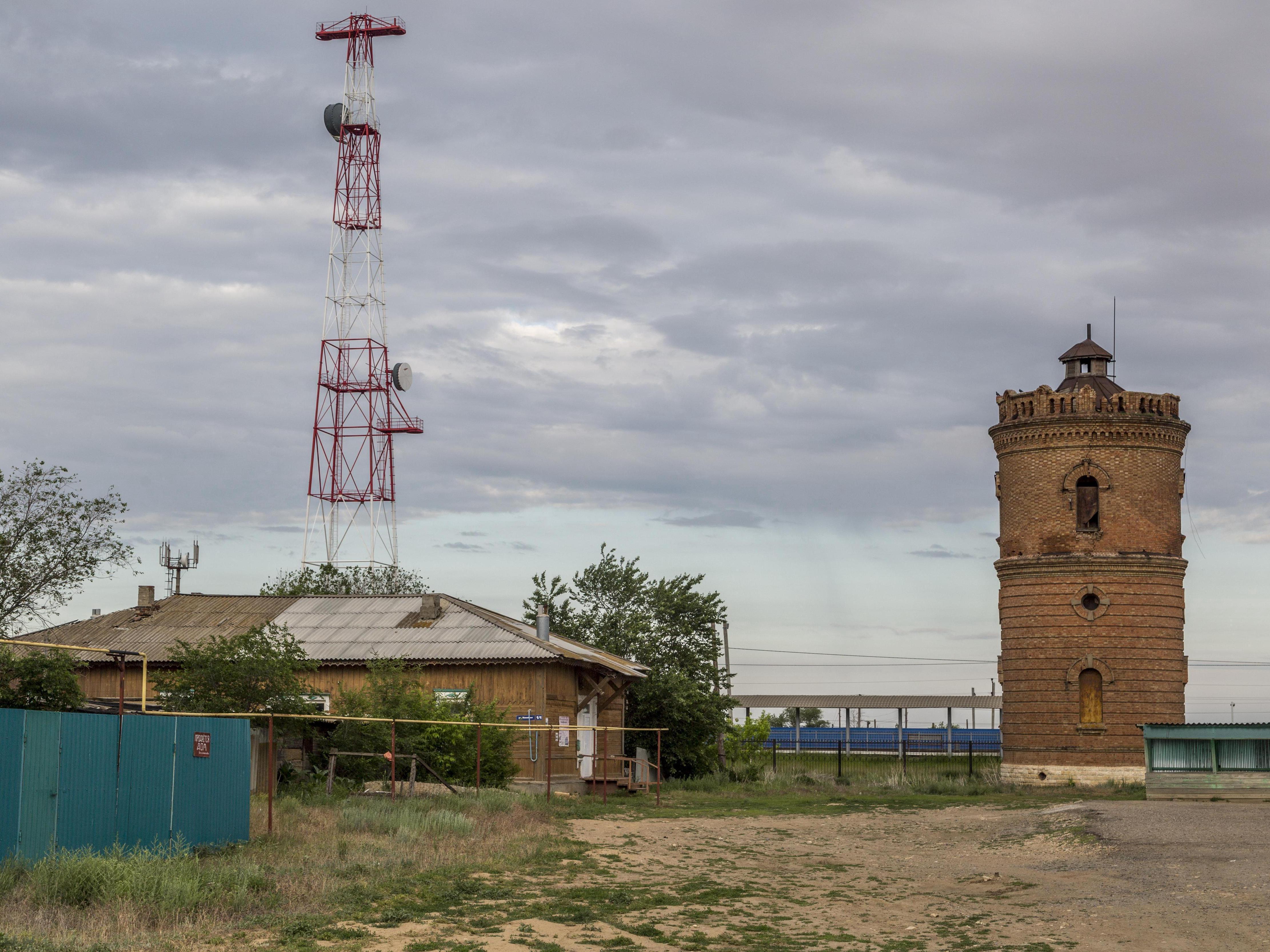
The settlement of Elton in Volgograd Region is now known for its salt lake.
Source:
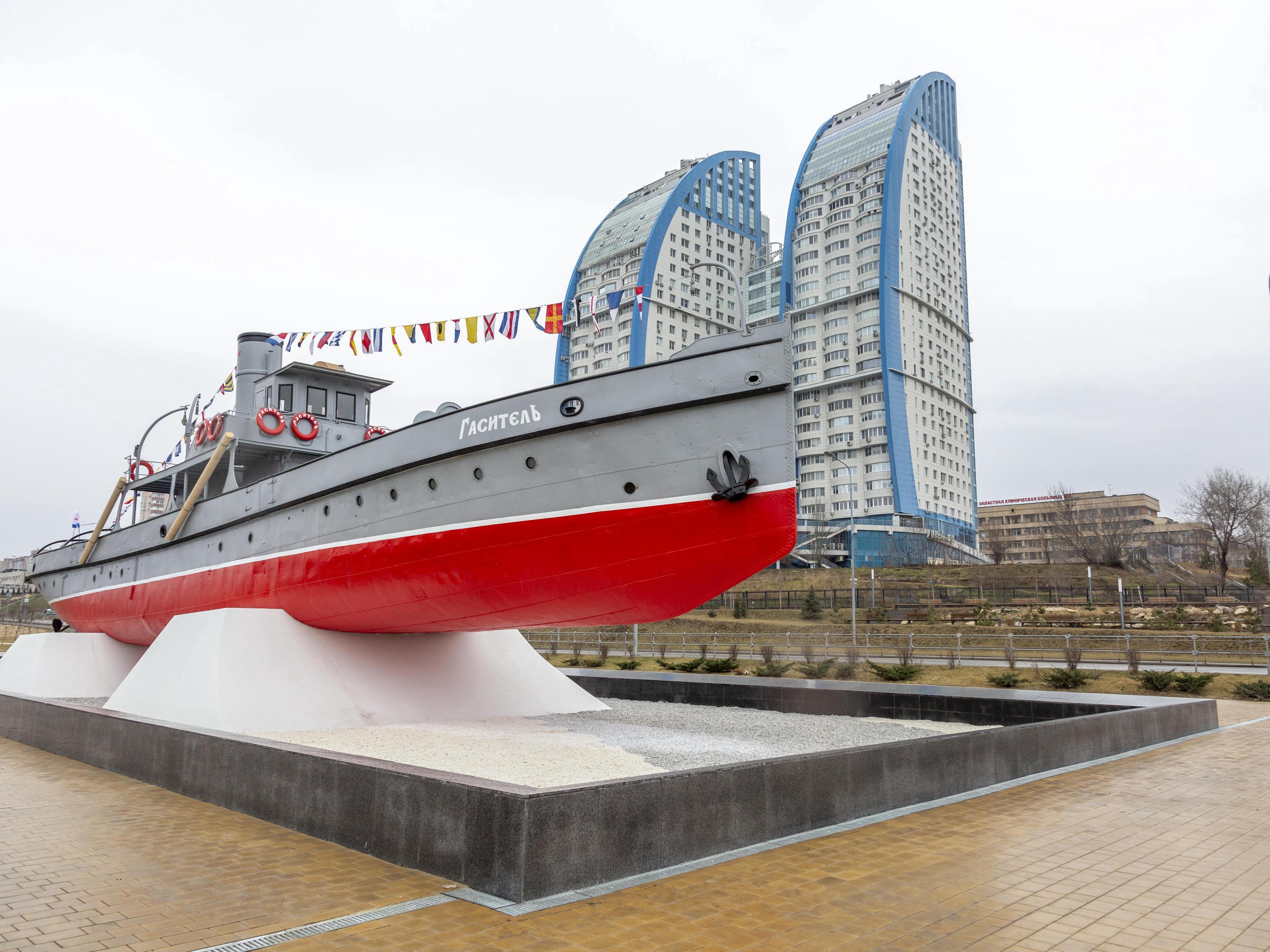
The memorial boat «Gasitel» is installed on eternal mooring in the floodplain of the Tsaritsa River.
Source:
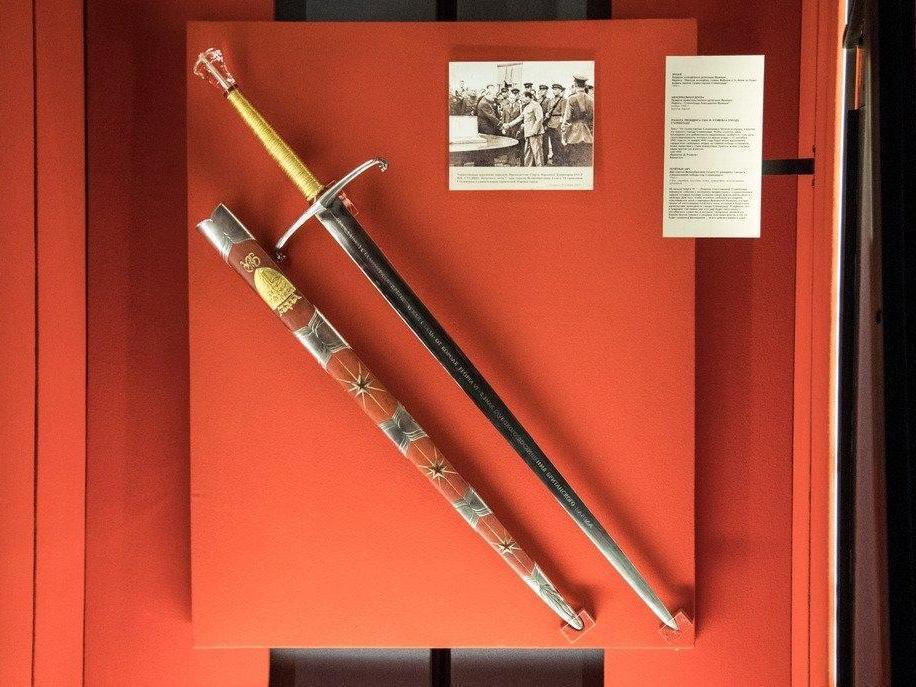
The ceremonial «Sword of Stalingrad» was presented to Joseph Stalin at the Tehran Conference in 1943.
Source:
Read more