Rostov Hippodrome's Final Day Before Closure
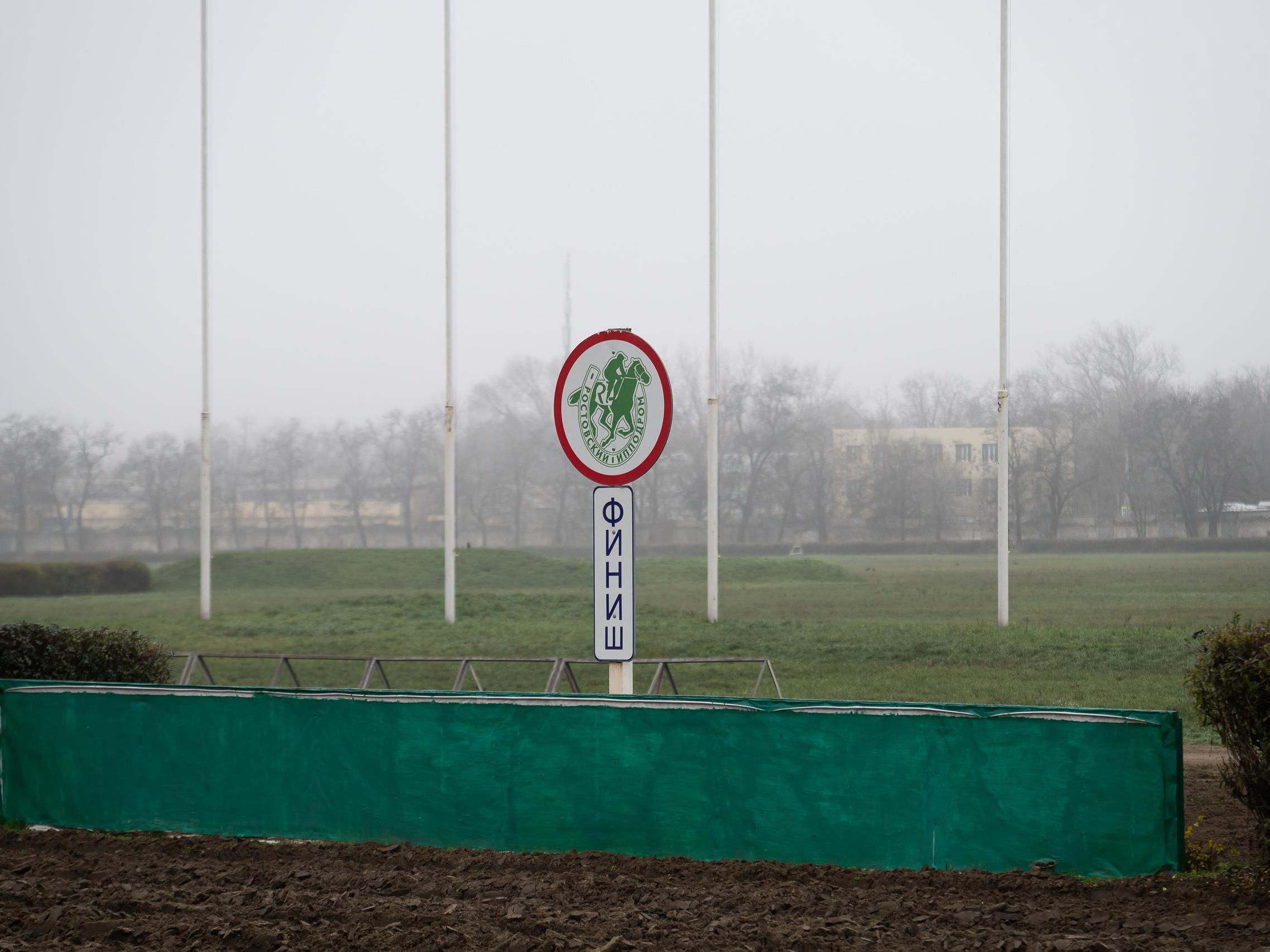

28 November is formally the last day of operation for Rostov Hippodrome. The private owner is evicting horse owners and their horses onto the street. The territory is slated for construction of multi-story buildings. The horse owners themselves insist that the hippodrome is an iconic place. Here, sports dynasties worked, horse breeding developed, and races were held. Now, the future of the horse owners, their horses, and the territory is uncertain. How the last day before closure went was covered by 161.RU correspondent Alina Zayarnaya.
Since the early 2000s, the land under Rostov hippodrome has been in private hands. It was bought by a company part of Yug Rusi owned by businessman Sergey Kislov. In summer 2024, the object was purchased by a deputy from Krasnodar Krai and founder of the holding Elias Grupp Boris Yunakov. Elias Grupp includes one of the largest federal developers — Neometriya. The company plans to build housing on the site of Rostov Hippodrome. Horse owners were asked to vacate the hippodrome and remove the animals by 28 November.
The editorial office of 161.RU repeatedly contacted the company Neometriya, but they refused to comment on the topic of Rostov Hippodrome.
“Out of Love for Horses”
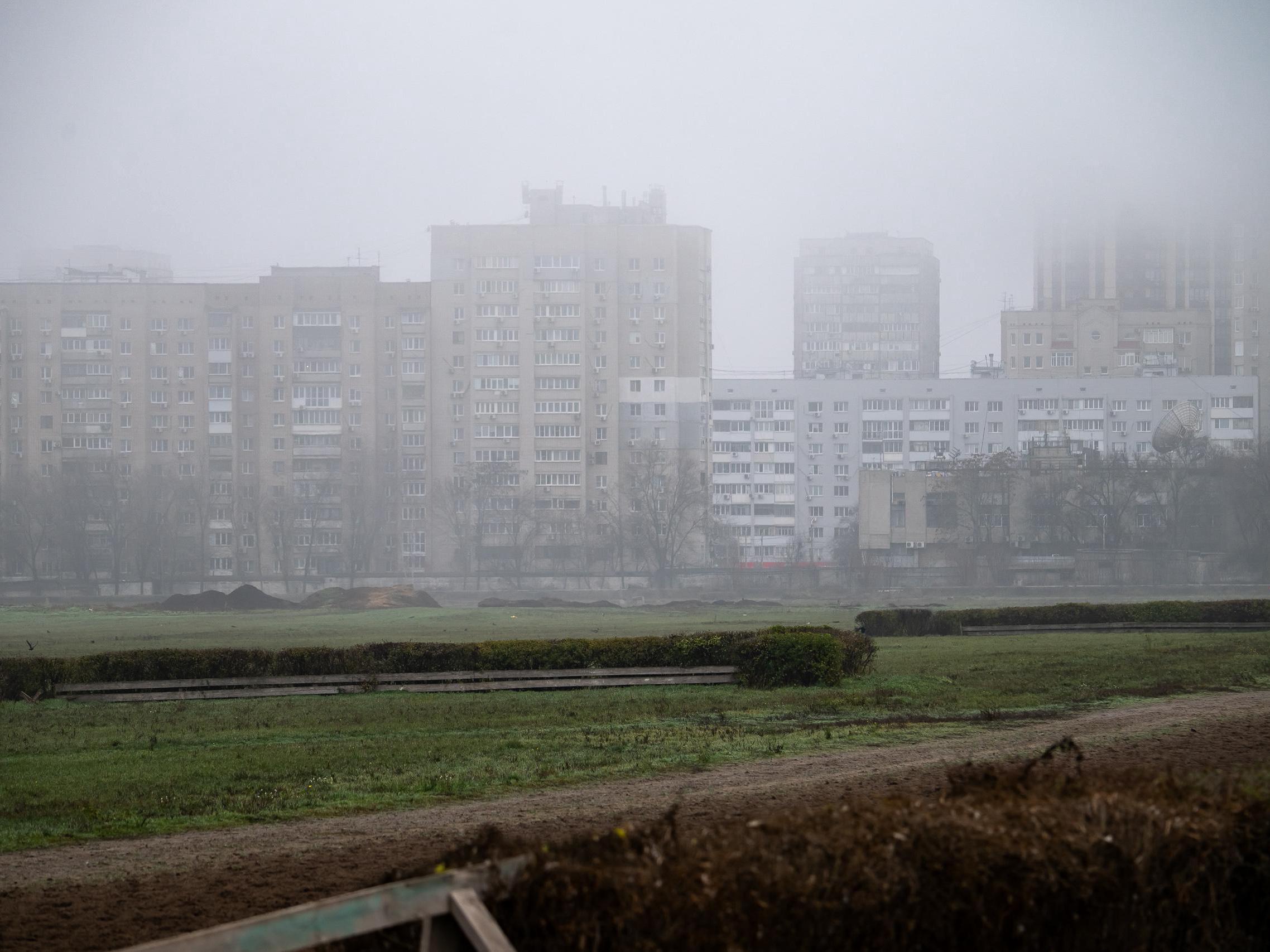
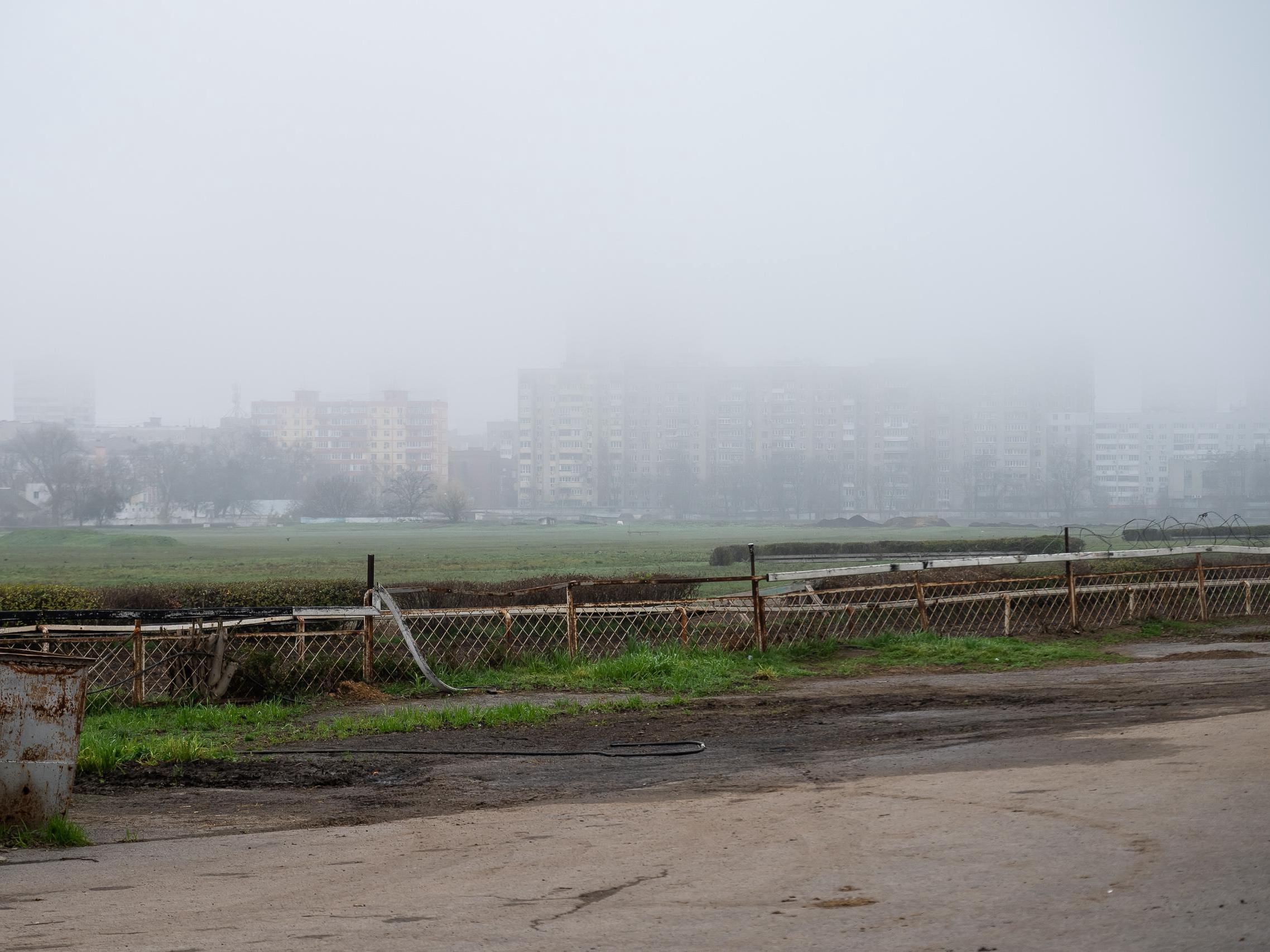
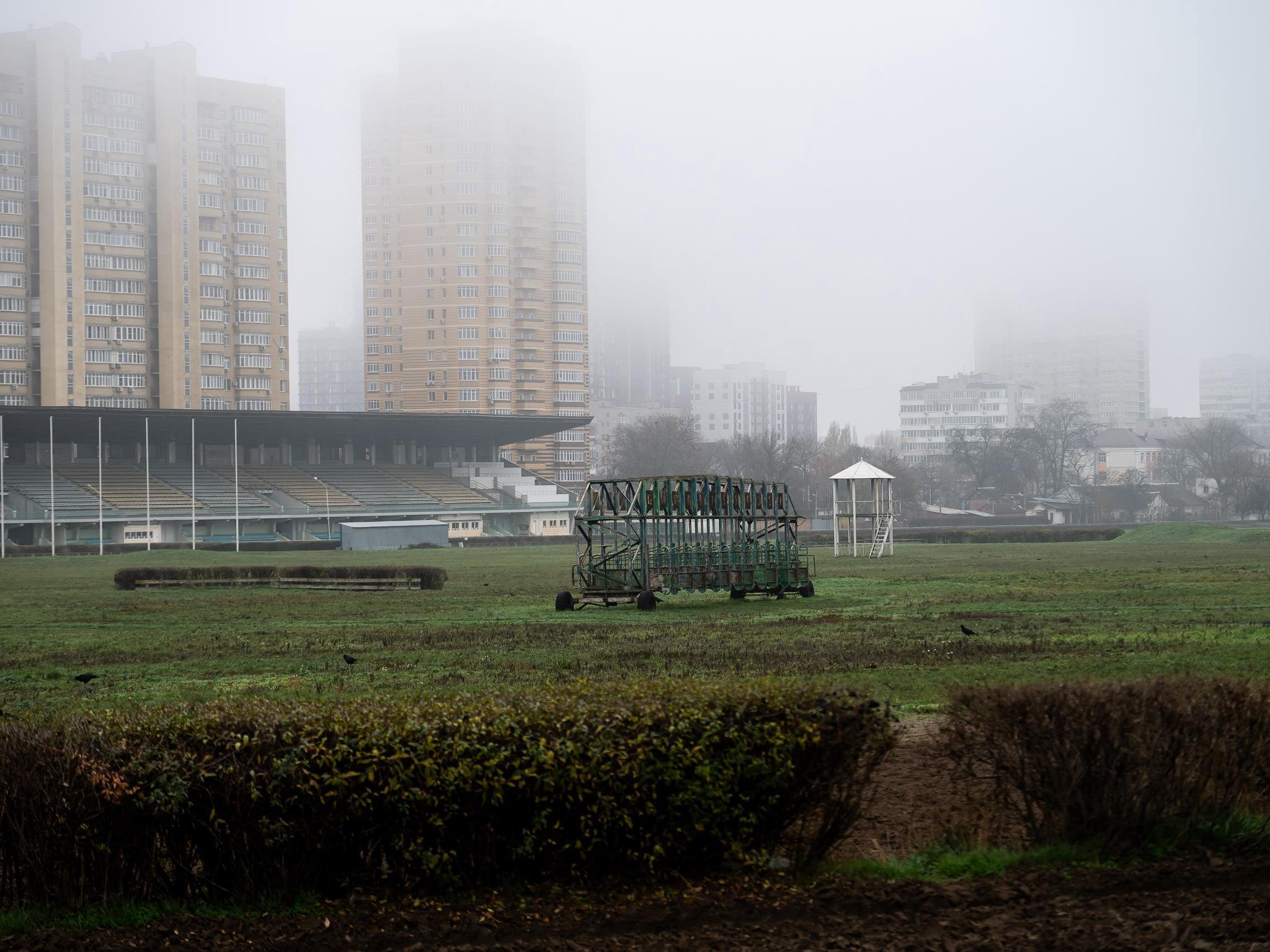
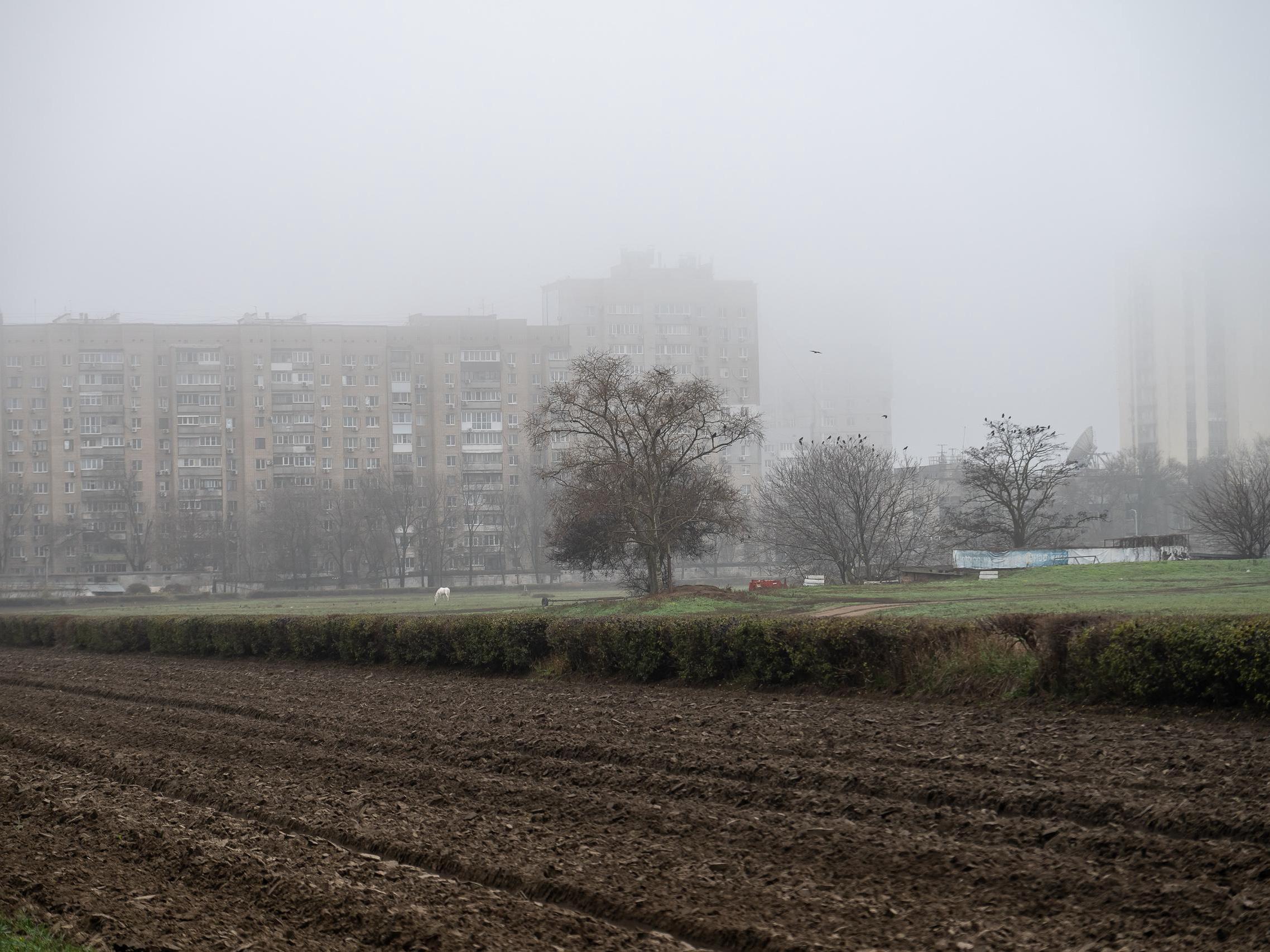
During the day, the hippodrome is foggy. The stands and the racecourse are engulfed in haze. Rare workers of the hippodrome are finishing their last working day.
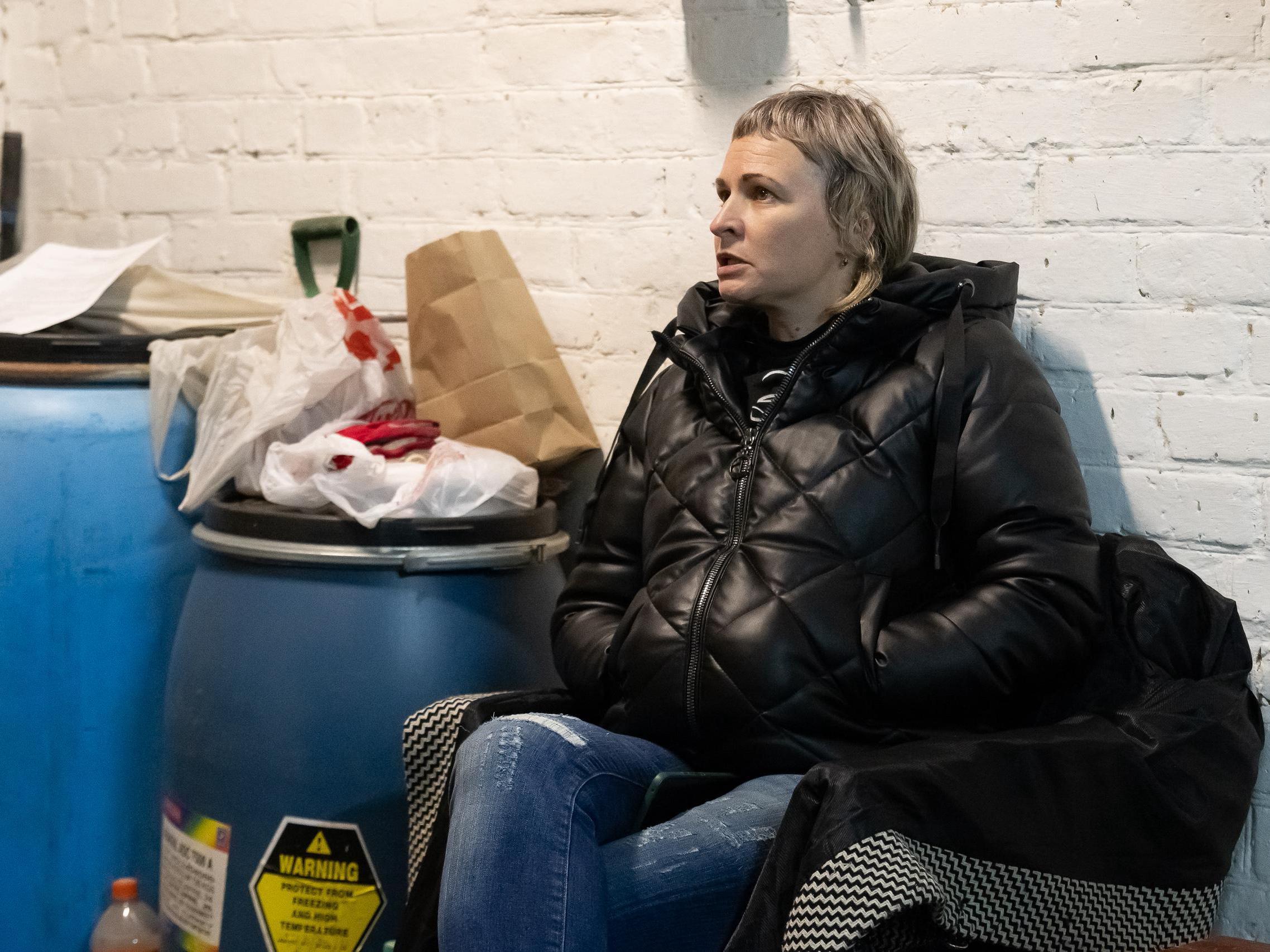
Raisa Khizhnyakova, owner of horses on the hippodrome territory, meets us after exiting the administrative annex. She has just received a new directive from the territory owners.
On Friday, a meeting was promised with the curator — a representative of the hippodrome owner. But at the last moment, the meeting was postponed indefinitely.
Khizhnyakova has been keeping horses at the hippodrome since the late 1990s. She admits that this is a precious place for her.
«I grew up here. This is our life. I came out of love for horses. My father is from Kuban Cossacks. My husband is a master jockey, trainer. We met at the hippodrome and live together. Here, family dynasties were formed. Now they want to destroy all this. If we leave from here, we will lose this hippodrome, and we won’t get a new one,» Khizhnyakova reflects, while leading us to the stables.
The hippodrome occupies a huge territory. The racecourse alone is almost two kilometers long. In theory, a giant residential complex could indeed be built on this plot.
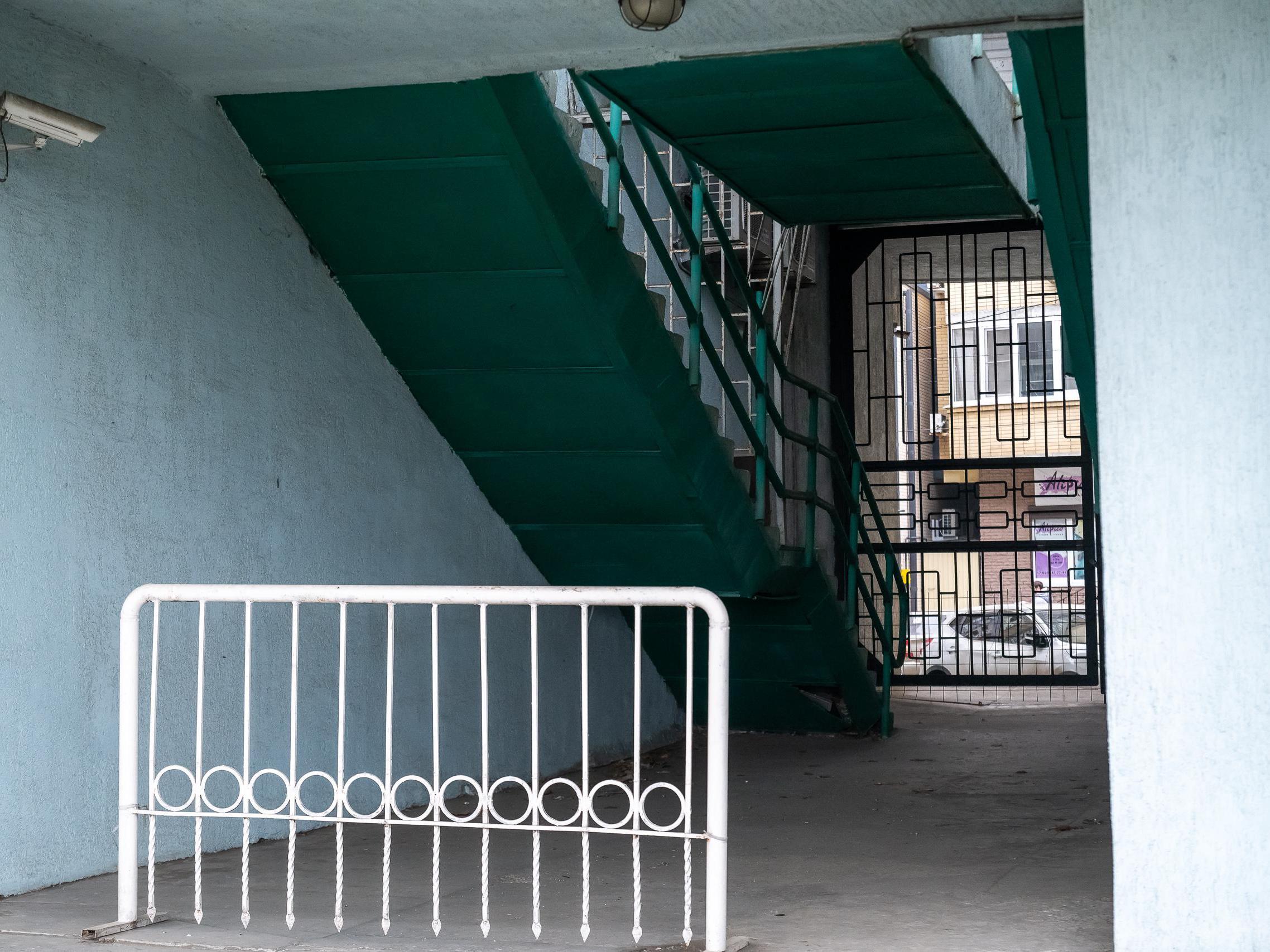
The horse owners conventionally divide the hippodrome territory into four zones. On the left are the stands, administrative building, hotel, and the once-operating totalizator booth. On the right are the stables, indoor arena, former dormitory, and veterinary point.
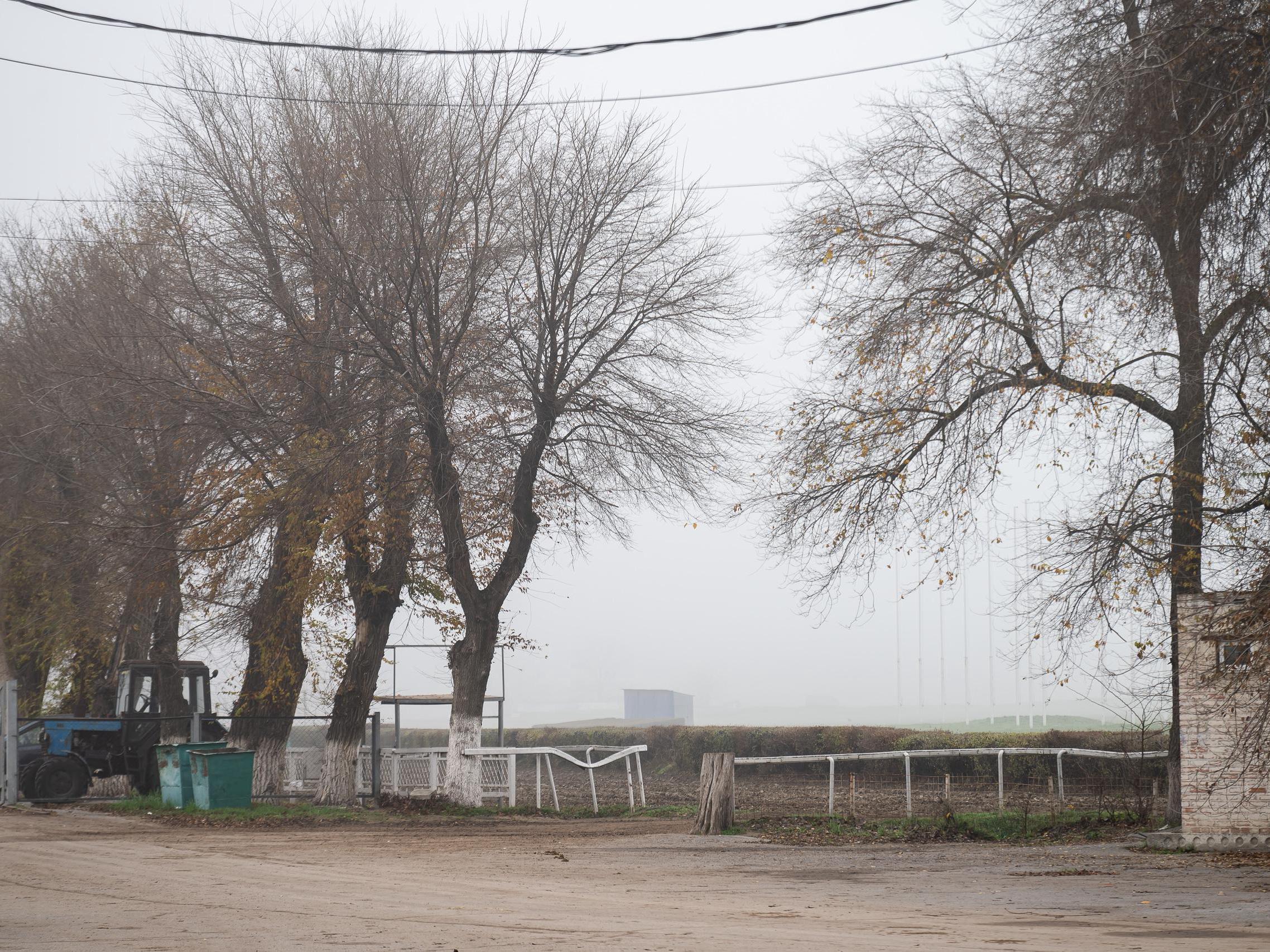
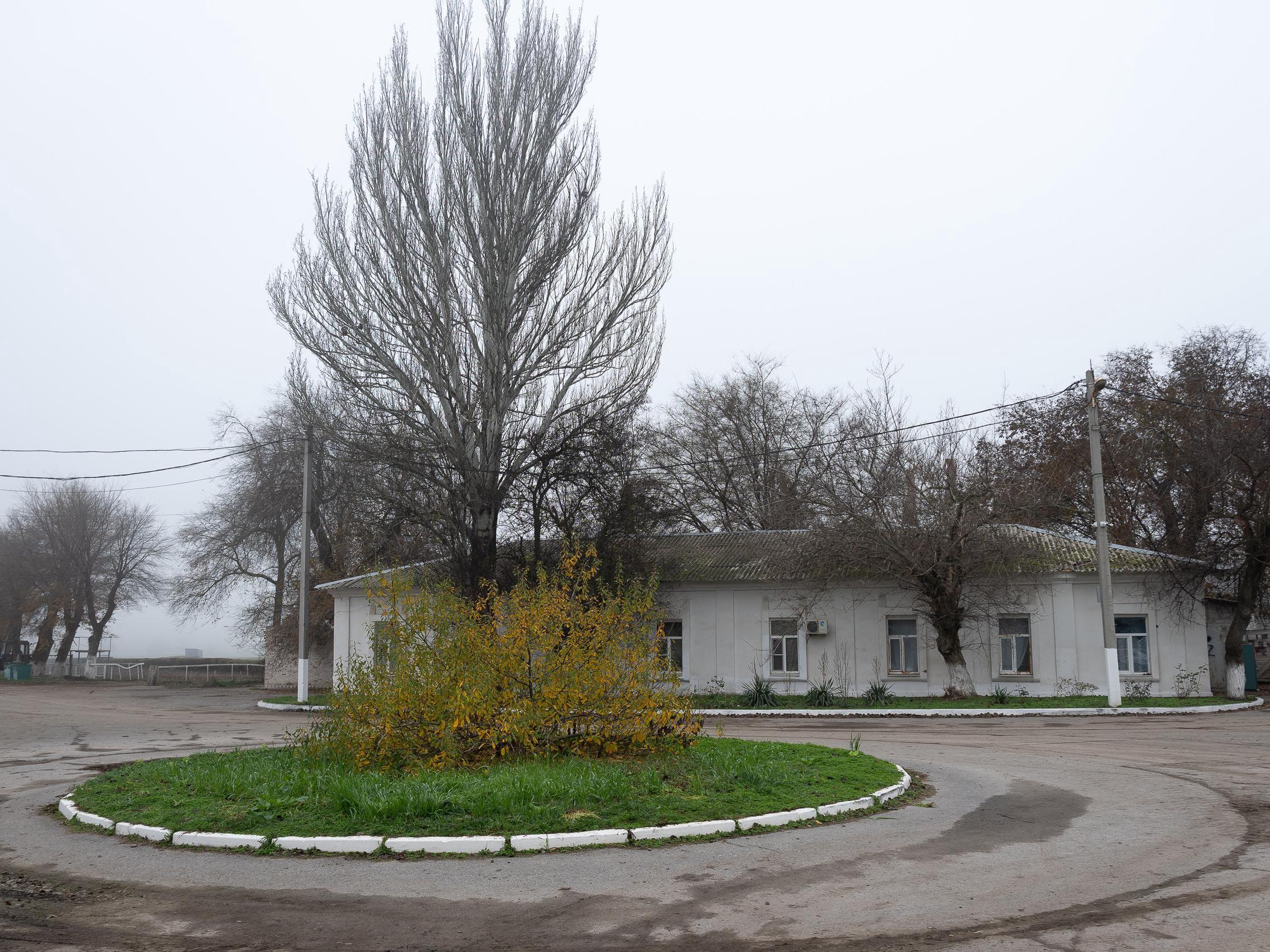
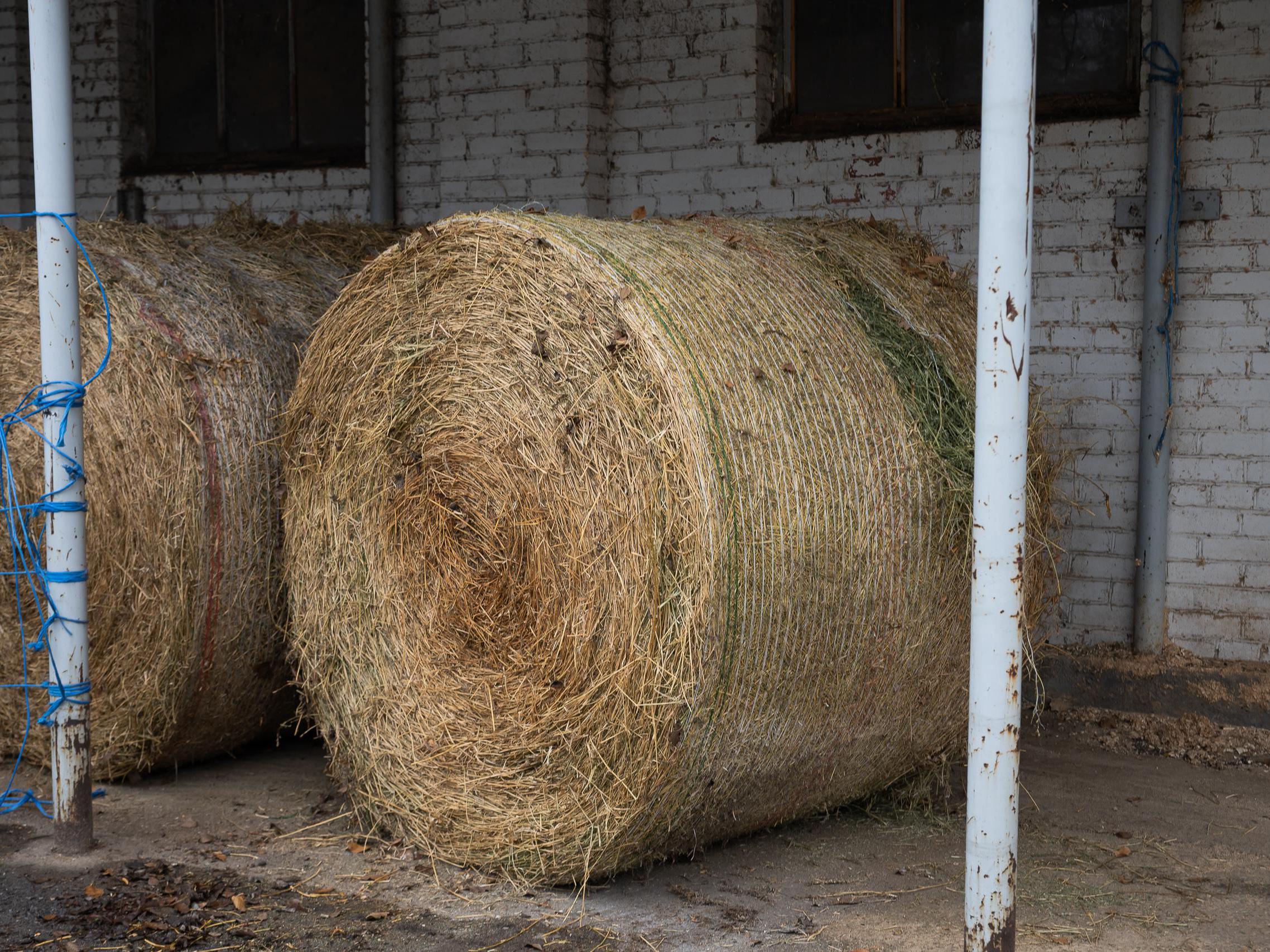
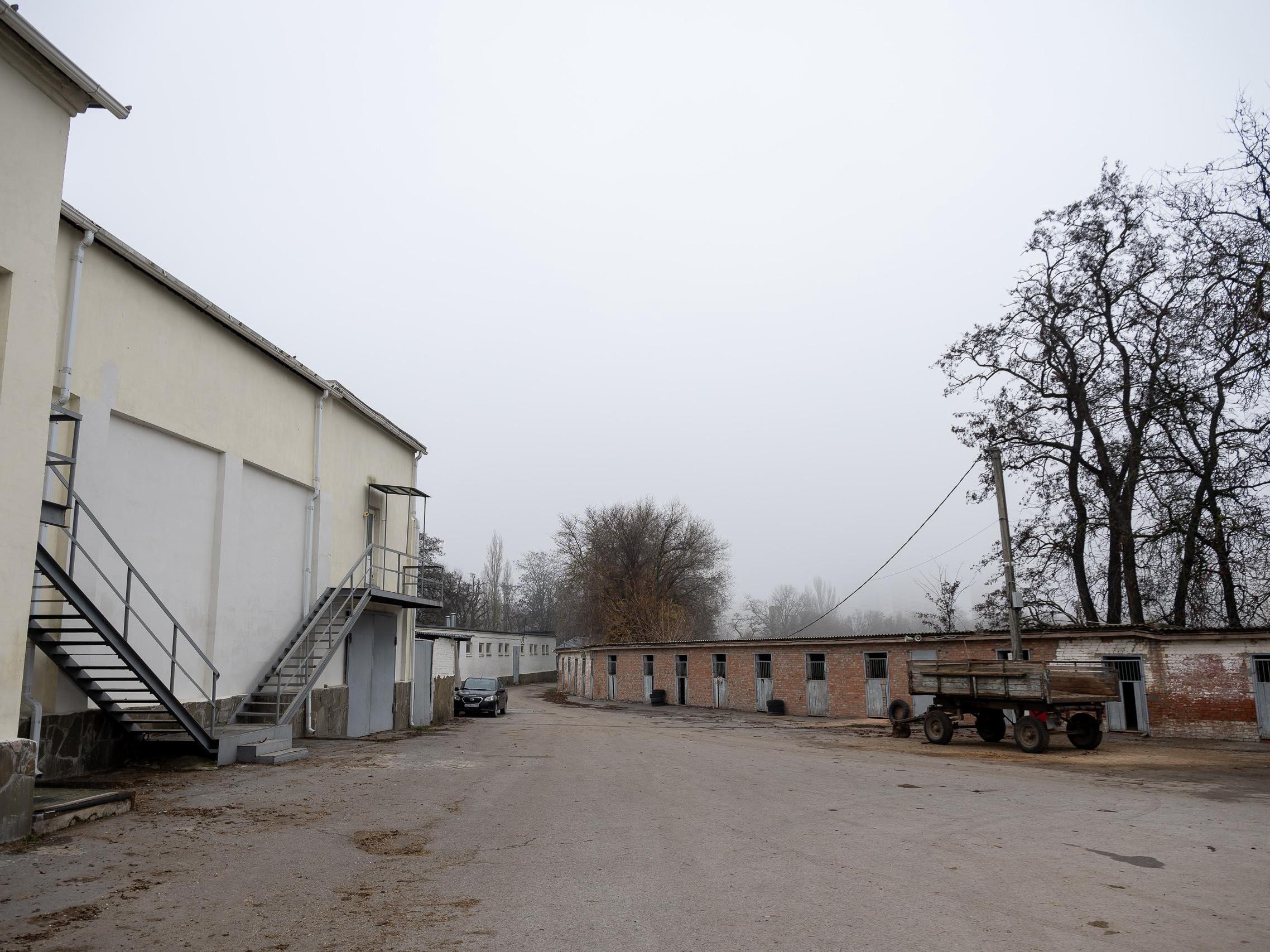
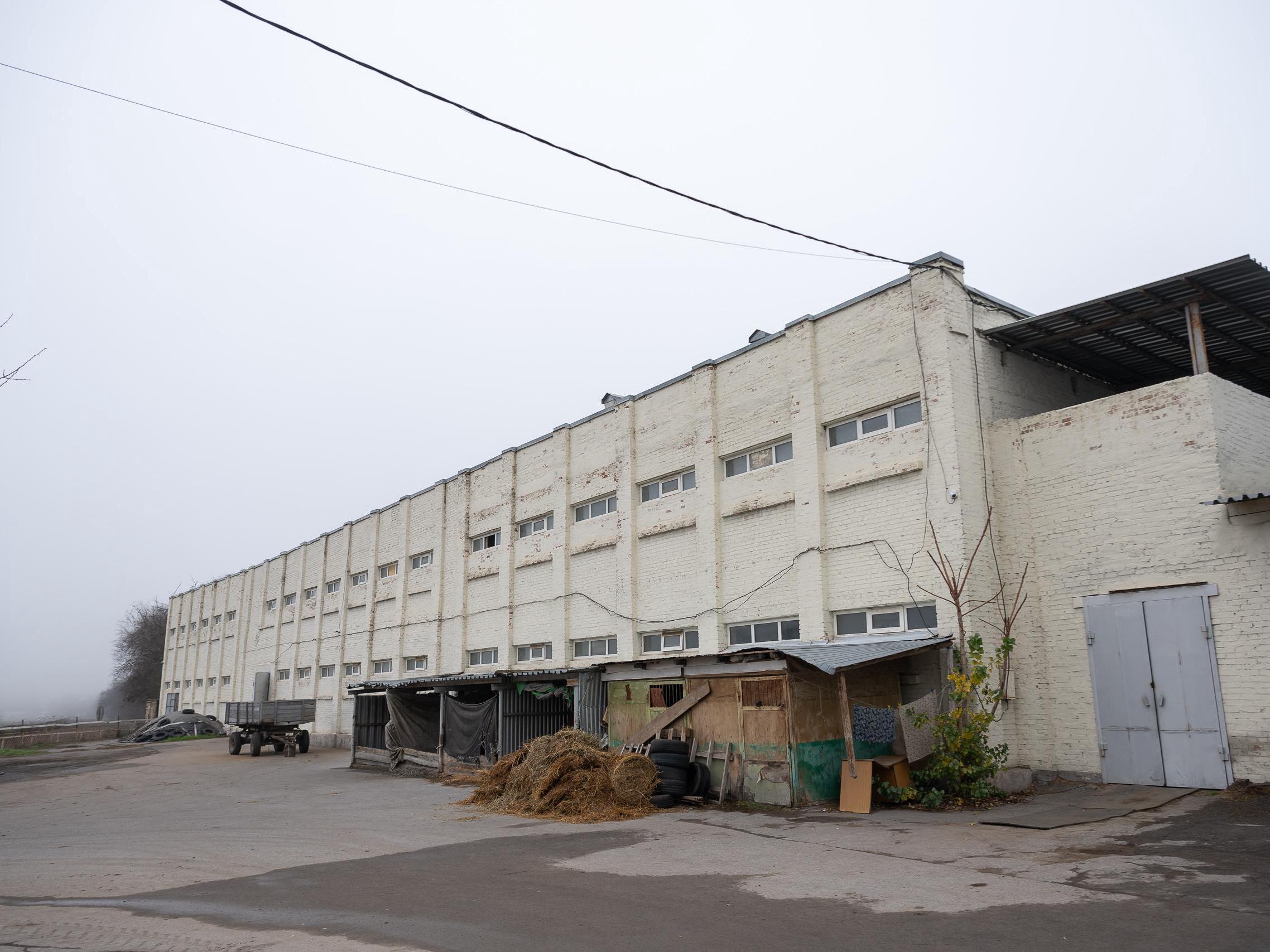
«We keep only racehorses of the English Thoroughbred and Budyonny breeds. We conduct horse training here. From April to September, they undergo trials. After that, the horse participates in races for one, two, or three years,» explains Raisa Khizhnyakova on the hippodrome’s setup.
“Before, a car was a luxury, now it’s a horse”
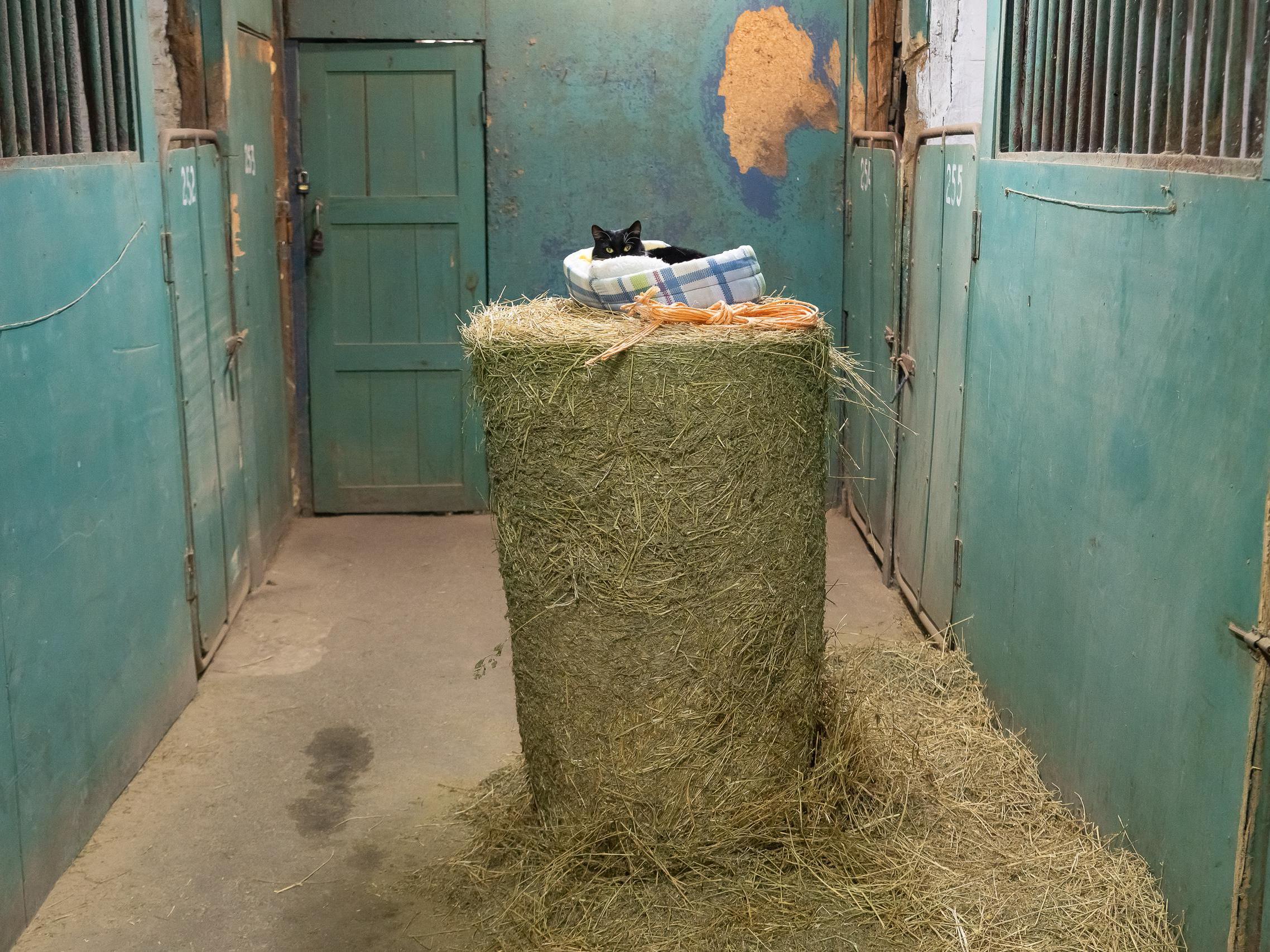
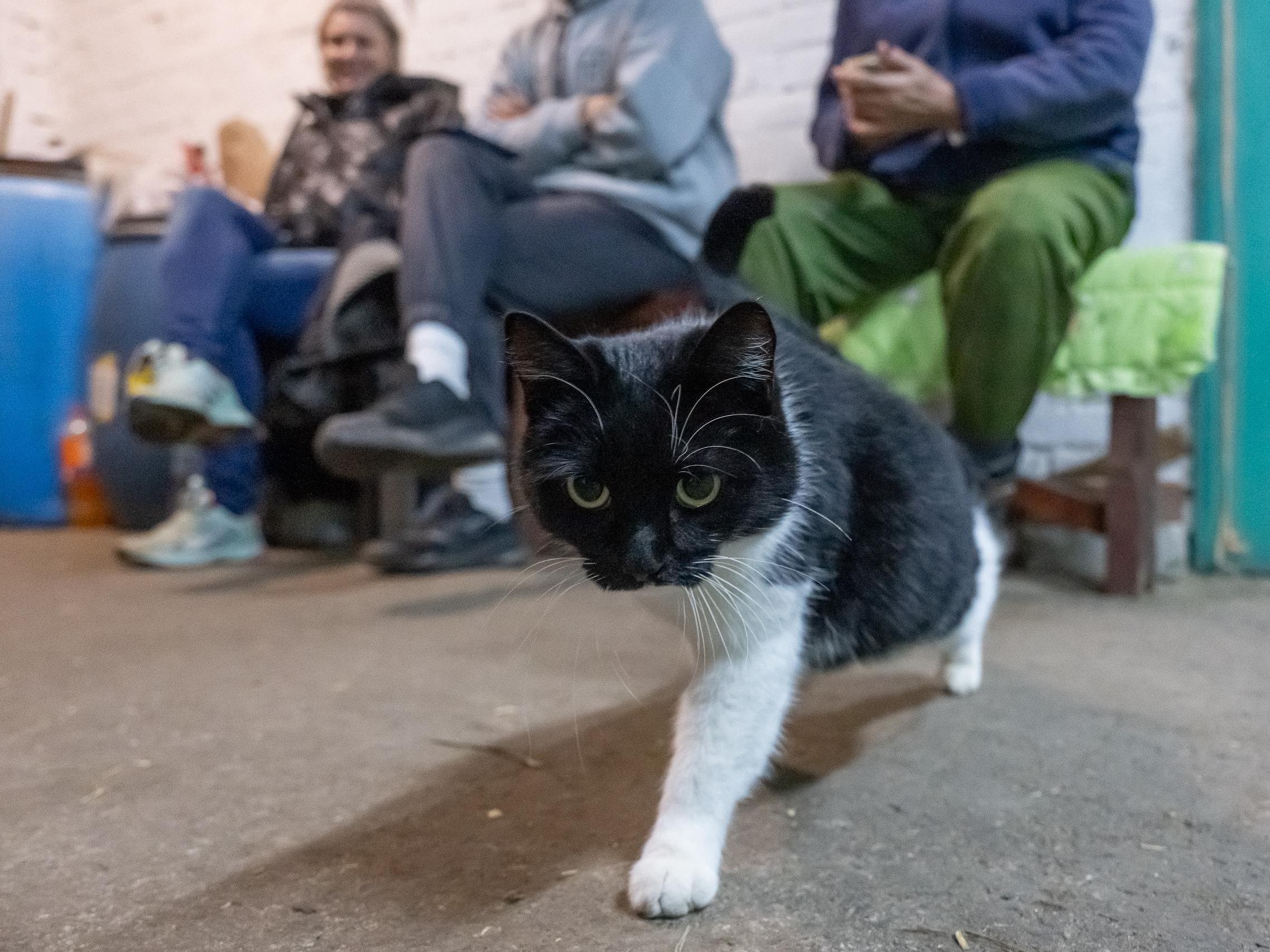
Khizhnyakova leads us into one of the stables. In the darkened and cold room, several horse owners have gathered. Thematic calendars hang on the stable walls. At the entrance, there is an old refrigerator and a kettle. Well-fed cats rub against their legs. The horse owners say the animals get along with each other, and the horses even allow the cats to jump on their backs.
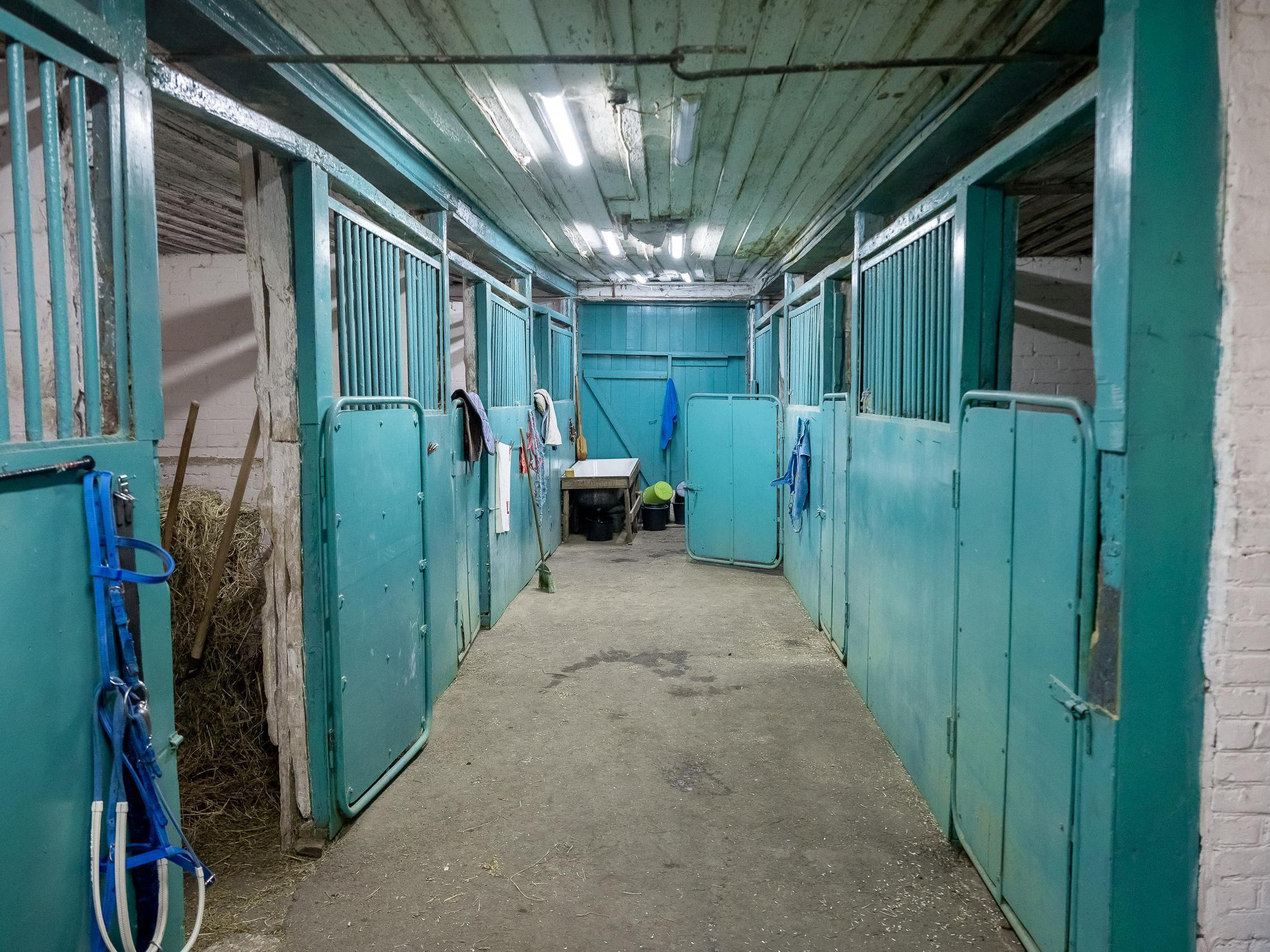
Together, the horse owners actively discuss the new directive from the owner. The document reminds them that LLC Rostov Hippodrome no longer exists. The legal entity is now called Malyugina 2.
«We remind you that, starting from 29 November 2025, you will have no grounds for using the rented premises,» the document states.
The premises are requested to be prepared for return to the owner. The horse owners are threatened with fines for damages. Moreover, from 1 December, a pass system will be introduced on the hippodrome territory. Except for the owners, no one will be allowed near the horses. Since the hippodrome employees have been laid off, there will be no one to maintain the enterprise and the horses.
«In case you do not vacate the premises of your property, access to the horses will be granted only upon presentation of the following documents: horse passports, feed certificates, schedule of horse training and feeding for the servicing personnel to start,» is written in the document.
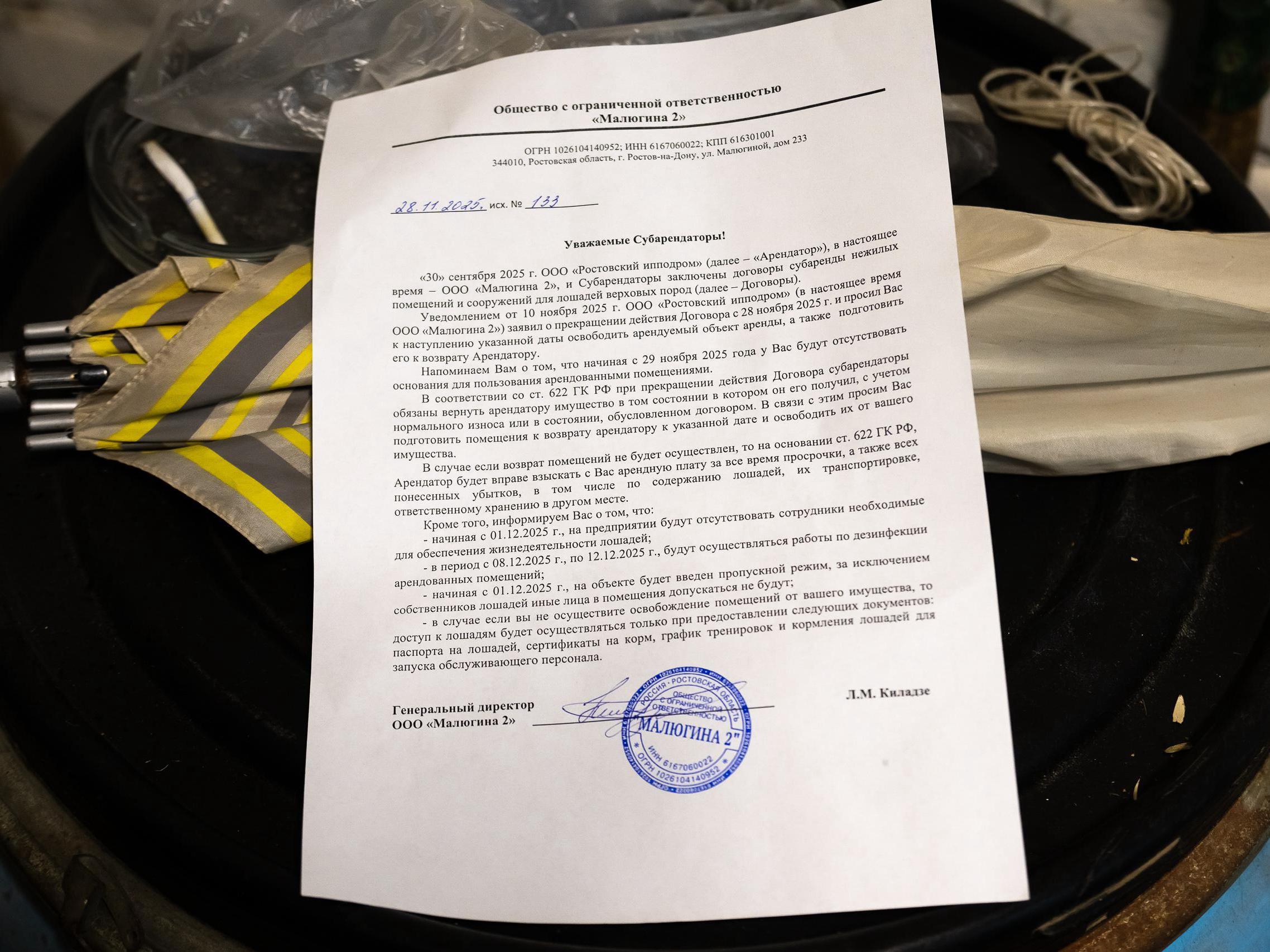
The horse owners are outraged: «Who do we have to report to when we feed our animals?» They are also confused by the disinfection planned for December at the hippodrome. The chemicals could be dangerous for the horses.
But this can be considered a kind of concession from the owner. In theory, he could have evicted the horse owners along with the animals right on Friday.
«The guys in the administration were told: ‘Take their horses and lead them to Malyugin.’ Do you know the cost of one horse? A horse costs ten million rubles (approximately $100,000 at current rates). This is our property. Who has the right to lead them out? Only bailiffs by court decision,» says Raisa Khizhnyakova.
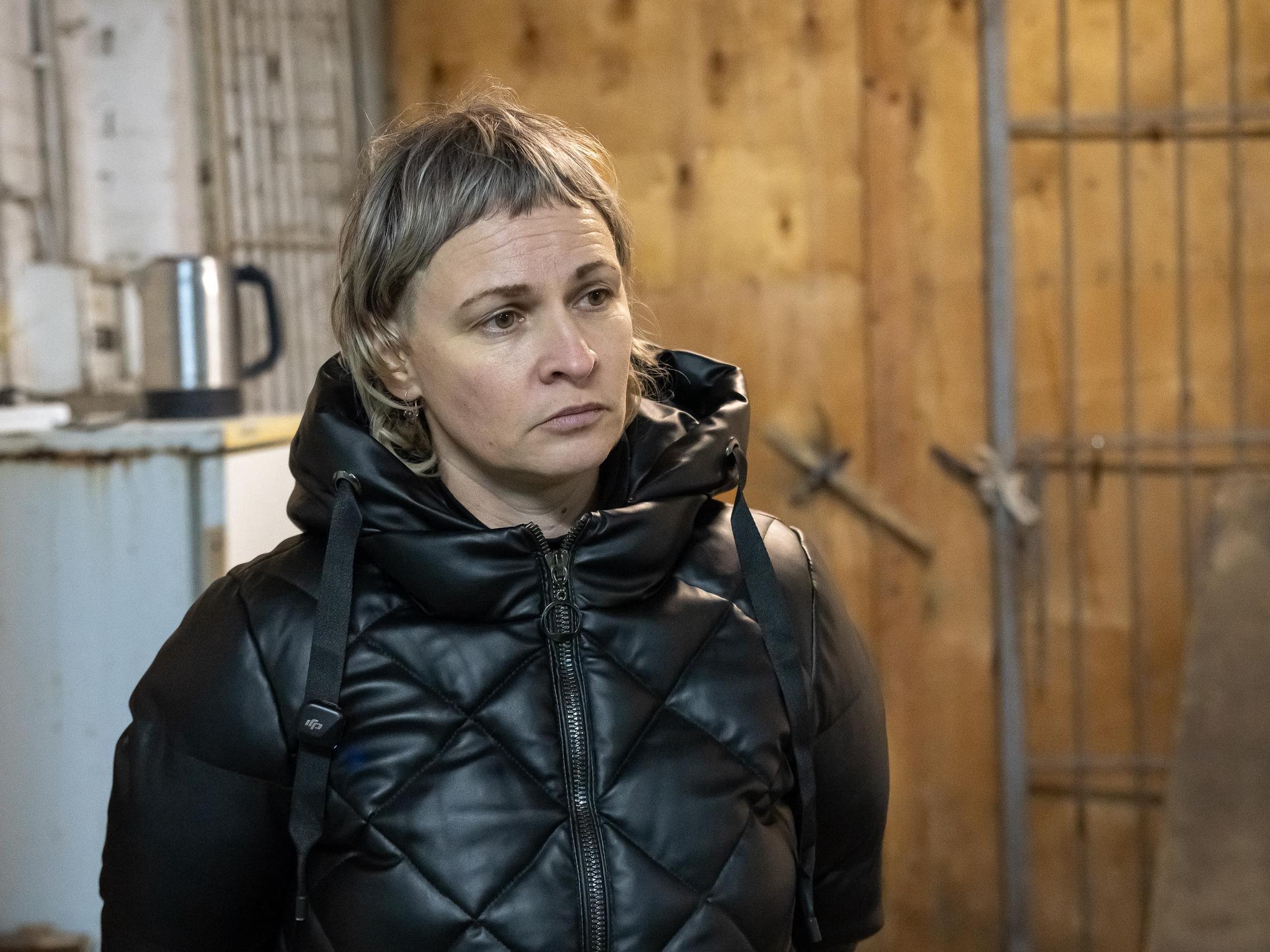
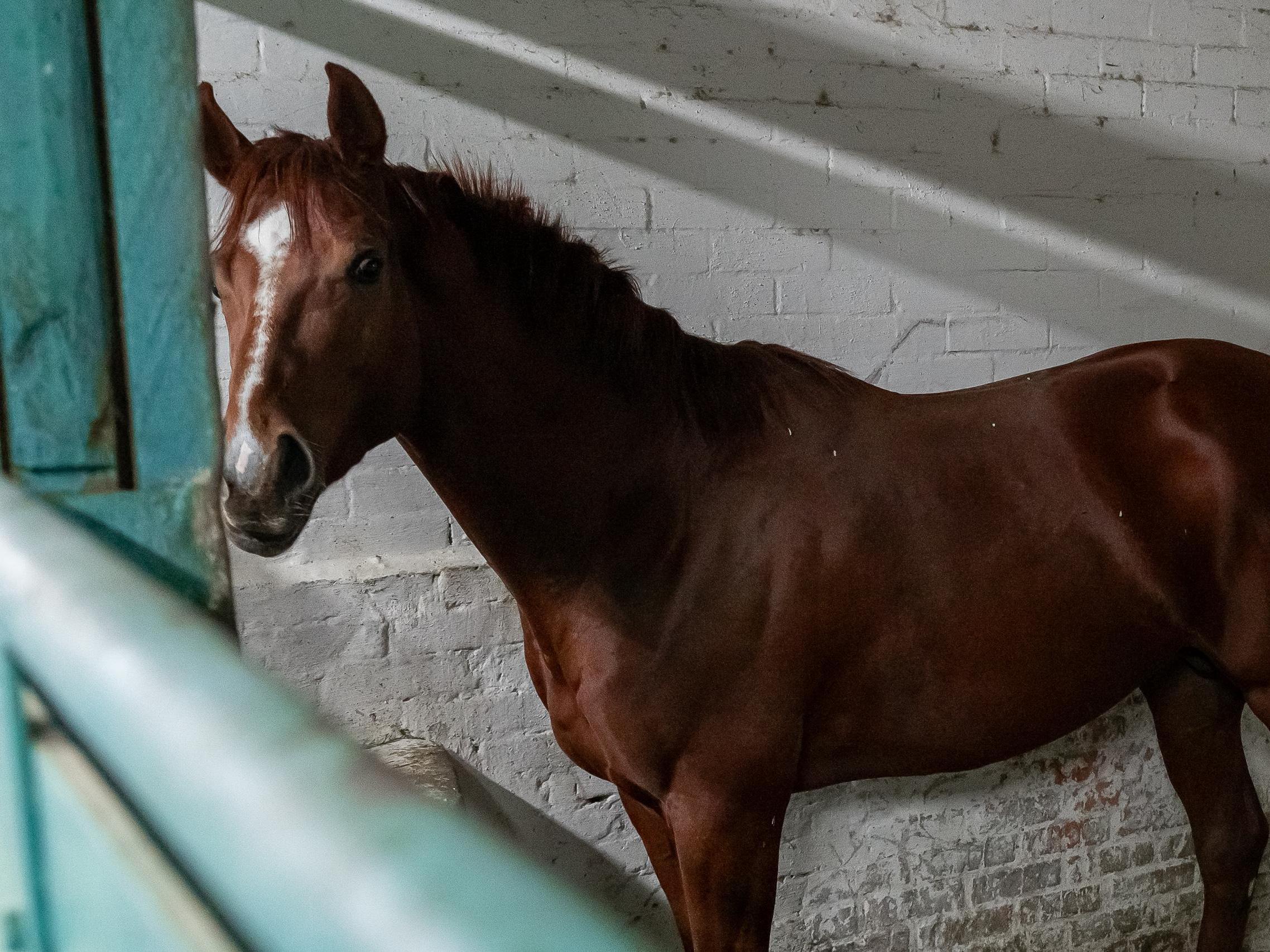
We arrived at the stable just during horse feeding time. Trainer Olga Polevik distributes feed and water to them. She shows us her charges. The first is a black horse Tosha, winner of many prestigious competitions. Tosha is very calm and friendly. He actively poses for the camera and ‘plays around.’
The second ‘charge’ is called Monatsid, briefly Monya. He, like Tosha, is black with a thick mane. Monatsid was born at the Donskoy stud farm three years ago and has already made a mark with successes in races.
«In this routine, we don’t notice anything. And then suddenly — the hippodrome is gone. Where did it go?» Polevik says with frustration.
Olga Polevik has worked at the hippodrome for over 25 years. According to her, the hippodrome was destroyed gradually. It all started with its bankruptcy.
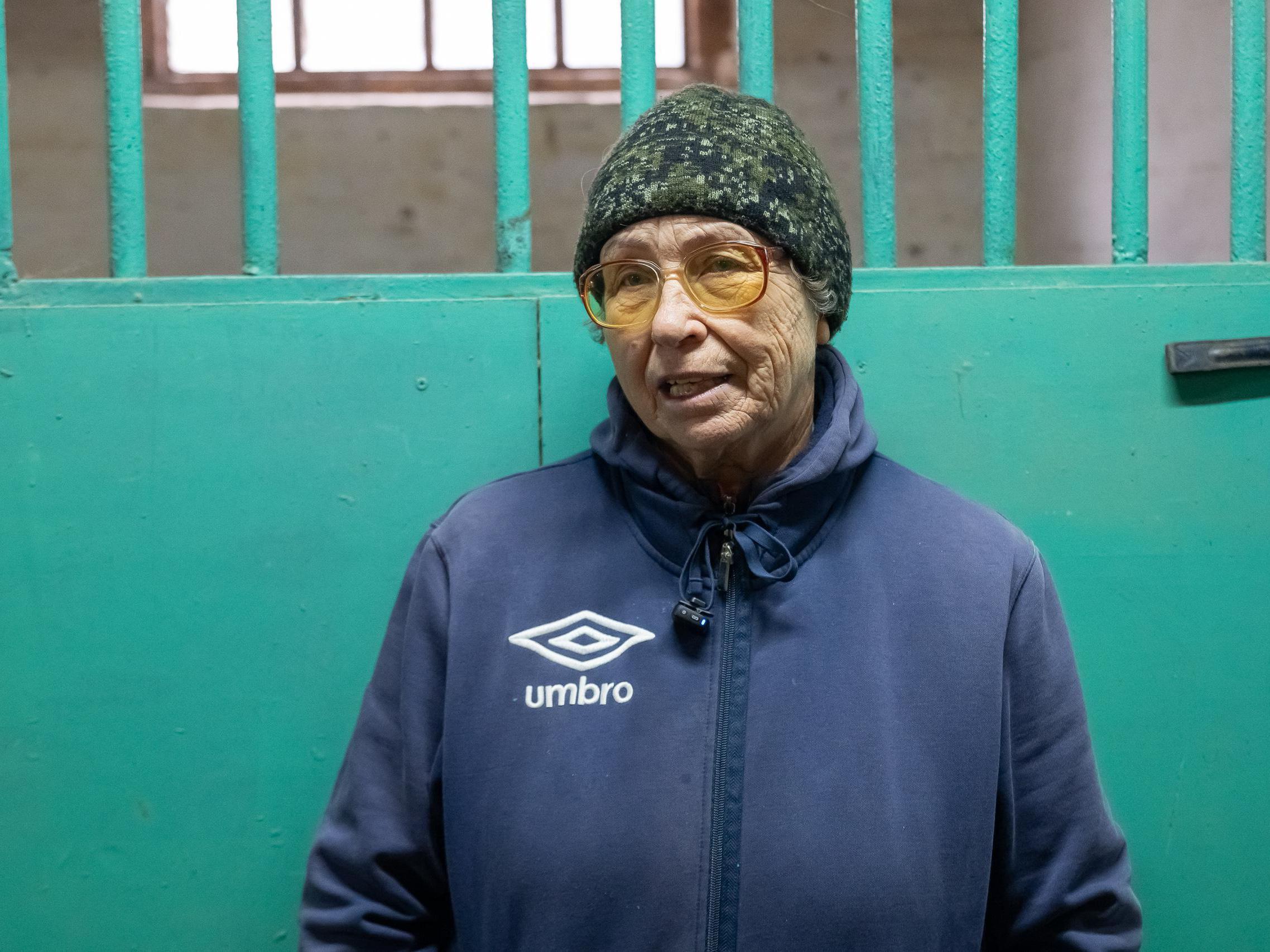
According to the horse owners’ recollections, in the early 2000s, the hippodrome ended up in private hands allegedly due to a debt to the water utility of 37,000 rubles (approximately $370 at current rates).
«Such a huge land, such a huge enterprise — and it was bankrupted for 37,000 rubles,» fumes Victoria Utkina, another horse owner.
The horse owners complain that the hippodrome has long been in decline. In their opinion, this was done artificially. First, horse rentals were closed, then employees were laid off, stud farms went bankrupt, spectators were no longer allowed at races, then the indoor arena stopped working. Gradually, the hippodrome lost popularity.
«Before, up to ten thousand people came here. There were 17 races a day. Now, if we’re lucky, there are races twice a month. Now there are about 50 horses here. In the best years, 100–120 heads were kept. Until 2010, 500–600 heads were accommodated,» recalls Raisa Khizhnyakova.
According to the horse owners, they spend about 60,000 rubles (approximately $600 at current rates) monthly on horse maintenance. For example, a stall for a horse on the hippodrome territory costs 8,000 rubles (approximately $80 at current rates) each month.
«These are capital investments. They tell us: ‘This is your business.’ Honestly, if you calculate the expenses, what kind of business is it? Before, having a car was a luxury, and now having a horse is a luxury,» says Raisa Khizhnyakova.
“They think that since the hippodrome is private, they don’t have to help”
According to the horse owners, even in the regional Ministry of Agriculture, ‘there are people far from horse breeding.’ Partly because of this, the industry is experiencing a crisis.
«It’s a disgrace. The ministry has never allocated a penny to us in our entire lives. They think that since the hippodrome is private, they don’t have to help. And Kislov forbade us to contact them. He considered himself the owner. He ruined the hippodrome,» says Raisa Khizhnyakova.
At the same time, the horse owners are now actively interacting with the ministry. They made a document in which they literally explained to the officials how horse breeding works.
«From the mare, how she gives birth to a foal, how it lives until one and a half years, how it comes to the hippodrome and is tested here, and so on. We described all this to them so they would at least understand,» tells Raisa Khizhnyakova.
“We are fighting for every day of life”
The horse owners are preparing a project for Governor Yury Slyusar as well. In it, they outline how the hippodrome can be made into a profitable enterprise. The horse owners believe that the facility will return to state ownership.
Any other outcome is death for the horses. The horse owners say that without the hippodrome, it is impossible to conduct horse trials. There are no analogues to Rostov Hippodrome nearby. Moreover, horses are brought to Rostov from neighboring Volgograd Oblast, Voronezh Oblast, and Kalmykia.
In Krasnodar Krai, horse breeding is developed to a much higher degree. In Kuban and Adygea, there are three hippodromes in total. The local Ministry of Agriculture allocates millions of rubles for races and prizes. But only horses born in Kuban and belonging to residents of this region can participate in the competitions. Therefore, no one is waiting for the Rostov horse owners there.
«In Krasnodar Krai, they allocate millions for horse breeding, for races. There, horse owners are supported. Their farms are developing. In our Ministry of Agriculture, they say they don’t give money ‘because of the SMO.’ And in Kuban, is there ‘no SMO’?» fumes Raisa Khizhnyakova.
The horse owners decided that they will not leave the hippodrome until the owner goes to court. If the court sides with him, only then will the tenants remove the horses from there. Now they plan to write an appeal to Deputy Governor Alexey Gospodarev in the hope that he can influence the owner.
«We are fighting for every day of life. We will not leave. Let them evict us through court,» say the horse owners.
They also have hope in the prosecutor’s office. According to the horse owners, unlike the officials, the prosecutors are always in touch. Previously, the supervisory authority conducted an inspection and concluded that the committee for the protection of cultural heritage sites unreasonably refused to grant the hippodrome monument status. Now, as the horse owners say, the prosecutor’s office is reviewing the documents on the initial deal that allowed the hippodrome to become private property.
The tenants are bustling and hurrying with a letter to the regional government. They worry that after this weekend, their life at the hippodrome will become much worse.
“Tell us how bad it will be if we are evicted from here”
Victoria Utkina has been in equestrian sports since childhood. Currently, two of her horses are kept at the hippodrome. Since the territory is vast, Victoria drives us around it in a car. She points out the abandoned dormitory, the rusted water tower, the closed indoor arena.
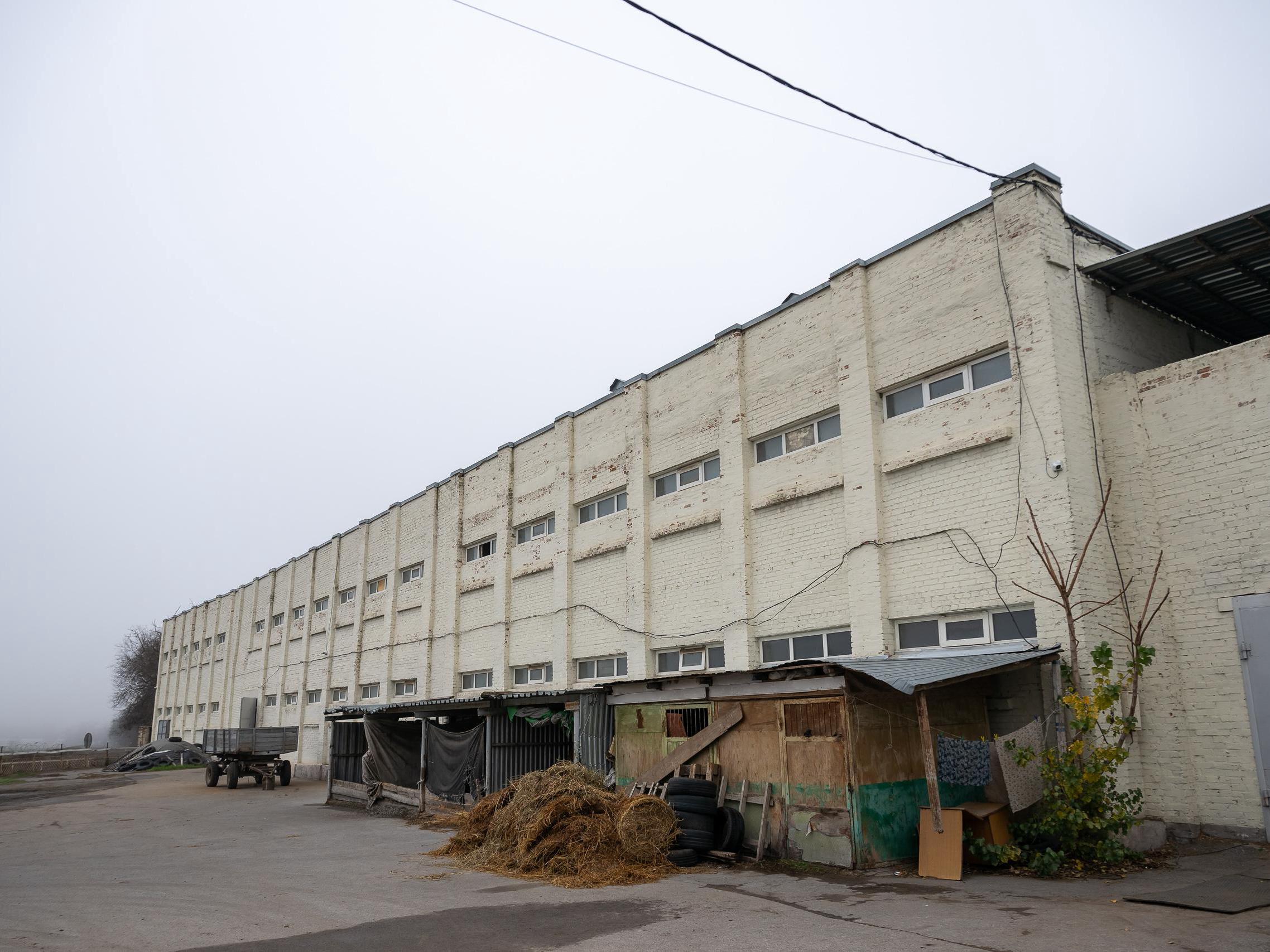
Victoria’s horses are kept in a two-story stable. They haven’t been named yet — by the standards of equestrian sports, these horses are still young. They are named at one and a half years old when sent for their first training.
Victoria brings us to one of her horses. A black beauty with a thick mane nuzzles up to its owner and tries to kiss her.
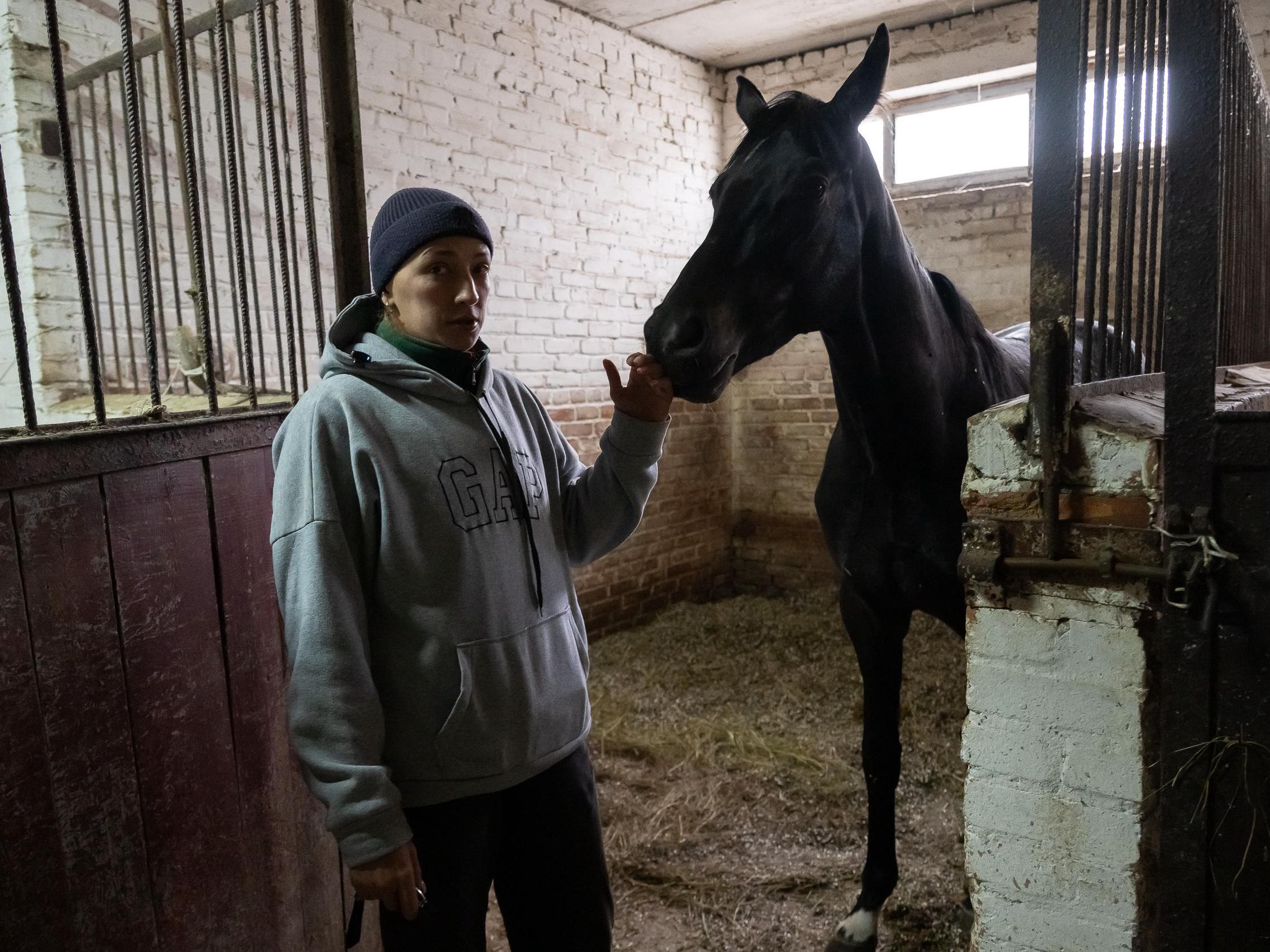
«Tell us how bad it will be if we are evicted from here,» Victoria jokingly addresses her charge.
She recalls how she brought him from Poland, spending a substantial sum.
«It doesn’t really pay off. It’s a disease. Horse owners simply can’t live without horses,» says Victoria.
We leave the stable and go out to the racecourse. Victoria remarks that actually, the conditions at the hippodrome are ‘ideal.’ According to her, there used to be hippotherapy, outings, children came for show jumping. This brought profit, but these activities were shut down.
«They are slowly cutting off our air. We are already operating at a loss. Leave the hippodrome, we don’t need anything else,» says Victoria.
According to her, the previous activities at the hippodrome could be revived and made profitable, ‘but no one needs it.’
“With the closure of the hippodrome, I am forced to leave my beloved city”
We drive back with Victoria and stop at the veterinary point on the way. There we meet night horse owner Alisa. She is packing her things. Alisa has worked at the Rostov hippodrome since 1998 together with her husband. Her spouse is a racehorse trainer and jockey.
«For us, the closure of the hippodrome is a tragedy. The profession of a jockey is highly specialized. My husband won’t find work in this city and region anymore. We can only move to where there are horses. I am a native of Rostov. With the closure of the hippodrome, I am forced to leave my beloved city,» says Alisa.
According to her, the private owners did not invest much in the hippodrome, but its maintenance was expensive for them.
«On one hand, we can thank Sergey Kislov for maintaining us for so many years,» reflects Alisa.
After saying goodbye to her, we head to the stands. On the way, Victoria tells us that some horse owners have already moved out. They were afraid that they would be thrown out onto the street in one day and wouldn’t have time to remove the horses, property, and feed. Most of them moved to Kuban.
«People left out of desperation. Those who remain here are the ones who hope that everything will be fine,» tells Victoria.
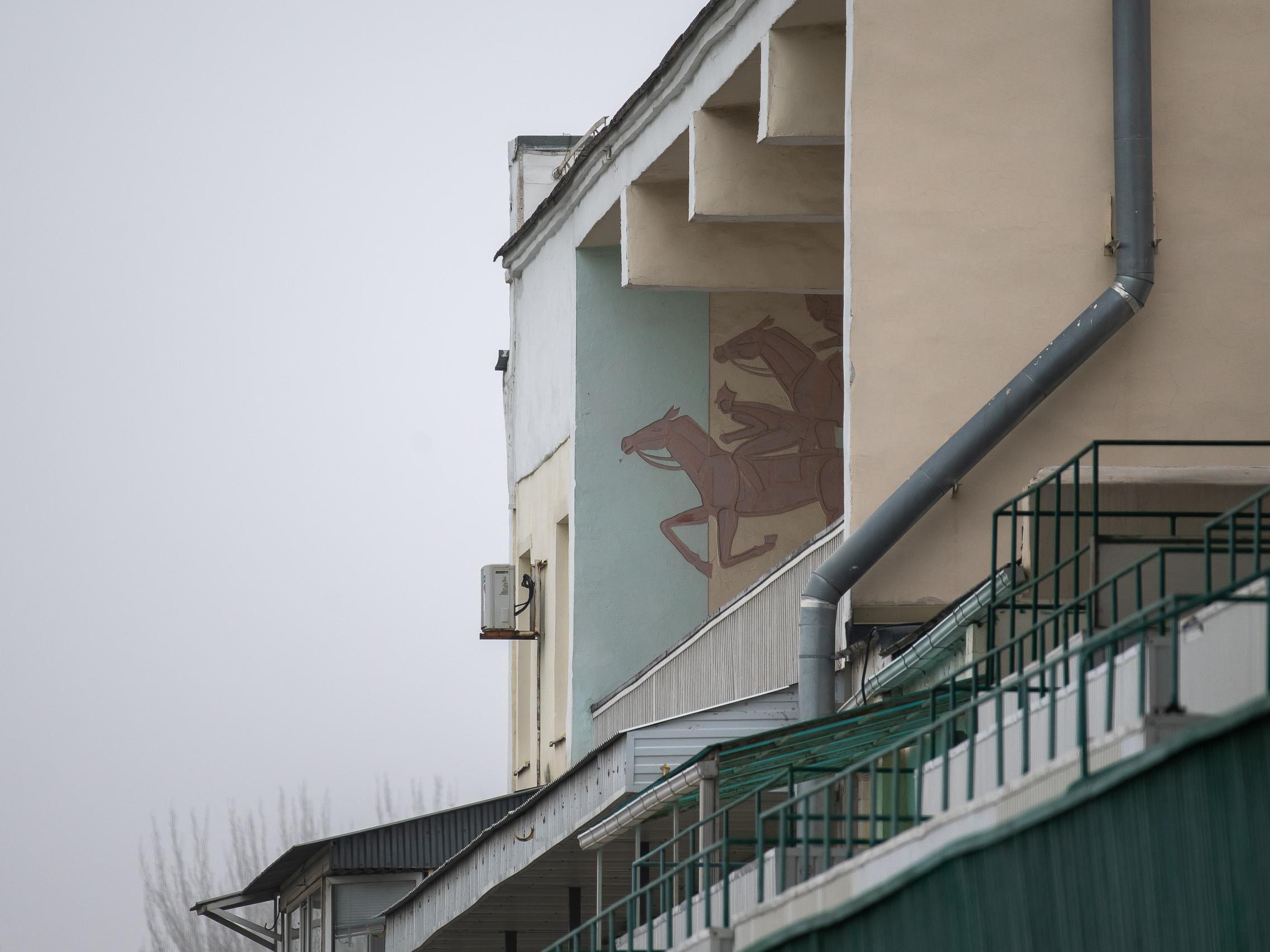
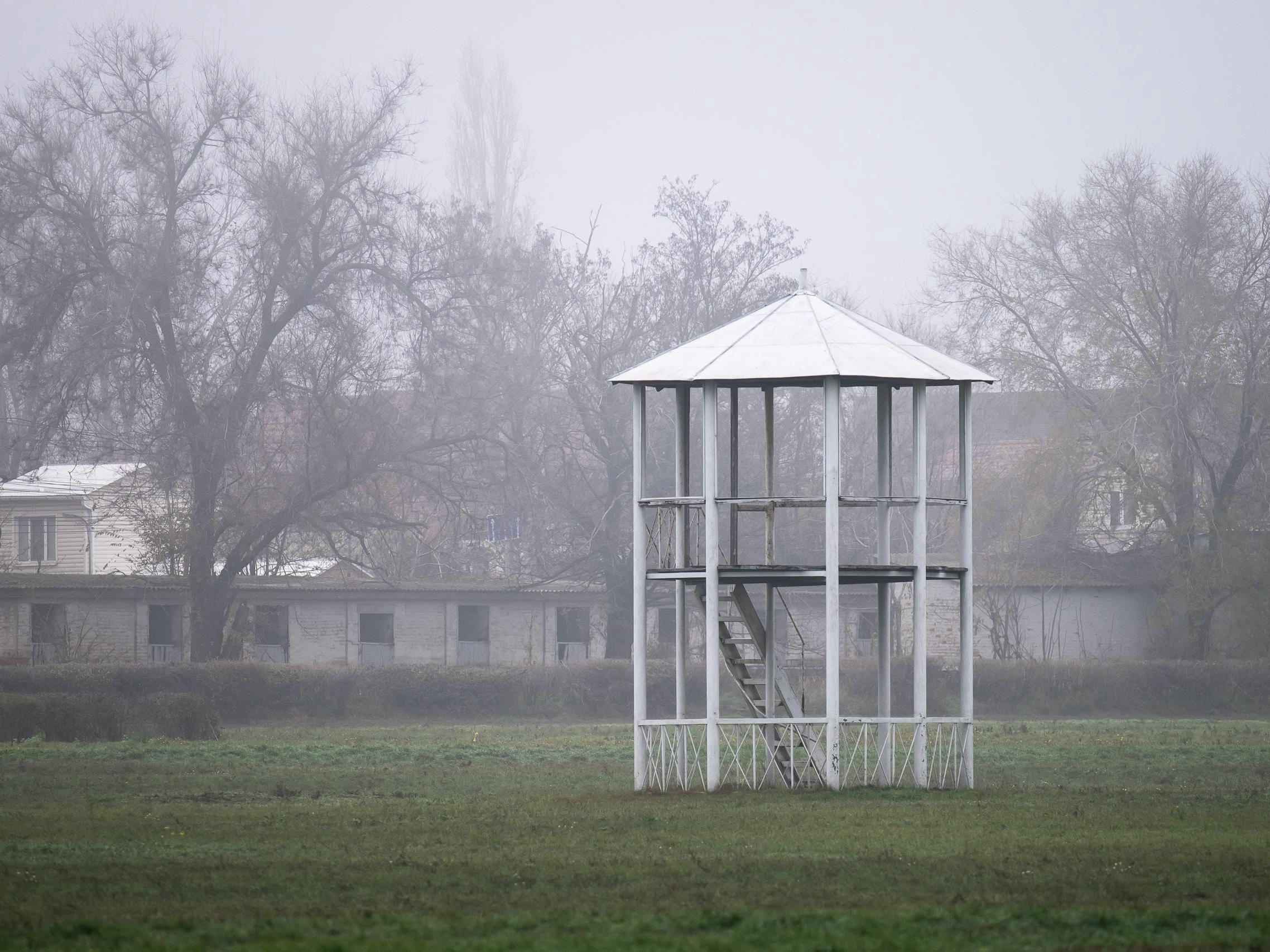
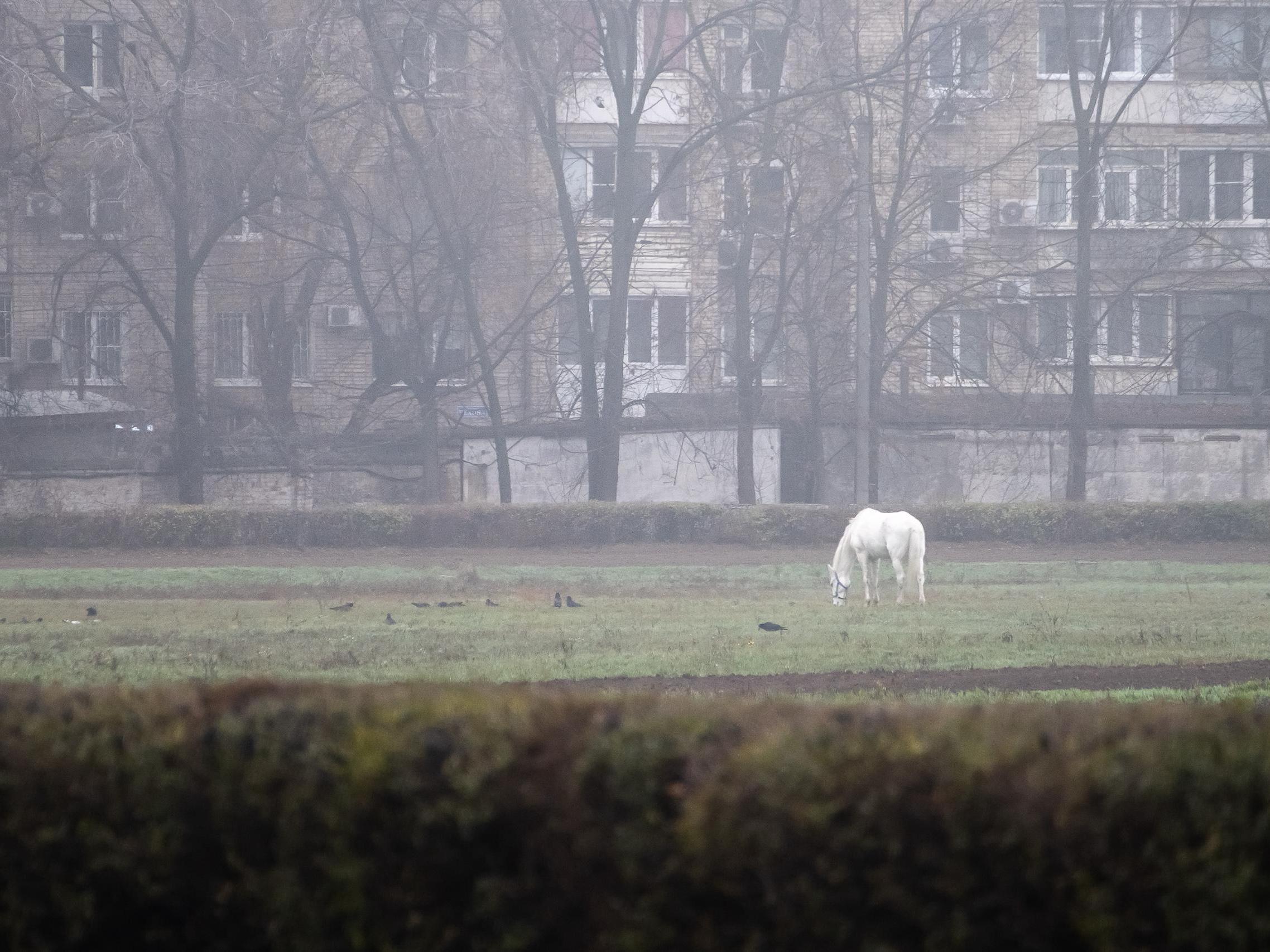
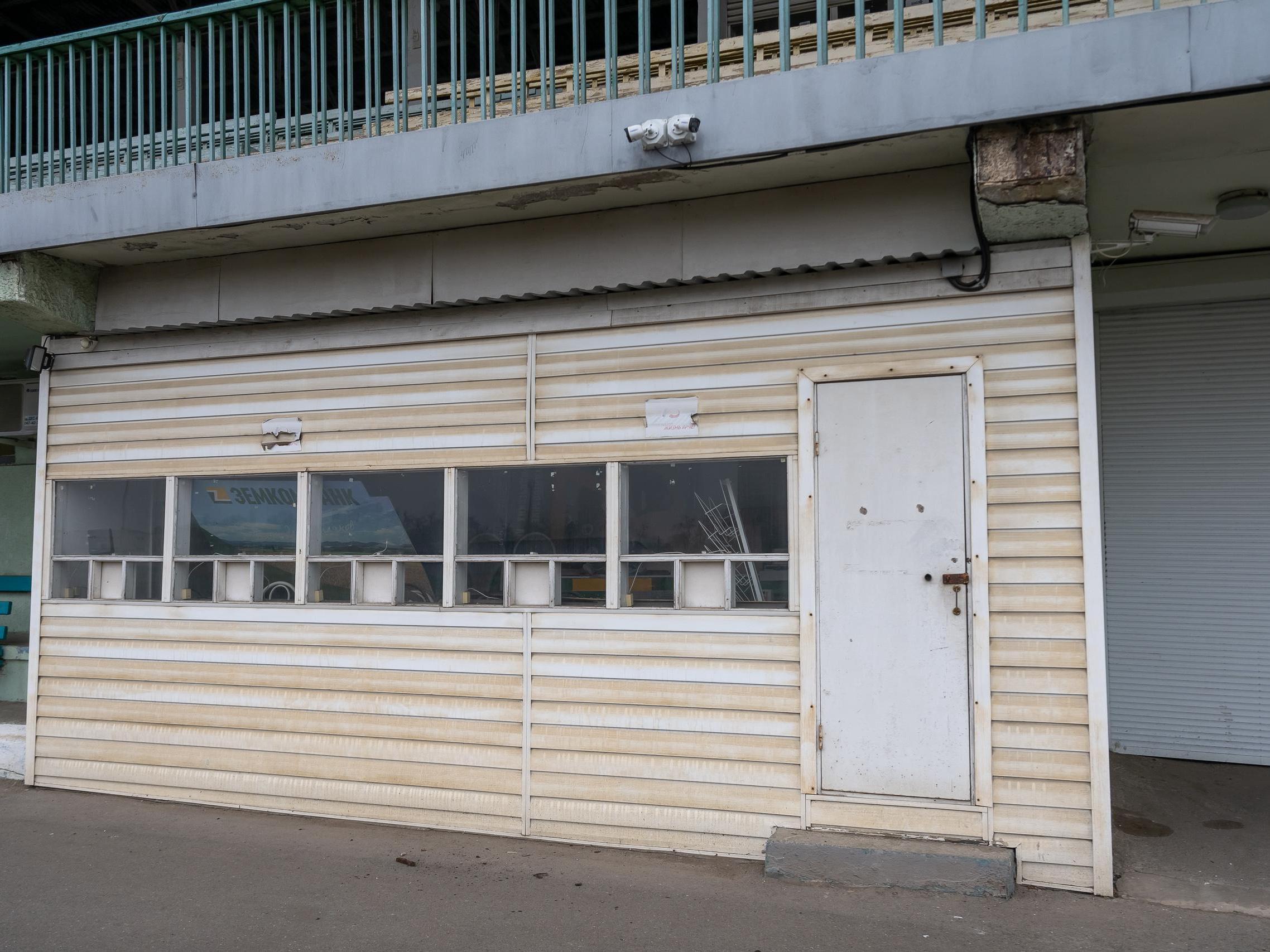
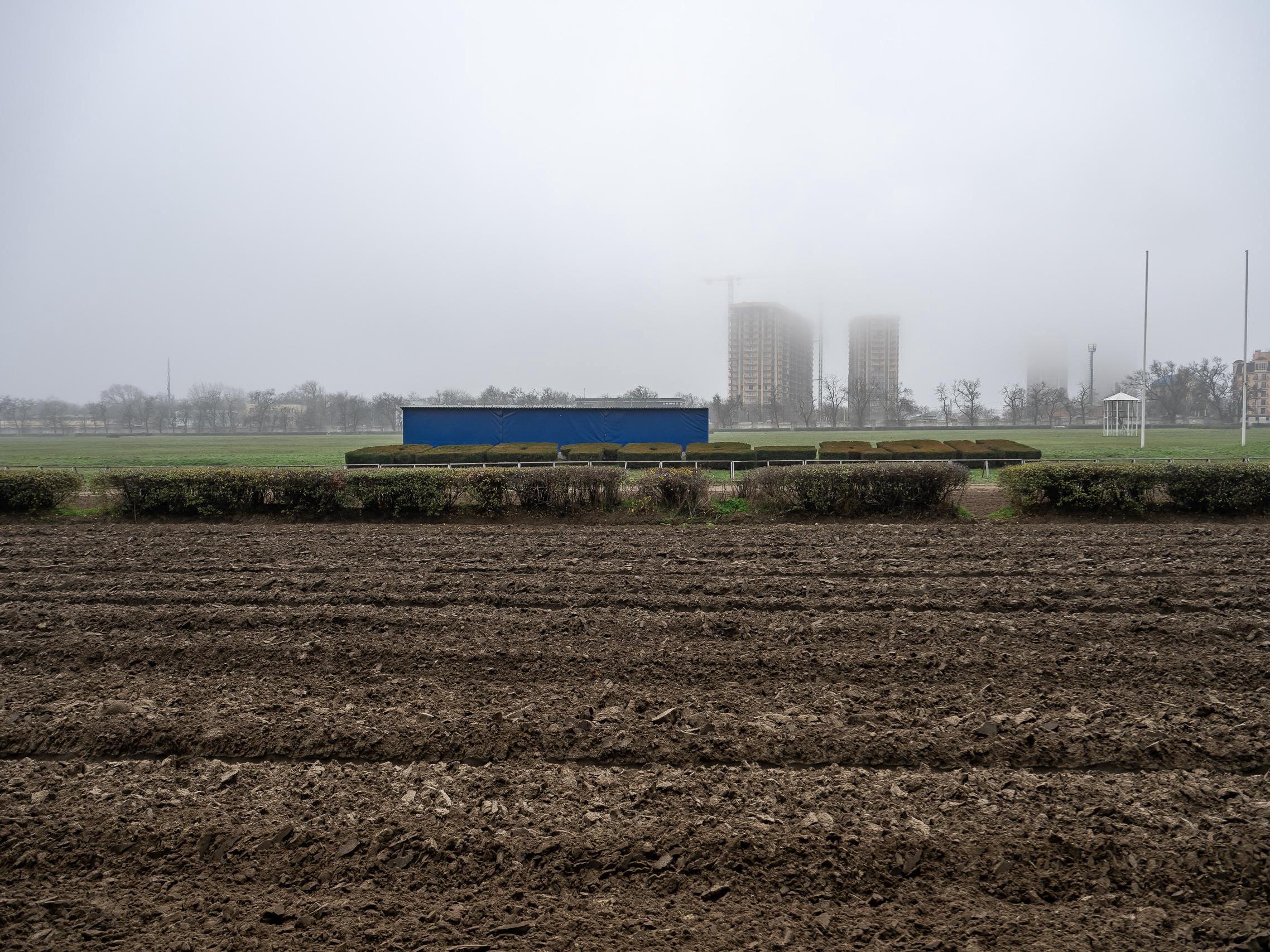
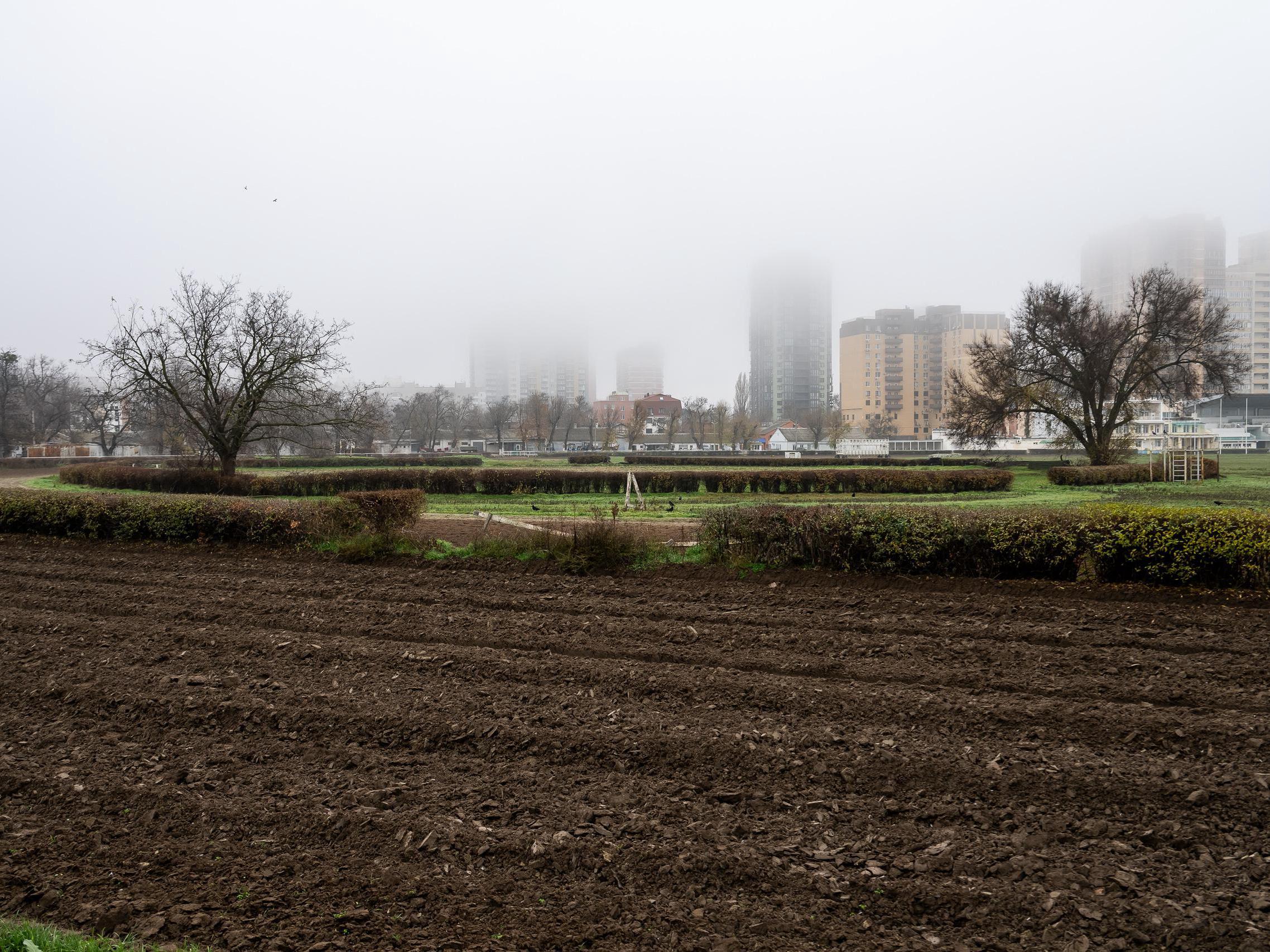
She shows us the old stands, the totalizator booth, the trimmed bushes on the race field. The workers who looked after the plants were fired. Dozens of people were left without work: from tractor drivers to veterinarians. Victoria looks sadly at the racecourse. Will her horses ever step onto it again? The answer is shrouded in fog, just like the racecourse for holding races.
«Besides hope, we have nothing left. Only it remains,» Victoria says sadly, while leading us to the exit.
She notes that this might have been the last day when the hippodrome doors were open. From December, no one except the horse owners will be allowed in.
“I came here for a 12,000 ruble salary”
At the exit from the hippodrome, we meet Uncle Vasya — a tractor driver. Today is his last working day too.
Uncle Vasya worked at the hippodrome for 17 years. He recalls that he was once given an apartment on Filimonovskaya Street for his work at the hippodrome.
«They said: ‘Work for four years — the apartment will become your property.’ I came here for a 12,000 ruble salary (approximately $120 at current rates),» says Uncle Vasya.
Now he is being evicted from the apartment. Uncle Vasya is suing for the right to live in the house he considered his for many years.
He didn’t want to resign from the hippodrome, which had become dear to him. He has two years left until retirement, and he asked the management to leave him.
«They say: ‘We are not laying anyone off, you are leaving by mutual agreement.’ If you leave by mutual agreement, they won’t pay any compensation,» reflects the tractor driver.
He is angry and says that if he had the chance, he would punch someone in the face out of indignation.
«Not only were we fired, to hell with that. But they also left us without housing,» concludes Uncle Vasya and says goodbye to us.