Maslenitsa 2026: Pancake Week Traditions and Dates
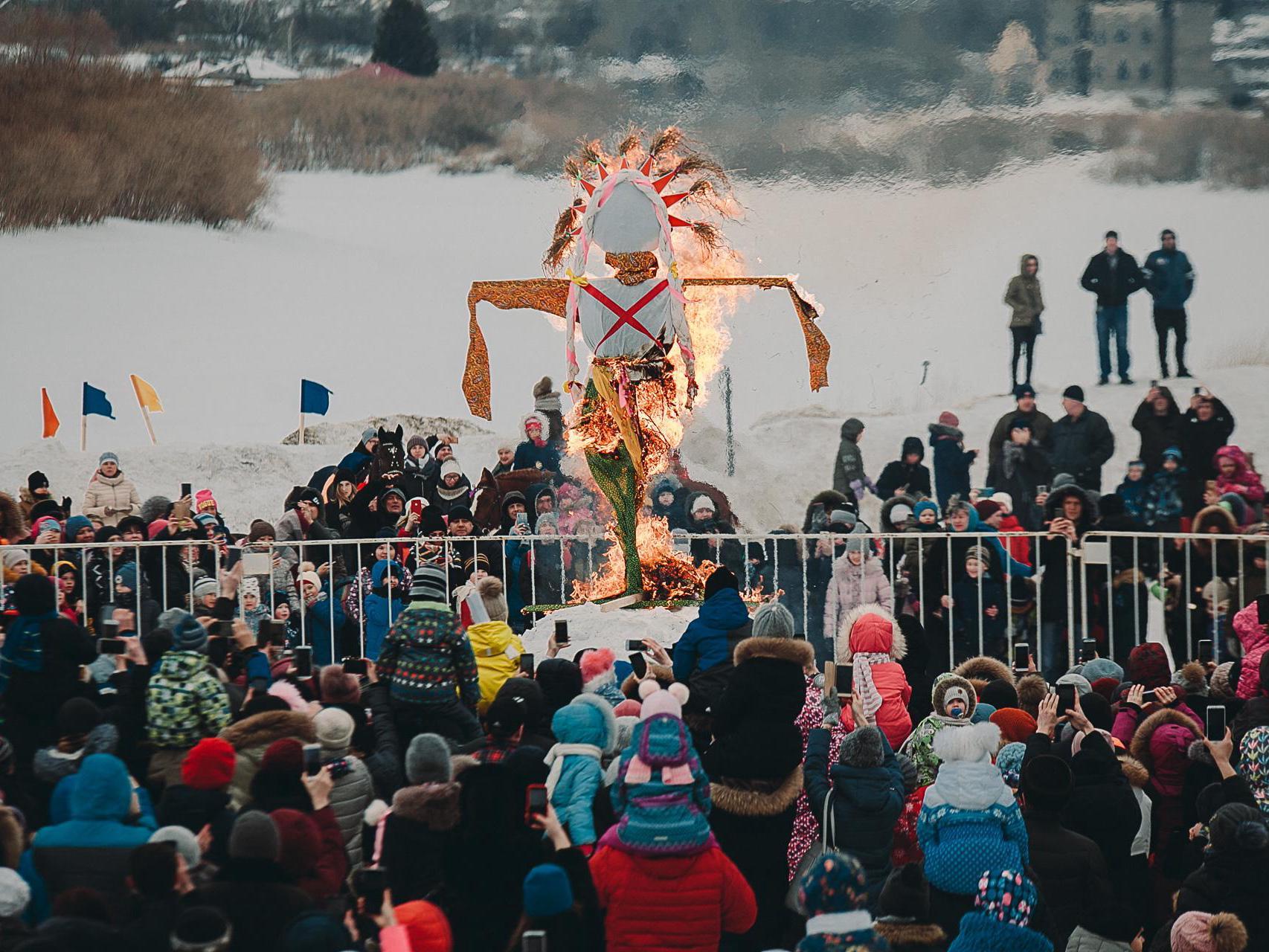

Maslenitsa is the appetizing aroma of pancakes from the kitchen, noisy folk festivities, and the spectacular burning of a winter effigy. While usually celebrated in March, in 2026 it comes much earlier, in February. Here is everything you need to know about this ancient holiday.
Maslenitsa: Origins and Essence
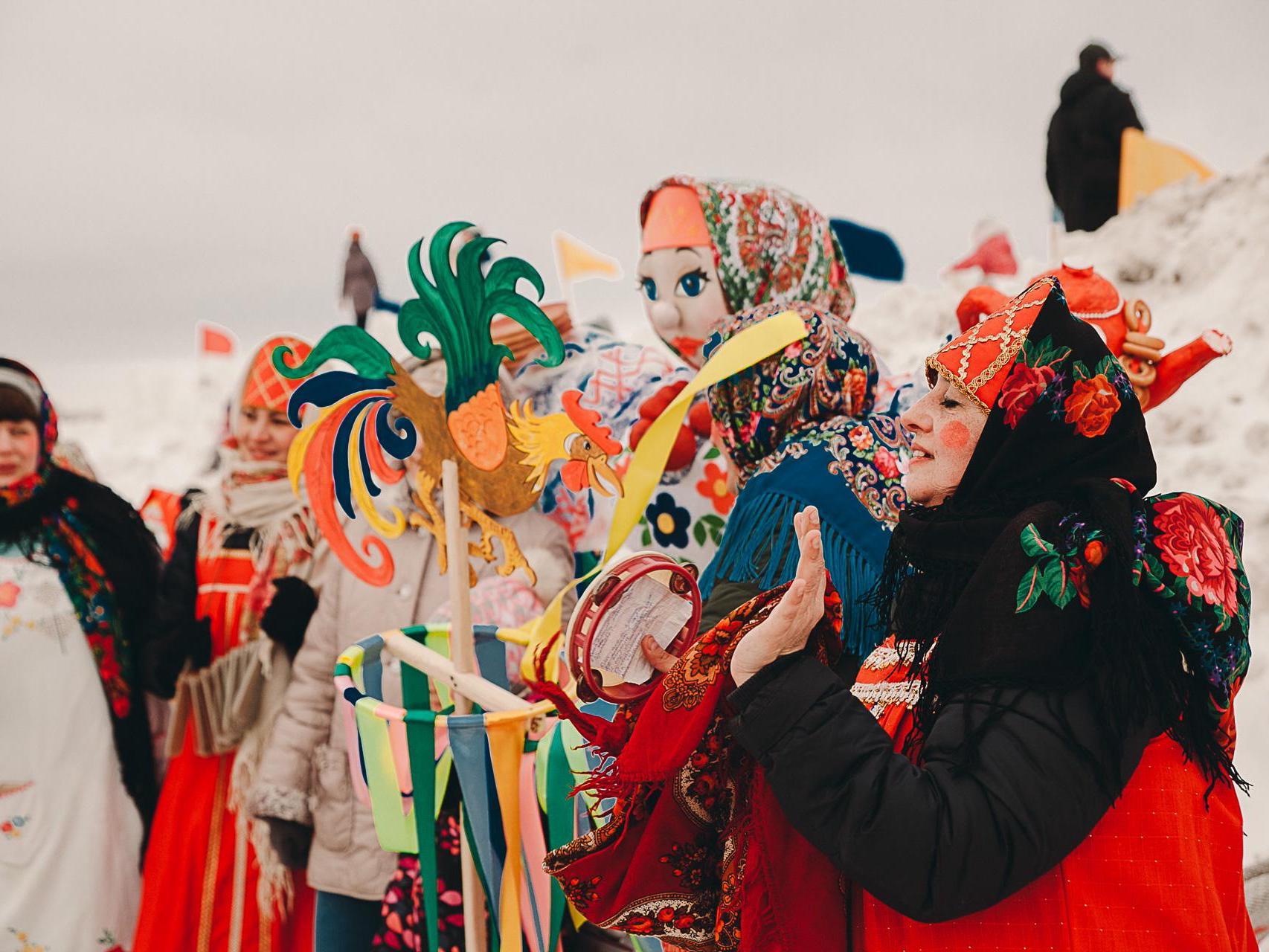
It is the most famous Slavic holiday, which began to be celebrated in pagan times. In ancient times, Maslenitsa was held with generous and abundant sacrifices, and rituals were performed to drive away winter and attract the long-awaited warmth. There was no exact date, but it was customary to celebrate it on the vernal equinox — March 22 or thereabouts.
Much has changed since then, but some things remain the same. From our ancestors« traditions, we inherited, for example, the effigy that needs to be burned. And the very essence of the holiday remains the same: a beautiful farewell to winter and a noisy, joyful welcome to spring.
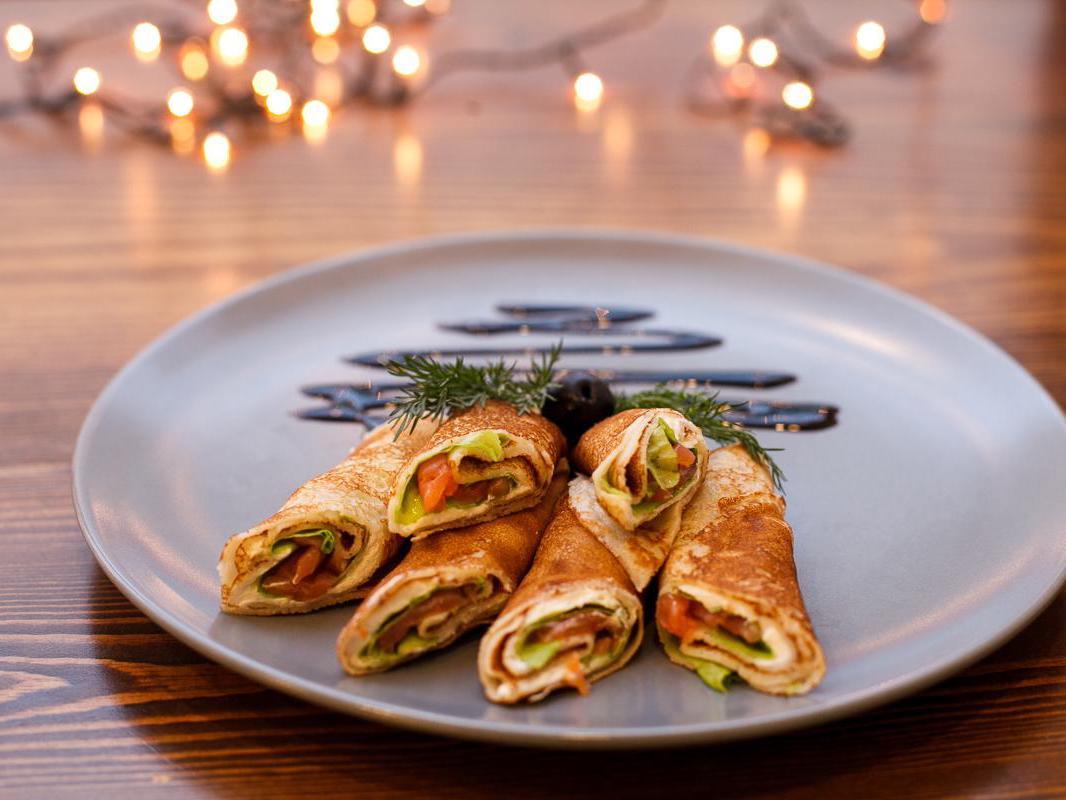
Maslenitsa in 2026: When It Falls
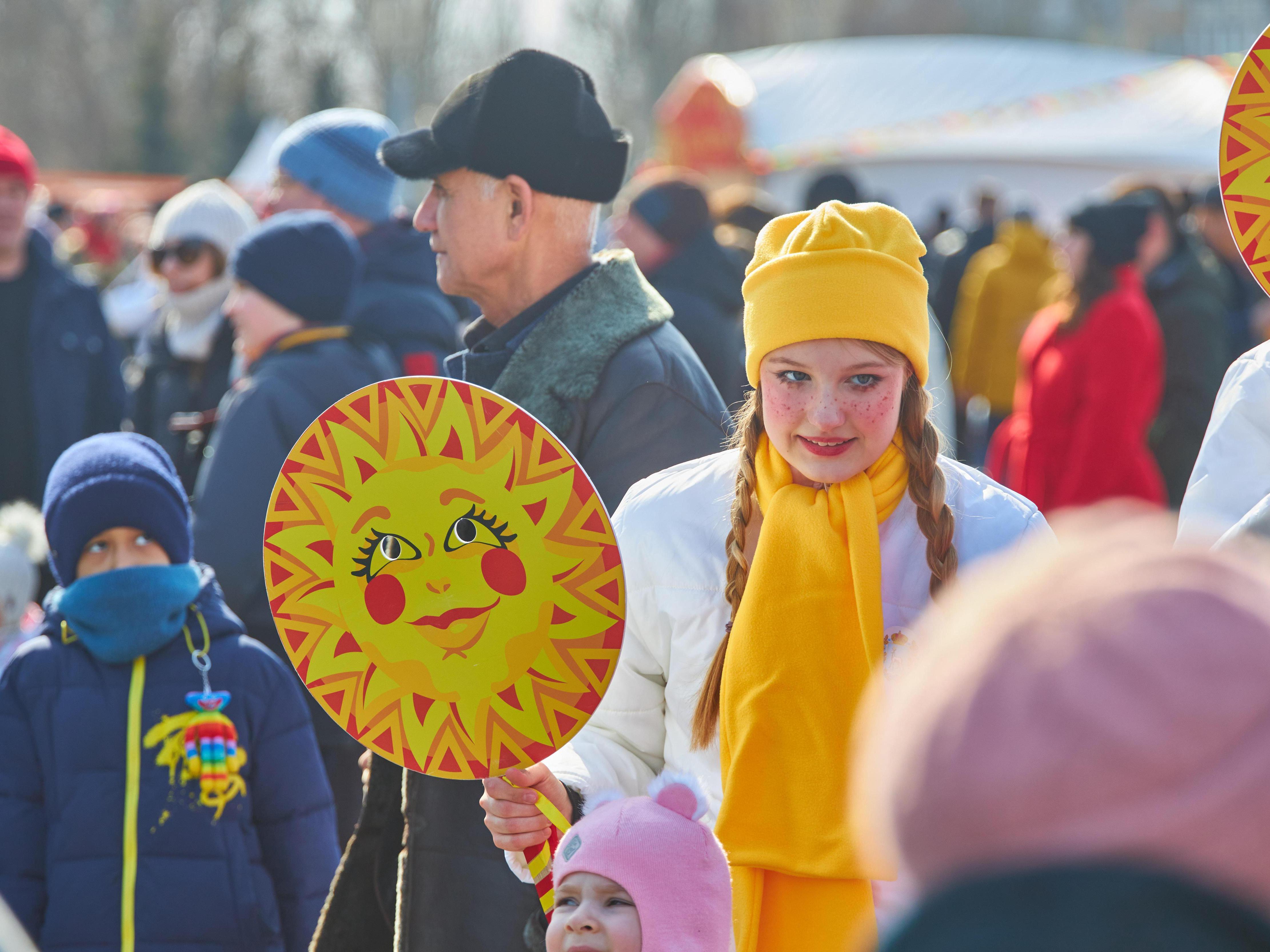
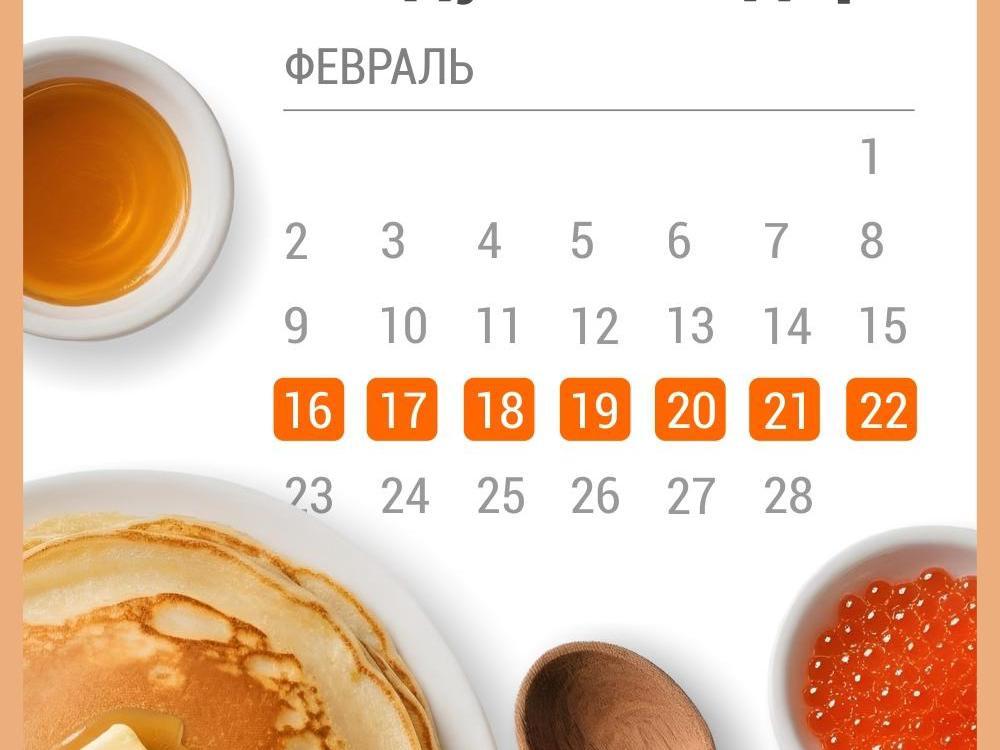
To calculate the start of Maslenitsa, you need to subtract 56 days from the date of Easter. Thus, in 2026, Easter falls on 12 April, meaning Pancake Week will begin in mid-February. To be precise, it will run from 16 to 22 February. The very next day, 23 February, Orthodox Christians begin Great Lent.
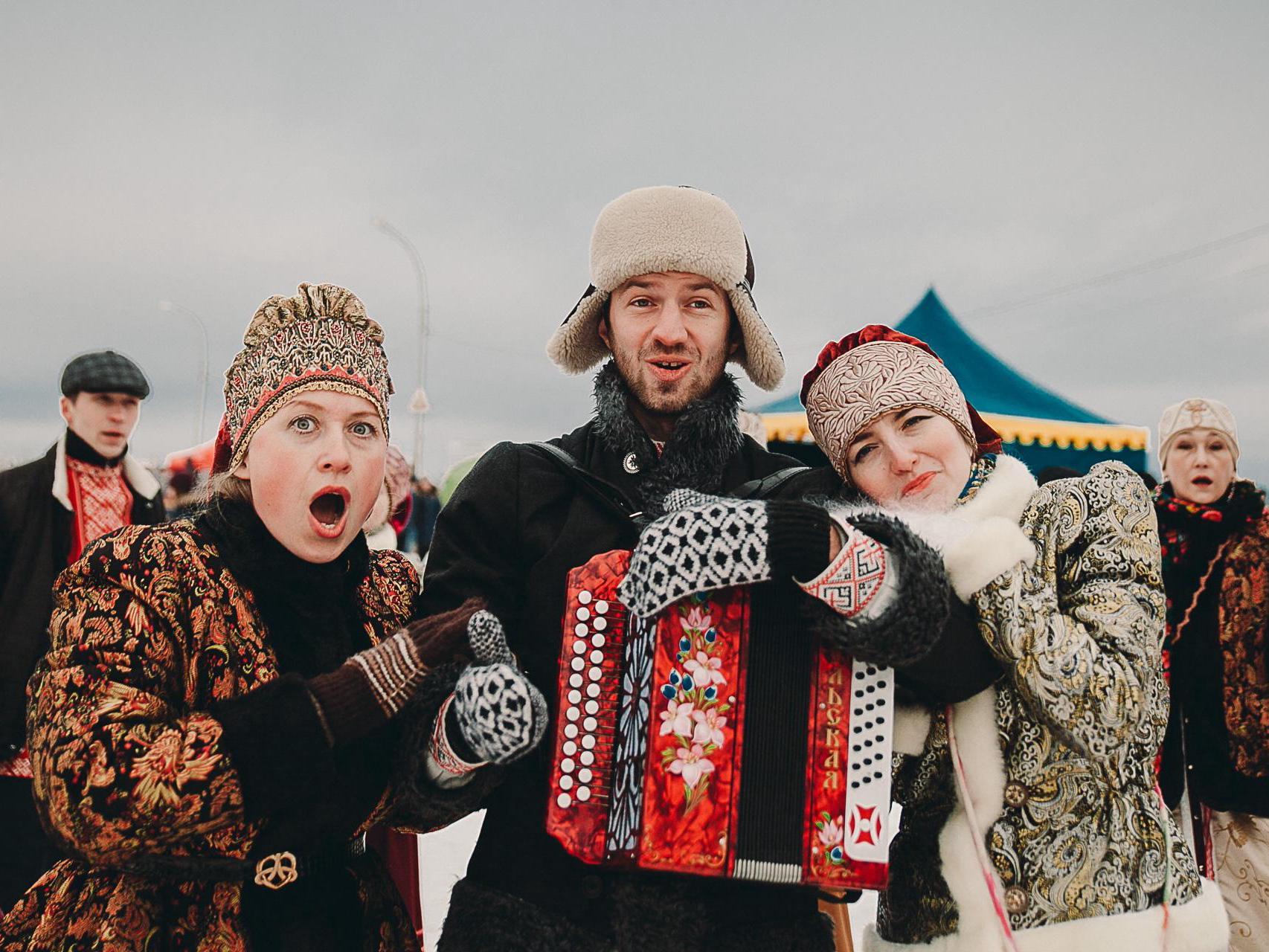
What to Do During Maslenitsa
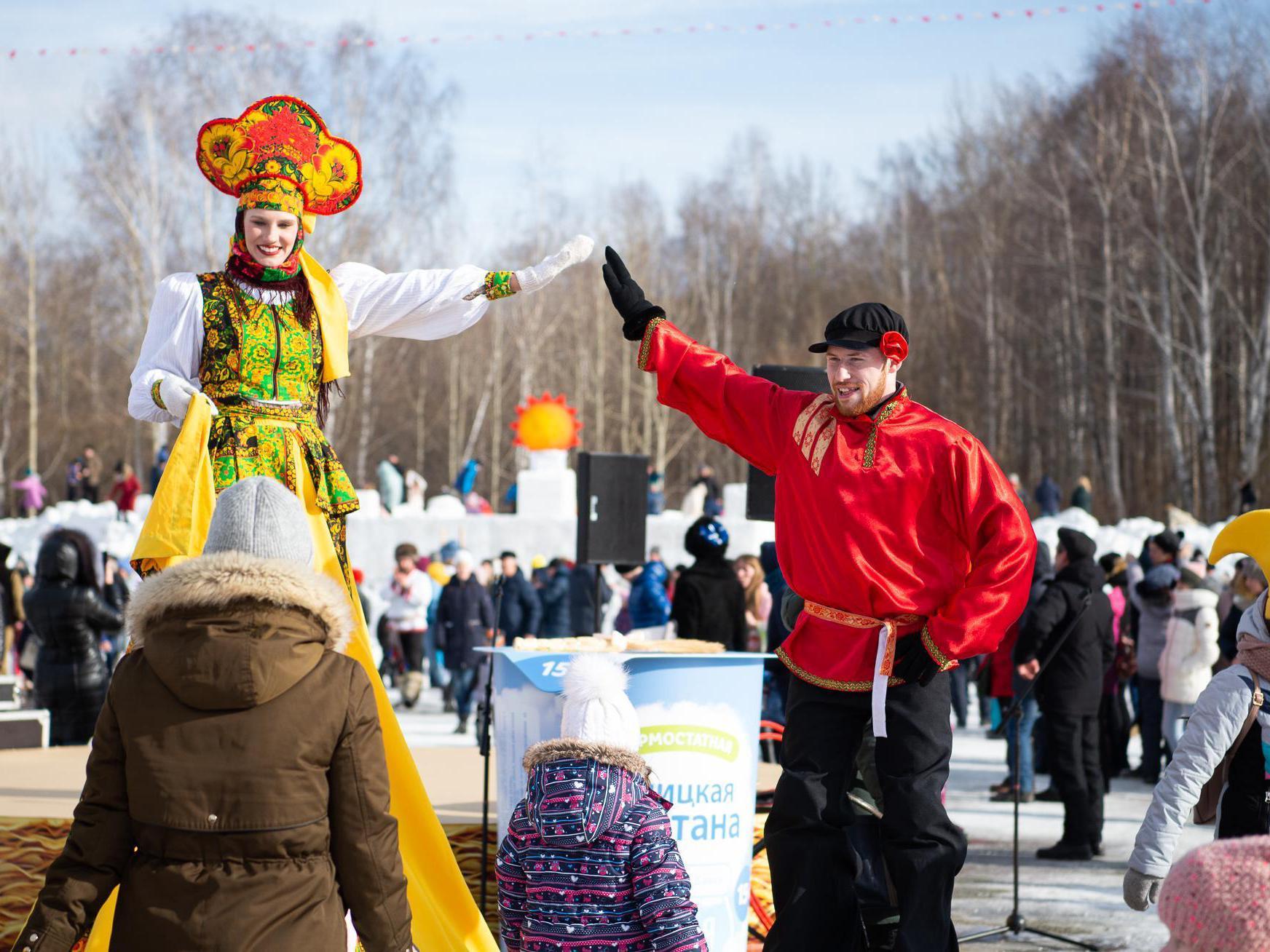
The week-long holiday is conditionally divided into two parts. During the first three days (Monday through Wednesday), doing household chores, including cleaning, is allowed. In the second part of the week, from Thursday, no work — only fun, round dances, and of course eating pancakes, with or without fillings.
By the way, each day of Pancake Week has its own meaning and name, take a look.
16 February (Monday) — Meeting
On this day, the first pancakes were baked and given to the needy in memory of deceased relatives. In the evening, the whole family (if possible) gathered around one table. Organizers of folk festivities finished preparing swings and slides for the holiday.
17 February (Tuesday) — Flirting
It was believed that successful acquaintances on this day could lead to marriage. Therefore, boys and girls actively got to know each other and took a closer look. It was also customary to visit everyone, without exception. Of course, with pancakes.
18 February (Wednesday) — Gourmet Day
On Wednesday, men came to their mothers-in-law for pancakes, and they tried to treat them as generously as possible. It is believed that this guarantees excellent family relationships.
19 February (Thursday) — Revelry
People put work on pause and poured out into the streets: some sledded down hills, others danced in circles, and still others took part in fistfights. It was believed that spending this day at home was unlucky.
20 February (Friday) — Mother-in-Law«s Evening
On this day, men invited their mothers-in-law to visit, trying to show maximum respect and generosity. A reciprocal gesture, where piping hot pancakes were also obligatory.
21 February (Saturday) — Sister-in-Law«s Get-Together
On Saturday, the hostess received her husband«s sisters and other female relatives. Naturally, she treated them to pancakes and gave small nice gifts.
22 February (Sunday) — Forgiveness Sunday
This is the culmination of Pancake Week. On this day, it is customary to ask forgiveness for past grievances and to remember the deceased. Closer to evening, the effigy was burned, bidding farewell to winter. The ashes had to be carefully collected and scattered over the vast fields to ensure a bountiful harvest in summer and autumn.
Taboos: What Is Forbidden During Maslenitsa
You can have a civil wedding during Pancake Week, but do not count on a church wedding: this week is preparation for Lent, so no ceremonies. For the same reason, special attention was paid to the diet: meat is strictly forbidden, but milk, eggs, and fish are allowed. Leftovers are to be given away, but under no circumstances thrown away: that is taboo.
As you already know, working during Pancake Week from Thursday to Sunday was not encouraged. Instead, one was supposed to have fun, rejoice, let go of grievances, and learn to enjoy simple things.
How to Bake Pancakes for Maslenitsa: (Un)usual Recipes
If you are used to classic pancakes, there is a simple secret to making them lacy and golden. The main secret is a scorching hot frying pan. Place it over maximum heat and pour a moderate amount of batter for each pancake. It is also believed that baking powder helps achieve the desired laciness. If you decide to add it, remember: no more than one teaspoon.
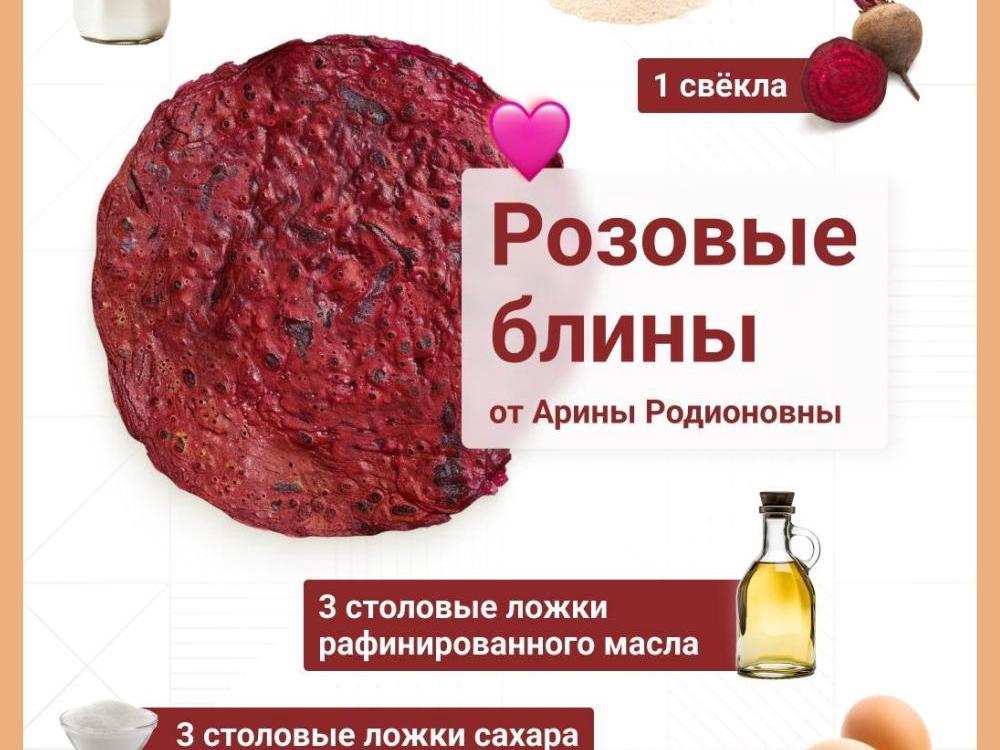
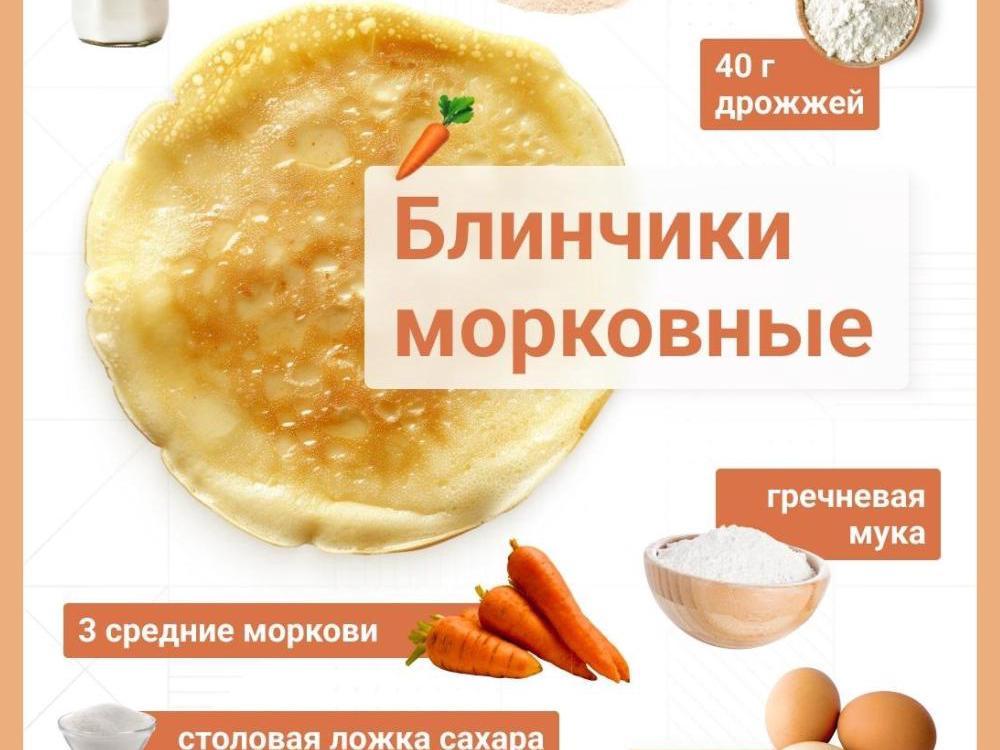
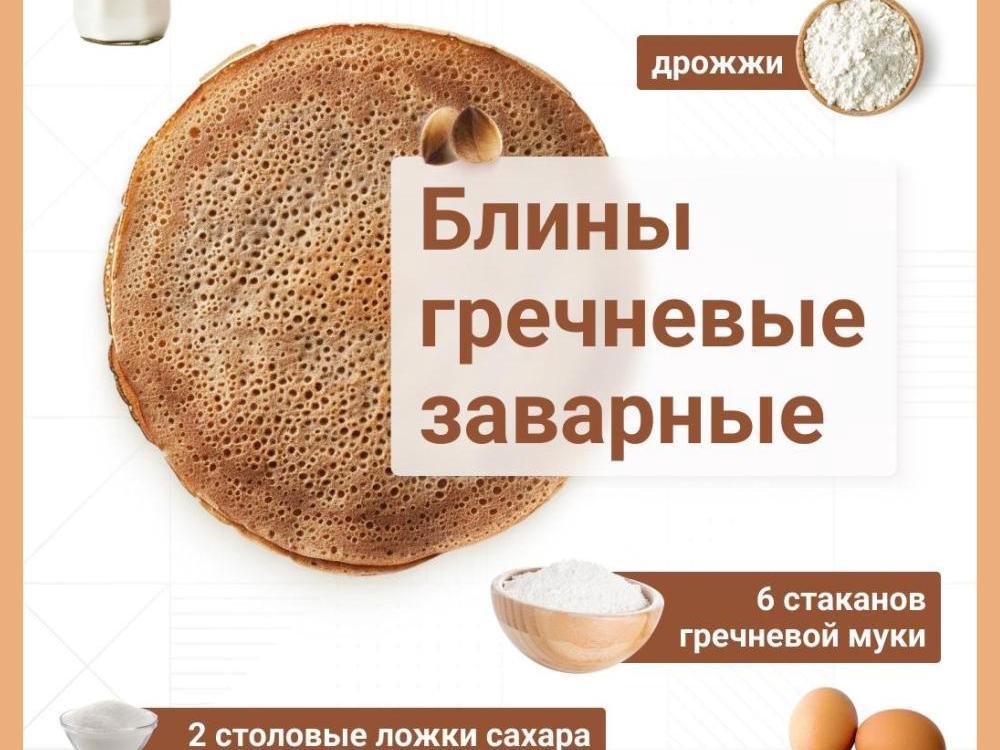
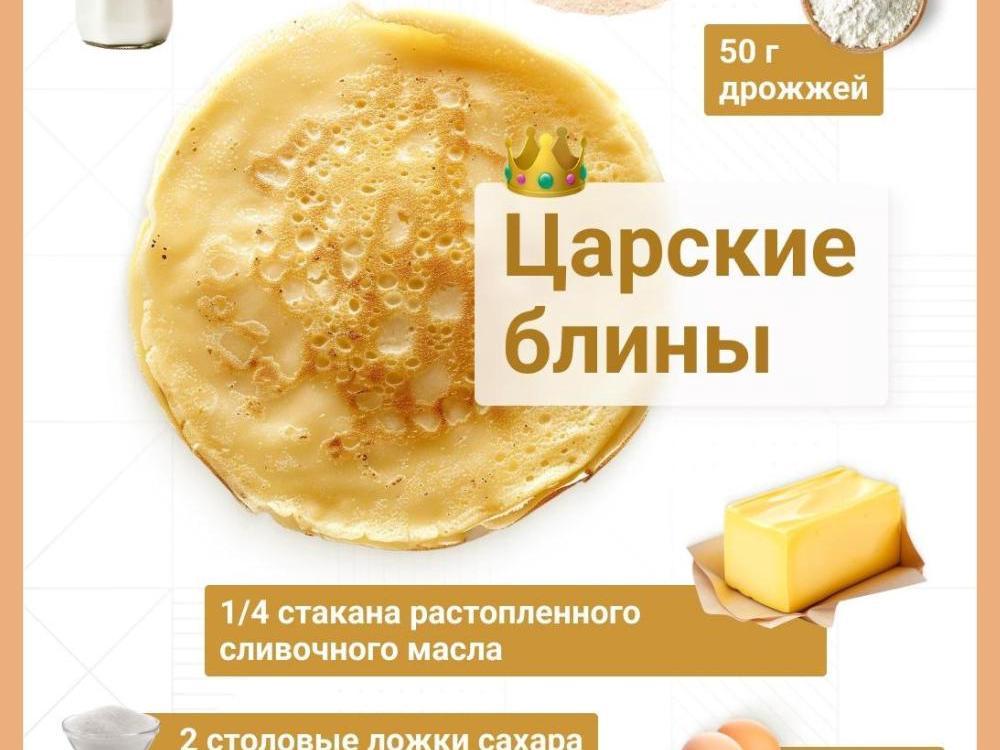
By the way, you can surprise relatives, friends, and colleagues not only with fillings. There are four elaborate recipes for the pancakes themselves. Details are here, and the necessary ingredients are in front of you.
And also:
Is Celebrating Maslenitsa a Sin? A Priest Speaks About the Ancient Slavic Holiday
What Will Spring Weather Be Like? Learning from Maslenitsa Omens
What to Do on Maslenitsa to Attract Money and Luck: 8 Folk Methods