Knight's Castle for Children After Chemotherapy
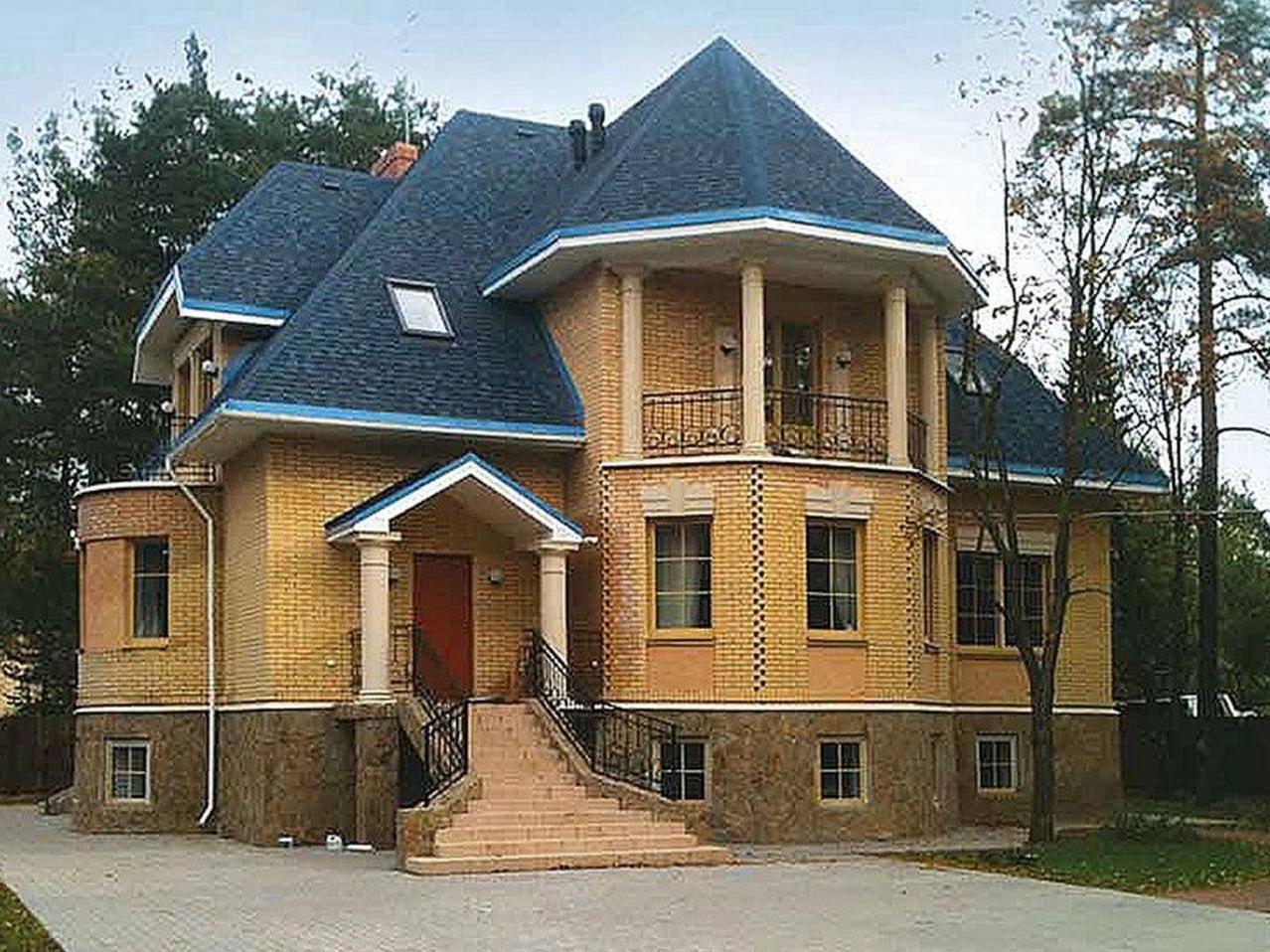

Ten-year-old Vanya, waiting for his mother, is preparing for a follow-up MRI scan. The boy is confident he will soon return home since his course of treatment is complete. The room vacated after his departure will be taken by another child from a Russian region who needs to continue therapy in St. Petersburg but has nowhere to live. Such families find shelter in a social care unit that operates in the village of Olgino as part of the ANO «Children’s and Adult Hospice».
Referral to a federal clinic in the northern capital often becomes the only chance for seriously ill children, but long-term treatment comes with everyday difficulties. The organization, which established the country’s first children’s hospice in 2006, helps parents solve these problems.
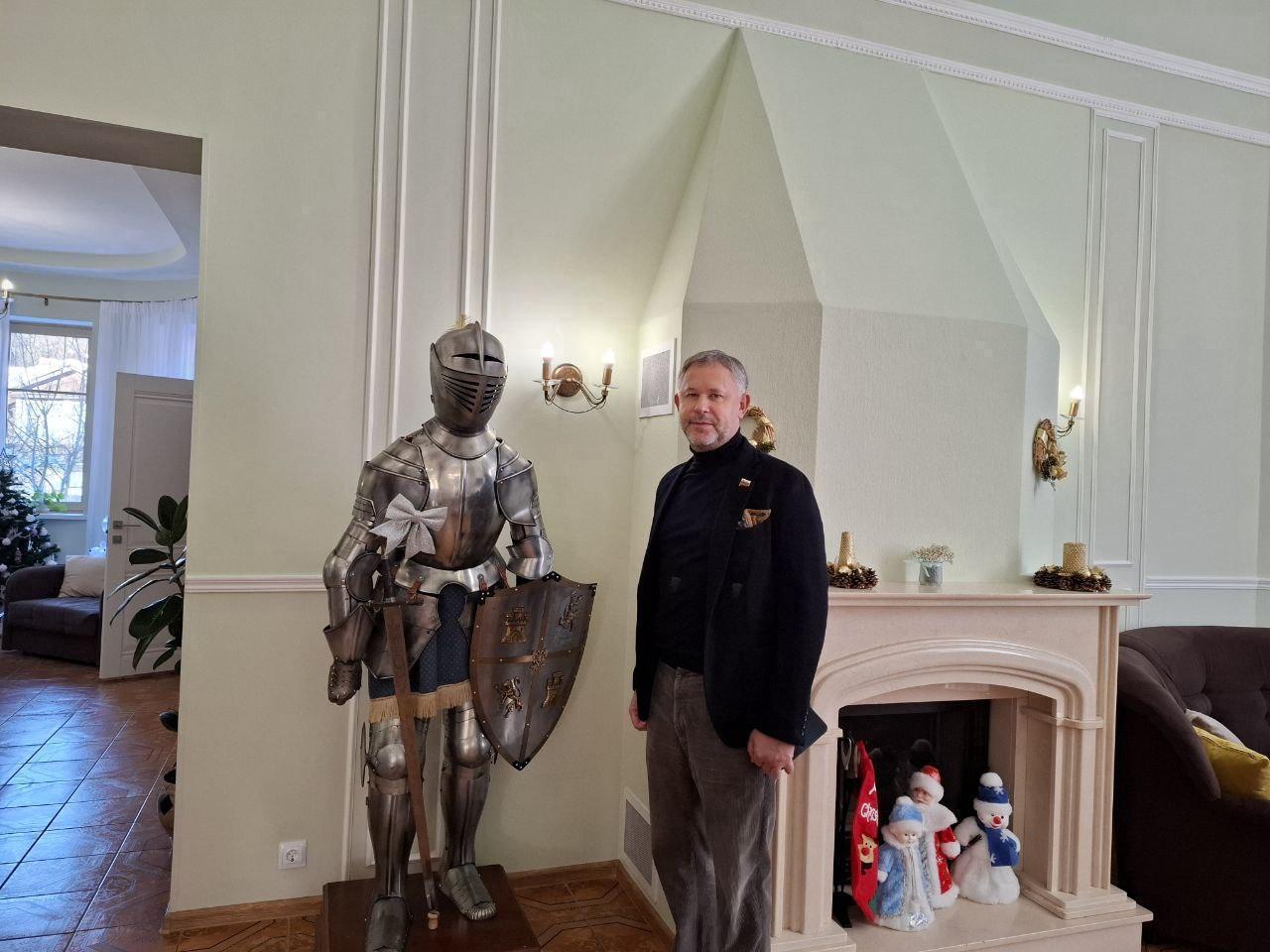
As Pavel Krupnik, a deputy of the St. Petersburg Legislative Assembly, explains, the unit in Olgino is not a hospice. «This is a place where children receive treatment, recuperate in the fresh air after chemotherapy and operations, and having regained strength, go home to their regions. Doctors in the clinics take care of the child’s health, while our staff take care of daily life and mood, and parents can be nearby, caring for the child,» he notes.
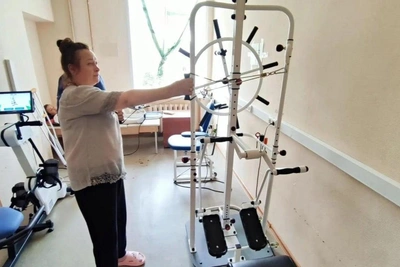
On Konnolakhtinskaya Street, 5–6 children live year-round for 21 days — the standard rehabilitation period after intensive therapy when regular doctor visits are required. The facility cooperates with four medical centers:
- R. Gorbacheva Center of the Pavlov State Medical University of St. Petersburg;
- N.N. Petrov National Medical Research Center of Oncology;
- Almazov National Medical Research Center;
- M.I. Berezin Institute of Medical Biology and Stem Cells.
It is these clinics that send their patients here. Annually, between 60 and 80 admissions are made.
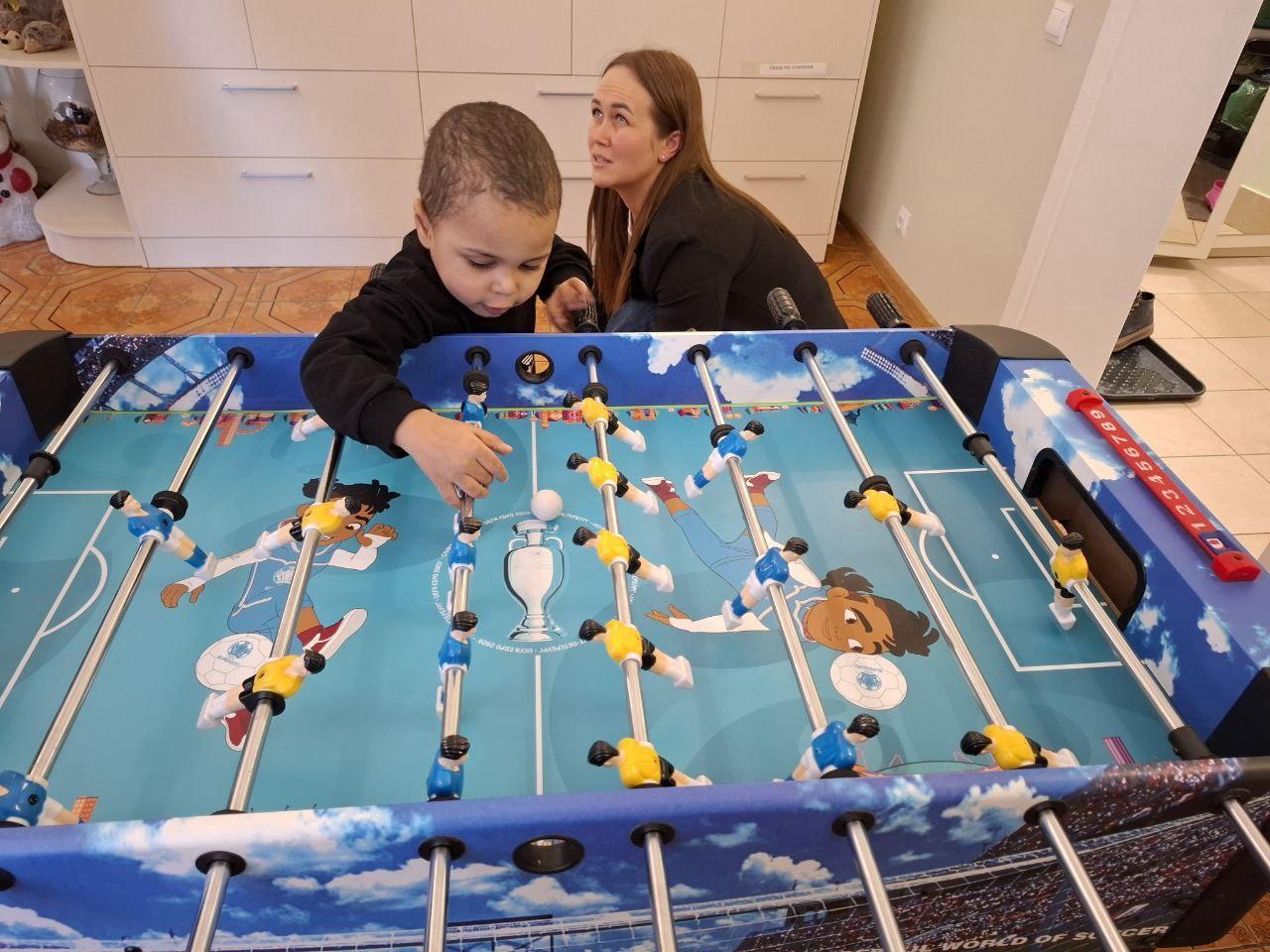
Bogdan from Krasnoyarsk was only three months old when doctors diagnosed him with lymphoblastic leukemia. Now the boy is three years old. «My Bogdan is unique, people around don’t even suspect he is seriously ill, that he is undergoing difficult treatment. He is very sociable, loves to play, everyone here loves him and looks forward to our arrival. True, he started walking late, at one and a half years old,» shares his mother Ksenia. Over the past year and a half, they have come to St. Petersburg several times for treatment. In Olgino, Bogdan enjoys building sandcastles, playing foosball, and is waiting for a donor for a stem cell transplant.
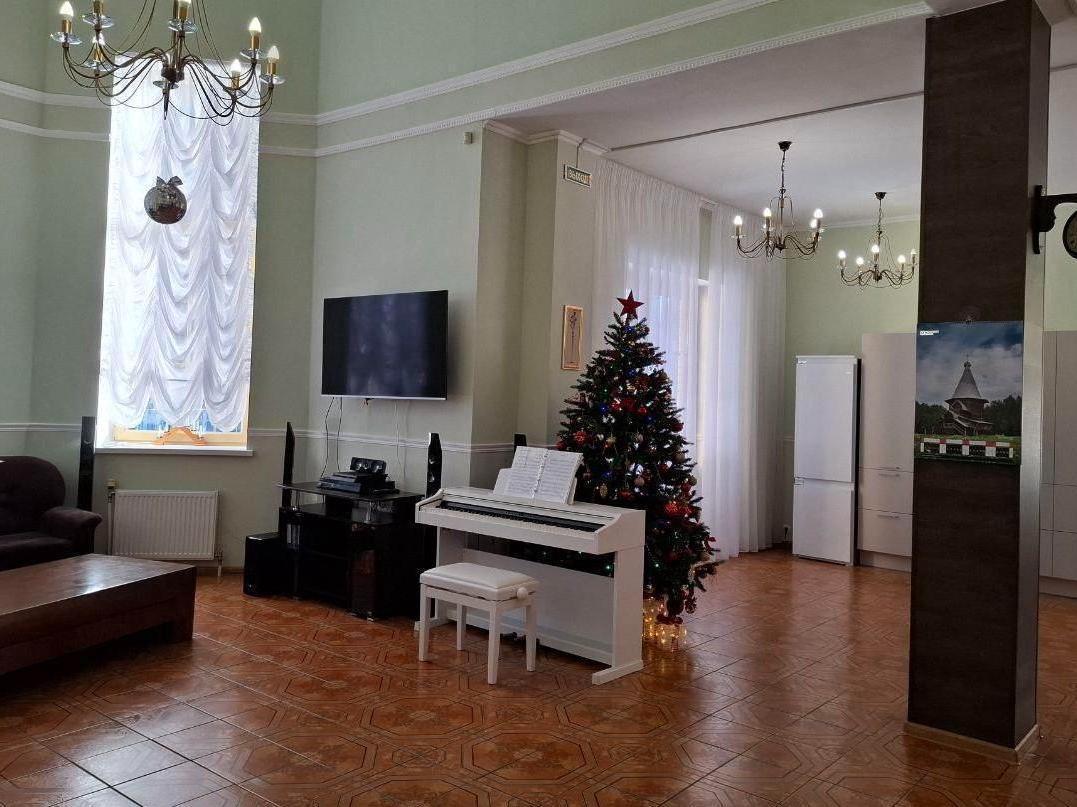
Katerina Beschastnaya, an employee of the unit, says: «Children like it here — there is a playroom for the little ones, creative workshops for teenagers, in which, by the way, mothers also participate — and in the evenings they gather at the table, drink tea, discuss their own such similar problems. And there is a psychologist, he is needed by all our wards.» She also notes the constant tension in which families live: «As one of our mothers says, “even when a child is in remission, we still live on a powder keg — a relapse can happen at any moment.”»
For Angelina and her family, the ‘powder keg’ exploded a year and a half after the first chemotherapy. When the girl was 11, she developed severe fatigue, shortness of breath, and pallor. A test showed critically low hemoglobin — 58, and she was diagnosed with acute myeloid leukemia at the Stavropol Oncology Center. After medications ran out in Stavropol, treatment continued at the N.N. Petrov National Medical Research Center of Oncology in St. Petersburg.
«By that time we were in despair — we were afraid of being left without treatment. And then I found out I was pregnant,» says mother Svetlana. «It gave us strength. So Angelina has a younger brother and sister.» However, a relapse did occur. For an urgent stem cell transplant, Svetlana herself became the donor, although the match was only 50%. After the transplant, graft-versus-host disease developed, damaging the stomach, skin, and bones. Angelina lost a lot of weight, and her hip joints were destroyed.
Joint replacement was postponed until her 18th birthday, which is six months away. All this time, the girl has been studying remotely and with individual lessons, not missing a single school year. Now she is finishing 11th grade and dreams of becoming an architect, choosing between universities in Rostov, St. Petersburg, or Stavropol. «How I would love to dance it,» says Angelina about the graduation waltz. «My classmates don’t appreciate what they have.» At the unit in Olgino, she and her mother have already stayed four times. «We really like the atmosphere and the friendliness of the staff — people with big hearts,» adds Svetlana.
Unlike hospices, which are funded from the city budget, the unit in Olgino exists solely on donations, as it helps children from various regions of Russia — from Samara to Vladivostok, from Crimea, Karelia, Bashkortostan, and Udmurtia. Pavel Krupnik calls this place a home of kindness: «These are our children and it is very important that they feel comfortable in St. Petersburg. There is not a single kopeck of budget funds in this project — neither in the purchase of land, nor in construction, nor in equipment, nor in the accommodation of children and their mothers. The project lives on funds from benefactors.»
He notes that previously the project had two or three main sponsors, but now there are about fifty, with smaller contributions, but the circle of supporters is expanding. The main drawback is limited capacity: «Of course, I would like the number of children to reach at least 10. Because the need for such help is growing.» Krupnik recalls that 20 years ago, when the first children’s hospice was created, many considered the diseases incurable, but modern medicine allows extending life for years.
An example is ANO ward Zoya, who, being a wheelchair user, dreamed of visiting Japan. After an organized trip, she became interested in the Korean language, persuaded her family to move to Vladivostok, and enrolled in the local university.
Reference: ANO «Children’s and Adult Hospice» provides palliative and psychosocial care to children with severe incurable diseases, and since 2022, to young adults as well. The organization has over 500 wards under its patronage. The social care unit in Olgino, built in 2011 in the style of a knight’s castle, is intended for rehabilitation and recovery of children from various regions of the country who come to St. Petersburg for treatment.
This material was prepared by Irina Baglikova for Fontanka.ru.