Stavropol Krai Tariffs to Jump 22%; Subsidies Uncertain


After reports of upcoming utility tariff hikes, residents of Stavropol Krai had a predictable set of questions. Price increases are nothing new, but this time the numbers were so noticeable that they could no longer be ignored.
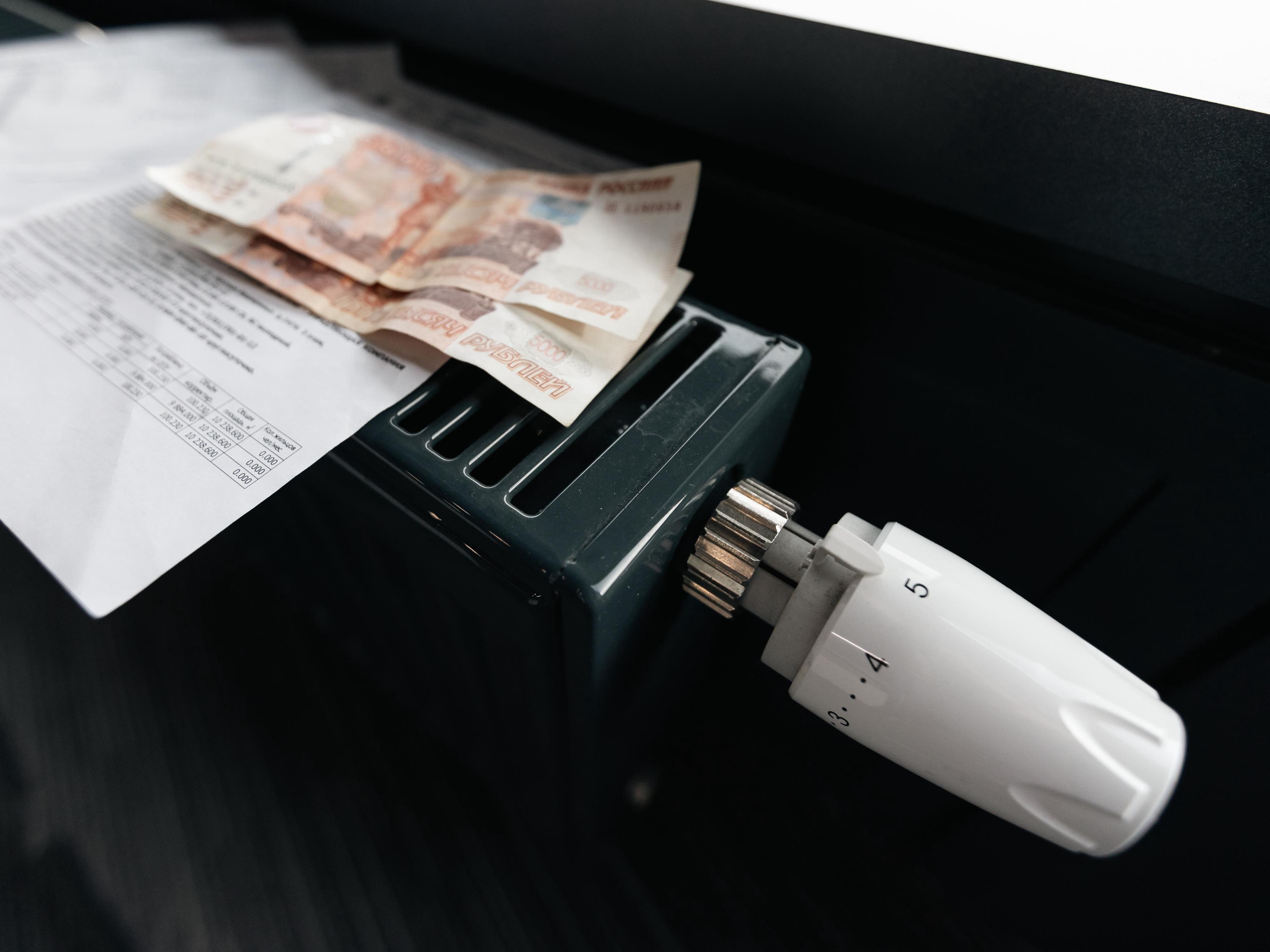
Recall that on 25 November 2025, the Russian government issued Regulation No. 3413-r — a document that experts are already calling a «forecast of new bills». It sets index increases for utility tariffs for 2026, and Stavropol Krai is among the regions with the most significant growth.
From 1 January 2026, a nationwide increase of up to 1.7% is planned — this is due to a change in VAT. However, the main change is expected from 1 October 2026. For Stavropol Krai, a maximum index of fee increases of up to 22% has been set.
Separately, the document specifies another indicator — the maximum permissible deviation from the average index, which in the region is 21.9%. In practice, this means that in some municipalities, the increase for certain services could approach almost 44%.
Read about how these indicators look in other regions in our article. However, compared to its «neighbors», Stavropol Krai stands out significantly.
Earlier, the governor of Stavropol Krai stated at a press conference that there would be no 22% increase and that tariffs would be restrained through subsidies. The editorial board of 26.RU investigated exactly how this should affect residents« bills.
What We Asked the Ministry of Housing and Utilities
The editorial board sent an official inquiry to the regional Ministry of Housing and Utilities. We asked them to clarify:
whether the amount of subsidies for those who already receive them will be recalculated;
what is meant by the phrase «the tariff increase will be optimized»;
whether the amounts on bills will change automatically or if a separate application is needed;
where residents can find official information about new tariffs and the procedure for obtaining subsidies.
What the Ministry Answered
The Ministry of Housing and Utilities reported that tariffs for heat and water supply in Stavropol Krai are set below the economically justified level. In other words, if calculated at the real cost of services, payments would have to be higher.
To reduce the financial burden on the population and simultaneously compensate for losses of resource-supplying organizations, the region uses a mechanism of subsidizing the inter-tariff difference.
Simply put, the difference between the «real» cost of the service and the tariff for the consumer is covered by the budget.
As the department clarified, such subsidies are not a one-time measure. Every year, the regional government approves regulatory legal acts that allow compensation for losses of resource suppliers arising from state tariff regulation.
What Amounts Are We Talking About
The response also provided specific figures provided for in the regional budget for 2026:
609.6 million rubles ($6,096,000 at current rates) will be allocated to compensate losses of GUP SK «Stavropolkrayvodokanal» (cold water supply and wastewater disposal);
506.6 million rubles ($5,066,000 at current rates) — to support GUP SK «Stavropolsky Kraevoy Teploenergetichesky Komplex» (thermal energy and hot water).
In total — more than 1.1 billion rubles ($11,162,000 at current rates), which should cover the difference between economically justified tariffs and those paid by residents.
How Will This Affect People?
The most practical set of questions — about recalculations, bills, and the procedure for obtaining subsidies — remained without detailed explanations. The ministry noted that these issues do not fall within its competence. The editorial board is clarifying with the relevant departments who exactly should provide explanations to citizens.
In other words, the compensation mechanism exists, funds are allocated in the budget, but exactly how this will look for a specific family on a specific bill remains outside the scope of the official response.
The editorial board of 26.RU will continue to monitor how the announced measures will work in practice, and whether more understandable and specific explanations will appear for residents — without the need to independently figure out regulatory acts and inter-tariff differences.