Botanical Expo Showcases Exotic Plants in Novosibirsk
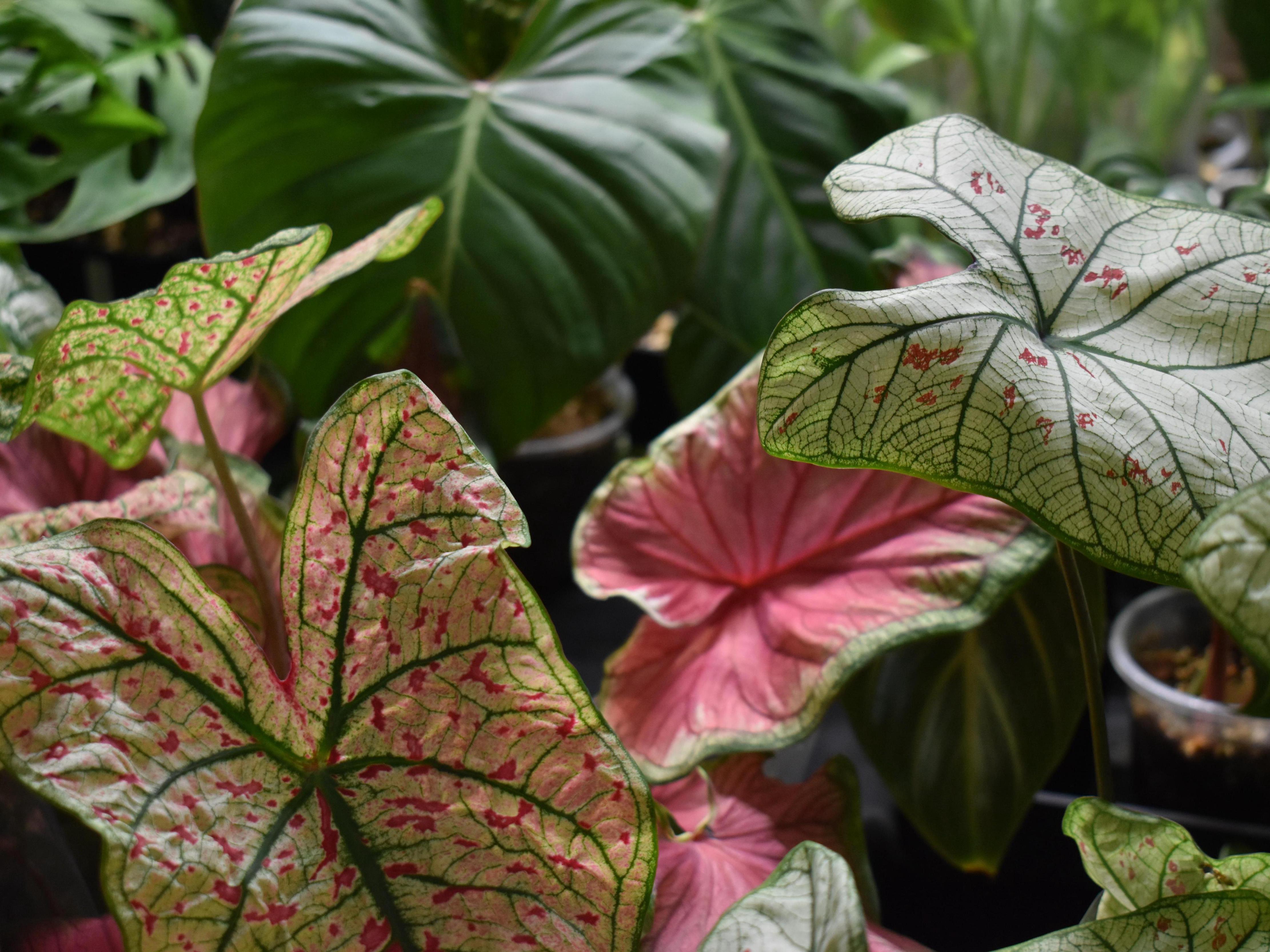

For two days one of the shopping center«s halls turned into a large magical garden
On August 1–2, Novosibirsk hosted the Botanical Expo (0+). Visitors could see and buy carnivorous plants, orchids, cacti and other curiosities. An NGS correspondent examined the «green pets» of Novosibirsk residents and learned which plants are the most expensive, dangerous, fragrant and tasty.
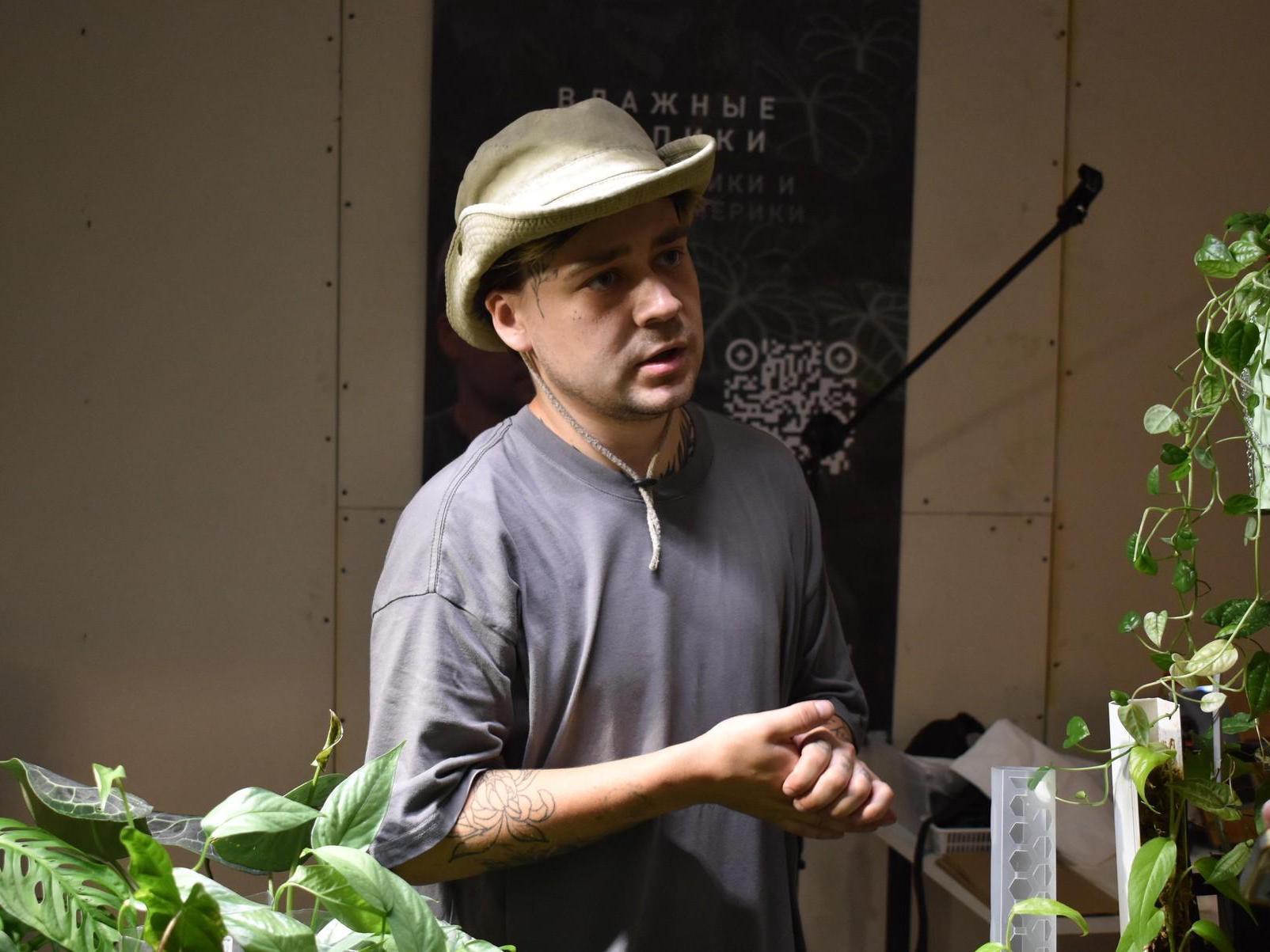
Timofei became interested in botany in 2020
A Sprout for 20,000 Rubles
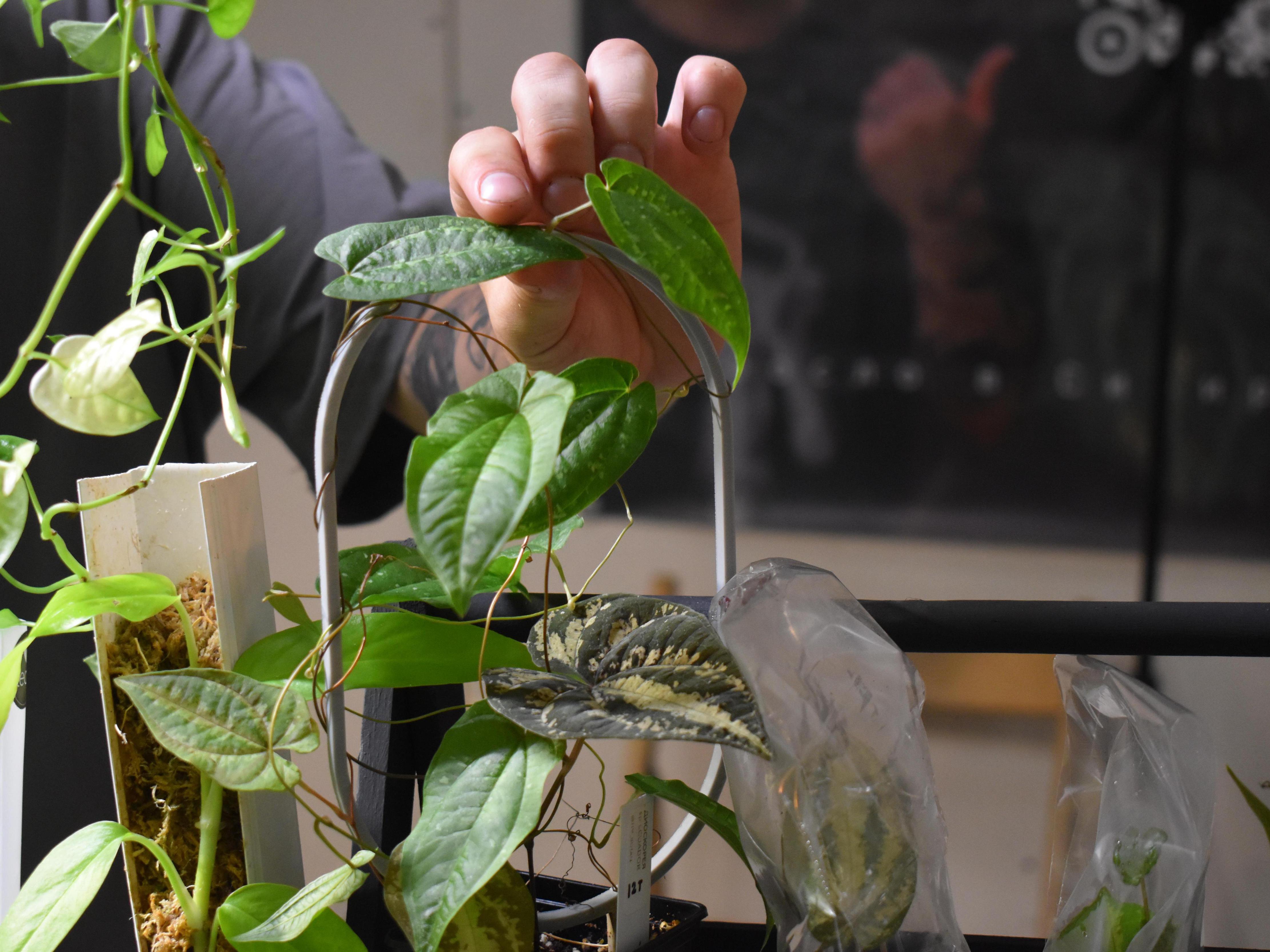
Among the most expensive at the exhibition are dioscoreas. This is Dioscorea Ecuador, growing in the mountain forests of South America.
The plant exhibition at KLP proved highly popular with Novosibirsk residents. By the time we arrived at the opening, a queue of at least two dozen people had formed at the entrance. Tickets cost 200 rubles ($2.50) for adults, with a 50% discount for pensioners and people with disabilities, and free admission for children under 14.
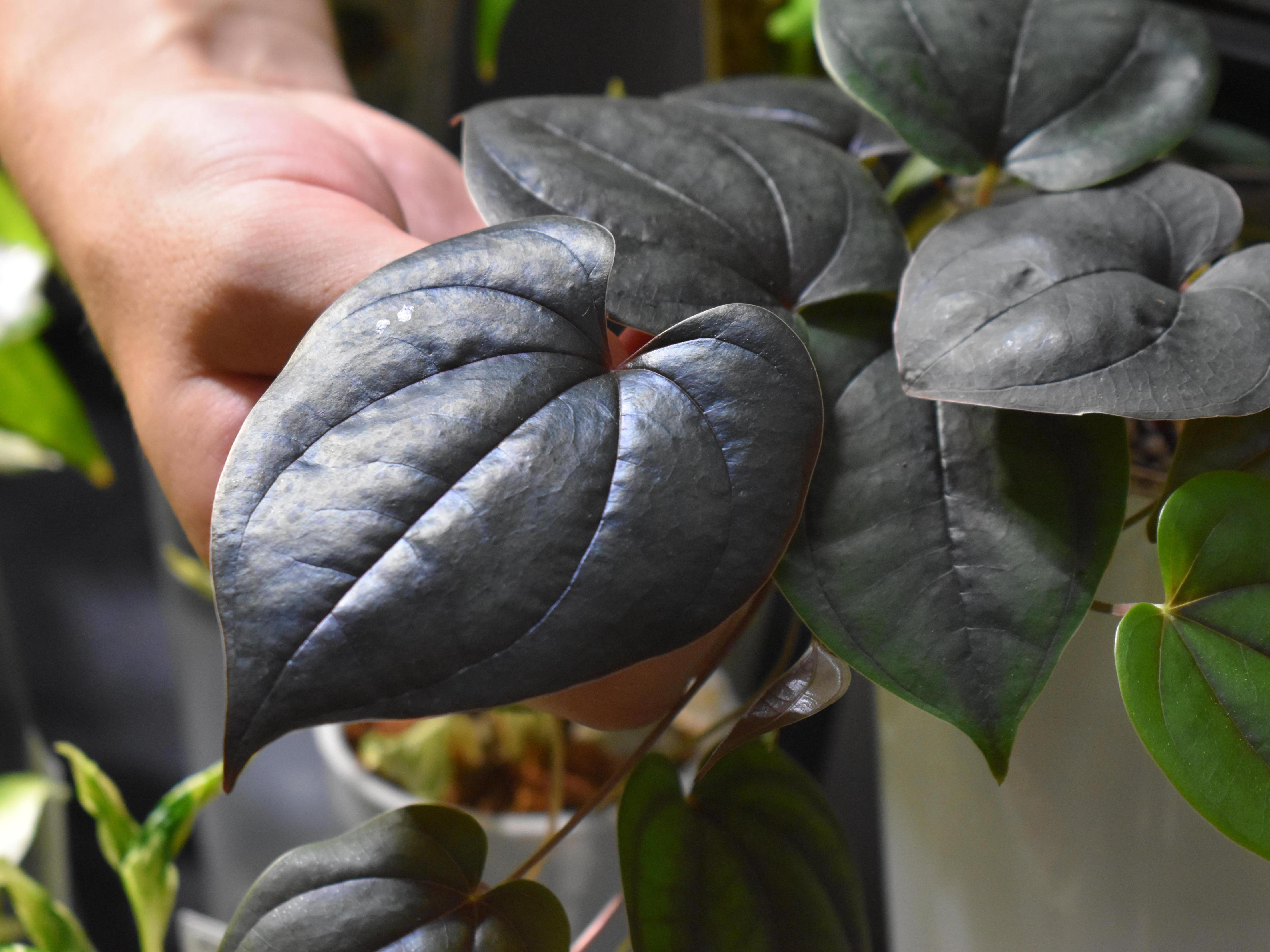
The leaves of this Dioscorea Black from the island of Borneo have a metallic sheen. Timofei calls them «precious dioscoreas»
One of the organizers, Timofei Krasheninnikov, calls himself a hereditary farmer. He said his family has always lived off the land and cultivated it, so farming has felt close to him since childhood. After school he did not go to university but started his own business — he opened a tattoo studio.
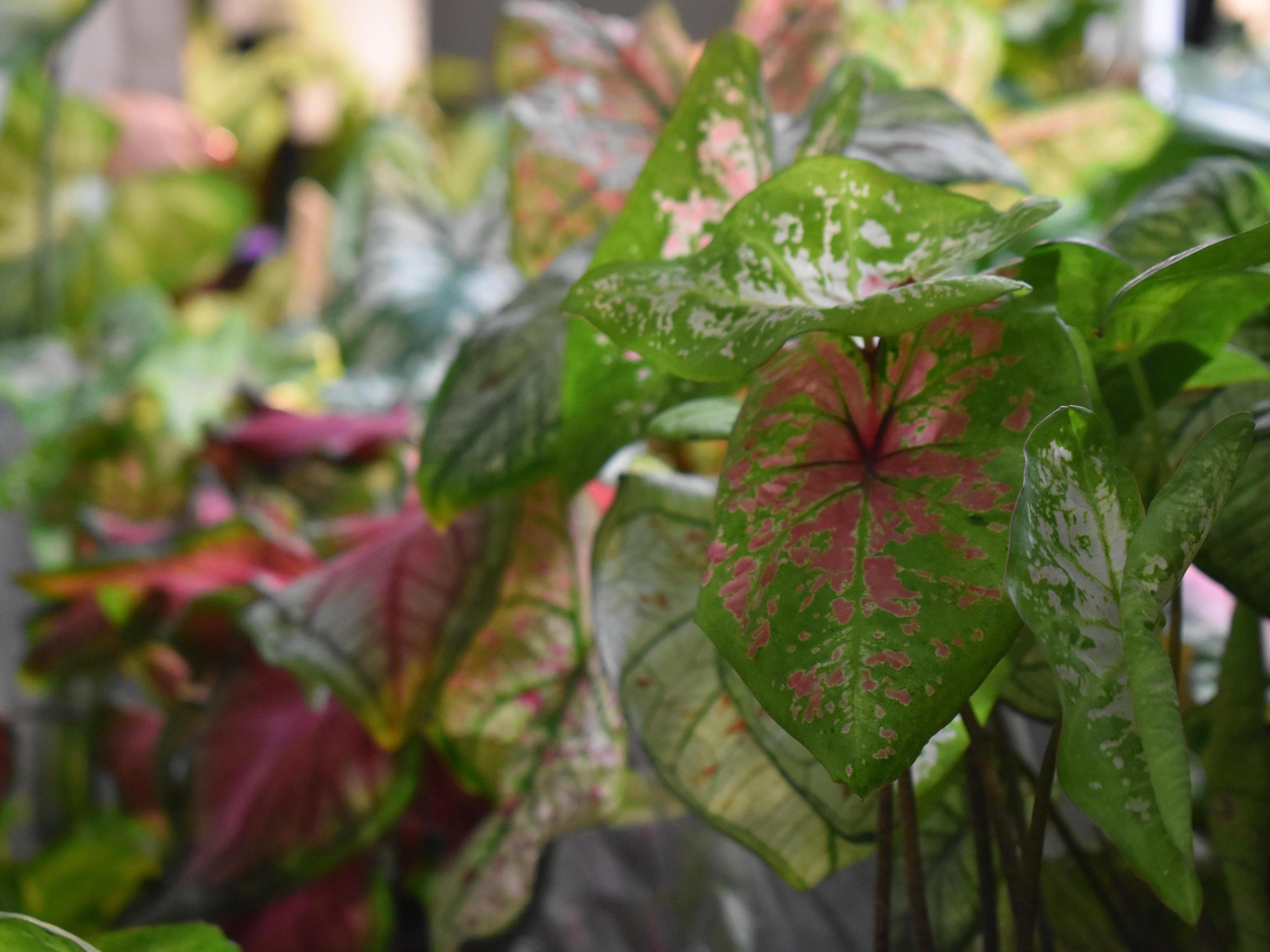
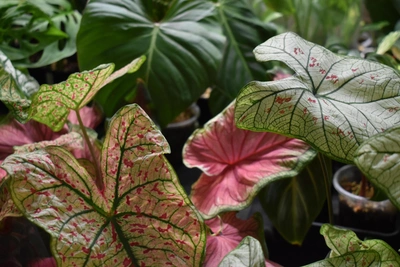
These are caladiums, or swamp burdocks
«I»m more of an artist, I«ve been working since 2015. And as I was developing as a tattoo artist, I fell in love with plant motifs: floral ones, some wild tropical ones,» the Siberian says. «During Covid I became deeply interested in botany. We started building a community around ourselves. That»s how our exhibition came about together with Regina (Regina Pereslavtseva, exhibition organizer — ed.). We created it so we could meet up and hang out here.«
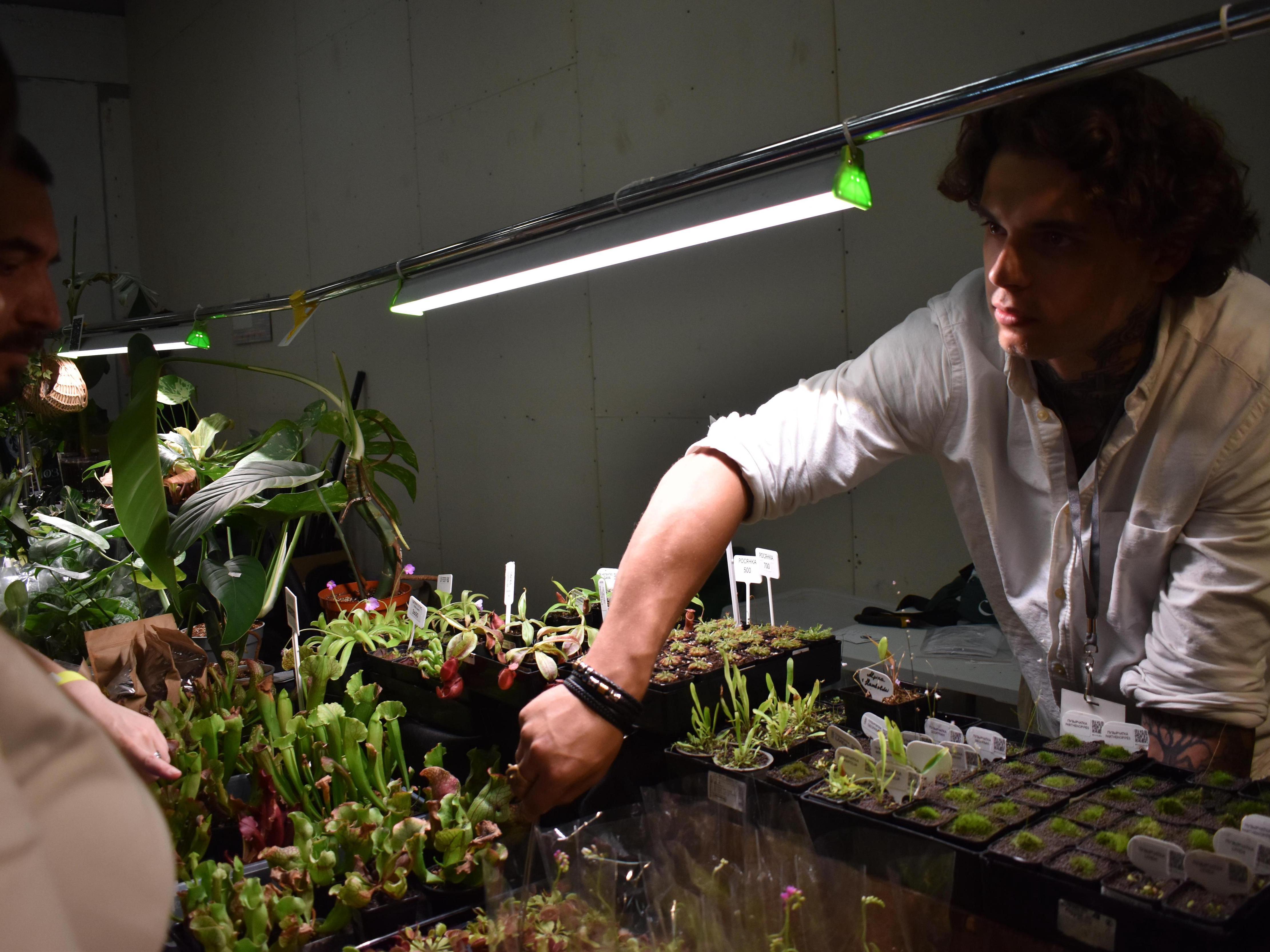
Crowds constantly gather at Danil«s table
Timofei«s collection includes plants from Thailand, Indonesia, African countries, South America (Ecuador), and the United States (Florida).
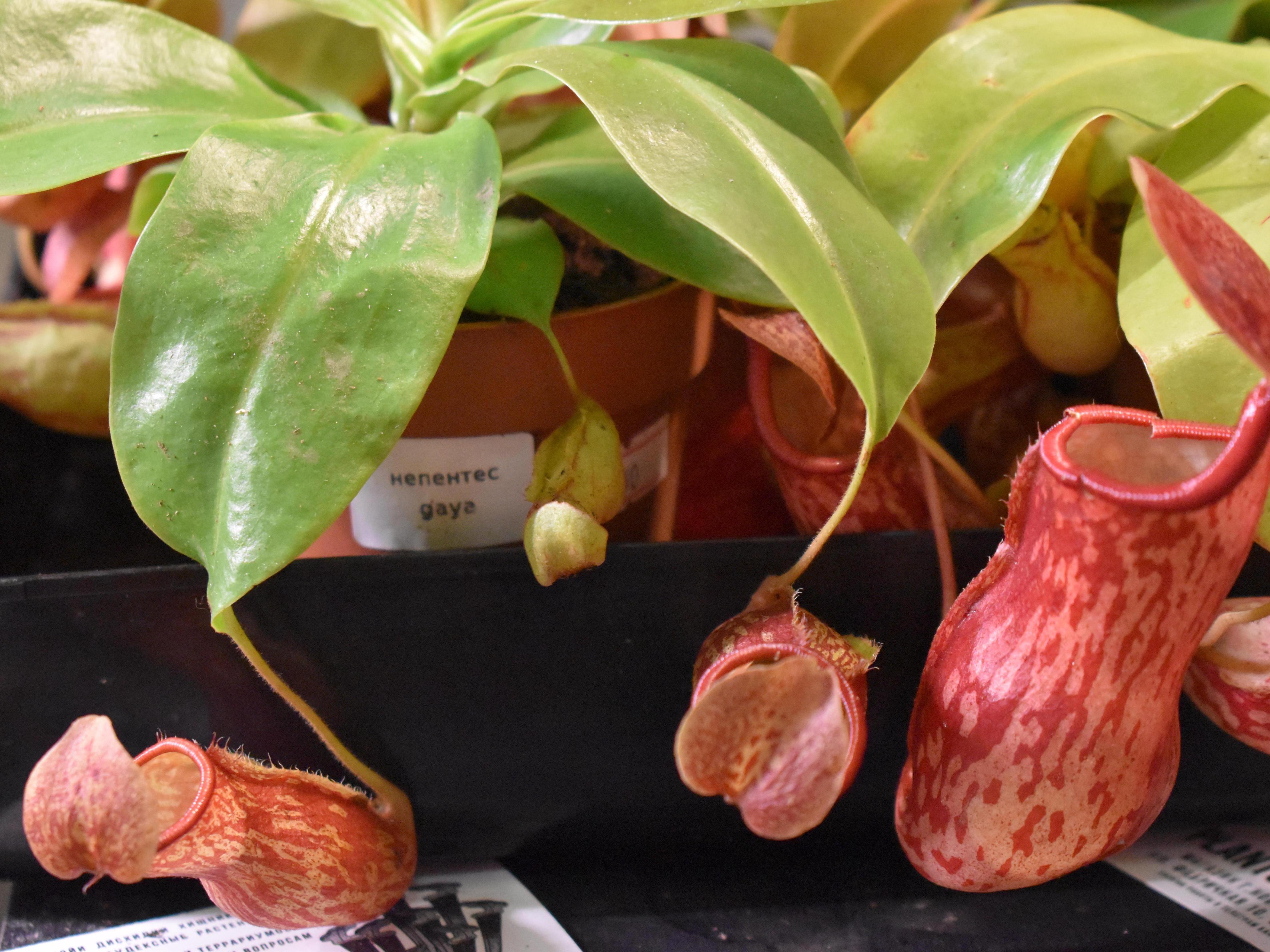
Nepenthes is a pitcher plant; it lures insects and then dissolves them with its juice
«Having mother plants from abroad, I propagate them and grow them here in Russia. I don»t buy and resell. I add to my collection and sell some things from my own collection to equally enthusiastic people,« Timofei notes.
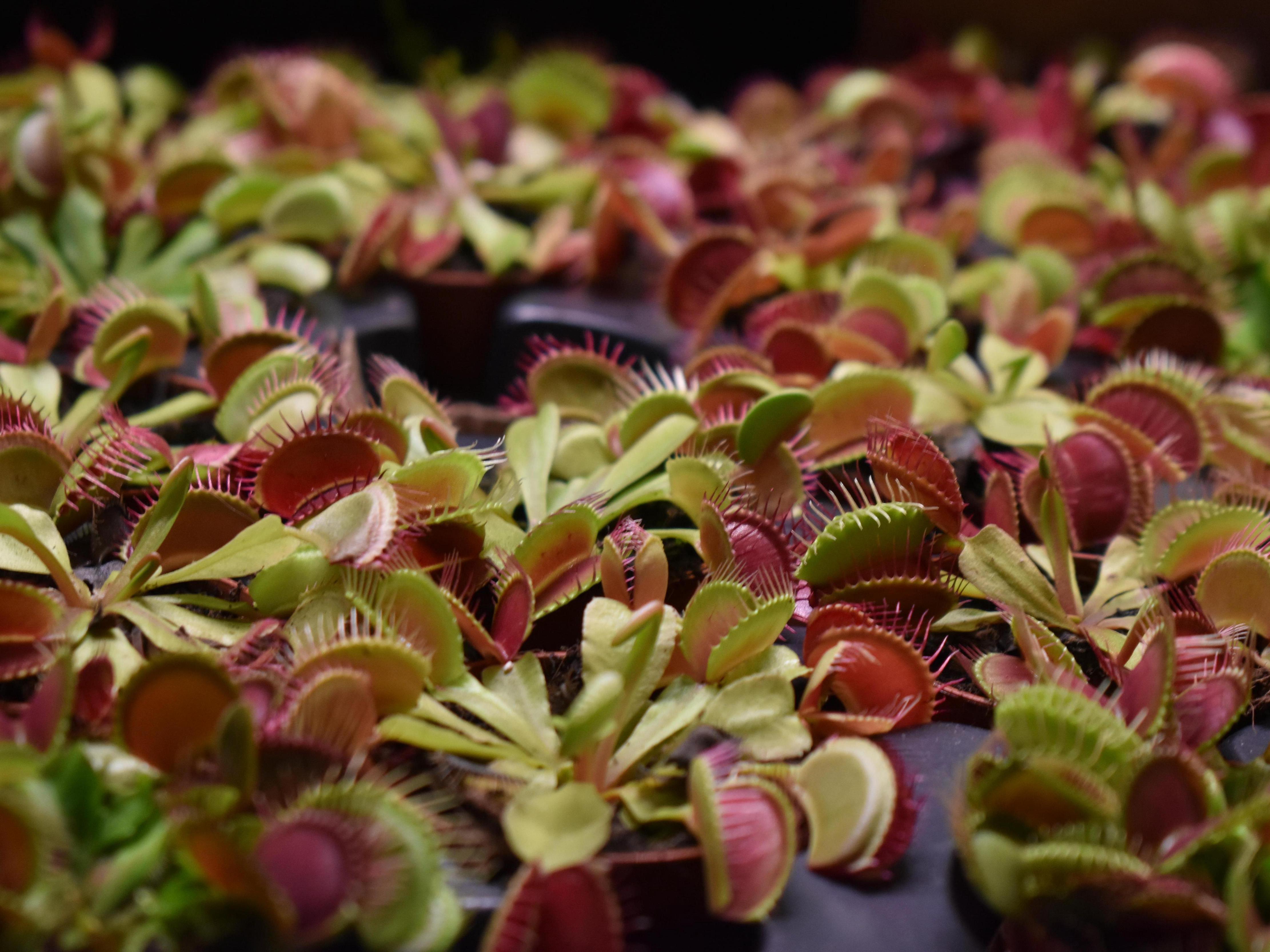
These little ones catch and digest insects
He brought mostly aroids to the exhibition: philodendrons — tropical vines native to the humid jungles of Central and South America; epipremnums — perennial herbaceous vines. But the rarest in his collection are dioscoreas — a genus of perennial herbaceous vines in the Dioscoreaceae family.
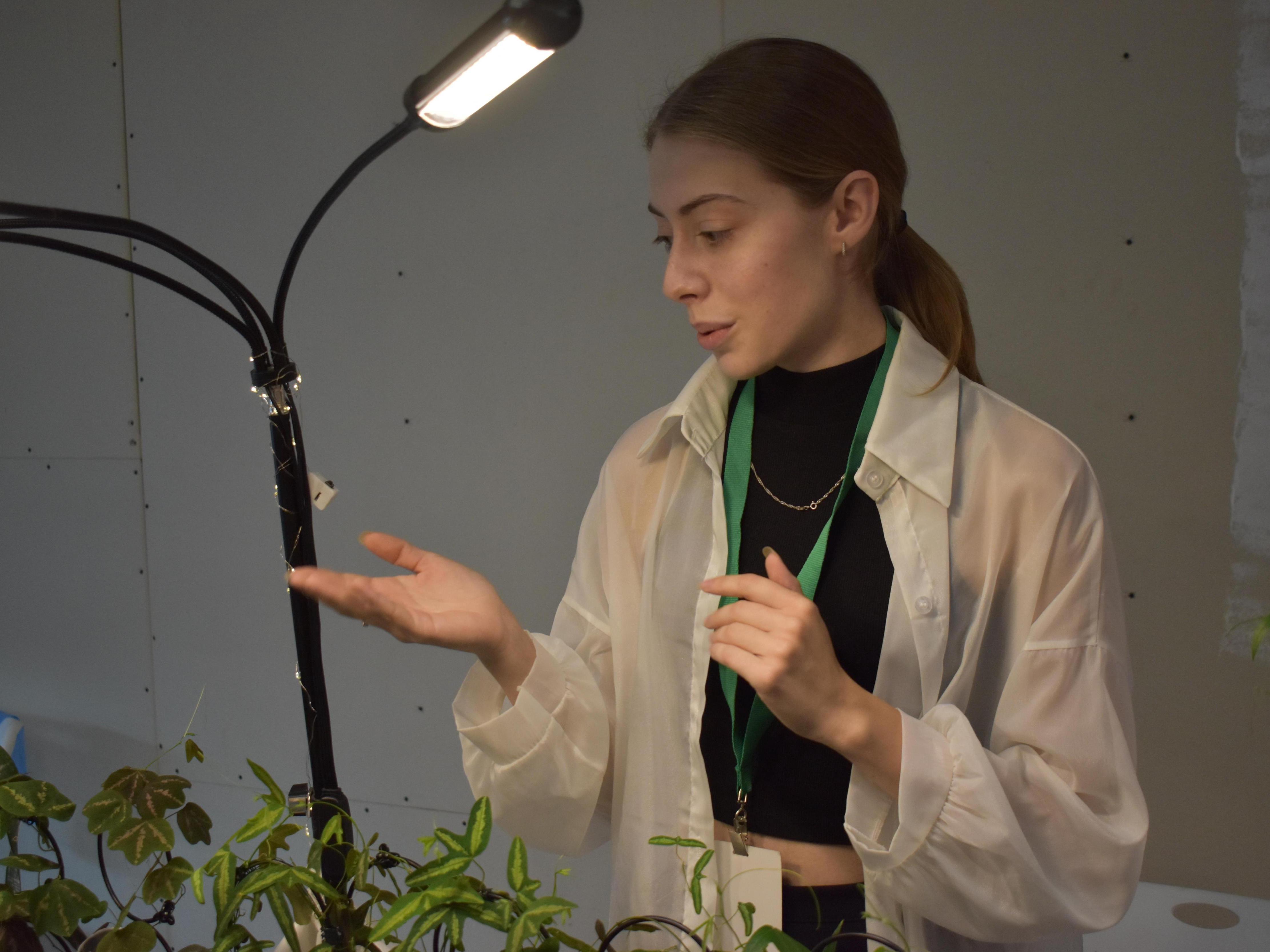
Olga Stepashkina is passionate about passionflowers
«This isn»t the most expensive specimen, it costs 12,000 rubles ($150),« he says, pointing to his favorite. »Overall their range is from five thousand for a leaf to twenty thousand for a small bush. Because they are one of a kind, not mass-market, and little-studied, they are still quite expensive among collectors. These are mainly from Ecuador, the Amazon forests.«
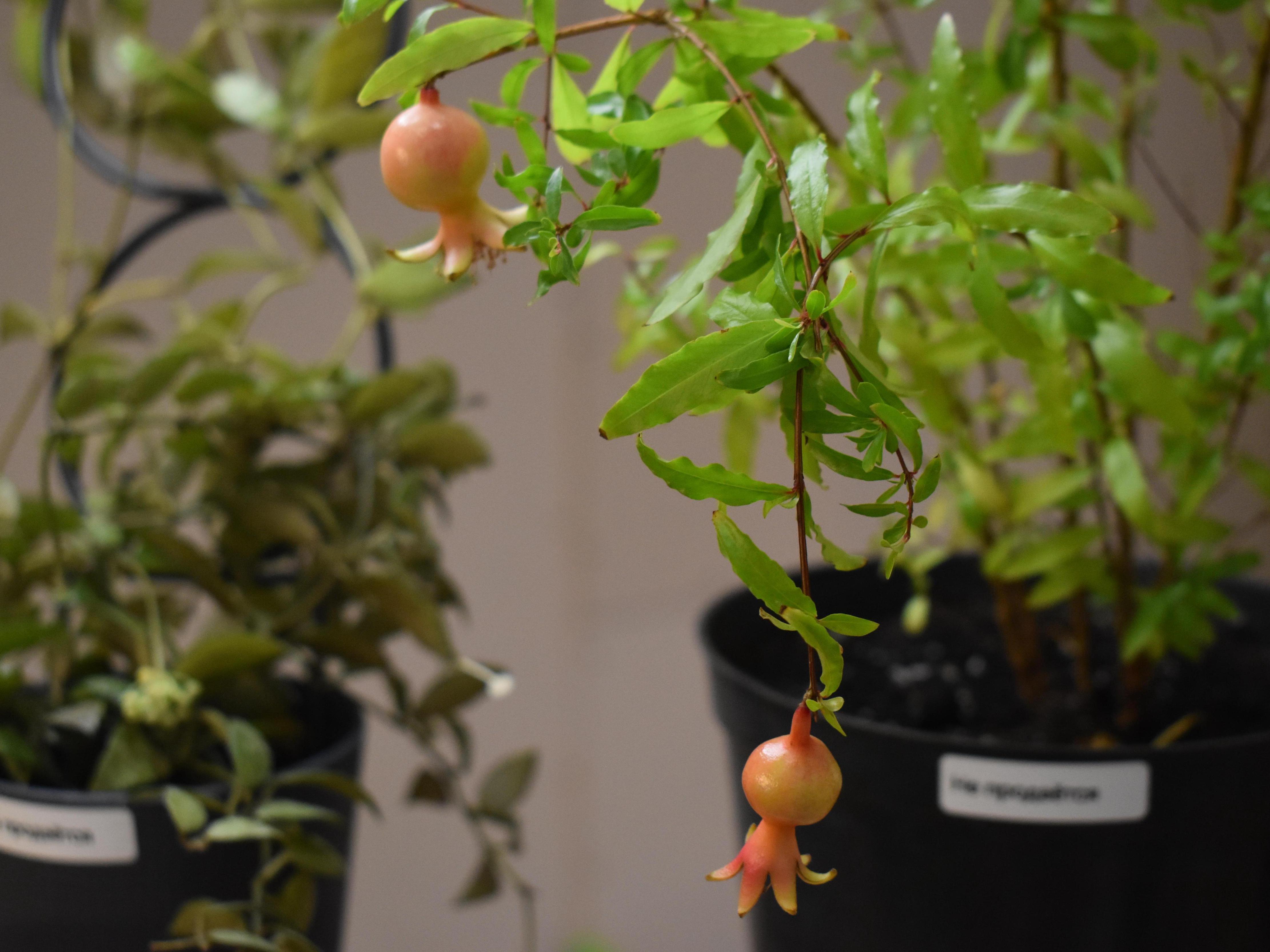
This is a dwarf pomegranate; they grow to 4–5 centimeters in diameter
Plants that have been cultivated in Russia for quite a long time naturally lose value. But that is the price of popularizing the green hobby.
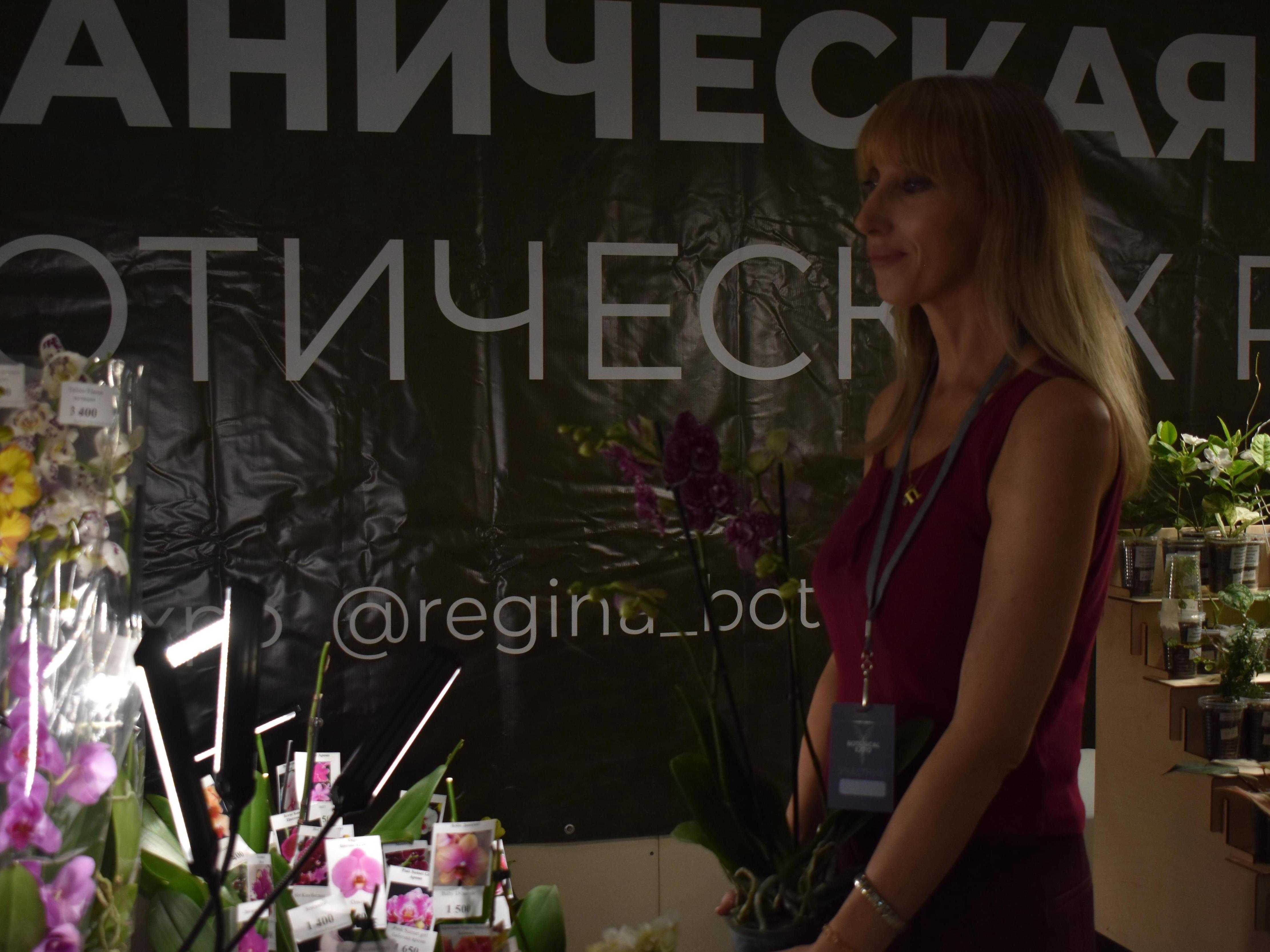
Polina Lapkovskaya has been growing orchids for more than 8 years
«I used to deal in expensive plants — from 50,000 to 100,000 rubles ($600–$1,250), but I simply got tired, probably, of those scary sums. Because plants are living things — they can die, and they can get mislabeled. So now I»m probably more oriented toward beginner collectors. It«s important to me to popularize my work,» Timofei notes.
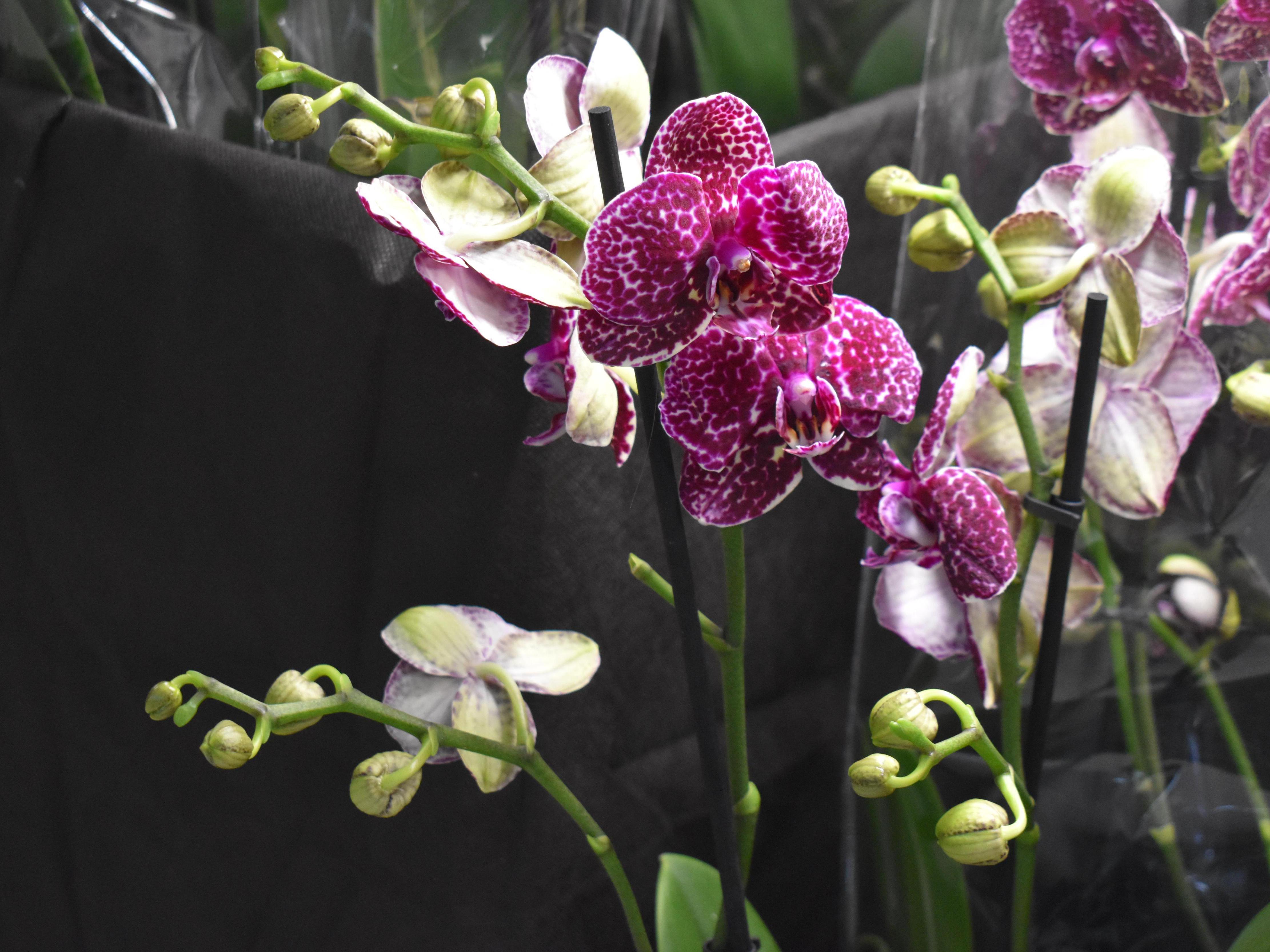
Some orchids amaze with their brightness, others with their scent
In his opinion, the top three most popular houseplants right now are dioscoreas, alocasias and ferns.
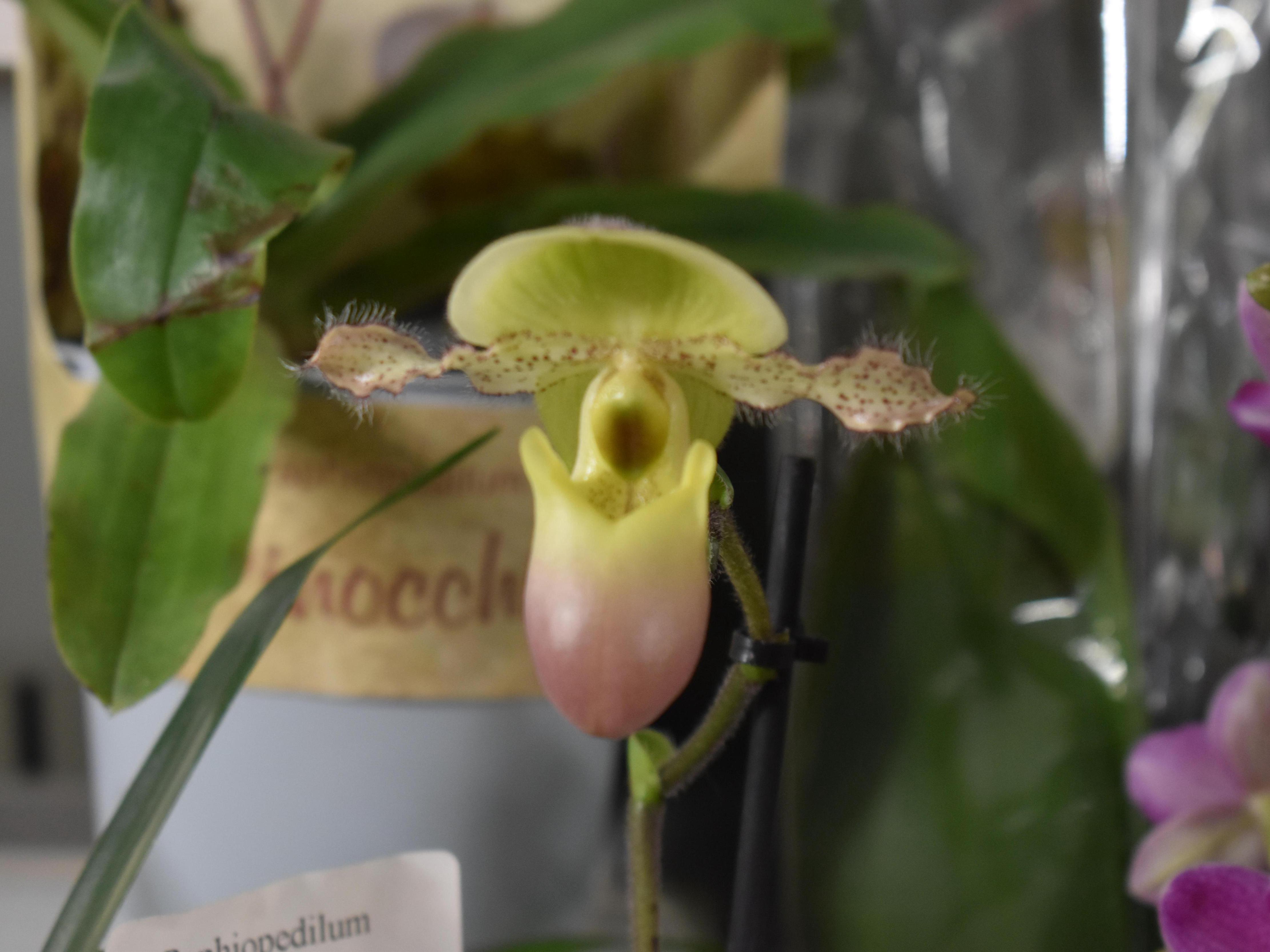
The lady«s slipper, rare in Russia, has something alien about it
Feed Once a Month

Anton Gorelov, by the way, gave a lecture for those interested titled «From Desert to Windowsill»
Danil Pereslavtsev works with carnivorous plants. A large crowd constantly gathers at his table; it«s not even easy to get close and take a photo right away.
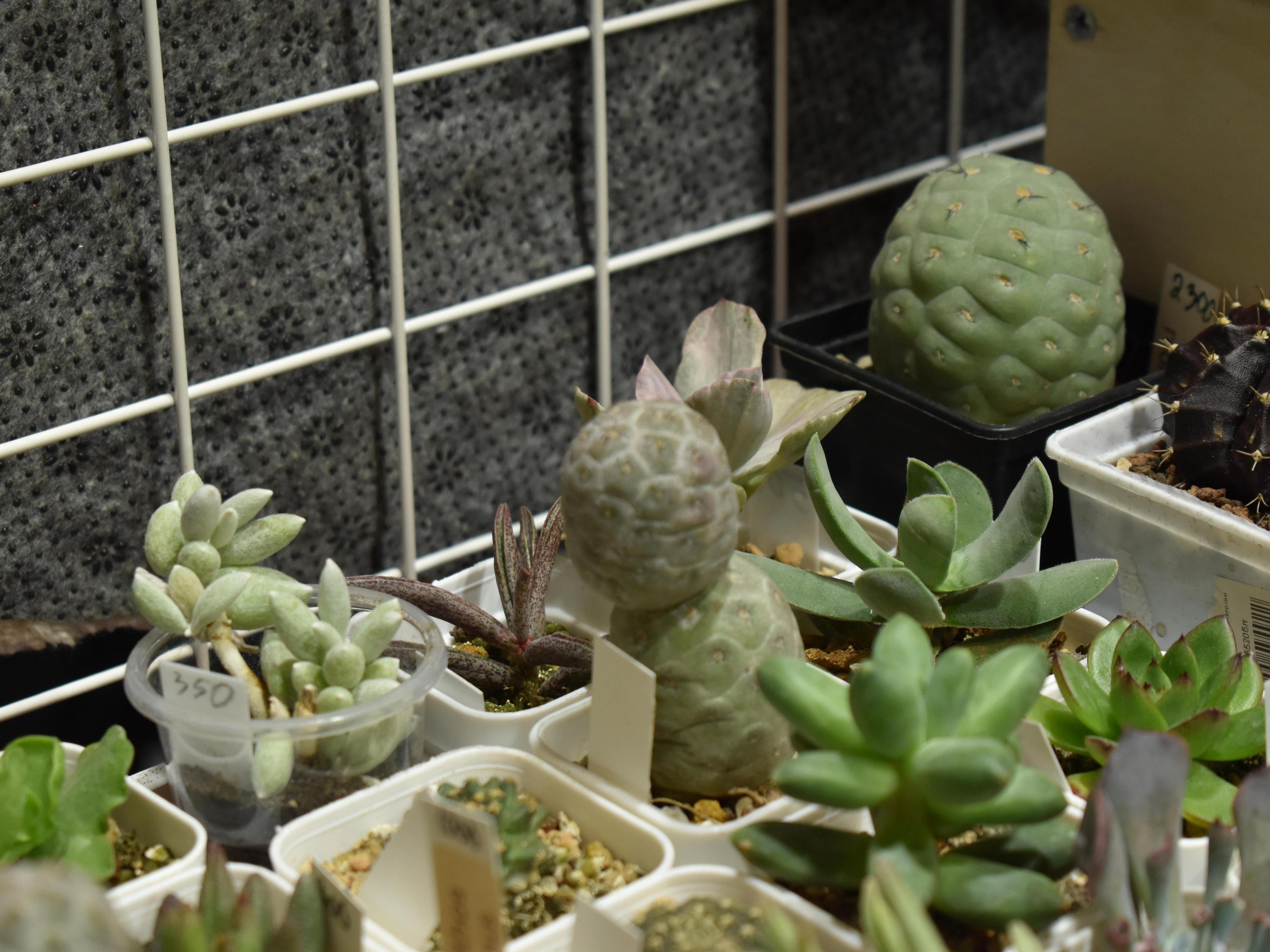
The geometricus cactus looks like a snowman
«The most predatory are usually Venus flytraps. They are one of the few predators with an active trapping mechanism,» Danil touched the flytrap«s hairs with tweezers and it snapped shut quite quickly. »There are bladderworts, but they catch with their root system. There are darlingtonias (they resemble a cobra — ed.).«
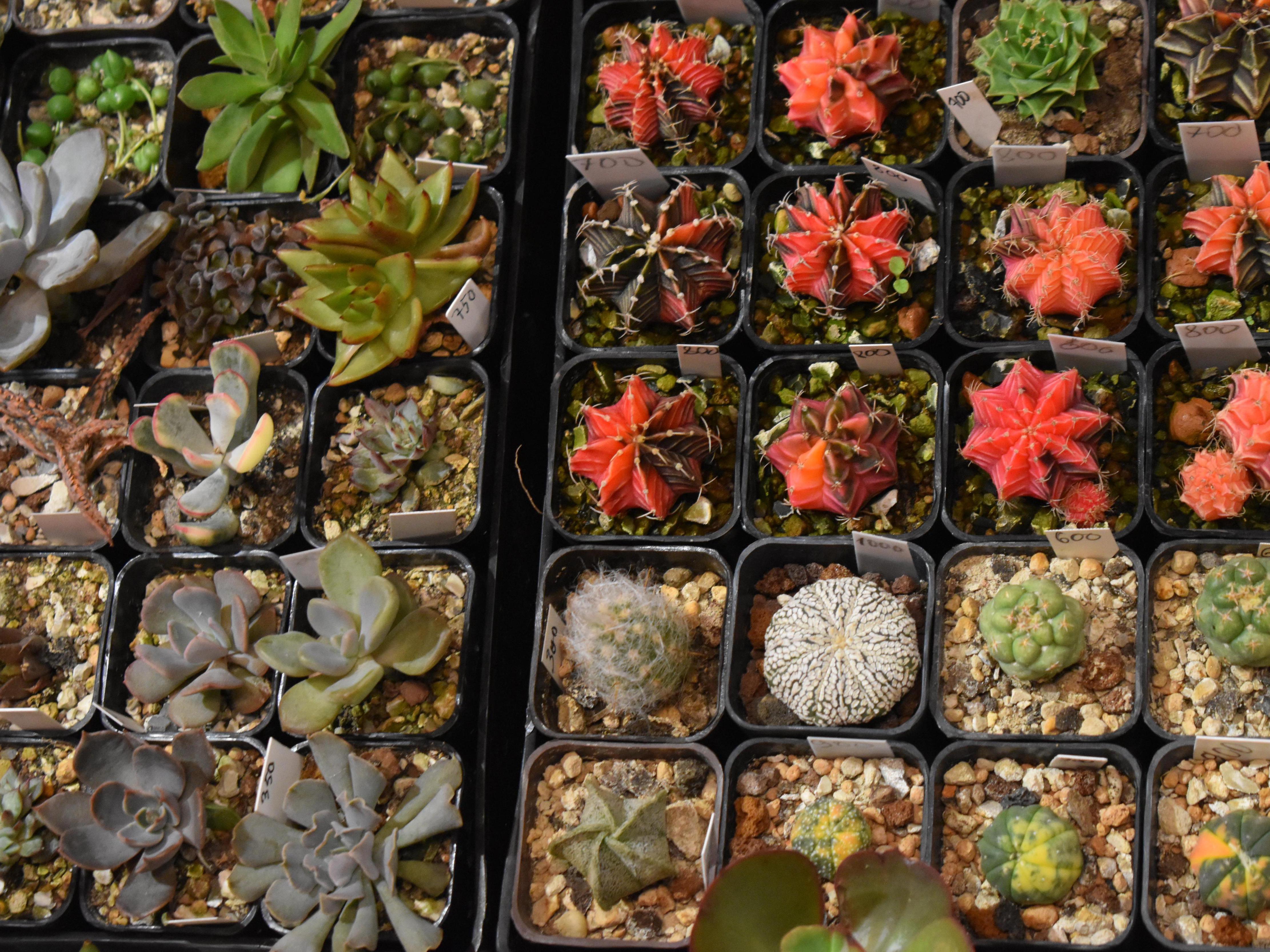
On the right are plants with «vitiligo»; they lacked chlorophyll
The most expensive items on Danil«s counter are hybrid nepenthes. For example, ampullaria Viking and ampullaria Black. Also darlingtonias and cephalotus.
«The price depends on rarity and the difficulty of care. For example, cephalotus grows only in Western Australia, in riverbeds. Darlingtonias, sarracenias, flytraps are American. Nepenthes have already spread all across Asia. Sundews already grow here, in St. Petersburg.»
Danil says caring for such plants isn«t that difficult: the soil is acidic peat with perlite, the water is distilled — that is, purified of salts, minerals and impurities by boiling and collecting steam. And feeding once a month.
The Tastiest
Olga Stepashkina admitted she likes it when her green pets can give something back. That«s why almost all her plants bear fruit.
«I mainly propagate passionflowers. Passionflowers include passion fruit, but there are fruiting passionflowers and non-fruiting ones. I have quite a lot of decorative ones, since everyone is interested in these unusual leaves,» she shared. «And there are fruiting ones, for example, foetida, which bears small orange fruits, sweet and sour.»
Olga«s stand also features a dwarf pomegranate with fruit already setting, though with a »not for sale« sign.
«This is a mother plant. After flowering it sets a little fruit. The fruit grows to about 4–5 centimeters (1.6–2 in) in diameter; naturally there are fewer seeds in it, but they are also edible, sweet and sour,» the young woman said.
«My rarest plant is the giant passionflower. They grow like our burdocks, about 20–30 centimeters (8–12 in). It blooms with a huge, beautiful 15–20-centimeter (6–8 in) bud. A red flower. After flowering it sets a fruit the size of a ball, weighing up to one and a half kilograms (3.3 lb). And while with passion fruit you can only eat the inside, that is, the seeds, here you can eat both the inside and the rind. It turns out like a melon, and it tastes sweet, with a bit of tartness.»
Olga«s table also features arabica coffee, cotton, the popular blue tea, and Guatemalan epiphyllum. The latter produces fruits the size of a small plum, resembling white dragon fruit.
«They Smell Like Fabric Softener»
Polina Lapkovskaya grows orchids. According to her, the rarest and most popular among collectors are flowers with mutations.
«There»s color mutation, when a flower should initially be yellow but has flashes of another color. This is a genetic deviation that occurs rarely, and collectors accordingly chase after such mutations. Or here — this flower is formed from three lips. That is, these aren«t petals but lips. This is also a genetic deviation,» she shows.
Fragrant varieties are popular too. They have their own fans who chase rare scents.
«I was just told that this one smells like fabric softener,» Polina laughs.
The Siberian woman also has a Venus slipper (lady«s slipper), which is listed in Russia»s Red Book, while in the Netherlands its production is on a large scale. She says she receives orders for these flowers from Moscow and St. Petersburg.
Caring for them, according to Polina, is not difficult: «An orchid is essentially a weed. There are truly finicky species, but overall there»s nothing complicated: just water on time — once every five days, don«t put it in drafts in winter or in direct sunlight, otherwise the leaves get scorched.»
The Prickliest
Anton Gorelov sells cacti and succulents. His table is the first from the entrance if you move clockwise. So getting to him was also not easy: there seemed to be no end to customers.
«I»ll take this little one!« one customer asks.
«You also wanted a little house,» her friend prompts.
«The most interesting one I have is probably the geometricus cactus. It grows in segments of rounded shape. They end up looking like snowmen made of balls,» Anton shared.
He also has plants with «vitiligo,» which in botany is called «variegation» — that is, they partially lack chlorophyll, which is responsible for the green color, so in places they are pinkish.
On August 1, NGS published a short video from the Botanical Expo (0+). Among other things, the footage shows how Venus flytraps react to the touch of tweezers.