Zemklunika: A Demanding but Tasty Berry
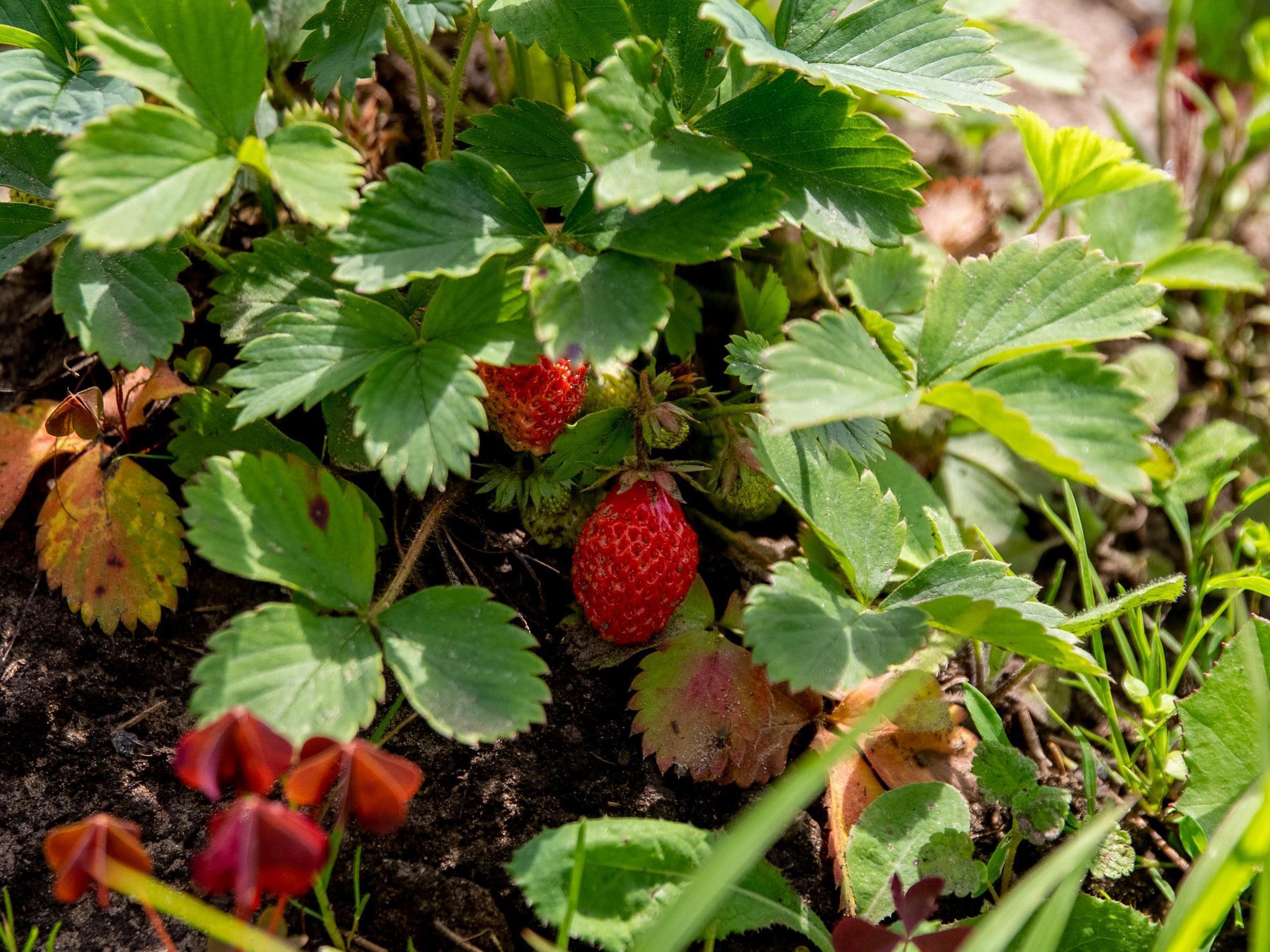

Zemklunika bushes are demanding to care for
Breeders strive to make berries not only more resistant to cold and disease but also to improve their taste. That is how zemklunika was developed, a hybrid that has been gaining popularity in recent years thanks to its vivid aroma and sweet flavor. We asked an agronomist whether this experiment is worth trying, how to properly care for zemklunika, and which varieties to choose.
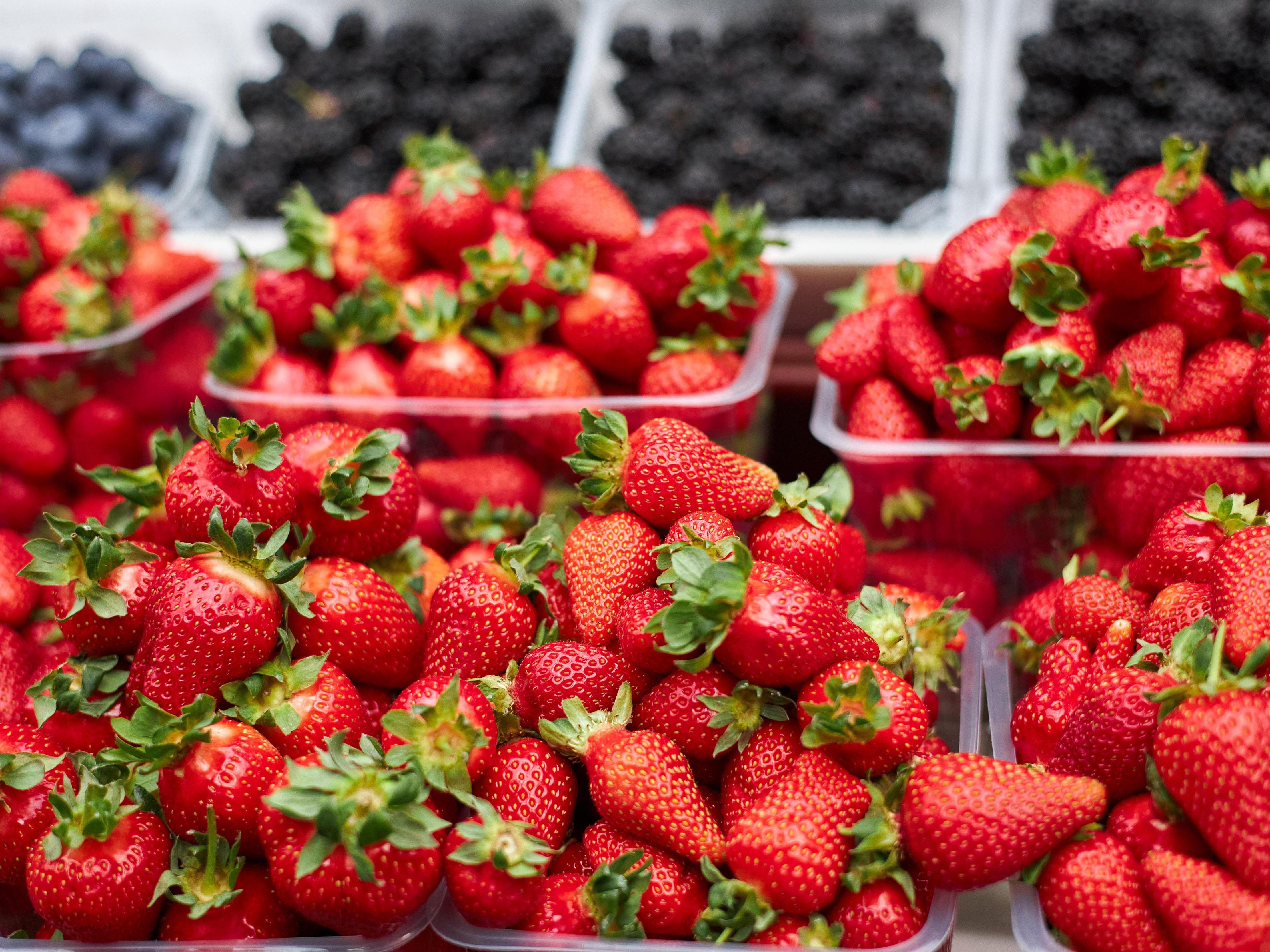
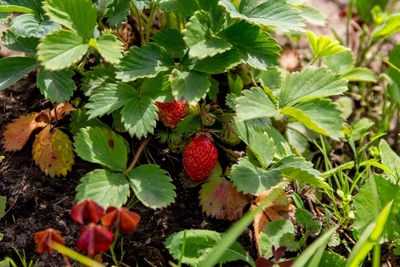
The first zemklunika berries can reach several centimeters
What Is Zemklunika

Zemklunika prefers sparse plantings
Zemklunika — a hybrid of garden strawberry and wild strawberry. The plant is not exactly new, but in recent years it has been gaining particular popularity. More and more dacha gardeners are ready for experiments and want to try growing something new.
“It is not worth the effort, although it does have its advantages. Its smell and taste are like wild strawberry, but the leaf is as large as that of large-fruited garden strawberry. It blooms very profusely, but pollination is uneven, and the very first berry can be 10–15 grams, while the rest are small,” explained Lyudmila Shubina, an agronomist and candidate of agricultural sciences.
This very demanding berry nevertheless has an unusual taste. Zemklunika turns out sweet and aromatic.
“You will wear yourself out cutting runners. They will have to be removed every week from the beginning of June until the end of August, otherwise there will be no berries at all. And they mostly turn out small — the resulting harvest is very meager,” the agronomist warned.
If you still want to grow a very sweet berry, it is worth planting a couple of bushes away from the main strawberry bed. Or choosing a similar variety.
“There is a large-fruited garden strawberry variety very similar in taste to zemklunika. Very delicate, very sweet. It is ‘Ulybka Iyunya’ [‘Smile of June’]. If you want sweeter berries, even if small, it is better to plant that one,” the specialist advises.
Zemklunika Varieties
Modern breeders are trying to achieve larger zemklunika berries. There are three fairly proven hybrids worth trying to grow.
“For the past few years everyone has been crazy about ‘Kupchikha.’ Then they get tired and remove it from the garden. The berries are, of course, sweet, but there are very many runners on the bushes,” Lyudmila Shubina warned.
Also among the proven hybrids are: ‘Barynya,’ ‘Dar,’ ‘Diana,’ ‘Penelopa,’ and ‘Raport.’ The berries have an elongated shape that at the start of fruiting can reach several centimeters.
How to Plant and Care
The planting dates for zemklunika are the same as for strawberry. It is best to do this at the end of August or the very beginning of September. The bushes will manage to take root and even produce their first berries the following summer.
The plants need a lot of sun, and the bed should be protected from wind. A week before planting, the bed should be thoroughly dug over and well fertilized. Per square meter you will need a bucket of humus, 50 grams of phosphorus-potassium fertilizers, and a glass of wood ash.
The agronomist advises maintaining a good distance between bushes of 35–40 centimeters (14–16 inches), and between rows of 50–60 centimeters (20–24 inches).
“The most important thing is not to plant the bushes too deep and to water well after planting, especially if the weather is hot,” Lyudmila Shubina warned. “It is better to plant a couple or three bushes as a trial, and if you like it, only then make a full bed.”
The runners from the seedlings will have to be cut until the first cold weather. The agronomist does not advise removing the green mass before winter. For additional protection from cold, the bed can be mulched. Mown grass or leaf litter will work for this.
What Else to Read About the Garden and Vegetable Plot
How to store garlic and onions so you do not lose your harvest — three main rules.
What to feed cucumbers and tomatoes in August so you can harvest until frost — important rules.
What to sow in August and get fresh vegetables and greens — a list from an agronomist.