Three Unusual Zucchini Caviar Recipes
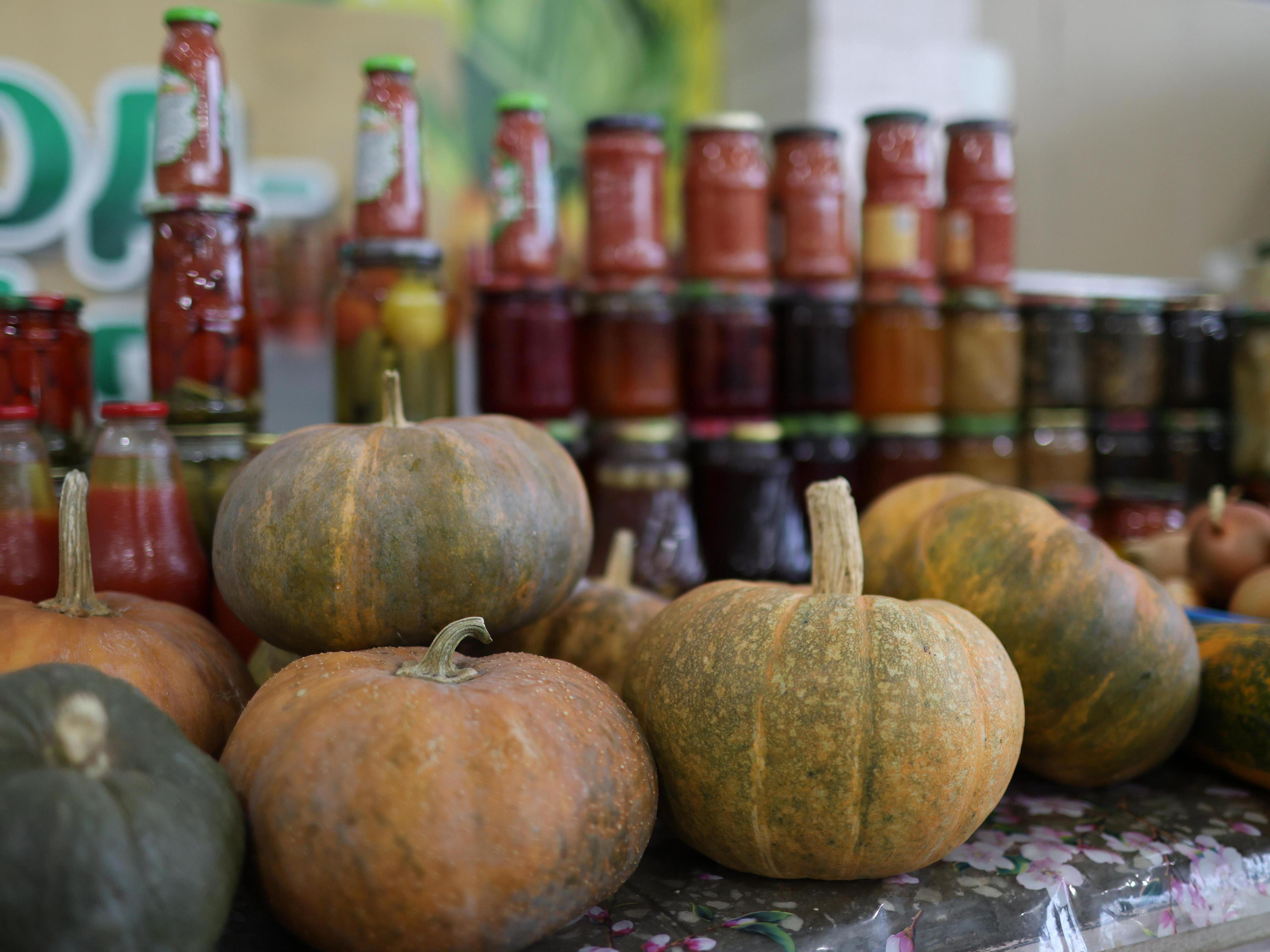

Zucchini caviar is one of the most unusual and, for many countries, strange dishes that came to us straight from the USSR. This dish allows you to enjoy the taste and unusual combination of zucchini and other vegetables. It is also excellent for canning for the winter.
Tired of ordinary zucchini caviar recipes and want to treat yourself to something unusual? Don«t know what new thing to roll into jars for the winter? Then here are three unusual recipes from a Tula housewife, step-by-step and simple.
Baked Zucchini and Pepper Caviar with Thyme
Yield: approximately 5 jars of 0.5 L (1 pt).
This recipe gives a caramel, sweetish taste thanks to roasting the vegetables. Thyme imparts a Provençal aroma during baking but does not end up in the jar — not a single sprig will be in the preserves. The garlic roasts until soft and becomes tender, without sharp pungency.
Ingredients:
Zucchini (young, firm) — 2 kg (4.4 lb);
Bell pepper (red, yellow) — 500 g (1.1 lb);
Garlic — 1 large head (about 10 cloves);
Fresh thyme sprigs — 10–12 (or 1 tbsp dried);
Neutral vegetable oil — 100 mL (3.4 fl oz) + for greasing the baking sheet;
Tomato paste (thick) — 150 g (5.3 oz);
Salt — 1.5 tbsp without a heap;
Sugar — 1 tbsp with a heap;
9% vinegar — 50 mL (1.7 fl oz);
Ground black pepper — half a teaspoon;
Hot pepper (optional) — a small piece of fresh or a pinch of dried.
Step-by-step preparation:
1. Roasting. Preheat the oven to 200°C (392°F). Cut the zucchini into 1.5 cm (0.6 in) rounds. Cut the pepper lengthwise, remove seeds and membranes. Remove the outer layers of husk from the garlic head but do not separate into cloves; cut off the top by 0.5 cm (0.2 in) to expose the cloves. Drizzle the cut with oil, wrap in foil. Line a baking sheet with paper, grease with oil, arrange the zucchini in a single layer, lightly salt. Place the pepper next to it, skin side up. Spread the thyme sprigs over the zucchini. Bake for 30–35 minutes: the zucchini will become soft and browned, the pepper skin will blister and darken.
2. Peeling. Transfer the hot pepper to a bag or bowl, close tightly for 10 minutes. Then remove the skin — it will come off easily. Let the zucchini cool slightly. Remove the thyme sprigs. Peel the garlic from the foil — the roasted cloves squeeze out easily.
3. Grinding. Pass the zucchini, peeled pepper, and garlic through a meat grinder with a coarse grate. Do not use a blender: we need a grainy texture, not puree. If you don«t have a meat grinder, chop finely with a knife.
4. Simmering. Pour 100 mL (3.4 fl oz) of oil into a large thick-bottomed pot, add the vegetable mixture, add tomato paste, salt, sugar, black pepper. Bring to a boil over medium heat, stirring. Then reduce heat to minimum and simmer at a low boil for 40–50 minutes, stirring often. The mixture should thicken noticeably, and the oil should start to separate. 5 minutes before the end, pour in the vinegar, mix well. Taste and add salt if needed.
5. Packing and sterilization. Ladle the hot caviar into sterile jars, filling to the «shoulders.» Cover with sterile lids. Place the jars in a pot of hot water (with a cloth on the bottom); the water should reach the shoulders of the jars. Bring the water to a boil and sterilize 0.5 L jars for 15 minutes from the moment of boiling. For 0.75 L jars — 20 minutes. Remove, seal tightly, invert, wrap.
Note — the amount of salt and sugar is given considering the sweetness of the roasted pepper. If the pepper is very fleshy and sweet, you can reduce the sugar by 1 teaspoon, but do not eliminate it completely — it balances the acid.
Caviar with Apple and Coriander
Yield: approximately 5 jars of 0.5 L (1 pt).
Apples of sour varieties create a thick jelly-like consistency, and coriander gives a light spiciness and warm aroma. No carrots, no tomato paste in pure form — only vegetables and apples. The color turns amber, not bright orange.
Ingredients:
Zucchini — 1.5 kg (3.3 lb);
Sour apples (Antonovka, Semerenko, Granny Smith) — 400 g (14 oz);
Onion — 250 g (8.8 oz);
Garlic — 5–6 cloves;
Vegetable oil — 100 mL (3.4 fl oz);
Tomato paste — 100 g (3.5 oz);
Salt — 1 tbsp without a heap;
Sugar — 2 tbsp (can reduce to 1.5 if apples are very sweet);
9% vinegar — 40 mL (1.4 fl oz);
Ground coriander — 1.5 tsp;
Ground black pepper — half a teaspoon.
Step-by-step preparation:
Preparation. Peel the zucchini and apples (remove the skin from zucchini only if it is tough; young ones can be left unpeeled). Remove the core from the apples. Cut the zucchini and apples into cubes about 2×2 cm (0.8×0.8 in). Cut the onion into small cubes, mince the garlic.
2. Stewing. Heat the oil in a thick-bottomed pot. Fry the onion for 3–4 minutes until translucent. Add the zucchini and apples, stir. Cover with a lid and simmer over low heat for 25–30 minutes, stirring occasionally. The mixture will release juice and become soft.
3. Grinding. Remove the pot from the heat. Use an immersion blender to turn the mixture into a grainy puree. Don«t aim for perfect smoothness — let tiny pieces remain.
4. Simmering. Return the pot to low heat. Add tomato paste, salt, sugar, coriander, pepper. Stir and simmer at a low boil for 35–40 minutes, stirring regularly. The mixture will thicken and start to «puff.» 5 minutes before done, add the garlic and pour in the vinegar, stir, taste. If needed, add salt.
5. Canning. Ladle the hot caviar into hot sterile jars, cover with lids. Sterilize in boiling water as described above: 0.5 L — 15 minutes. Seal, invert, wrap.
Tip: use only sour apples — they provide the needed pH and gelling pectin. Sweet varieties will make the caviar cloying and less safe. Do not replace ground coriander with seeds — whole spices can become bitter in preserves.
Caviar with Pumpkin and Ginger
Yield: approximately 4 jars of 0.5 L (1 pt).
Pumpkin adds bright color and velvety sweetness, while fresh ginger adds unexpected spicy freshness. The recipe is without carrots; pumpkin plays its role. Ginger is added in two stages: part is simmered, part at the end — for aroma.
Ingredients:
Zucchini — 1 kg (2.2 lb);
Butternut squash (peeled) — 400 g (14 oz) (weight of flesh without rind and seeds);
Onion — 200 g (7 oz);
Fresh ginger root — 30 g (1 oz) (a piece the size of a thumb);
Garlic — 4 cloves;
Vegetable oil — 100 mL (3.4 fl oz);
Tomato paste — 120 g (4.2 oz);
Salt — 1 tbsp without a heap;
Sugar — 1.5 tbsp;
9% vinegar — 40 mL (1.4 fl oz);
Ground nutmeg — on the tip of a knife (optional);
Ground black pepper — half a teaspoon.
Step-by-step preparation:
1. Preparation. Cut the zucchini into 2×2 cm (0.8×0.8 in) cubes. Pumpkin — into the same cubes. Chop the onion finely. Peel the ginger (convenient to scrape with a teaspoon) and grate on a fine grater. Divide the ginger in half. Mince the garlic.
2. Stewing. Heat the oil in a pot, fry the onion for 3 minutes. Add the zucchini, pumpkin, and half the ginger. Stir, cover with a lid, and simmer over low heat for 25–30 minutes until soft.
3. Grinding. Remove from heat and blend with an immersion blender to the consistency of grainy caviar.
4. Simmering. Return the pot to low heat, add tomato paste, salt, sugar, black pepper, and nutmeg. Simmer, stirring, for 30–35 minutes until the mixture becomes thick. 5 minutes before done, add the remaining ginger, garlic, and vinegar. Mix well, taste.
5. Canning. Ladle the boiling caviar into sterile jars, cover with lids. Sterilize in boiling water: 0.5 L — 15 minutes. Seal, invert, wrap.
Remember: butternut squash is sweet on its own, so sugar is kept to a minimum. If the pumpkin is another variety and more watery, you may need to increase the simmering time slightly. Ginger should be fresh and juicy — a dry, limp root will not give the desired aroma.