Barnaul woman rescues unwanted raccoons from across Russia
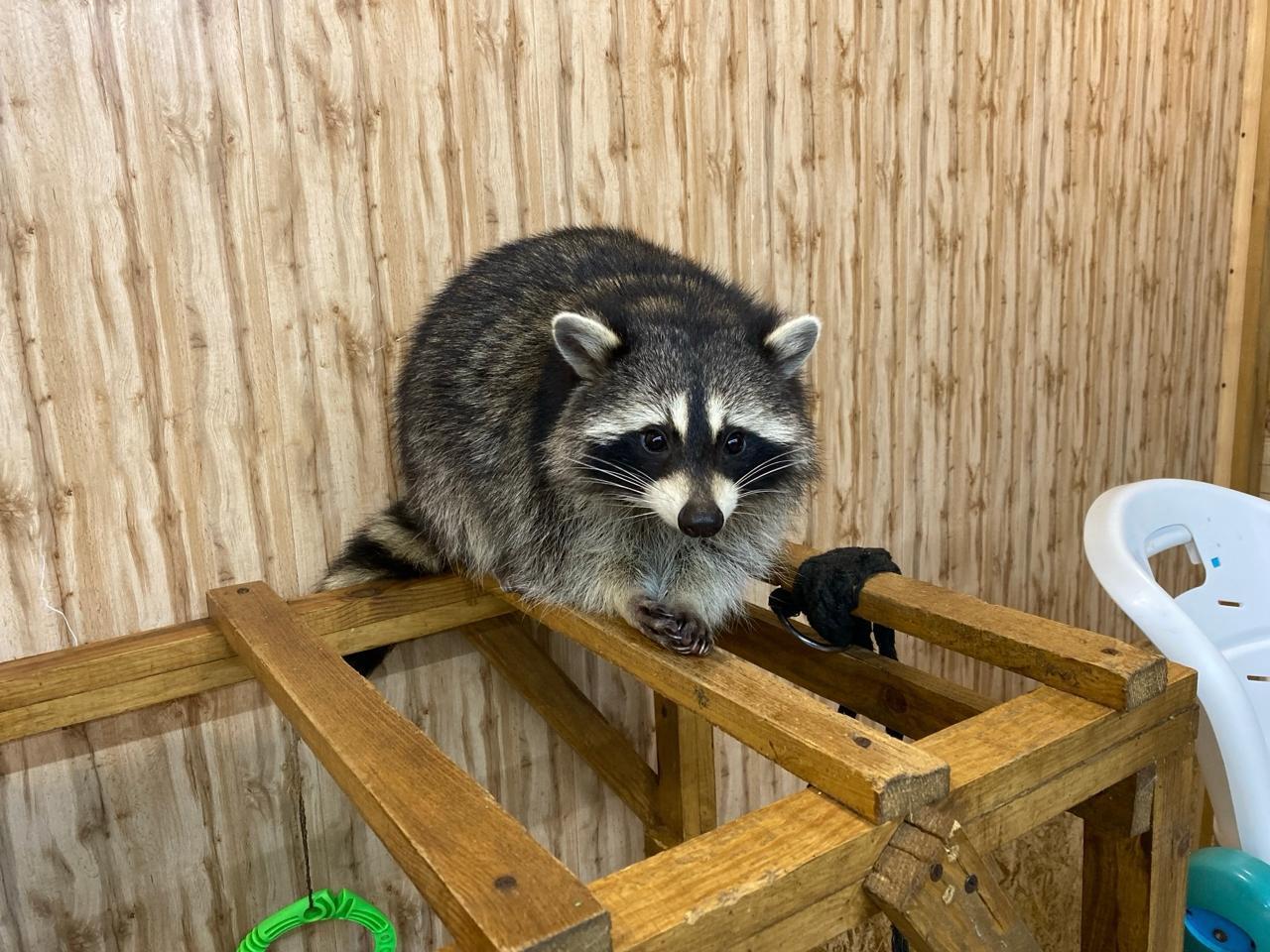

The raccoon cafe in Barnaul has been running for two years
Kristina Yeremina, a 28-year-old resident of Barnaul, owns the only raccoon anti-cafe in Altai Krai (a region in southwestern Siberia, Russia). Two years ago she opened a space where the animals live their best lives, with proper nutrition, entertainment and medical treatment when needed.
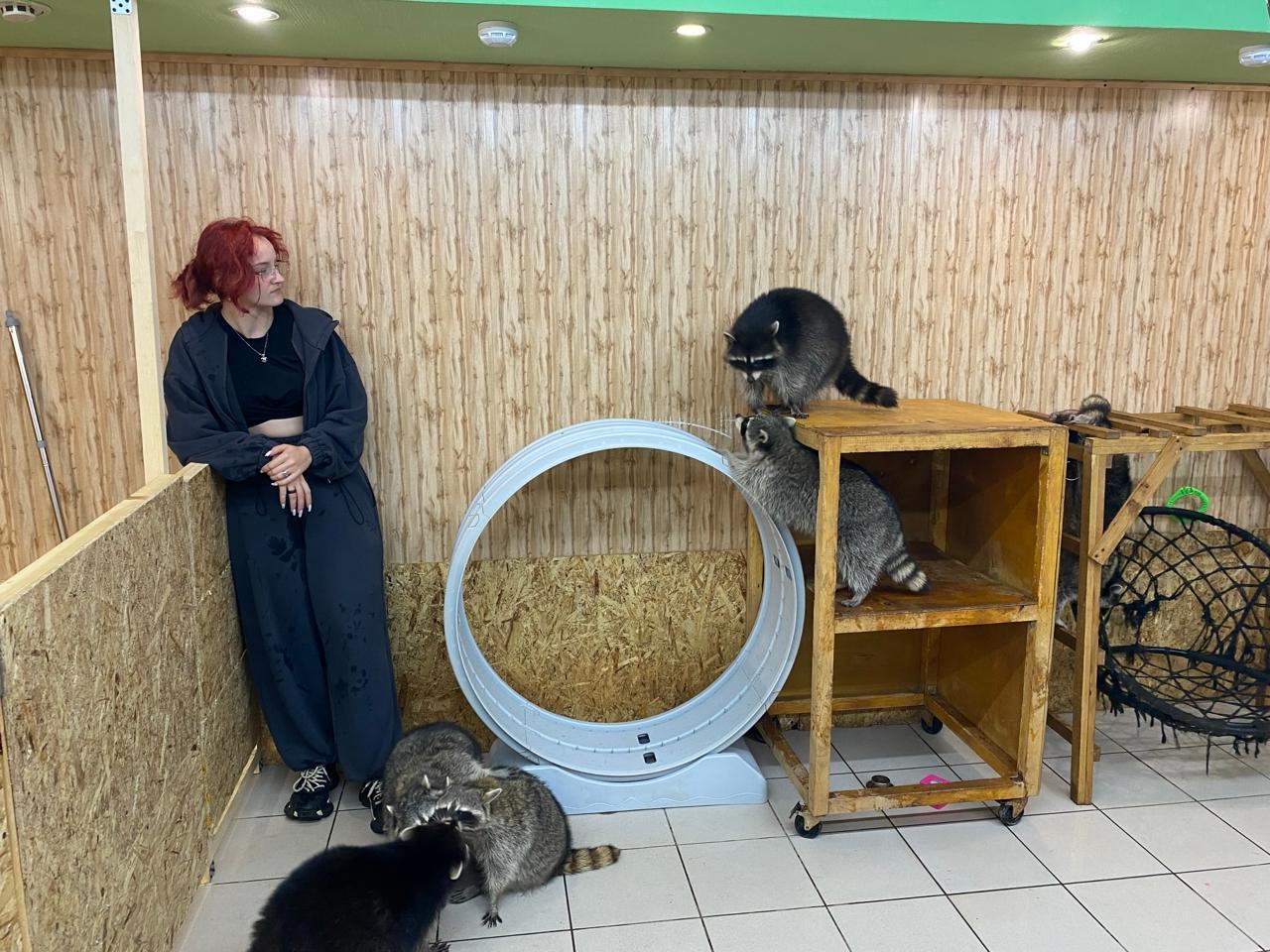
Raccoons come to Kristina not only from Altai Krai but from across Russia
Why people give up exotic animals, how much it costs to keep them, and how a raccoon differs from a cat or a dog — read the interview with NGS22.RU.
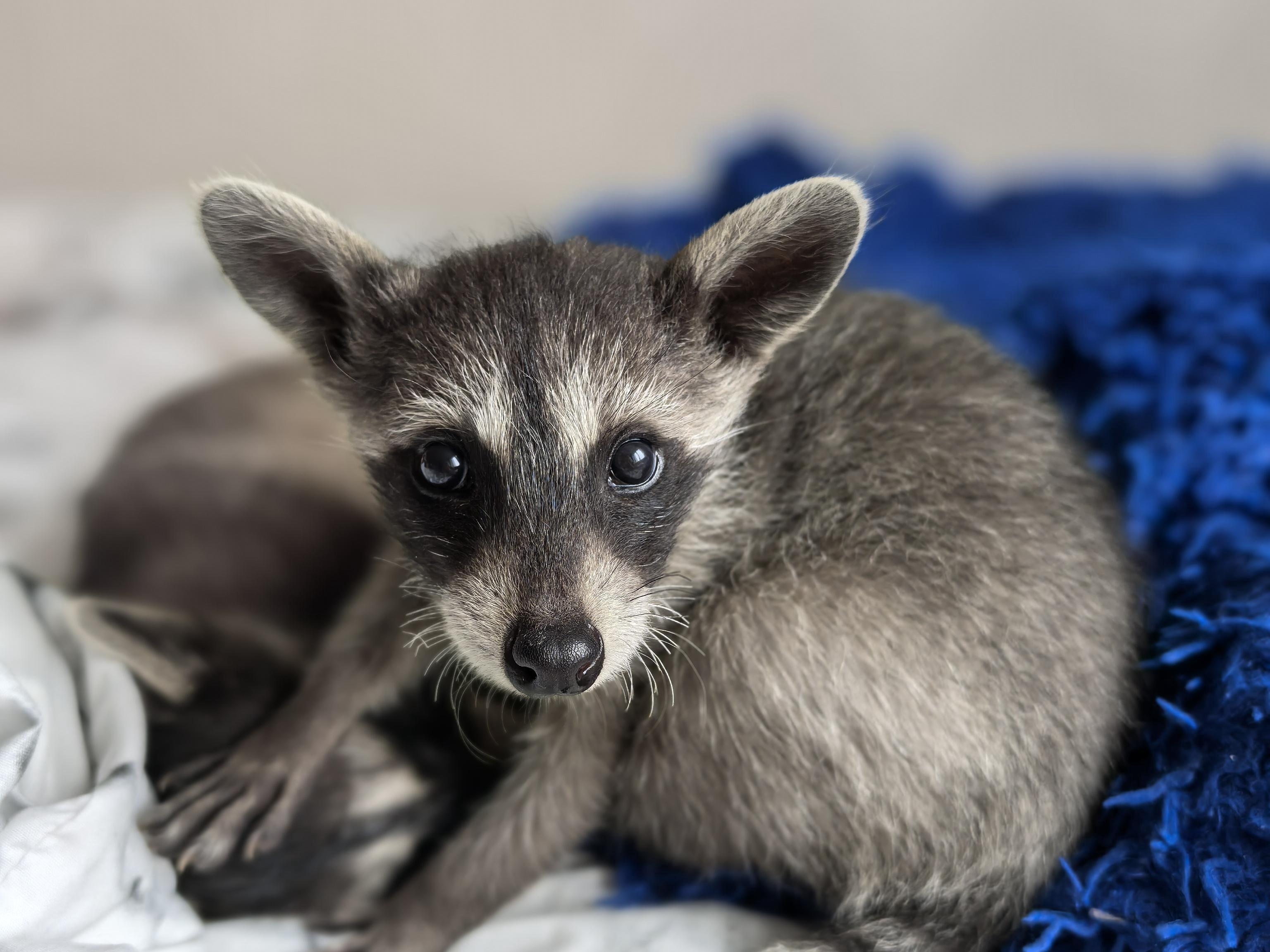
Baby raccoons are properly called pups
From Moscow to Barnaul
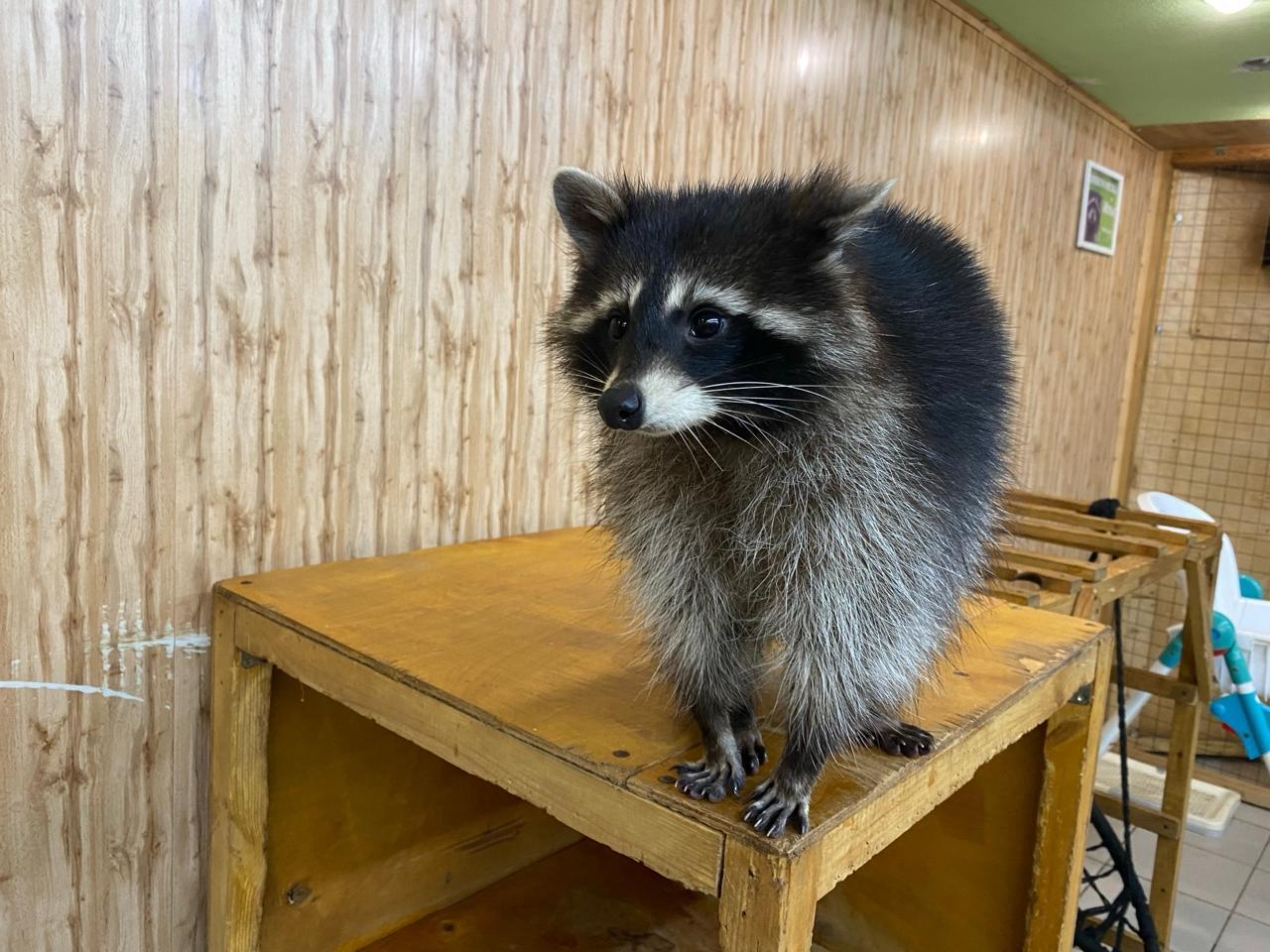
Kristina hand-fed the pups with milk
Kristina«s dream of her own mini-zoo with raccoons appeared back in 2019.
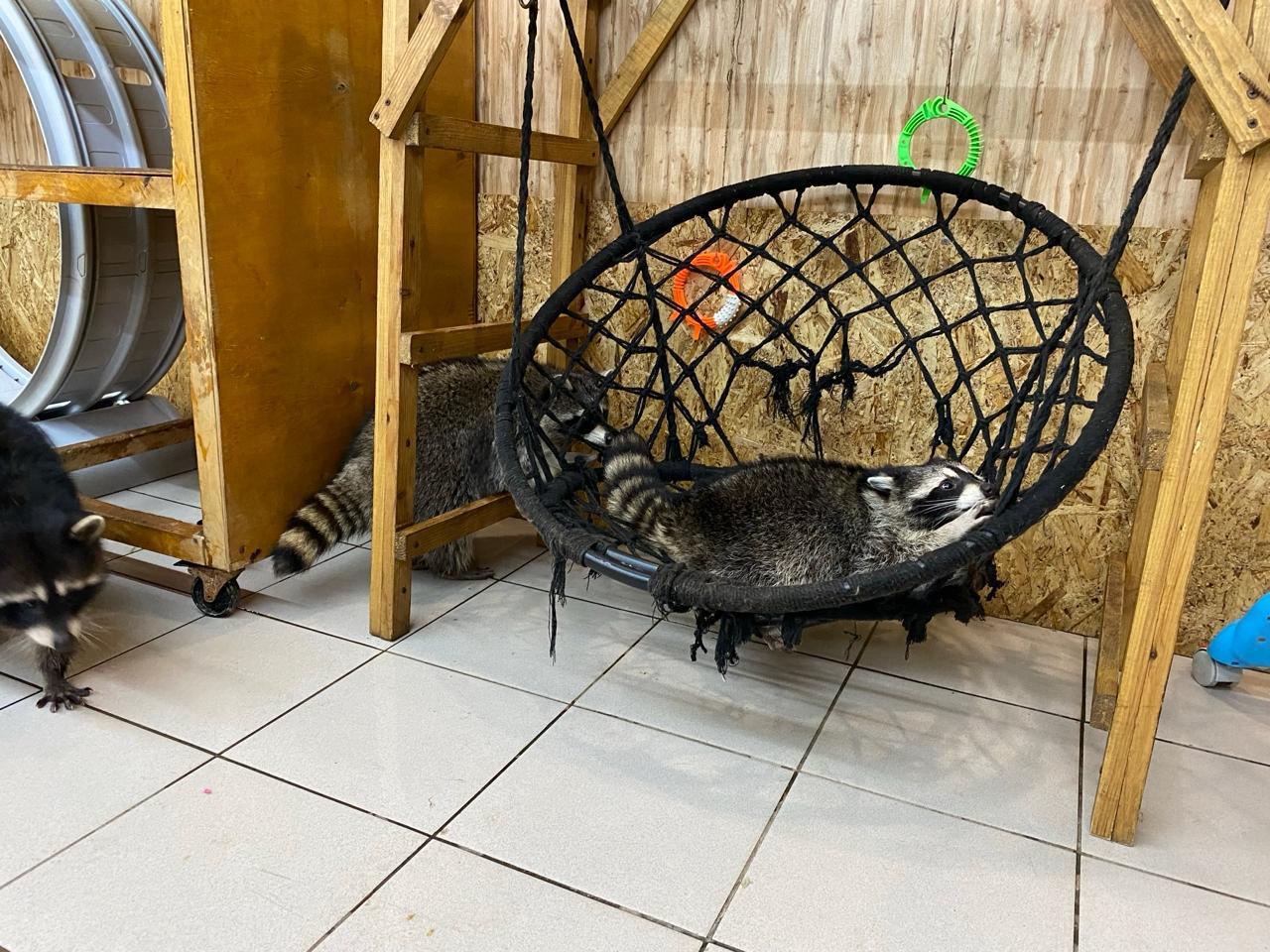
Many entertainments have been devised for the animals indoors
— By training I«m a records clerk, but animals have always been in my life: dogs, cats, rabbits, chinchillas, hamsters. But raccoons caught my attention after a trip to Murmansk, to a similar anti-cafe, she recalls.
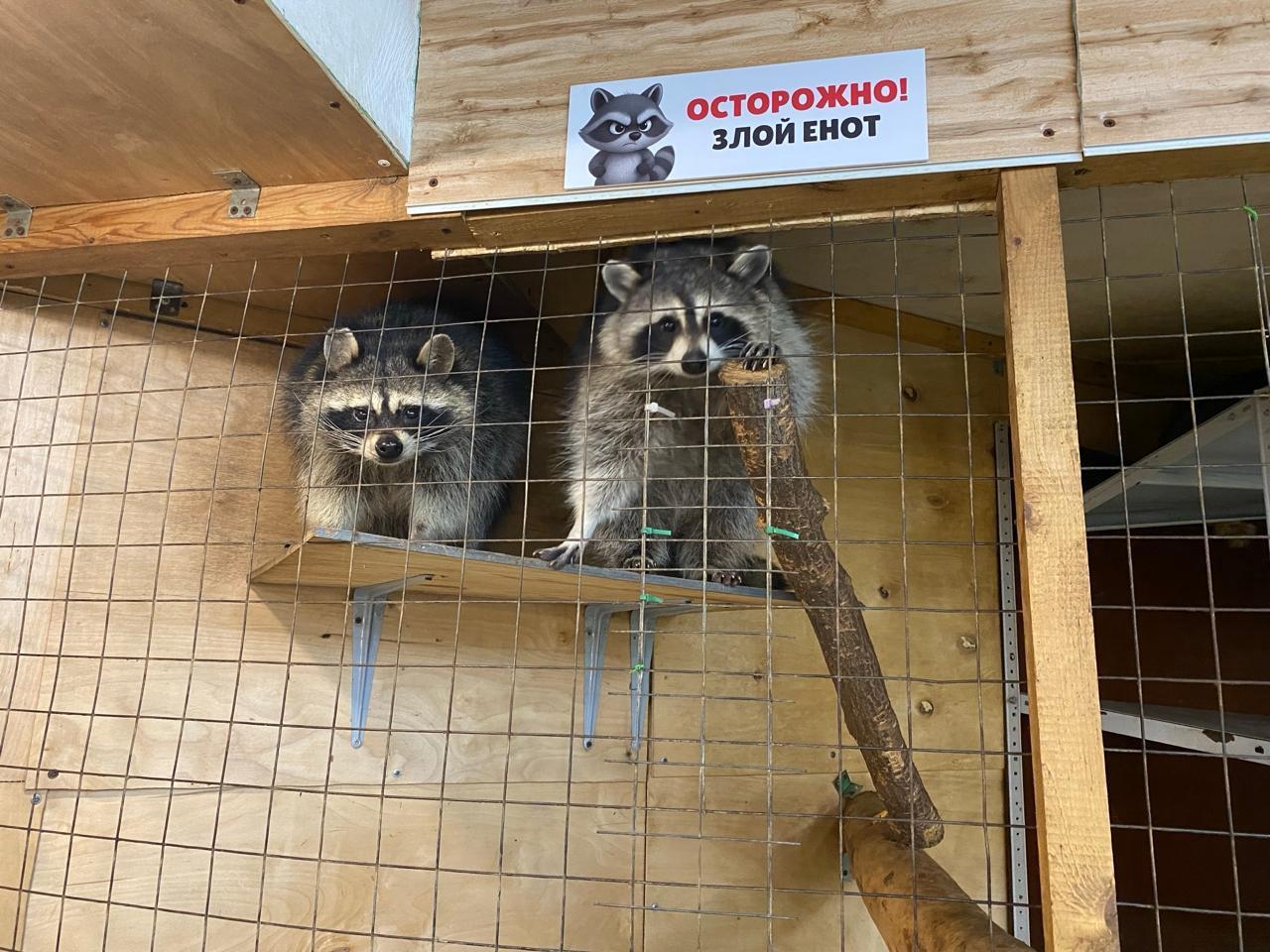
Aggressive and unsocial animals are kept behind bars
She was inspired to open her own space for these animals in Barnaul, where she could not only let people interact with the animals but also take in unwanted ones.
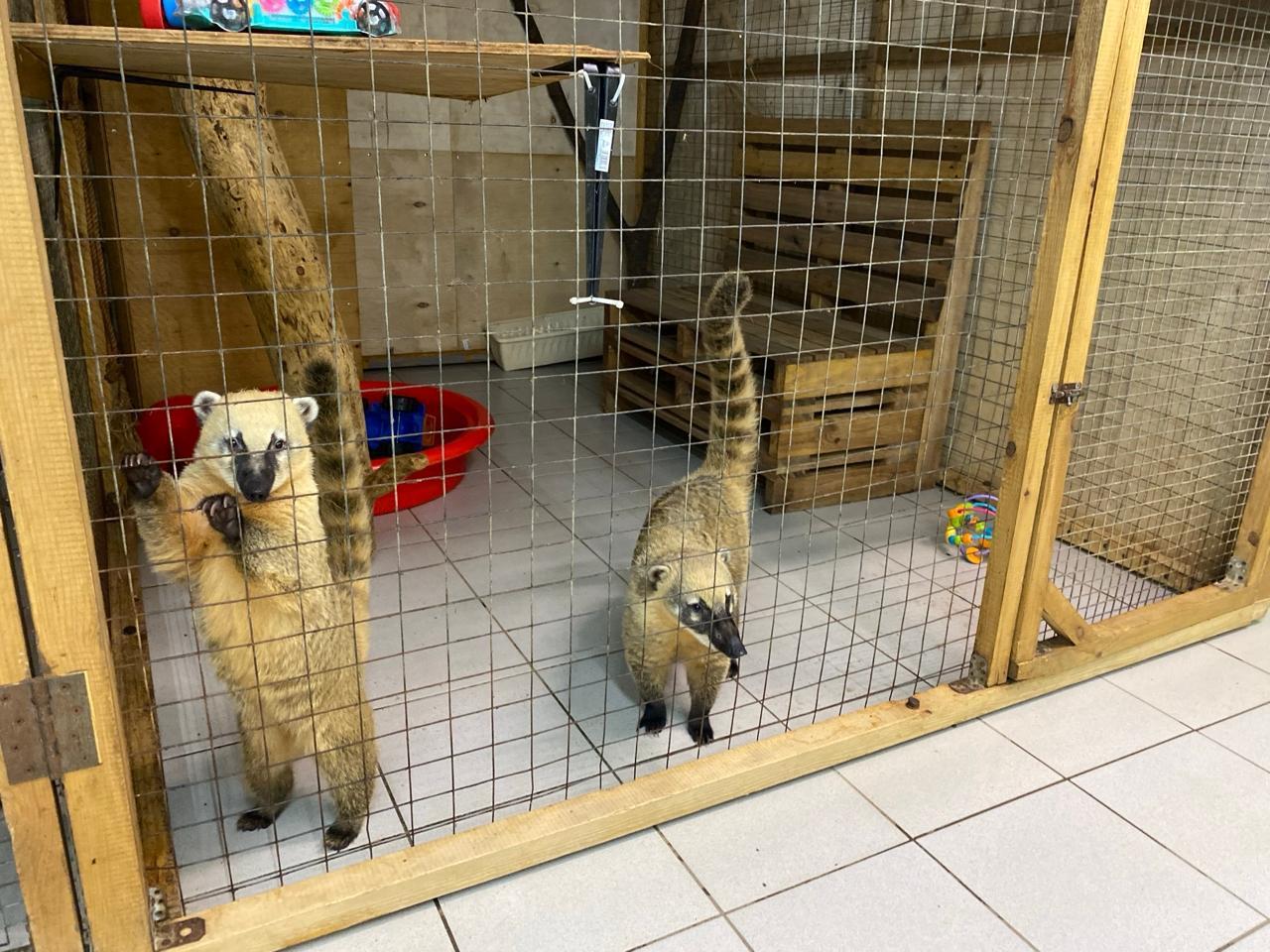
Two coatis live alongside the raccoons
The anti-cafe now houses 13 raccoons and two coatis (South American relatives of raccoons). Another female raccoon — the fourteenth at the venue — will soon arrive in Altai Krai from Vologda.
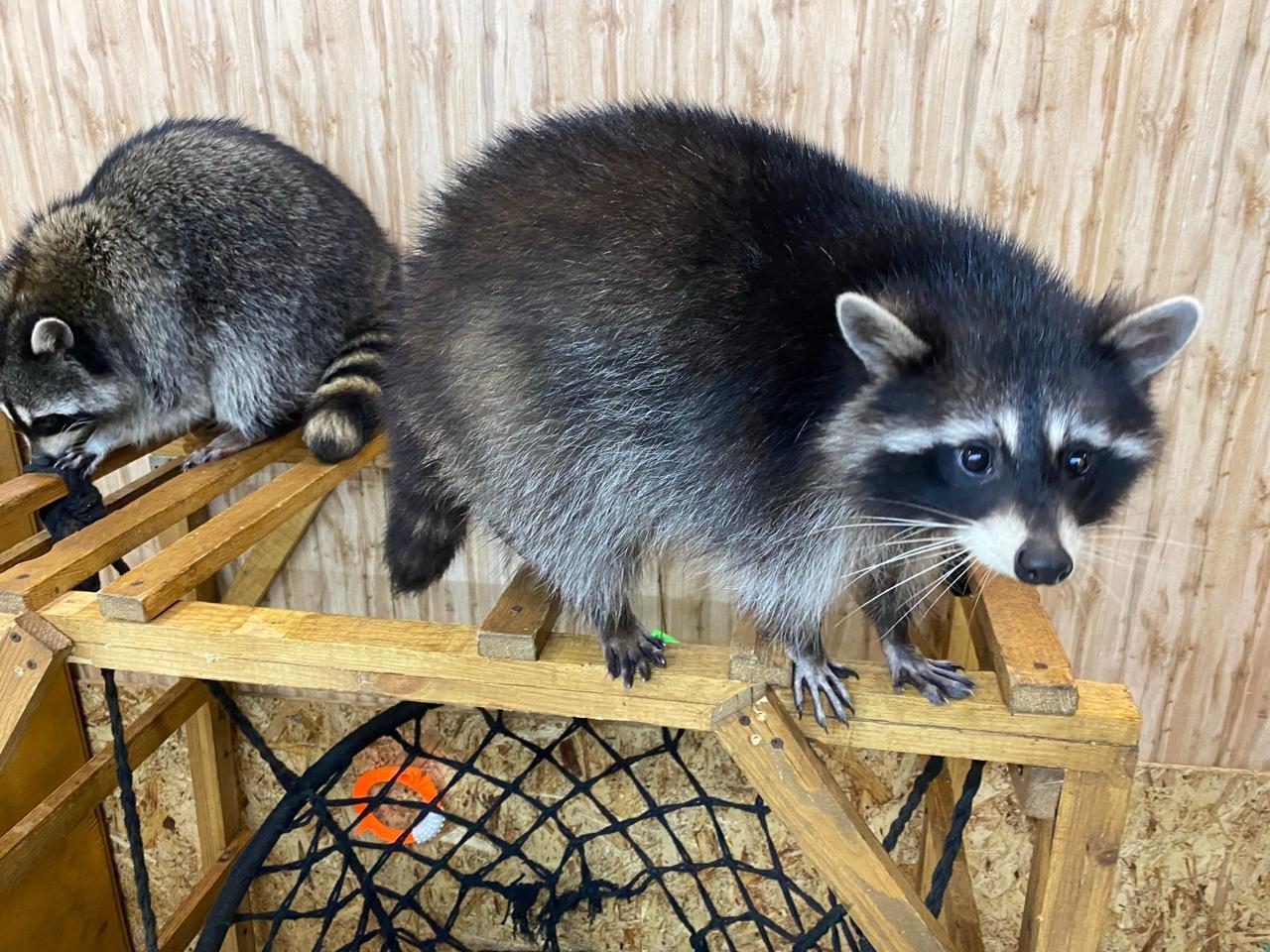
Kristina dreams of moving the raccoon cafe to a more spacious venue
It all started with just three pups, as baby raccoons are called. The first time, Kristina brought two girls and a boy from Moscow.
— We got them from private individuals; there are no real nurseries in this country. They«re just people who breed and sell raccoons. But they don»t always keep track of blood purity. One girl, Businka, came missing two toes on her feet. She was born that way, so inbreeding is the likely cause, said the founder of the raccoon cafe.
Five of the raccoons at the venue are unwanted animals
She stresses that the raccoons she bought are the offspring of already domesticated parents that grew up in unnatural conditions with humans and would no longer survive in the wild. None were taken from the wild.
Raccoon paws are very delicate, far softer than a human palm
At first the pups lived at her home, and later, once she managed to rent a space, they moved there. At first, Kristina recalls, she stayed overnight with them and practically lived there.
Since raccoons are washers, they always have water within reach
— When the raccoons grew up and settled in, we opened. We had only three animals then. But then we started telling people about ourselves and that we take in unwanted animals. People began writing to us asking us to take an animal, she said.
«When a raccoon gets big, people start rehoming it»
All males at the venue are обязательно sterilized, since the anti-cafe does not breed or sell animals. But one baby boom was unavoidable. A grown-up male named Raketa managed to befriend his neighbors Businka and Knopochka.
— Puberty started a bit earlier because he doesn«t live in the wild. In the end one female gave us two black pups, and the other gave us four gray ones, Kristina shared.
At one month the pups were taken from their mothers and hand-fed at home like little kittens, every three hours.
— It was hard. Two would have been fine, but when there were four and they were all screaming. But it worked out; we fed them all until two months, and then they switched to natural food, she recalls.
At first the pups were kept separate from the adults, and later, once they grew stronger, they were moved in with the adults.
The rest of the raccoons at the anti-cafe are unwanted animals. According to Kristina, people get the animals after watching funny videos online, and when the animal grows up, they get rid of it.
— Mostly they give up animals under a year old. They play with them for six months while they«re small and funny. And by the time a raccoon gets big, problematic, starts biting and destroying things — they start rehoming it, Kristina explained.
One of the first rescues came from Zarinsk (a town in Altai Krai) at three months old. Another girl, now eight, spent two years in a small cage with a family in Barnaul after she bit a person. Her joints atrophied, and she lets no one near her except Kristina.
— She will stay here forever. If I can, I«ll take her home. As for the rest, if the conditions are decent, we look for a new home for them, stressed the founder of the raccoon cafe.
The most recent story is a female from Vologda who was thrown out into the street in winter. She ran around private homes trying to find a place but was chased away. Eventually she climbed into a man«s home and ate his expensive chickens — he wanted to kill her but decided to sell her to recover the loss.
— Her ears are frostbitten, her head is injured, she has scrapes. She may have fought with dogs. A volunteer bought her and started looking for a new home. But in the European part of the country there are already plenty of raccoons. So she reached out to us. The animal is being treated now and will come to us at the end of the month, Kristina said.
Money had to be raised to transport the latest rescue, because the anti-cafe«s finances are tight right now.
— It«s pointless to explain to people. They»ll still get exotic pets. If not a raccoon — then a coati, if not a coati — then something else, the Barnaul resident lamented.
Meanwhile, Kristina continues to take in unwanted animals, treat them, feed them and rehome them. This winter she managed to help a raccoon dog found in central Barnaul in winter.
— She«s also a former pet. Either someone dumped her or she escaped, because they don»t live here naturally. We fattened her up, treated her and sent her to the Ufa Zoo (in Bashkortostan). We went into the red, but we saved the animal, she added.
«Character is always a game of Russian roulette»
Kristina compares raccoons« level of development to young children.
— They«re like three-year-olds who never grow up. They»re always interested in everything, they climb everywhere. Yet their character is always a game of Russian roulette. You never know what it will be. A raccoon is not a dog and not a cat. It«s still a wild animal. You can hand-raise a raccoon from one month old, and it will still grow up willful and wild.
At the same time, raccoons are practically untrainable. The only things they can be taught are to use a litter box and to walk on a harness.
— You have to get them used to a harness right from the first weeks, because if you miss that window, they«ll never get used to it. We don»t teach them tricks. They live their own lives here, and people just watch how they interact and play. If a raccoon doesn«t want to interact with a person, no one forces it, she said.
Kristina stresses that aggressive unwanted raccoons that don«t know how to interact with people are kept in cages to avoid unforeseen situations.
— A raccoon bite is no joke. Its jaw grip is comparable to a dog«s; they latch on and tear skin. But I»m used to it; my hands are all bitten up, so I«m not afraid, but for others it can be a surprise, she stressed.
Among the raccoons there is a matriarchy. The main alpha female is Businka, who arrived at the anti-cafe among the first. Each has its own character: there are friends and those who don«t like each other.
One boy, Semyon Semyonovich, bossed everyone around even though he«s younger than the rest. Another, Raketa, is on the contrary a «lazy guy».
— He doesn«t need anything: sleep, eat, that»s it. We even force him to move — raccoons have weak hearts, and obesity is dangerous for them, Kristina added.
At the anti-cafe the raccoons live in a spacious room — they cannot be kept in small cages. In nature they are tree-dwelling animals, so they need space, climbing structures and toys. If a raccoon is bored, it starts to get angry, aggressive and destructive.
— We constantly come up with entertainment for them: basins of water, toys, walks on harnesses. We interact with them constantly so they don«t get bored, said the founder of the raccoon cafe.
«This isn«t about money»
In captivity, under good conditions, a raccoon can live up to 25 years, so keeping them is a long and expensive business. According to Kristina, food alone costs about 20,000–25,000 rubles a month (about $250–$310 at current rates).
— They eat quality dry dog food, fruit, vegetables. We«ve spoiled them, so they refuse store-bought cucumbers. They have to be from the garden. People bring us those, she shared.
Veterinary services — vaccinations, checkups and tests — are a separate expense.
In general, as Kristina stresses, the raccoon cafe is a non-profit venture. Everything goes to food, rent and taxes. Besides that, the venue and caring for the animals take up almost all her free time. Sometimes her son helps her too.
— This isn«t about money. I understood that from the start. Sometimes we go into the red. It»s August now, everyone is getting ready for school, so there are few visitors. On holidays and weekends it«s better. We have regular customers. Donations are accepted but not required. Some people come to help with repairs or cleaning, said the Barnaul resident.
Kristina now dreams of moving her raccoon cafe out of the basement with its wooden enclosures into a more spacious place.
— I«d like to be able to offer visitors tea and coffee, just to sit without interacting with the raccoons, because they don»t always want contact. But rent is hard right now, added the founder of the venue.