What to do if you face domestic violence
A lawyer and a shelter co-founder explain how victims of domestic violence in the Arkhangelsk region should gather evidence and seek help, even when speaking out feels impossible.
Oct 27, 2026 0
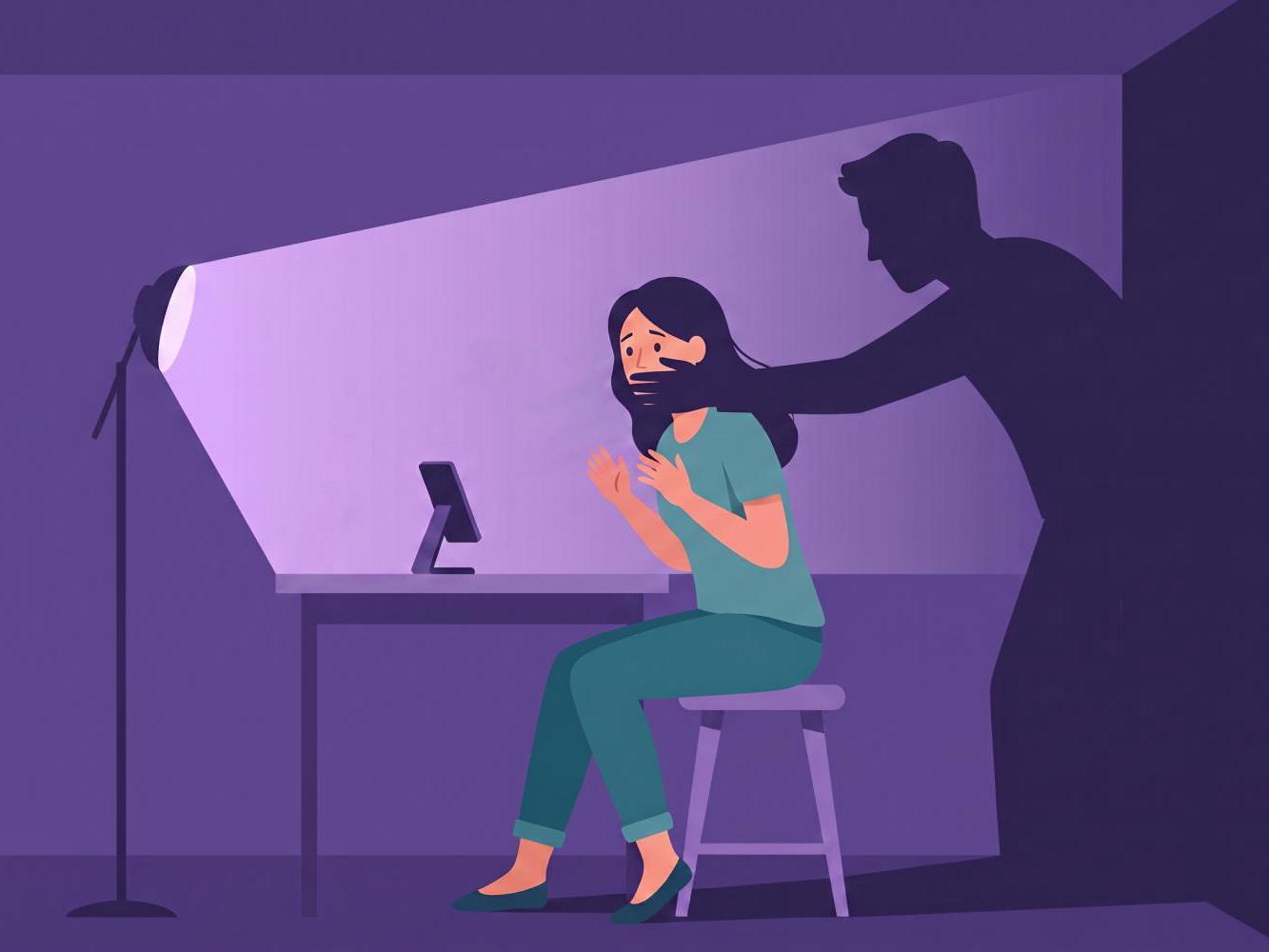

Victims often fear telling anyone what is happening
Source:
Anyone can face violence within a family or a couple. Such cases are regularly heard in the Arkhangelsk region (northwestern Russia), but victims do not always go to the police and the case does not always reach court, out of fear or even pity. 29.RU spoke with Mila Antonova, one of the founders of “Mamina Pristan” (“Mom«s Pier”), a shelter for women with children in difficult life situations in Arkhangelsk, and lawyer Anastasia Nibarakova about what to do if you face domestic violence.
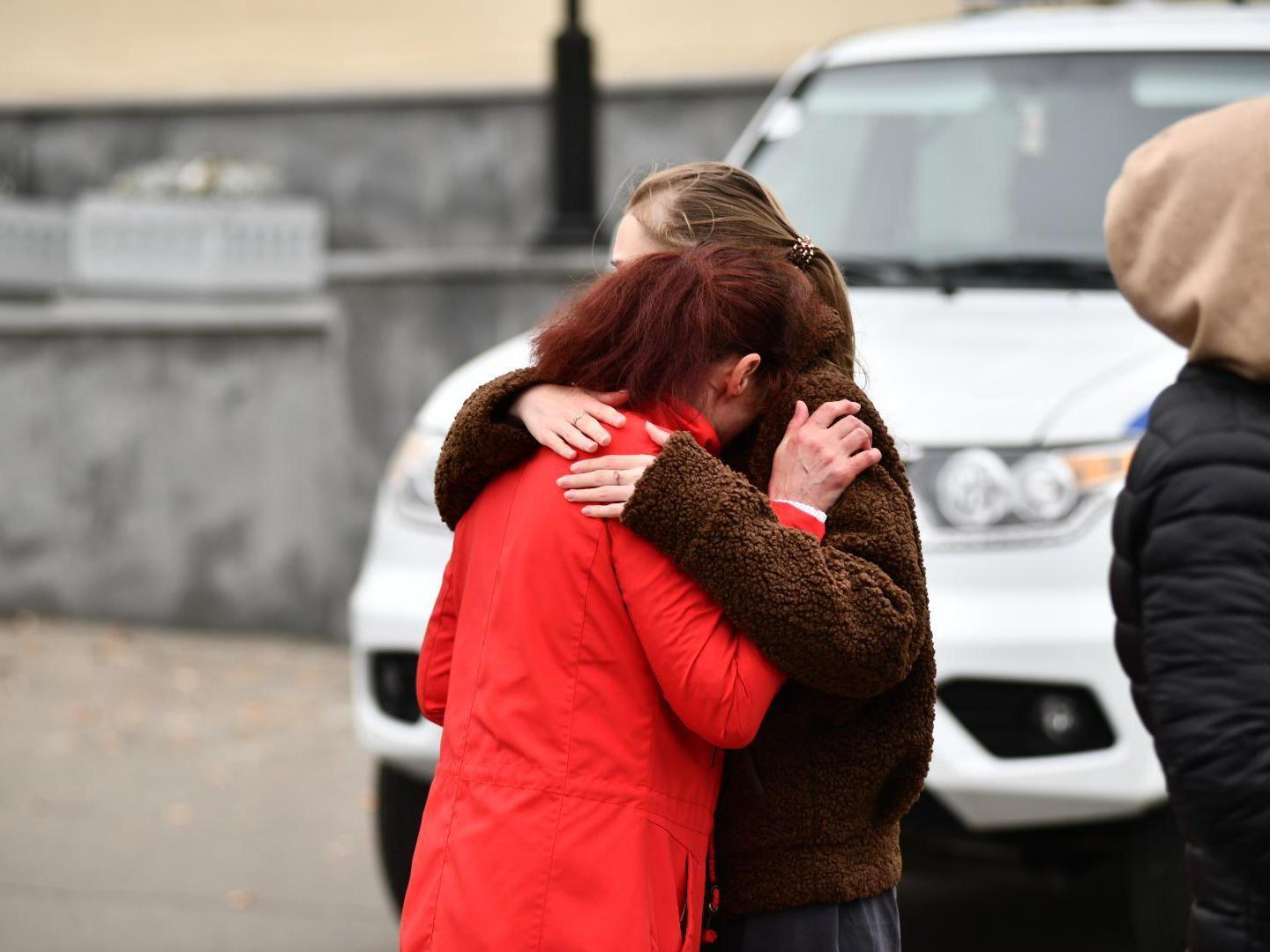
It is important to seek help and let loved ones know what is going on
Source:
“You get used to living in these conditions” — why violence goes unspoken
Mila Antonova notes that it can start gradually and snowball:
“First it«s an argument, then a light shove, a slap or pulling your hair. And the more a woman keeps silent and forgives, the more it builds up, and the man allows himself more. She put up with it here, she put up with it there, and it is already considered the norm.”
In Mila«s view, abusers know the sore spots they can press:
“He may say a phrase or do something that another person would not pay attention to, but for his woman it will be humiliating. He knows what she doesn«t like, and he does it on purpose.”
The victim herself may not even notice the escalation of the violence.
“You get used to living in these conditions. You keep quiet where you have to, you know which of your actions can lead to aggressive behavior. You start behaving differently so as not to trigger a wave of aggression. And he comes up with new ways to push you to a state he can respond to with violence.”
At the same time, Mila Antonova explains, a woman may face financial dependence on her partner, for example if she is on maternity leave and not working; psychological violence also occurs. A man may convince his partner that she is unattractive, that no one needs her and that she will not find anyone better.
The woman becomes more vulnerable and may start to believe her partner«s words. At the same time, she is not always ready to share what is happening with someone close to her.
“It is frightening and awkward to tell your acquaintances that you are in such a position. You don«t want to ‘wash your dirty linen in public.’ You don»t want to upset your girlfriends or your parents. Everyone around is so successful, rich and happy, and your husband beats you at home? Such things are hidden,” says Mila Antonova of “Mamina Pristan.”
It is especially hard to act when this is the first such experience in your life. Sometimes, even if a woman decides to speak out about domestic violence, she meets with a lack of understanding.
“They may answer: ‘Mine beats me too, accept it and put up with it’ — there are such cases. It is important that someone says that such behavior is abnormal, that you need to run from it.”
The main thing is to gather evidence
Defending themselves from domestic violence, victims may seriously harm the abuser or even kill him. In this case, lawyer Anastasia Nibarakova says, to rule out the court«s distrust, a woman must gather evidence to confirm that the violence really happened.
“Along with the woman«s testimony, the previous behavior of the person she harmed is analyzed,” the lawyer explains. “You must go to the police if you face domestic violence.”
Many victims do not do this out of pity for their partner or out of fear. Nevertheless, evidence in court means multiple complaints, which can influence the verdict if a woman ends up in the dock for causing harm to health or the death of an abuser.
“If it is obvious that this was necessary self-defense without exceeding its limits, the case will be closed. And even if the limits were exceeded, it can be closed following reconciliation of the parties,” Anastasia notes.
Anastasia warns: even if a woman has made up with the abuser, she should not withdraw her statement from the police.
“It all starts with battery, and battery is considered here only on the complaint of the victim. Today it«s battery, tomorrow it»s a more serious crime.”
Seeking medical help after incidents of physical violence by a partner also counts as evidence. The doctor must ask what exactly happened.
“If you are afraid to call the police, you must tell the doctor the cause of the injuries,” the lawyer notes. “And then it is the medical worker«s duty to send such a report to law enforcement, because it is grounds for an investigation.”
Even if physical violence has not yet occurred but the partner or husband insults or shouts, the lawyer advises not to hide it from friends or relatives. During an argument or threats, you can discreetly call someone close so that they can hear and know what is happening, or record on a voice recorder — this will also be evidence in court.
It happens that an abuser takes the phone and wipes voice recordings and messages with threats. For this case, it is better to send copies to messenger chats or save them in cloud storage, and take screenshots of messages with dates.
“If the violence has gone on for a long time, there is a relevant article — battery and torture. Today there«s battery, tomorrow, in a month, again. You need to gather evidence in order to go to the police and court.”
Help can also be found in special services where lawyers and psychologists work with victims. One of them in Arkhangelsk is the “Nadezhda” crisis center.
“Such centers provide comprehensive support,” Mila Antonova notes.
“Mamina Pristan” helps women with children, but if there is a free place, it can also take in a woman without a child.
You can also call the All-Russian helpline for women who have suffered from domestic violence: 8 800 7000 600.
Earlier, together with Olga Yarengina, director of the Arkhangelsk-based ANO for Support of Initiatives “Novy Vzglyad” (“New View”), a psychologist and expert on the prevention of domestic violence, we looked into how to tell violence from conflict and what to do if you face it in a family or close relationship.
We also reported on cases of cruelty in families that were heard in the courts of the Arkhangelsk region.
Nina Ostanina, chair of the State Duma Committee on Family Protection, said that a law against domestic violence could scare young people away from marriage. The parliamentarian«s statement drew sharp criticism on social media. Colleagues at MSK1.RU contacted the deputy to understand her position.
Read more