Why Diamond Rain Falls Inside Uranus and Neptune

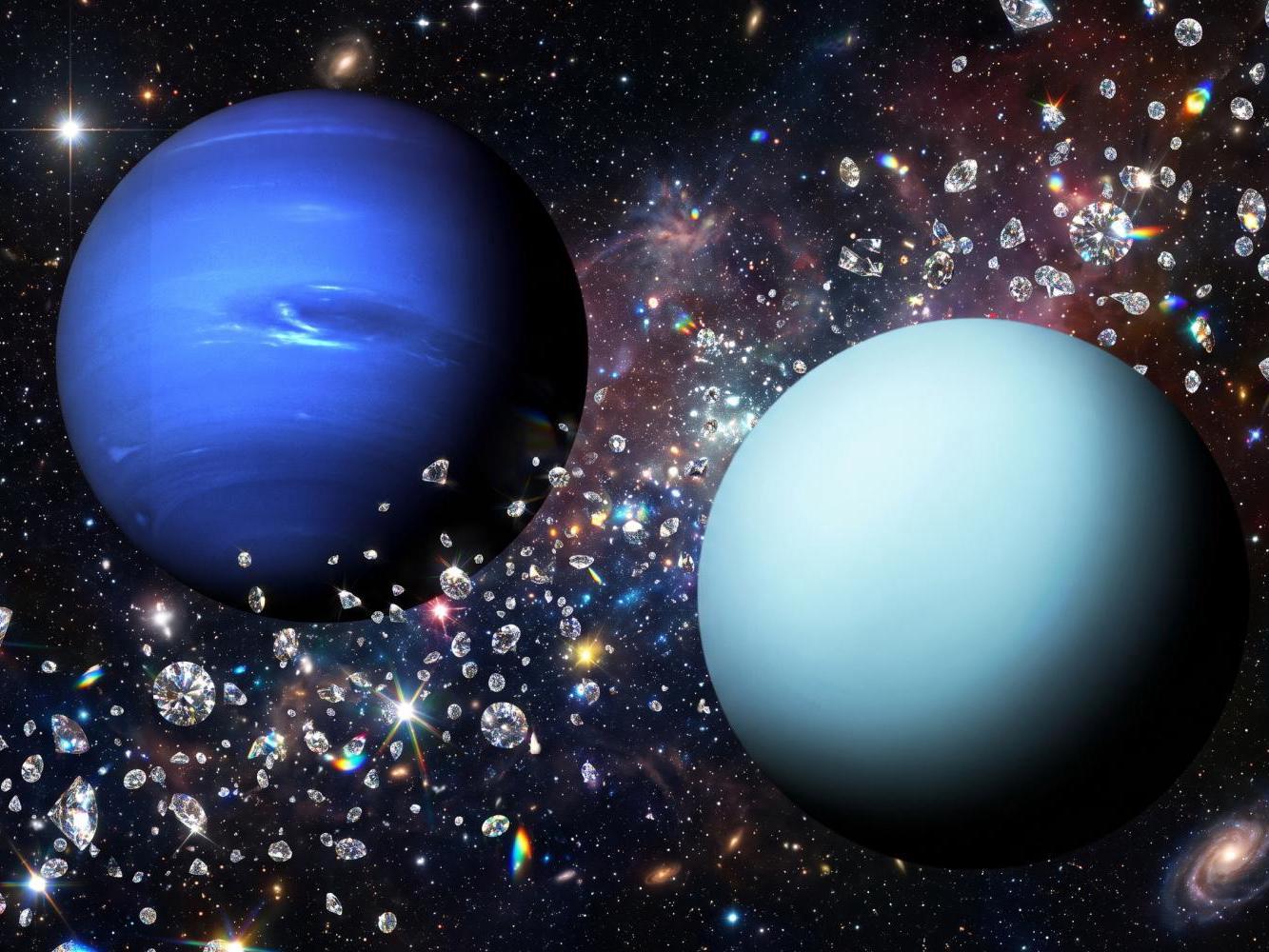
“Diamond rain” falls on Uranus and Neptune
Uranus and Neptune have no soil
Born Under Pressure
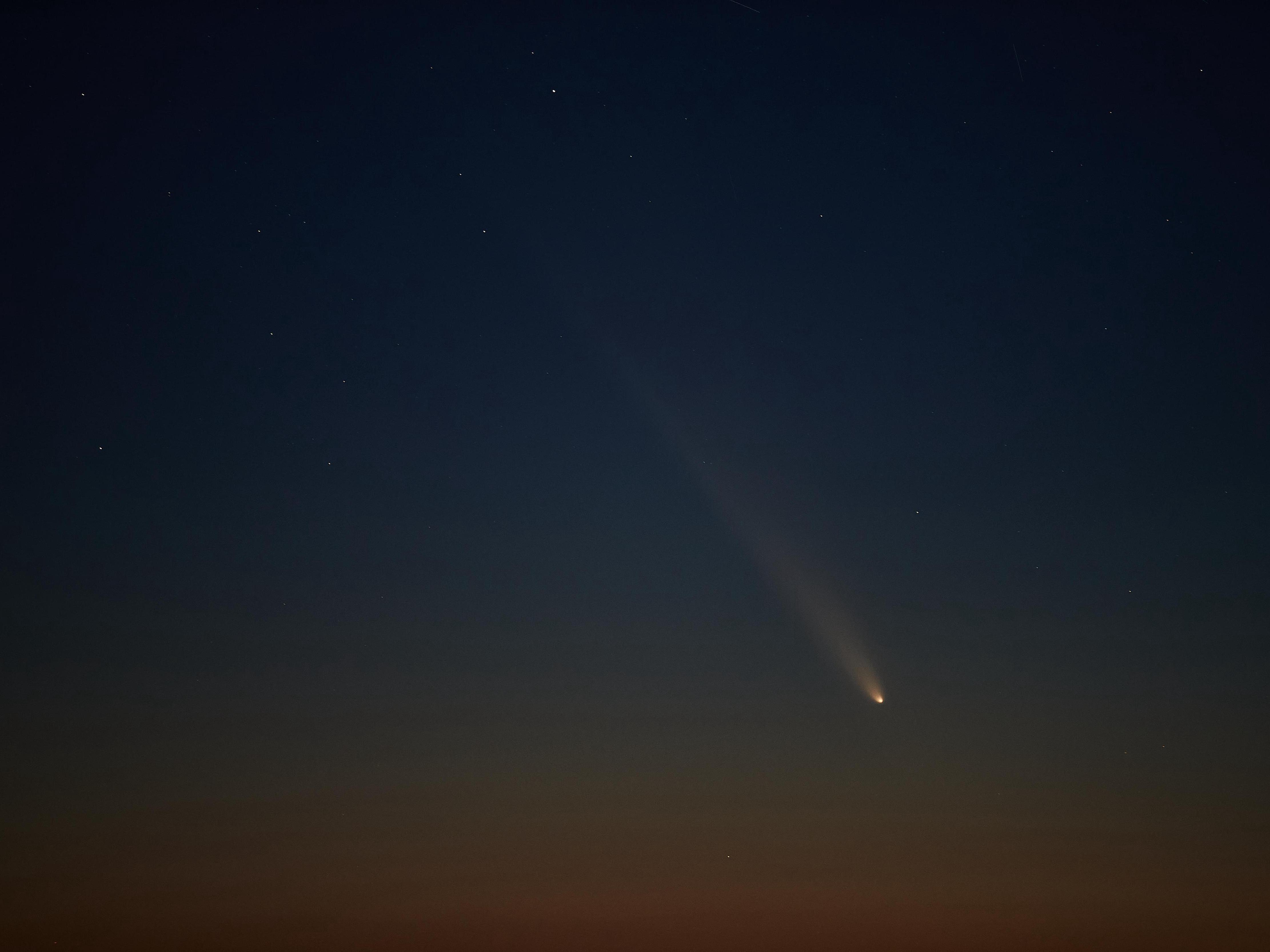
Such rain falls in the planets’ interiors
The theory of “diamond rain” arose from the study of the ice giants Uranus and Neptune. These planets have no solid surface like Earth. There is no soil, no rocks, no familiar emptiness. Instead, there is superionic water (simultaneously a crystal and a liquid that conducts electricity), dense mixtures of “ices” (water, ammonia, methane), and compressed gases under colossal pressure.
Their atmospheres contain a great deal of methane, and therefore carbon — the very element of which diamonds are made. Back in the late 20th century, physicists and planetary scientists suggested that if carbon found itself under the right conditions, it could crystallize into diamond.
The logic was then simple: diamond is heavier than its surroundings, so it would “settle” — like raindrops. That is how the figurative expression “diamond rain” was born.
How Diamonds Form
The whole process can be described as a chain of transformations: in the depths of the atmospheres of Uranus and Neptune, under pressure and temperature, methane molecules break apart, releasing carbon. It then gathers into microparticles of soot.
As carbon sinks into deeper layers, pressure and temperature turn it into diamonds. These in turn “fall” deeper into the planet.
A similar process also occurs on Jupiter and Saturn. Only there, lightning splits methane, creating soot. It, too, descends and crystallizes into diamonds.
Long Unproven
The theory was proven in 2017. Scientists from the SLAC National Accelerator Laboratory in the United States managed to recreate the crystallization process.
The experiment used powerful laser pulses. They were fired at plastic containing carbon and hydrogen. The lasers created shock waves similar to those found in the interiors of ice giants with high pressure and temperature. Under these conditions, tiny diamonds — nanodiamonds — indeed began to form.
In addition, the mixture contained oxygen, which eases and accelerates diamond formation. This discovery made the theory even more convincing: after all, oxygen is also present in the composition of Uranus and Neptune.