Hundreds Sort Waste in Central Volgograd Monthly
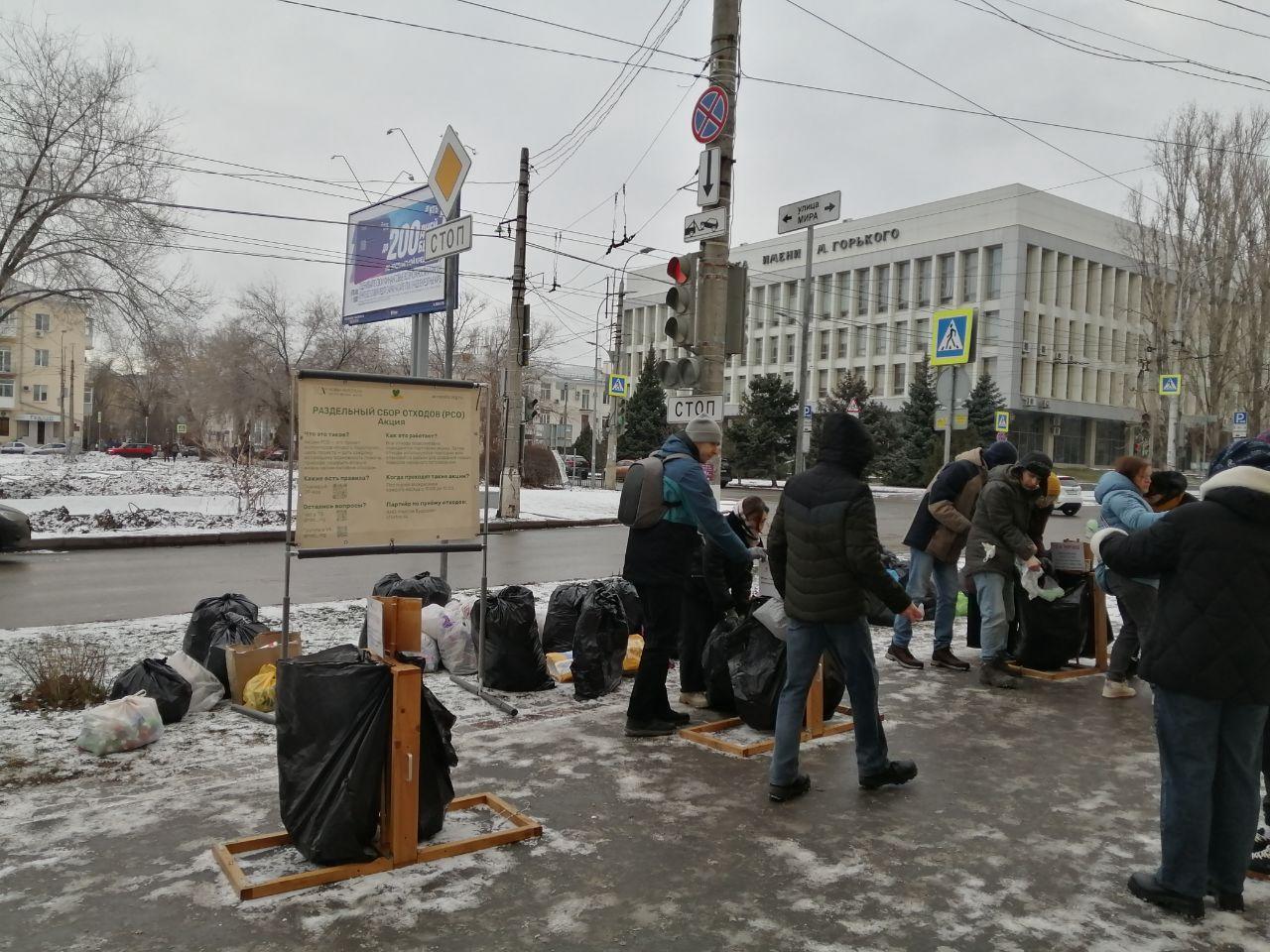

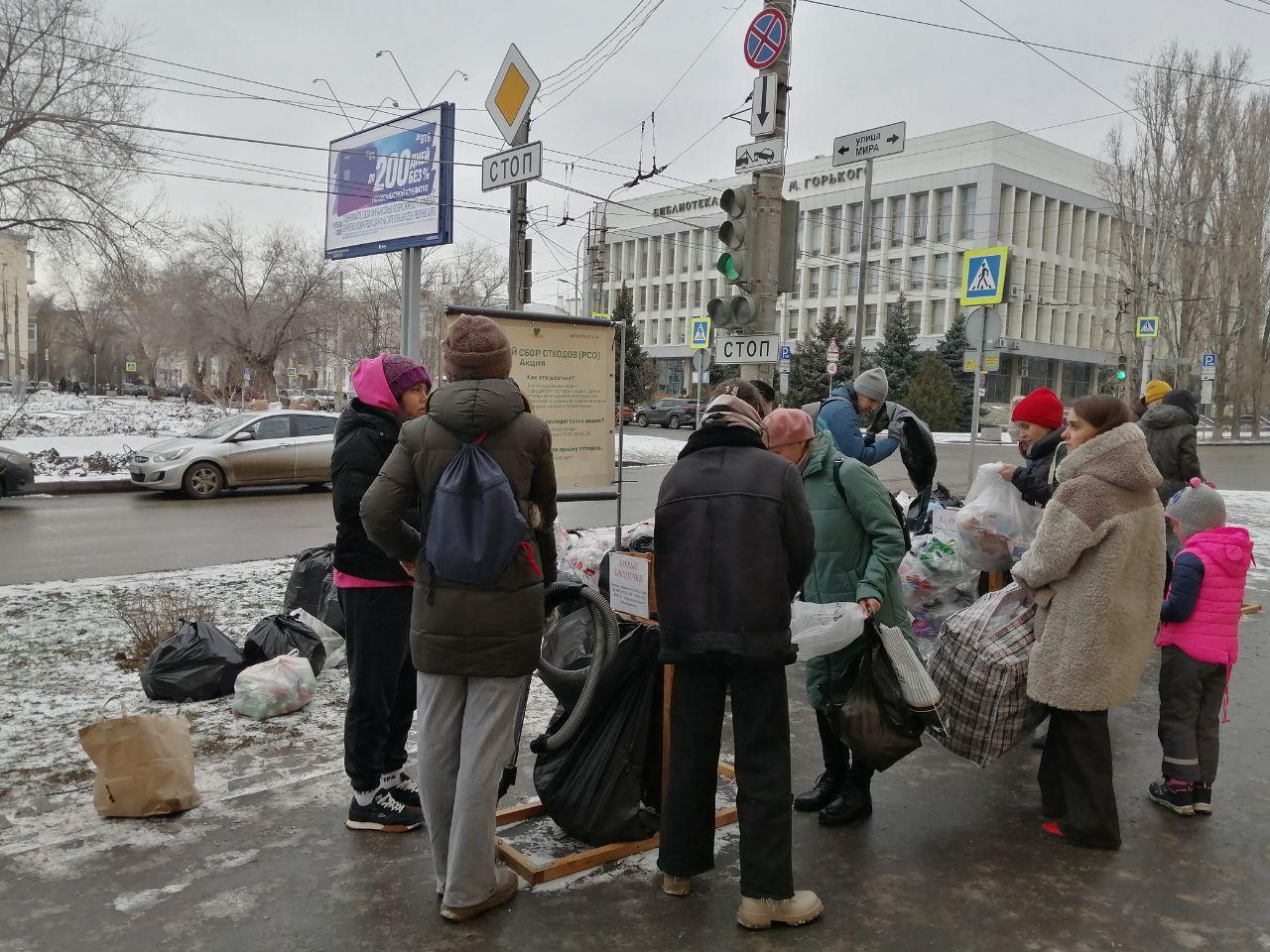
In the city center, mornings often see a team of young volunteers moving old bags and bottles into sacks and boxes. Every last Sunday of the month, volunteers from the New Acropolis philosophical school hold a free community event open to all Volgograd residents. People can bring inorganic household waste and, with volunteer help, sort it for recycling, reducing environmental waste and giving ordinary trash a second life.
«It»s a Lifestyle«
Before the reconstruction of Simbirtsev Square, volunteers held collections there; now they must find different spots for sorting. Prior to events, they announce locations and times on social media. Rules are simple: bring clean inorganic waste, bottles, bags, plastic and cardboard boxes, and packaging. Items should be washed to remove residues like food or cosmetics before sorting.
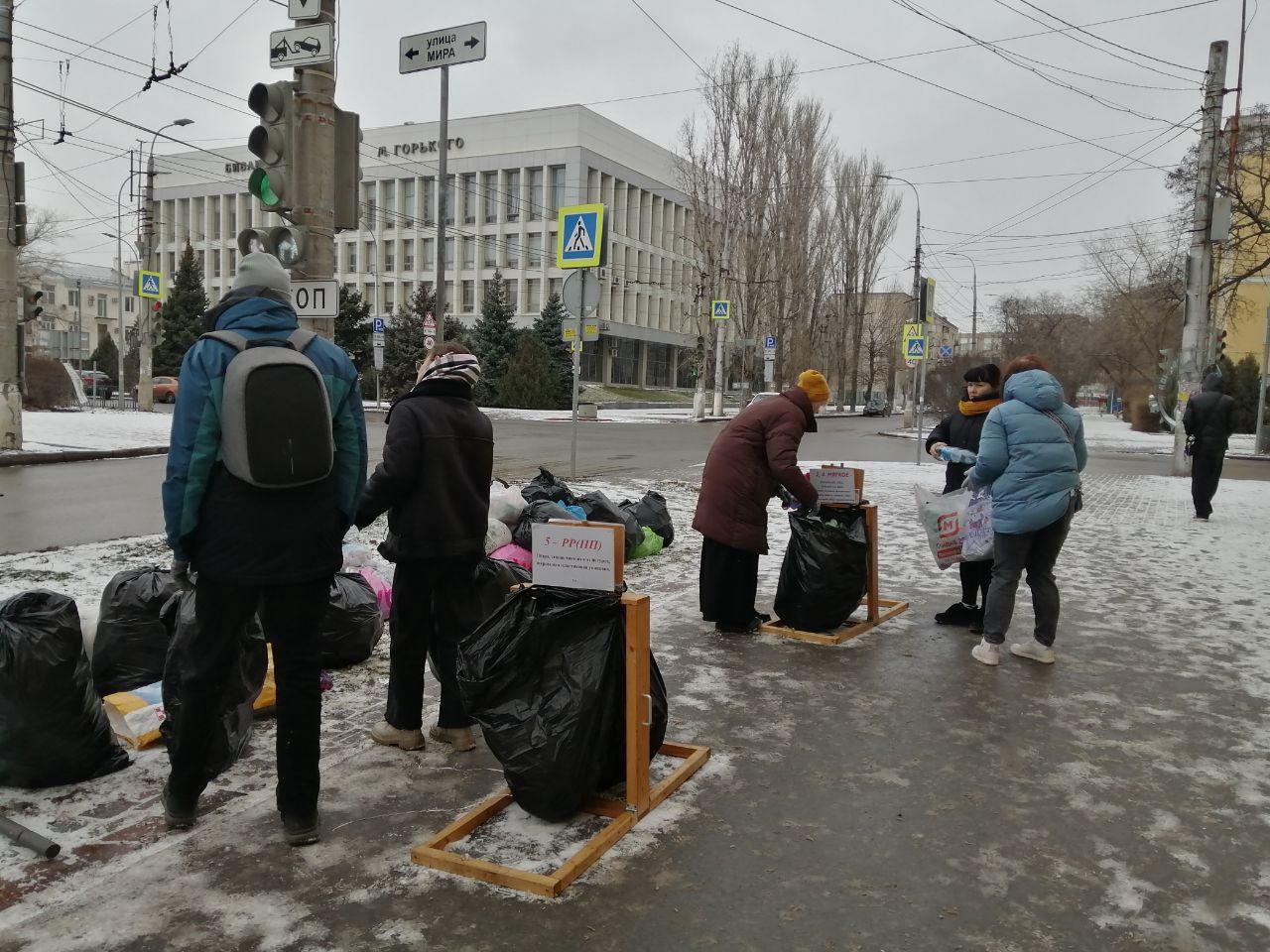
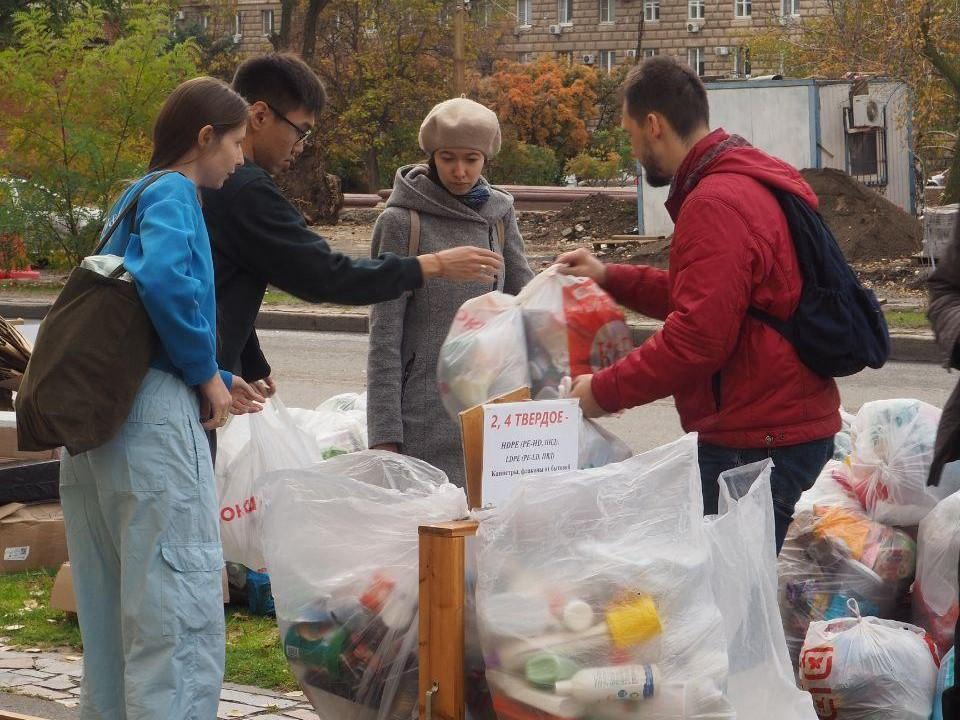
At the event, waste is sorted by fractions—for convenience, volunteers display signs listing material types and packaging. For example, «2, 4 soft» refers to HDPE and LDPE plastics like film, bubble wrap, and bags; «5 – PP» includes buckets, yogurt cups, and crinkly packaging.
Volunteers help residents sort waste correctly, explain material differences, and discuss why recycling matters.
«When you engage in sorting, you start to take more responsibility for the world. Shopping, you check what goods and packaging are made of, understanding if they can be recycled or will pollute for centuries. You learn about conscious consumption and environmental duty. It becomes a lifestyle,» says volunteer Yulia.
Over recent years, many Volgograd residents have joined the volunteers to clean their city. The event draws youth, the elderly, and parents with children, teaching the next generation to care for the environment.
«We and the children learn to sort garbage so they know from childhood how to handle waste,» says Elena. «We collect bottles, films, tubes monthly, then bring them by car for recycling. The children enjoy it; they»d never litter a candy wrapper or soda bottle, knowing such things can make new items like bottles or toys.«
«Plastic Can Have a Second Life»
The event began over eight years ago when eco-conscious locals attended Moscow«s »Sobirator« project on waste sorting. Inspired, they launched a similar initiative in Volgograd.
«We started holding first events and got a response. People came, handed over waste, seeing it as good for ecology,» says curator Vadim Pryamukhin. «The first hurdle was finding a recycler; we found entrepreneur Roman Semikin, who collected various plastics to make tiles.»
Now volunteers collect paper, glass, metals, used appliances, and plastics. Materials go to the autonomous non-profit organization «Clean Future» for recycling.
«Our task is to instill a waste-handling culture and social responsibility,» says «Clean Future» director Vladimir Sadovnikov. «Sorting is caring for the environment and future, which many unfortunately don»t understand.«
Recyclables are sent to local plants, with Volgograd region enterprises producing new products from them for years to come.
«Non-liquid plastic like bags and cups goes to Ecocover for paving tiles. PET is processed in Volgograd»s Kirovsky district and Volzhsky. Most plastics are recyclable except some composites used in packaging,« says Sadovnikov.
He admits recycling isn«t profitable, so few companies invest in secondary raw material production.
«We focus on companies» environmental and social responsibility. They cut emissions but earn no money, so few do it. For makers, packaging is a product; for users, it«s trash polluting landfills. Entrepreneurs must understand this,» he says.
Do Good — Give Without Regret
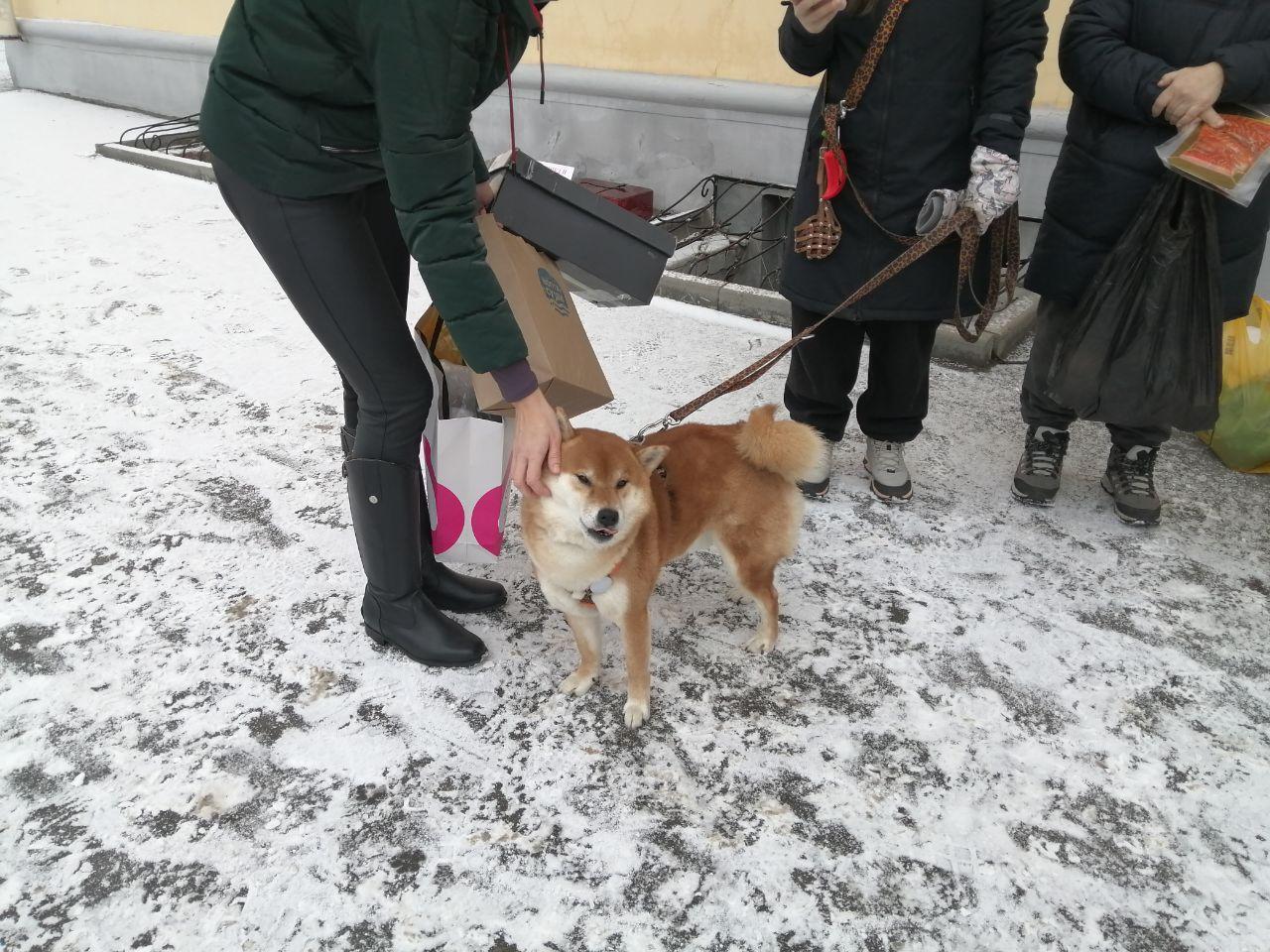
Volunteers also collect items for those in need: books, clothes, and pet supplies if clean and in good condition. These go to charities, some to the special military operation zone, orphanages, vulnerable people, or swap meets.
Recently, activists found a way to reuse books for good deeds.
«We collect books for second-hand shops, with sales funding charity. In December, we bought gifts for a nursing home. Unsold books go to libraries,» says volunteer Inessa.
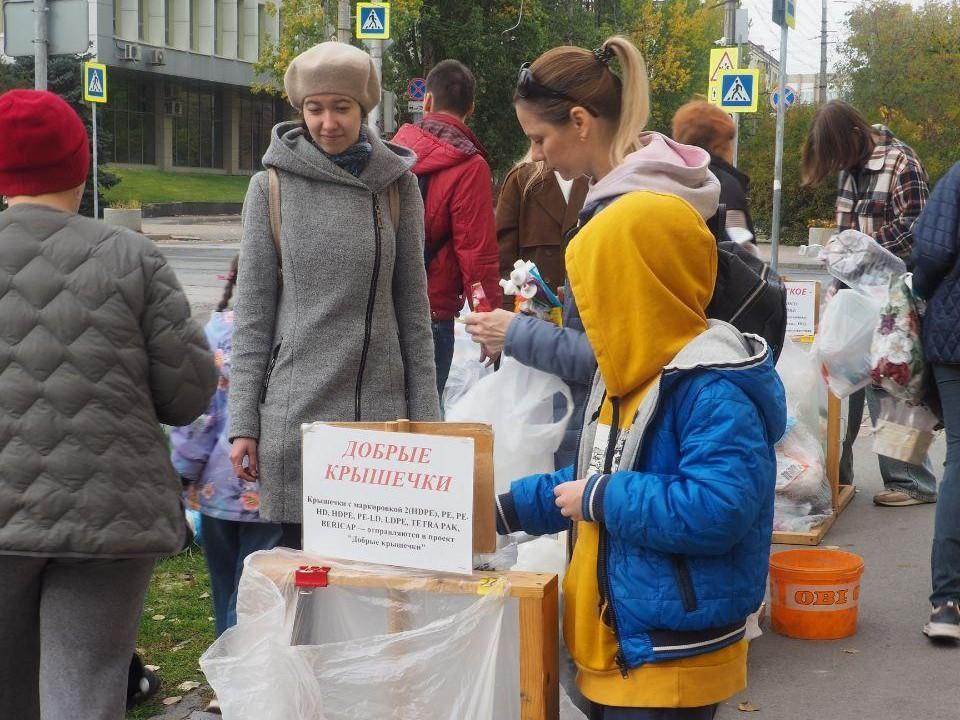
Volunteers join a project to boost fish populations via plastic collection.
«It»s a Saratov project; we exchange plastic caps for fish fry—100 caps for one fry. Next spring, we«ll release them into rivers and lakes. It»s a first for Volgograd,« says Pryamukhin. »We hope to preserve nature together.«