How a Tyumen Craftsman Turns Tree Slabs into Stylish Tables
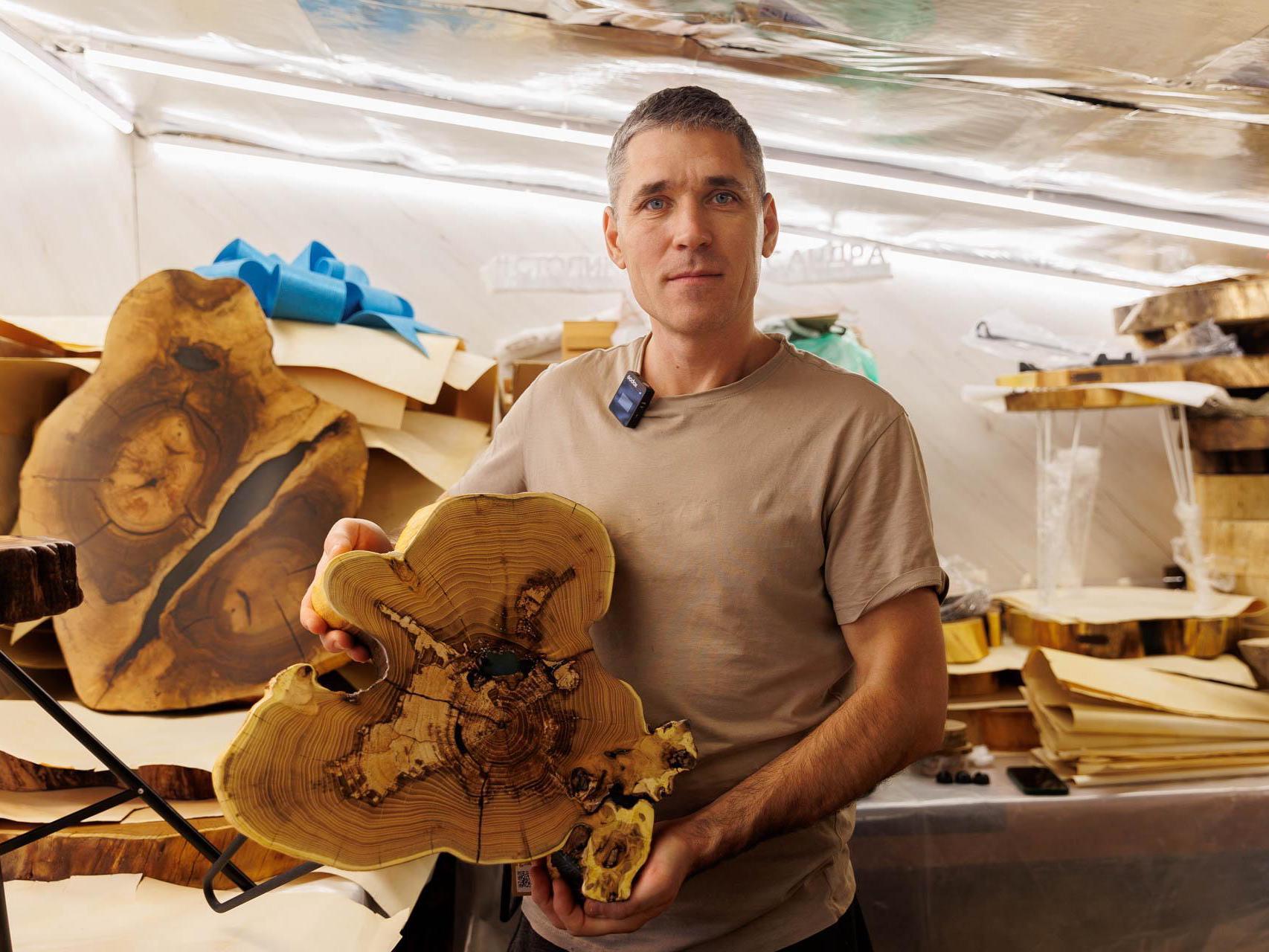

What if you tried doing something you really want to do? Tyumen resident Alexander Trukhmaev had long dreamed of making something with his hands, both when he opened a fashion boutique in the city center in the 2010s and later, after becoming an employee. When he made his first bedside tables and later solid wood tables a few years ago, he never imagined that by 2025 he would be shipping his original creations all across Russia. This is the story of his brand of author«s tables and consoles, Stoliki 72.
A Light Start
He made the very first bedside table for his home, followed by a few custom pieces. But he soon grew bored of it, as it became tiresome due to its repetitive nature: the same shape, only different shades. He wanted every piece of furniture he created to be unique, one-of-a-kind. And that«s exactly how it is with the tables.
«Even if I remove just one centimeter from the tabletop blank, the wood grain pattern is already different. And that draws me in, I like this uncertainty. You know, I compare wood to a girl: you never know what her mood will be in five minutes. That«s appealing,» says Alexander.
And he admits honestly: at the start, he absolutely did not plan or expect that this woodworking venture would generate income. Even now, it«s still a hobby that he managed to monetize by chance.
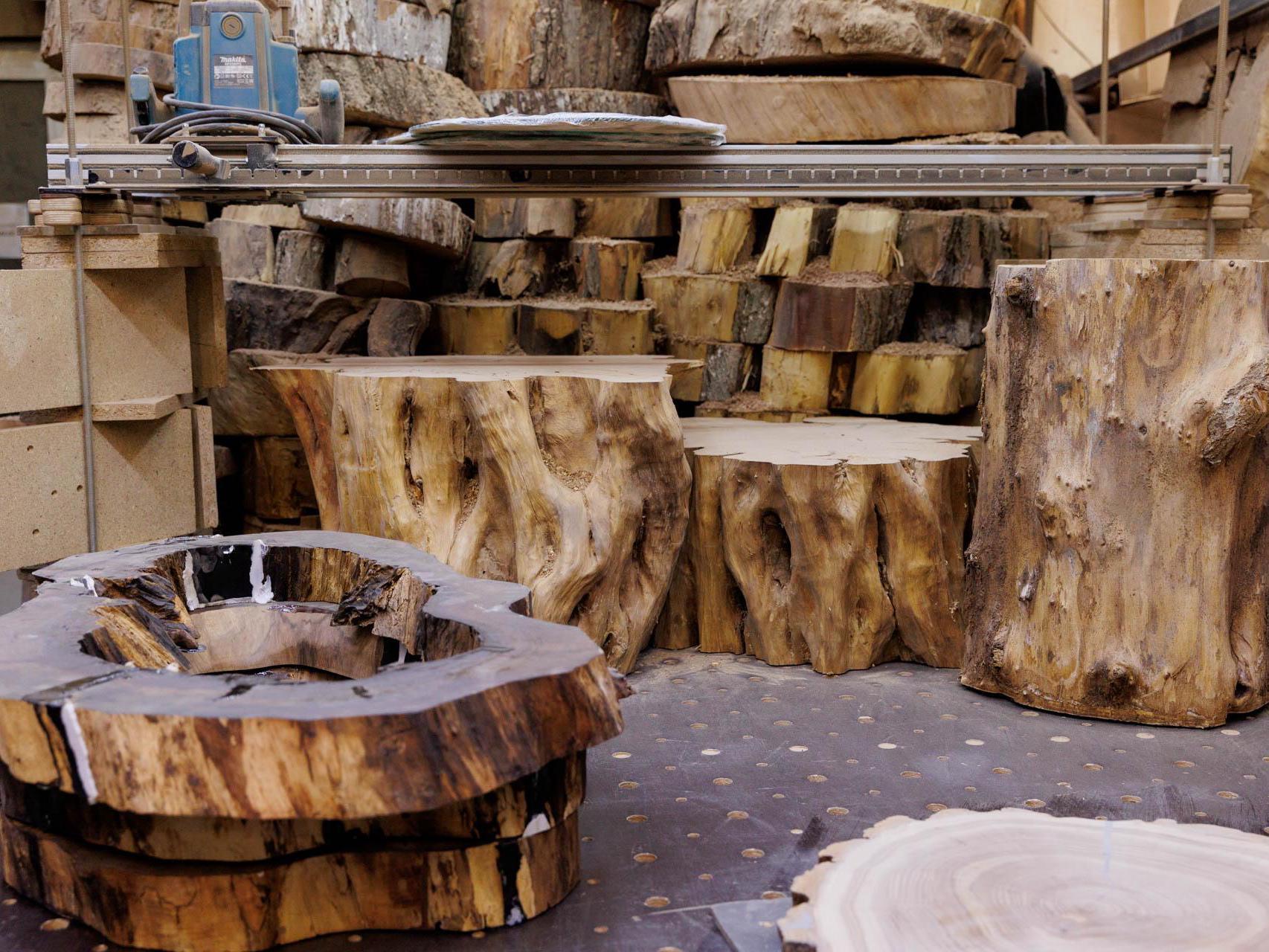
«I made tables for myself, for friends, and somehow got so carried away that it was impossible to stop. I started focusing on end-grain cross-sections — that«s when the tree is cut across, into »pancakes,« so to speak. I looked for material (the wood — Ed.) that was already prepared, dried, and calibrated it myself. At first, I used the simplest tools, professional ones came later. I started buying premium oils. Of course, the quality improved because of that,» continued our interviewee.
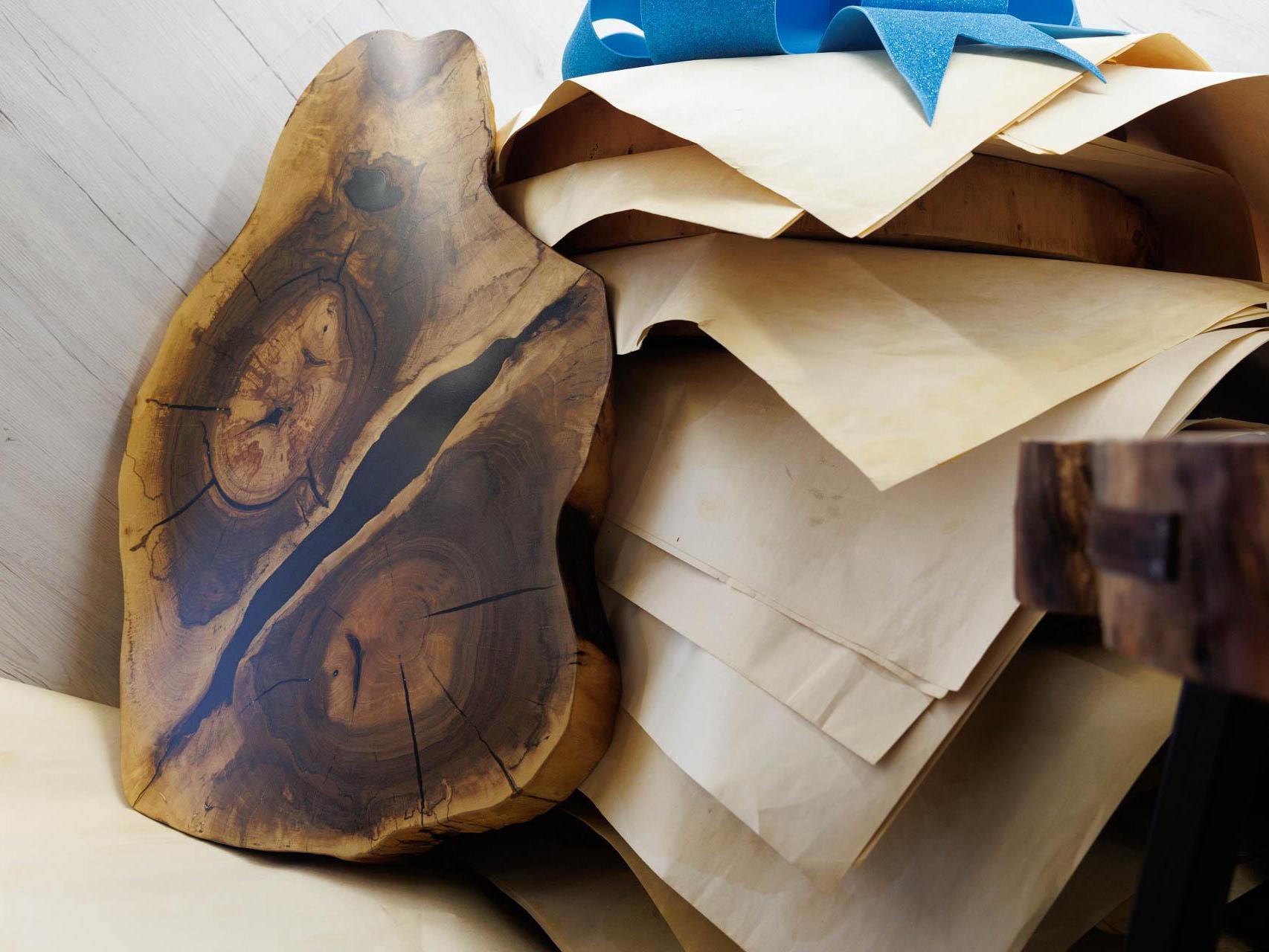
The name for the small but promising brand was thought up quite simply: 72 is a reference to the region (Tyumen Oblast), and stoliki (little tables) are the main type of product Alexander creates. He also makes consoles and shelves. Everything is made only from natural wood, and no other way.
«I call items made from valuable wood species eternal; they can be passed down from generation to generation. And even if scratches appear, they can be easily restored. Remove the top layer, coat it with different oils, and the table will shine with new colors,» says Alexander.
Creating Beauty
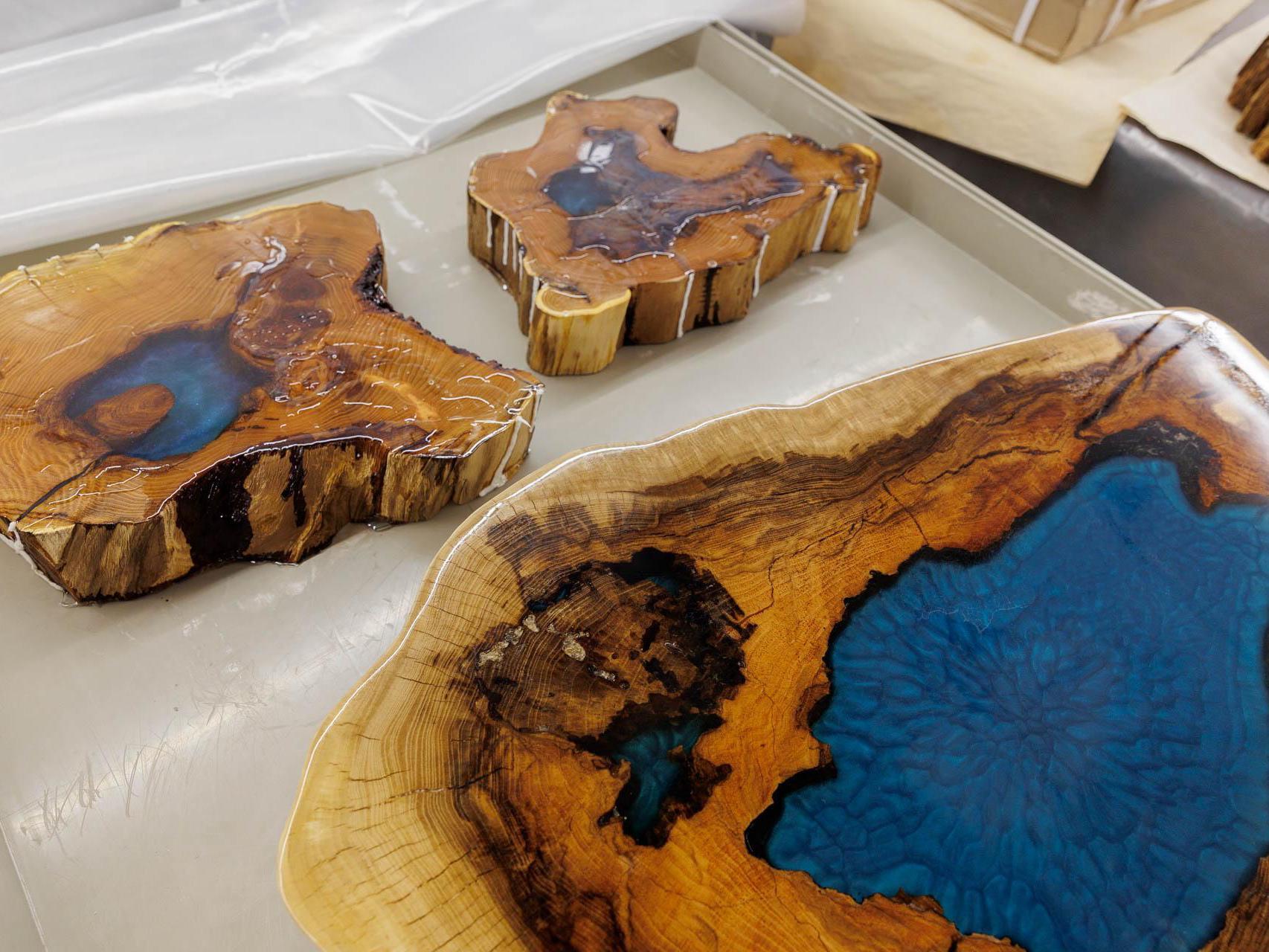
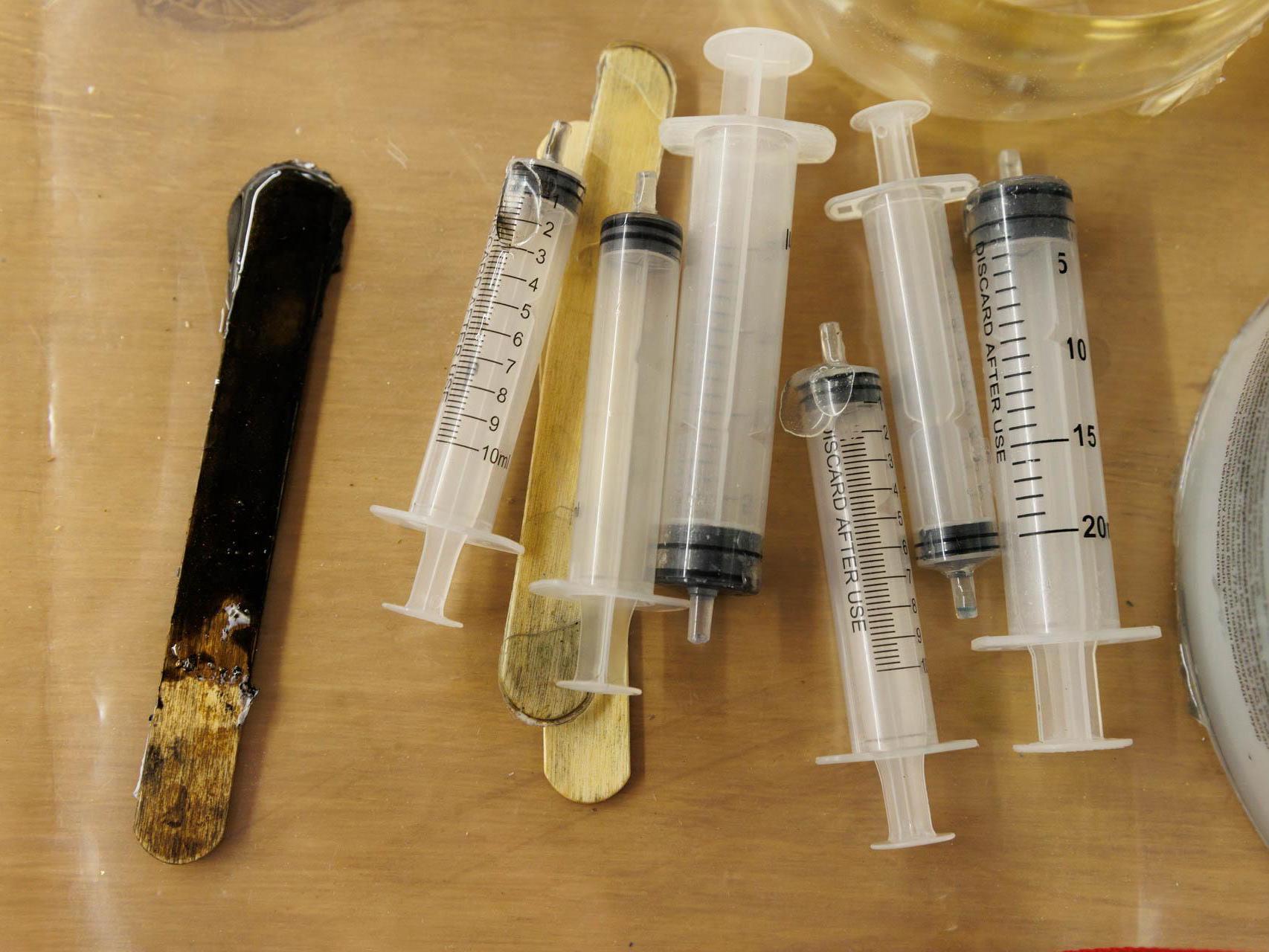
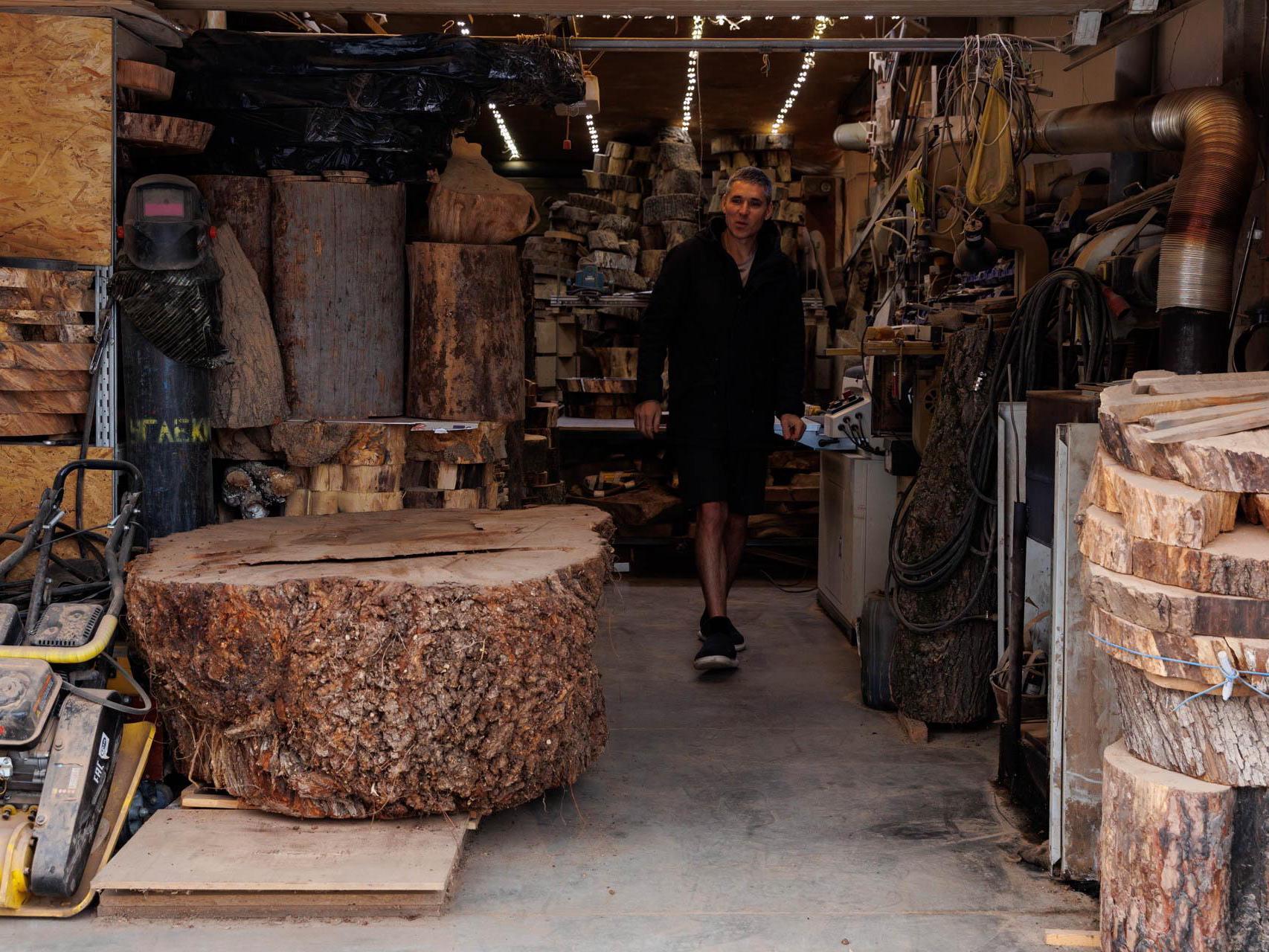
Making one table takes about two to three weeks of meticulous work on average. All types of work are conventionally divided into «clean» and «dirty.» The latter includes, for example, processing the slabs, sanding, and similar tasks, and there is a separate space for this — in the garage. For finishing work — pouring resin, coating with oil — there«s another room, where dust, dirt, and sawdust have no place.
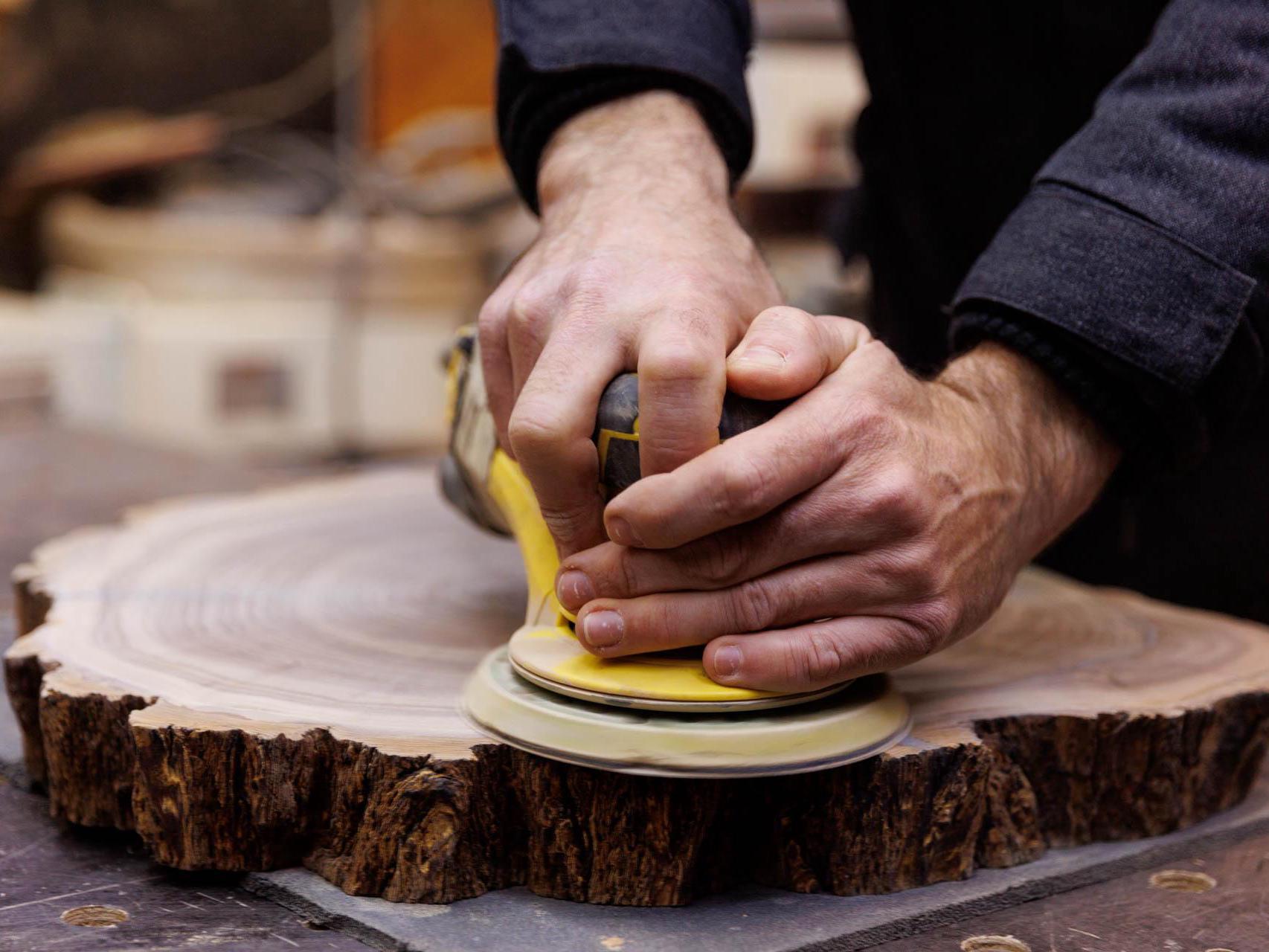
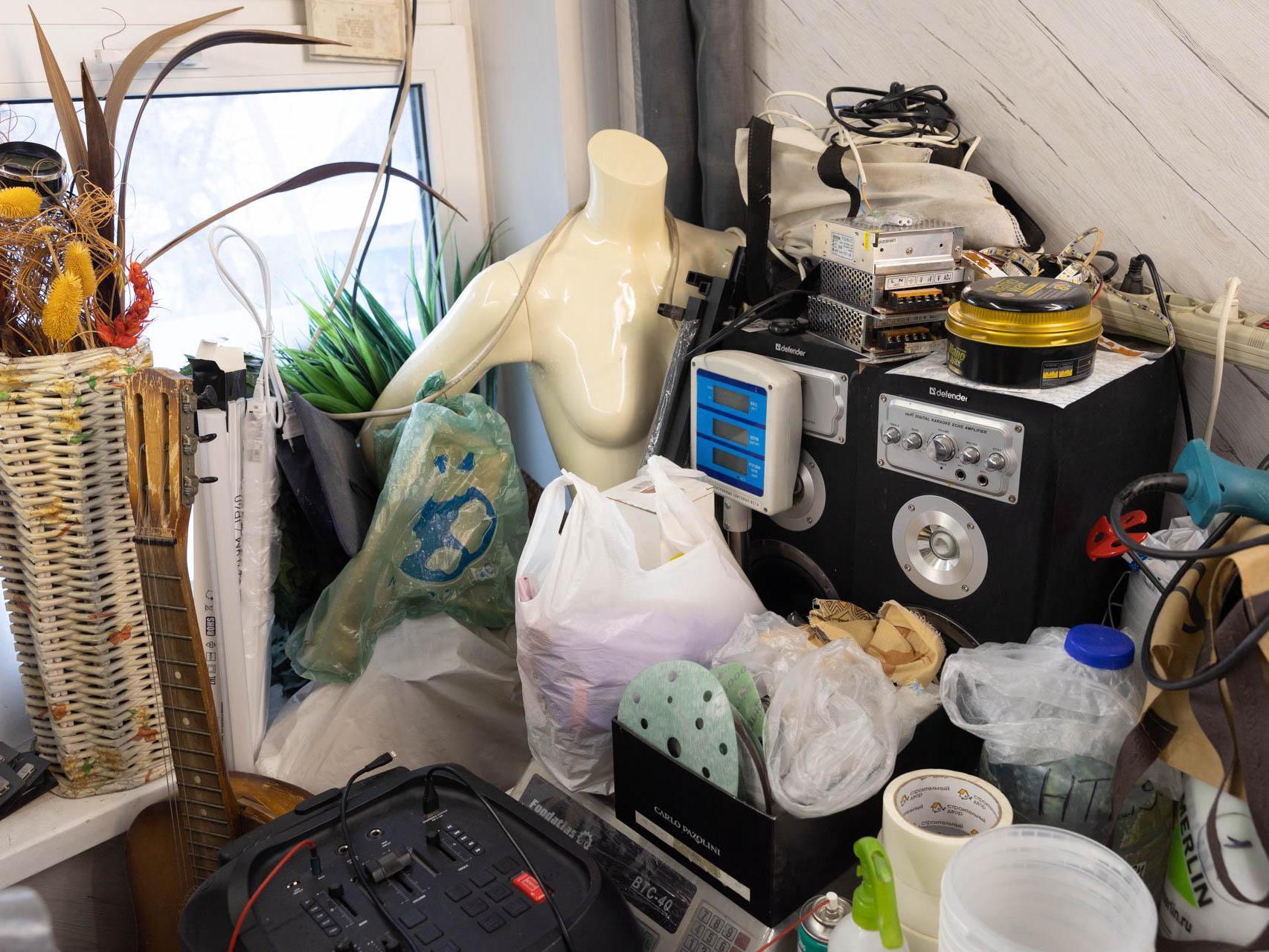
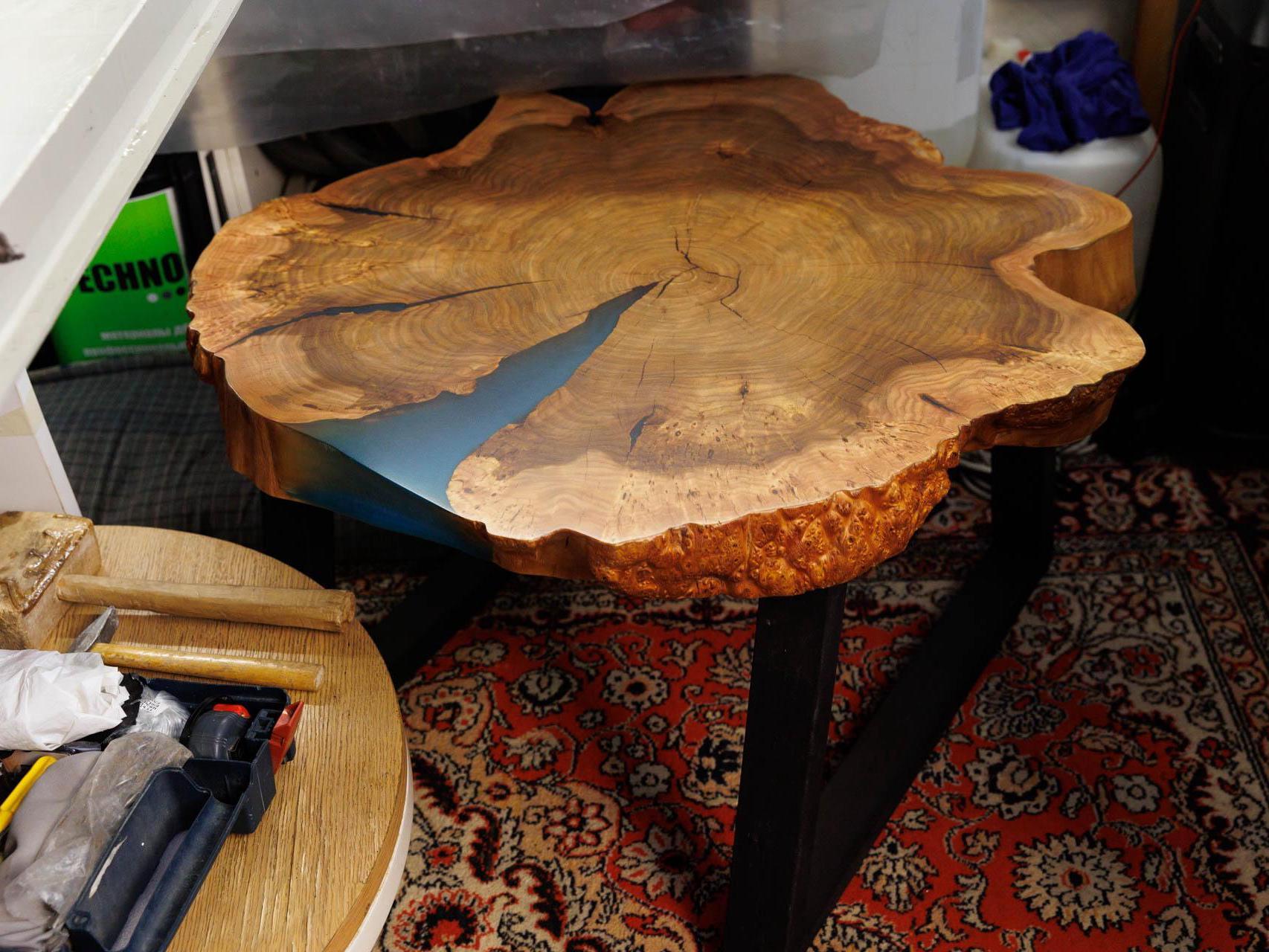
«The slab arrives untreated, all crooked, and the first thing I do is calibrate it. Then I remove the marks from the router by filling them with resin and calibrate it again. At this stage, micro-cracks open up, I fill them with resin, and only after that comes sanding, fine sanding, shaping, final processing, and applying the finish. By pouring layer by layer, I create depth and the desired shade. These subtleties, these touches, affect the final result. Beauty is in the details,» explains the craftsman.
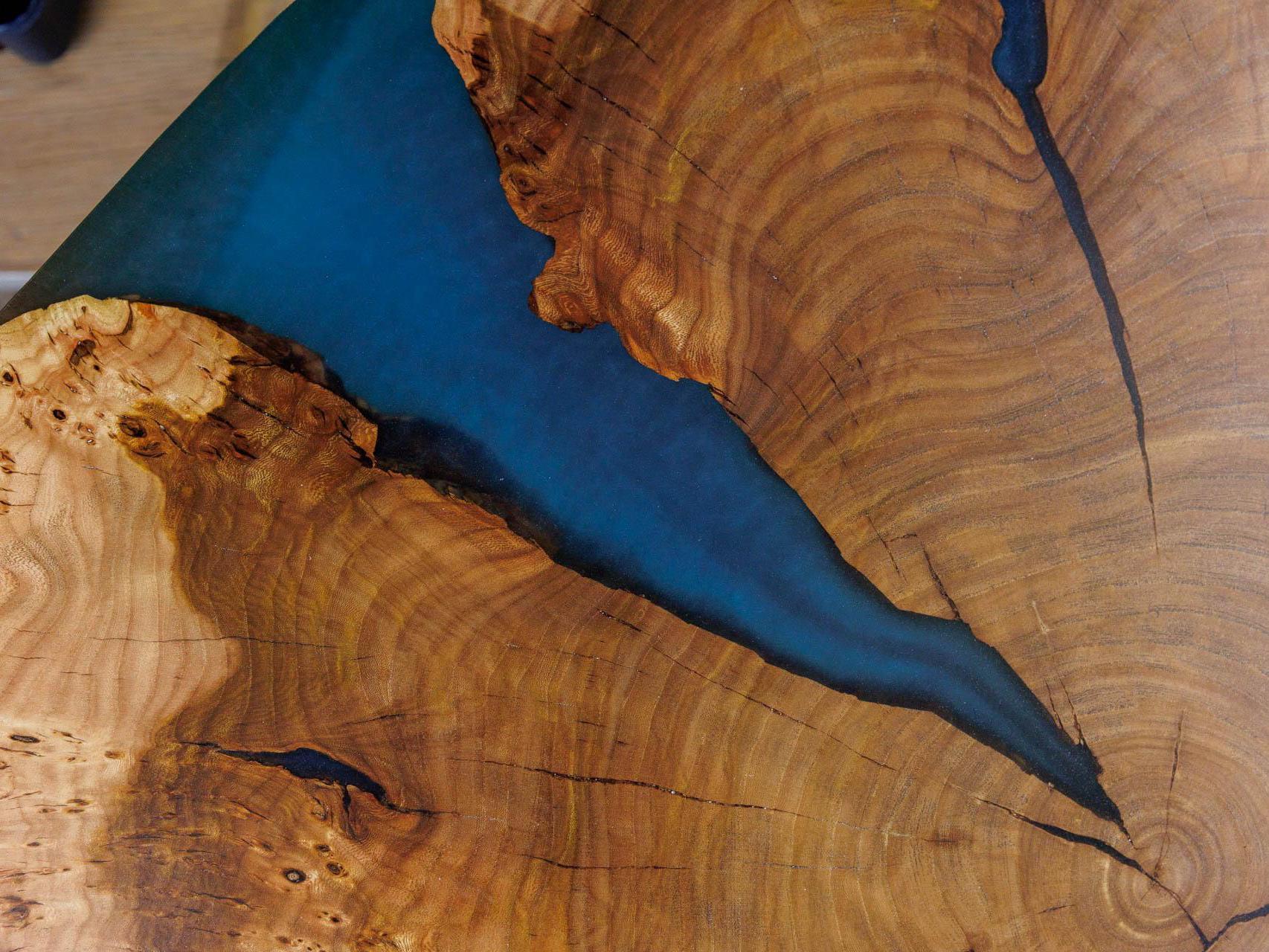
In his work, the master woodworker uses valuable wood species — American walnut, apricot, acacia, and karagach (also known as elm). The material for future tables is brought to Tyumen from Southern Kazakhstan, Dagestan, and Astrakhan. He also needs to regularly replenish supplies of oils and epoxy resin.
«I only buy good, quality consumables. I don«t aim to save on the products; I work more from inspiration. Often we simply don»t notice something interesting under our feet, but you just need to change your route, and there you have it — a different perspective on ordinary things,» continues our hero.
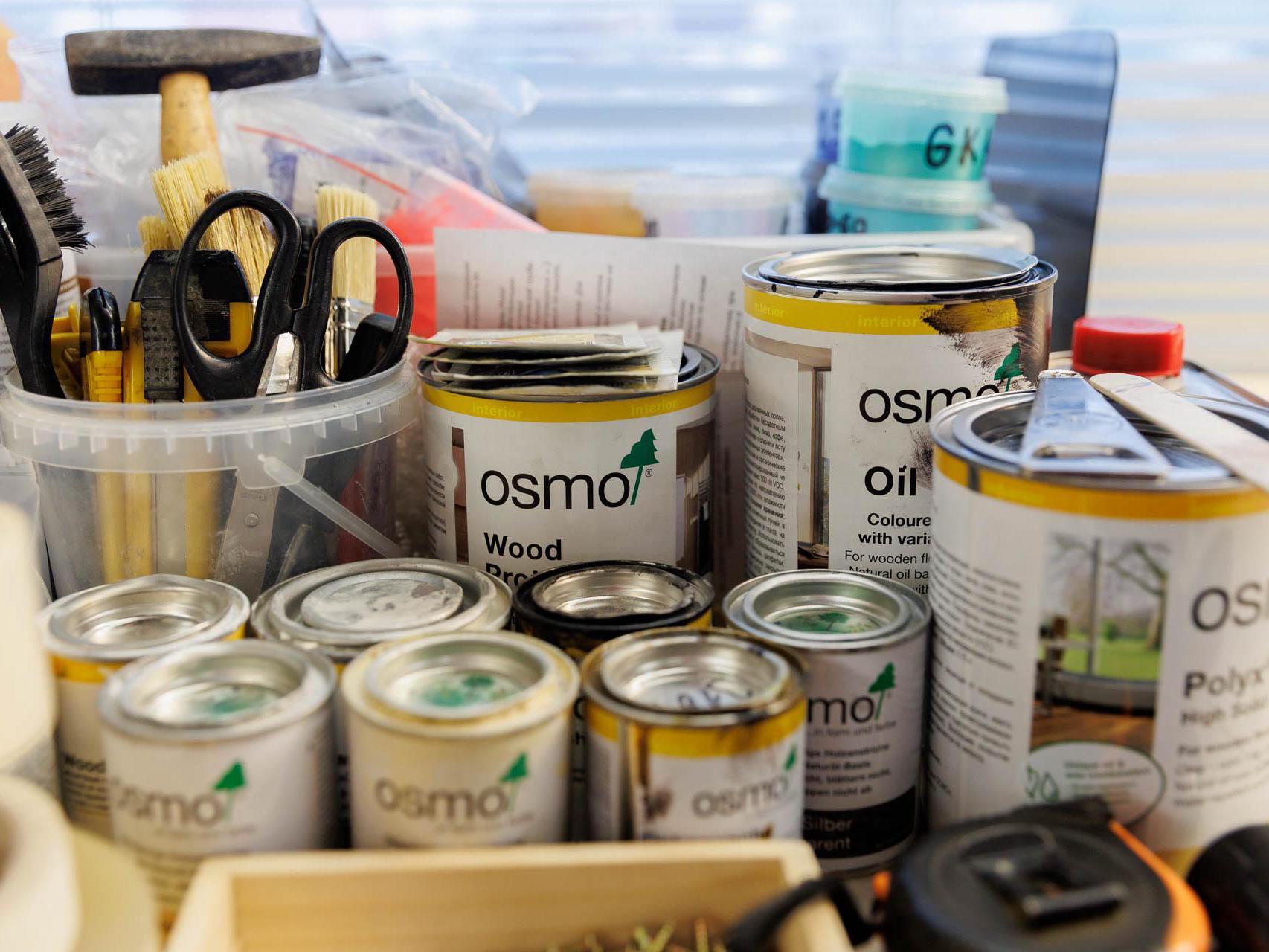
A separate expense category for the master is tools. At first, Alexander used ordinary ones, later switching to professional ones. And, he admits, it«s worth it: it»s easier to work with them, and the result is better.
«Now I have a thicknessing and sanding machine; it cost 300,000 rubles (about $3,300 at current rates). Yes, it«s expensive, and you can manage without it, doing everything by hand, but that would take much longer. I have a router, a calibration table, and otherwise — hand tools. I still do most of the work by hand,» specifies Alexander.
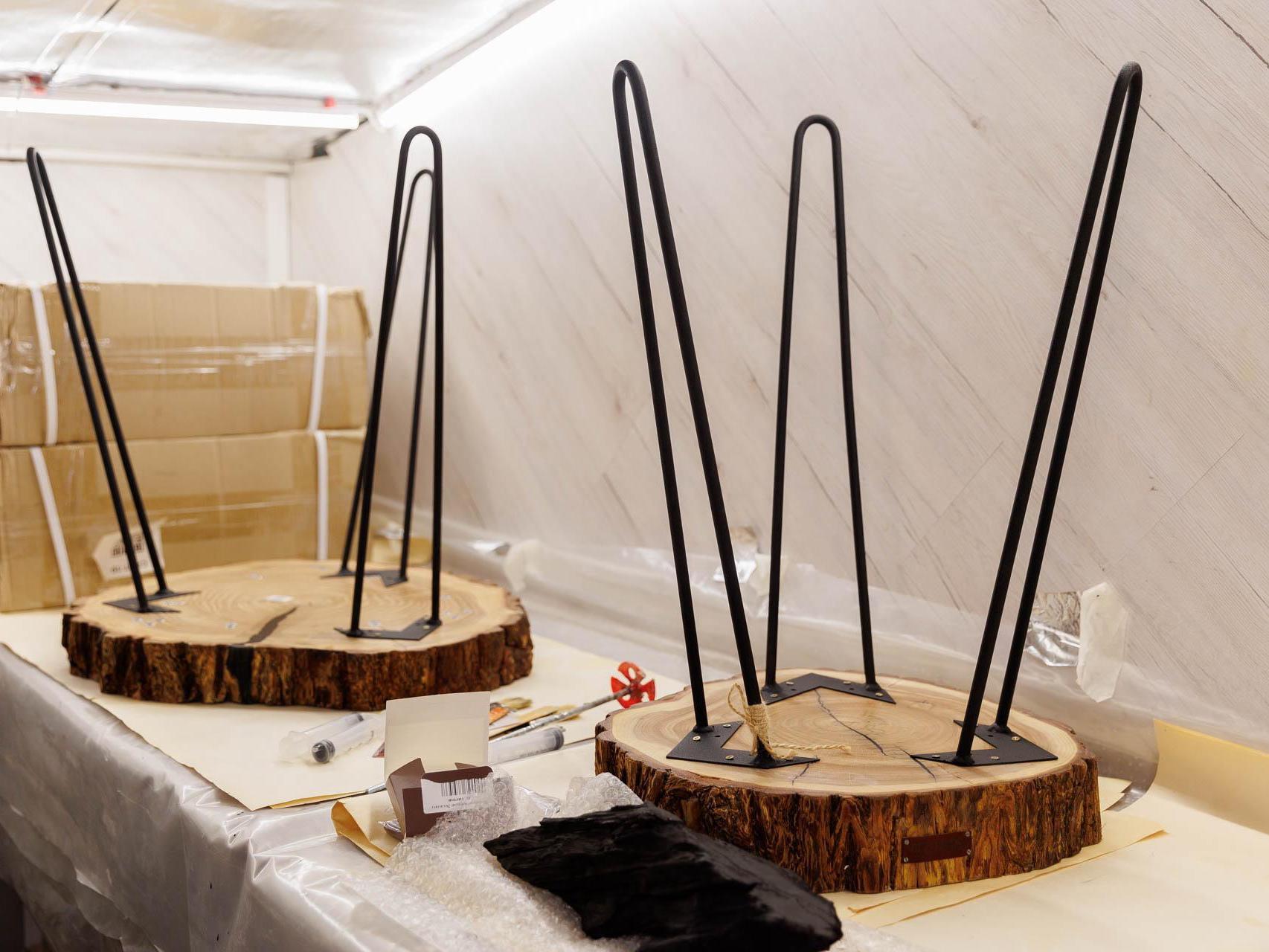
His favorite stage of work is the final oil coating. He uses the same kind as the manufacturers of children«s wooden toys: eco-friendly and safe. With multi-layer oil coating, you need to wait about three days for a perfect result.
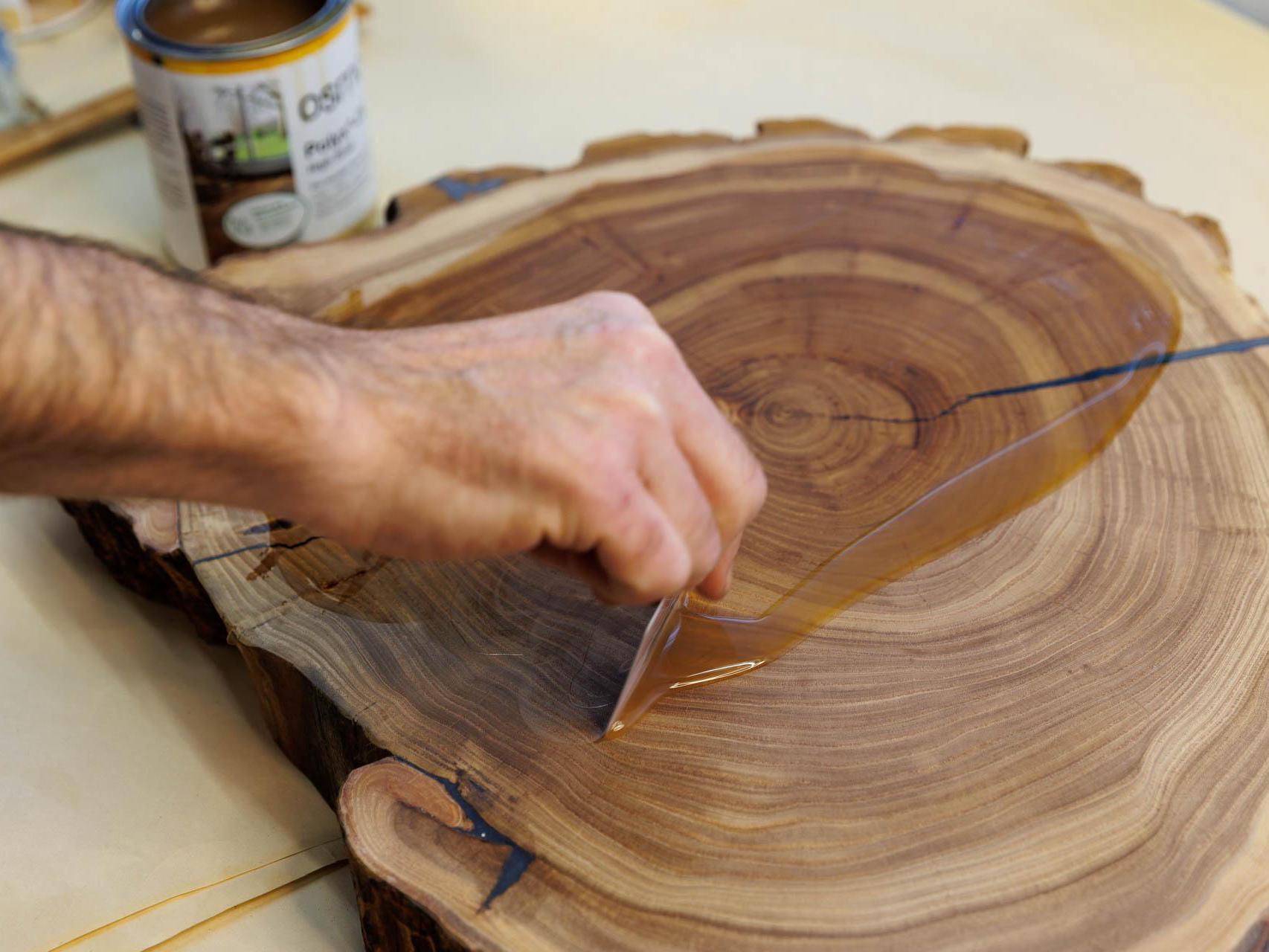
«I like not just coating the wood with oils but «playing» with them. For example, I wanted the pattern of [two similar tables] to be different — I add gold or silver pigments, depending on what shade is needed. A special touch appears, which the eye can«t see, but still something draws you in,» Alexander is convinced.
By the way, he doesn«t fall into the category of the »cobbler without shoes«: he has a table of his own production at home. The master adores it and would never sell it for anything. And the space of his gazebo is adorned with a huge tabletop — a gathering spot on fine, warm days.
First Recognition
Alexander first made a name for himself, or rather for his works, at a craft market, which are now held with enviable regularity. At first, he had doubts, but his friends persistently sent him there. It turned out the doubts were in vain: the unusual furniture caused a sensation, instantly attracting the attention of visitors at the bustling fair. The first tables sold literally at cost. Now — the math is completely different, which is quite logical and right.
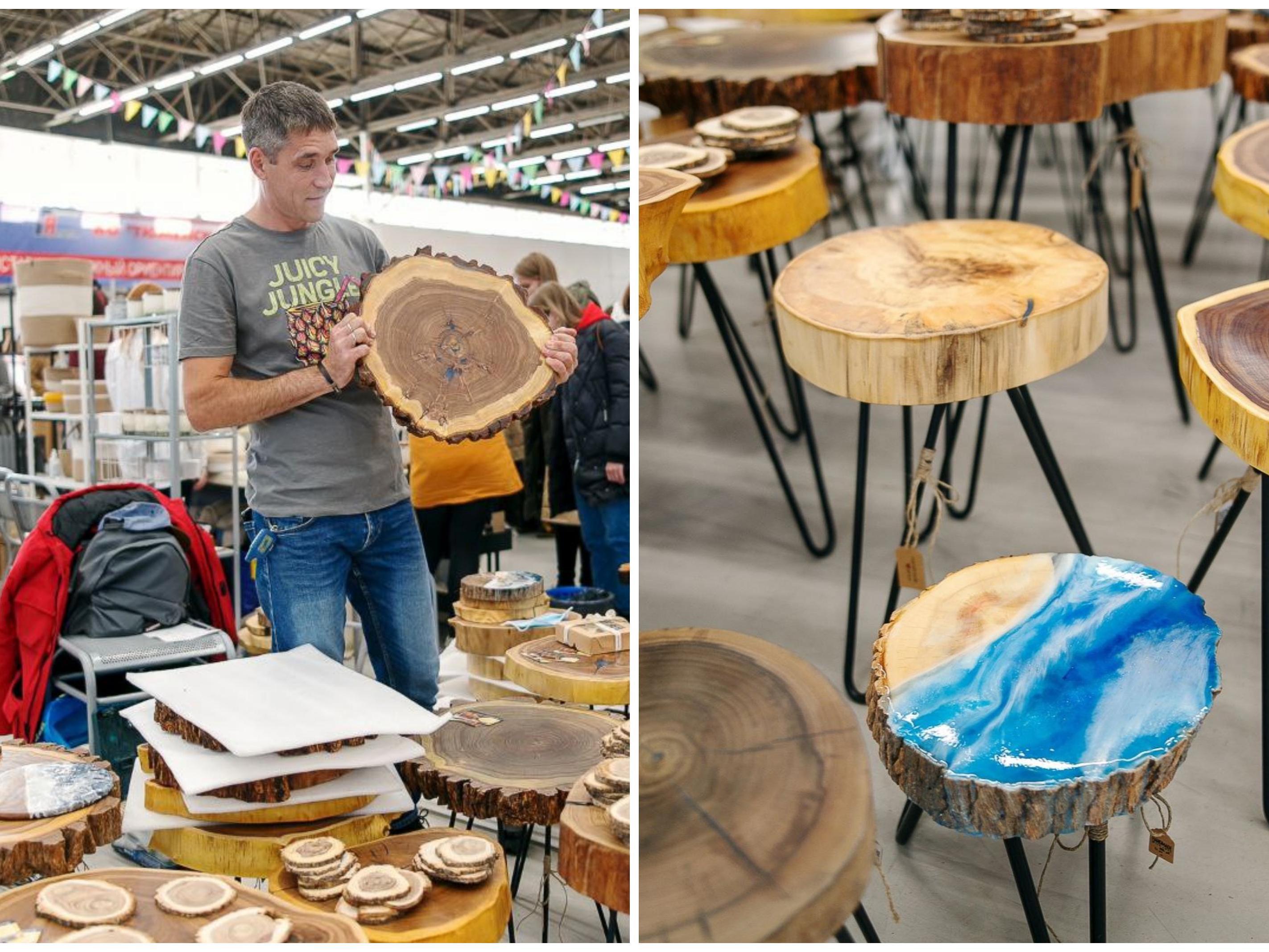
«Now I understand how the price is formed: it«s the cost of materials, labor costs, and associated expenses. It happens that a small table is more expensive than a large one because much more time was spent on it due to, say, very lengthy pouring stages,» explains our interviewee.
A couple of months ago, Alexander started trying to sell his creations on popular online marketplaces, where he encountered a number of difficulties. There«s a special pricing policy there, and if you don»t add a substantial markup, you«ll end up deep in the red. So, it turns out, it»s more profitable to buy at physical markets, even though it seems the opposite.
As for geography, the author«s tables from Tyumen have traveled to Astrakhan, Vladivostok, Novosibirsk, and other cities across our vast country. There are regular customers among the clients, who most often say: »Everything is completely at your discretion, we trust you completely.« The most expensive order was a very unusual tabletop for a showroom: it cost the buyer 200,000 rubles (about $2,200 at current rates).
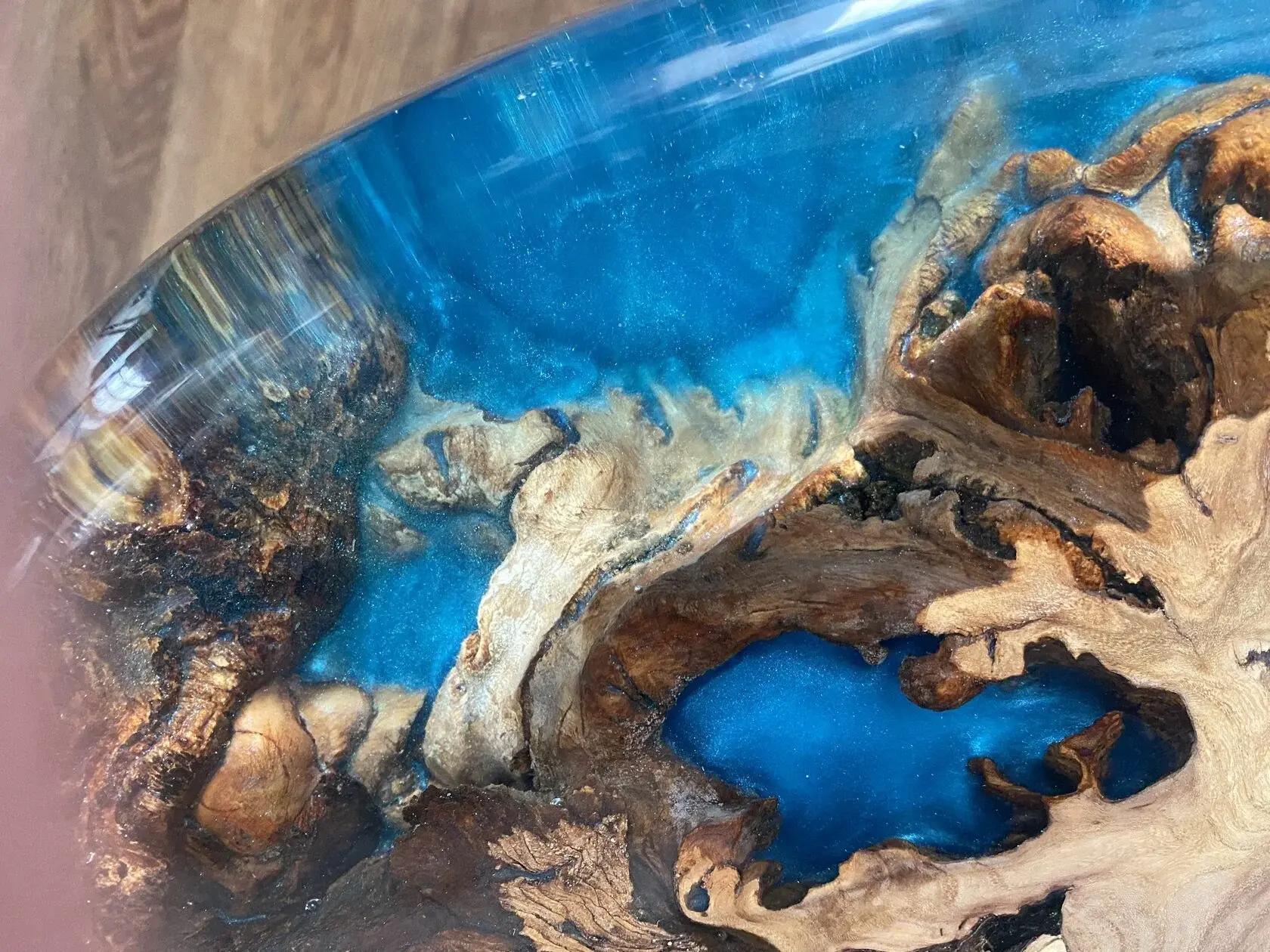
«I painted the Katun River on it. I was thrilled by it, spending day and night working on it: I had to depict the foam, the splashes in detail. By the way, I don«t have an art education; somehow my hands just ask to do something like that. I understood that the main thing is not to be afraid to start. If an idea comes — do it. Make mistakes, correct them, but do it,» Alexander Trukhmaev is convinced.
One Secret and Future Plans
Now Alexander skillfully balances between his main office job, performing the tasks of deputy director for technical matters at one of the companies, and work in his workshop. And he asserts that he manages to combine these quite easily.
«I switch activities and thus rest. I can«t be in the office for a long time; it can give me a headache. I need to constantly be on the move. I finish work at six, and then until nine or ten in the evening I»m in the workshop. Sometimes I leave there at midnight or in the early morning: it all depends on how the inspiration goes,» admits Alexander.
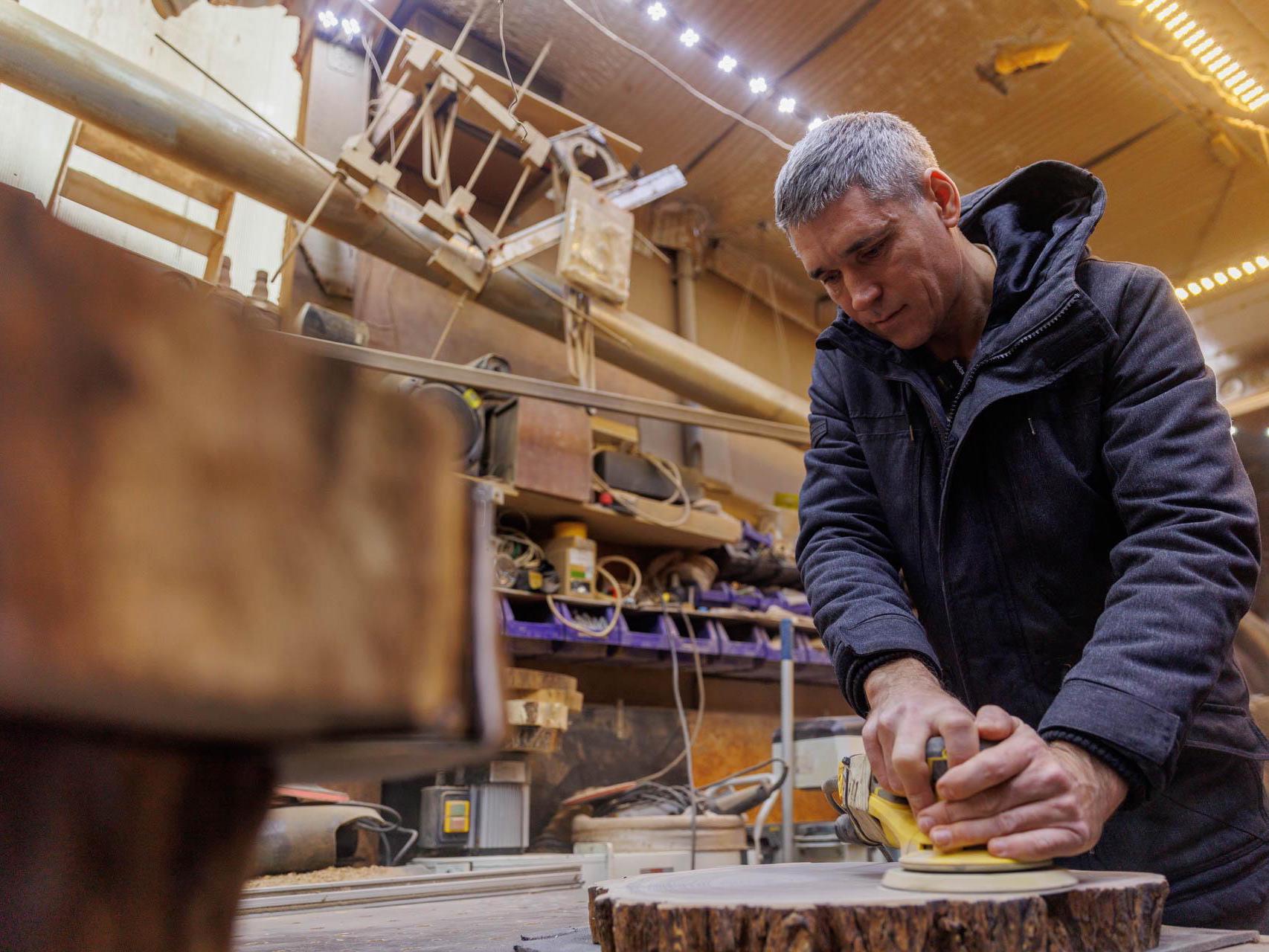
By the way, he didn«t start keeping track of the tables he made right away, but when he began assigning them article numbers. Not counting those gifted to friends and family, the master has already made more than 750 tables.
«I don«t think about scaling up production: there isn»t a person who is as «crazy» as I am: who is as fanatical about such products as I create. With larger volumes, the quality would be different; it suffers on an assembly line. Mine are piece-by-piece, individual works, and I will continue to develop in this direction. Right now, tables are a hobby for me that brings in some income. But I don«t rule out that someday it could become my main job,» reflects Alexander Trukhmaev.
By the way, an interesting fact: only decrepit (hazardous) trees of valuable species are used for the slabs for future tables — no one would allow touching good, viable ones. Often, the core of hazardous trees is partially or completely rotten. Voids can be filled with epoxy resin — you get a table, and if only a fairly thin rim remains — a frame for a mirror. Paradox: the more crooked, imperfect the blank is — the more expensive it is. But that«s a completely different story.
We have also told you about other unusual hobbies of Tyumen residents. For example:
Lyuda the Townswoman and Andryushka the Programmer: How a Family Creates Toys Inspired by Their Favorite District of Tyumen.
Your VAVASHA: How a Tyumen Engineer Left the Factory and Created Her Own Clothing Brand with a Russian Soul.
Not for bad. How Two Lawyer Friends from Tyumen Created Their Own Brand of Candles with Scents of Happiness.