Failed move to Sochi causes woman's nervous breakdown


Residents of Sochi are often accused of being overly snobbish. They just smile when they complain about the lack of normal jobs, healthcare, and infrastructure in the resort city.
— Don«t come to us, — Sochi residents often tell people from other regions.
— This is our country; we live where we want and move where we please, — they reply. Both sides have a point.
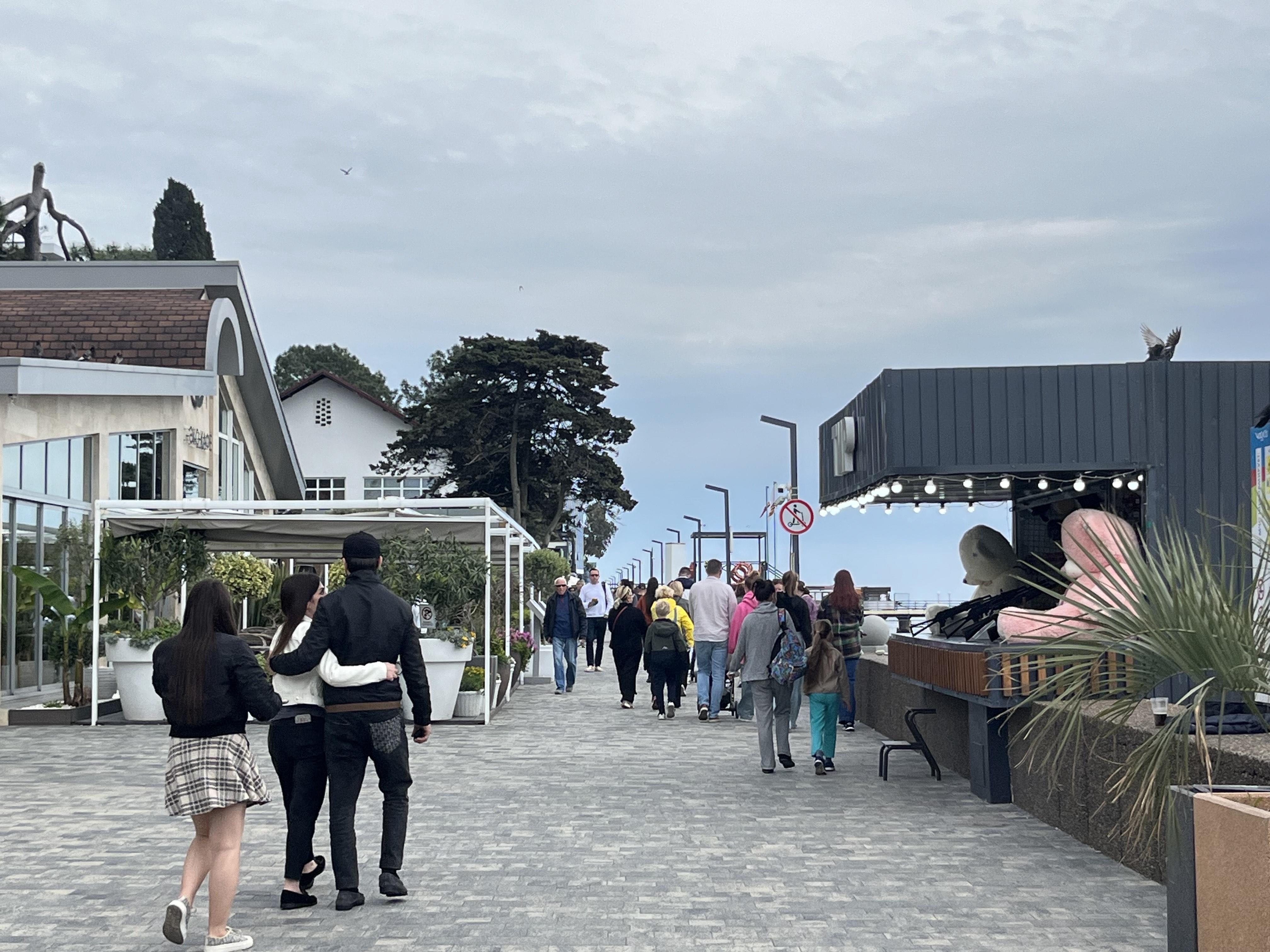
In a resort city by the sea, money is needed to live properly; otherwise, it«s very tough. Yekaterina Belyaeva, a resident of Nizhny Novgorod, experienced this. She always dreamed of leaving her city, moved to St. Petersburg several years ago, but the climate didn»t suit her, and she was constantly ill, so she had to return. But she didn«t abandon her moving dreams. She always wanted to live by the sea. She visited Sochi on holiday and decided it was her city. Yekaterina was supported by two friends—surviving together is easier. Here is her story.
“No One Pays What They Promise”
In her hometown, Yekaterina worked as a barista and was happy with her income. Living with her parents allowed her to save money. However, in Sochi, she found that her savings weren«t enough even initially. They first stayed in hotel rooms, but as summer approached, prices soared, forcing them to move. They barely found a small apartment for 60,000 rubles (approximately $1,000 at current rates)—a staggering amount by Nizhny Novgorod standards—in a residential area far from the sea.
— I changed several coffee shops over the summer. No one pays what they promise. In one place, I worked for a week, then they accused me of a cash shortage, and I just left. Another promised one amount but paid half. It was awful; I had to pay rent every month, even though we split it three ways at first, then two after the third girl left, — Katya recalls. Both her friends made it through the summer in Sochi and returned home, but she wanted to establish herself in the city. She ended up renting alone, with almost all her money going to rent. She tried everything—waitressing in restaurants, admin work in a nightclub, even as a realtor at a major agency. There, they promised her 200,000 rubles a month (approximately $3,300 at current rates). In reality, she spent two months answering phones in the office; everyone else made money except her.
— I had zero experience in real estate, but they assured me it was fine and promised training and bonuses. Instead, they stuck me in the office answering phones—basically, I was a secretary. They had no intention of paying me since everyone works on commission, and I didn«t close any deals. I handed all incoming calls to other agents. When I complained, they gave me 15,000 rubles (approximately $250 at current rates) and showed me the door, — Katya shares.
Throughout her attempt to make it as a Sochi realtor, her parents sent money for rent and living costs. She felt deeply ashamed, especially since she had just turned 28 and felt it was time to be self-sufficient.
— I used to laugh at comments saying Sochi has low salaries and you need money to move there, but it«s true. If you come like I did, you»ll only work hard and suffer. No one in Sochi is waiting for you, and if you«re not willing to work, there»s a queue of other strugglers ready to take your place, — she explains.
She considered going back home, but then she met «the love of her life»—Karen, a macho from Adler. He wore head-to-toe designer clothes, drove a luxury car, spoke sweet nothings, and brought flowers. Yekaterina saw it as her chance to secure a life in Sochi.

“She Flinched at the Knock on the Door”
The romance began idyllically. Karen showered her with expensive gifts. He didn«t own a home, claiming he had bought an apartment in a luxury complex that was perpetually under construction. Their love was so intense they decided to live together in his family»s large house in Adler. He spent money freely, while his mother and sisters looked on disapprovingly. Yekaterina couldn«t stand his relatives, so they rented an apartment, which he paid for initially. Later, she discovered Karen was deeply in debt to banks and individuals, and she ended up supporting the »family.« Her beloved »helped« by getting her a job as a hotel maid.
— I worked 24-hour shifts every other day for 50,000 rubles (approximately $830 at current rates). I was so exhausted I«d collapse at home, and my boyfriend suggested I get a second job to help us scrape by, — Katya says.
Meanwhile, creditors were after Karen, and his bank cards were frozen. To lay low, he lounged on the sofa and went to his family«s to eat, showing little concern for what his exhausted partner would eat after work.
— He kept promising things would improve any day. Strangers came demanding money, and I«d jump at every knock. I believed him—everyone has issues—but then he started demanding money from me and hit me. That»s when I packed up and went back home, — Katya concludes.
Back in Nizhny Novgorod, she spent months recovering from a nervous breakdown. Now living in Moscow, she finds the city much more welcoming than Sochi and full of opportunities. She has a self-sufficient boyfriend, and they«re considering marriage. She works as a barista in a cozy cafe with a good income. If Katya visits Sochi again, it»ll be as a tourist.
Of course, this is just one person«s experience. Many newcomers to Sochi do well and settle long-term. But it»s wise to think carefully before chasing dreams in a seaside paradise and to realistically assess your capabilities.