Do you want them sleeping in your stairwell?
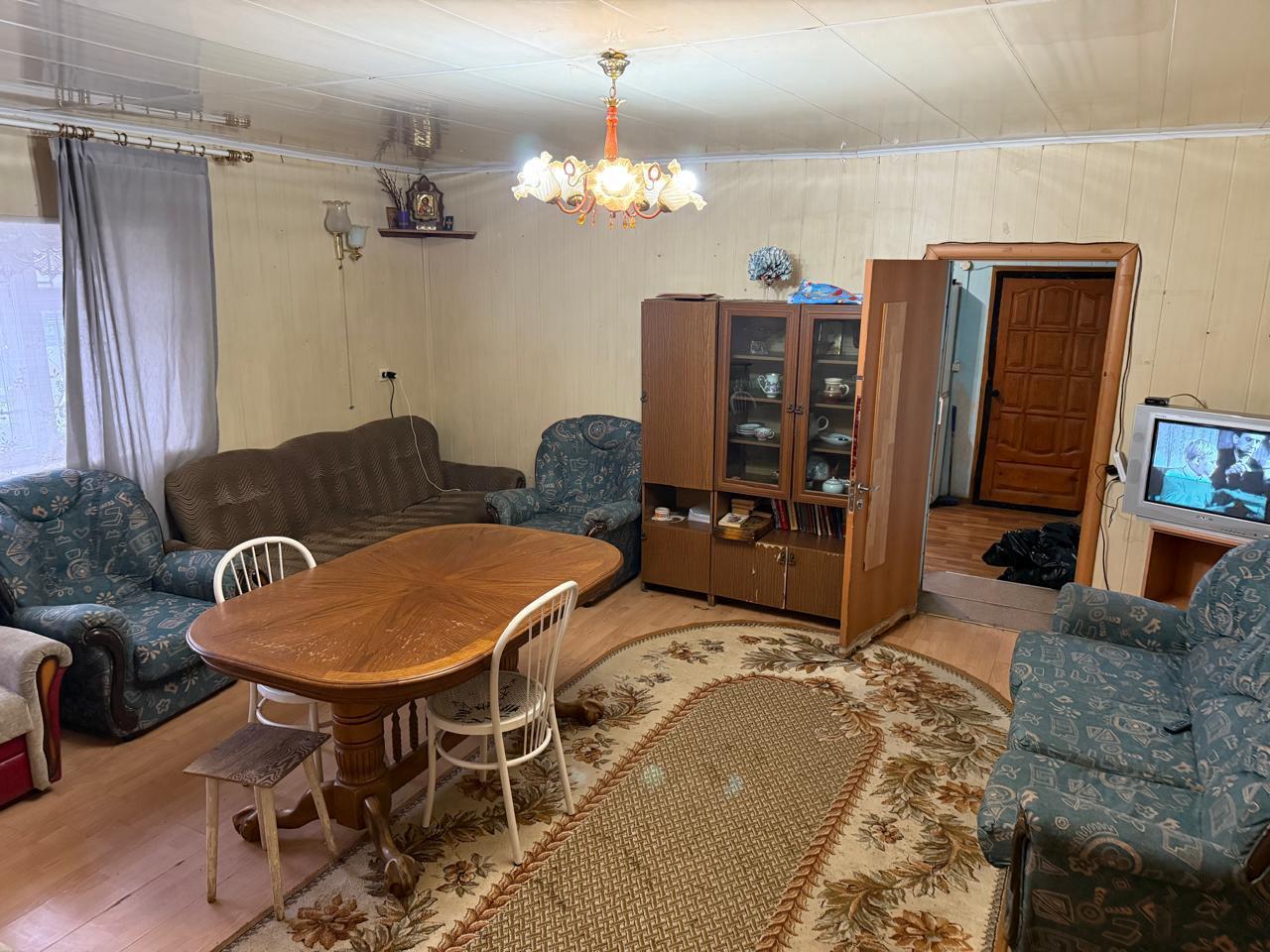

Worker«s houses (also known as »rabotnye doma«) are typically mentioned in a negative light, only in the context of scandal or crime. In the circles of armchair activists who fight for everything good against everything bad, it is popular to think that people who find themselves in difficult situations are kept in virtual slavery and exploited for a bowl of soup, while their remaining possessions are taken and they are pushed into debt.
Our interviewee has headed one of the officially registered foundations for many years and works with the homeless. Asking to remain anonymous, he frankly revealed how much he really earns from one person, what challenges he faces, and what critics of worker«s houses don»t even suspect. What follows is in his own words.
Who ends up in a worker«s house
There are official and unofficial organizations. Managers can be decent and not so decent, which we see from various scandals—like with «Chistoye Serdtse» (Pure Heart; the foundation«s head was accused of fraud. — Ed.). But when there»s an inspection, everyone gets checked.
All official worker«s houses, including ours, actively cooperate with the Federal Penitentiary Service (GUFSIN) and the criminal-executive inspectorate. Because we get people under supervision and other special contingent: former convicts, marginalized individuals.
People from stable backgrounds come very rarely. Why would such people need housing, food, and lodging? Even if they have a disaster (a fire, for example), they still have documents, relatives. They are helped by the regional government.
If they do come, it«s not for long, temporarily. But the majority are simply homeless people, marginals, and former convicts. Those who have nowhere else to go. It»s very difficult with such people; they need a special approach in everything.
A normal person understands that they must go to work every day, provide for their family, pay taxes, pay utilities, have documents, and so on. But our contingent is different.
These are mostly men aged 30 and older, with prior convictions, suffering from addictions. There are few or no women and children, as they adapt faster and leave. The state helps them more, there«s a different approach with them, it»s harder to create conditions.
The economics of a worker«s house
As a rule, a person ends up in a worker«s house without documents. Why did they end up in such a situation? Either they drank, or had another addiction or problems with socialization.
We are obliged to help them restore their documents and for that time we find them temporary work—odd jobs, because without documents they can«t get hired anywhere. For example, there might be a request to shovel snow or unload something.
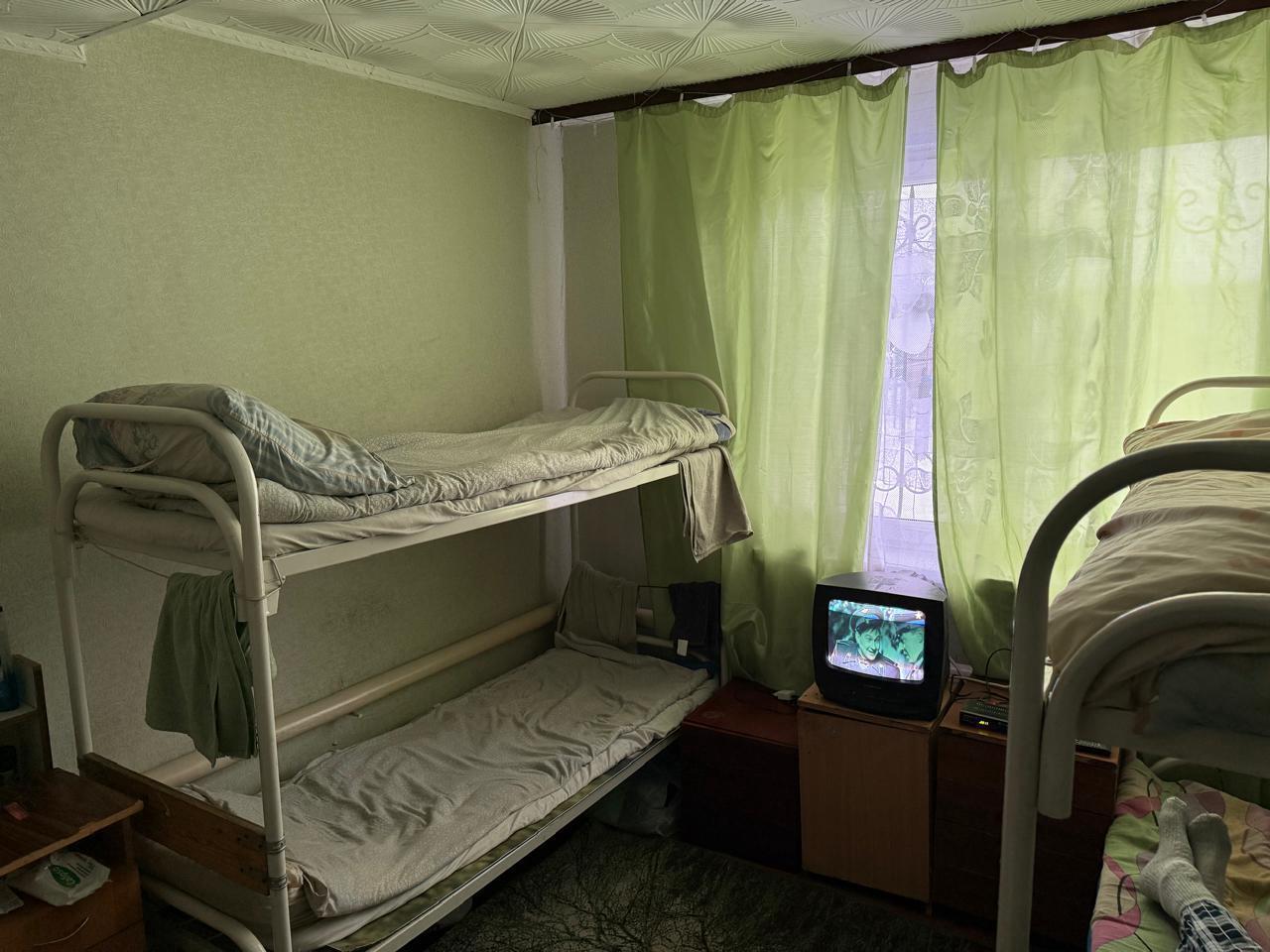
They are also given a change of clothes, a roof over their head, food, and medical treatment. These are all certain costs. Every worker«s house pays. With us, for example, payments are from 700 to 1,500 rubles a day (approx. $8–17 at current rates).
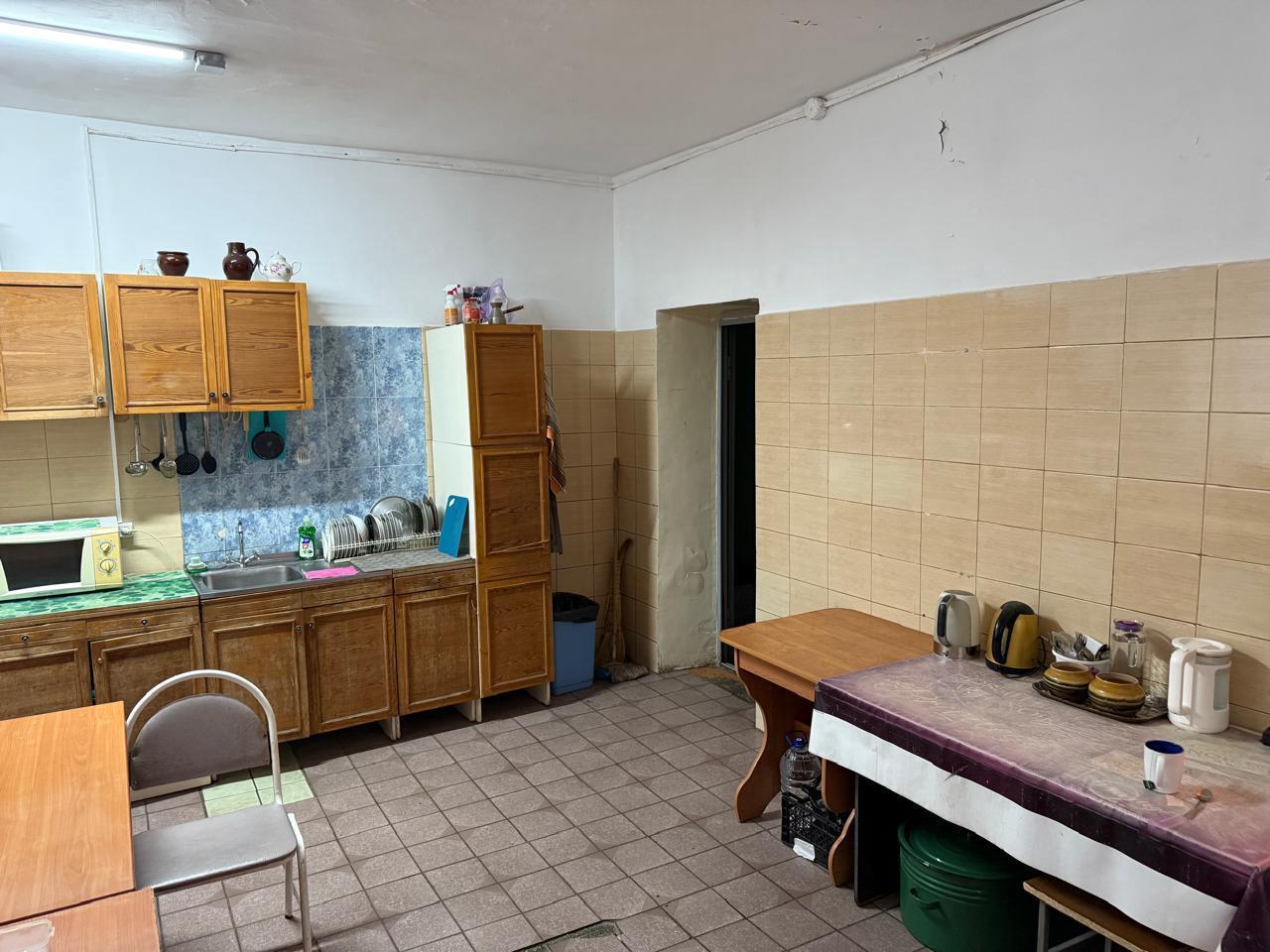
The subsistence minimum in Sverdlovsk Region is 24 thousand rubles. With us, if we roughly take 24 working days a month, the same 24 thousand comes out. At the same time, the person eats, sleeps, and lacks for nothing, pays for nothing. Even hygiene products, soap, toothpaste—we provide all that.
But a normal person who works as a cleaner, orderly, or nanny might earn the same amount, yet is forced to pay for housing, utilities, food, support a family, and so on. So who has it worse?
They write that they are allegedly paid 4,000 rubles a day. But who would pay that much to an unskilled worker, often a convict or sick person, without documents? At most, it«s two thousand for a shift, but that»s for unskilled labor. Considering that they might also drink or leave at any moment. As a rule, these are irresponsible people, that«s why they ended up in such a situation. For some reason, no one looks at that.
Let«s take the maximum salary—two thousand rubles and the minimum daily expense per person. Give him a thousand, feed him three times—another 600 rubles (based on 200 rubles for lunch). Money for round-trip travel to work—another 200 rubles. Utility costs + hygiene products. It turns out there»s practically nothing left.
When they say they are exploited for a bowl of soup and a thousand rubles, that people are making a fortune off them, that«s a gross exaggeration. Try doing it yourself if it»s so profitable. Take at least two homeless people into your own home and try to cope with their behavior when they drink. Because almost all of them are alcohol-dependent, and that«s one of the reasons why they hit rock bottom.
Is it better for them to be on the street?
The pluses of a worker«s house: the police almost always know where to find someone. It covers the labor shortage in the city. A large number of people are involved in construction, city improvement.
Would it be better for these thousands of marginalized individuals to be on the street? Here they try to get their lives in order, earn something, whereas without control it«s always the same story: stole, drank, went to prison. What good does that do society?
We help them fight addictions, forbid drinking, nudge them to start coding treatment. We say: «Go get treatment before you leave us.» Our foundation has agreements with drug treatment clinics. Some places give quotas, elsewhere we pay extra ourselves.
Because if you don«t do that, the person earns some money, leaves—and then the addiction destroys them again, they return to us. They»ll get a job, and until the first paycheck, since there«s no control over them. In most cases, they just go around in circles.
I see more pluses than minuses for them in worker«s houses, but people think it»s slave labor and that housing is taken away. But why would a person respond to an ad promising housing if they already have it?
It«s winter now, think how many people are saved in worker»s houses! If they stay on the street and get frostbite on their hands and feet, they«ll take up space in hospitals, take up doctors» time. In the end, an ordinary person might not get help.
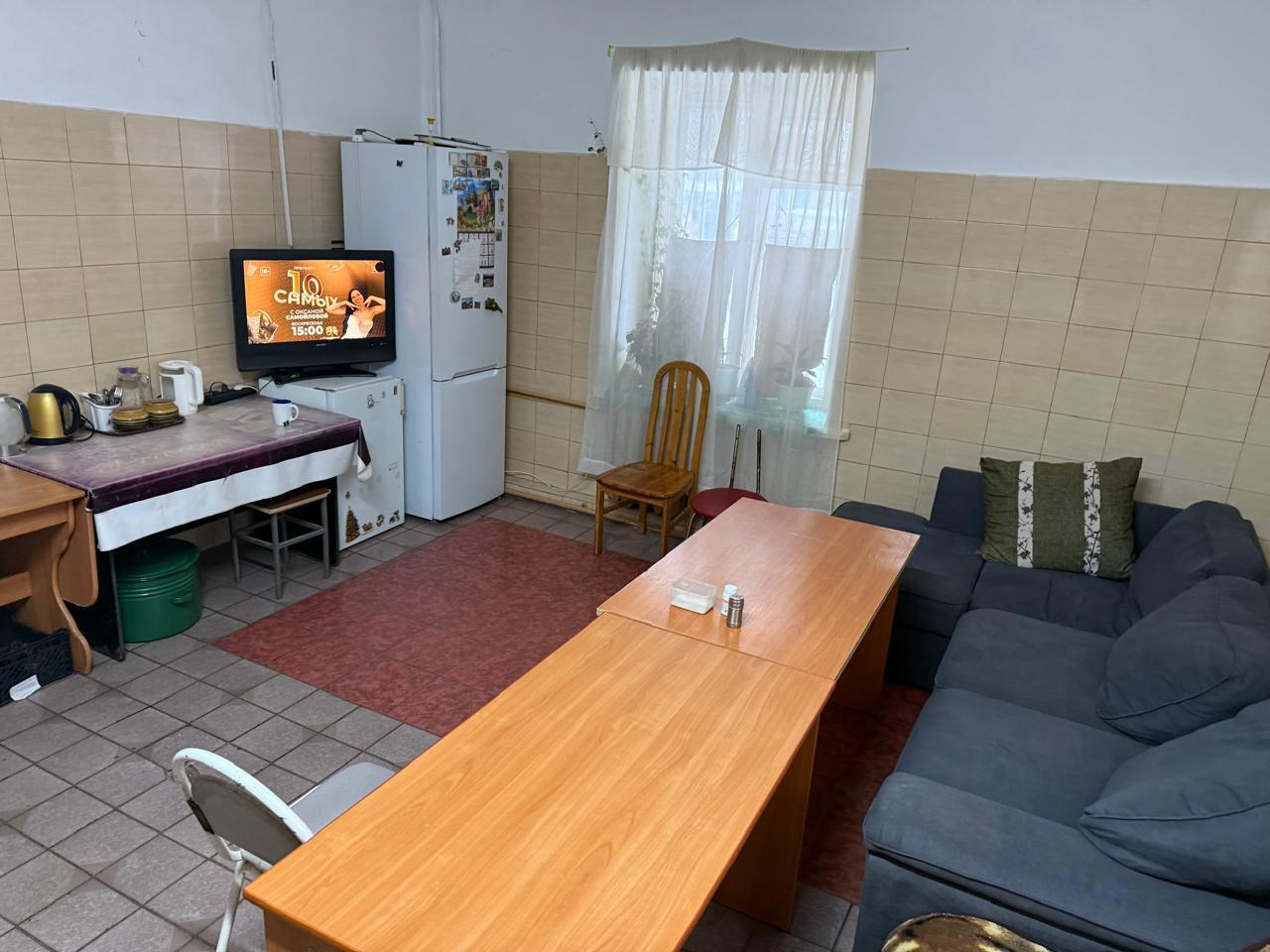
No one would go to a worker«s house if the treatment was bad. Why would they work for free if there are places that pay? We try to socialize them, there»s some sort of communication, in the evening after work they watch TV, there«s also a library, board games—checkers and chess, a sauna. Psychologists work with them, priests hold conversations, try to set them on the right path, correct the spiritual and moral component. They go to church if they want.
There are people who in the end got firmly on their feet and left the worker«s house. We»ve even had weddings. People found partners here, started families.
If a person is in trouble and wants to get out, then a worker«s house is a very good support. To live, save some money, rent housing, get a permanent job and start a normal life. But if a person doesn»t want that, if they get money, go somewhere to get drunk and then come back half-drunk—it means they«ll just keep going in circles, they don»t want to socialize.
The murder of a volunteer
Not long ago, a worker«s house volunteer was killed at Vtorchermet. Viktor Fominykh was 45 years old. A previously convicted resident, Viktor Ryakov, crept up behind him while he was eating and struck him six times with a kitchen knife. The man died in hospital.
The killer claimed he was supposedly being held against his will, but I think that«s just self-justification. He had already been going to work, and not at gunpoint, but on his own. Why didn»t he just leave the job if it was so bad there? In such a situation, I would have gone straight to the nearest police station.
Imagine what it«s like for people to work there. Who would go to a place where you can get stabbed? Where a drunk person might attack you at any moment. They come to us with lice, dirty, smelly, and we wash them, change their clothes.
The police can«t do anything with them until they commit a crime. So they»ll take them to the station, hold them overnight, and release them in the morning. And then what?
We have certain rules: first and foremost, no drinking or taking drugs, because that quickly destroys internal discipline. For repeated violations, we part ways with the person. All other prohibitions also have serious grounds. They come from real experience working with such a contingent.
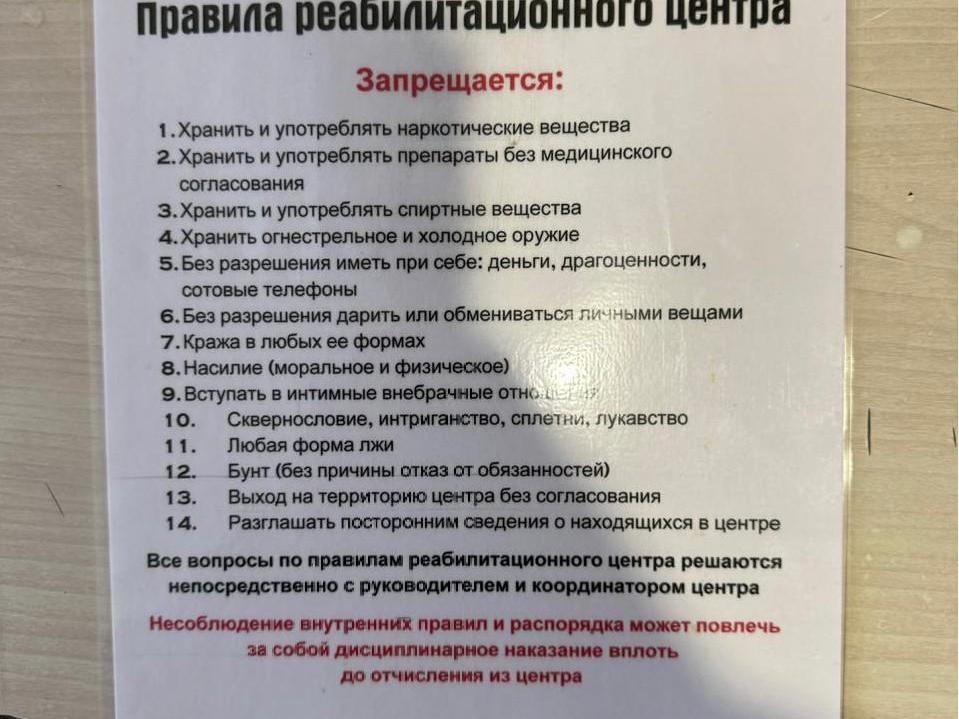
If a person comes to us drunk, we try not to send them out to work or let them go for a couple of days, so they sober up completely. If they violate again, sometimes we have to kick them out and then they either wander or go to other organizations and try to stay there. But that«s a small percentage.
How do foundations survive?
The situation is different for everyone. Most foundations receive some grants, sponsor help. Somewhere people help—they bring clothes. Someone makes contracts with vegetable depots, with stores. Each foundation has its own specifics, but among those who have worked legally for a long time, no one is involved in «dropping» (registering cards for nominees. — Ed.) or seizing property.
Recently we reported on how the owner of several worker«s houses, known as Ford, was arrested—he was accused of tax evasion. Read the story of Yekaterinburg resident Andrey Shchukin, who worked for Ford and a year later fled with a crippled hand, having lost his only home.
And recently, repeat offender Viktor Ryakov turned to a worker«s house while being homeless. He was clothed and fed. After murdering the volunteer, covered in blood, he tried to hide and broke into a fitness center.