Court bans including debts older than three years in utility bills
The Arbitration Court of St. Petersburg has definitively ruled on whether to include debts for which the recovery period has expired in payment documents.
Apr 22, 2026 0
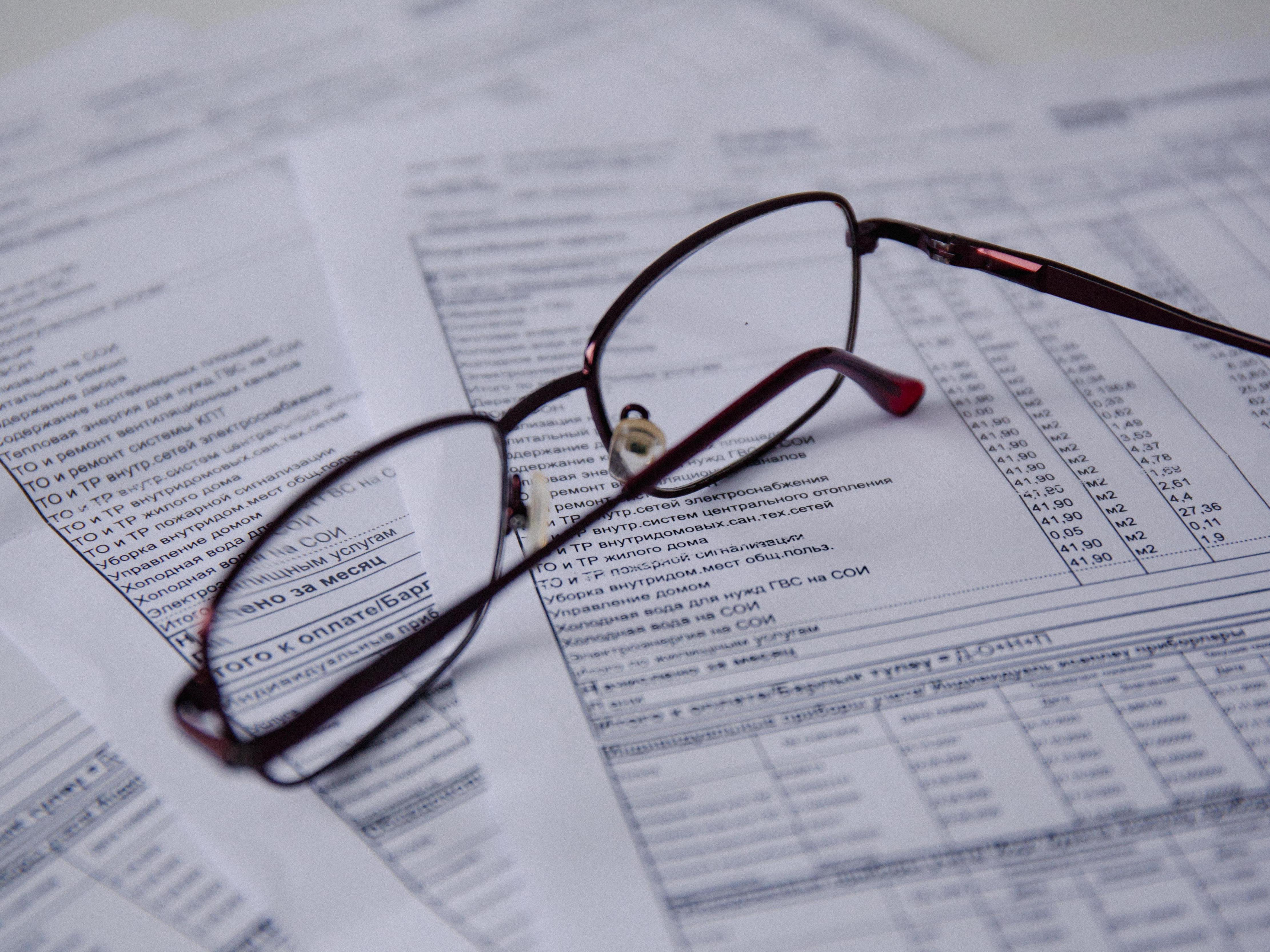

A legal case in St. Petersburg addresses whether old housing repair debts can be listed on utility bills.
Source:
In St. Petersburg, a multi-year court case on an ethical and legal question has concluded: is it permissible to demand payment of debts for capital repairs through utility bills if more than three years have passed since they were incurred, that is, beyond the statute of limitations. The final cassation ruling was issued at the end of 2025.
The dispute was sparked by a situation in one of the buildings on Latyshskikh Strelkov Street. In 2023, the local capital repair fund included an additional amount of about 24,000 rubles (approximately $270 at current rates) in the spring utility bill. This debt had accumulated among residents since 2016. The State Housing Inspection (GHI) issued an order to the fund to remove debts older than three years from the bills.
The organization managing the capital repair contributions disagreed with the order and went to court. The fund argued its position by striving to increase payment collection and reduce multi-billion ruble receivables. At the beginning of 2025, the total debt of the population to the fund was estimated at 1.3 billion rubles (about $14.4 million at current rates), and by January 1, 2026, it had grown to 5.5 billion rubles (approximately $61.1 million at current rates), of which 1.5 billion rubles (about $16.7 million at current rates) were debts older than three years.
Initially, the arbitration court sided with the GHI, citing a letter from the Ministry of Construction from 2015. It states that for capital repair contributions, a three-year statute of limitations applies, and only correctly calculated amounts can be forcibly collected. The court noted that the fund is not deprived of the right to go to court for recovery, but cannot do so through utility bills.
However, the fund filed an appeal. The Thirteenth Appellate Arbitration Court took its side, pointing out the following circumstances:
- The Housing Code does not contain a direct prohibition on issuing bills beyond the statute of limitations.
- The letter from the Ministry of Construction is advisory in nature.
- The utility bill itself is not a measure of forcible collection.
- The expiration of the statute of limitations does not cancel the debt, but only gives the debtor the right to defense in court.
The GHI appealed this decision to the cassation instance, which issued a verdict in December 2025. The judges emphasized that «no one can be placed under the threat of possible encumbrance for an indefinite period.» The ruling stated: «The fund issued a bill… compelling the debtor to fulfill an obligation in an amount calculated beyond the three-year statute of limitations… while the debtor is deprived of the opportunity to make changes to the payment document issued to them.»
Thus, the cassation overturned the appeal decision and confirmed the legality of the GHI«s order. The capital repair fund is obligated to remove overdue debts from utility bills. It is worth noting that this decision concerns a specific case and is not universal. To remove old debts from their bills, residents need to contact the GHI, which can issue a similar order.
The dispute is likely to continue. As reported by the capital repair fund, the organization is preparing a cassation appeal to the Supreme Court of Russia. Their position is based on the fact that housing legislation does not prohibit including debts of any age in utility bills, and the right to claim in court that the statute of limitations has expired remains with the apartment owner. The final word on this issue should come from the Supreme Court.
Read more