Chuvash Veteran Becomes Teacher After Severe Injury
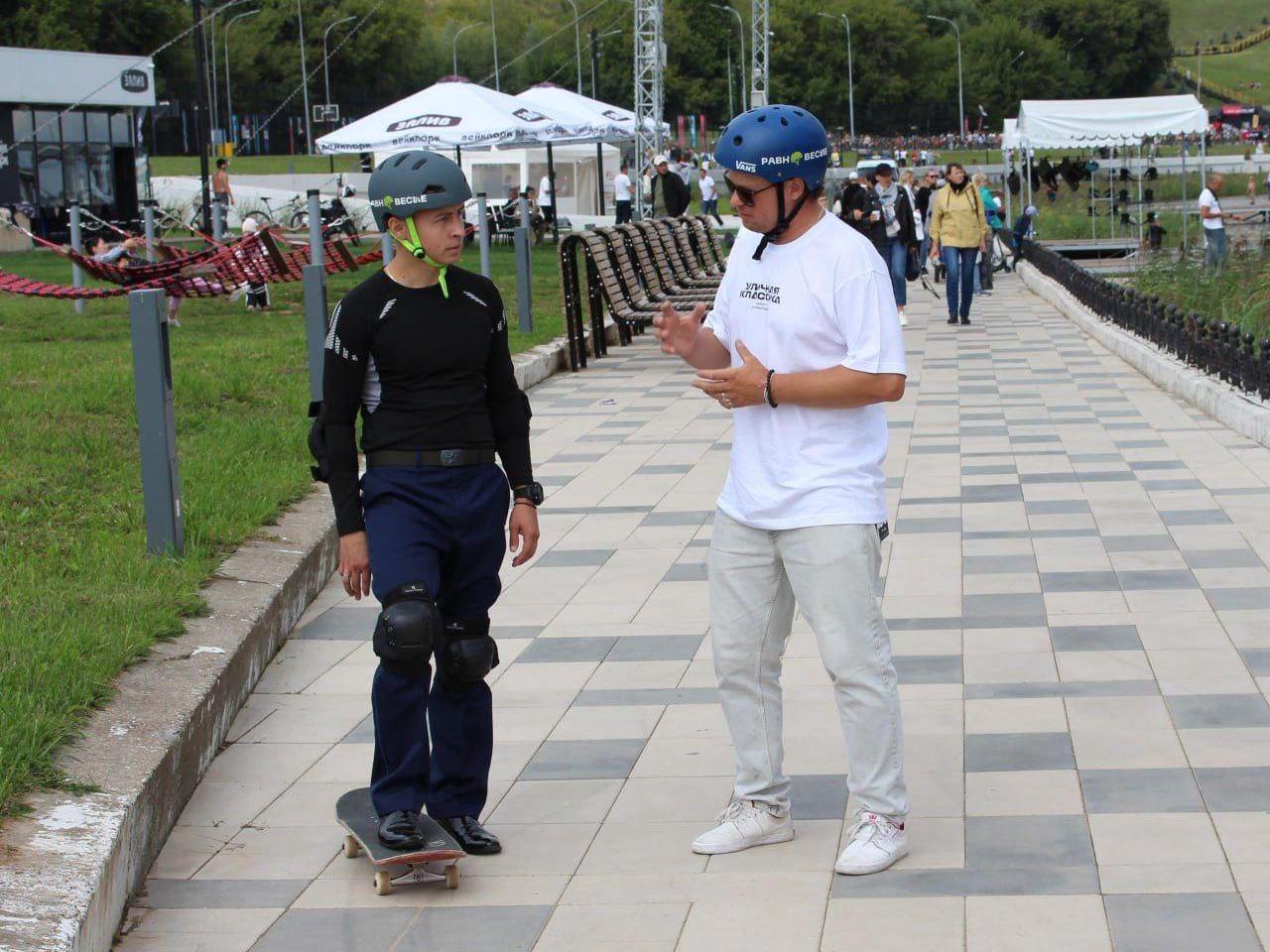

Despite his severe injury, Aleksey remains active in sports and represents his region in competitions.
Aleksey Bashmakov from Cheboksary found himself on the front lines from the first days of the special military operation. He served in a paratrooper assault regiment until he was seriously wounded in March 2022. He had to undergo long treatment and recovery, after which the veteran was discharged due to health reasons. Today he works as a teacher at the Chuvash Cadet Corps of the Volga Federal District named after Hero of the Soviet Union A.V. Kochetov and continues to engage in sports, which he loved from his youth. Aleksey spoke about his service and life after the SMO in an interview.
— How did you end up on the front lines?
— I was an active serviceman, a career officer. And I was sent to the special military operation on February 24, when it all just began.
— How were you wounded?
— The company commander gave the task to evacuate equipment stuck in a ravine. And during its execution, the enemy noticed a concentration of personnel and equipment, started a mortar bombardment. That«s how I got a serious wound — mine-explosive, shrapnel, through the right shoulder. Right next to me was the deputy commander of my platoon, he ran up, provided first aid, and we went to the Tula paratroopers from the 106th Division. They had a tent set up in the forest with medical personnel and equipment. There they did an X-ray on me, and straight to the operating table. And the next day, mortar bombardment of that forest started again.
— How did you manage to evacuate?
— Everyone hid under iron beds. I was lying on the ground on a stretcher and praying. Thank God, everything turned out okay. In the morning, a major came for me — and again mortar bombardment. We managed to leave for a populated area during a break in eight minutes. By night, helicopters arrived, picked us up. I was treated for four and a half months in St. Petersburg, at the Military Medical Academy, then in Ivanovo for a month plus another operation. When I returned to the regiment, I was appointed commander of a conscript company. I was that for two weeks — realized I couldn«t perform these duties due to my health. I was made deputy company commander for military-political work. I worked there some more while undergoing the Military Medical Commission. After six months, I was discharged, and I returned to Cheboksary.
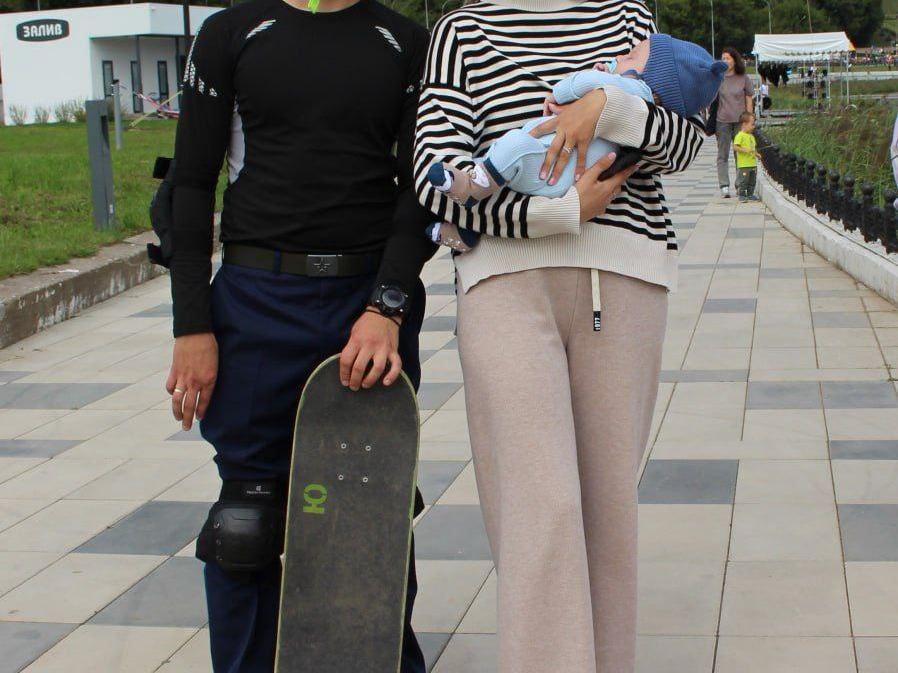
Aleksey«s main support is his family, including his wife and young child.
— Have you fully recovered now or are you still undergoing rehabilitation?
— I continue. Every six months — treatment, physiotherapy, and massage, every year — a sanatorium. They gave me the third disability group.
— But you«re working despite that?
— Yes, in our cadet corps. We teach and educate children. Lessons end, and they are with us until lights out, we even do homework together. Plus — classes on basic military training and fundamentals of military service. And we really love going on hikes, going on rafting trips.
— Do you have any hobbies?
— I do sports. I love running, athletics, swimming. In my time, I played football and hockey, did wrestling. Now I«ve switched to tennis — learned to play with my left hand. I even represent the republic in competitions. I also liked knife throwing. We have a stand here, in free time we throw with cadets and other teachers. I was drawn into this sport at the Defenders of the Fatherland foundation. There they also suggested I enroll in Synergy University in the faculty of state and municipal administration. Besides, I»m improving my qualifications under the Time of Our Own program.
— How difficult was it for you to adapt to civilian life after the special military operation?
— I still have nightmares sometimes. Now I«m more calm about it. My wife supports me, and we have a child, one year and five months old. And comrades with whom I served are also here, constantly in touch. There»s something and someone to talk to.
— What was the most pleasant thing for you upon returning home?
— Of course, that they believed in us, hoped for us. The closest people who were really affected waited: parents, spouse — all prayed, supported.
— What important thoughts did you take away from the special military operation?
— Yes, I started to understand what combat brotherhood, comradeship is. And now I value family more.