A Ufa Man's Quest to Uncover Truth About Special Settlements
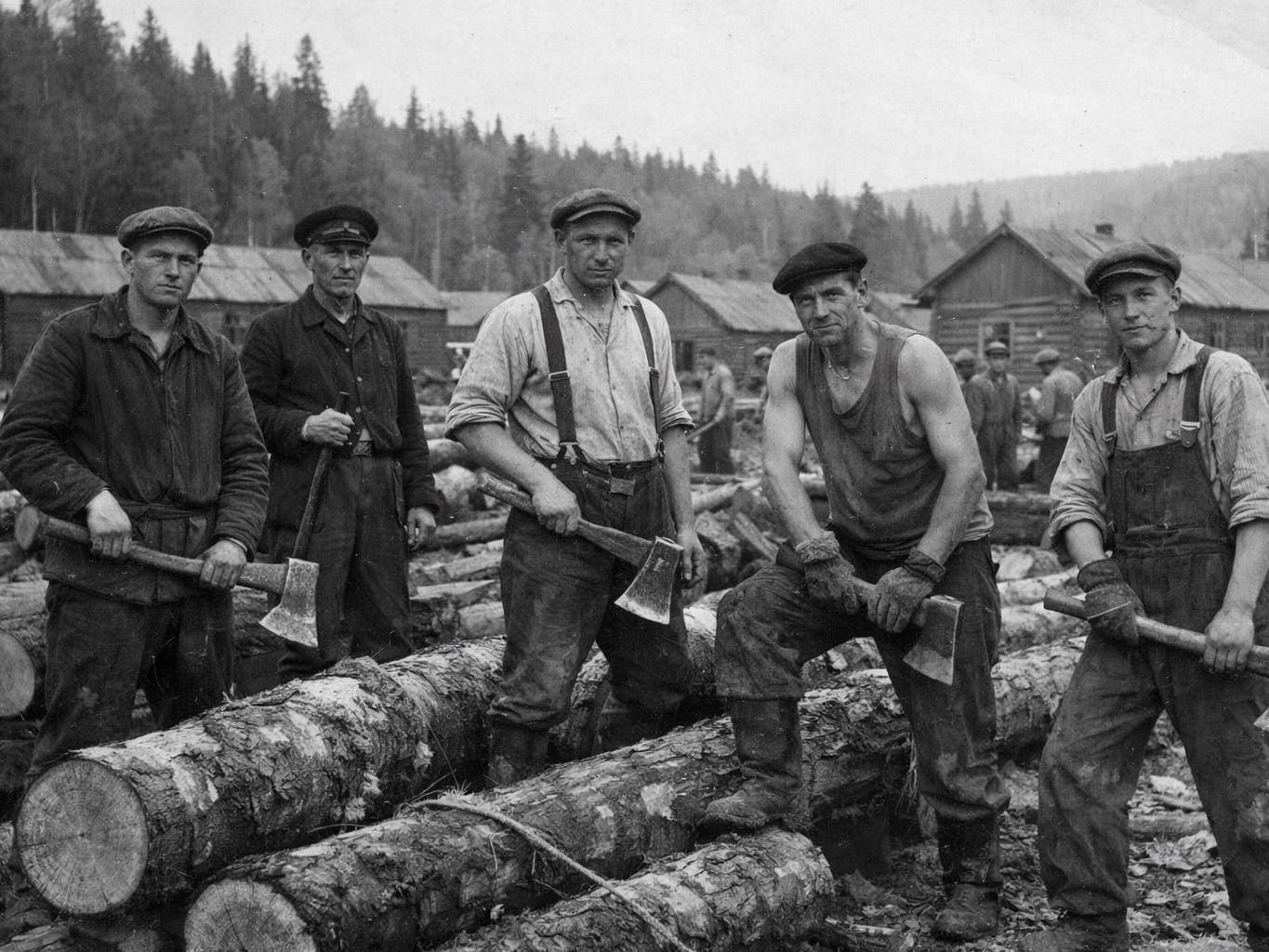

Across all of Bashkiria, special settlements were scattered where repressed people and their families lived. They were not always convicted; often they were simply «forcibly resettled.» For entire generations, they remained there, with virtually no permission to leave. But even when the settlements were abolished and freedom of movement appeared, not everyone wished to leave. These places are still not well studied, but one of those who sought the truth was a native of one such place. In an interview with UFA1.RU, he spoke about the years spent in the special settlements and why things are not so black and white here. At the hero«s request, we changed his name.
«Grandmother Was Left Alone with the Children»
Artur (name changed) was born in the 1960s in Krasivaya Polyana. The settlement is just 7 kilometers (4.3 miles) from the famous Krasny Klyuch. The narrow-gauge Yaman-Yelga railway also ran from there. Now Artur has lived in Ufa for many years, but in his time, not everyone was allowed to leave the special settlement.
Krasivaya Polyana appeared in the 1930s, with its settlers mainly consisting of kulaks—prosperous peasants whom one might now call successful farmers. For some reason, it was believed that if a person had, say, a mill, then he was rich, and therefore a kulak. That«s how they were exiled—along with their families.
«My family»s situation was this: in the 1930s, my grandfather was «administratively» evicted from his district, but he ran away twice and even made it to Leningrad, where his sister had moved. But then, apparently, he was caught for the escape and served his sentence in the Ufa corrective labor colony. In 1939, he and about 300 others were released. Then he went to the front and in 1945 died in Hungary. My grandmother was left alone with four children in Krasivaya Polyana,« Artur recounts.
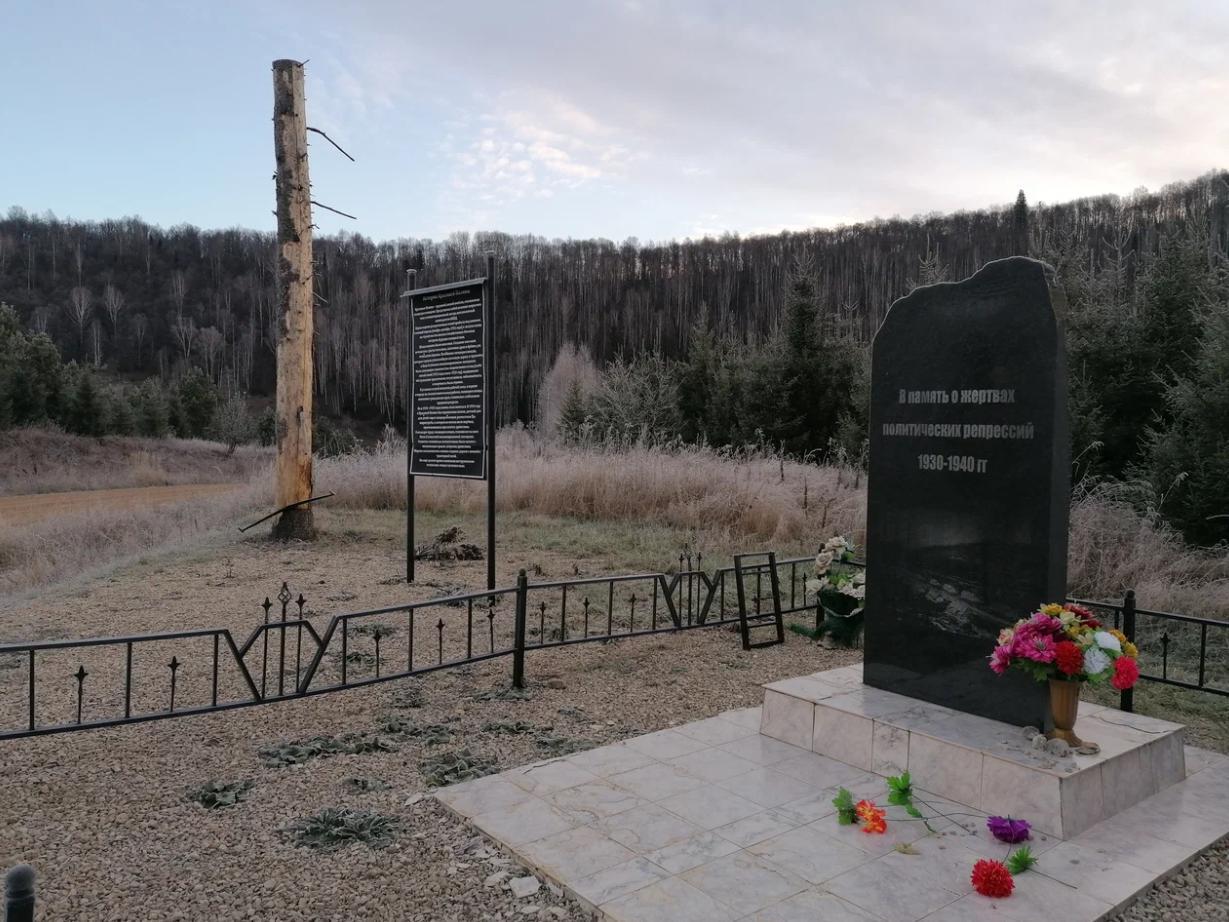
At the same time, the country constantly needed personnel, workers. Repressions, of course, went according to plan, but apparently there still weren«t enough people to meet all the needs.
Therefore, even before World War II, the authorities issued a decree allowing young people over 16 with a school education to leave the special settlements for study in regular settlements. This was a breakthrough, and on the other hand—a chance for relative freedom. Although there were nuances here too.
«At the same time, there was an unofficial stamp that a particular person was from a special settlement, and his ancestors had been repressed. It happened that two applicants to a university had the same number of points. They took the one whose relatives had not been subjected to repression. That»s wild, illegal, but such was the ideology,« our interviewee noted.
By the time Artur was born, the special settlement had already been abolished. The war was over, and Joseph Stalin«s policies had been condemned at the CPSU Central Committee congress. All unjustly convicted and exiled people were amnestied. Many got a chance to start a new life.
Artur«s parents moved to Iglino—a relative lived there. The narrator himself remained in Krasivaya Polyana with his grandmother.
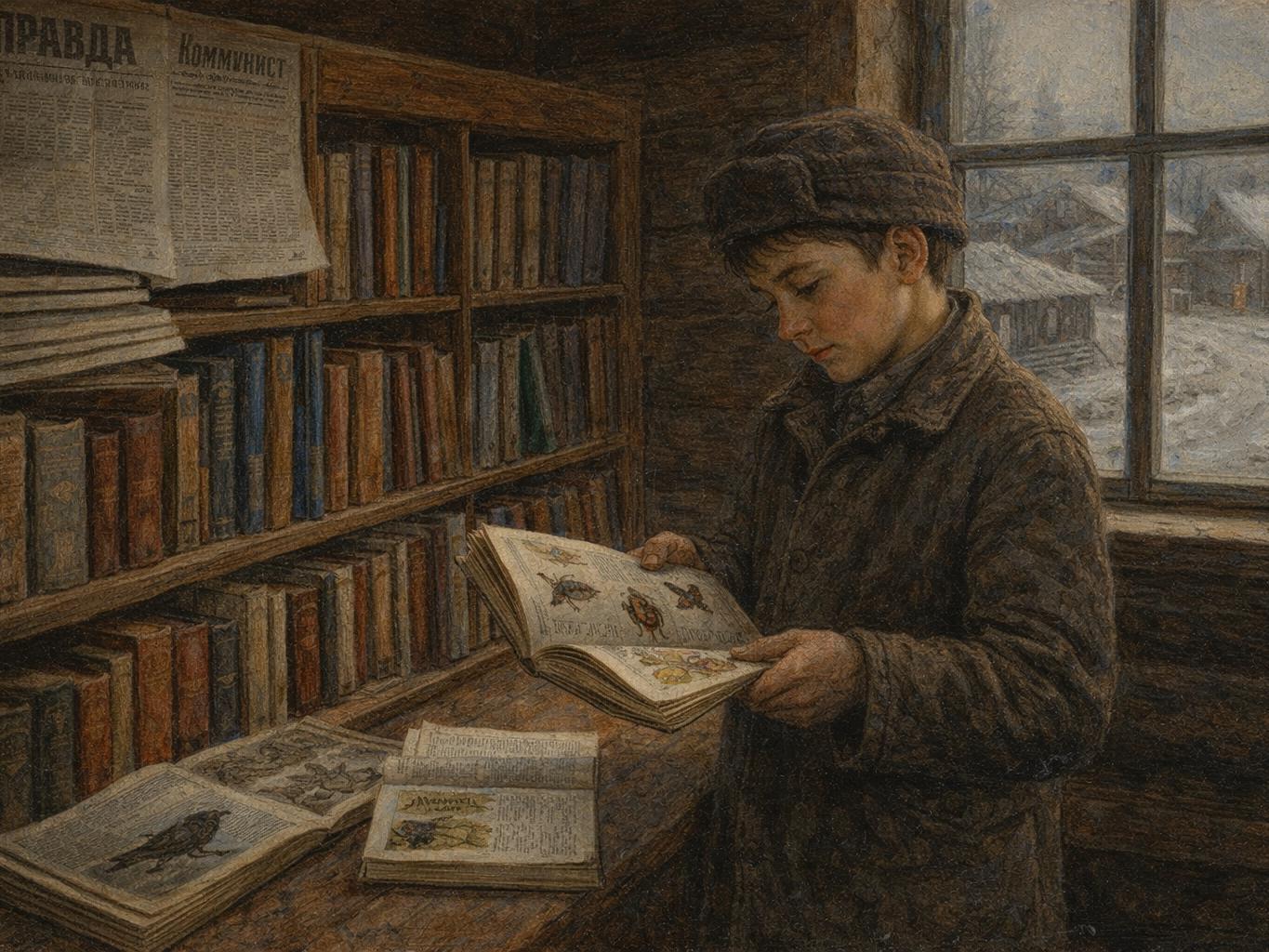
He says that, despite criticism of the Soviet regime, credit must be given for how it tried to make people educated. Even in Krasivaya Polyana, such a closed place with forced labor, there was a library with many different books.
«Fresh newspapers came there every day. I could go there myself and choose from the shelves books that interested me. Of course, they were fairy tales, I still remember »The Magic Calabash.« There were books about the life of insects and birds,» recalls the Ufa resident.
However, there was nowhere to study—the school had long been closed, as few children lived in the settlement. When it was time to get an education, Artur«s parents took him to live with them.
But he did not forget his native settlement.
«I would visit my grandmother in the summer. My friends would come too. One of their fathers worked in Bratsk and built a hydroelectric station. Another was the grandson of the commandant, but we were great friends. Others would come too. In the evening we had time when everyone was free. In front of our house was a small clearing where barracks once stood, but they were dismantled, leaving an empty space. We played lapta (Russian bat-and-ball game), dodgeball, kicked a ball around, sometimes adults joined us. In the evenings we also went to the library. During the day we made toys for ourselves,» Artur recalls.
He particularly remembers a wooden tank they made from planks.
«Since there was a timber enterprise, there were plenty of planks and tools. We»d cut out the lower part of the tank, then the upper part like a turret, then nail a nail as a gun, and play war games. We made boats: we«d run to the river and float them on the water. There»s still a spring there; on hot days we«d go there and build waterfalls,» says Artur.
The boys also built rafts and even figured out how to make them float.
«The river was about knee-deep; we»d build a raft there, but since it was shallow, it would practically get stuck. So we«d take the galvanized troughs that every family had, get in them, and board each other. Those were the games,» the interview subject relates.
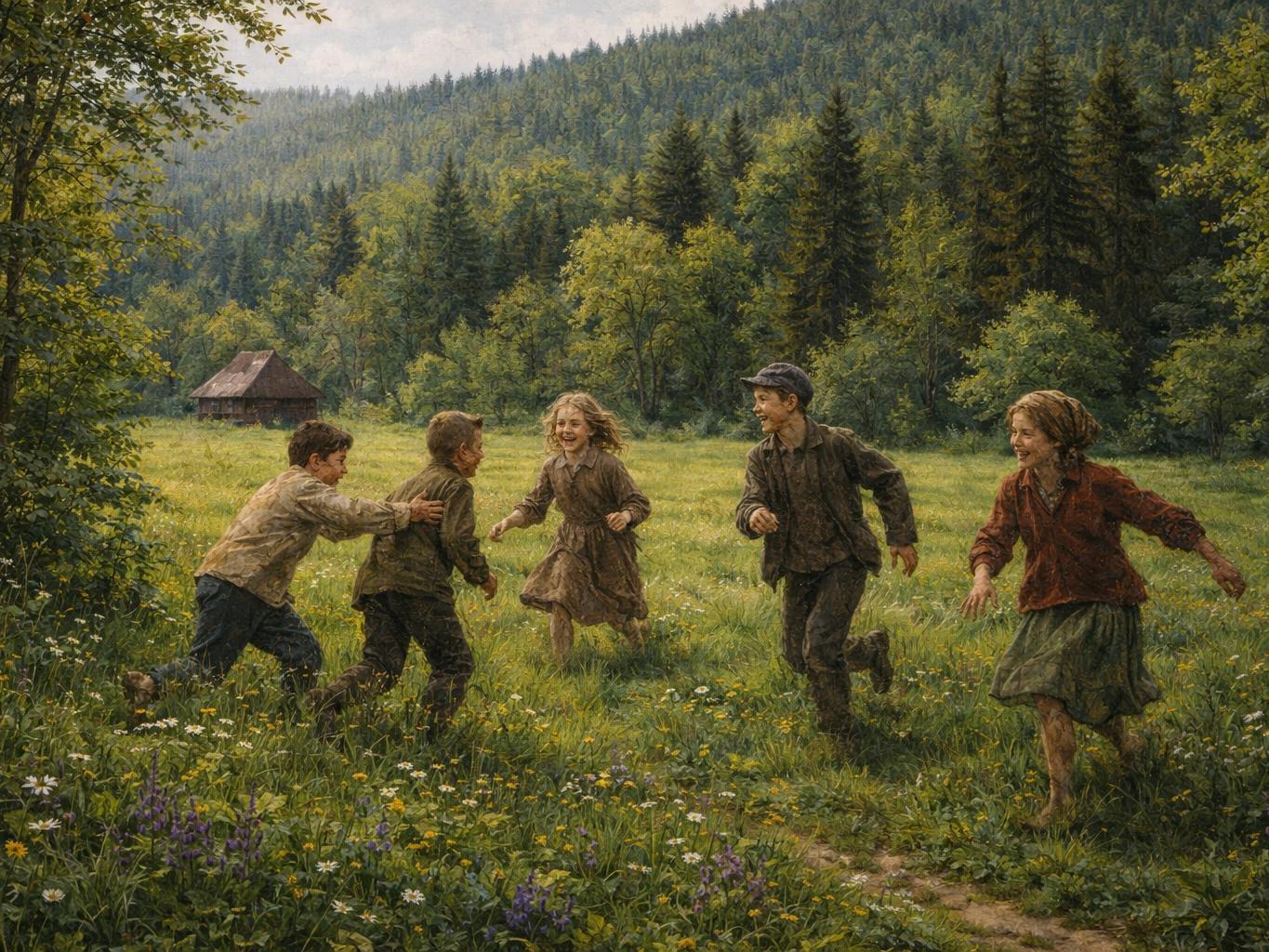
The children also played war games, but not with tanks anymore; they«d hide on the hill, across the river, trying to find each other. At 12-14 years old, they»d meet in the evenings and discuss what books they had read. When the club was operating, they went to the movies.
Artur continued to visit his grandmother in Krasivaya Polyana for several more years. In the 1980s, she was taken to Iglino because the settlement was already dying out. The interview subject himself married a few years later, became fully occupied with family and work, and only in the 2000s did he return to his native region.
How the Former Special Settlement Died Out
Freedom of movement was virtually nonexistent until the 1950s. As noted above, after the amnesty, people began to leave. At first, few left. Those who did decide to change their lives chose Krasny Klyuch for this.
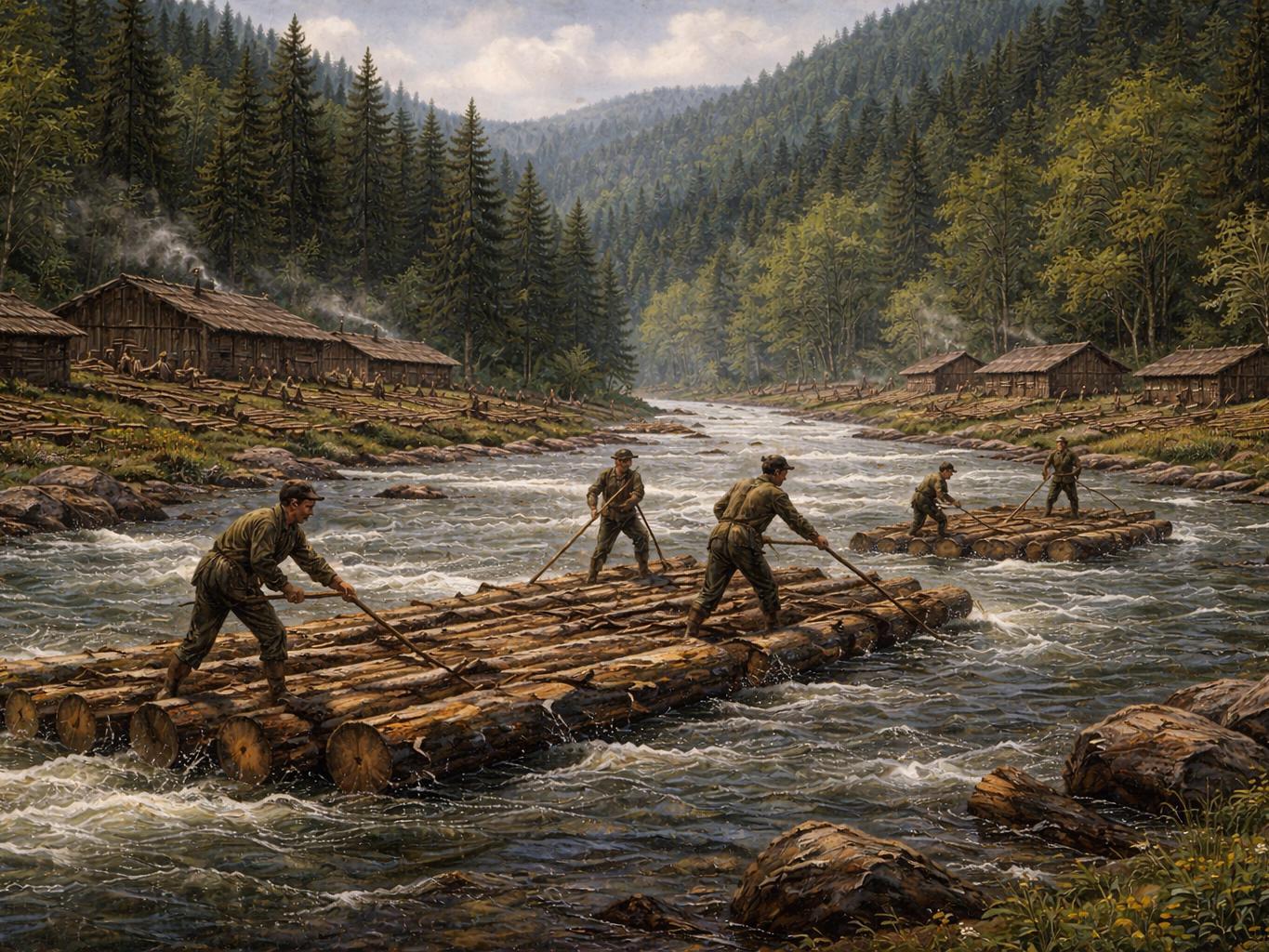
«There was a paper mill, a timber enterprise, lumber was sent by river. There was work. The settlement was large. And in Krasivaya Polyana, there was almost no work. This dragged on until roughly the 1970s, until the relatively cheap timber that could be transported by rail ran out,» says Artur.
In the 1970s-1980s, the authorities banned floating timber down the river, which again limited work for the residents of Krasivaya Polyana. This is another reason why people started leaving Krasivaya Polyana.
In the end, on the street where Artur lived, four families remained. They did not want to return to where they had been evicted from, «like beaten dogs.» Over the years, the settlement became increasingly empty.
And in 2005, Krasivaya Polyana was abolished, but, our interviewee says, one person still lives there.
«A woman born in 1941 lives there. She has lived there since the 1980s. People used to visit her on snowmobiles in winter, looked after her, but there was a time when she didn»t communicate with anyone. There was even a photo of her climbing on the roof—that was three years ago—she was repairing it herself. What a tough person!« notes our interviewee.
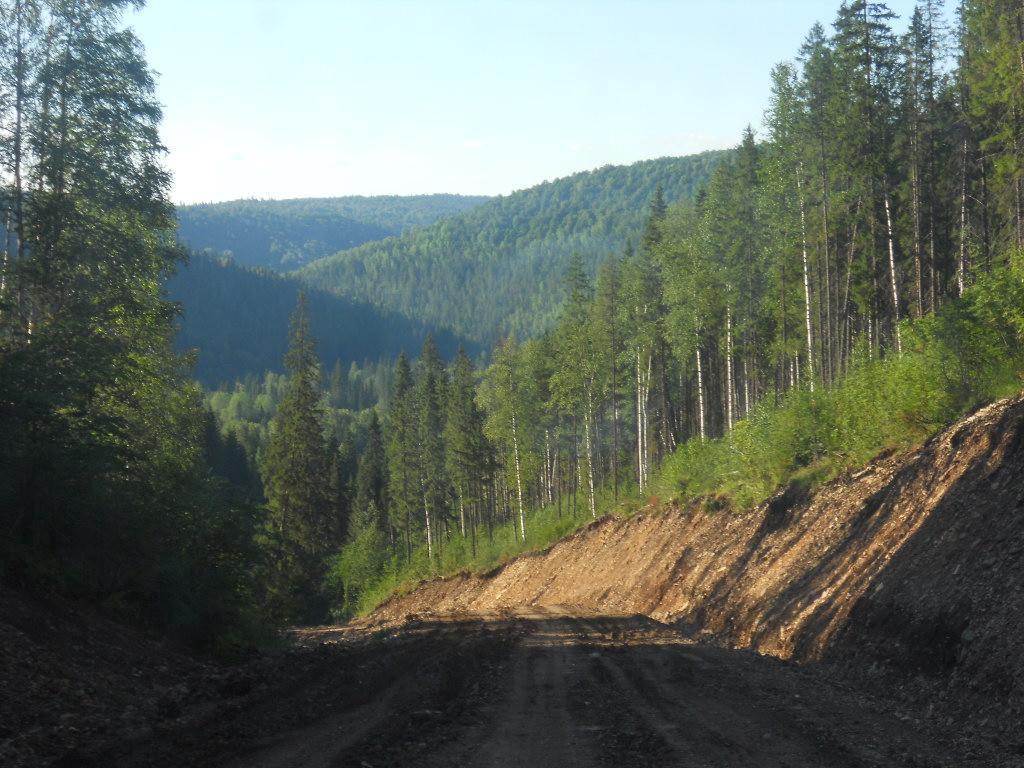
Now a road has been built to Krasivaya Polyana. Why, if no one lives there? The story is very interesting.
«In the 1970s, they were prospecting for deposits there. One of them was probably found by my uncle, he was a geologist. He said then: »Time will pass, oil derricks will stand here.« And 50 years later, his words came true—oil derricks appeared. And since oil needs to be transported because you can»t build a pipeline, the oil workers built the road. Now many, thanks to it, come to their historical homeland,« Artur told us.
«They»ll Come for You«
There were many special settlements in Bashkiria; some were even feared to talk about. One of them—Kulvaryash. It was located 50 kilometers (31 miles) from Krasivaya Polyana and existed for several years, but there was no accurate data about life there. There were only rumors, which started after the closure of Kulvaryash and the arrival of people from there to Krasivaya Polyana. They began to tell about harsh conditions, hard labor, and deaths.
«Few spoke about it. Even if I asked something, they wouldn»t tell. My father avoided the topic altogether until a certain time. When I brought it up as a student, my father would say: «Don»t ask too many questions. They«ll find out, they»ll come... and then you figure out what will happen.« He didn»t say the KGB or police would come, just—«they»ll find out, they«ll come.» Everyone understood without words who would come. And at that time, try going against the Soviet authorities... that«s Article 58 right away,» Artur recalls.
This refers to the 58th articles of the Criminal Code of the RSFSR. All of them concerned counterrevolution: i.e., actions to overthrow, undermine, or weaken the government, aiding the «international bourgeoisie,» opponents of the communist system, and so on.
Organizing counterrevolutionary sentiments was punishable by the highest measure—execution. They could also imprison you, but still confiscate all property.
According to some estimates, over 3 million Soviet citizens were prosecuted under Article 58, of whom half a million or slightly more were executed.
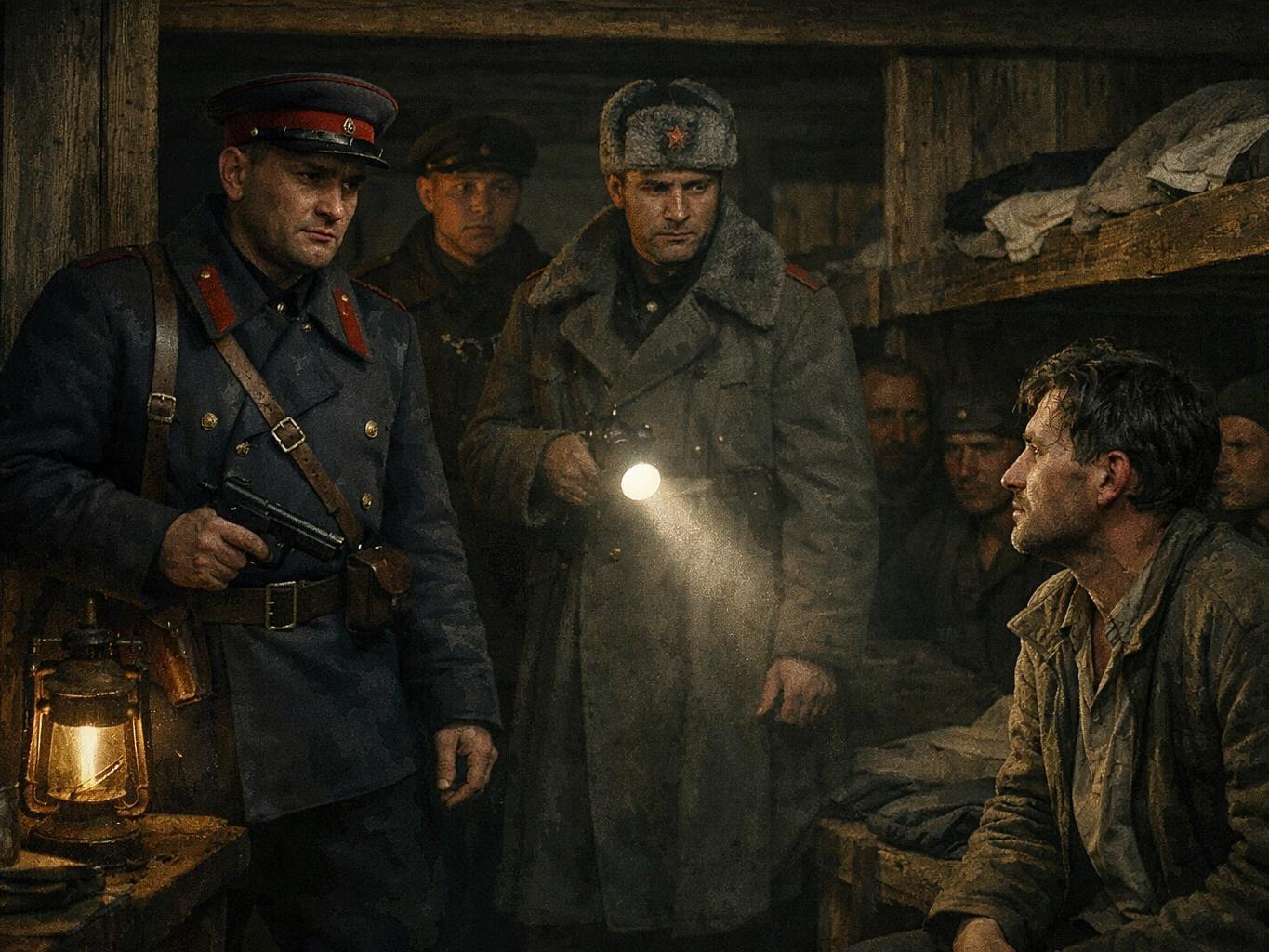
«All the old-timers, including my grandmother, understood: if you say that people lived badly in Kulvaryash, they will come and take you away. They didn»t say «they»ll imprison you«—»they«ll come and take you away.» It remained in their blood, figuratively speaking, that you can«t criticize the authorities and talk about what was terrible and frightening, because there is a Big Brother, like in [George] Orwell,» expressed our interviewee.
He says there were informers in the special settlements, i.e., those who worked for the system and reported on what was happening. About who said what.
«Fortunately and to the credit of Krasivaya Polyana, there was a shortage of informants. In the Russian State Archive, there are protocols where all this was described. For example, Ivanov said such and such about Soviet power, and when the war started, they»d say: «If only the Germans would capture faster, drive out all the Bolsheviks.» People knew there were informers—1937 was a terrible year, when innocent people were executed based on denunciations. Therefore, they spoke of Kulvaryash in whispers. That word was uttered very rarely,« said the Ufa resident.
Why People Were Exiled
Here our interviewee noted that this history has two sides.
«When a reasonable person hears »repressions,« a negative arises because it»s «suppression.» But since 1991, there«s been the notion that everything the USSR did was very bad, almost equivalent to fascism. Yes, repressions cannot be justified. But a one-sided view is wrong. It wasn»t worth the human sacrifice, it could have been done differently, and the authorities tried to do it differently. There were economic prerequisites for relocating part of the labor population to forested, uninhabited areas. But little is written about this,« Artur offers his version.
Our interviewee emphasizes that, in his view, one of the prerequisites for the repressions was the state«s need for cheap labor for industrialization.
«At the same time, one should not forget whose labor created the wealth of the USSR. It was their, the repressed people»s, labor: the Volga-Don Canal, the development of deposits in Vorkuta, Syktyvkar, in Siberia. All this was prospected and done with their lives. Therefore, one cannot speak of repressions without paying tribute to the ancestors, thanks to whose lives the industrial wealth of the Soviet Union was created,« noted Artur.
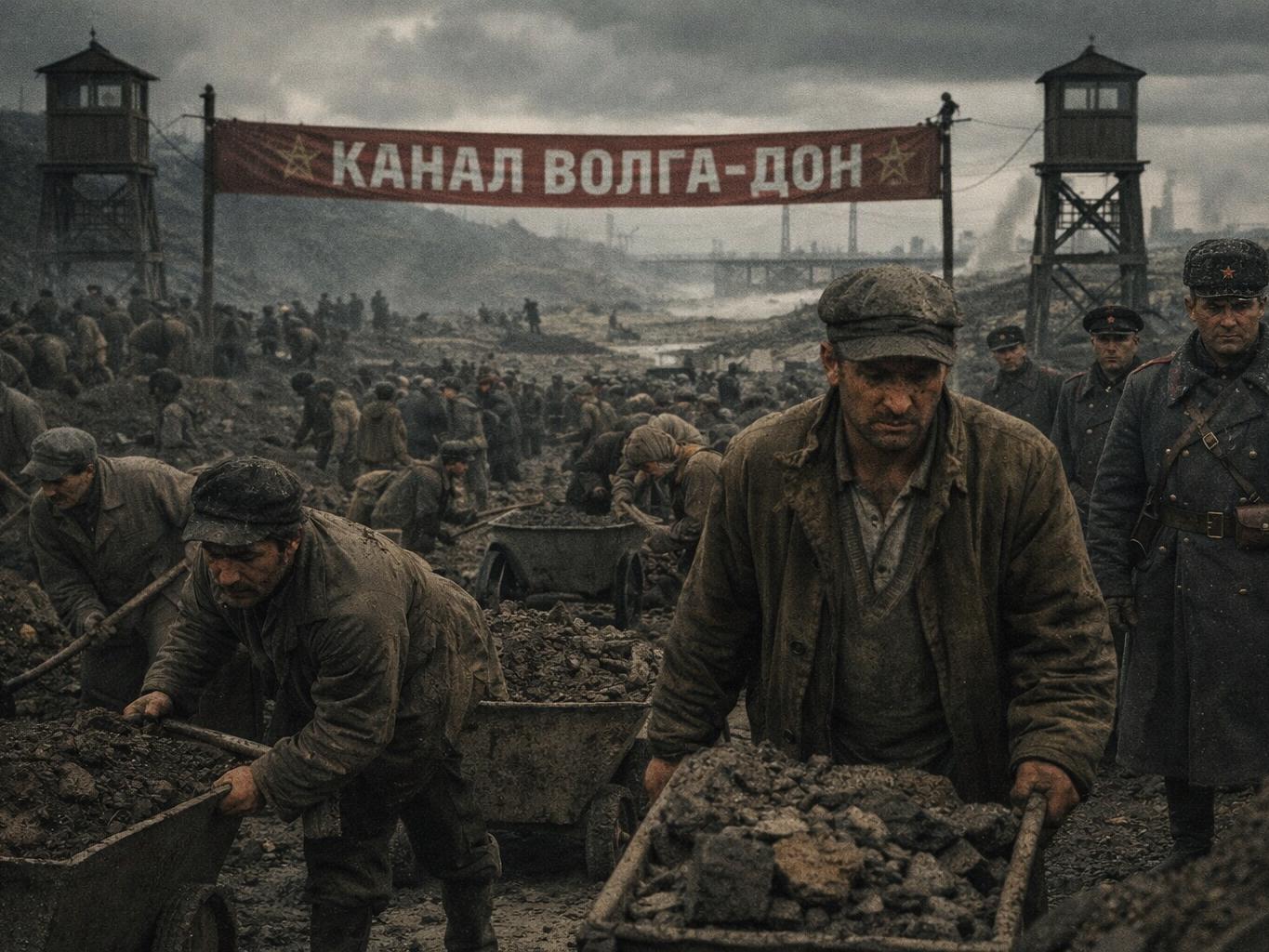
As an example, our interviewee cited Peter I, who sent peasants to build Saint Petersburg.
«I think 80-90% of historians will say that Peter »cut a window to Europe,« and we became closer to civilization. It was such a time. Remember Emelyan Pugachev—it was such a time. Or Salawat Yulayev—it was such a time. Everyone was seeking their own truth. I believe economic reasons underlay everything,» offered the opinion of the native of Krasivaya Polyana.
Towards Fate
The residents of special settlements repeatedly tried to escape from their places of, so to speak, containment. As former Kulvaryash resident Khalida Nazhmetdinova recounted, one evening she overheard her parents« conversation.
«Her father suggested escaping—hoping the children would be taken to an orphanage, but her mother refused. When Khalida heard this, fear arose in her, and she fell ill. But some managed to escape—mainly from those settlements that were close to large population centers. Some were able to hide somewhere, reach their homeland. Some did it out of desperation,» Artur recounts.
One escapee was found by NKVD (People«s Commissariat for Internal Affairs) officers when he was riding on a commuter train. He seemed strange to them, they asked for documents—and he didn»t have any. They took him away.
«He was a shepherd from our village. He decided to flee to Ufa, but they nabbed him. He spent many years in Siberia, then they started a riot there, he was punished again. He caught tuberculosis there, most likely was a bit out of his mind, a strange laugh would appear. But he was good-natured,» recalls Artur.
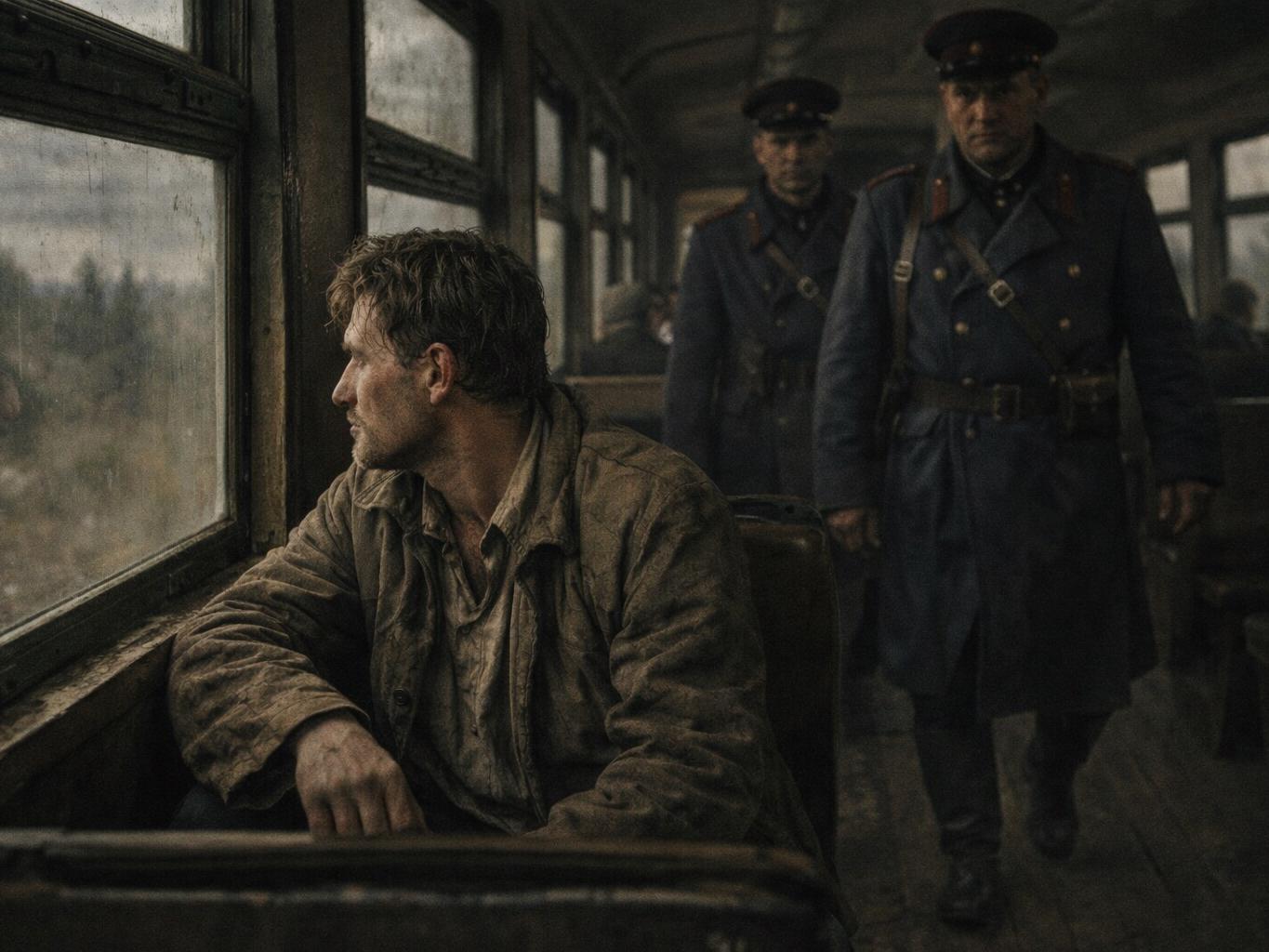
But there were successful escapes too, however, the professor cannot confirm the authenticity of these stories.
«According to eyewitnesses or relatives—they managed to escape. But they escaped not from the special settlements, but before the families were transported. The night before the NKVD came, someone warned them, and they fled,» our interviewee relates.
«Father Remained Silent»
In the late 2000s, Artur finally decided to learn the full truth about his native settlement. To start, he decided to talk to the closest witness—his father. But he gave only a page and a half of memories. This doesn«t mean he remembers nothing. He was still afraid to say too much, although the times when people were imprisoned even for anti-Soviet jokes had already passed.
«At first I wanted to write the history of only my special settlement. I can»t account for the whole country or even Bashkiria, I physically wouldn«t have the strength. It would be good if someone continued writing. And in 2016, my friend and I went to Krasnaya Polyana. I saw that the settlement was gone, the houses too, everything had collapsed. I thought: »But who will remember what was there, who lived there?«» said Artur.
Then he found a list of residents of special settlements and, together with the daughter of repressed people, checked everyone by name. And he noticed that some had other settlements listed as their place of birth. Thus the need arose to create a map.
«By this time, in 2020, maps of the Red Army (RKKA) were available. The names of these settlements were clearly visible on them. Well, good, I found the maps, surnames, people—I found them, met and talked. But do you have the right to write if you haven»t been to these places? And then, as luck would have it, I got a car—so I went,« recounts the Ufa resident.
According to him, he has a full understanding of these places and has the «moral right» to write about them.
It is worth noting that there are dozens of similar settlements across the republic: Osinovy Log, Berezovy Log, Saldybash, Nura, Kuz«yelga and many others—in Nurimanovsky, Duvansky, Karaidelsky, Beloretsky districts, in modern-day Salavat and Kumertau. Most are hardly remembered.
According to the National Archive of Bashkiria, «tens of thousands of people» were subjected to repression in the Bashkir ASSR: civil servants, public figures, workers in culture, science, industry, agriculture, and religion.