Store Zucchini for Winter: Agronomist’s Tips
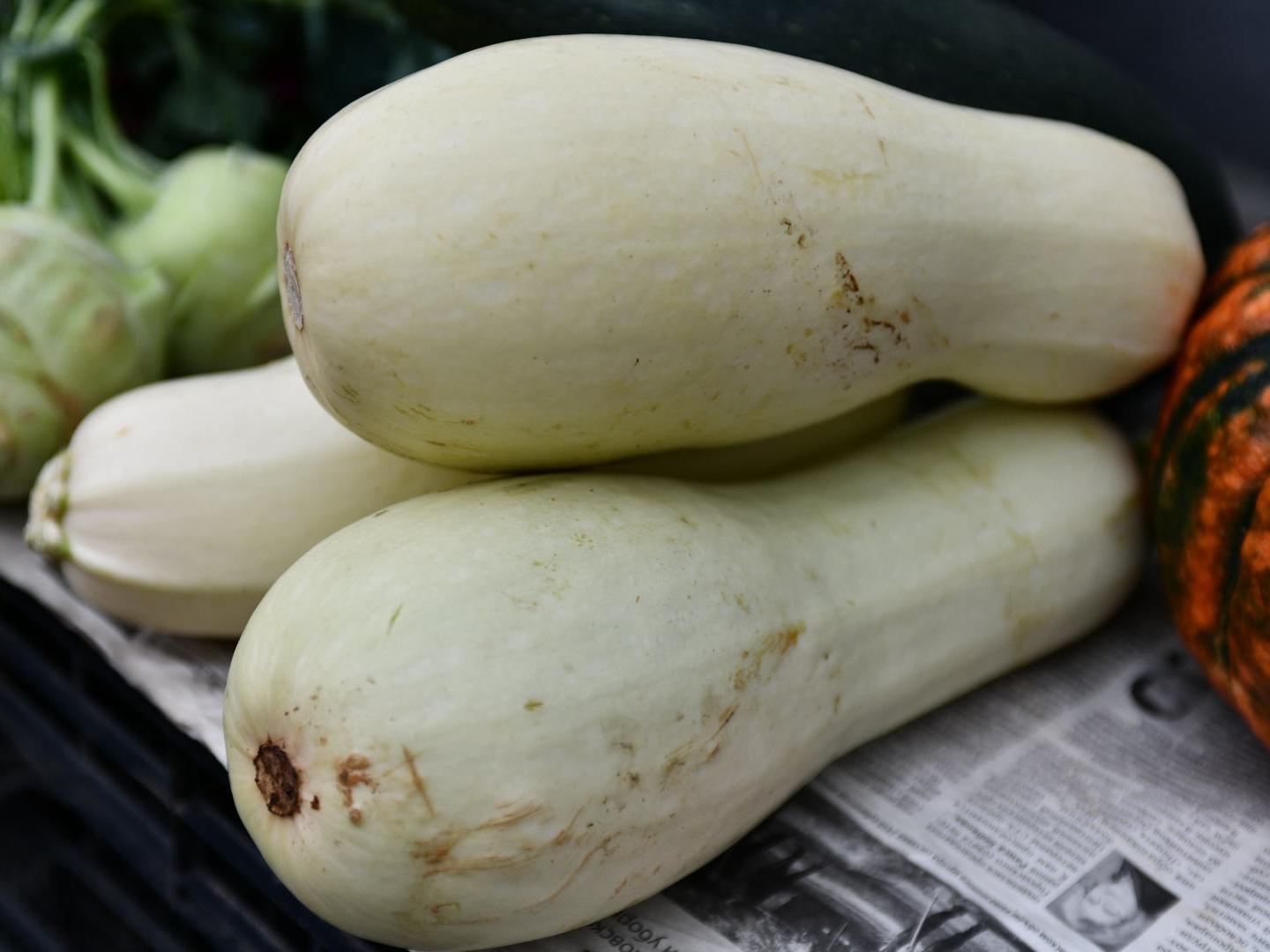

Summer has yielded a generous harvest, and many gardeners now face a familiar task: what to do with a mountain of zucchini? These vegetables, essential for a balanced diet, are so prolific that just a couple of weeks after picking, the question of storage arises.
Experienced agronomist Tatyana Kuznetsova from Altai Krai (Siberia, Russia) shared with NGS22.RU key recommendations that will help properly prepare these vegetables for the long winter. Here is how to store zucchini at home for the cold season.
Practical tips
«The first — and perhaps most important — rule is: do not wash vegetables before putting them into storage. Yes, clean ones look more attractive, but excess moisture is the real enemy of long-term keeping. It accelerates spoilage and can lead to mold,» the agronomist advises.
She adds that choosing suitable containers plays a crucial role.
«Give preference to cardboard boxes, natural cloth sacks, or large bags made of waxed paper. These materials provide good air circulation. Avoid plastic bags — they create a greenhouse effect that is harmful to vegetables. And under no circumstances seal produce in airtight containers — without air, they will simply “suffocate”,» Kuznetsova said.
Before sending zucchini into storage, it is very important to select only whole, undamaged fruits. Any scratches or bruises picked up at harvest can quickly trigger rot.
«When laying vegetables away, try not to pack them too tightly together. Space between fruits helps prevent the spread of spoilage and rot. Also mind what you store them with. Sort vegetables and keep them separate from fruits. Apples, bananas, apricots, and pears emit ethylene — a gas that helps them ripen, but it can accelerate the spoilage of nearby vegetables,» Kuznetsova explained.
Storage climate
Three main factors determine how well vegetables keep — temperature, humidity, and light.
The agronomist noted that most vegetables do not tolerate long stints in the refrigerator and are sensitive to light. Cucurbits are the exception.
«Watermelons and pattypan squash can stay in the light for quite a while, and pumpkin often even serves as a decorative element at home, showing its resilience to external conditions,» the specialist clarified.
According to the agronomist, zucchini can keep for four to five months at +2…+4 °C (35.6–39.2 °F), but humidity must not exceed 85–86%, otherwise the vegetables will spoil quickly.
Where to store in an apartment?
Even without a traditional cellar, you can find suitable places to store vegetables right in an apartment.
«For example, zucchini and pumpkins do very well under a divan-knizhka (folding “book” sofa) or in the space beneath it. You can put green tomatoes there as well. The main rule is to separate vegetables with newspaper and keep them in darkness — that significantly extends their shelf life,» the agronomist recommends.
She added that a glazed balcony is a real find for storing produce and can replace a cellar. To prevent vegetables from being damaged by frost, you need to monitor the temperature carefully.