Shy Blueleg Mushroom Found by Volgograd Foragers

The quiet foraging season is already coming to an end in Volgograd Region, but a strange, cute mushroom with purple legs — the blueleg — is increasingly appearing in local foragers« baskets. Some insist it is a delicacy, others are afraid to take it, considering it extremely ‘dubious’ or even potentially poisonous. Candidate of Biological Sciences, Associate Professor of the Department of Ecology and Nature Management at Volgograd State University (VolSU), biologist Nikolai Onistratenko explained what kind of mushroom this is, where it grows, and how improper preparation can affect one»s life and health.
‘Blueleg Mushroom’: Conditionally Edible, but Beloved
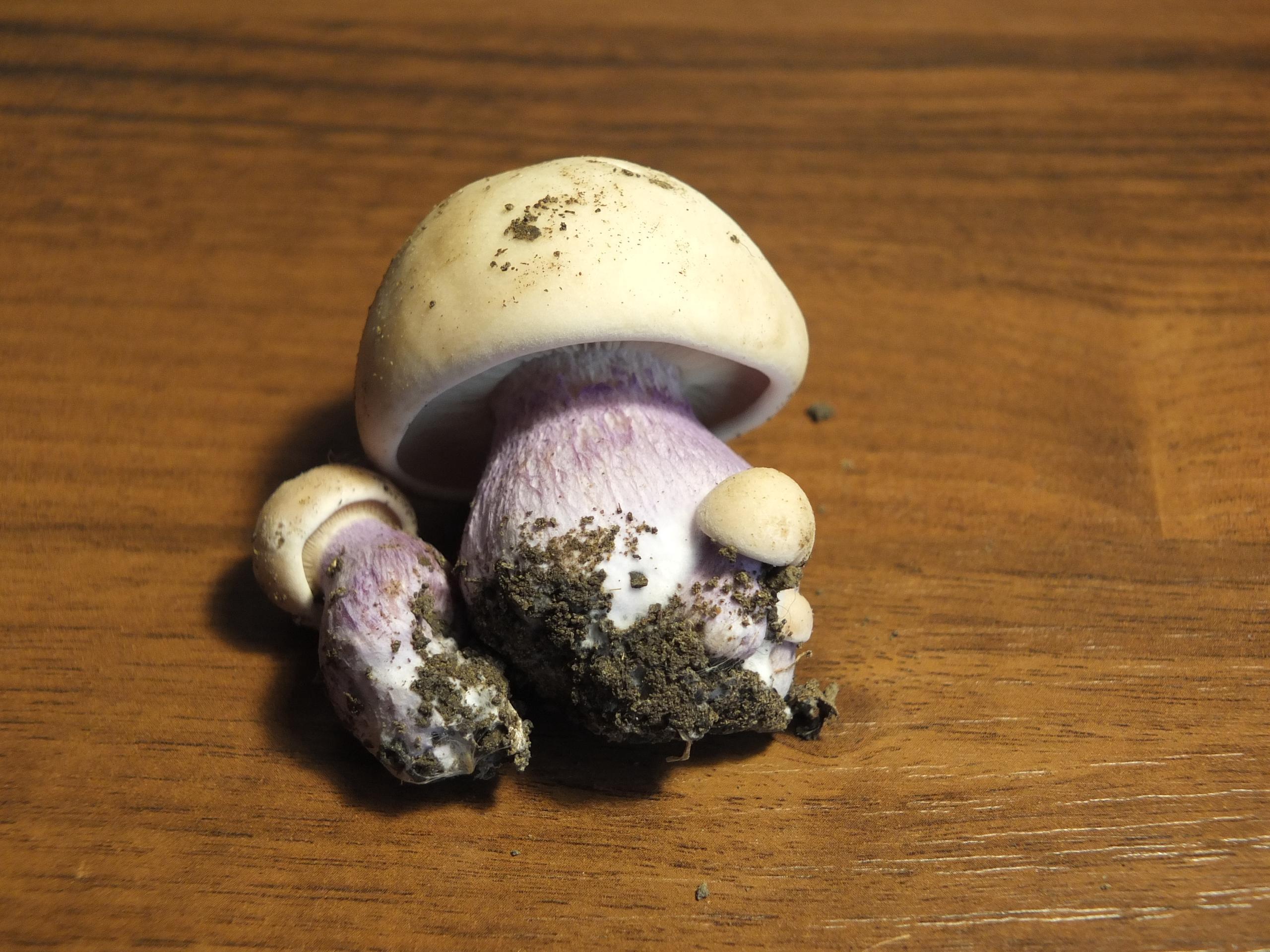
This refers to the blue-legged row mushroom (Lepista personata) — a conditionally edible mushroom that, according to the biologist, is found regularly in our area, although not too often.
— In folk tradition, it«s called the blueleg mushroom, — says Nikolai Onistratenko. — It grows on woodland edges, meadows, and on the slopes of ravines. Unlike the similar violet row mushroom, which prefers poplar groves, this mushroom inhabits more open places. It often forms long rows or fairy rings.
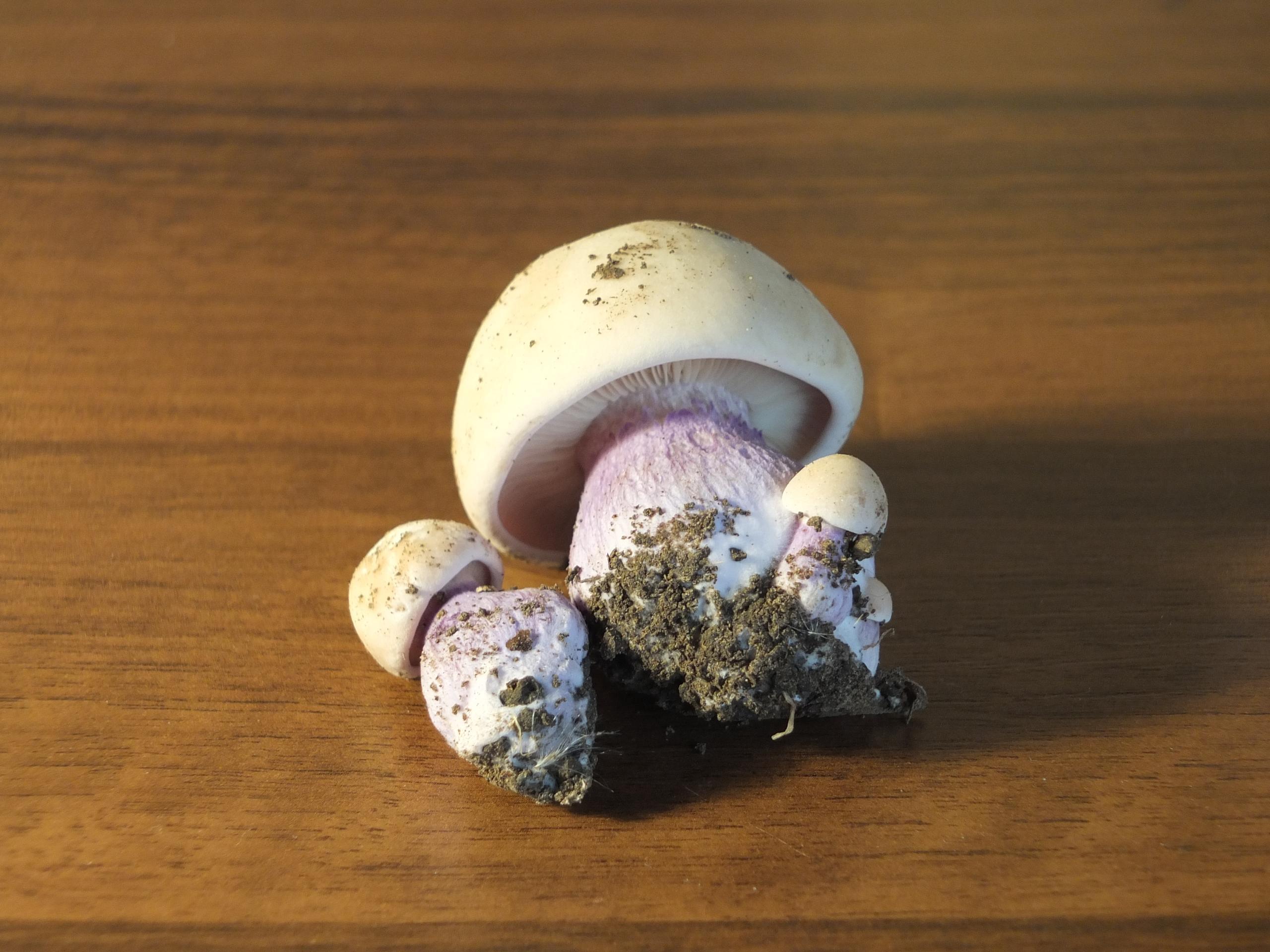
The blueleg is a sturdy mushroom with a dense, fleshy cap 6–12 centimeters (2.4–4.7 inches) in diameter. The cap color varies from beige to grayish-ochre, sometimes with a slight purple tint at the edge. The most noticeable feature is the stem: thick, cylindrical, with a distinct purple or bluish coloration at the base. The gills under the cap are light and can have a lilac hue, especially in young mushrooms. The flesh is dense, whitish, with a slight purple tint, and does not darken when cut.
The Somber Philosophy of Foraging
According to the rules, the blueleg must be soaked, rinsed, and cooked for a long time — fried, stewed, or pickled.
— Most of the mushrooms we consume are conditionally edible in general, — the biologist explains. — They cannot be eaten raw or dried — it will cause indigestion. And you can imagine how that might end.
The biologist admits that every mushroom has its ways to defend itself — and for good reason.
— The mushroom lives, grows, gains strength… And then, when it has matured, a monster appears at its home, — the scientist says ominously. — A fast one! It will stir up the leaves, find its reproductive organs, cut them off with a knife, and carry them away in a basket — to similar trophies. And at home, it even fries them with onions and sour cream. One can understand that some mushrooms try to defend themselves with conditional edibility.
Where to Look for the Blueleg in Volgograd Region
According to biologist Nikolai Onistratenko, the mushroom can be found:
in meadows and pastures;
on the slopes of ravines;
in floodplain forests;
in sparse poplar groves;
on the edges of light forests.
The main thing is not to confuse it with the violet row mushroom, which prefers more forested areas. It is also a conditionally edible mushroom and has a characteristic lilac or purple coloration on the cap, stem, and gills. Foragers value it for its dense flesh and expressive aroma, which is reminiscent of a fruity-mealy scent.
Pickled Blueleg Mushrooms
While some stew bluelegs in sour cream, others pickle them. A V1.RU reader shared two recipes:
Marinade No. 1 (for 1 liter of water):
salt — 2 tbsp.;
sugar — 1 tbsp.;
9% vinegar — 1.5 tbsp.;
garlic — 2 cloves;
peppercorns — 6 pcs.;
bay leaf — 3 pcs.;
clove — 1 pc.
Marinade No. 2 (for 2 liters of water):
salt — 2 tbsp.;
sugar — 2 tbsp.;
9% vinegar — 7 tbsp.;
the same spices.
Preparation is simple:
first, boil the mushrooms for 10 minutes in salted water;
second time — in the marinade. Add vinegar at the very end and distribute into jars.
— I haven«t tried it myself yet, — admits the Volgograd woman. — But the season is in full swing — in case someone finds it useful.
Liked the recipe? V1.RU has a whole collection:
the most tender mushrooms in pumpkin under a cheese crust. According to the recipe author, the dish takes a long time to prepare but is worth it. Button mushrooms, enoki, and bluelegs work perfectly for this dish. And slippery jacks don«t even need to be boiled, they can go straight into the pumpkin;
salting mushrooms, for which, besides the main ingredient, you only need salt and peppercorns for the brine, currant and horseradish leaves, garlic, and tomato;
gratin with morels. You will need: pork belly or other meat, definitely with fat, boiled morels, potatoes, onion, mayonnaise, cheese, ground black pepper, salt, sugar, vegetable oil;
Korean-style oyster mushroom appetizer — besides the mushrooms themselves, prepare salt and sugar, garlic, spices, vinegar, onion, and vegetable oil. It takes only 30 minutes to make, and then you need to put the appetizer in the refrigerator for 2–3 hours — to let the flavors meld;
mushroom solyanka made from oyster mushrooms, for which you will need chicken broth, mushrooms, potatoes, onion, tomatoes, sausage, pickles, herbs, favorite spices.