Journalist Shares Fast and Stress-Free Bolognese Lasagna Recipe
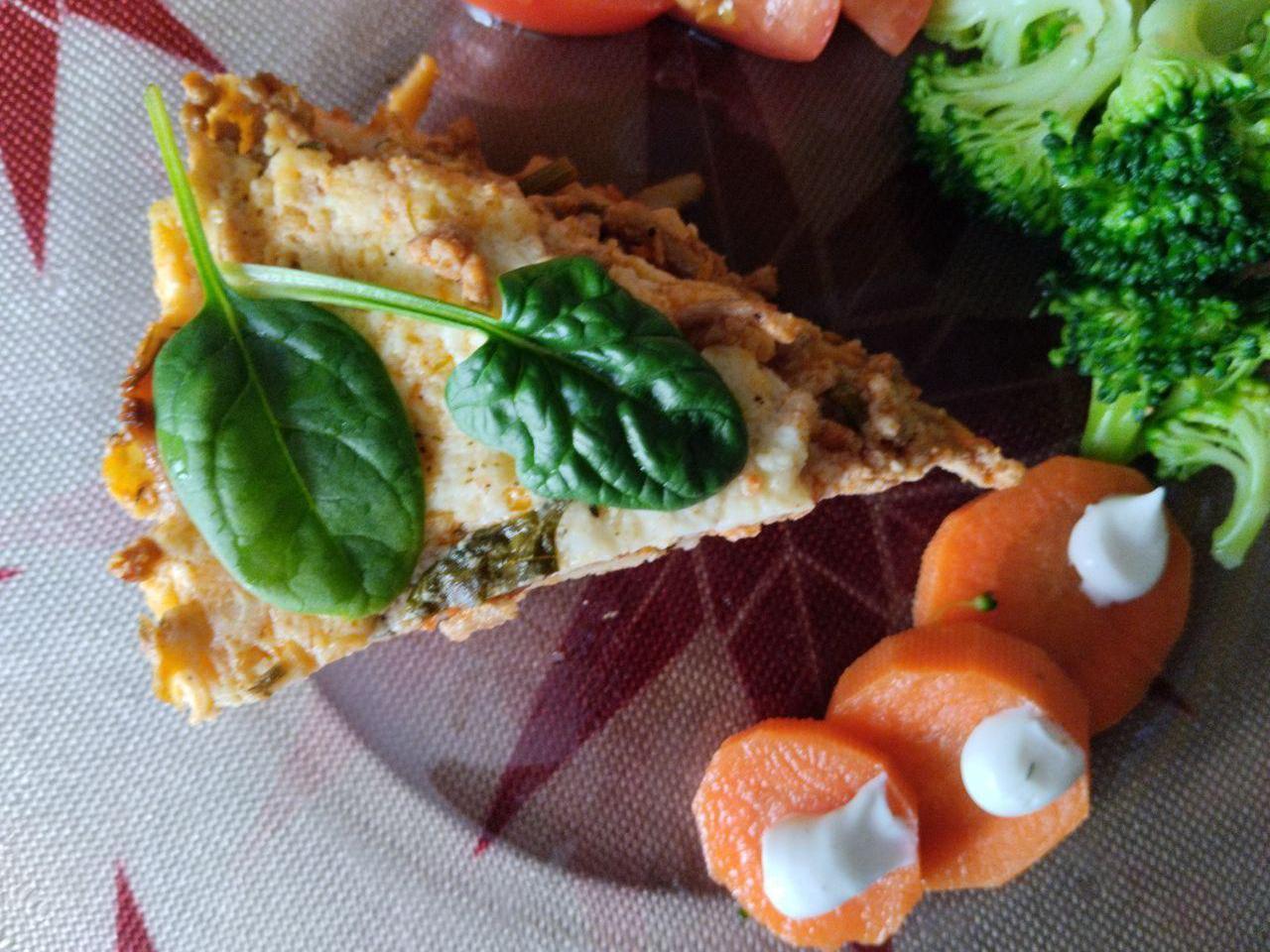

Fresh herbs and vegetables enhance the presentation and flavor when serving the finished lasagna.
If previously lasagna could only be tasted in Italian restaurants, in recent years it is more often prepared at home in ordinary kitchens. However, many home cooks avoid this dish because they think it requires a lot of time and nerves. But that is not the case at all. Our journalist has long been experienced in preparing this tasty and nutritious dish. She makes lasagna quickly, almost on autopilot, which is why she decided to share her recipe with readers.
Ingredients
For preparation, you will need special lasagna sheets, usually sold in the pasta aisle. You can, of course, make them yourself using a dumpling dough recipe, but that is too troublesome, so it«s easier to buy the sheets.
For the filling you will need 500-700 grams of any minced meat—best beef or «homemade,» onion, tomato sauce or ketchup (preferably classic tomato «Heinz»), a couple of garlic cloves, dry Italian herbs, salt, sunflower oil.
It is advisable to add a couple of small tomatoes or one large tomato—with them, the filling will be juicier. For aroma, it is ideal to add ⅓ cup of any red wine to the mince. You can also get a bunch of fresh basil, but it«s not absolutely necessary.
For the béchamel sauce you need about three tablespoons of flour, 50 grams (or more) of butter, a couple of cups of cream or milk, dry nutmeg, a pinch of salt.
You will also need any hard cheese—about half a pack.
Preparing the Sheets
It«s better to calculate the number of sheets in advance—depending on the height and width of your baking dish or tray. Usually, I make lasagna in two layers, but you can make it in three.
We put water to boil in a spacious pot and salt it. After boiling, we lower the sheets into the water—better not all at once, or they will stick together, but gradually, two at a time. They boil for about 7-10 minutes—usually, the exact cooking time is indicated on the package.
We take them out with a large slotted spoon after they are cooked, place them on a clean towel or a large plate or board to let the water drain off.
Frying the Filling
While the sheets are boiling, you can start on the mince. We heat a pan, pour in two or three spoons of sunflower oil, fry the mince for about five minutes, then add chopped onion, tomatoes (if you decided to include them in the filling), salt, wine (preferably, but not necessary), several pinches of nutmeg, tomatoes cut into pieces, and at the end—chopped or pressed garlic. Fry the mince until done for about 15 minutes and turn off.
Conjuring the Béchamel
In a separate pan over low heat, melt the butter. Add flour, a pinch of salt, and several pinches of nutmeg. Slightly fry, then gradually add half a cup of cream or milk. Gently stir, breaking up lumps and achieving uniformity. Add another half cup of cream or milk and again gently stir the sauce for literally a minute. By consistency, the sauce should be like sour cream with 10% fat.
If it turned out thick, the sauce can be diluted with cream or milk.
Combining the Layers
Finally, we form the lasagna layers. Grease the bottom of the dish with any oil, place the sheets next to each other, on top the mince, on it—béchamel and generously grate a layer of cheese on top.
Then make another exactly the same layer: dough, mince, sauce, cheese. Next—one more layer if you decided to make three. As a result, on top you will have mince, béchamel, and cheese. If you have leftover pieces of sheet, you can put them on top.
Cover the dish or tray with a lid or foil and put it in the oven. It is advisable to preheat it for about five minutes before placing the dish there. Cook the dish for about 30 minutes at a temperature of 190-200 degrees.
About 10 minutes before the end, you can open the dish and let the top layer «set» under the heat. If there is a top burner or heating element, then optionally, you can turn them on for 3-5 minutes to achieve a golden crust.
Earlier we recalled the recipe for confectionery sausage, which our grandmothers used to make.