How Regional Restaurants Conquer Moscow Amid Mass Closures
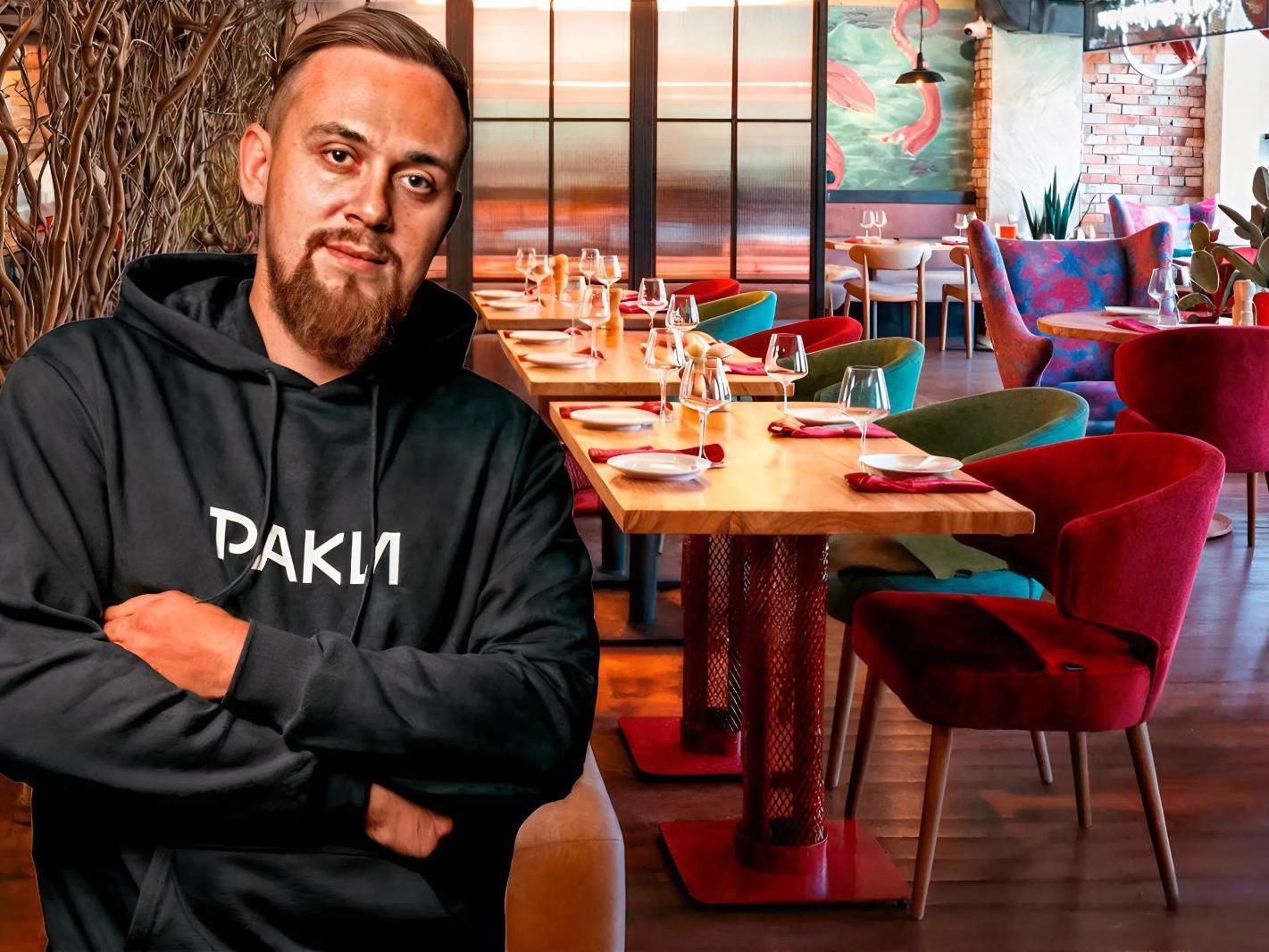

Mikhail Sidorov is a co-founder of the Raki i Gady chain. The project started in Rostov-on-Don and over several years became a local phenomenon. At the end of 2025, the chain«s first venue opened in Moscow — against the backdrop of a restaurant industry crisis, closures, and rising costs. We discussed with Mikhail why a regional business should enter the capital now, how Moscow is tougher than Rostov, and why for a restaurant»s survival, sometimes the most important thing is simply to remain true to itself.
— How did the idea to open a location in Moscow come about?
We were actually supposed to open here even before the pandemic. In 2019, partners proposed a project, we came several times, looked at locations, found a spot on Tsvetnoy Boulevard, already started drawing up plans — and then everything shut down.
Back then, no one understood how long it would last or what would happen to the restaurant market. We put the plan on ice. It was disappointing, but we decided: it«s just not the right time. Entering Moscow on our own — it»s both scary and not entirely clear from a management perspective.
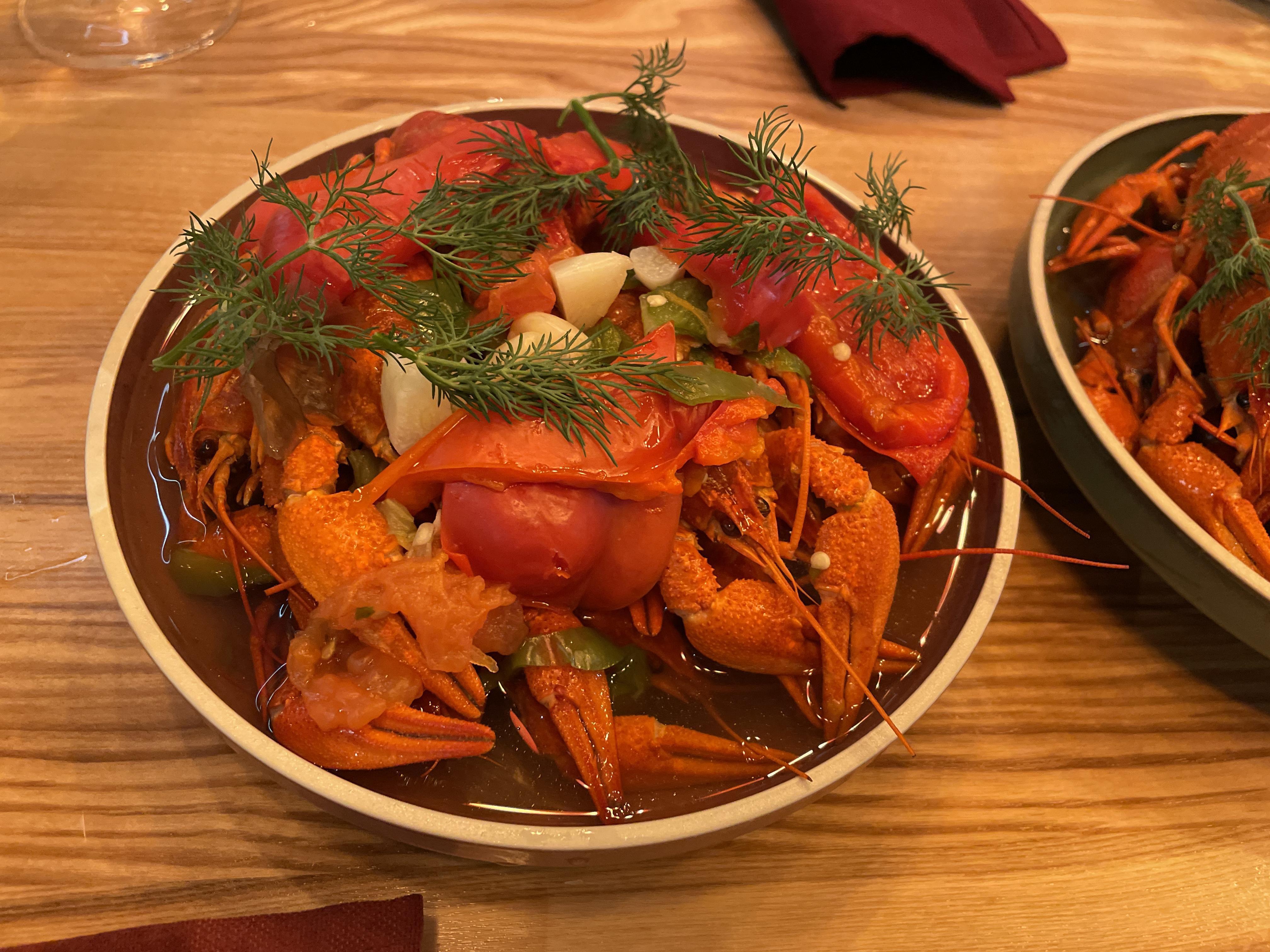
In 2024, regular guests reached out to us and suggested doing a project with them. But during this time, the market changed a lot. In 2019, there were almost no crayfish restaurants in Moscow. The product wasn«t popular, hadn»t been tried. And when we started construction in early 2025, it became clear that there were many establishments with crayfish — of all different formats.
— At that moment, did you feel it was too late?
Of course, we had doubts about whether a regional project should jump into Moscow. It seemed like the same product. We started going to establishments, tasting, seeing how others did it. And we understood an important thing: in its pure form, the concept we have isn«t really on the market.
Some just add crayfish to the menu, others prepare them differently. So we thought that we have a certain uniqueness. Plus a bit of recognition — guests from Moscow regularly came to us in Rostov. We often saw comments: «Open in Moscow, we»ll come.« Honestly, we didn»t really believe it — it seemed like just compliments.
But when we opened and saw how many people came specifically because they had already been to our Rostov location, it was a big surprise for us.
— Do you often come to Moscow and what do you do here?
Every month. We have a shift schedule: a week for me, then — business partners. We come, communicate with the team, with guests, sort out problematic issues.
It«s more operational work: talking with staff, PR people, SMM, discussing strategies. Plus we work a lot with feedback. We have a system of daily reports built up — what»s happening in the hall, what guests are saying, where there are questions.
For example, guests once said that the Magadan shrimp at «Boston» are tastier. We went to see what their miracle shrimp was, tried it — and it turned out to be exactly the same shrimp. We sat there racking our brains about what was wrong.
— If someone tells you the herring at the restaurant next door is better, will you go check?
We try to respond to such things. If we«re told that somewhere cooks better, we go and look. Maybe a different supplier, maybe nuances in preparation.
That«s how it was, for example, with red mullet. In Rostov, no one ever thought about size — everyone was used to small fish. But in Moscow, it turned out that guests expect large, calibrated red mullet. We went, looked, tried it — really great. We added it to the menu.
The recipe didn«t change, the product didn»t change — only the size changed. For us, that«s normal adaptation.
But there are also things we don«t react to. When people say: »I ate the best octopus in Portugal,« — I don»t believe it. I«ve been to Portugal myself, eaten that octopus, and it»s not remarkable at all. We try to separate subjective from objective. People with experience, who often go to establishments, can say many smart things and give tips.
— Why is it so important for you not to change the concept?
Otherwise, the restaurant turns into just a collection of popular dishes. Beautiful interior, good service — and the same menu as everywhere else. That«s not what we»re about.
We have a fairly narrow, refined menu that hasn«t changed globally for many years. There are seasonal items, but the base remains the same. This cuisine has its own audience, its own fans.
In Moscow, of course, there«s more product choice, higher expectations for »purity of taste«: fewer sauces, less intervention. Such feedback happens. But then it gets interesting. When guests from Moscow come to Rostov, everything is perfect for them. The same shrimp that raise questions in Moscow become the height of dreams there. So, it»s not just about the food, but about the context.
— Doesn«t competition in Moscow scare you?
It scares everyone, because everyone is afraid for their investments. That«s normal. We live by this, earn from this. A restaurant — it»s a 24/7 job. The alarm goes off at night and you have to go.
I had a story: winter, four in the morning, the alarm goes off at the venue. I arrive — everything seems intact. I open the back entrance, and there«s a person sleeping on a mat. He was cold, just walking, pulling on handles, and one door wasn»t locked — he came in to warm up and fell asleep. That happens too. I was surprised then, but thought: okay, no big deal.
If you come out with some idea and it works, you have an audience that loves you, — why sway? Of course, you need to look around, learn, you can«t stew in your own juice. There are trends, there»s feedback, it«s important to hear it and adapt somewhere.
But adaptation — it doesn«t mean one day saying: »We«re animal rights activists now, we don»t cook crayfish, we«ll be called »Raki i Gady« and do celery.» That would be illogical.
The most important thing — is not to try to become someone else. If you start copying your neighbors, it«s a direct path to closure.
— You already have experience in both Rostov and Moscow. How different are the rules of the game here?
In Moscow, the requirements are much stricter, especially in terms of regulation. Here they check literally everything. During the design and construction phase, we had constant oversight — on one hand, it«s a strict process, but on the other — very useful experience.
Rent, meanwhile, is simply astronomical. But there are projects that guests are willing to travel half an hour by taxi or metro for. And there are establishments that work only on passing traffic and all the «buzz» around.
We immediately created a restaurant that people come to purposefully, — that«s a specific demand, there aren»t many such places. Therefore, we carefully chose the location. We looked at 20–30 premises in different districts. On Patriki, for example, everything is too small — such space isn«t suitable for eating crayfish.
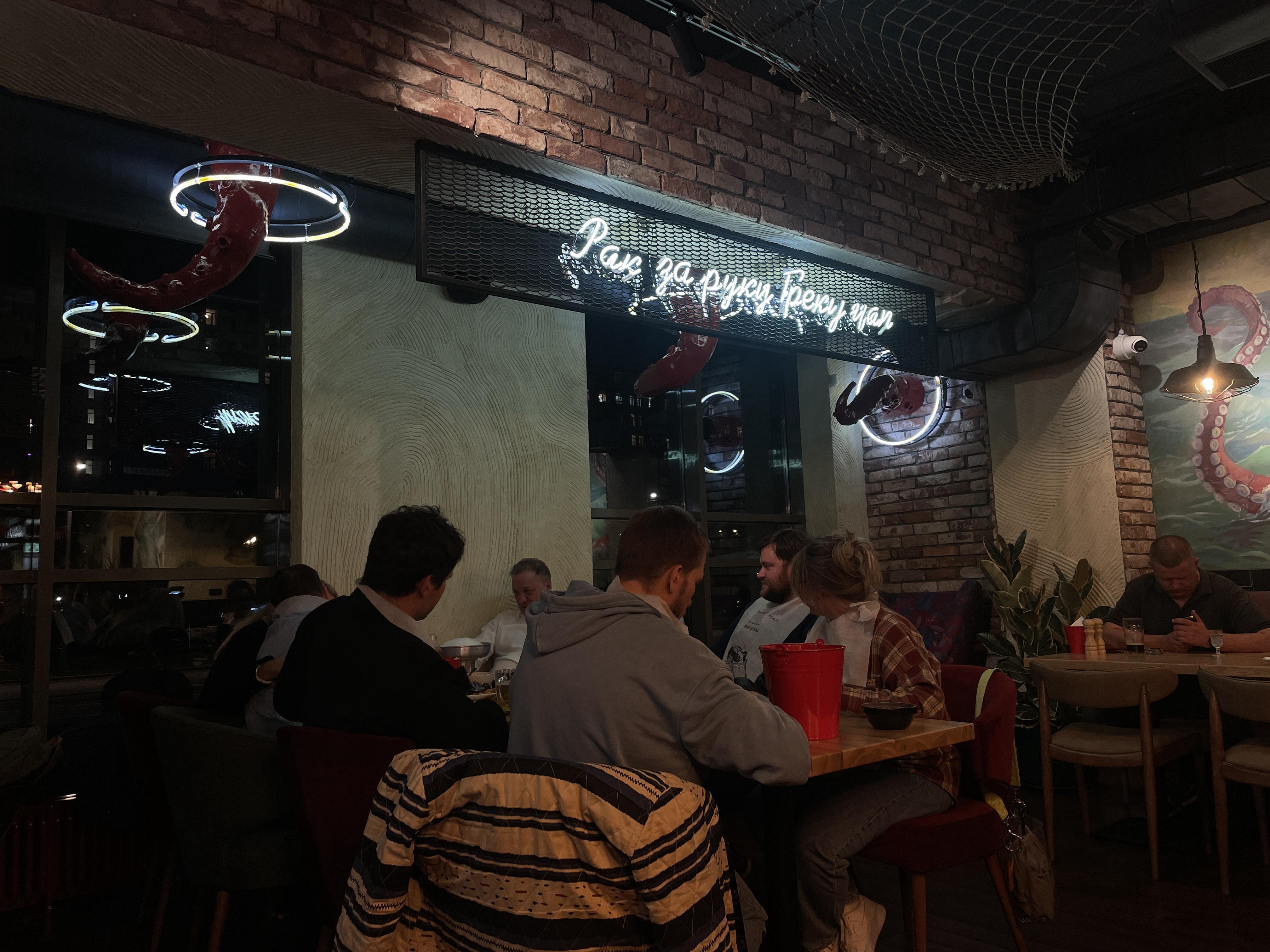
In the end, we settled in Khamovniki. It might sound strange, but for us, the energy of the space is also important. You walk in and immediately feel — is it yours or not. With experience, this feeling appears.
I don«t consider our location bad. Yes, there»s no passing traffic, but there«s a metro, good accessibility, and an understanding of who we work for. In Moscow, this is more important than just being on a flow.
Basically, everything is more expensive: rent, staff, operations. Staff rates are high, and there«s still a shortage of people — this is one of the most acute problems.
In terms of pricing for guests, the difference with Rostov isn«t radical, but there are forced adjustments: some things here objectively cost significantly more. There»s no way around it.
— Our colleagues from 161.RU included your establishment in a list of the most expensive places in Rostov-on-Don to eat seafood. Locals say tables there need to be booked in advance — several weeks ahead. How did you create such demand?
To be honest, we just hit the right time and place very accurately. This product didn«t exist, it was needed — and everything aligned.
Of course, we worked hard. Every day, quite tediously and systematically. But there«s no secret here. We just tried to make the guest feel as comfortable as possible. It doesn»t matter if they come in a tracksuit or a tuxedo.
This atmosphere isn«t created by furniture or interior. It appears when you yourself really love your place and invest in it wholeheartedly.
Moscow — is a new experience. It«s impossible to replicate Rostov here one hundred percent. But if we manage to preserve at least 80–85% of that internal atmosphere that people come back for, — then it was all worth it. Whether it works or not — we»re finding out right now.