Farmer Assesses Crop Risk from Abnormal Frosts in Omsk Region
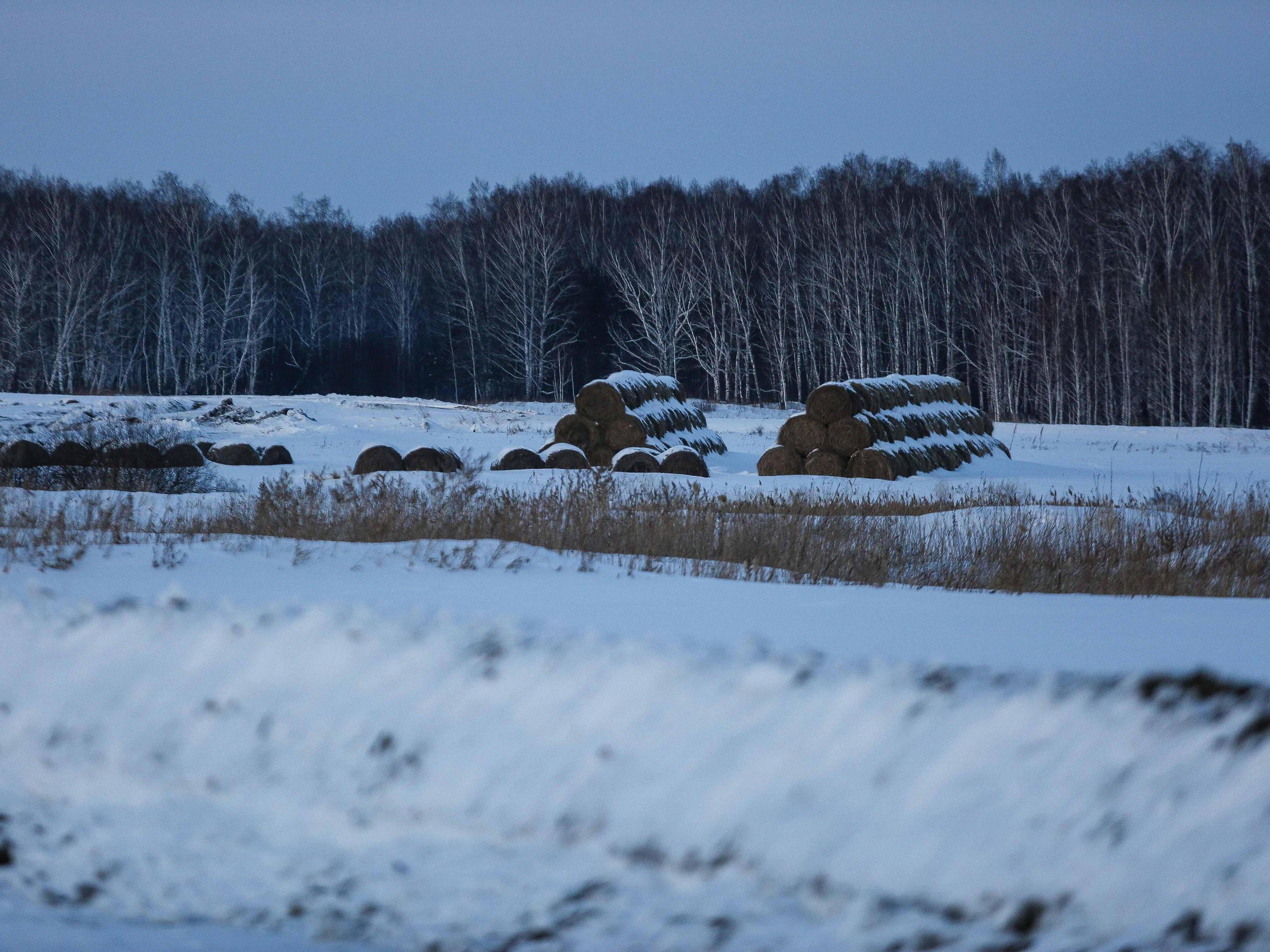

Omsk farmer Mikhail Velitkevich told whether to expect harvest problems this year due to the long abnormal frosts that have set in the region in January. The cold came after the New Year holidays, and the most severe frosts during this period were recorded in Sedelnikovsky district — there the thermometer dropped to -42°C (-44°F). According to Mikhail Velitkevich, no major problems are expected due to the long frosts.
“If we talk about large fields, nothing will happen. We mainly grow spring grain — that which is planted in spring and harvested in autumn. Previously, there were areas for winter crops, which are planted in autumn and harvested in summer, but due to such winters… It«s not that they are cold. The cold has nothing to do with it; there is often little snow on the fields. And people have started planting less barley and wheat for winter,” the farmer believes.
Mikhail is somewhat worried about his strawberries — the cold doesn«t bother them if there is snow, but in early December, when the first serious frosts came, the ground was practically bare and this could have affected the plants.
“On our field now there is normal snow, about 25 centimeters (10 inches), and even if it were -40°C (-40°F), nothing would happen. But those frosts in early December — yes… We worry, but we can«t change anything anyway.”
The frosts could have damaged gardeners and dacha owners who have started planting fruit tree varieties that are not native to Siberia. While honeysuckle, currants, and raspberries are ready for frost, not all fruit trees are equally well adapted to our winters.
“This year«s harvest will be in question, most likely, something will freeze. Pears and apple trees. Apples set on the very tips, on the previous growth. Our Ural Nalivnoye, Triumph, and Alye Zori feel good, they are created for these conditions. But now it has become fashionable to plant varieties from the European part of Russia, which are a bit incompatible with our Januaries,” the expert said.
The Siberian climate is still the same — summer is hot, winter is frosty, but the harvest time from early September is gradually shifting to the end of the month, or even postponed to October. The off-season periods are stretching. What spring will be like this year — it«s not yet known for sure, but farmers hope that since winter is cold, summer will be hot.