Family copes with two children with SMA
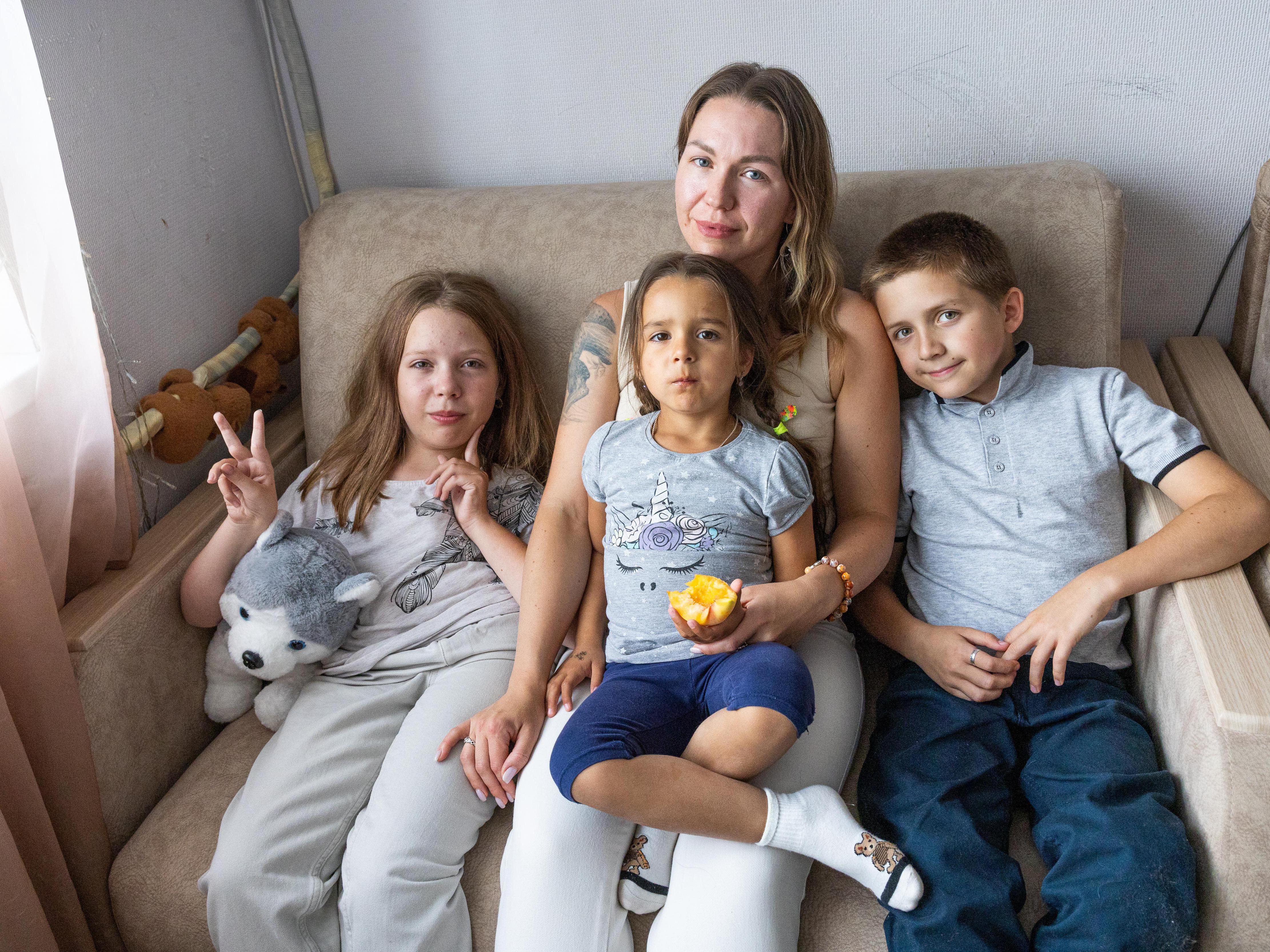

The Filippov family shares experiences with SMA therapies, equipment needs, and everyday routines.
The diagnosis of spinal muscular atrophy (SMA) is a genetic lottery. The disease occurs in one child out of 6,000–10,000. It cannot yet be cured, but therapy is available. An MSK1.RU correspondent reports on how a large family in Moscow Oblast lives with two children who have this condition.
This is the Filippov family: 11-year-old twins Ksyusha and Matvey and their younger sister, 4-year-old Sasha. With them is their mother, Evgeniya. It is the girls in this family who were diagnosed with SMA.
The story centers on daily life in Moscow Oblast for a family raising three children.
The children turned out very different in character: Ksenia, for example, is wise, Matvey is hot-tempered, and Sasha is still a little rascal.
«Ksenia has many hobbies; she likes drawing and took English. Matvey likes sports, he’s into judo. Alexandra is just a little girl for now. She likes absolutely everything. She’s basically content with everything,» says their mother, Evgeniya.
«I always wanted a big family»
Zhenya and her husband Andrei always dreamed of a big family. So when a screening showed she was carrying twins, their happiness knew no bounds.
«My father’s family had five children. And when everyone came to Grandma’s with their spouses and kids and we all gathered around one big table in the evening, that’s when I realized I wanted many children, — says Evgeniya. — I was on cloud nine. I would gladly welcome everyone the Lord sends me.»
The pregnancy coincided with Evgeniya’s 27th year. There were no complications or warnings of serious illnesses. Although the waiting period was generally calm, it was sometimes punctuated by hospital stays.
«I was hospitalized a couple of times to maintain the pregnancy, but nothing serious. Overall, it was fairly calm,» the mother of three noted.
As the babies grew, nothing abnormal was noticeable. Ksyusha and Matvey developed by all the standards. The girl was sturdy and spirited. Even as a tiny tot, she easily took toys from her brother.
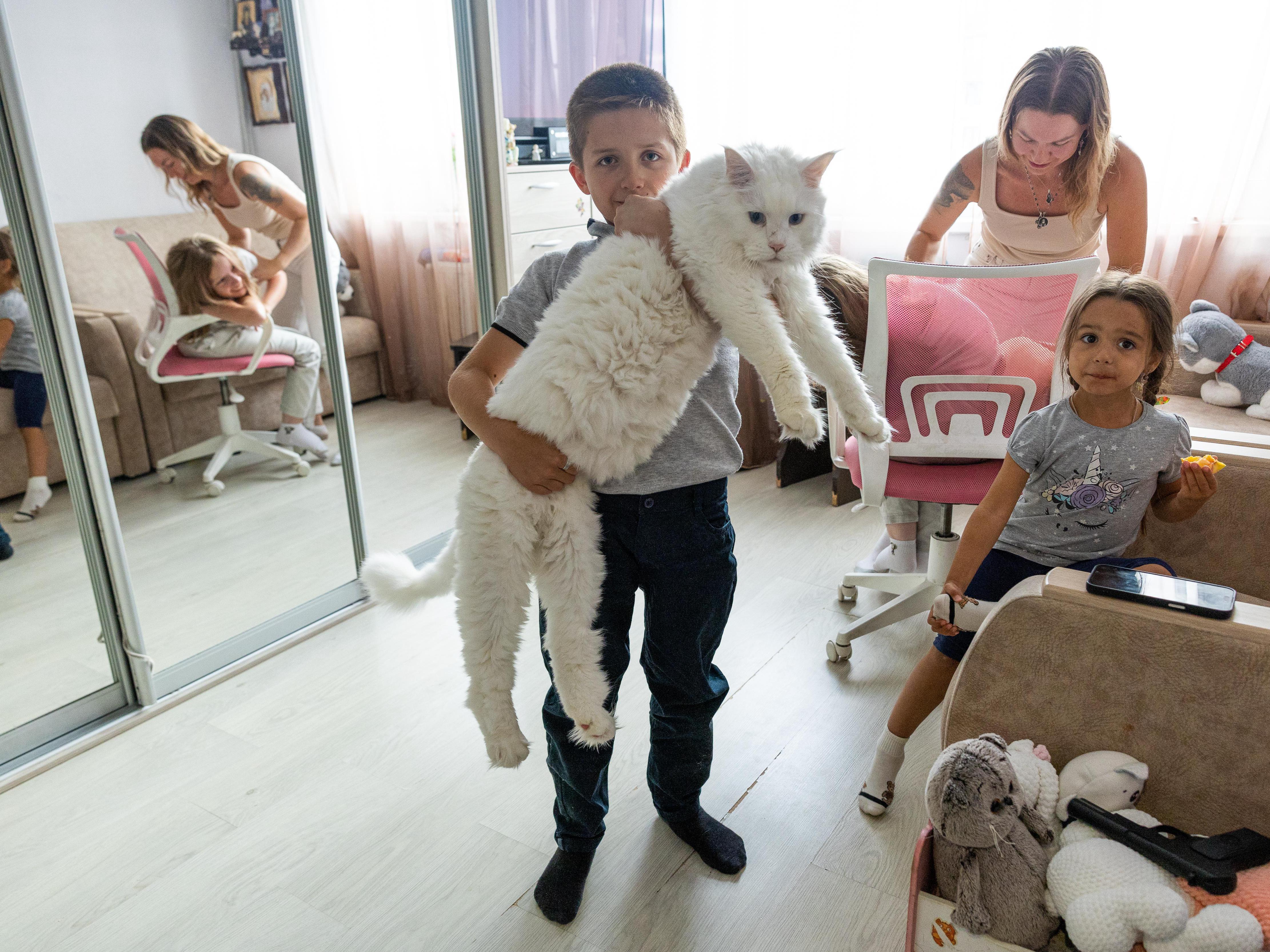
Ksenia and Matvey’s different personalities shape family dynamics and daily activities at home.
«In general, Ksenia developed faster than Matvey. She was the first to crawl, sit up, and stand. She would climb over the bassinet and from her stroller into Matvey’s. She took everything from him. She was very strong,» Evgeniya laughs.
But closer to her first birthday, Mom began to notice something was wrong. When Matvey took his first steps, Ksenia still wouldn’t dare.
«My son started walking well. But Ksenia walked very slowly, like a duck. Her knees were hyperextended. And she somehow moved using her back. She also fell a lot and couldn’t catch herself with her hands. That’s when we began getting tests, going to doctors, figuring out the cause,» Evgeniya shared.
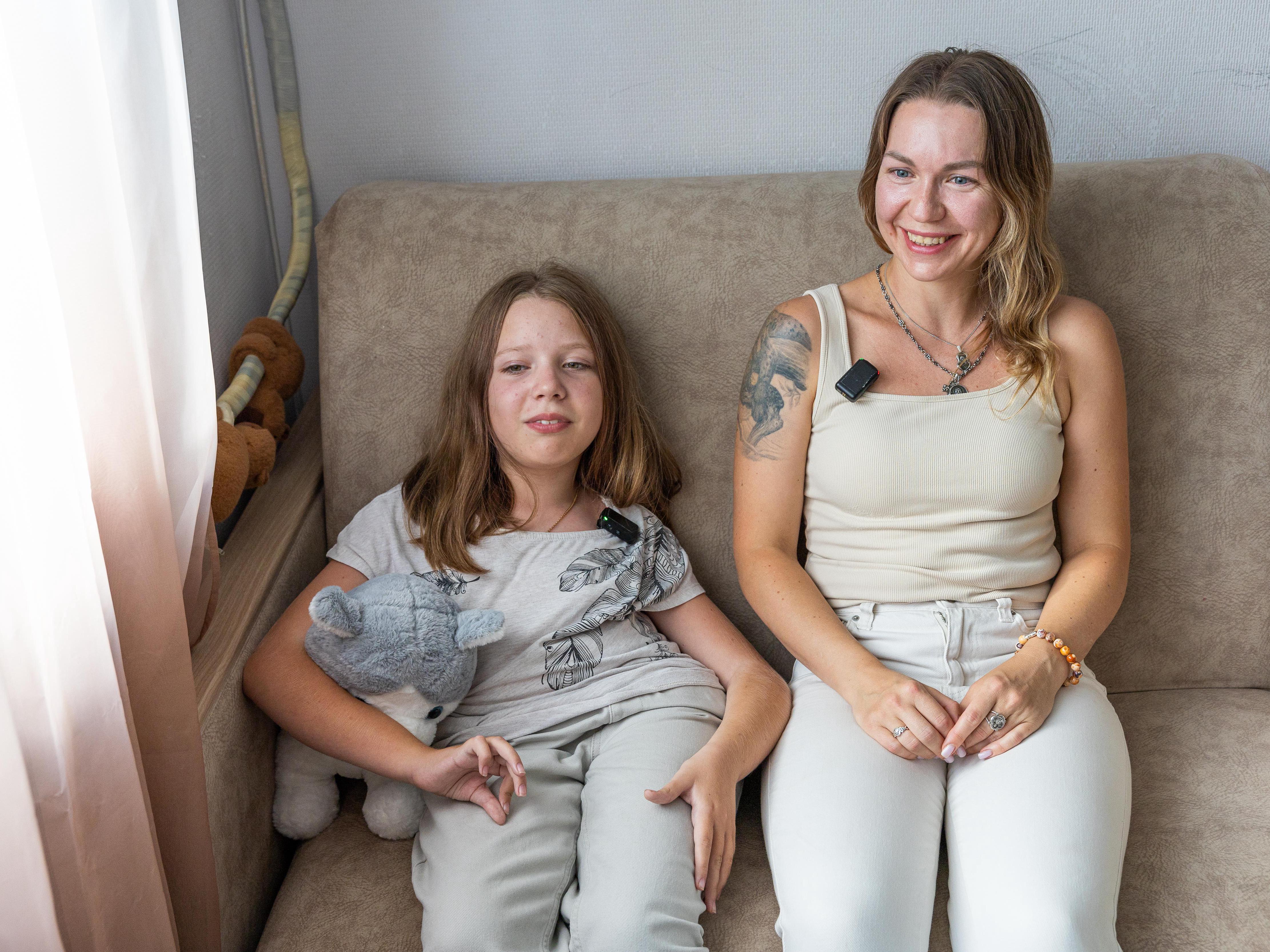
Early developmental milestones contrasted, prompting medical evaluations that led to an SMA diagnosis.
When Evgeniya was told her beloved daughter’s diagnosis, she was left to face it alone. The doctors did not explain what the illness was or how it would affect the child’s life. So the mother of twins turned to the internet, which only heightened her anxiety.
«They didn’t tell me the details. I read about all the “delights,” and of course I couldn’t pull myself together. To be honest, I still don’t accept it, I can’t make peace with it. I can’t wrap my head around this happening to my child. So many years have passed, and I can’t say I’m suffering and sitting all day. No, I don’t have time for that — we’re always hurrying somewhere. But sometimes it gets to the point where I can’t go on; I just have no strength. And I think: “Dear God must understand that I’m struggling. He should make it easier. He can make it so that she walks.” I have no acceptance; I still can’t reconcile myself to it,» says Ksyusha’s mom.
The disease progresses even with medicine
When Ksyusha was diagnosed, there were no drugs for SMA. The girl received therapeutic interventions: swimming, hippotherapy, and other developmental activities. However, they didn’t have the needed effect — motor skills gradually declined. By the time the first drug capable of slowing the disease appeared, Ksyusha had already stopped walking.
«At around five years old, we probably started injections of Spinraza. It was the only one available then. They even had us sign documents at the hospital stating that we would not claim anything else,» said Elena.
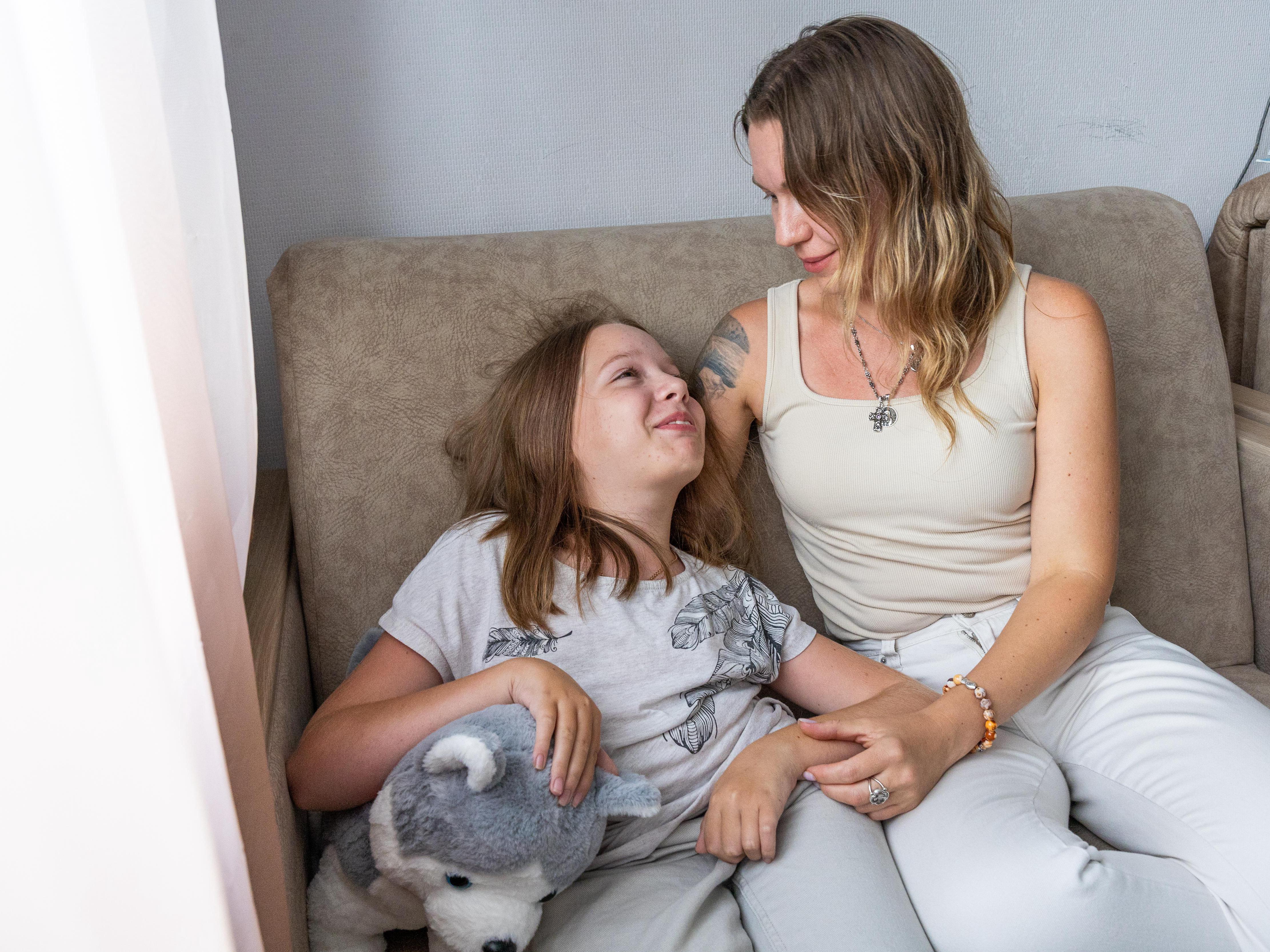
Spinraza and Risdiplam are discussed alongside rehabilitation to slow functional decline.
«Many functions were lost irreversibly. Walking — she did walk, and then she stopped. Crawling — she stopped crawling. She could kneel at a support — I would lay something on the floor, put something by the sofa, and she could kneel. But by the time we began receiving the medication, all those functions were gone. She no longer could, and they didn’t return to us,» the mother notes.
Even with medication, rehabilitation, and therapy, the disease continues to progress. Her condition is slowly worsening.
In a couple of days, Ksenia is scheduled for surgery to stabilize her spine.
«I feel sick, and the doctors still ask questions»
Spinraza is administered to a child once every four months. The medicine is injected directly into the spinal canal with a long needle. The procedure is painful, so children undergo it under anesthesia.
According to Ksyusha, she has been through this twelve times already. Although it is less frightening now, she still gets nervous each time.
«The first time I was scared. Then I didn’t expect I would go into the operating room alone. The first time everything was under anesthesia. After that, everything went normally. Of course I still worried, but not as much. When I’m under anesthesia — I don’t like it at all. And the doctors try to talk to me at that very moment and ask me questions. It annoys me. I feel bad, and they still ask questions,» Ksyusha says jokingly.
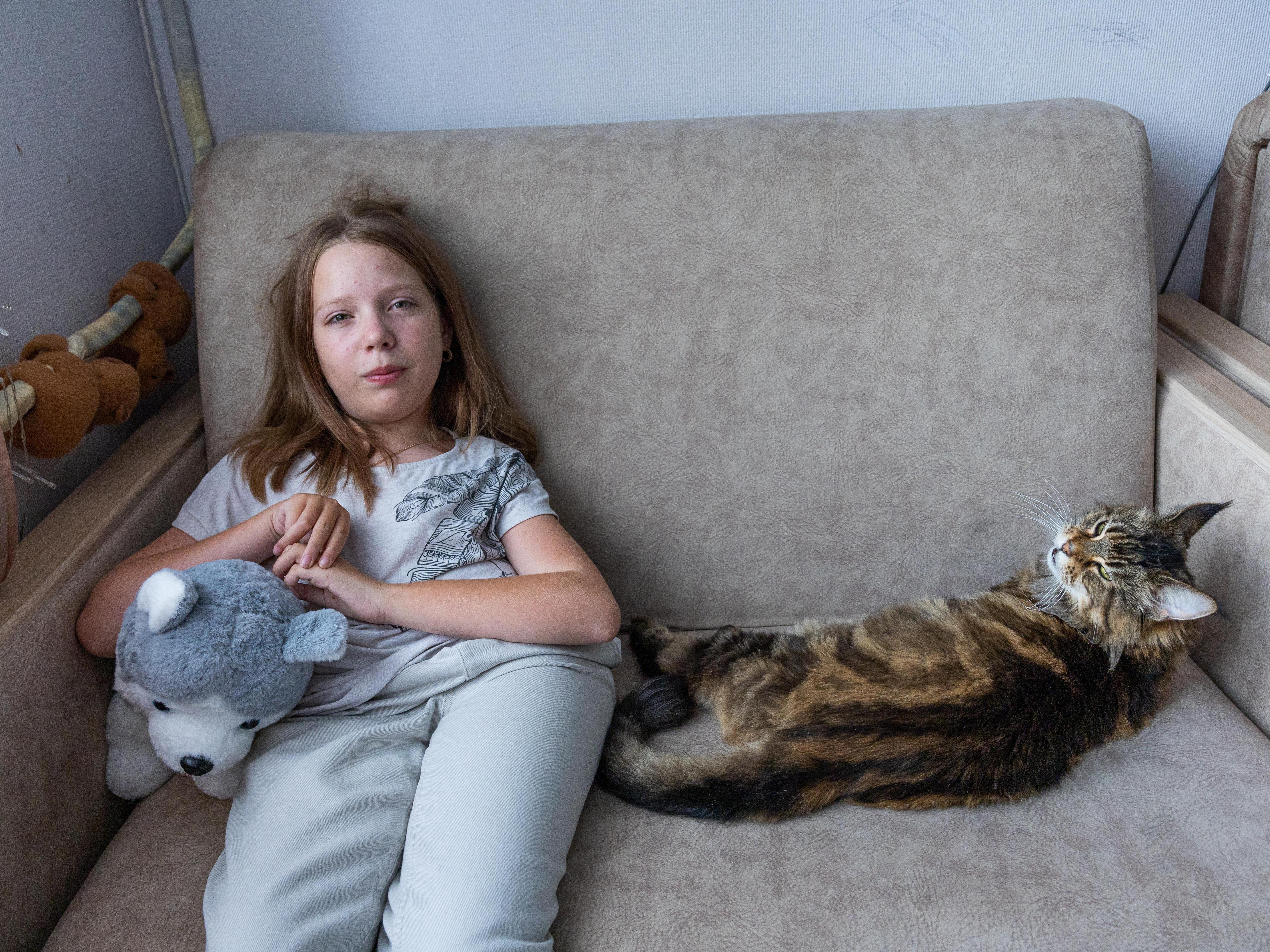
Intrathecal procedures under anesthesia remain stressful despite familiarity with recurring treatments.
«I’ll find out later whether there is a diagnosis»
Four years ago, Sasha was born — an active and nimble girl.
«When they brought her, everything was fine, I was very happy. Later, when she grew a bit, she started to fight,» Ksyusha says about her little sister.
Sasha was also diagnosed with SMA — this was confirmed by a genetic analysis done immediately after birth. Evgeniya already knew she was a carrier.
By the time Sasha was born, the disease was better studied, and the list of available medications was broader than Ksyusha’s had been. The parents were admitted to an experimental group that was provided Risdiplam — the only oral SMA treatment on the market.
«I wanted Sasha to receive Zolgensma. Everyone said it was like magic: one shot — and you forget. Although, as I later learned, that’s not true at all. Far from everyone has such results. Maybe it’s for the best that Sasha didn’t get the Zolgensma shot. To administer the drug, there must be no antibodies. And Sasha had them, — Evgeniya said. — She still has no symptoms. She takes the medicine every day.»
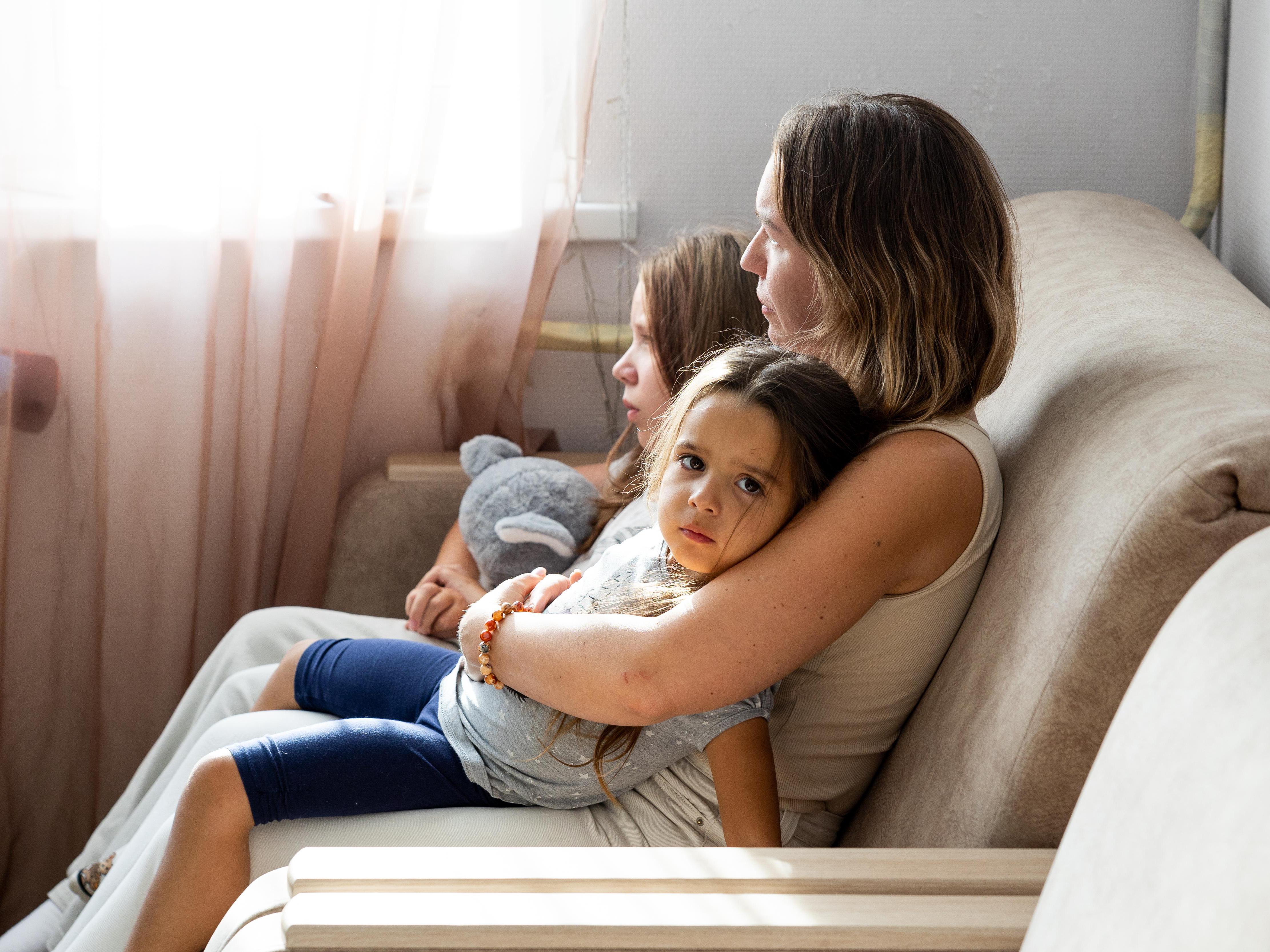
Sasha receives daily oral therapy while remaining asymptomatic according to her mother.
Prices for Risdiplam range from 300,000–600,000 rubles (about $3,000–$6,000 at current rates) per package, and a single Spinraza injection needed by Ksyusha costs about five million rubles (about $50,000 at current rates). Both girls receive treatment at the state’s expense.
«I was given powerful help»
Families with special-needs children often come under the care of charitable foundations. For the Filippov family, this meant not only financial support but also informational and medical assistance. As Evgeniya admits, coping alone would have been almost impossible.
At first, she learned about the illness and their needs from the Families of SMA (Sem’i SMA) foundation. Later, the House with a Lighthouse (Dom s Mayakom) foundation entered their lives. They have already managed to deliver complex equipment.
«First of all, House with a Lighthouse completely reworked our individual rehabilitation program. At the time I didn’t even know what we needed. I didn’t understand that contractures and other issues awaited us. They helped a lot there. Then the examinations, tests, consultations — they took all of that on as well.»
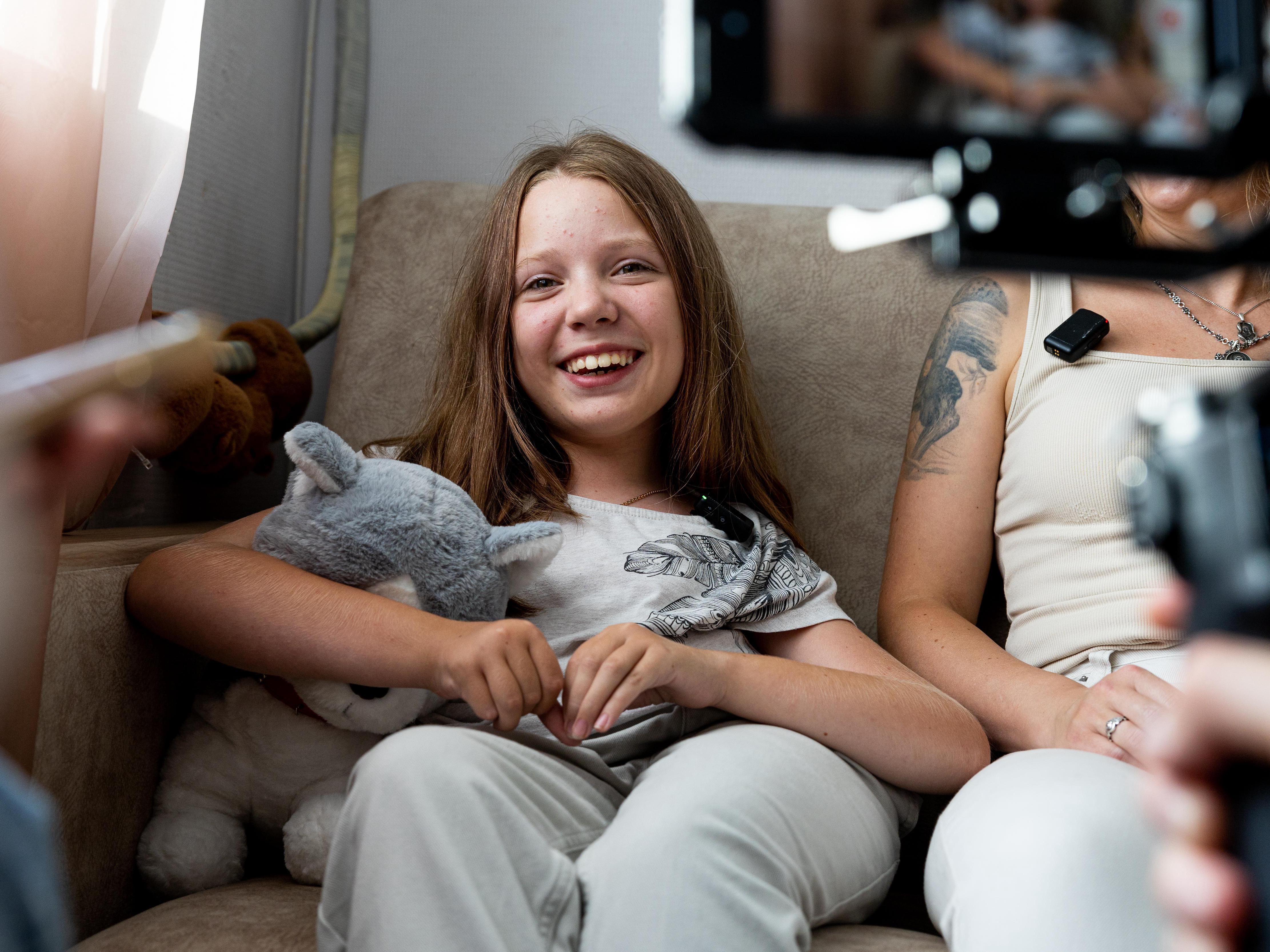
Charitable organizations advise on care plans and supply complex assistive equipment.
Wheelchair users must be given first-floor apartments
Today the family’s routine is constant hustle. From early morning, Evgeniya is like a bee: one child needs to be taken to kindergarten, another — to school, and someone else — to medical appointments. The only time to exhale is a seaside vacation, but for now that remains just a dream.
Full care for the eldest — Ksenia — falls on Evgeniya. Because of the apartment’s small size and narrow doorways, Ksyusha cannot move independently in a wheelchair.
«We were given an apartment under the renovation program. I brought documents confirming that my child is a wheelchair user with a disability and that we need specialized housing. In general, they promised that such families would be provided first-floor apartments, possibly with a separate entrance, wide doorways, spacious corridors, equipped with everything necessary. In the end, we got an apartment, but it is not specialized at all,» Evgeniya explains.
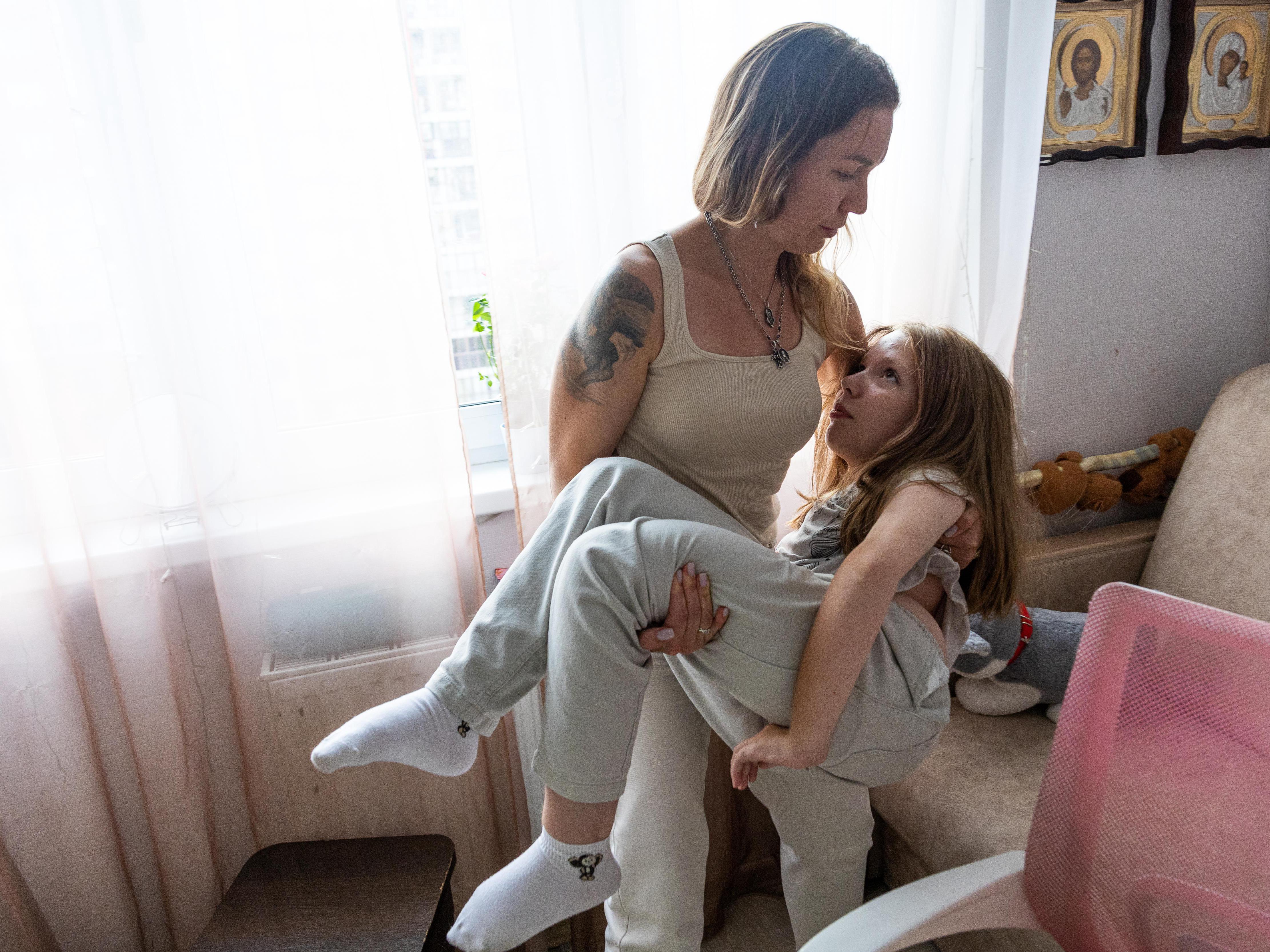
Housing constraints limit wheelchair access and installation of lifts or standing frames.
Only the bathroom was modified for the large family: grab bars were installed. But due to the layout, it is impossible to install even basic equipment in the apartment, for example a standing frame (vertikalizator) — a device that helps a child assume an upright position.
«No wheelchair can get through there. I have to pick her up and carry her. I weigh 58 kilograms (128 lb), she is 40 (88 lb). And I understand that’s not the limit — she will grow. There’s a lot of good equipment now: lifts, standing frames, modern wheelchairs… But nothing fits into this apartment,» the mother shares.
«I want to go places and lead my whole family»
Despite the severe diagnosis, the family doesn’t stay home. Together they go to parks, playgrounds, and entertainment centers. Ksyusha, for example, practices the Paralympic sport of boccia (a ball game resembling bowling or pétanque).
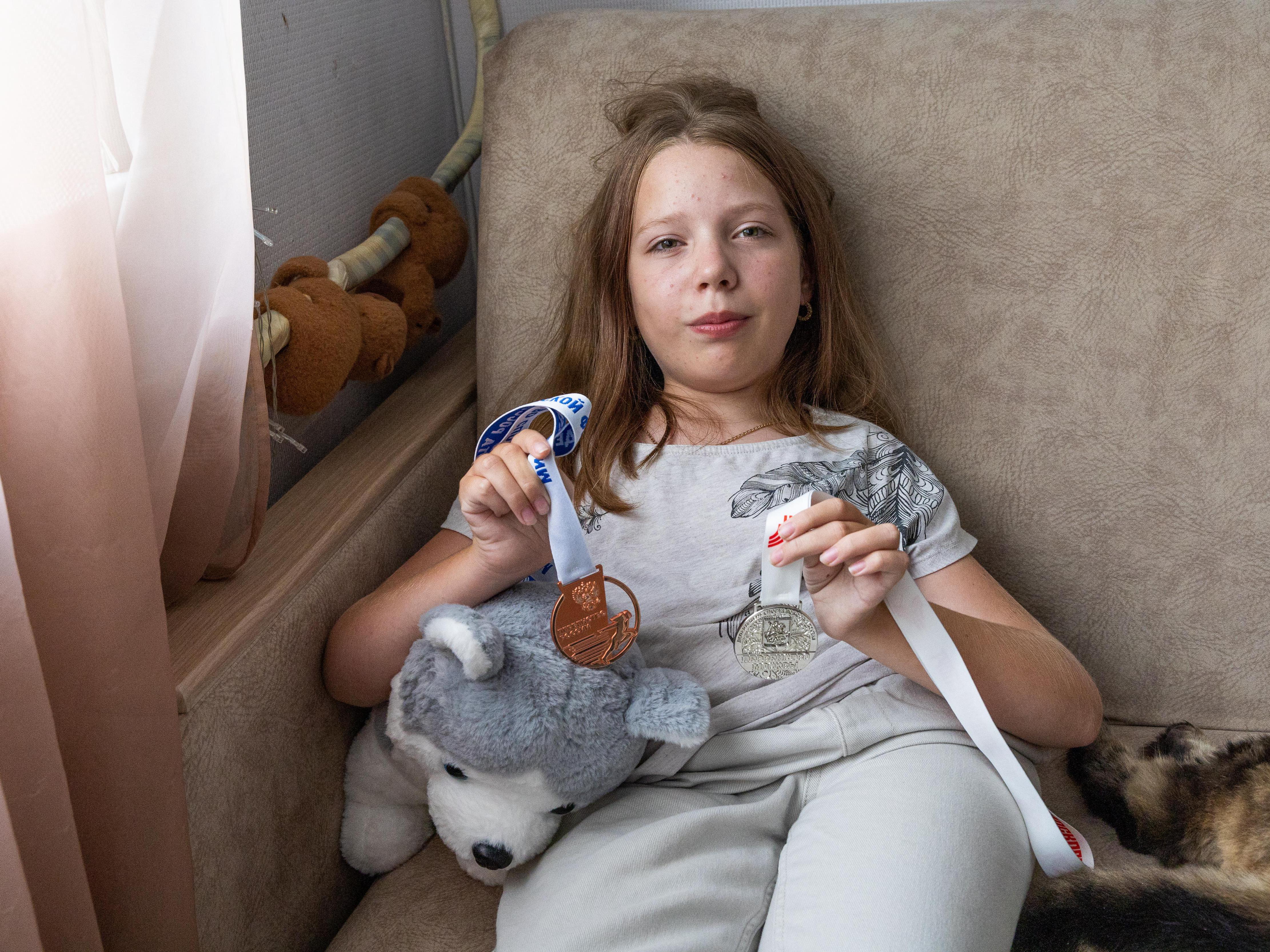
The family prioritizes outings, parks, and inclusive sports like boccia for Ksenia.
On weekends the family tries to get out of the house. They go to an amusement park and travel. It is important to Evgeniya that the children have as many positive memories of childhood as possible.
«I love going everywhere. It seems my kids don’t always like going as much as I do. We’ve been to Dream Island theme park and to Ethnomir ethnographic park. It was great. In general, I like seeing something new and taking the kids places so they can see, learn, and remember,» the woman shared.
The family does not lose hope and continues to believe in better days. The parents dream of a medicine that will help their daughters live fully.