Chinese Student's Funny Mistake in Russian Village


Zhu Jiahao, now known as Zhora, came to Russia eight years ago on a student exchange program. The vast country so impressed the young man that he decided to stay after earning a degree and becoming a translator. Today, Zhu teaches Chinese to Russians, has written a book, and runs a blog about life in Russia. MSK1.RU spoke with him about the similarities and differences between the two cultures, cuisine, Chinese cars, and more. And they were surprised: Zhu-Zhora has a great sense of Russian humor!
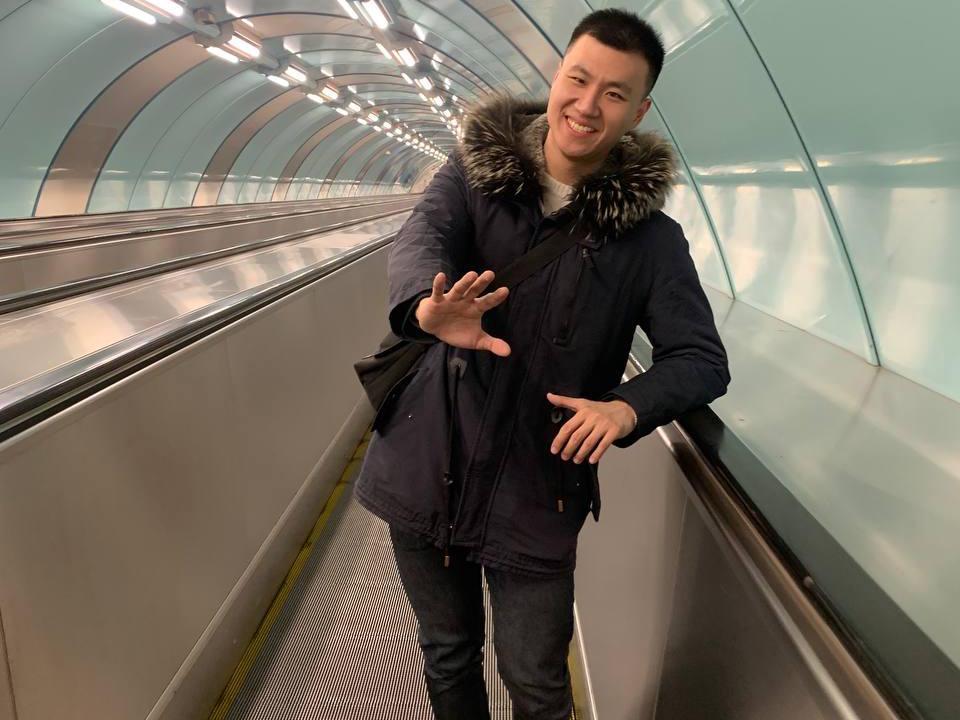
“I came, looked around, liked it, and decided to stay in Russia,” Zhu Jiahao begins his story. “At our university, there were two exchange options — England and Russia. But England, of course, was very expensive, so we decided to check out Russia — we went to Khabarovsk and had fun there for a whole month.”
However, the Chinese delegation was unlucky with the weather: it was early spring, and Zhu, unaccustomed to Russian temperatures, was freezing after coming from China«s east coast.
“It was April. I remember, it was just cold for me, very cold!” Zhu exclaims. “In April, it’s usually warm in China — we wear spring clothes. In our city it’s already 15–20°C (59–68°F), but in Russia in April there’s still snow. I remember it was -1 or -2°C (30–28°F), and I was very surprised it was so cold. Of course, I brought warm clothes, but I didn’t expect such cold!”
«In Lyublino, Basically, It»s Comfortable«

In the end, Zhu chose a university in southern Russia and studied for several years in Rostov-on-Don to become a translator, and then in Moscow.

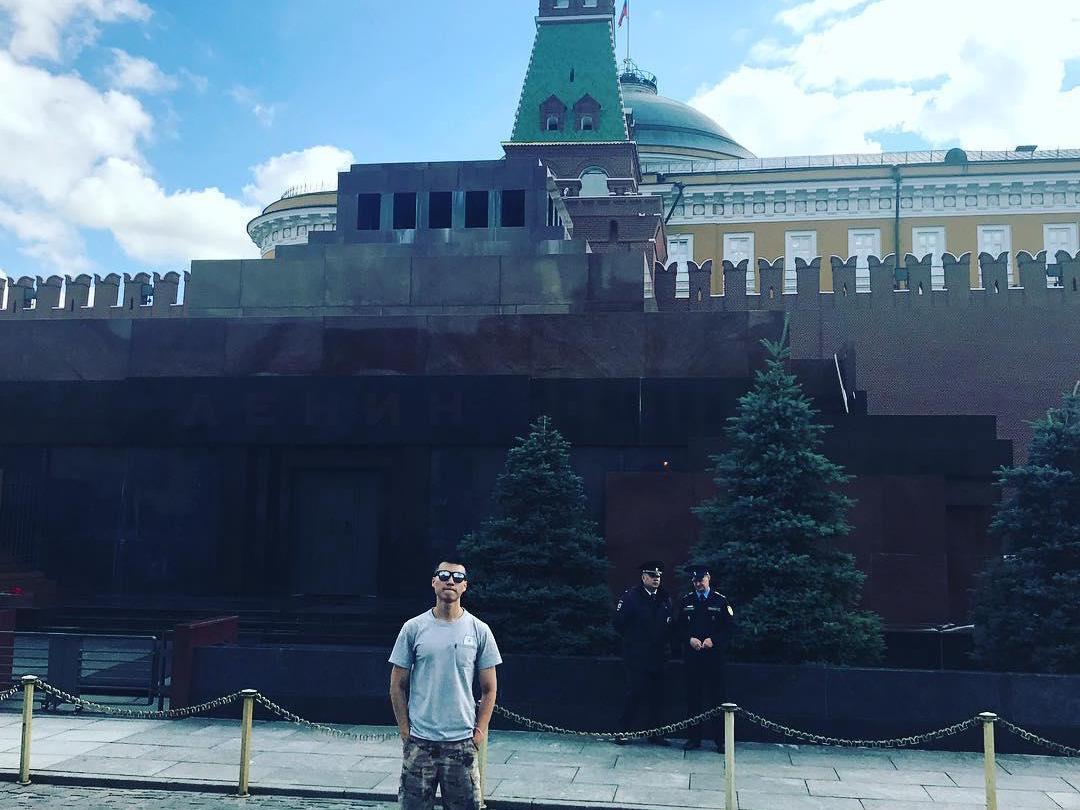
“I moved to Moscow because it’s the capital after all. I had a dream: to see Red Square every day. In the end, I came, but I’ve only been there a couple of times, that’s it,” Zhu laughs. “I lived in Lyublino. Whether you know it as prestigious or not, basically it’s very comfortable to live there, fine for us, because the dormitory was dirt cheap. I remember the dorm cost 600 rubles (about $6 at current rates). For a month! There’s everything: a store, a metro — I really liked that. What else did I need as a student?”

Over eight years in Russia, Zhora-Zhu has learned Russian excellently and speaks very fluently. I’ll say right away that the interview text hardly needed editing. Though he admits the language was very difficult for him: “Russian is an unfamiliar language for us. I think Asian people find Russian and other European languages, like French, the hardest. It was hard, and it’s still hard. Even now I learn something new every day: words, some facts about Russia or Russian traditions.”

The quest to master the great and mighty Russian language was not without its funny incidents. Once, Zhu accidentally called his neighbor a name without meaning to.
“There were a lot of funny moments. One really hilarious story comes to mind. When we first came to Russia, we really liked the big sausage in dough [a type of hot dog], and we often bought it. And during one lesson we learned a new word: ‘neighbor’ [sosedka]. I don’t know why I confused the words, and when I saw our neighbor, I addressed her as ‘sausage’ [sosiska]. But ‘sausage’ and ‘neighbor’ — they sound so similar! She looked at me and laughed. Then I realized I had said something wrong.”
«Salty, Fatty, and Fish Inside»
By the way, not all Russian food appealed to the Chinese man. Zhu admits he simply doesn’t understand some products.
“Adaptation has already begun, but when I first arrived, I didn’t really understand kefir. It’s like yogurt, but without sugar, sour and a bit salty,” Zhu grimaces. “And I also don’t get cottage cheese: it’s just bland, tasteless! In Chinese cuisine, the flavors are more intense — bright peppers, lots of spices. Russian cuisine is very bland, so you love that milky, creamy, delicate taste that we don’t quite understand.”
But he has come to love simple home cooking, like pasta with sausage or a cutlet with a bit of ketchup, and sandwiches. However, there is one traditional Russian dish Zhu simply cannot stand: he had a bad experience.
“When I first came to Russia, I went into a store and saw something beautiful in the fridge — orange, red, different colors. I decided to try it, and they gave me a cup. I thought it was a cake. But when I took the first bite, there was something salty, fatty, and fish inside. It turned out it wasn’t a cake but herring under a fur coat [a layered salad with herring]. I had such a terrible impression, and I can’t even look at herring under a fur coat anymore, I just hate it,” Zhu laughs.
Still, he misses Chinese food, so he cooks his favorite dishes at home or goes out to eat. Zhu says there are actually many Chinese restaurants in Moscow — some adapted for Europeans, some catering to Chinese.
«Eating Olivier Together»
Over eight years, Zhora has also adopted Russian traditions. He admits he more often celebrates New Year’s Eve from December 31 to January 1 and enjoys the long holidays, though he doesn’t forget Chinese holidays.
“Everyone is off, so there’s more time to celebrate the Russian holiday,” he says. “We take a good tradition from Chinese and choose a good Russian tradition, then mix everything. For example, we have a Chinese tradition: we like to give money as gifts on holidays. And we also make pancakes and Easter cakes (kulich) for holidays. On New Year’s, we must turn on the TV, watch ‘The Irony of Fate’ [a classic Soviet film] and listen to the president’s address, and drink champagne as the Kremlin chimes ring. And together we’ll eat our Olivier salad.”
«Chinese Signs on a Japanese Restaurant»
In recent years, Zhu has noticed China’s growing presence in Russia.
“Every time I take public transport, I notice someone’s bag with Chinese writing, or T-shirts with Chinese pictures, or signs in Chinese somewhere, and even a restaurant sign in Chinese, even though it’s a Japanese restaurant. But it’s still nice,” he smiles. “I won’t say it’s on every corner, but there’s already a lot of Chinese influence.”
The most noticeable thing on Russian streets, of course, is Chinese cars. Zhu has a measured stance on the Chinese auto industry: “Previously, all Chinese people thought their auto industry was bad, low quality, no good. In the last 15 years, they really started producing very good cars. But it seems people still haven’t fully started to trust their own,” he believes. “Before, people also thought the Japanese and Koreans couldn’t make cars, but time proved they are really, really good. When you drive a Chinese car, you can just call up an interactive assistant and tell it what to do. Before, if you wanted to roll down the window, you had to press a button, but now new Chinese cars roll down and up the window on command. It’s a wow!”
«The Only Downside: Bad Roads»
Zhu Jiahao also got to live in a real Russian village — at his wife’s parents’ house. He admits the experience was incredible.
“It was such a great time! I want to go back to a Russian village,” Zhora doesn’t hide. “Chinese villages are always like mini-cities, modern, but it’s a bit different — everyone just lives in their apartments. But a Russian village has so much atmosphere! When you wake up, you look at the sky, the sun, it’s completely quiet, roosters, cows walking around, it’s very, very cozy. The air is clean, but the only downside is bad roads. I think it’s an ideal place for self-reflection, for finding yourself, for meditation.”
Read the story of the most Russian American, Tim Kirby. He seems to know our country better than we do. Another American spent a vacation in Russia and fell in love with it. And a German businessman is moving to Russia. He explained why he can’t live in the European Union.