Russian Cocoa Grower in Venezuela on Chocolate Market Shifts

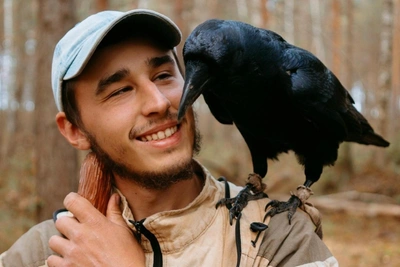
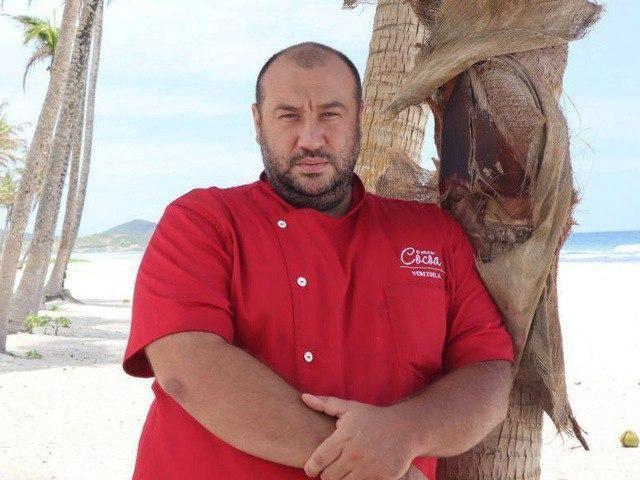
St. Petersburg entrepreneur Vladimir Skarzov, who grows cocoa in Venezuela and supplies it to Russia, told Fontanka how he operates there after U.S. authorities seized Nicolás Maduro and what threats to his business seem most pressing.
Background
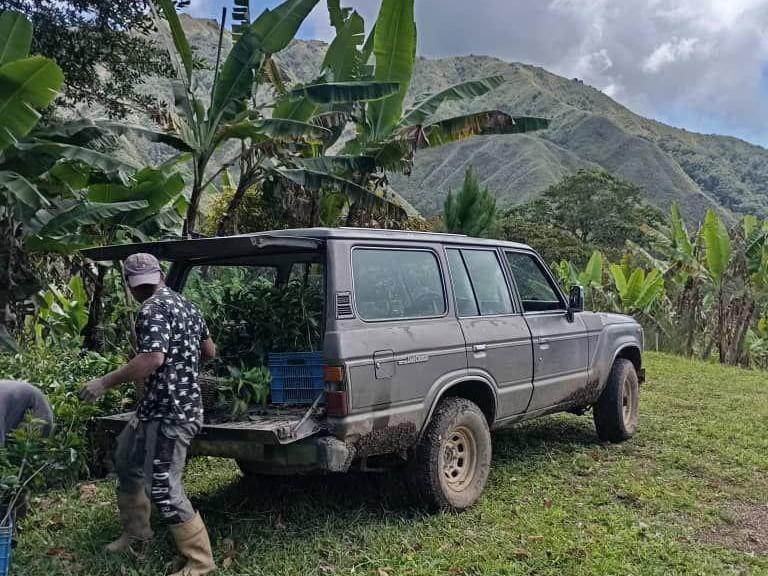
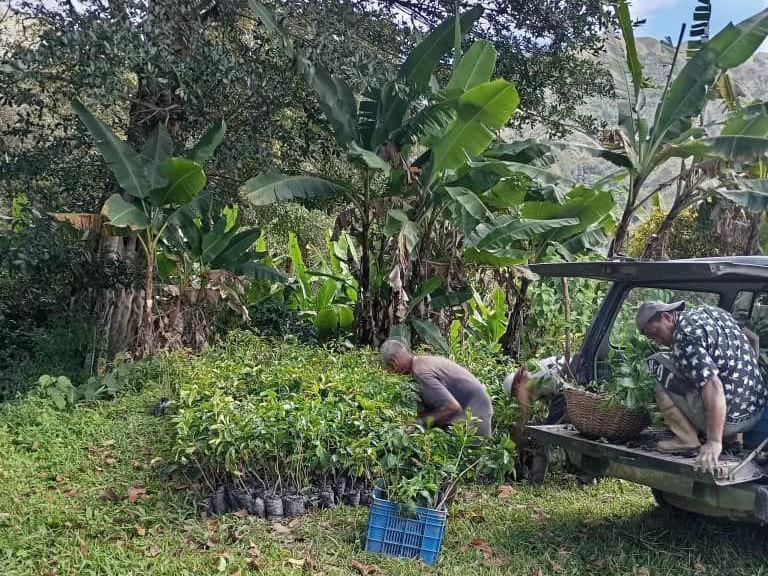
In St. Petersburg, Vladimir Skarzov was a co-owner of a residential property management and maintenance company until 2013. Around the same time, he organized a small tourism firm in Venezuela. A bit later, the entrepreneur founded the company «Ruskakao,» which cultivates cocoa beans in the state of Monagas in Venezuela. There, they are processed and supplied to St. Petersburg, where chocolate production is established.
— Vladimir, what is the current situation on the cocoa bean market, what about cocoa prices?
— Currently, cocoa bean prices are determined by a phenomenon like El Niño. This is a phenomenon where the equatorial part of the Pacific Ocean becomes warmer than usual by several degrees, and then—colder than usual. Such an event occurs every 2–7 years and affects the climate in various parts of the world, including South America.
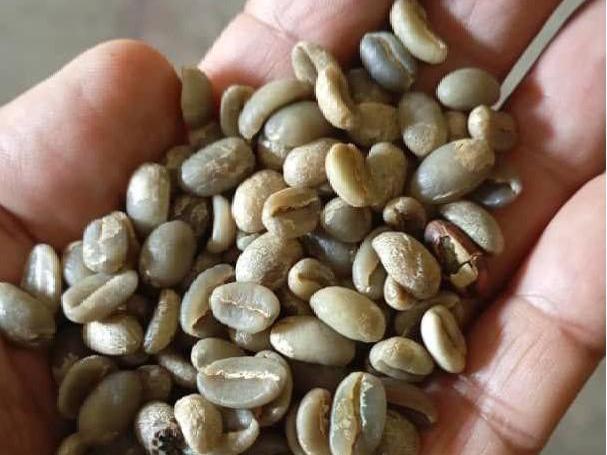
The climate is unstable, because of this soil solarization (a method of pest control using solar energy to raise soil temperature) also becomes unstable, drought is possible, which affects cocoa bean cultivation volumes and price fluctuations. In 2024–2025, there was a reduction in harvest, and cocoa beans of the fino de aroma category (high-quality beans with a complex balanced flavor without defects, grown in Venezuela, Colombia, Peru) cost $12 per kilogram. That was absurdly high. Now the price has approached a realistic level, it is about $4.5 per kilo. This is a comfortable figure for all market participants.
— How else has the reduction in cocoa harvest affected the market?
— When prices were at their peak last year, some producers began replacing the core of the cocoa bean with its husk. Previously, it only went for processing for livestock, but now it has started getting into products for humans. It is completely not dangerous to health, but the quality of the product clearly becomes lower. In fact, we have started sliding from real cocoa to its surrogates.
— Have you slid in that direction?
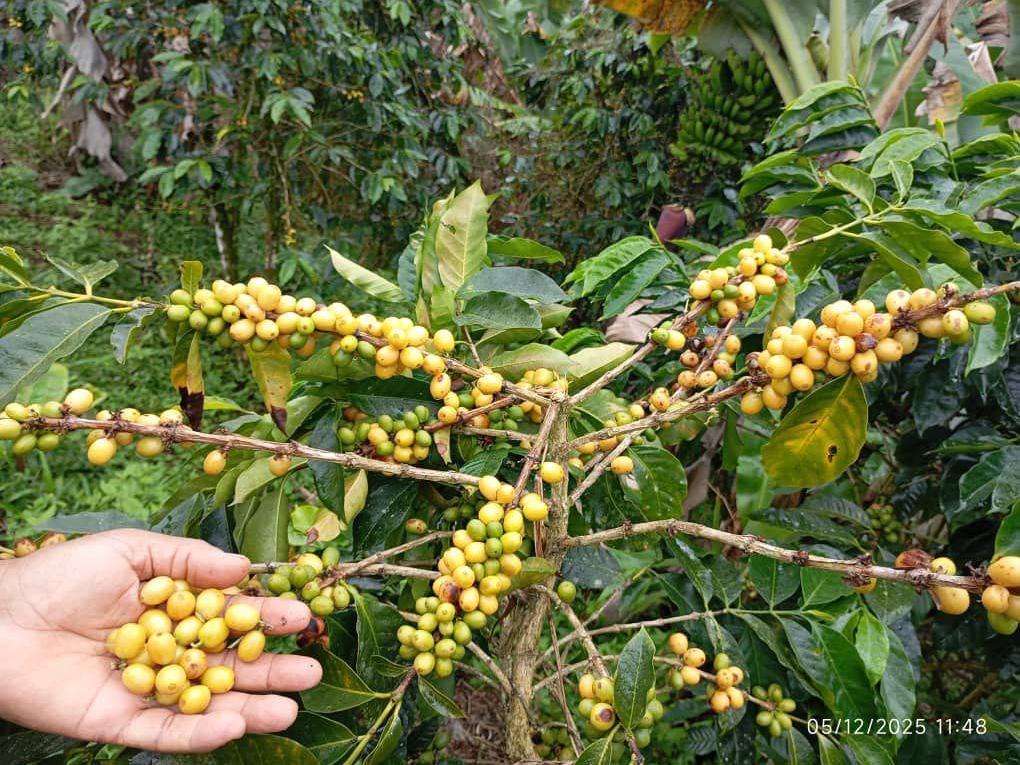
— No! Especially since we have our own plantations in Venezuela, and we are perhaps the only Russian company in the country that is not reselling cocoa but cultivating it. We, by the way, are increasing plantation areas and in the near future will already fully provide ourselves with our own raw materials.
Cocoa bean production in 2024 amounted to up to 4.37 million tons, and consumption remained at the level of 4.87 million tons. In spring 2025, cocoa bean prices jumped to $10,000–12,000 per ton, in summer they dropped to $8,000 per ton amid talks of favorable weather in West Africa. In autumn last year, cocoa beans became cheaper to $7,000 per ton. Now prices have fallen to $4,000 per ton due to the fact that the harvest in 2025–2026 will be larger than in previous years.
The largest cocoa bean plantations are in Côte d«Ivoire, Ghana, Cameroon, Nigeria. These four countries account for 75% of global production. Venezuela produces about 30,000 tons of cocoa beans and is not among the leaders in this segment.
— Is the process of cultivating cocoa beans changing somehow, including due to climate change?
— Yes, now territories that even ten years ago were well-suited for cocoa cultivation have become too hot for this plant. Therefore, gradually cocoa plantations are moving higher into the mountains, where, by the way, coffee is traditionally grown. Previously, these two crops did not intersect in locations, but due to climate change, we are now coming to this.
— What does the further increase of your plantations and the development of your business in Venezuela depend on?
— First of all, of course, on the political situation in the country. All industry participants (and not only them) are waiting.
— Has the political crisis somehow affected your business and the segment in general?
— No, everything is stable.
— Are there any difficulties with cargo transportation?
— As of today, no.
On 3 January, a U.S. military operation took place in Venezuela, during which the country«s president Nicolás Maduro and his wife Cilia Flores were captured. They were charged with narco-terrorism. But neither Maduro nor his wife admitted guilt. The vice president, Delcy Rodríguez, became the acting president of Venezuela.
U.S. President Donald Trump stated that Venezuela transferred 30 million barrels of oil worth about $4 billion to the U.S. Some American oil companies, according to Trump«s estimate, will have to invest hundreds of millions of dollars in Venezuela. At the same time, Washington will allow some Venezuelan companies to enter the American market.
— What volume of cargo do you supply from Venezuela?
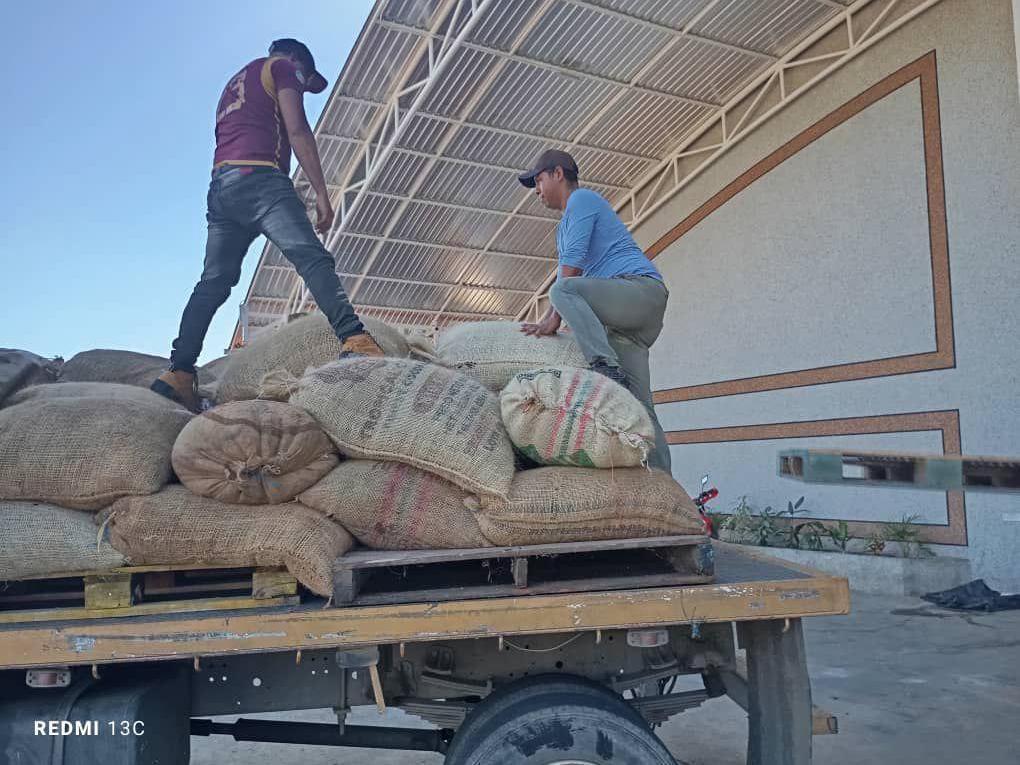
— In 2025, we supplied about 500 tons of various products from Venezuela to Russia.
— And what are the expectations, assumptions, rumors?
— Even if the country comes under total U.S. control, on the cultivation of coffee and cocoa, I hope such changes will not affect it in any way. Of course, trade in coffee and cocoa—this is only a minor part of the country«s economy, the main thing—is oil, and the main changes will be there. But it seems to me that it»s good that Venezuela is known not only as an oil pump but also as a producer of coffee and cocoa. Therefore, there is great hope that this sector will work stably and without significant changes.
— What would you advise a Russian entrepreneur who wants to start a business in Venezuela?
— That it«s still not worth investing in this country now. And no one will now. And isn»t even thinking about it. Only those entrepreneurs who have been in Venezuela for more than a year remain working.
— Still, can we expect any changes in the regulation of the agro-industrial complex sector in Venezuela?
— The current policy on preserving varietal uniformity of cocoa did not allow changes in genetic material, this was enshrined at the legislative level. The previous authorities of Venezuela considered that hybrid varieties of cocoa would not be grown in the country, and consistently pursued such a policy. Therefore, to this day, the country cultivates a cocoa variety untouched by mutations, for example, Criollo.
However, now, considering the change of power, it can be expected that Venezuelan cocoa will not remain the ideal it was until recently.
I assume that in the foreseeable future, various hybrid varieties will be allowed to be grown in Venezuela, because they yield more harvest, are more resistant to various diseases. The transition to hybrids has already occurred in Ecuador, Peru. I fear that we may lose the original form of Venezuelan cocoa, as hybrid plants are simpler and more economically profitable to grow.
— Are you planning to wind down business in Venezuela due to the fact that there may be such changes?
— No, of course not, and we will continue to grow only Venezuelan varieties of cocoa, despite the fact that this is a more labor-intensive process compared to growing hybrids. A Venezuelan cocoa tree grows for 3–4 years before it begins to bear fruit, hybrids—for 2 years.
— How is work structured on your plantations?
— The harvest is gathered approximately from October to March. At the same time, the main supply contracts are concluded.
— When do you plan to return to St. Petersburg?
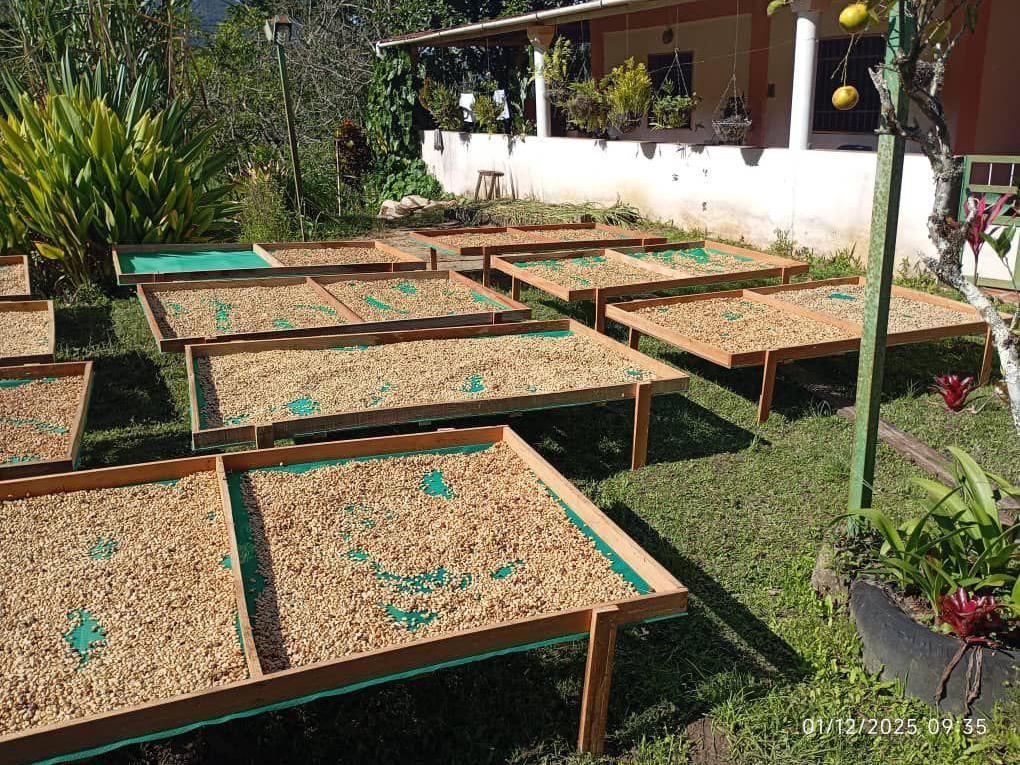
— Not before March. As I already said, now the main work is underway. Cocoa is not enough to just pick from the branch. It also needs to be fermented, dried (and at humidity less than 7%), prepared for shipment, laid out with cloth, so that our buyers receive a truly exclusive high-quality product. That«s the kind of work.
— What other sectors of the economy could develop in Venezuela after the political crisis is resolved?
— Probably tourism, and it is already actively developing here. There is a wonderful climate, practically no rainy season, sun all the time. That is, Venezuela could be quite interesting for Russians. For tourism development, it is especially good that the previous country«s leadership successfully solved the problem of banditry in Venezuela.
— Could the situation with banditry change in the near future, considering that the previous government is no longer there?
— Time will tell.
— Are there any problems now with flying from Russia to Venezuela and back?
— No, everything works clearly, but only Venezuelan carriers handle flights. Although it would be logical for Russian airlines to master this route as well.