Novosibirsk Brand Warms Yakutia with Down Jackets, Unknown at Home

The ACOOT clothing brand is hardly known to a wide audience in Novosibirsk, even though it was conceived here and its production is located in neighboring Kuzbass, in the city of Osinniki (Kemerovo Oblast). However, it is quite well-known in distant Yakutsk, where a whole network of the brand«s stores operates. How this complex structure came to be and why the brand owners do not plan to enter the home market is explored by an NGS reviewer.
Wholesale trade of ACOOT products is handled by Berlot LLC, which, according to Kontur.Focus data, also holds the trademarks for ACOOT and Berlot. The sole founder of the company since 2011 is entrepreneur Eduard Minin, with no other active businesses registered under his name. Berlot LLC«s revenue in 2024 amounted to 41 million rubles (about $461,000 at current rates), with a net profit of 1.9 million rubles (about $21,100 at current rates).
Management of the factory in Osinniki is handled by Albatros LLC, registered in Novosibirsk at the same address as Berlot. Its revenue in 2024 was 27 million rubles (about $303,000 at current rates), with a net loss of 822 thousand rubles (about $9,200 at current rates).
From «Sinar» to Down Jackets
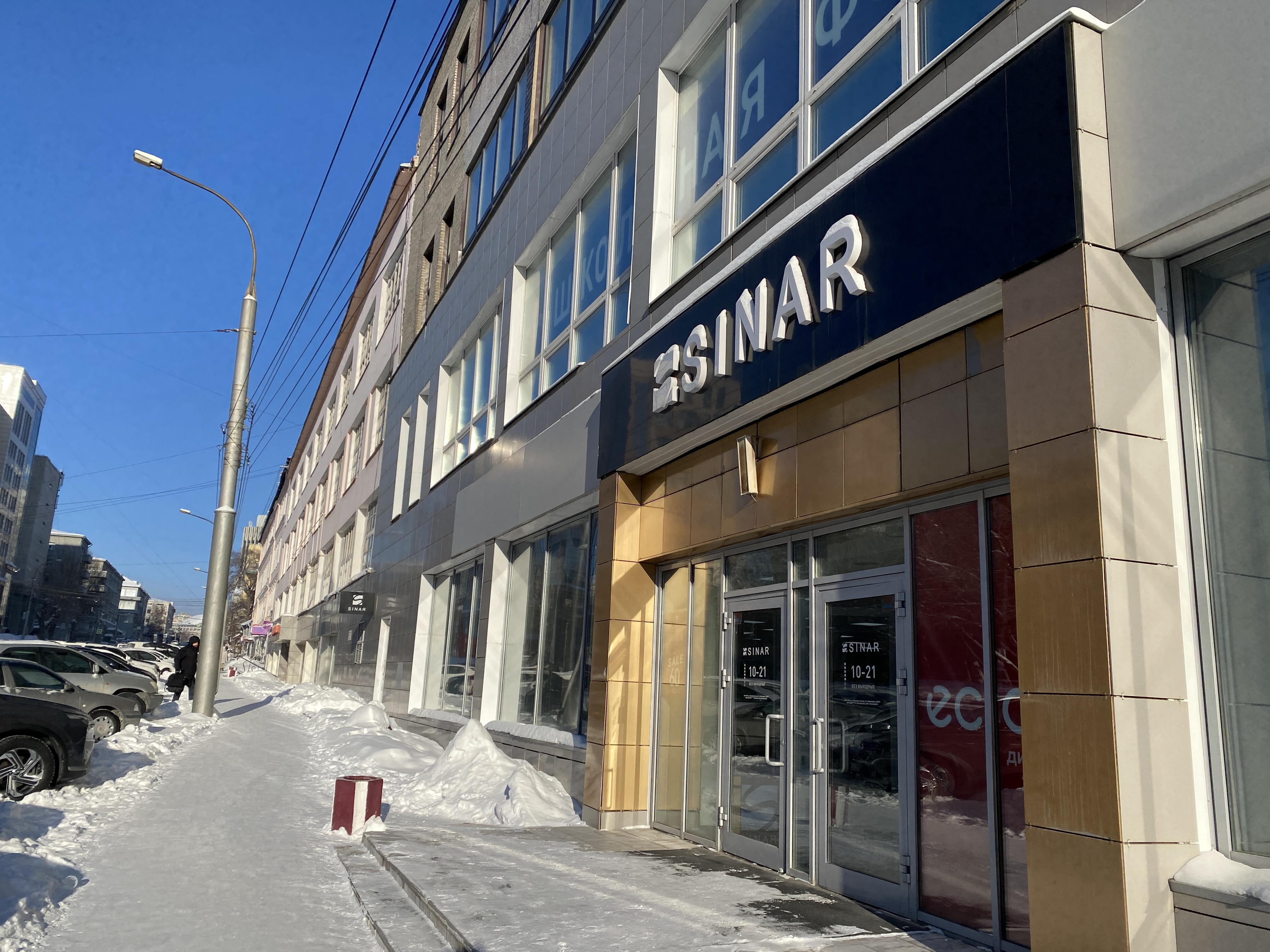
Five stores of the brand Sinar, familiar to Novosibirsk residents, currently operate in Yakutsk. One can buy Sinar suits there, but a significant portion of their assortment would likely be unfamiliar to a resident of Novosibirsk. This applies primarily to winter clothing.
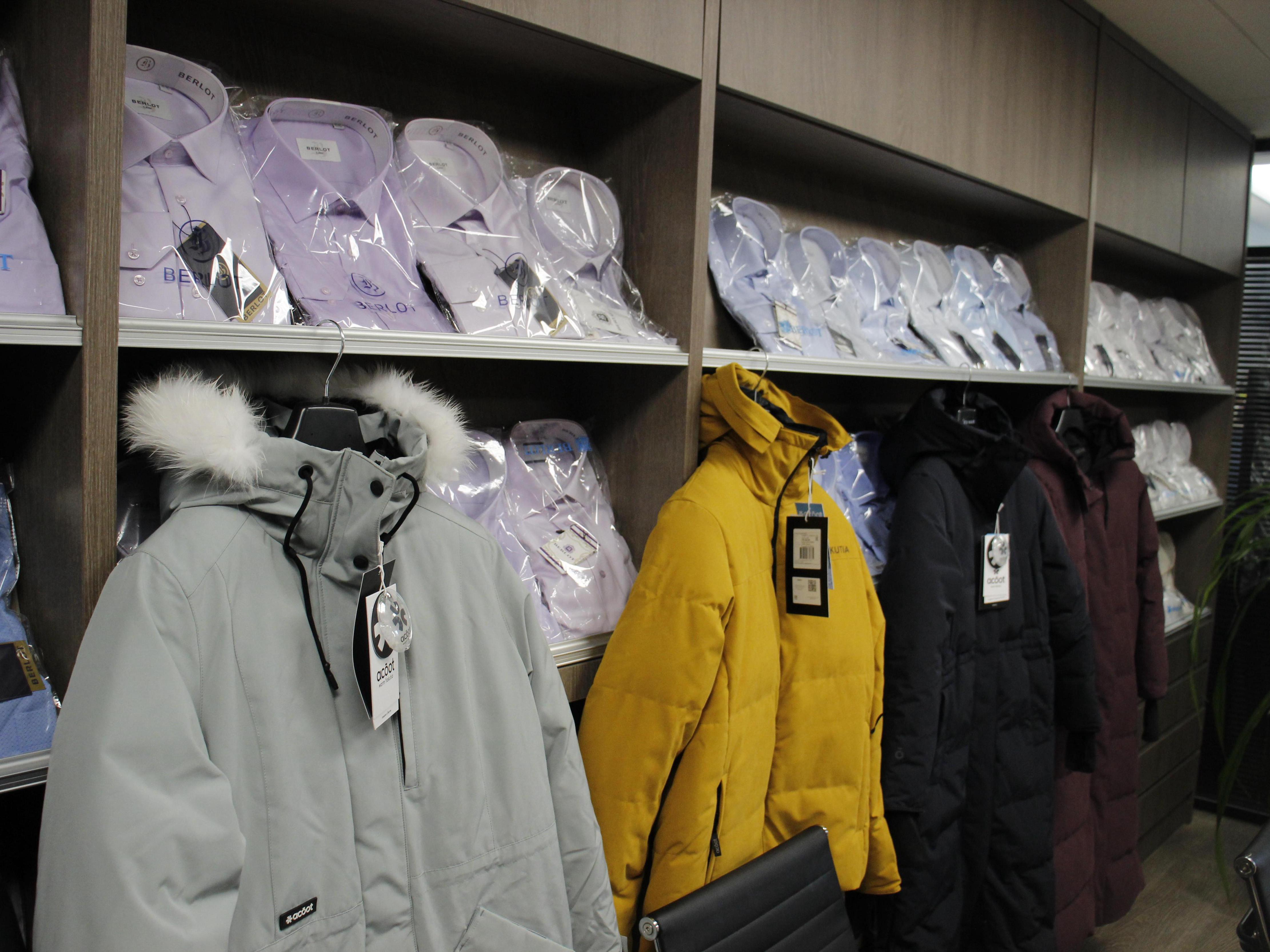
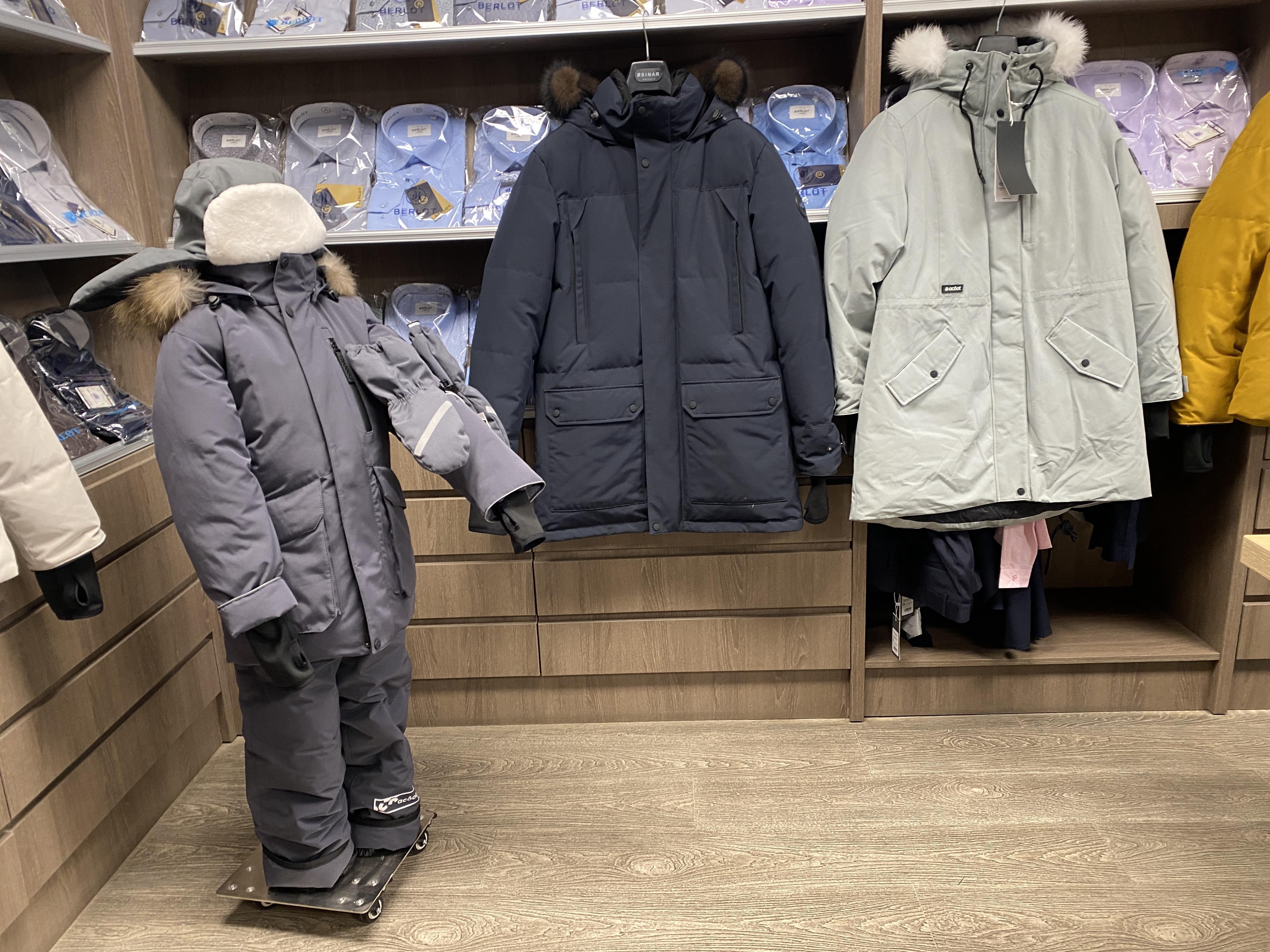
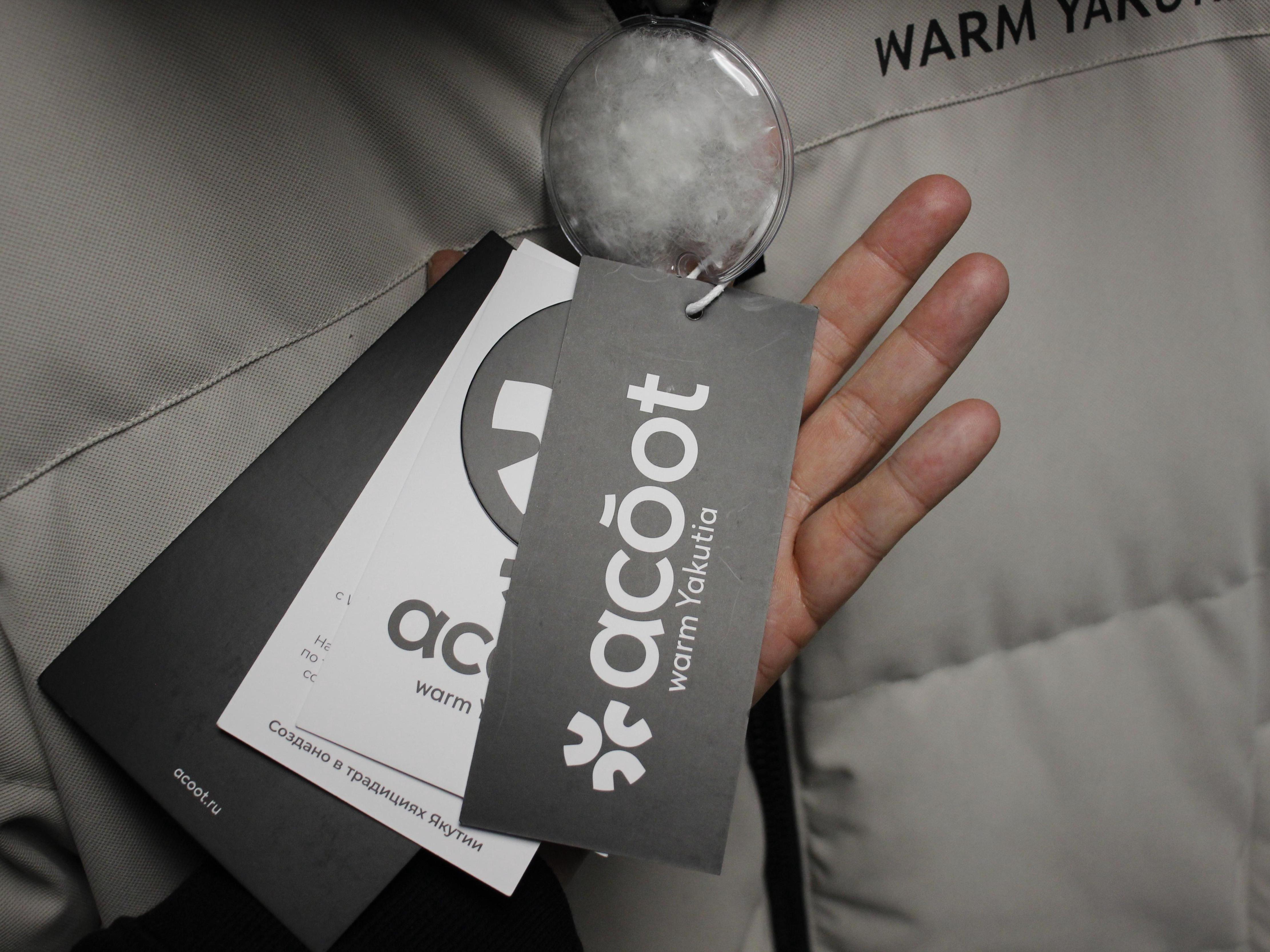
The down jackets of the ACOOT brand presented here look like either some local brand or something completely foreign. Meanwhile, the company Berlot LLC, which produces them, is registered in Novosibirsk on Serebrennikovskaya Street.
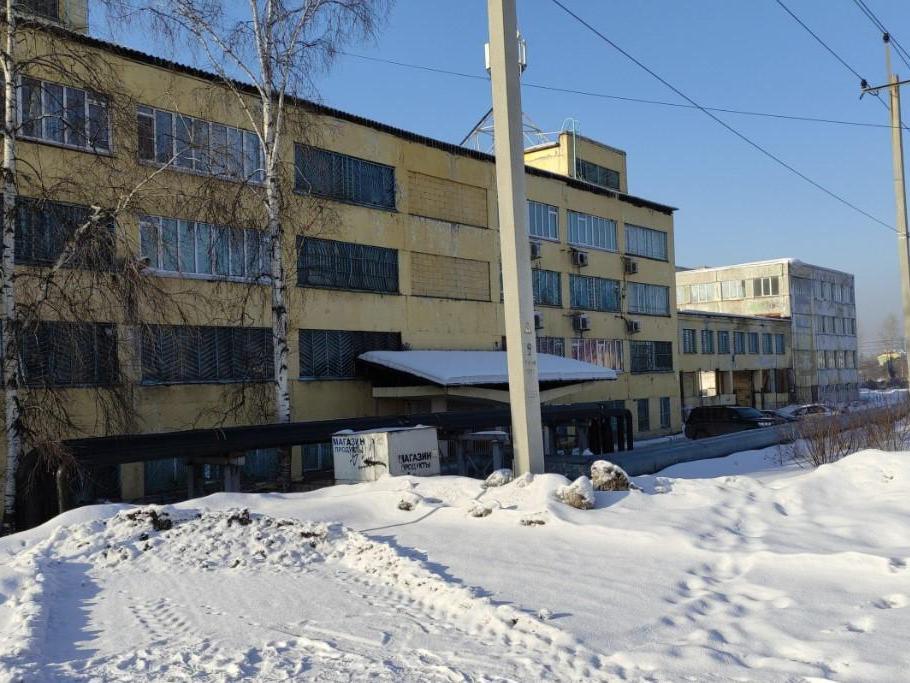
The history of the trademark began quite a long time ago when stores under the brand of the Novosibirsk factory «Sinar» appeared in Yakutsk, said production manager Oksana Merkulova. They never belonged to «Sinar,» but they sold its clothing there, among other things. This kind of trade «semi-franchising» was quite actively used in many regions: local partners received a ready-made brand and supplies of basic products, and the manufacturer gained a permanent sales channel.
According to Oksana Merkulova, at some point, the store owner realized that the local audience lacked warm clothing in these stores that met local requirements but was not insanely expensive. Not heavy, expensive fur coats or jackets from a couple of global brands specializing in such clothing, but also not light down jackets that one cannot go outside in at -40.
First, there was an idea to simply start selling clothing from the Russian brand BASK (founded in 1989), but it entered the Yakutsk market on its own. Then a decision was made to try sewing down jackets independently.
The first collection was released in 2021 under the Berlot brand—under which men«s shirts, which the company still sells today, had already been produced (they are manufactured outside Russia, however). That batch of 1300 down jackets was sewn partly at the Novosibirsk factory »Istok« (a manufacturer of down products), and by October, it was completely sold out, Oksana Merkulova said.
The next year, 1.5 times more down jackets were sewn—3800—after finding a new enterprise in Kemerovo Oblast, in the city of Osinniki. This is one of the former production sites of the once large local manufacturer, the «Kuzbass» sewing factory, which went bankrupt in the early 2000s. A year later, Oksana Merkulova recalled, the previous owners of the enterprise offered to simply buy it. The deal was advantageous: the factory«s value lies not only in production lines but to a greater extent in personnel. It is impossible to get them »ready-made« from the market.
The purchase of the factory allowed the enterprise to reach a production volume of around 5000 down jackets per year. They are not cheap even with discounts, which the company is forced to provide from mid-winter (otherwise, items might not be bought at all): the retail price of one down jacket rarely falls below 30 thousand rubles (about $337 at current rates).
Technology Above All
However, this does not mean that by making these 5000 down jackets, the company will receive 150 million rubles (about $1.68 million at current rates) in its accounts. Part of the revenue will go towards maintaining retail outlets, not to mention that the sewn items need to be sold. This year, for example, demand has noticeably decreased: people have started to economize.
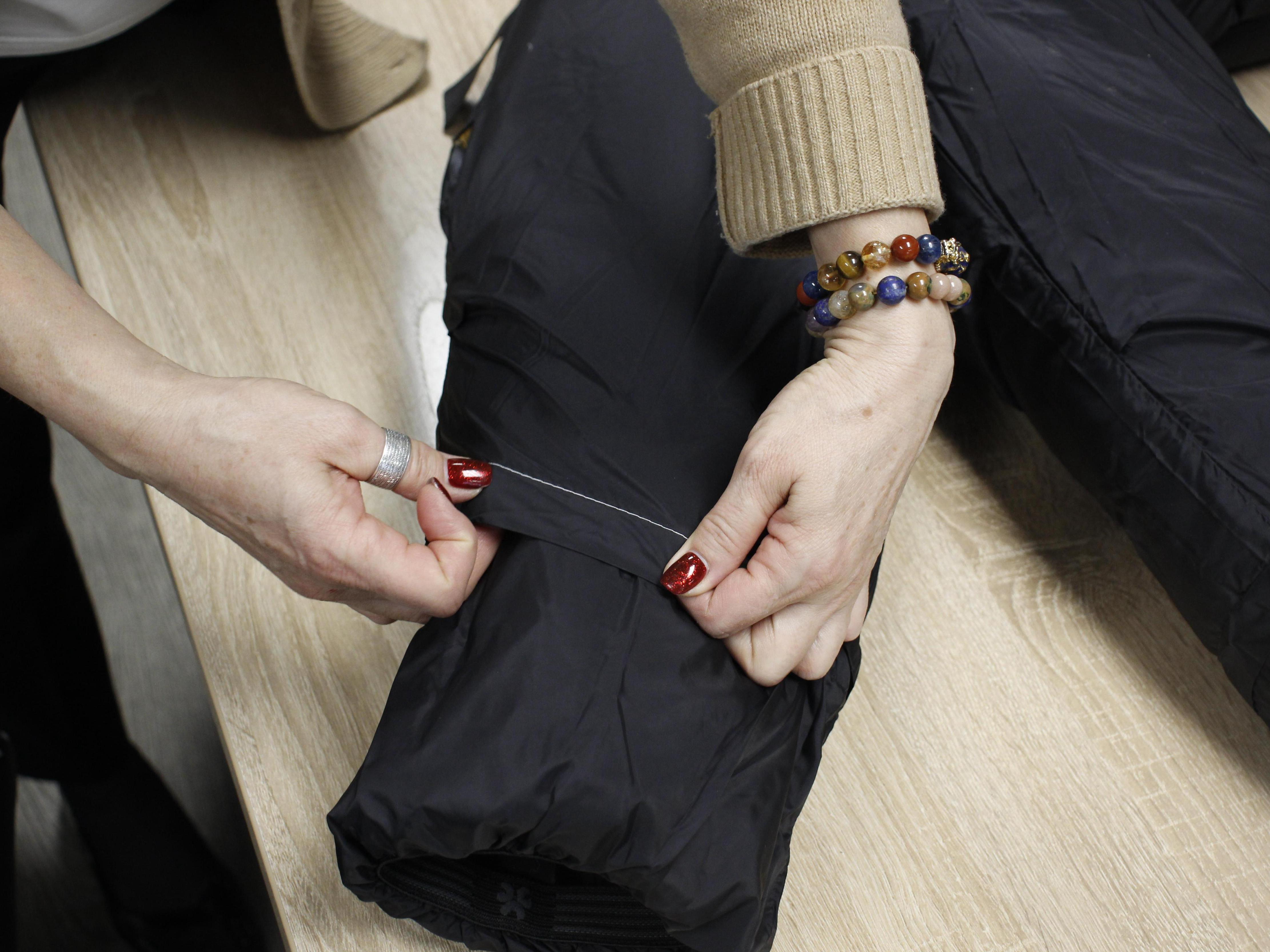
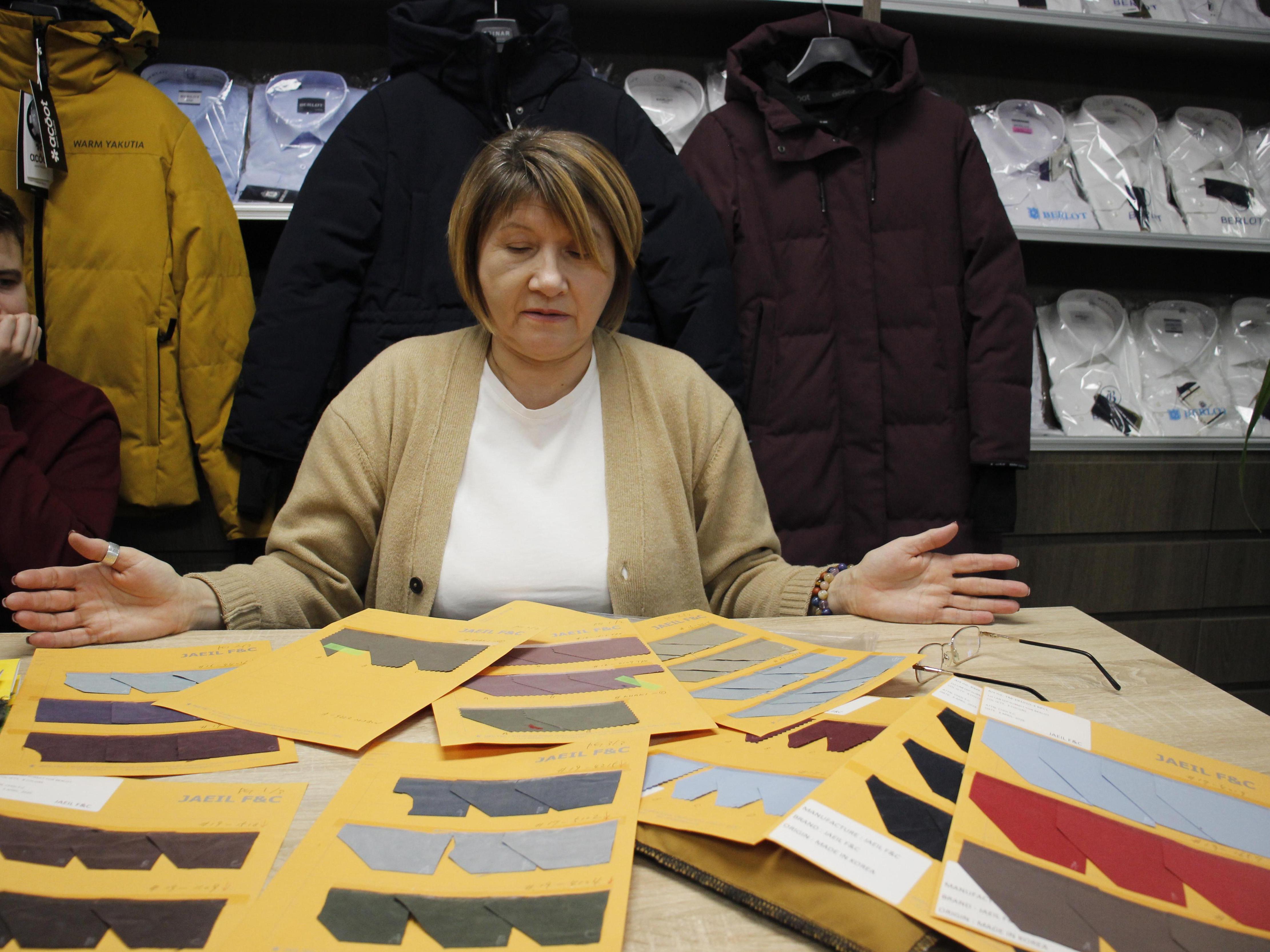
Partly, however, the enterprise may have become a victim of its own fight for quality. In the production of down jackets, quite dense fabric from South Korea is used, which, along with a number of technological techniques, extends the product«s lifespan to five–six years. So customers are in no hurry to replace their down jackets with new ones.
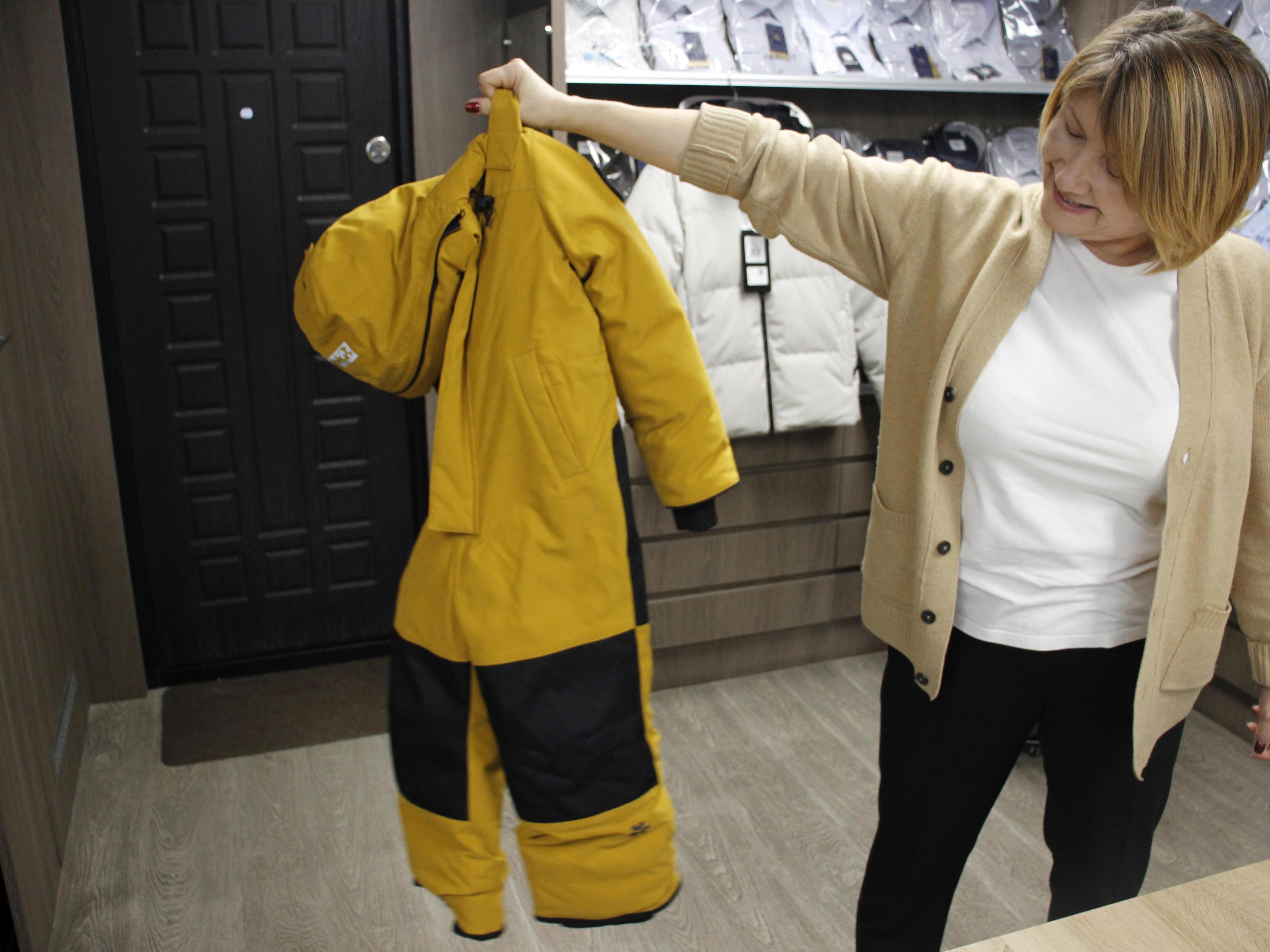
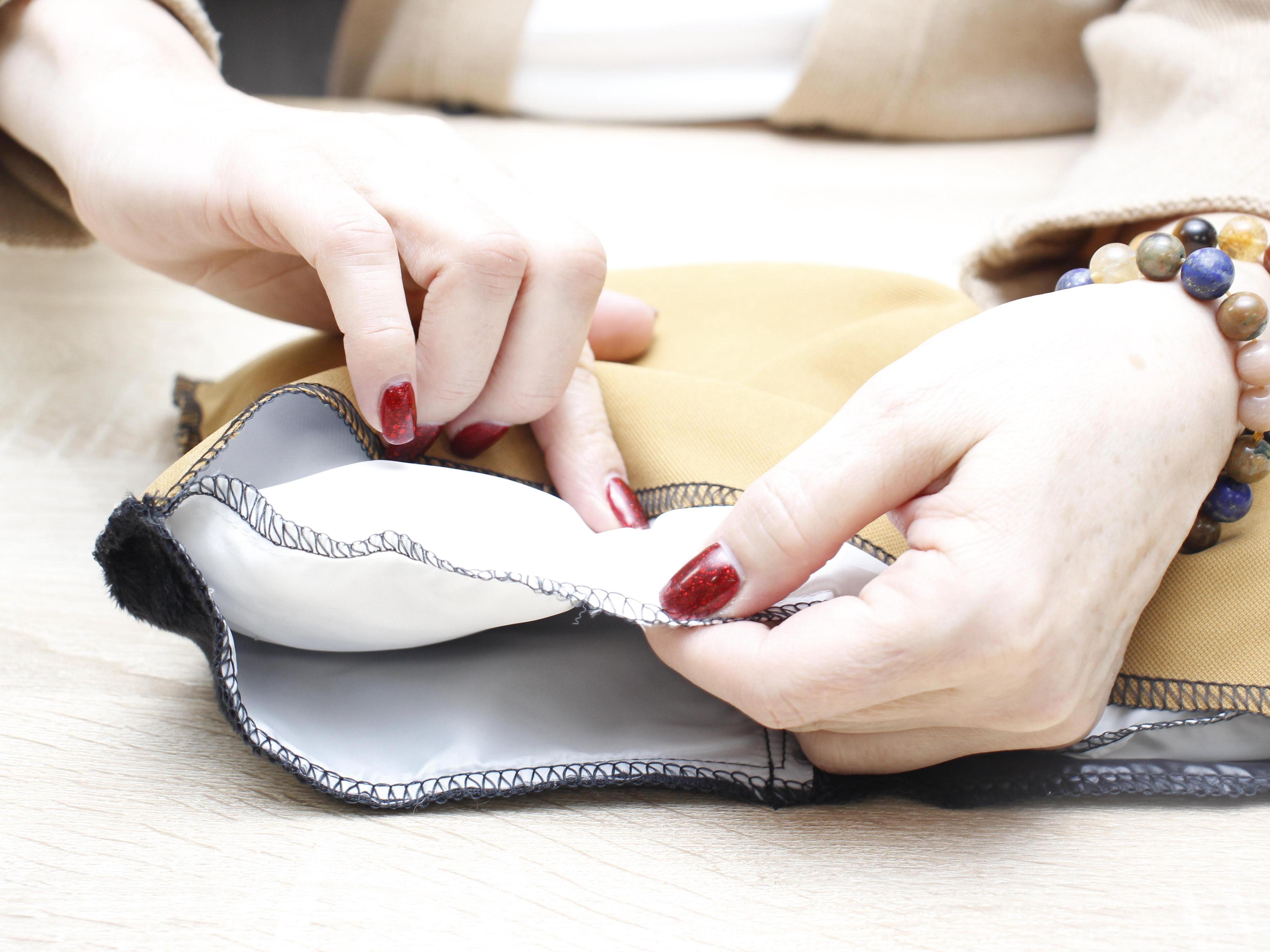
Oksana Merkulova can talk endlessly about the features of down jacket sewing technology. There is the complex structure of the down chamber, creating additional barriers against cold, and fabrics of different compositions and tactile sensations (some for inserts in areas of greatest wear, others for lining). And the fabrics themselves: they must repel water but not overly weigh down the item, which already rarely weighs less than 2.5 kg (5.5 lb). And expensive hardware, which is now bought again from Japan, simply now it has to be shipped longer, with more intermediaries.
The company sews down jackets not only for adults; there is also a children«s collection. It also has many details like internal straps allowing a child to at least remove the upper part of the overalls indoors. Or an external loop, by which one can not only hold the child but literally lift them like a bag—with the other hand occupied, this can be convenient when boarding transport or in other similar situations.
Production Difficulties
The idea of producing clothing in Russia seems uplifting, but reality repeatedly demonstrates why it is becoming more and more difficult. The main problem is the absence of what is called production infrastructure. This includes a set of enterprises where certain operations can be performed or simply employees can be poached, and the supply of everything that may be needed for production.
There is still a belief that China continues to be the world«s factory due to cheap labor. But this has long not been the case: a skilled Chinese worker earns more than a Russian one. But in China (and generally in Southeast Asia), any production has a choice of suppliers who are nearby, compete, and are ready to offer better terms.
An enterprise from Siberia not only has to bring almost everything from far away and pay for supplies at least six months in advance. Obtaining a small batch of the same fabric is extremely difficult: there is a minimum below which it is not interesting for the manufacturer to go. And a mistake can be costly: the wrong color choice—and the model «stalls,» people don«t buy it, no matter how much you tell them about the quality of seams and materials.
The Goal—The Whole World
Now the company is trying to reach customers from all over the country, and in the future, to sell Siberian down jackets worldwide. The idea is clear: truly warm and reliable down jackets are needed by a limited number of buyers, even if they are ready to spend 40–50 thousand rubles (about $450–$560 at current rates) on one item. This, by the way, is not that much. Prices for down jackets from the Russian brand BASK, for example, now start from 50 thousand rubles (about $560), and jackets with down insulation from the international brand Canada Goose go for 150–190 thousand rubles (about $1,680–$2,130).
That is, in principle, there is a customer for this clothing, but it is not very mass-market. And it«s not even about the price. In Novosibirsk, for example, frosts of -30 °C (-22 °F) and below no longer occur every year and last one–two weeks.
But even on such days, the solvent part of city residents often manages with simpler clothing (though not necessarily cheaper). To walk from home to the car or from the car to the shopping center or store, super-warm clothing is not needed. And there is simply no point in constantly wearing a rather heavy ACOOT down jacket: the needs of a city dweller are fully met by lighter and more convenient down jackets or jackets.
Although, according to Oksana Merkulova, there are enthusiasts here too. Moreover, such that after buying one item to try, they come back for overalls for children. In Novosibirsk, the brand«s items are sold, for example, in the »Tyrolia« store, and, as the production manager says, buyers are often surprised that ACOOT is not some foreign brand.
Trading through an online store in the future may attract buyers who are ready to both wait and pay more if they develop trust in the brand. But for this, it is necessary to somehow go beyond being a local producer, more or less known only in one region. And also to convince customers to choose a brand unknown to them instead of a Canadian or Russian one that has been on the market for over 35 years. As they say, the task is, in principle, achievable, but very ambitious.
Traditional trade in clothing and footwear is indeed experiencing problems today. Last year, for example, an NGS reviewer recorded an exodus of shoe stores from Marx Avenue.