How a Tyumen Man Built a Beer and Mead Brewery from Scratch
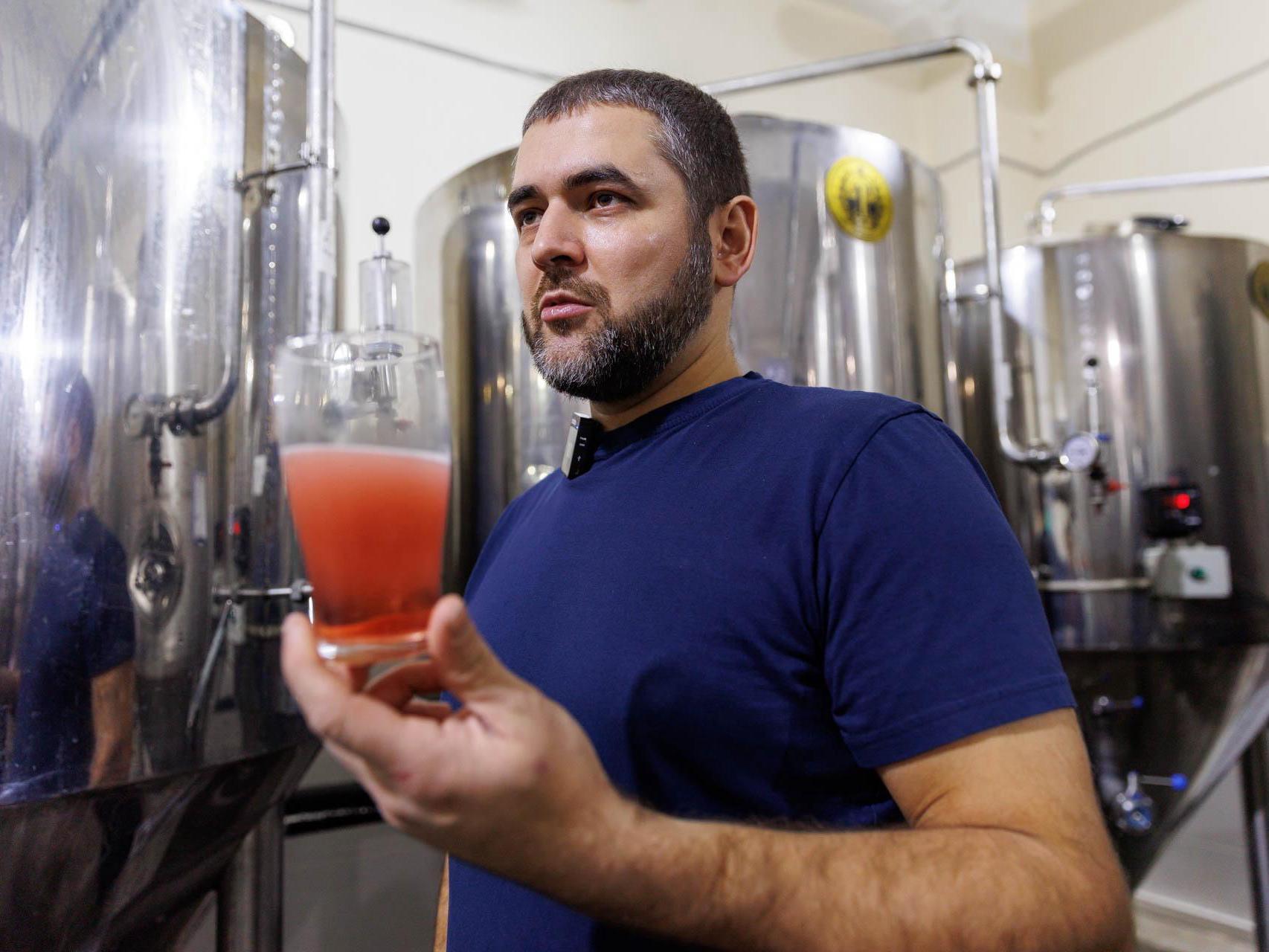

Tyumen resident Dmitry Podoksenov worked for a leasing firm until 2023, when he unexpectedly decided to drastically change his life and become a brewer. What started as a hobby with home-brewed beer grew into a real production facility, and not just for beer, but also for mead.
His mead-and-beer brewery can now produce up to 5 tons of beverages. This article tells the story of how the Tyumen man managed to assemble his own small brewery and start making money from it.
We are not specifying the name of Dmitry«s brewery due to legal considerations.
He Brewed His First Beer in a Bucket
«I always liked quality products, quality beer. But I couldn»t find anything that satisfied me, so I decided to try brewing at home. It was in 2017: you take the wort, mix it with water, and it all ferments—in an ordinary bucket,« recalls Dmitry Podoksenov about his first brewing experiments.
For ten years, the Tyumen man built a quite successful career at a leasing company, but, as he admits, «something was missing.» Then Dmitry bought an automatic brewing system—a very small one at first, with a 50-liter capacity. And he started learning. In 2018, he completed brewing courses offered by one of the local breweries.

The first experiments showed it wasn«t a simple hobby—after brewing, the entire kitchen at home was covered in malt and grain husks, sticky and dirty. However, he didn»t give up, and in 2022, surprisingly even to himself, he decided to quit his job and go into business for himself.
«I bought a plot of land and started building a small production facility. I bought a small 250-liter brewing system (that»s what the production line for beer is called—Ed. note) in Irkutsk and started producing beer. In 2023, we got a permit and opened a store,« he says.
Handmade Production
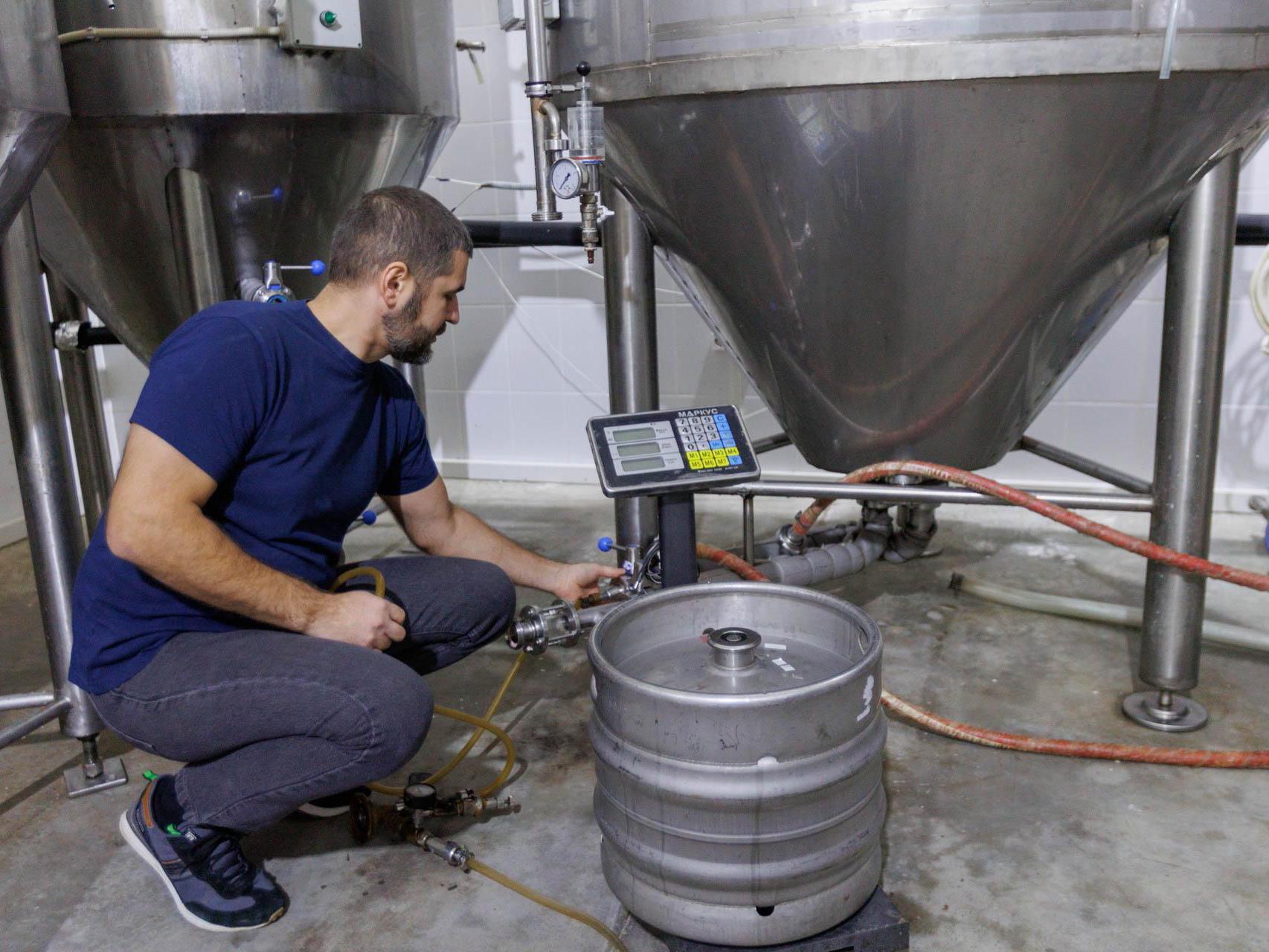
The first brewing system cost a million rubles (approx. $11,000 at current rates), and total startup investments amounted to about 5 million rubles (approx. $55,000). Dmitry brews both beer and mead alone—he wants to be personally responsible for the product«s quality. His wife Yekaterina handles accounting, and two salespeople work shifts at the store. That»s the whole team.
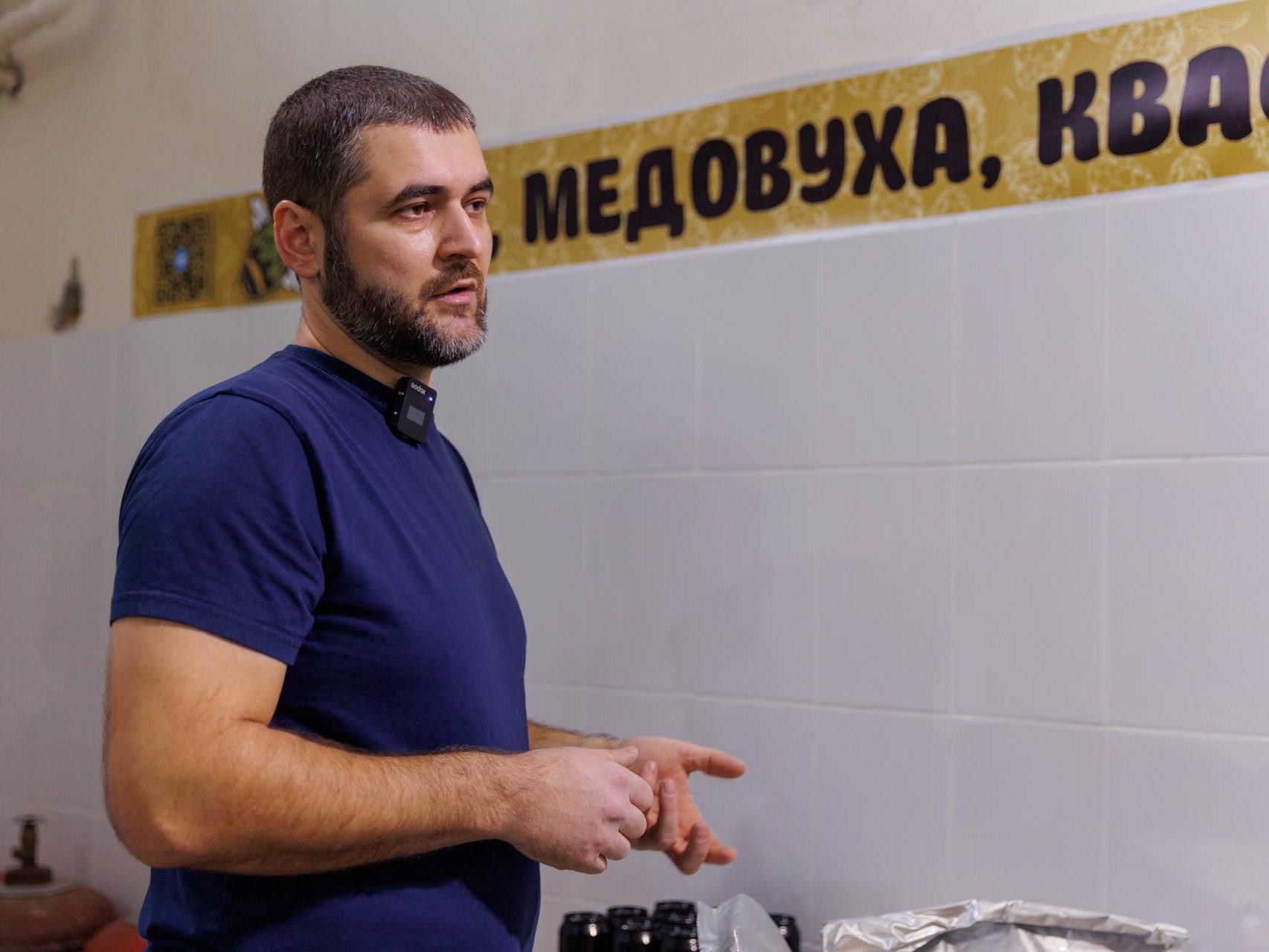
«I didn»t have and still don«t have any investors. I did everything with my own money, and took out a loan right after quitting. I»ve paid that off now, but other obligations still remain,« Dmitry shared.
Volumes started growing, and space became insufficient, so Dmitry and Yekaterina decided to move. They had to sell their own premises, which were in a residential complex, and find a larger, better place. It had been prepared as a fish processing workshop, but something went wrong for the other entrepreneurs. That«s how the Podoksenovs managed to rent a large hangar equipped for food production.
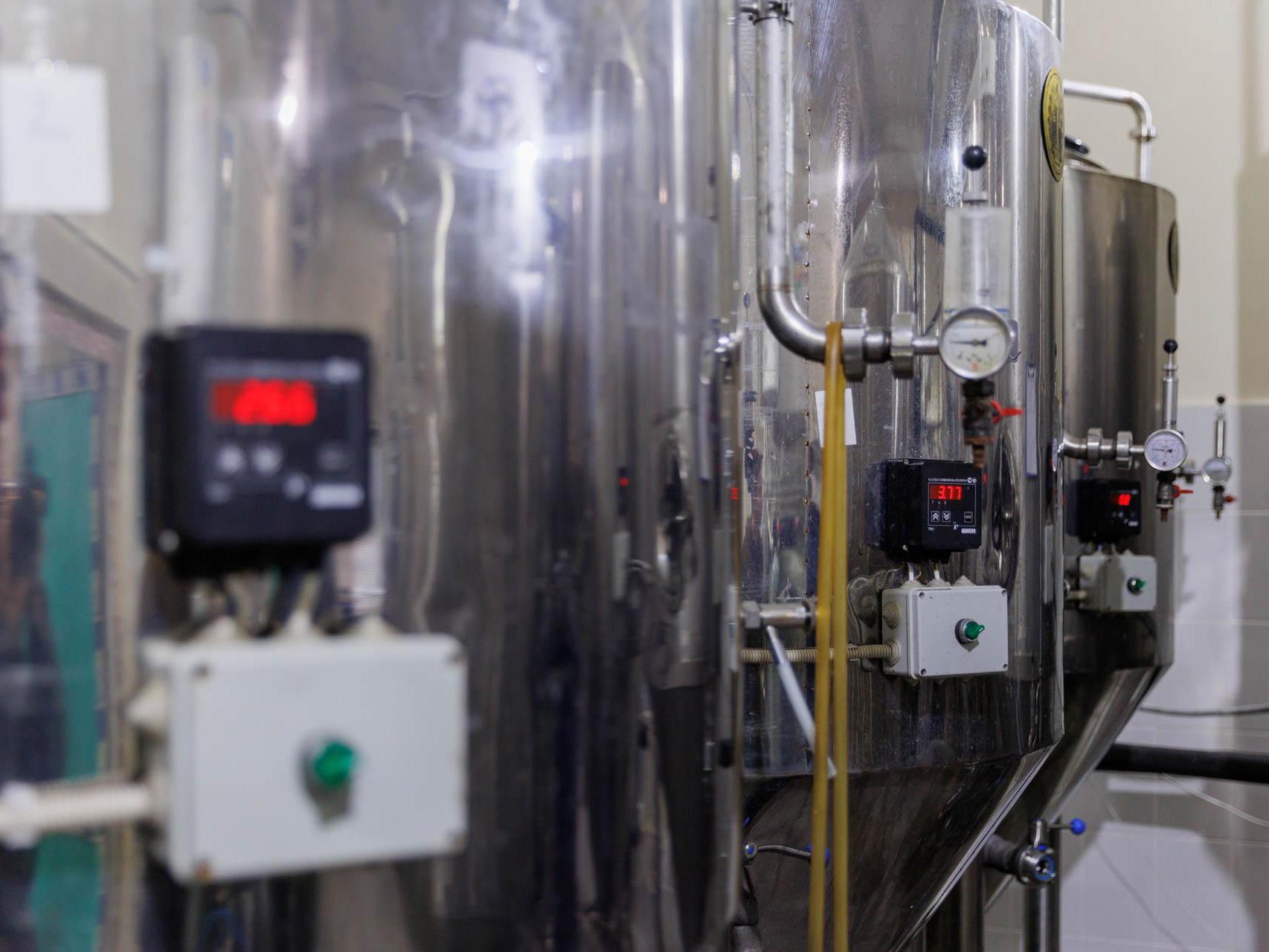
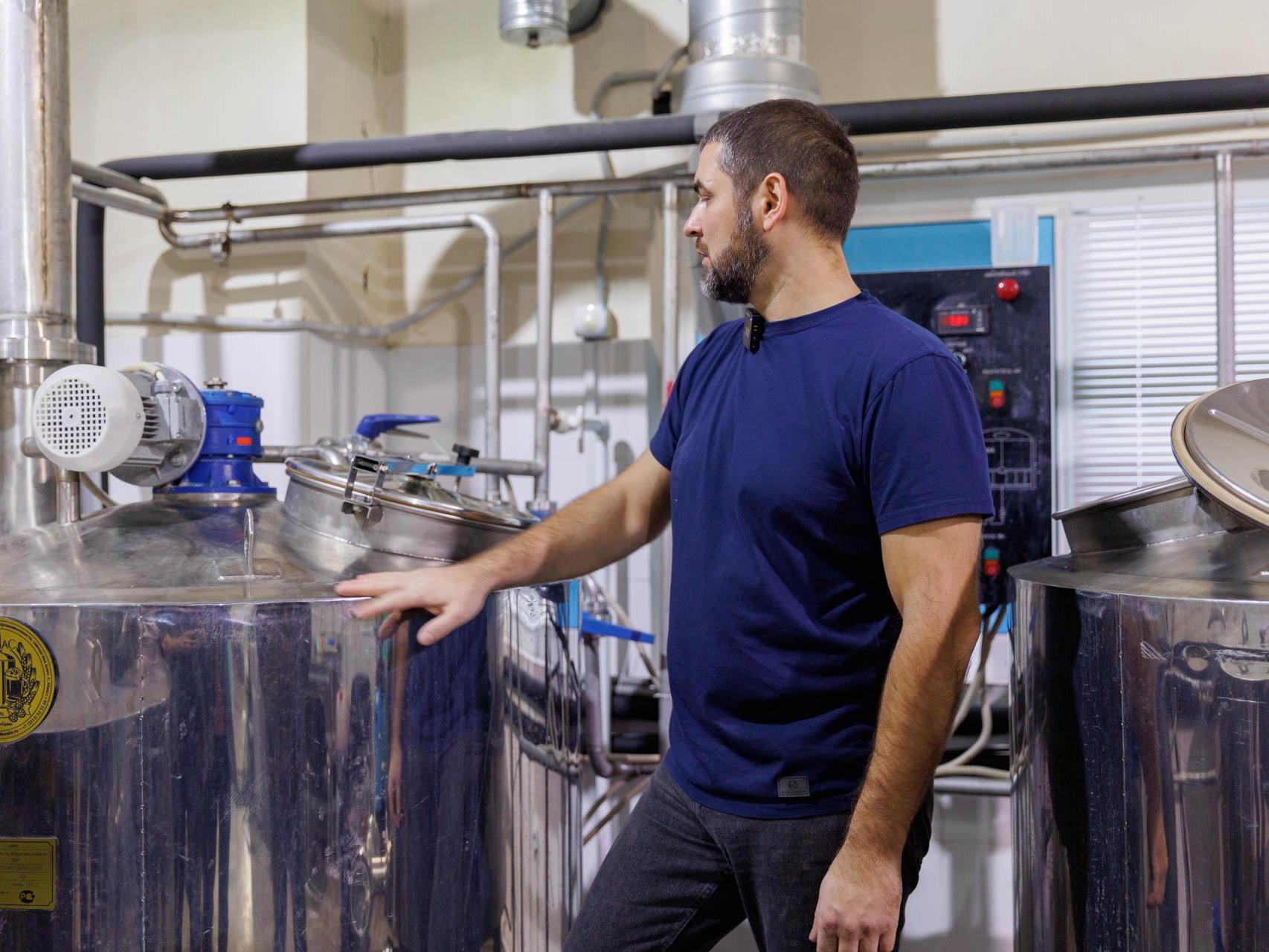
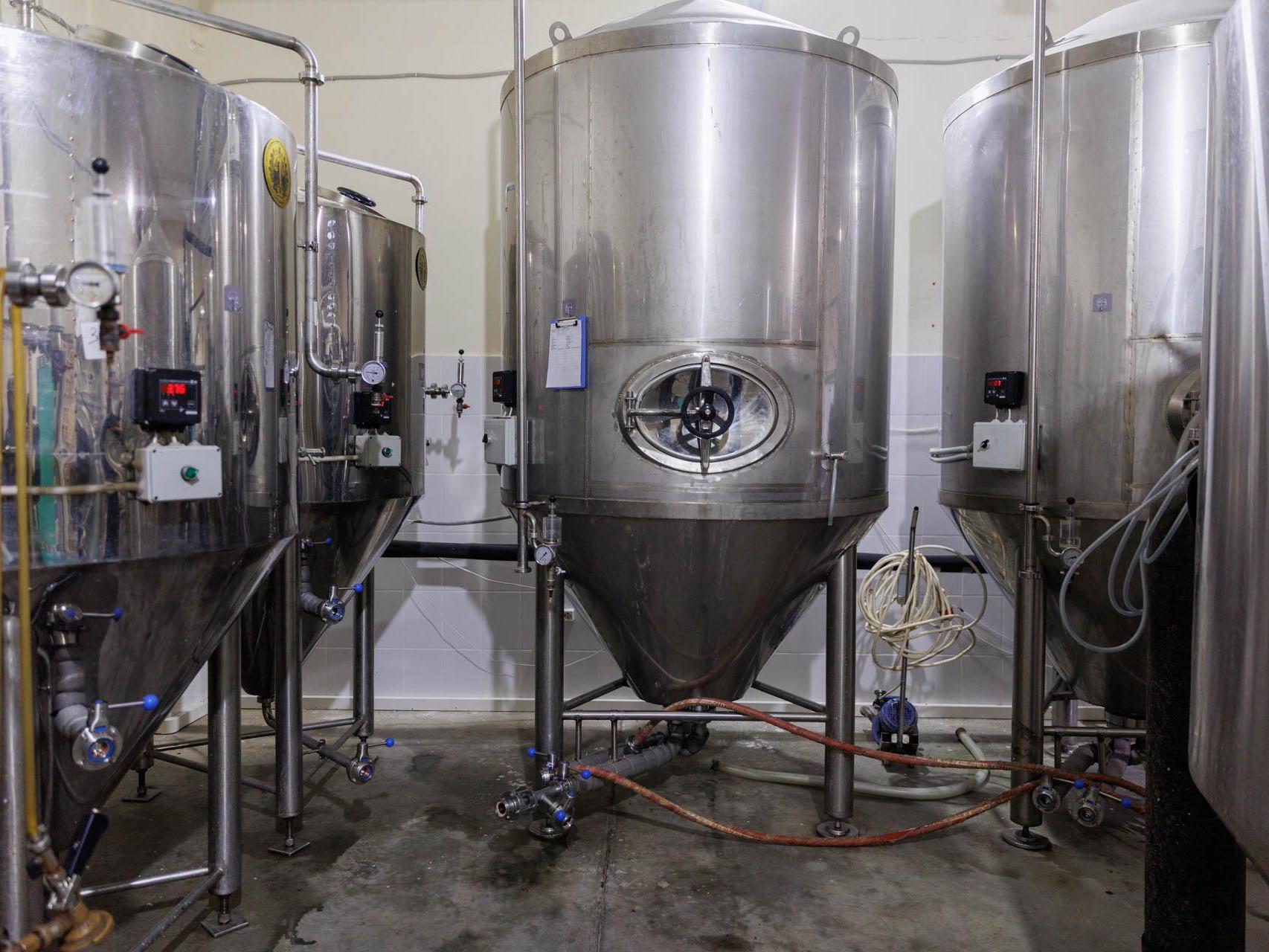
The family managed to buy even more special tanks. Dmitry assembled the line himself, because hired workers asked for 500,000 rubles (approx. $5,500) for the service, which the family didn«t have. He learned how to do it from the internet and colleagues—the city has a large, friendly community of brewers.
Due to the heavy lifting, Dmitry even ended up in the hospital—he underwent two knee meniscus surgeries. Times were tough, but everything is slowly getting better: today the Tyumen man brews about five tons of beer and mead per month. Let«s take a look at how the process works.
How Beer (and More) Is Made
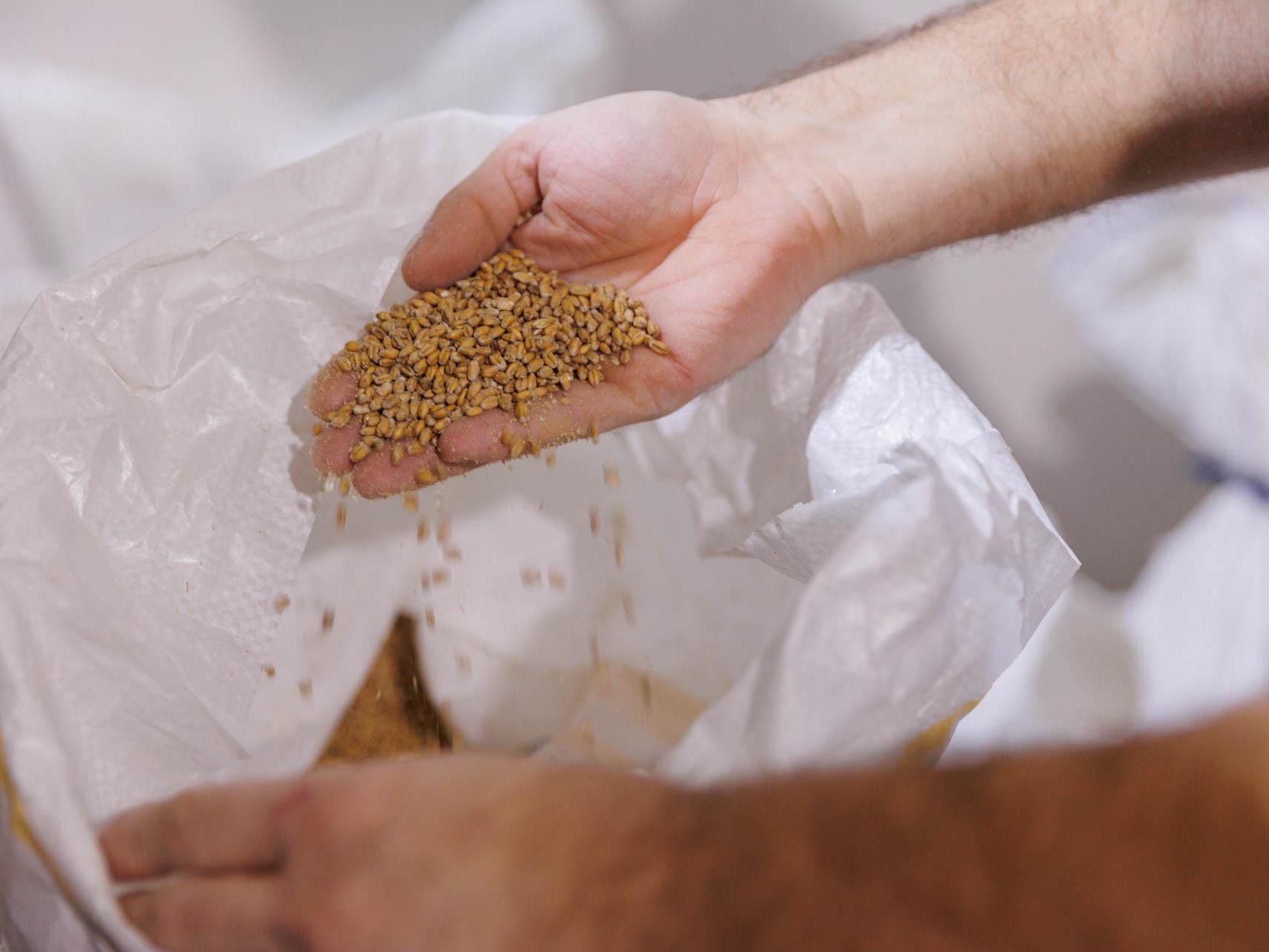
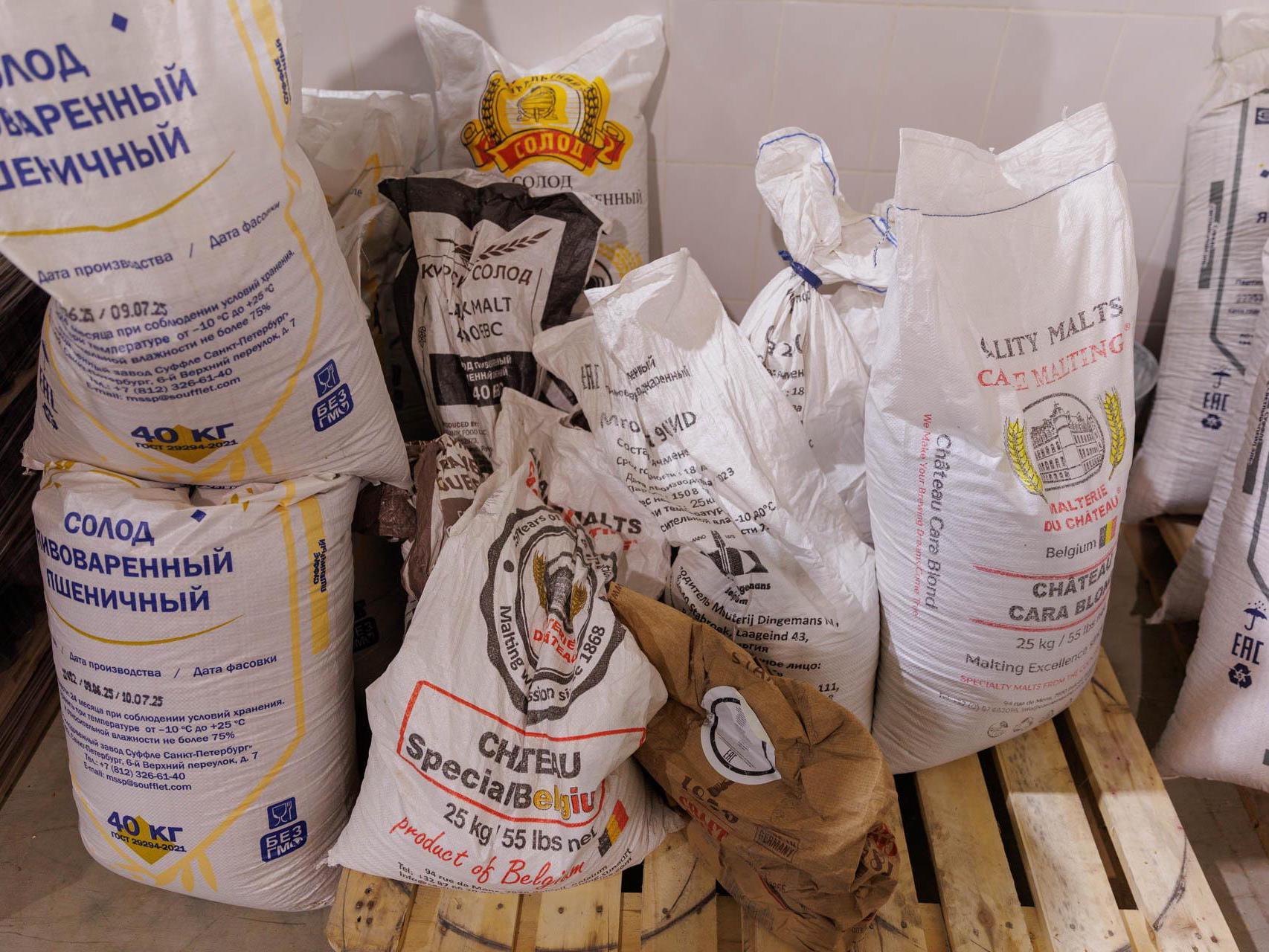
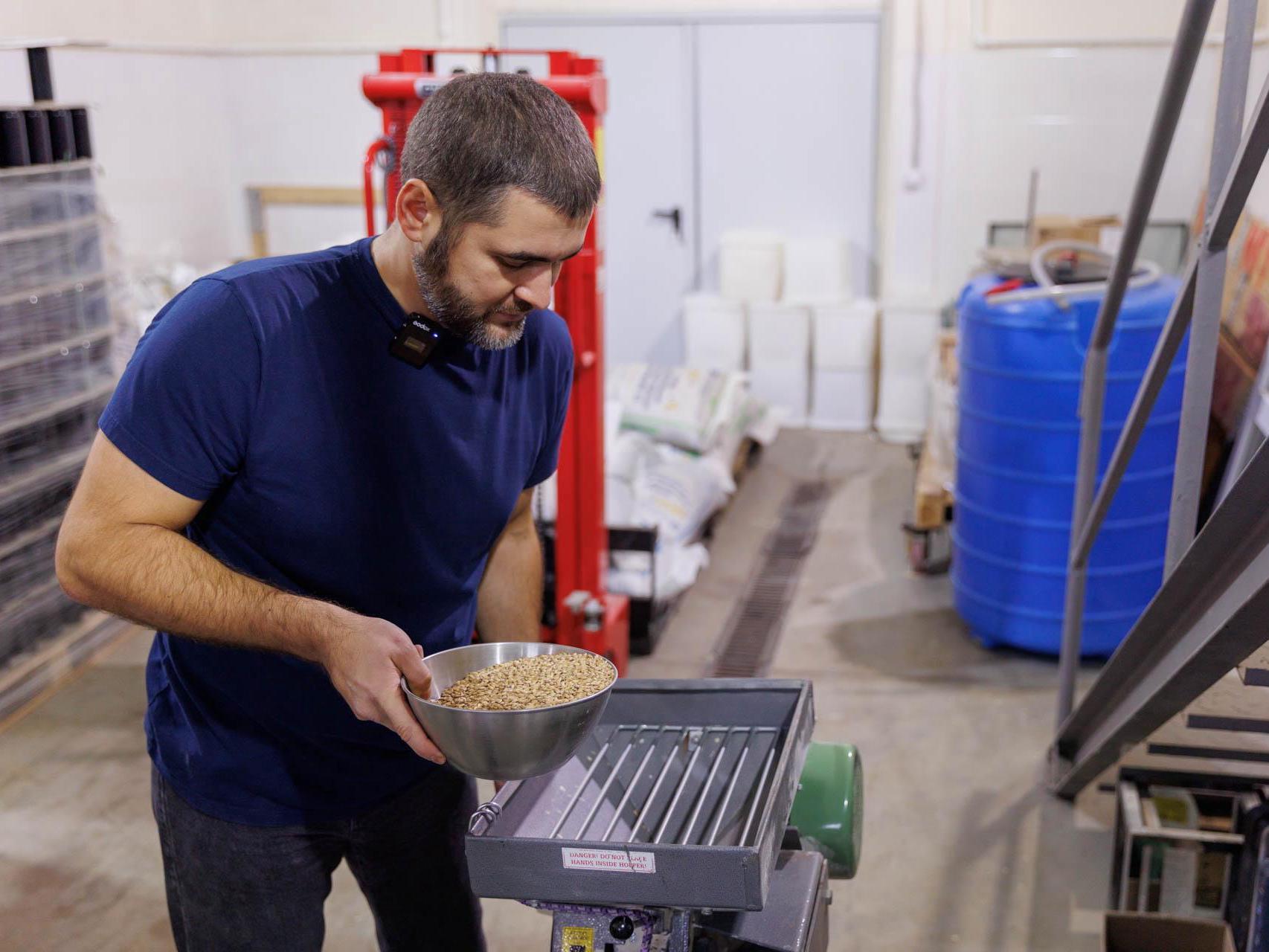
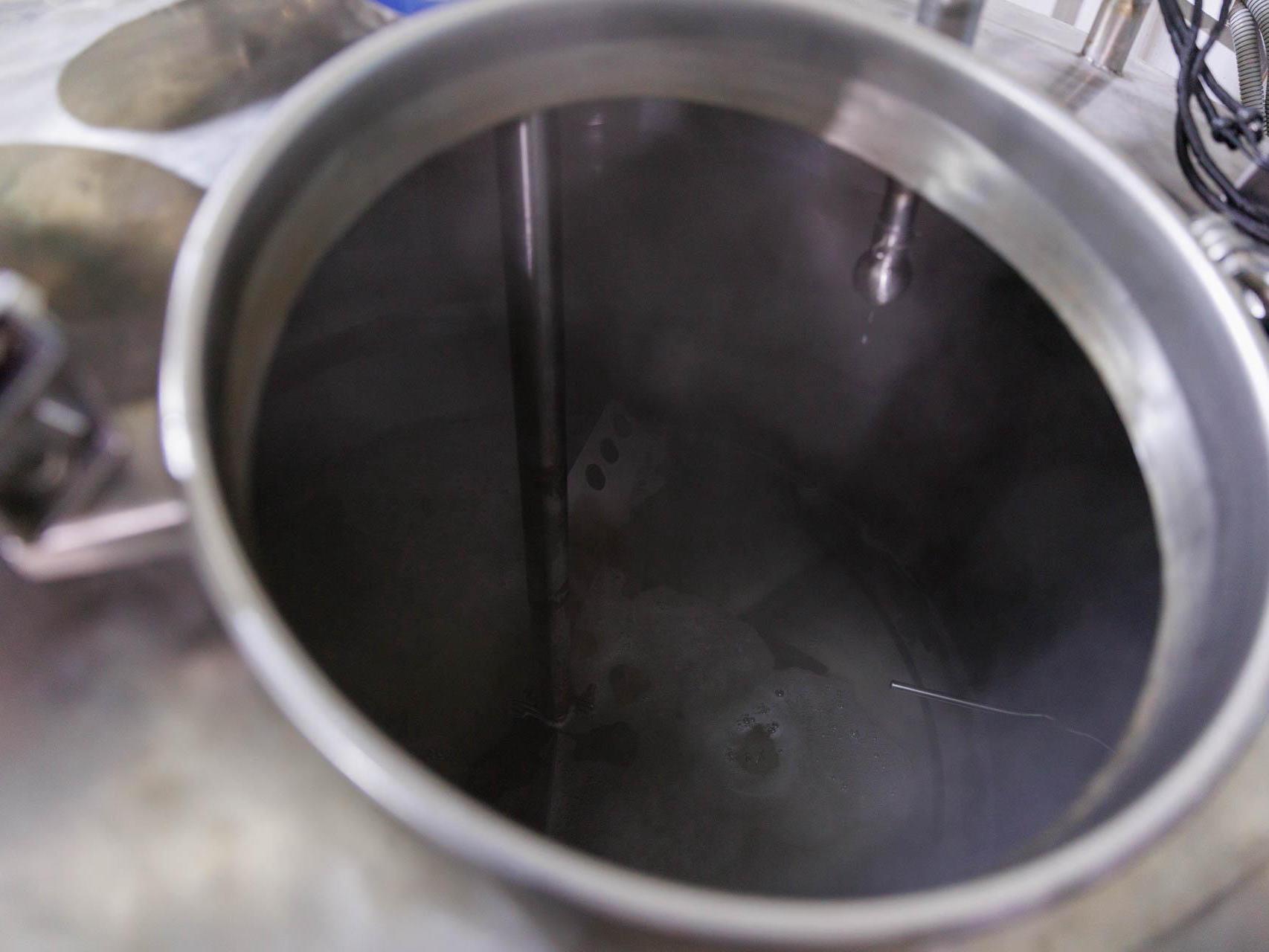
Malt from sacks is first ground in a special machine and poured into the brew kettle. The mash obtained during brewing is filtered to get the wort. After that, the wort is boiled, and hops are added to it. Contrary to popular belief, hops are not for increasing the alcohol content, but for aroma and taste.
Dmitry now uses both domestic and imported barley and wheat malt—this allows him to mix raw materials and improve the quality of the wort.
A single brew takes from six to eight hours. Temperature and timing vary depending on the beer style or type of mead. After that, the fermentation process takes place in the tanks—this requires 21 days. As soon as the wort goes from the tank into a barrel or glass, it is already called beer. It«s the finished product.
«I am the director, the driver, the technologist, and the cleaner. I»m at the production site every day. Everything must be controlled: if a valve isn«t closed somewhere—the product will start getting too cold, cooling down. There are nuances,» says the brewer.
Sometimes there are failures in production; for example, Dmitry recently disposed of two tons of beer that didn«t meet his standards. He could have sold it, but the brewer chose not to—reputation is more important. The taste would have been completely wrong.
The production of mead is roughly similar to the beer brewing process, though it«s not actually boiled, Dmitry notes. The Podoksenovs source the material for the drink in the Altai region—from a family of beekeepers. They only use buckwheat honey.
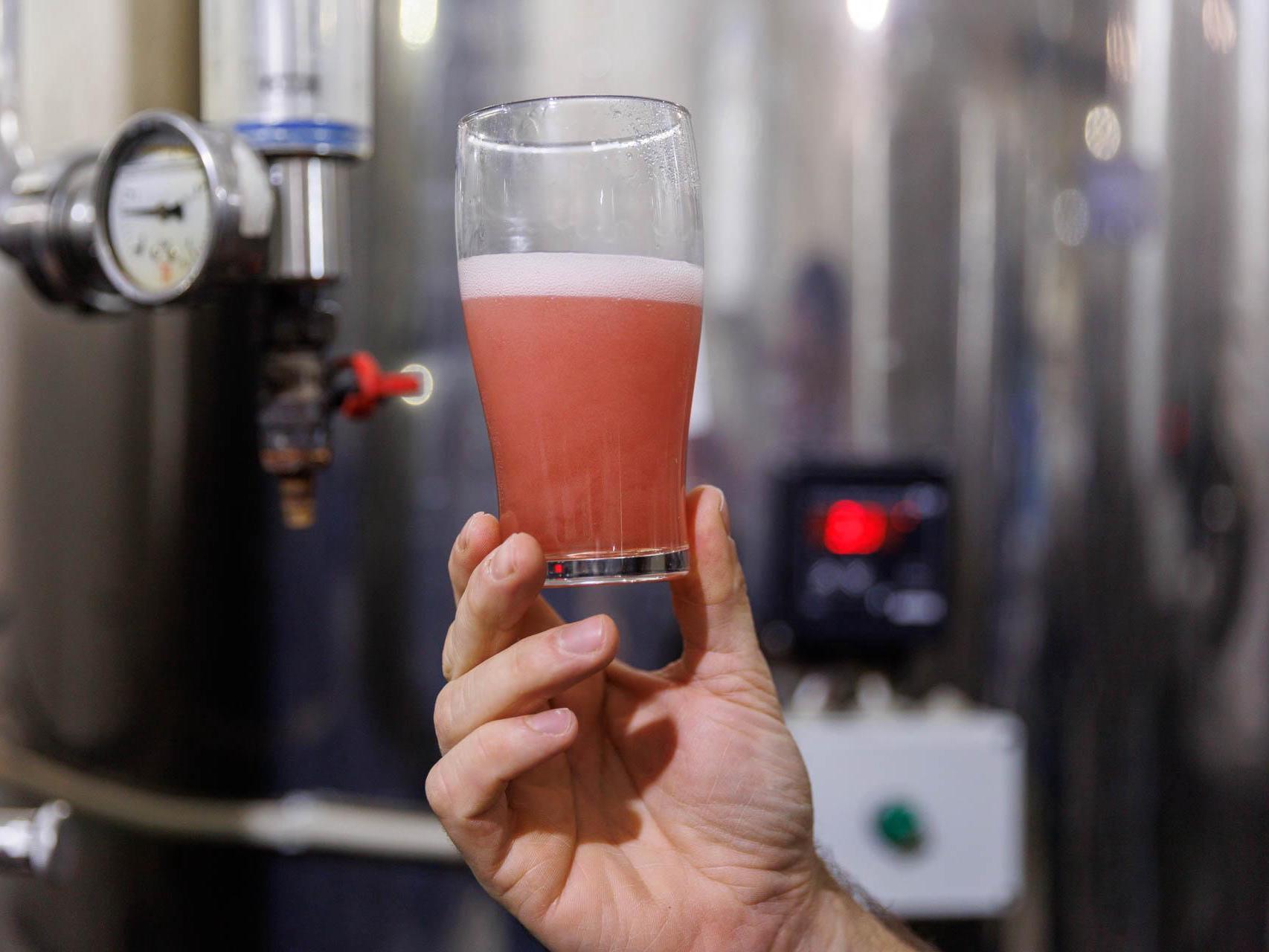
They decided to make the drink because they see a trend towards sweeter beverages. The current lineup includes traditional and clarified mead, as well as piment (a drink with added grape) and mead with blackcurrant and raspberry. Natural berry juice is used for this.
«My wife and I tried mead at the South Ural Brewers Forum. It was an interesting product, so I decided to try making it. I made the first batch—500 liters—and it didn»t ferment. I had to pour it all out, losing 100 kg of honey. But I didn«t stop because I realized it would be a unique product: the nearest meaderies from us are in Perm and Orenburg,» the businessman recounted.
He had to tinker with it: he went through many types of yeast and nutrients. The ones that could finally convey the honey«s aromatics are expensive, but they perform their function perfectly. The recipe is simple: honey, yeast, water. There are also experiments: for example, Dmitry brewed a limited batch with smoked pear. Customers appreciated it.
Dmitry doesn«t add sweeteners or sugar—then the drink wouldn»t be classic.
How Much Does a Good Drink Cost?
Dmitry brews several styles of beer—a classic lager, wheat Weizen, Märzen, as well as light ale and other types. There are no strong varieties because there«s no high demand for them: customers mostly want a light drink with minimal bitterness.
Prices at the mead-and-beer brewery are slightly higher than in chain stores. But, according to Dmitry, this doesn«t deter customers—they are willing to pay once they appreciate the quality.
«Sometimes a person comes in and says, »Wow, your prices. Over there, for example, beer is sold for 70, 100 rubles.« Well, let»s do the math. Just the raw materials for one liter will cost about 35–40 rubles. Excise tax is 35 rubles. And if we sell a drink to someone for, say, 100 rubles, we also pay VAT—another 20 rubles. So, 90–100 rubles is just the cost price. And that«s without rent, depreciation, wages, and other expenses,» Dmitry explains.
Sales are going reasonably well. Dmitry and Yekaterina get income from retail at the brewery«s store and also deliver their products to trusted partners. These are several draft beer outlets around the city and some bars. Additionally, the Podoksenovs have started traveling to festivals with their drinks. This year they attended the »Abalakskoye Pole« festival, where the mead sold out instantly.
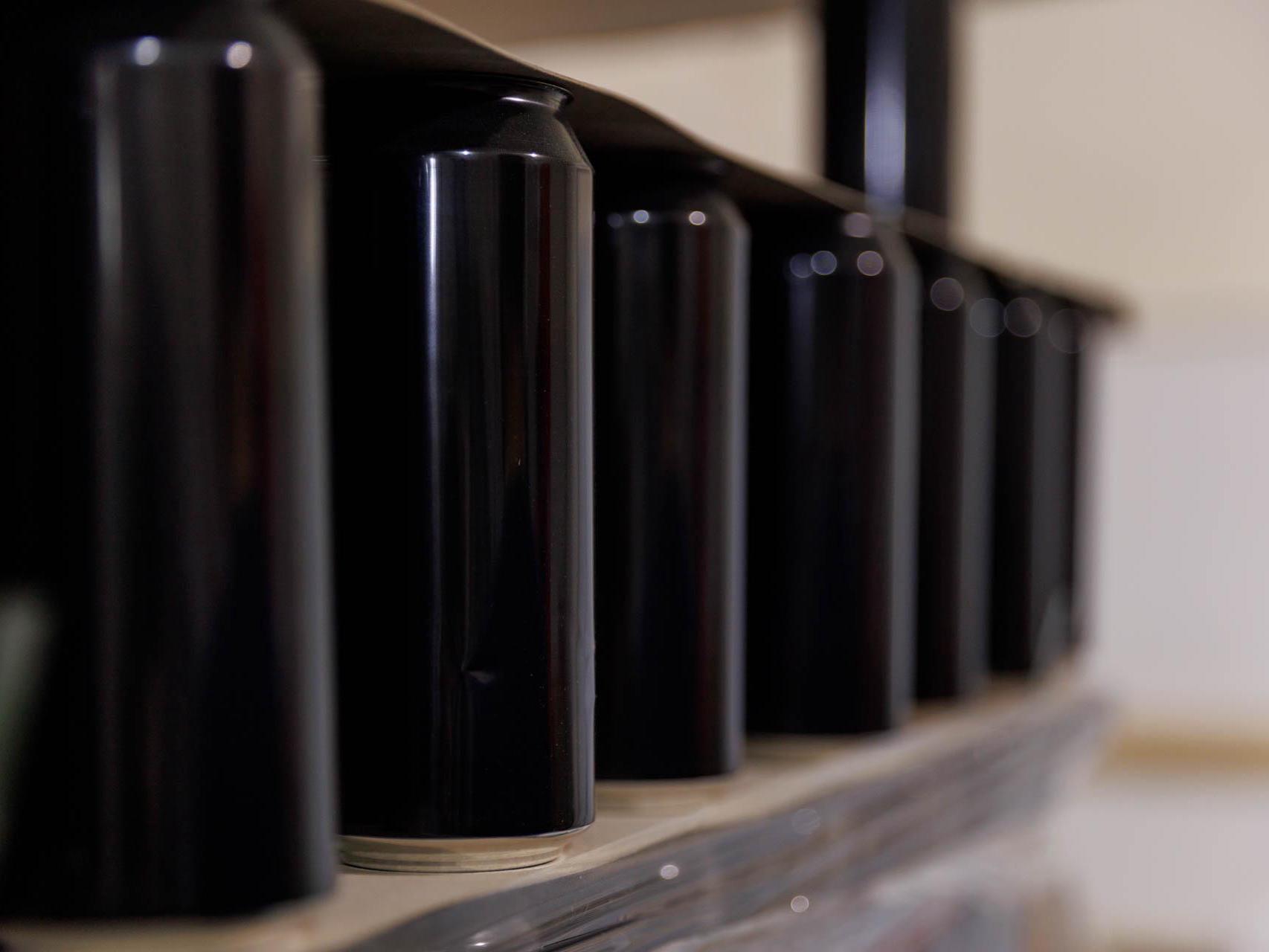
However, you can«t say that they are making a lot of money now. The earnings are constantly reinvested in modernization. For example, the family invested in buying a vehicle and also purchased a small bottling line—so now mead can be bought in cans. That cost 500,000 rubles (approx. $5,500).
«At first, we sold 100–200 rubles» worth a day. If 4,000 rubles remained in the cash register on a weekend, that was already good. I was very upset back then. Now we have both regular and new customers, but profit is still the hardest question. So far, the production brings practically nothing, it«s impossible to set money aside,» admits Dmitry.
He Wants to Become the Best Mead Brewer in Russia
In 2026, Dmitry plans to go to the nationwide «Rosglavpivo» competition with his mead. He is confident that his product can compete for the title of the best in Russia.
Another goal is to open a brewery and store in one space—so that right behind the counter there is glass, allowing you to see the manufacturing process. The businessman fully understands: times are not the easiest now, many are closing down. But he clearly sees that his drinks have potential.
«This business brings me pleasure. I hope it will start bringing income someday, too. With a quality product, you can go further. Every time I see someone drinking my beverage in some bar, I»m happy, because I«m very picky about my product and try to improve it,» says Dmitry.
Previously, we reported on how beer is made at one of Tyumen«s breweries. We showed the entire production process, talked about the nuances of selecting raw materials, and how beer matures to the music of Bach.