Entrepreneur warns Venezuelan cocoa varieties may vanish with hybrids
St Petersburg entrepreneur Vladimir Skarsoz, who grows cocoa in Venezuela, fears that the change in power could lead to the loss of traditional varieties as hybrids are introduced.
Jan 20, 2026 0
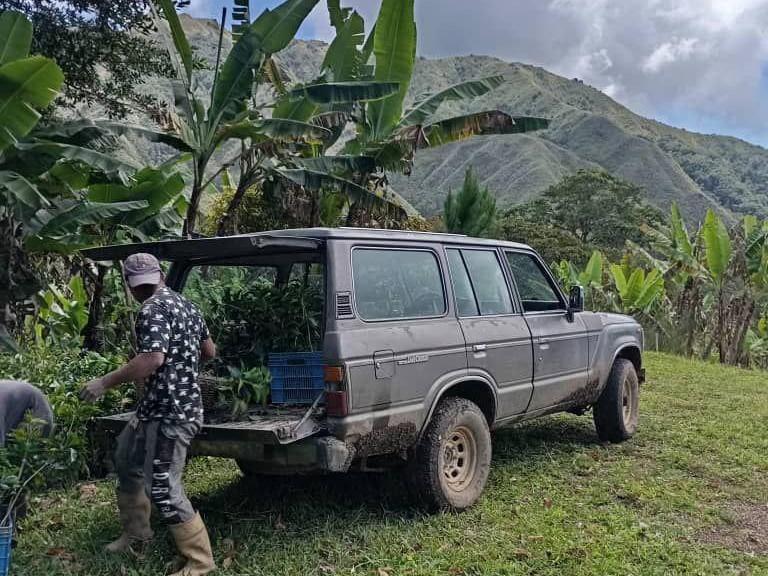

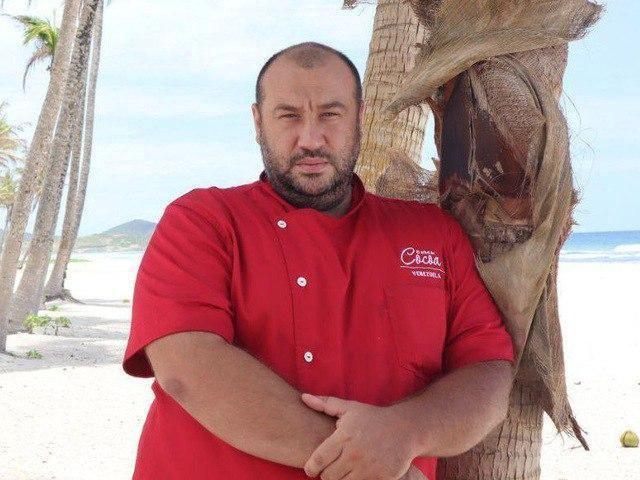
Vladimir Skarsoz oversees cocoa plantations in Monagas state, Venezuela, where he grows traditional varieties.
Source:
Vladimir Skarsoz, a St Petersburg businessman, has been working in Venezuela since 2013, where he founded the company «Ruskakao». The enterprise grows cocoa beans in Monagas state, processes them, and supplies them to Russia for chocolate production.
Cocoa beans are harvested and processed for export to Russia, supporting the chocolate industry.
Source:
In an interview, he noted that cocoa prices heavily depend on the El Niño climate phenomenon, which causes weather instability. In 2024-2025, due to reduced harvest, the price of high-quality fino de aroma beans reached $12 per kilogram, but has now fallen to a comfortable $4.50.
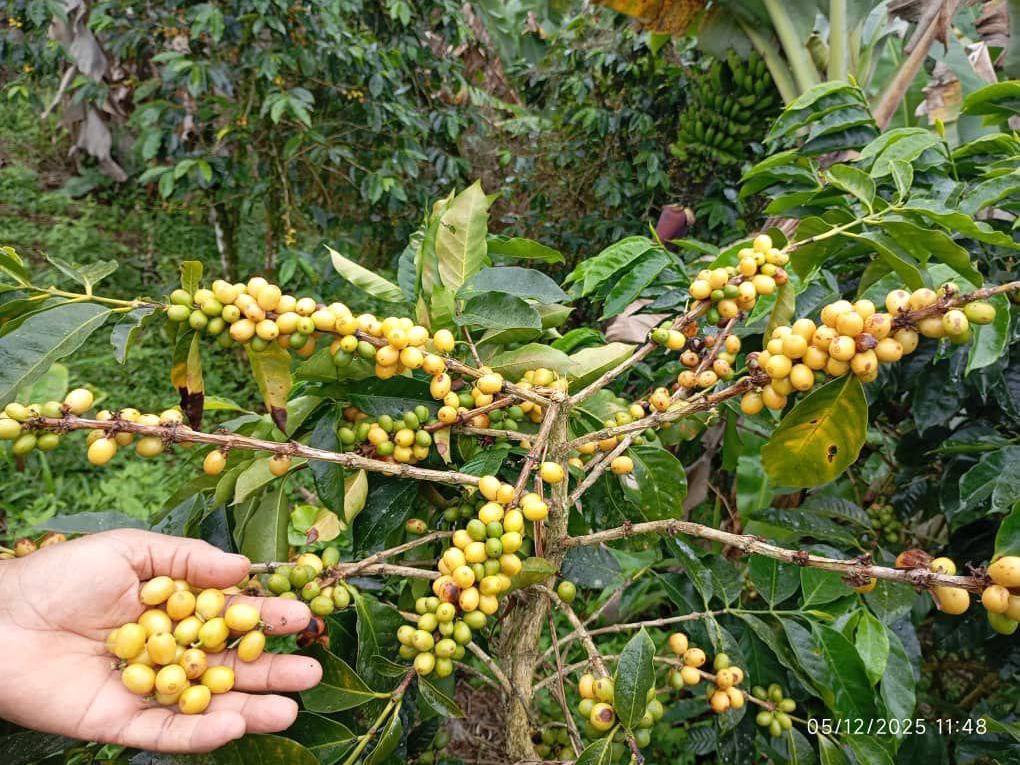
The price fluctuations of cocoa due to El Niño affect global markets and local producers.
Source:
Skarsoz pointed out that some producers, taking advantage of high prices, started adding cocoa bean husks to the product, which lowers quality. «Previously, it was only used for processing for livestock, but now it»s getting into products for humans,« he said. However, his company does not allow such practices.
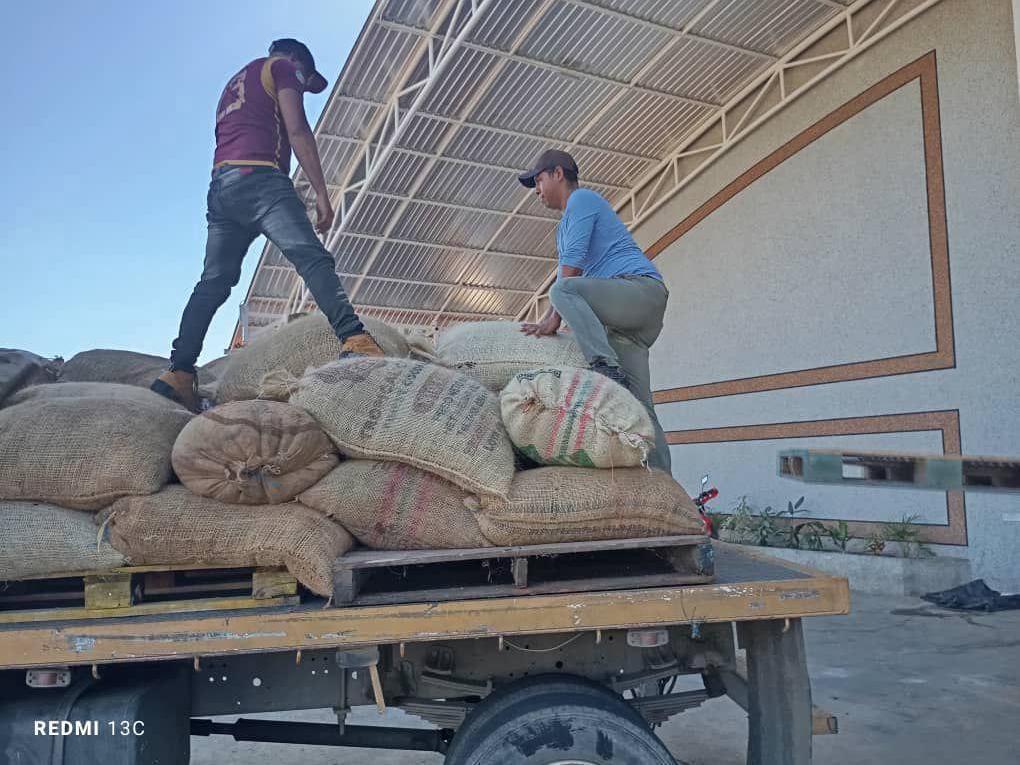
Traditional Venezuelan cocoa varieties like Criollo are at risk if hybrid plants are introduced.
Source:
«We are perhaps the only Russian company in the country that is engaged not in reselling cocoa, but in growing it,» the entrepreneur stated. He added that «Ruskakao» is increasing plantation areas and will soon fully supply itself with its own raw materials.
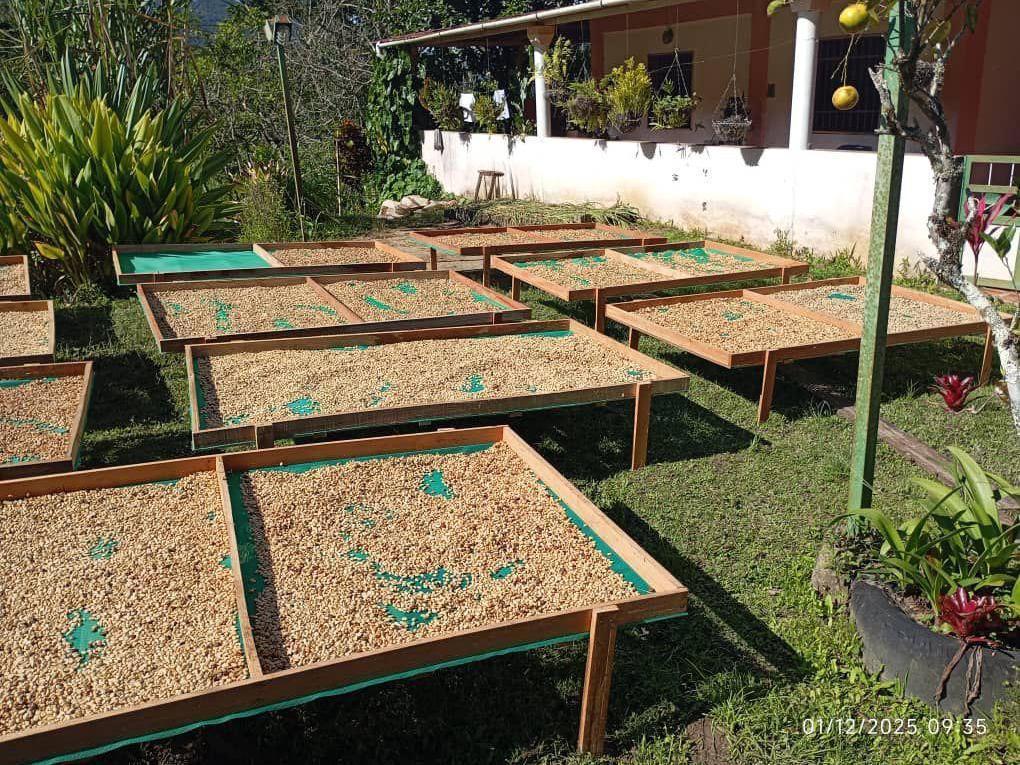
Skarsoz«s company, Ruskakao, focuses on cultivation rather than resale, ensuring quality control.
Source:
World cocoa bean production in 2024 was 4.37 million tons, with consumption at 4.87 million tons. Price dynamics in 2025 looked as follows:
- spring: $10,000–12,000 per ton;
- summer: decrease to $8,000;
- autumn: drop to $7,000;
- current level: about $4,000 per ton due to expectations of a larger harvest.
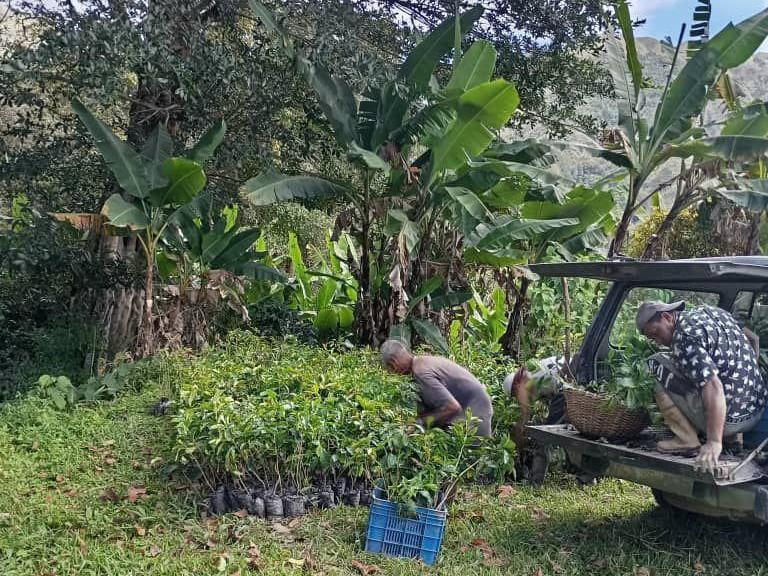
Political changes in Venezuela could impact agricultural policies for cocoa and coffee sectors.
Source:
The main producers of cocoa are Côte d«Ivoire, Ghana, Cameroon, and Nigeria, which account for 75% of global production. Venezuela produces about 30,000 tons and is not among the leaders.
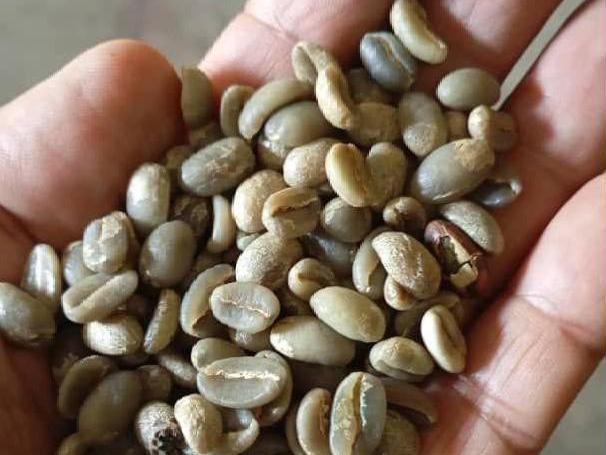
Despite challenges, Skarsoz plans to continue farming cocoa and exploring tourism potential.
Source:
Due to climate change, areas suitable for growing cocoa are shifting to higher-altitude regions. «Gradually, cocoa plantations are moving higher into the mountains, where, by the way, coffee is traditionally grown,» Skarsoz explained.
The political situation in Venezuela changed after the US military operation on January 3, 2025, during which President Nicolás Maduro was captured, accused of narcoterrorism. Acting president became Vice President Delcy Rodríguez.
In 2025, Skarsoz«s company supplied about 500 tons of various products from Venezuela to Russia.
Despite political upheavals, the businessman hopes that the cocoa and coffee sector will not suffer. «Even if the country comes under total US control, I hope such changes will not affect the cultivation of coffee and cocoa,» he said.
However, Skarsoz does not advise new entrepreneurs from Russia to invest in Venezuela now. «It»s still not worth investing in this country now. And no one will now,« he stated.
He sees the main threat in a possible change in government policy regarding cocoa varieties. Until now, only traditional varieties such as Criollo have been grown in Venezuela, without hybridization. But with the new authorities, hybrid varieties that yield more may be allowed. «I fear that we may lose the original type of Venezuelan cocoa,» Skarsoz admitted.
Despite this, he plans to continue growing traditional varieties. «No, of course, and we will continue to grow only Venezuelan cocoa varieties,» the entrepreneur emphasized.
The cocoa harvest is collected from October to March, after which the beans are fermented and dried. Skarsoz will return to St Petersburg no earlier than March to oversee the process.
Regarding other industries, the businessman noted the potential of tourism in Venezuela due to the climate and reduced banditry levels. Flights between St Petersburg and Venezuela are operated, but only by Venezuelan airlines.
Read more