Rostov Region Backs Gasoline Sales with Passport to Curb Youth Accidents
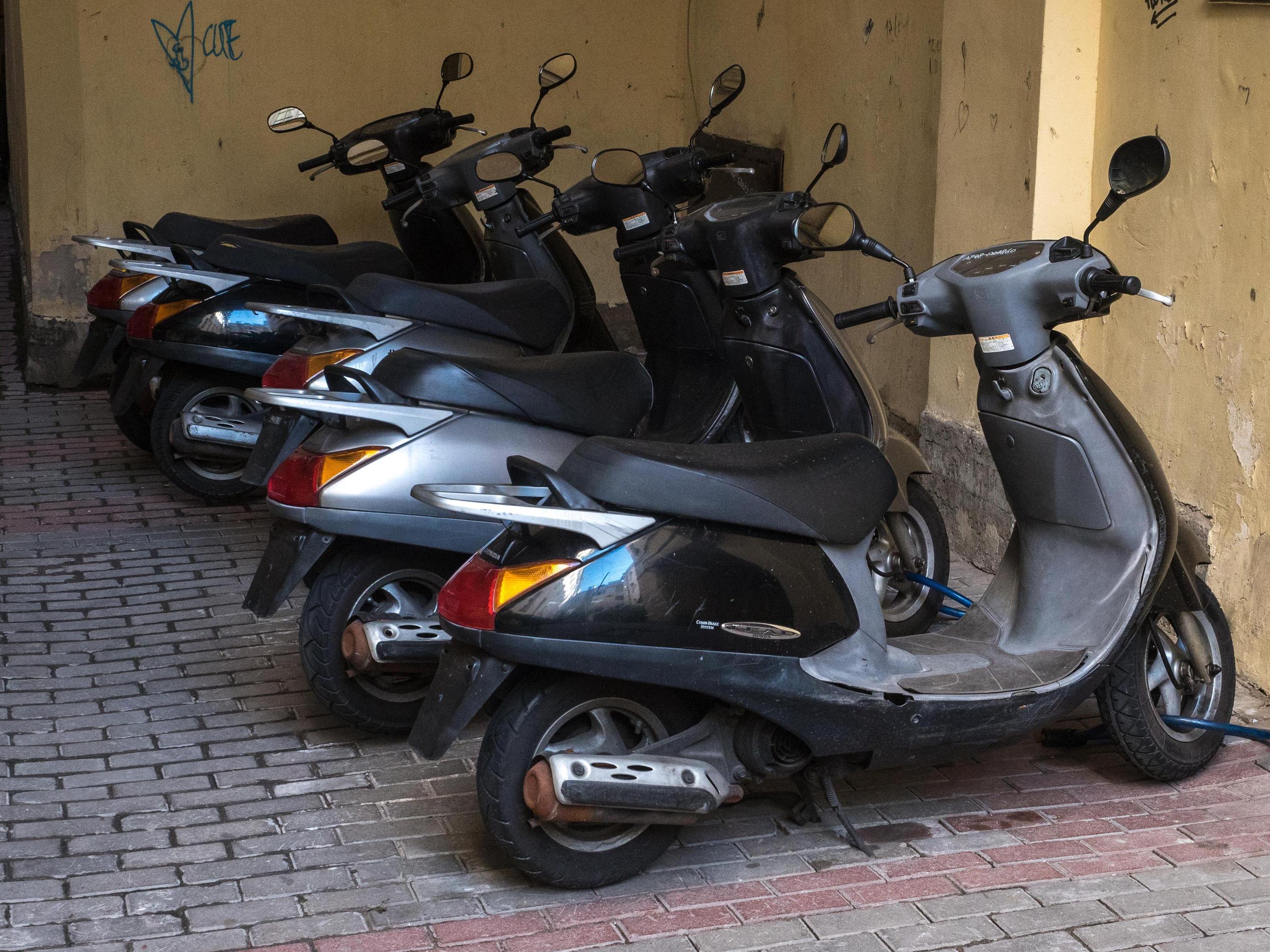

In Rostov Region, the number of road accidents involving child motorcyclists has increased.
The Ministry of Economy of Rostov Region has issued a positive conclusion on a draft law proposing the sale of gasoline in the region with a passport. This is stated on the official website of the Don government.
As reported by 161.RU, the idea belongs to the Prosecutor«s Office of Rostov Region. The agency proposed to ban the sale of gasoline to persons under 18 years old. The reason is an increase in the number of road accidents involving minors who were operating cross motorcycles, pit bikes, and similar vehicles.
“In Rostov Region over the past 5 years, the number of road traffic accidents involving child motorcyclists has increased fourfold (from 7 to 28), and the number of injured — fivefold (from 5 to 28). This trend indicates the need for the proposed legal regulation,” states the conclusion of the Ministry of Economy.
This should work similarly to bans on the sale of alcoholic and tobacco products to minors. If the seller doubts that the buyer has turned 18, they must request a document confirming age. This can also be a driver«s license.
Rostov Region is not the first Russian region where gasoline is to be sold with a passport. In 2025, similar bans were introduced by the authorities of Vologda and Yaroslavl regions, as well as the Republic of Tatarstan.
“The goal is to improve road traffic safety, as well as to prevent harm to children«s health and reduce accidents involving child motorcyclists,” notes the Ministry of Economy of Rostov Region.
The regional prosecutor«s office proposed to introduce the ban on gasoline sales to minors from March 1, 2026. The issue of responsibility for gas station employees for its violation remains unresolved. The Ministry of Economy recommends that a separate law provide for appropriate administrative penalties.